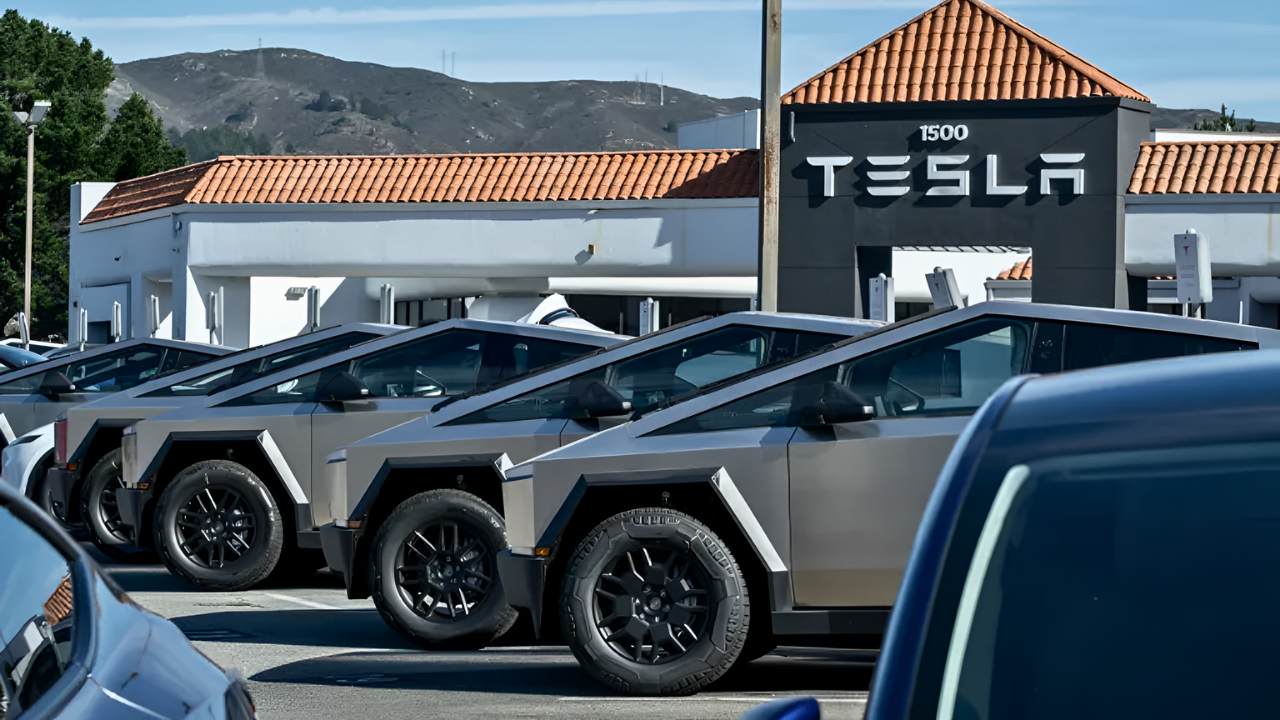
In early 2025, Tesla launched a comprehensive overhaul of its U.S. supply chain, ordering the removal of all China-made components from its American-built vehicles within one to two years. The move, one of the most ambitious in the electric vehicle industry, marks a significant shift from years of relying on China’s manufacturing prowess. With up to 1.4 million U.S.-built Teslas affected annually, the company’s decision is set to reshape global automotive sourcing and test the resilience of its production pipeline.
Tariffs and Geopolitics Upend Old Alliances
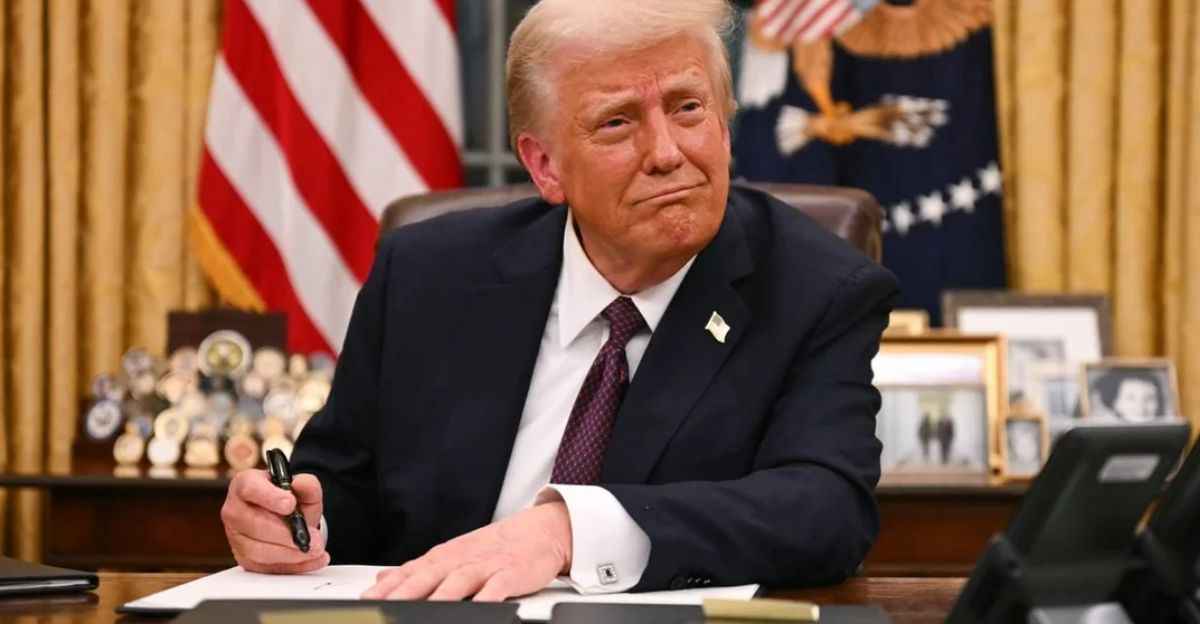
Tesla’s pivot comes amid escalating trade tensions and shifting economic realities. The U.S. imposed a 25 percent tariff on Chinese automotive parts in April 2025, followed by a 50 percent tariff on steel and aluminum by June. These unpredictable tariffs made it nearly impossible for Tesla to secure stable pricing or long-term contracts, as costs could triple mid-production. What was once a cost-saving strategy—sourcing from China—quickly became a financial risk.
The situation intensified in the fall of 2025 when the Dutch government seized the Chinese-owned chipmaker Nexperia, citing national security concerns. China retaliated by blocking chip exports, further destabilizing supply chains. These overlapping shocks—pandemic disruptions, tariff hikes, and geopolitical standoffs—forced Tesla to accelerate its plans to diversify away from China.
Reengineering the American Tesla
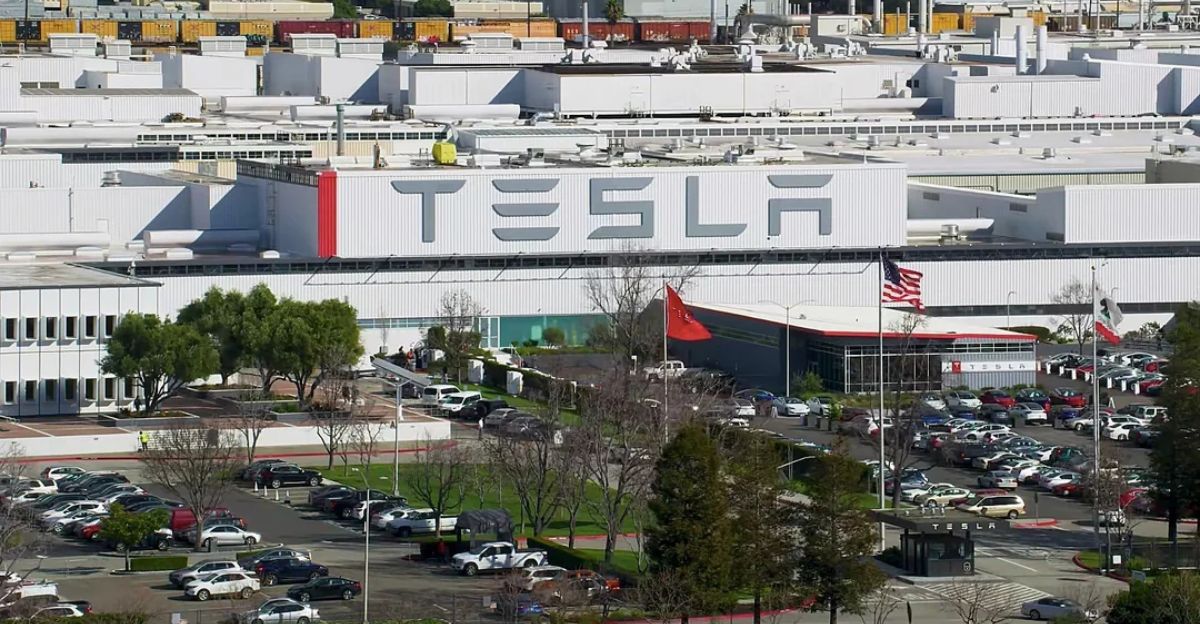
The scale of Tesla’s challenge is immense. Its Fremont and Austin factories, with a combined annual capacity exceeding one million vehicles, must now be reengineered to exclude Chinese parts. In 2024, the U.S. imported $18.3 billion in Chinese automotive components, accounting for approximately 11 percent of total auto parts imports. Tesla alone is shifting roughly $2 billion in annual sourcing away from China.
The company’s reliance on Chinese lithium-iron phosphate (LFP) batteries, supplied by CATL, has been particularly difficult to unwind. U.S. Teslas using these batteries lost eligibility for federal EV tax credits under the Inflation Reduction Act, and tariffs further squeezed margins. Tesla is now racing to complete a Nevada-based LFP battery facility to begin production in late 2026 or 2027. Company leaders acknowledge that replacing China’s scale and expertise will take time, especially for advanced components like batteries and semiconductors.
New Winners: Mexico, India, and Southeast Asia

As Tesla urges suppliers to relocate, Mexico has emerged as the primary beneficiary. Suppliers are clustering around the Austin Gigafactory, with many expecting their Mexican operations to be fully online by 2026. India is gaining traction as a potential semiconductor partner, while Vietnam and Thailand offer secondary options for component manufacturing. Tesla has already replaced several China-made parts with alternatives from these regions; however, some specialized components remain difficult to source outside of China.
Suppliers face a stark choice: relocate quickly or risk losing lucrative Tesla contracts. Many have spent decades building efficient operations in China and now must replicate those systems elsewhere in just one to two years. The transition demands significant investment, and not all suppliers will be able to keep pace.
Cost Pressures and Industry Ripple Effects
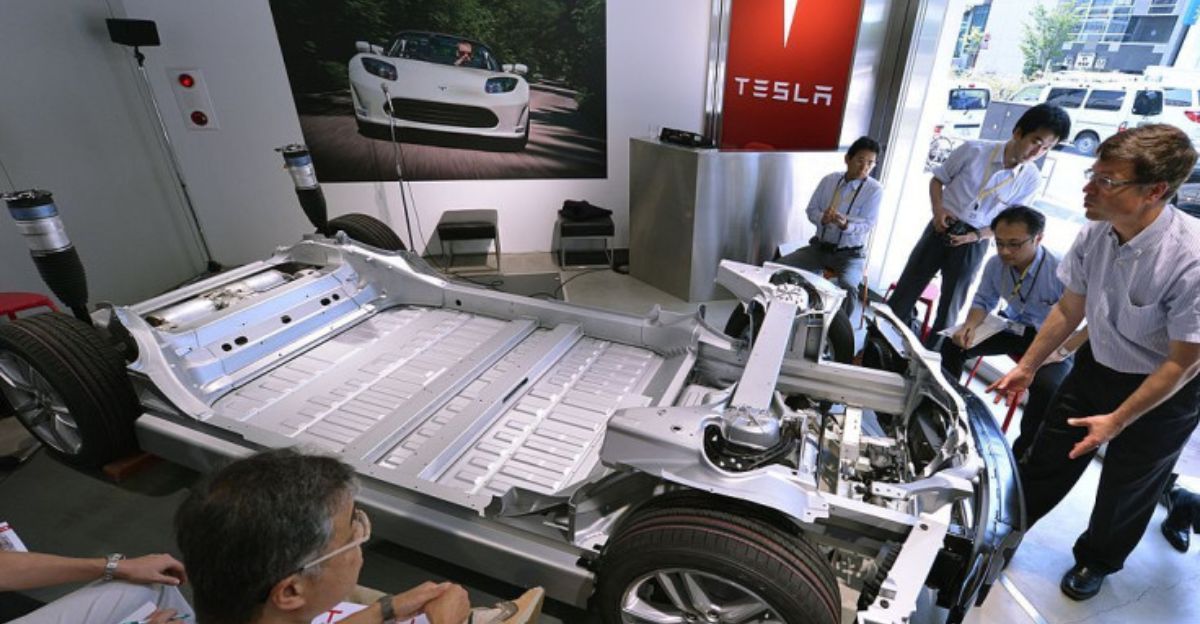
Abandoning China’s manufacturing ecosystem comes at a price. China’s vast scale, lower labor costs, and favorable currency have long made its exports highly competitive. Replicating that efficiency elsewhere will likely result in higher costs in the short term. Tesla must decide whether to absorb these increases, pass them on to consumers, or accept slimmer margins. The company has not yet clarified how it will manage these pressures, leaving analysts and buyers watching future earnings reports for clues.
Tesla is not alone in this shift – General Motors has made similar public commitments. Analysts predict that if Tesla’s transition succeeds, “China-free” sourcing could become an industry standard rather than a niche strategy.
A New Era for Global Supply Chains
Tesla’s decision marks a turning point in global manufacturing. For decades, automakers prioritized cost savings by sourcing from China. Now, national security, trade exposure, and political alignment are driving supply chain decisions. The U.S., Mexico, Japan, and South Korea stand to benefit, while China’s auto-parts sector faces the loss of a defining customer and potential job losses, especially among smaller factories.
The stakes are high. Tesla’s aggressive timeline—just one to two years—reflects the urgency of staying ahead of further tariff hikes or geopolitical shocks. The transition is expected to create jobs in North America, particularly in Texas and Arizona, while accelerating job losses in China’s export-dependent factories.
For consumers, the long-term impact on Tesla vehicle prices remains uncertain. Rising costs could eventually be passed on, but the company has not announced any immediate changes. As the world’s automakers watch Tesla’s experiment unfold, the outcome may determine how supply chains are designed for years to come. The next two years will reveal whether Tesla’s gamble secures its future—or exposes new vulnerabilities in the race to build the next generation of electric vehicles.