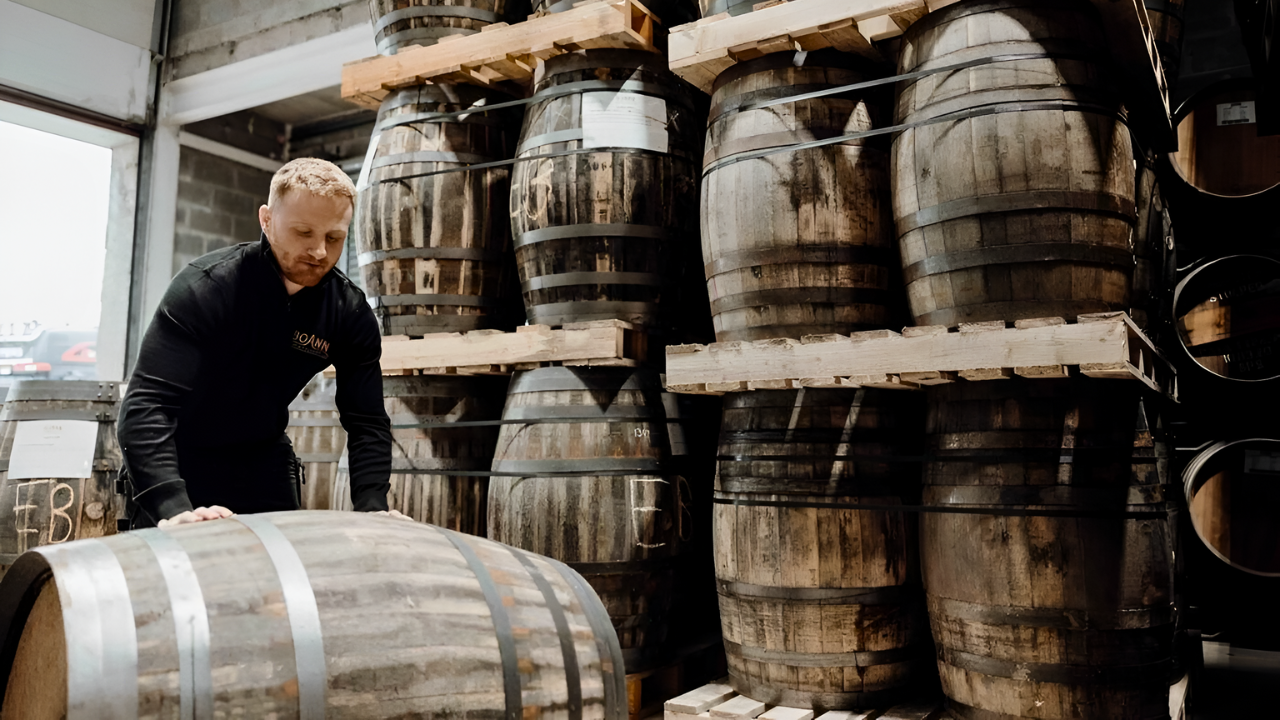
Uncle Nearest Premium Whiskey, a Tennessee whiskey brand honoring America’s first known African-American master distiller, has been placed under court-ordered receivership under the weight of $108 million in debt in August 2025. This dramatic development signals deep trouble for Kentucky’s $9 billion bourbon industry, which is now grappling with a wave of bankruptcies, shrinking sales, and shifting consumer tastes.
Bourbon’s Historic Roots and Sudden Crisis
Founded in 2017 by entrepreneur Fawn Weaver, Uncle Nearest honors the legacy of Nathan “Nearest” Green, who taught Jack Daniel how to make Tennessee whiskey in the 1850s-1860s. The brand’s flagship product, Uncle Nearest 1856, references the year Green is believed to have perfected the charcoal filtration process—169 years ago. Yet, despite rapid growth as America’s fastest-growing whiskey brand, Uncle Nearest could not withstand financial pressures.
Its receivership follows the recent failures of Luca Mariano, Garrard County, and Kentucky Owl distilleries, threatening more than 23,000 jobs and $1.6 billion in payroll across Kentucky.
Local Impact
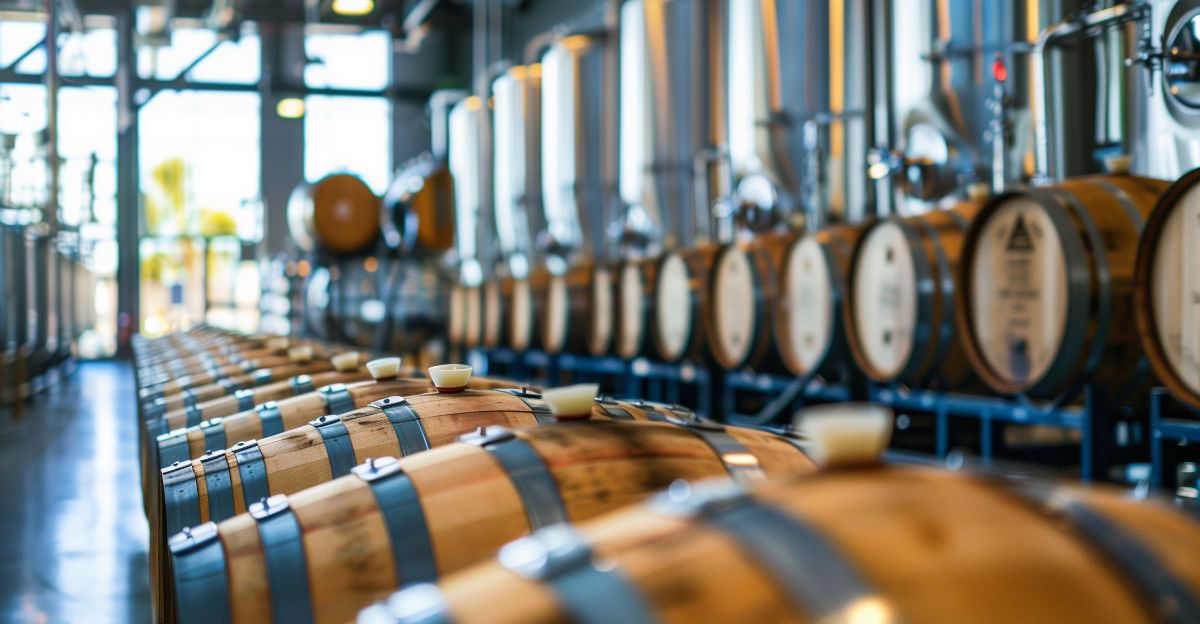
The fallout from Uncle Nearest’s financial crisis is reverberating through the bourbon heartland. Grain suppliers, barrel makers, and employees now face layoffs and uncertainty—Uncle Nearest has already laid off 12 employees during the receivership process. Bourbon tourism—a vital economic engine that drew 2.7 million visitors to the Kentucky Bourbon Trail in 2024—is also suffering.
With distillery operations under court supervision, local restaurants, hotels, and event venues report concerns. Francesco Viola, owner of Luca Mariano Distillery, which also filed for bankruptcy, described the situation: “We filed to maximize the value of the assets for all stakeholders… and are poised to emerge successfully, ideally with the support of our employees, customers, community and creditors.” This sentiment reflects the anxiety and hope among the distillery workforce.
Industry Headwinds
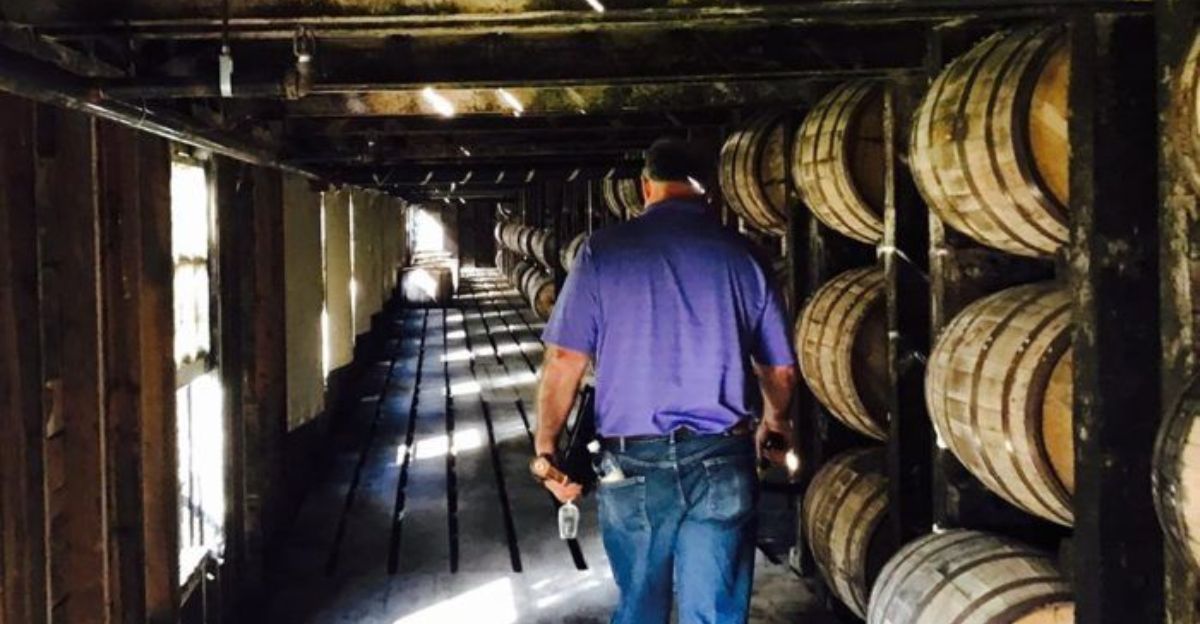
The bourbon industry’s troubles stem from several converging factors. During the 2000s bourbon boom, distilleries raced to expand, leaving Kentucky with an estimated 14.3 million aging barrels—more than two for every resident. Now, with demand stagnating, much of this inventory sits unsold, creating massive storage costs and spiraling debt.
The Distilled Spirits Council notes that producers face “increased production costs [and] a slowdown in spirits sales in the U.S.” At the same time, younger drinkers are turning away from traditional bourbon, favoring low-alcohol canned cocktails and hard seltzers. In 2024, U.S. whiskey sales fell 1.8% to $5.2 billion, as younger consumers increasingly favor sweeter, ready-to-drink beverages.
Global Pressures
International trade disputes have compounded the crisis. After U.S. steel and aluminum tariffs, Canada retaliated by delisting American whiskies from provincial liquor store shelves, costing distillers thousands in lost orders. The European Union has threatened a 50% tariff on American whiskey, threatening two of Kentucky bourbon’s largest export markets.
These barriers have slashed exports just as domestic sales weaken. Meanwhile, India has reduced whiskey import tariffs from 150% to 100%, offering some relief, but smaller U.S. distillers often lack the networks to capitalize on new opportunities. Globally, U.S. whiskey’s market share is shrinking as competition intensifies.
Adapting for Survival
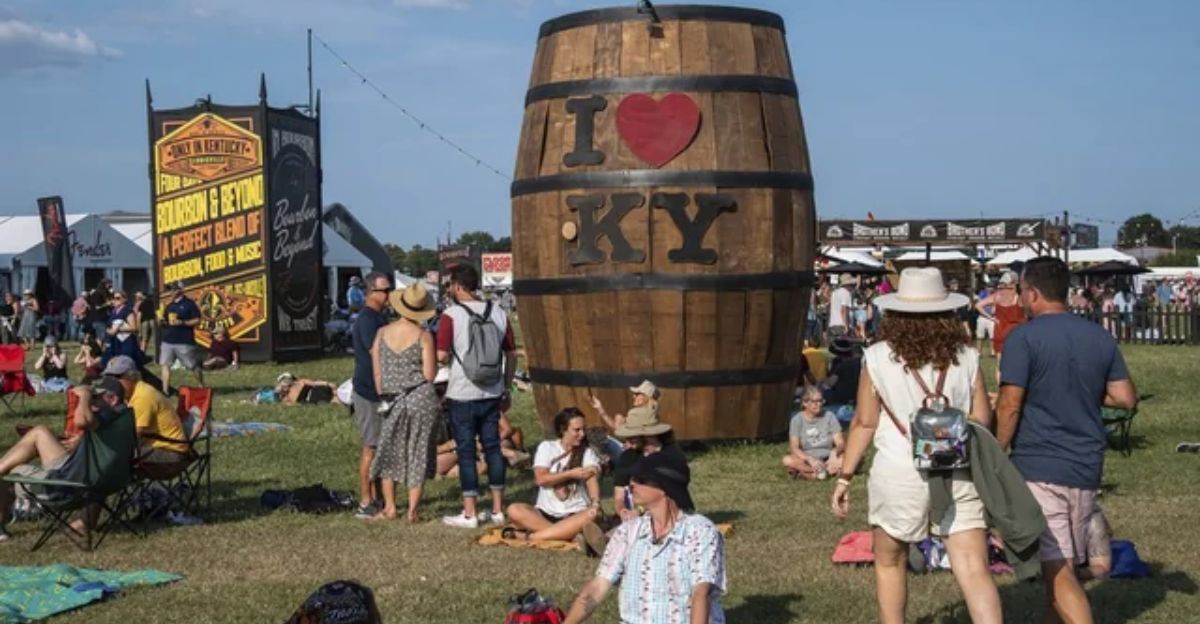
Facing these challenges, some distillers are pivoting to survive. Industry experts urge producers to stabilize brands by adopting sustainable practices, developing bourbon-themed tourism, and launching ready-to-drink spirits to attract new customers. Kentucky distilleries are expanding visitor centers and rolling out canned bourbon cocktails, while others plan leaner production schedules to avoid future gluts.
Lisa Hawkins of the Distilled Spirits Council emphasizes the need for policy solutions: distillers nationwide face “increased production costs, a slowdown in spirits sales in the U.S. marketplace, and a significant disruption to spirits exports due to the threat of tariffs and retaliation.” Industry advocates call for “permanent zero-for-zero tariffs on distilled spirits” to provide stability.
Bourbon’s Uncertain Future
Uncle Nearest’s receivership marks a watershed moment for American whiskey. The industry stands at a crossroads, forced to reckon with oversupply, changing consumer preferences, and global trade volatility. Court-appointed receiver Phillip G. Young Jr. reported in October 2025 that the core whiskey business remains viable with “significant value,” and Uncle Nearest could emerge from receivership successfully.
However, Chapter 11 bankruptcy remains an option if restructuring efforts fail. While some analysts caution that the current slump is partly cyclical, the financial troubles of a rapidly-growing brand like Uncle Nearest demonstrate that growth alone cannot guarantee survival. The future of bourbon will depend on innovation, flexibility, and effective policy—determining whether iconic labels thrive or become cautionary tales in the evolving spirits landscape.