
A Texas-based tech trucking startup has announced a major restructuring, resulting in 56 employees being laid off across its headquarters and regional operations.
The downsizing, which began in early November 2025, raises crucial questions about the stability of tech-driven logistics firms that rely on third-party suppliers for critical operations. The sudden nature of this move has left many employees blindsided.
Unpredictable Collapse

A sudden and unexpected loss of a key supplier triggered the downfall of this once-promising logistics firm. Despite securing millions in venture funding, the company faced an immediate crisis.
The board quickly moved to scale back operations, with the layoffs taking place within days. The speed of this collapse highlights the vulnerabilities inherent in tech-dependent businesses, even those with significant financial backing.
Tech-Driven Vision

Founded with the goal of revolutionizing the trucking industry, the company used cutting-edge technology to optimize everything from order acceptance to route planning.
Based in Austin, Texas, the firm quickly became known for its innovative approach, positioning itself as a leader in the logistics space. However, the loss of a key supplier exposed how quickly even the most advanced tech-driven companies can falter.
Supply Chain Weakness

This tech-driven startup’s reliance on a single supplier left it vulnerable to disruption. While it had automated many aspects of its operations, the company failed to account for the fragility of supply chains.
The loss of a critical supplier led to an immediate loss of business capacity, underscoring the risks that come with over-dependence on one source, even in a high-tech sector.
72-Hour Layoff Decision
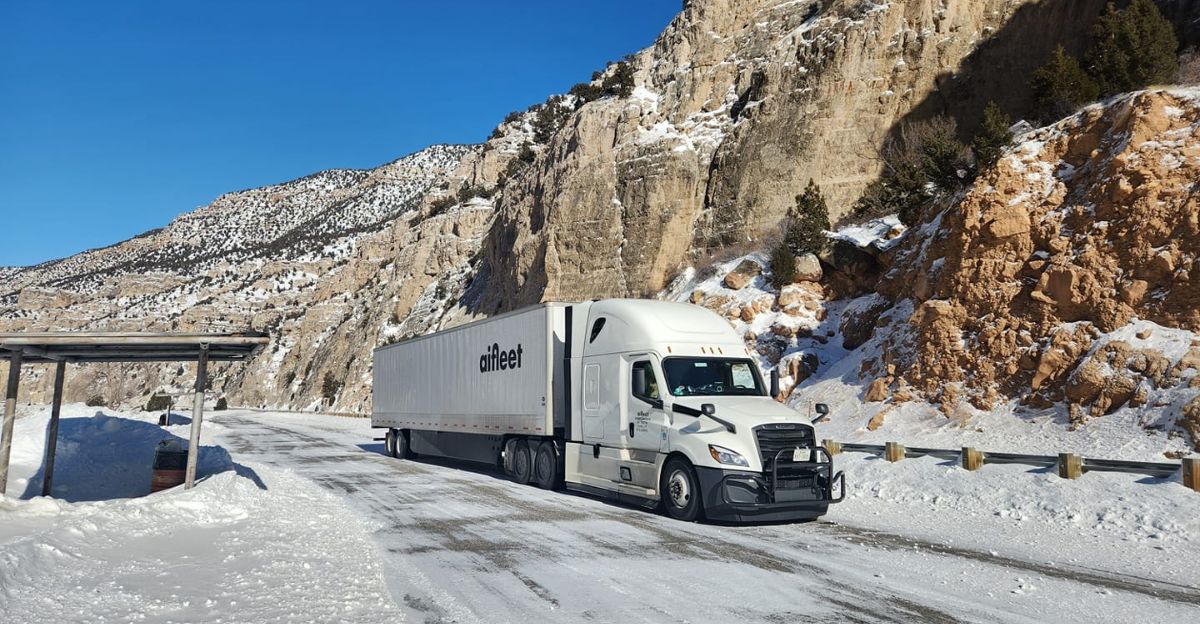
The company, AI Fleet, had to act fast after losing its key supplier on October 31, 2025. Within just 72 hours, the board made the decision to lay off 56 employees, from office staff to drivers.
The layoffs began on November 4 and were completed by November 7, 2025. CEO Marc El Khoury stated that the suddenness of the event justified bypassing the usual 60-day WARN Act notice requirement.
Regional Fallout

The layoffs had a major impact on Austin and the surrounding areas. Employees affected by the restructuring included both office staff and long-haul drivers.
All 56 layoffs were permanent, leaving families without income and workers without a clear path forward. This sudden upheaval exposed how quickly a company’s fortunes can change.
Impact on Workers

For long-haul drivers and office staff, the job loss was sudden and permanent. “This event occurred too recently and too unexpectedly for us to provide the 60‑day notice that the WARN Act ordinarily requires,” CEO Marc El Khoury explained.
The failure to provide proper warning under the WARN Act left workers blindsided, with little time to prepare for the loss of their livelihood.
Competitor Growth
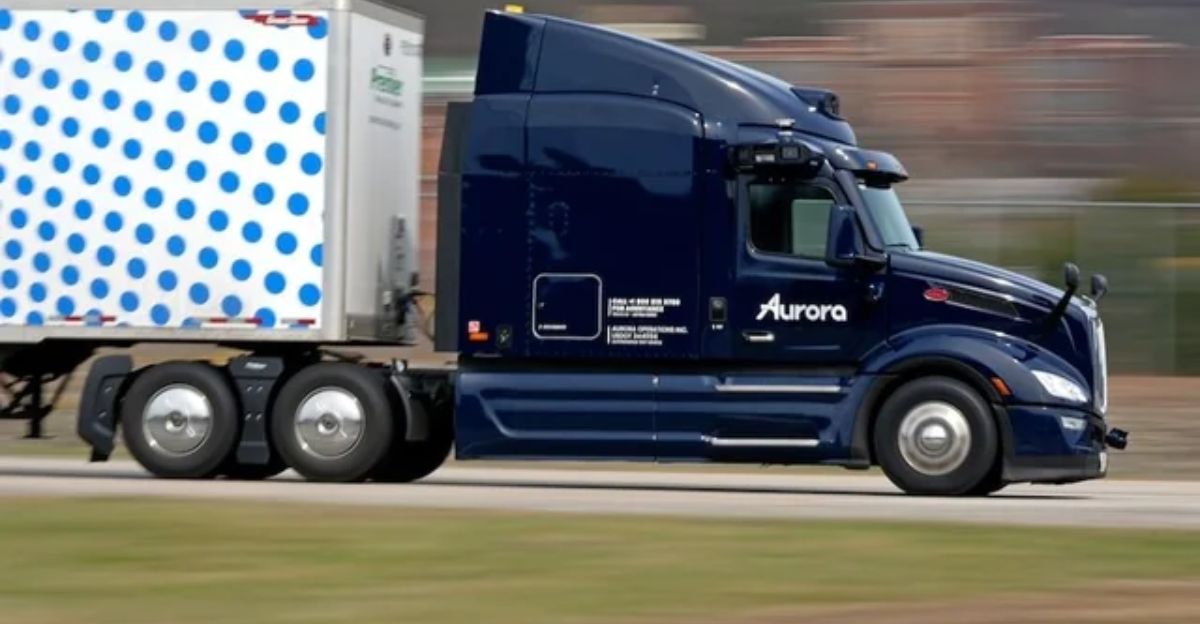
As AI Fleet downsized, competitors like Aurora Innovation expanded their presence in the Texas market. Aurora, for instance, launched commercial driverless trucking routes in late April 2025.
This shift toward autonomous vehicles reflects the ongoing investment in self-driving technology, signaling that other firms are prepared to invest in future tech, even as AI Fleet faces major setbacks.
The Texas Focus
Texas continues to be a central hub for autonomous trucking, with companies like Plus and Aurora conducting tests and making advances.
The state has become an essential location for autonomous vehicle development, but with that comes challenges. The supply chain disruptions and regulatory uncertainties impacting firms like AI Fleet signal that this market remains volatile despite technological progress.
Regulatory Concerns
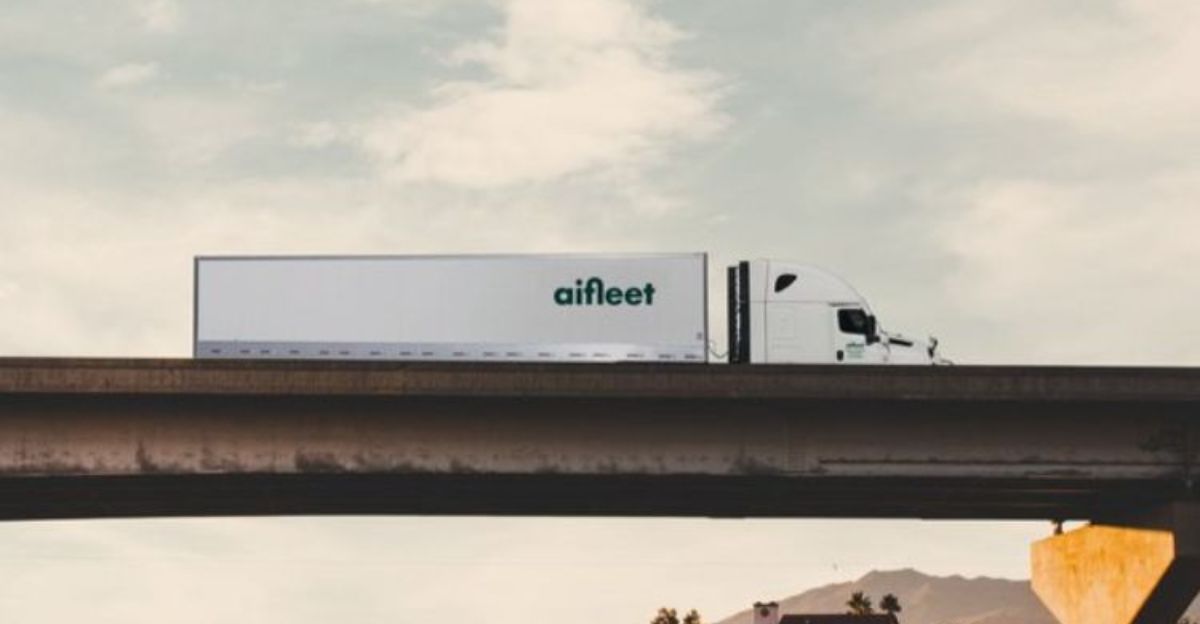
AI Fleet’s use of the “sudden and unexpected” exemption under the WARN Act to bypass the 60-day notice requirement raises concerns about worker protections.
Though the company argued that the supplier loss justified the layoffs, questions remain about whether the legal safeguards designed to protect workers were adequately followed. The situation highlights a potential gap in legal protections for tech sector employees.
Employee Discontent

AI Fleet employees faced sudden layoffs and limited options for internal transfers. With no warning and little time to prepare for the job loss, many workers found themselves scrambling to find new employment.
The company’s handling of the restructuring proved challenging for those impacted.
Leadership’s Statement

In a statement, CEO Marc El Khoury explained that the layoffs were a necessary response to the unexpected supplier loss.
He noted that AI Fleet’s smaller workforce would allow the company to remain operational and continue serving customers. Despite the downsizing, El Khoury assured the public that the company was still committed to its tech-driven logistics mission.
Strategic Shift
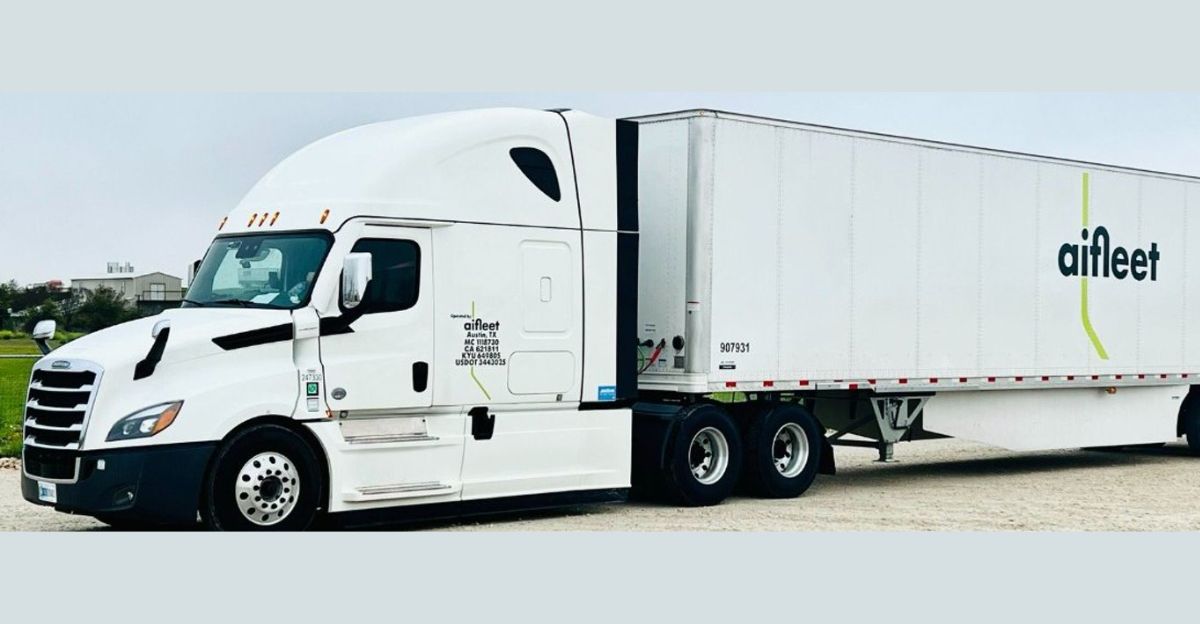
AI Fleet announced a strategic shift toward contract freight, moving away from spot market operations. The company drastically reduced its fleet size, cutting down from 180 trucks to a much smaller number.
Despite these drastic cuts, the company remains focused on improving automation and AI capabilities to increase efficiency and secure long-term stability.
Industry Warnings

Industry experts warn that startups relying heavily on a single supplier are at greater risk of failure. AI Fleet’s situation highlights the need for companies to diversify their supply chains and reduce reliance on any single vendor.
This serves as a cautionary tale for tech startups in the logistics sector that are still in the early stages of development.
Questions for the Future

AI Fleet’s restructuring has sparked questions about the future of tech-driven logistics companies. With the rise of autonomous vehicles, will other firms face similar risks due to supply chain vulnerabilities?
The logistics sector, especially in Texas, remains a testing ground for automation, but companies must prepare for the unpredictable nature of the supply chain.
Shifting Regulations

Texas lawmakers are debating bills that would require human operators in autonomous trucks, reflecting growing concerns about job loss and safety.
As the state embraces automation, the debate over how to balance technological progress with worker protections becomes increasingly urgent. This regulation could have a significant impact on the future of autonomous logistics in Texas.
Global Implications

The struggles faced by AI Fleet are closely watched by global logistics firms. Companies in Europe and Asia are learning from the challenges AI Fleet encountered as they test autonomous trucking in their own markets.
The situation in Texas offers valuable insights into how automation, regulation, and supply chain risks intersect in the global logistics landscape.
Legal and Environmental Impact

The WARN Act filing and sudden layoffs raise questions about legal protections for employees in the tech sector.
While autonomous trucking could reduce emissions and improve efficiency, it also has the potential to disrupt the traditional job market. This dual impact must be considered as both companies and lawmakers navigate the evolving logistics landscape.
Cultural Shifts
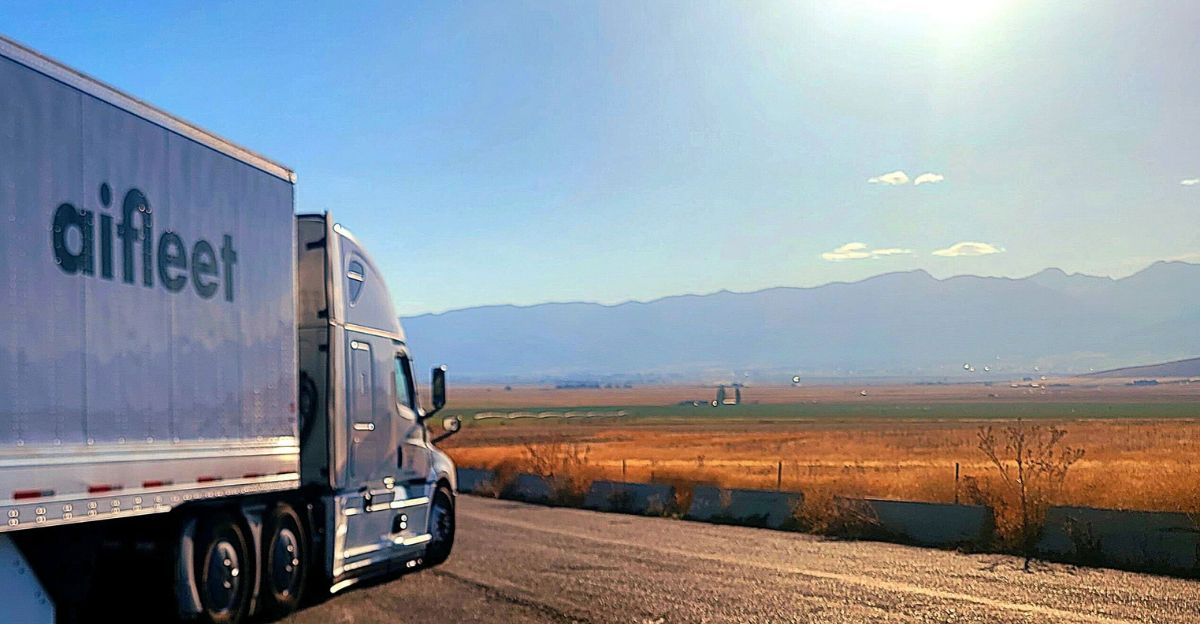
The rise and challenges faced by AI Fleet underscore a cultural shift toward automation in logistics. With technology reshaping the industry, workers are left to grapple with changing job norms, job security concerns, and the ethical implications of rapid automation.
The pace of change is challenging traditional workforce dynamics and raising important questions about the future of work.
The Big Picture
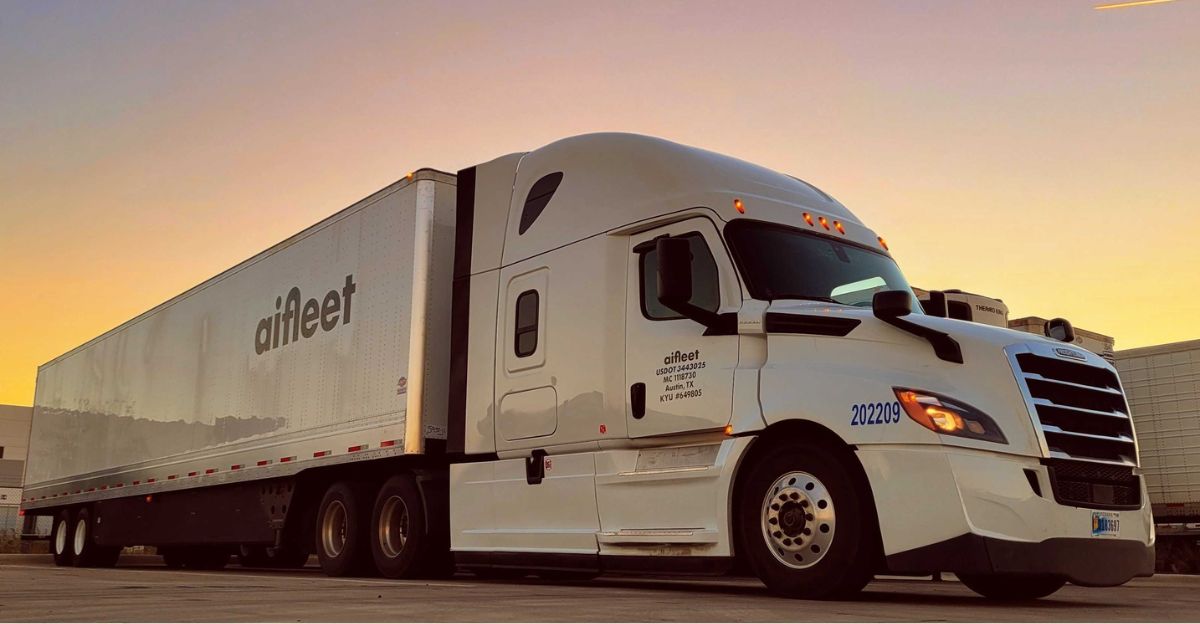
AI Fleet’s significant downsizing serves as a warning to other tech-driven logistics companies about the dangers of single-supplier dependence.
As the industry evolves, firms must balance technological innovation with resilience, ensuring that growth doesn’t come at the expense of worker security. The future of autonomous trucking depends on robust, diversified supply chains and strong worker protections.