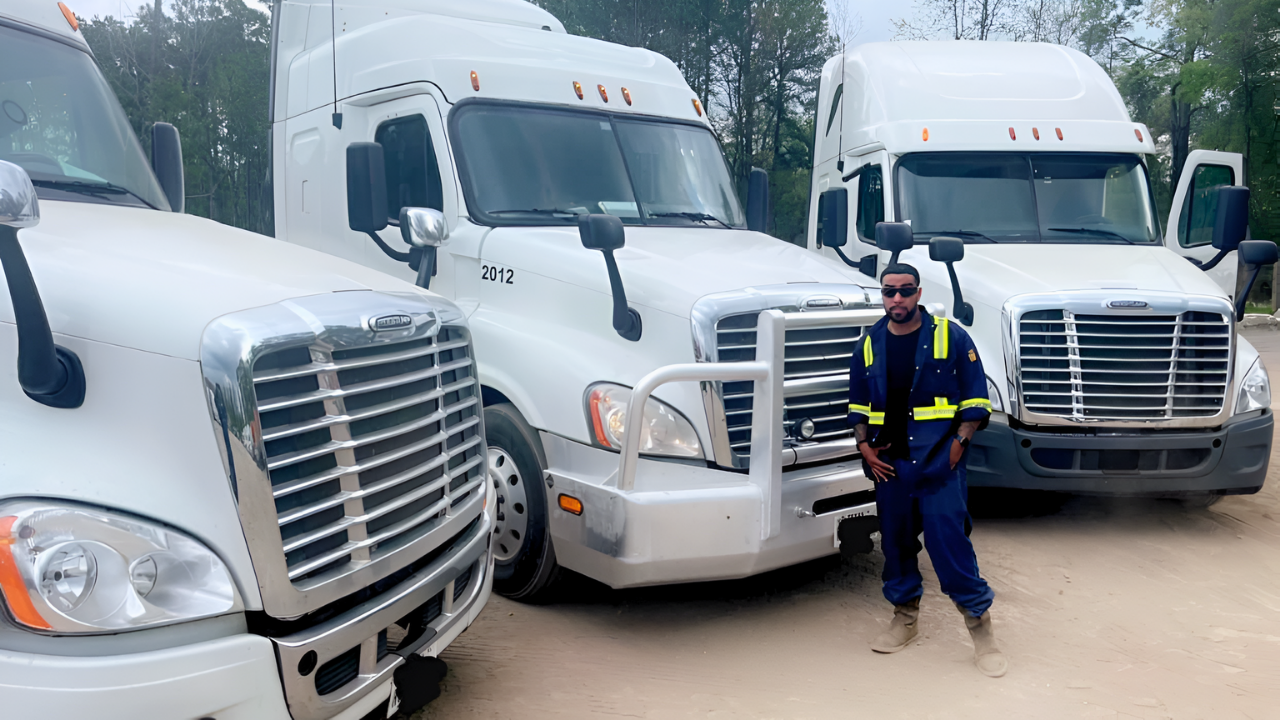
A sudden wave of layoffs at a Texas tech trucking startup has sent shockwaves through the logistics industry, exposing the risks that come with rapid innovation and heavy reliance on a critical supplier. In early November 2025, 56 employees lost their jobs after the company’s critical supplier abruptly withdrew, forcing a swift and dramatic restructuring. The fallout has raised urgent questions about the stability of tech-driven logistics firms and the future of autonomous trucking in the United States.
Unraveling After a Supplier’s Exit
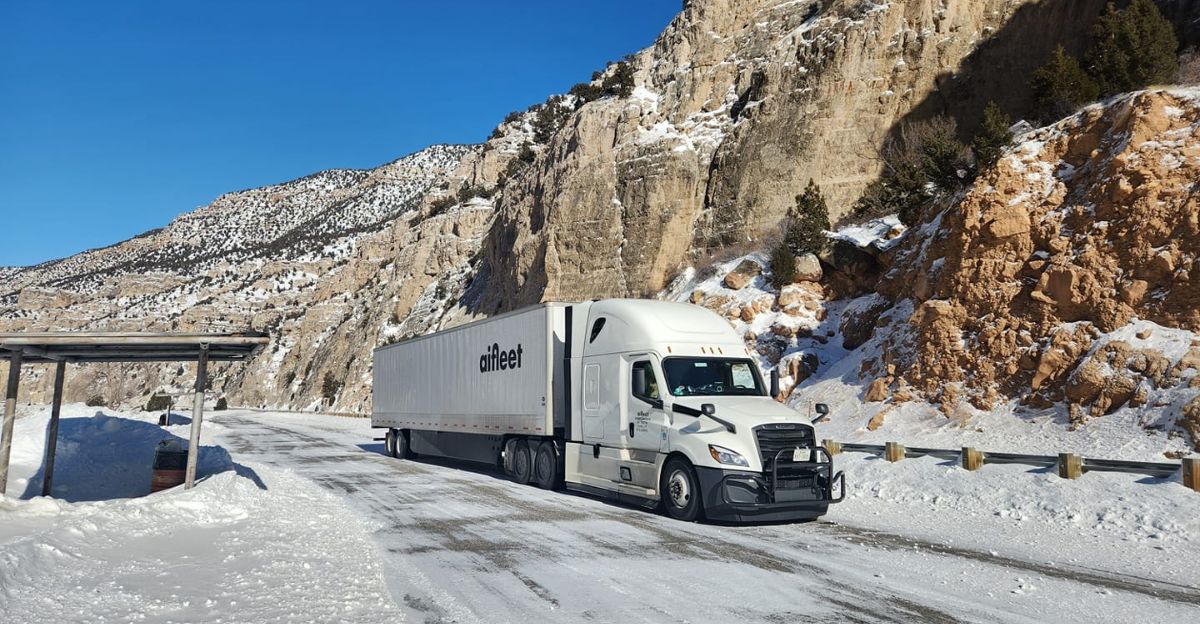
The company, AI Fleet, had built its reputation on using advanced technology to streamline trucking operations, from order acceptance to route optimization. Headquartered in Austin, it quickly became a standout in the logistics sector, attracting nearly $50 million in venture capital and positioning itself as a leader in the race toward automation. In early November 2025, the loss of a critical supplier triggered an immediate crisis. Within 72 hours, the board decided to lay off 56 employees, including office staff and drivers employed as W-2 positions. The layoffs began on November 4, with the WARN Act notice filed November 6, 2025. The company’s CEO, Marc El Khoury, explained that the suddenness of the supplier’s exit justified bypassing the usual 60-day notice required by the federal WARN Act, which is designed to protect workers from abrupt job loss. While the supplier’s identity has not been publicly disclosed, El Khoury stated in an internal memo that “a key supplier terminated our contract.” This decision, while legal under the “unforeseeable business circumstances” exemption, left many employees blindsided and uncertain about their future.
Supply Chain Fragility in a High-Tech Sector
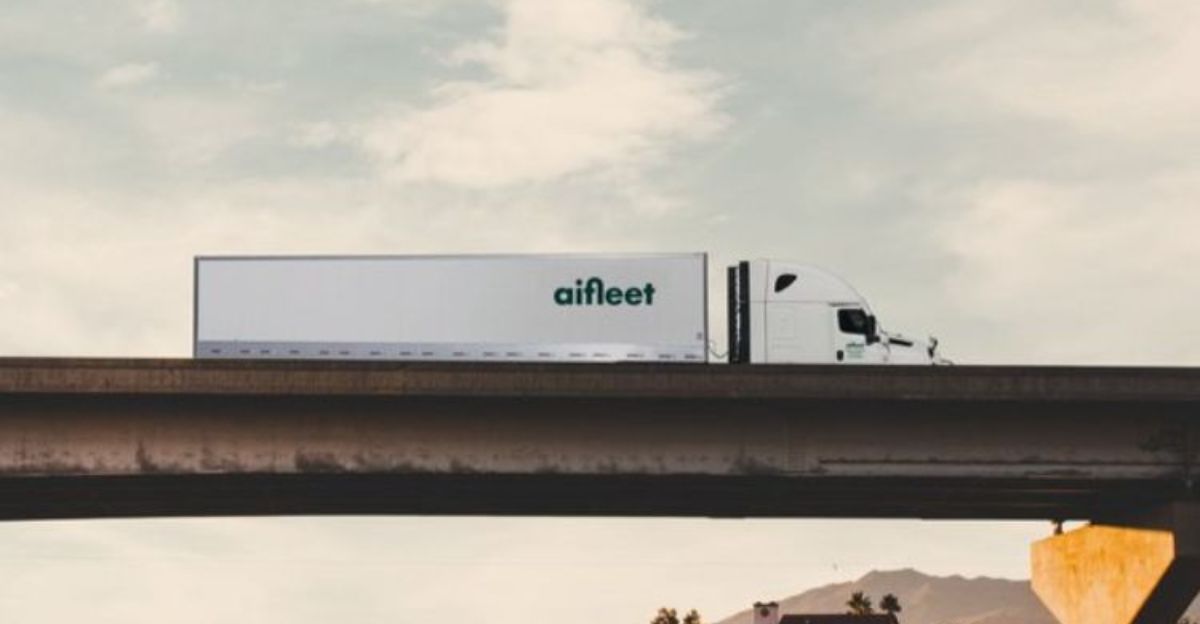
AI Fleet’s rapid collapse highlights a key vulnerability in tech-driven logistics: overdependence on a single supplier. While the company had automated many aspects of its business, it failed to diversify its supply chain. When the supplier pulled out, AI Fleet’s operational capacity was immediately crippled, demonstrating that even the most technologically advanced firms remain exposed to traditional supply chain risks.
Industry experts warn that startups relying heavily on one vendor are especially susceptible to sudden disruptions. The AI Fleet case serves as a cautionary tale for other logistics companies racing to adopt automation and artificial intelligence without building resilient, diversified supplier networks.
Impact on Workers and the Texas Market

The layoffs hit Austin and surrounding regions hard. All 56 positions were permanently eliminated, leaving families without income and workers scrambling to find new employment. The company’s decision to forgo the WARN Act’s notice period intensified the blow, as employees had no time to prepare for the loss of their livelihoods.
Meanwhile, competitors have seized the opportunity to expand. Aurora Innovation began commercial driverless trucking routes in Texas in late April 2025, signaling continued investment in autonomous vehicle technology. Texas remains a central hub for autonomous trucking, with companies like Plus and Aurora conducting extensive tests and operations. However, the volatility exposed by AI Fleet’s collapse underscores the challenges facing firms in this rapidly evolving market.
Regulatory and Legal Questions

AI Fleet’s use of the WARN Act exemption has sparked debate about worker protections in the tech sector. While the company argued that the supplier’s sudden exit justified the layoffs, questions remain about whether existing legal safeguards are sufficient for employees in fast-moving industries. Lawmakers in Texas are considering regulations that would restrict autonomous truck operations, reflecting growing concerns about job loss and safety as automation accelerates.
The situation also raises broader legal and ethical questions about how companies balance technological progress with responsibility to their workforce. As the logistics industry continues to evolve, the need for clear, enforceable worker protections becomes increasingly urgent.
A Shifting Industry and the Road Ahead
In response to the crisis, AI Fleet has announced a strategic shift away from spot market operations toward contract freight, drastically reducing its fleet from approximately 180 trucks to significantly fewer units and focusing on further automation and AI development. The company’s leadership maintains that these changes will help stabilize operations and ensure long-term viability, but the path forward remains uncertain.
As the dust settles, the story of AI Fleet stands as a stark reminder: in the race to innovate, resilience and worker security must keep pace with technological ambition. The future of autonomous trucking will depend not just on smarter machines, but on stronger, more adaptable supply chains and robust protections for the people who keep the industry moving.