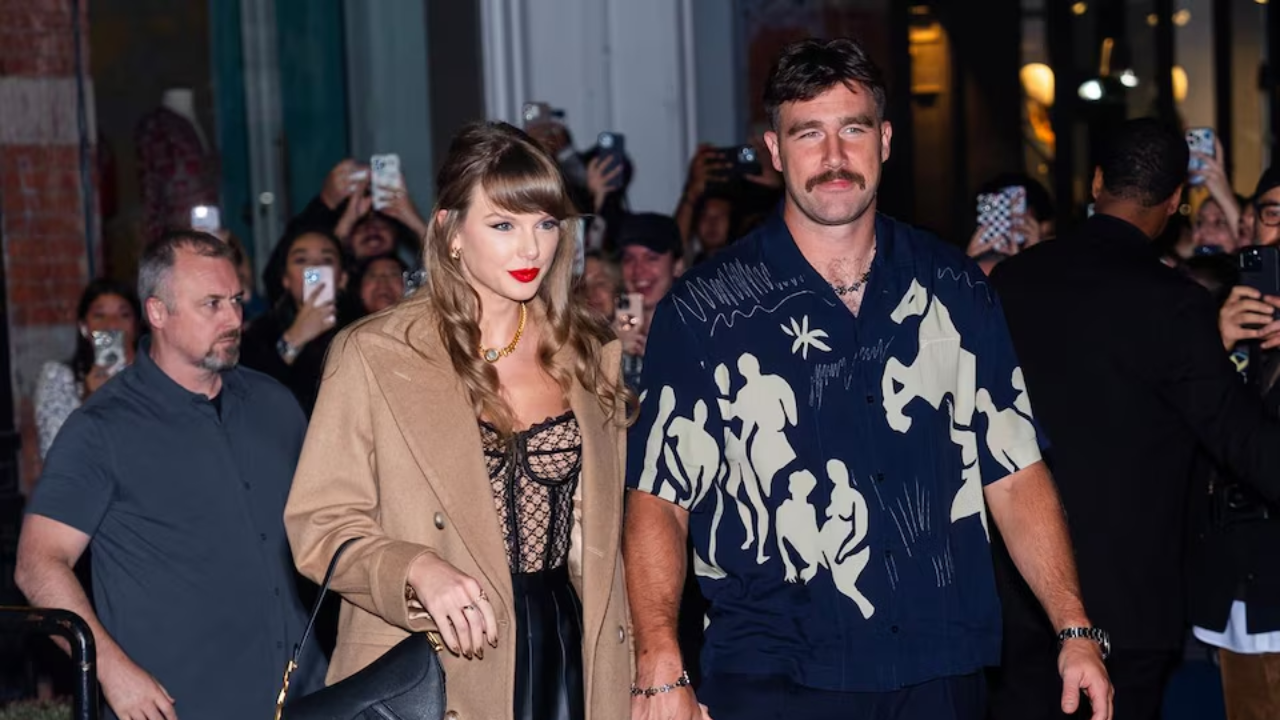
Just after 2 a.m. on September 15, 2024, a man slipped through a gated drive in Leawood, Kansas, carrying court papers intended to serve Taylor Swift with a subpoena tied to a Hollywood legal dispute.
Within minutes, the quiet residential address where Kansas City Chiefs tight end Travis Kelce lives became the focal point of an international security story that would reverberate across celebrity culture.
The Immediate Aftermath

Within hours, the property transformed into a case study in modern celebrity risk and vulnerability.
The trespass arrest linked to a Hollywood feud between Blake Lively and Justin Baldoni forced lawyers, security consultants, security firms, and luxury real-estate companies nationwide to reconsider and reevaluate how they protect high-profile A-list clients from unexpected intrusions and legal tactics at their private residences.
Who Was Justin Lee Fisher?

Justin Lee Fisher, a licensed private investigator working as a professional process server, entered Kelce’s gated Leawood property just after 2 a.m. on September 15 carrying a court document.
His assignment: serve Taylor Swift with a subpoena tied directly to the Blake Lively–Justin Baldoni legal dispute over the film adaptation of It Ends With Us, a bestselling novel adaptation.
Fisher’s Account of Events

According to Fisher’s detailed court filing, he “entered through the gate as it opened” and attempted to communicate with on-site security personnel to hand over the legal documents properly.
“No one told me to leave or spoke to me,” Fisher wrote in his formal statement. “Police arrived and arrested me shortly after I entered the property attempting service.”
The Security Vulnerability Exposed

Fisher’s midnight arrival marked the first visible crack in the security infrastructure surrounding one of professional football’s most-watched and visible athletes in the modern era.
The incident exposed how far process servers and aggressive legal teams will go when pursuing high-profile reluctant witnesses in major Hollywood lawsuits, testing the boundaries of gated community protections comprehensively and deliberately.
Understanding the Baldoni-Lively Dispute

The Blake Lively–Justin Baldoni legal conflict centers on serious claims of sexual harassment, workplace misconduct, and unfair labor practices during the production of It Ends With Us, a major Sony Pictures film adaptation of Colleen Hoover’s bestselling novel.
The lawsuit prompted increasingly aggressive discovery tactics from Baldoni’s determined legal team, which sought potential witnesses, documentation, and admissible evidence from multiple parties.
Why Taylor Swift Became a Target

By September 2024, Baldoni’s legal team strategically sought to subpoena Swift, believing her professional and social relationship with Blake Lively might yield relevant testimony that would be helpful to their case.
Swift was simultaneously continuing her record-breaking Eras Tour worldwide and maintaining a public relationship with Kelce when Fisher was dispatched to the Leawood mansion at 2 a.m.
The Judge’s Ruling Against Baldoni

A federal judge ultimately ruled against Baldoni’s broader efforts to depose Swift directly, citing his legal team’s apparent lack of diligence in scheduling the deposition before the court’s strict discovery deadline.
Fisher’s 2 a.m. trespass became a notable footnote to a larger legal loss for Baldoni—but it exposed a troubling judicial reality about increasingly aggressive legal tactics and their consequences.
Fisher’s Path to Avoiding Conviction

On December 2, 2024, nearly three months after his arrest at the property, Fisher accepted a one-year diversion program specifically designed to allow him to avoid a permanent criminal conviction.
The terms were straightforward and legally binding: pay a $1,000 fine, obey all applicable laws, avoid contact with anyone involved in the original complaint, and complete the year without any additional incidents or violations.
The Stakes for Fisher’s Career

For Fisher, the stakes were deeply personal, professional, and genuinely existential. A criminal conviction would have permanently terminated his investigative license—the foundation of his income, livelihood, and career.
The diversion agreement essentially gave him a second chance at retaining his career, but at significant personal cost: a year of probation, court supervision, and constant awareness of personal legal risk and potential consequences.
The First Burglary Strike
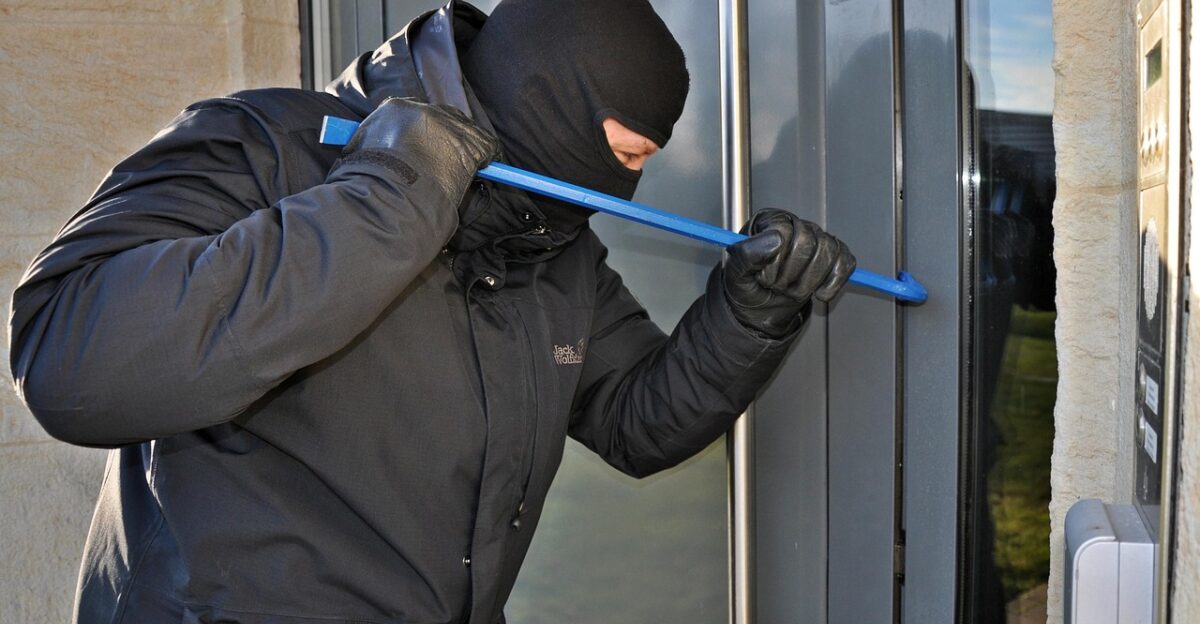
Less than a month after Fisher’s arrest, on October 7, 2024, Leawood police responded to a burglary call at the same Cherokee Court address where the trespass had occurred.
A burglar forced entry through the back door, causing approximately $1,000 in property damage, and fled with $20,000 in cash stolen directly from inside the mansion during the nighttime robbery.
The Stolen Valuables and Timing

The burglar’s timing was deliberate, coordinated, and strategically calculated: Swift was attending a Chiefs game at Arrowhead Stadium that evening, meaning the home was empty and known to be unoccupied by anyone who might defend it.
The intruder also netted jewelry valued at approximately $100,000 and irreplaceable personal memorabilia, including Kelce’s prized first Super Bowl jersey and other valuable collectibles and mementos.
The Coordinated Crime Wave

Patrick Mahomes’ nearby home in Belton, Missouri, had been burglarized just one day earlier, on October 6, by what appeared to be the same organized crew.
Back-to-back break-ins at the homes of two NFL stars within 24 hours suggested careful organization, advance reconnaissance, and specifically targeted knowledge of both properties, including their security gaps, individual vulnerabilities, and optimal access timing patterns.
The Cumulative Impact on Security
Within four weeks, Kelce’s home had been trespassed upon by a process server attempting legal service, burglarized by what appeared to be an organized professional crew, and thrust into national and international news coverage extensively.
The cumulative impact on the family’s sense of security, safety, and privacy was undeniably severe, lasting, and deeply troubling for all involved in the residence.
The $40,000 Security Overhaul
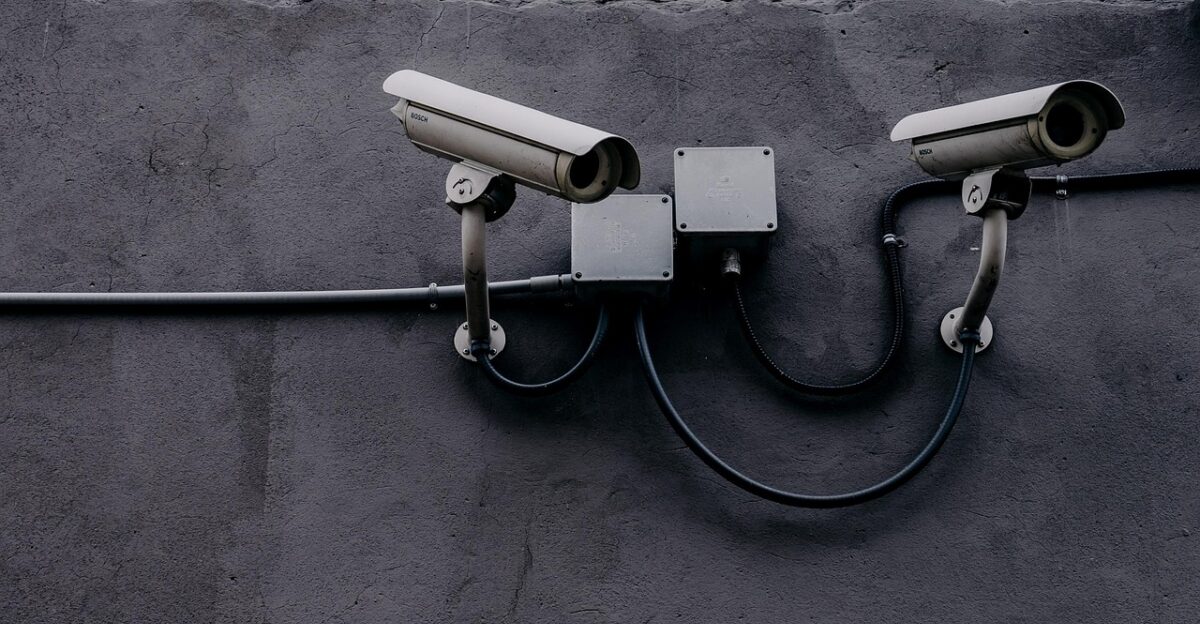
The dual violations—one legal and procedural, one criminal and violent—triggered a major security overhaul at the Leawood mansion immediately.
According to multiple credible sources, Kelce invested approximately $40,000 in comprehensive enhanced security measures, including advanced surveillance systems, motion-activated lighting, and significantly upgraded on-site security personnel staffing, training protocols, and technological systems.
Understanding Layered Defense Strategy

Security consultants refer to this comprehensive, integrated approach as “layered defense”—multiple overlapping systems and barriers designed so that a breach at one single checkpoint cannot compromise the entire perimeter protection or security architecture.
The property now faced substantially more sophisticated and integrated protection than gated entry alone or traditional camera systems could possibly provide to residents and their valuable possessions.
The Ripple Effects Across Industries

This significant security cascade illustrates a broader industry-wide shift: when high-profile incidents occur at celebrity homes, financial and operational ripple effects extend far beyond the individual victim or single household affected.
Alarm installers, cybersecurity firms, and professional staffing agencies all saw increased demand from other NFL athletes and high-net-worth individuals in Kansas City worried about becoming future targets themselves.
Insurance Company Scrutiny and Risk Factors

When multiple crimes occur at a single high-value property within weeks, insurance companies typically reassess risk profiles, rates, and coverage terms comprehensively.
While Kelce’s insurers haven’t publicly disclosed specific premium changes or policy modifications made, the combination of trespass breach and organized burglary creates scenarios that prompt experienced insurers to scrutinize risk profiles and customer situations carefully and thoroughly.
New Boundaries for Process Servers

Fisher’s arrest set an implicit and legally significant boundary for legal service operatives nationwide: attempting to reach a target at a gated private residence in the middle of the night, without explicit permission or coordination, carries significant criminal risk.
Even with legitimate court documents in hand and valid professional credentials and investigative licenses available.
The Lasting Industry Implications

What began as a 2 a.m. process-server trespass became a $40,000 security upgrade, one-year diversion program, organized burglary investigation, and important case study in modern celebrity vulnerability.
The incidents demonstrate how legal conflicts, fandom culture, property crime, and privacy concerns now routinely overlap around high-profile celebrity homes across America, requiring comprehensive protective measures and strategic legal planning.
Sources:
NBC News; E! Online; CNN; Entertainment Weekly; CBS News; Times of India; Yahoo Entertainment; Variety; The Independent; Rolling Stone; USA Today; The Guardian; ABC News; Hindustan Times; Realtor.com; Hello! Magazine