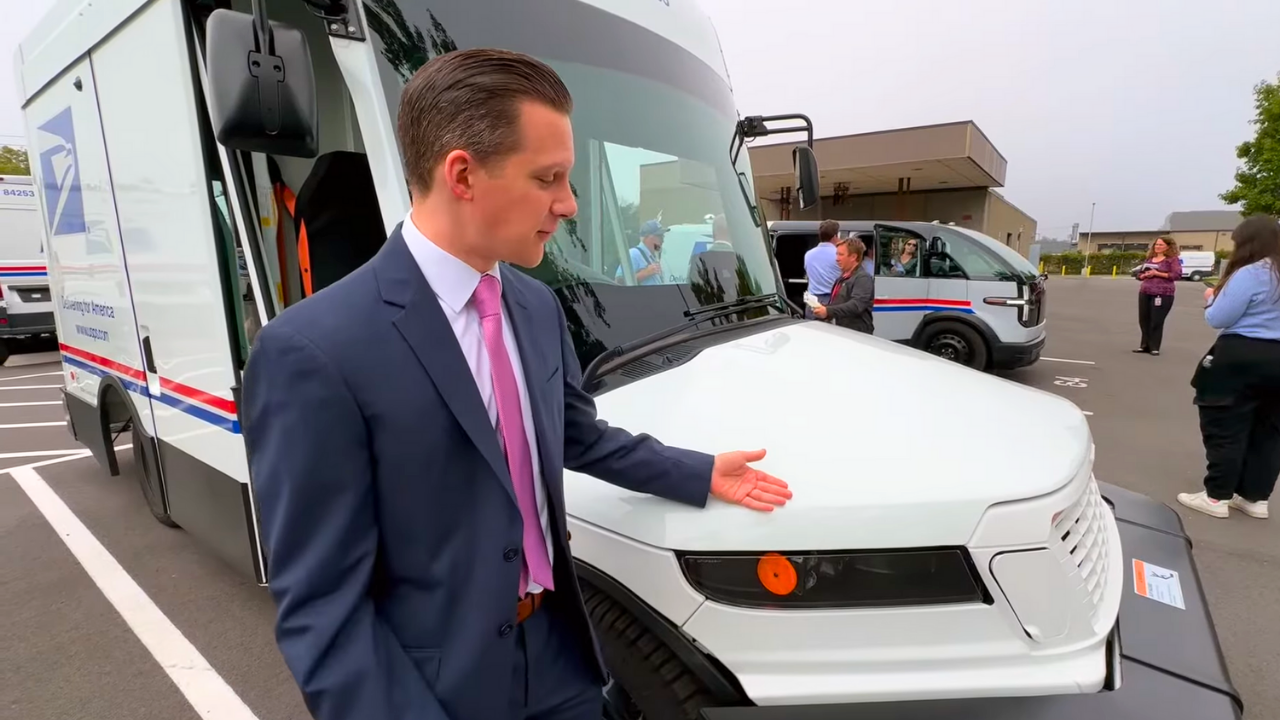
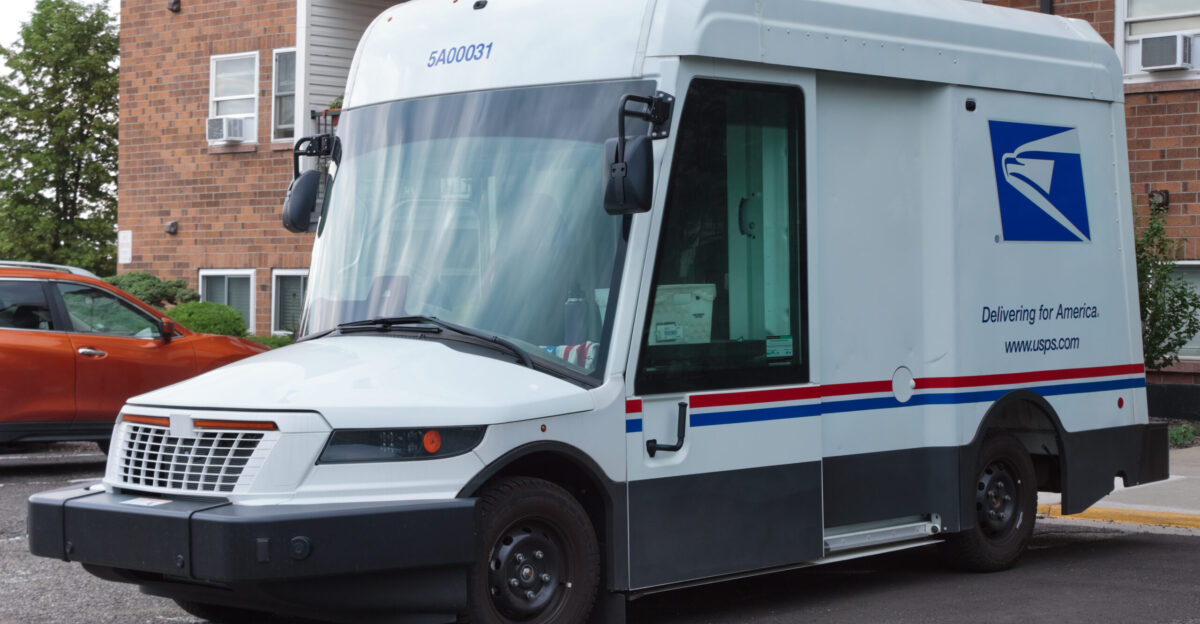
More than $3 billion in taxpayer funds from the Inflation Reduction Act has already been committed to electrifying the U.S. Postal Service fleet. Yet as of November 10, 2025, just 612 purpose-built Oshkosh electric mail trucks are actually operating on mail routes.
While USPS counts over 9,300 total IRA-funded EVs delivered across all models, the flagship Next Generation Delivery Vehicle rollout—the core of the program—remains far behind schedule, fueling accusations of massive waste.
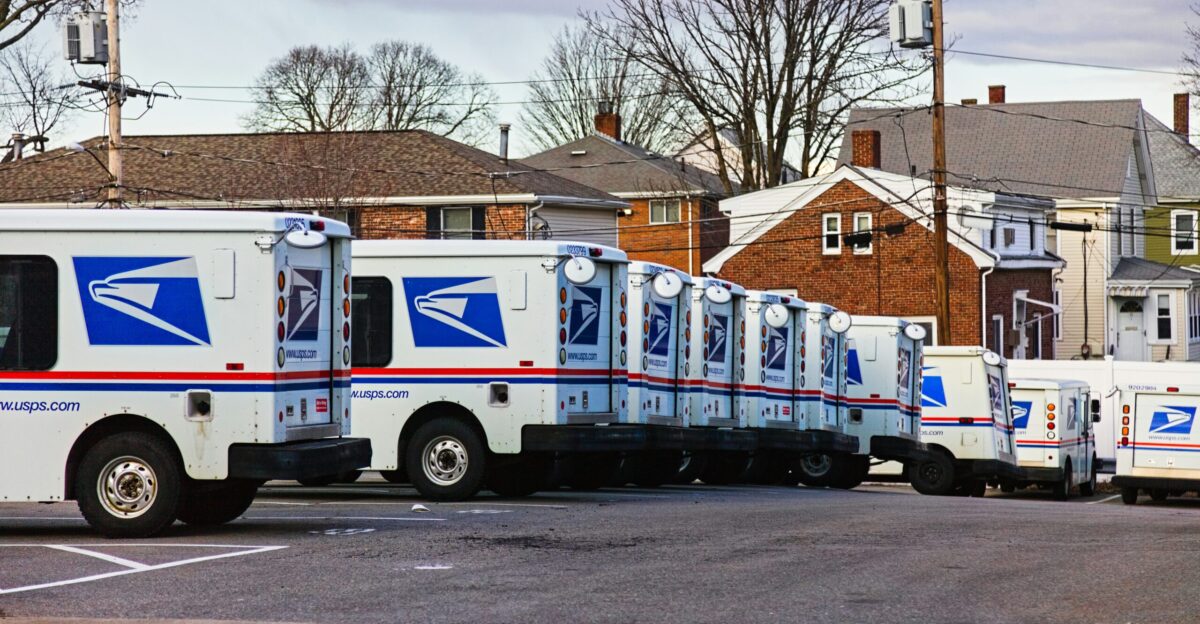
Why It Happened: From Bold Vision to Production Breakdown
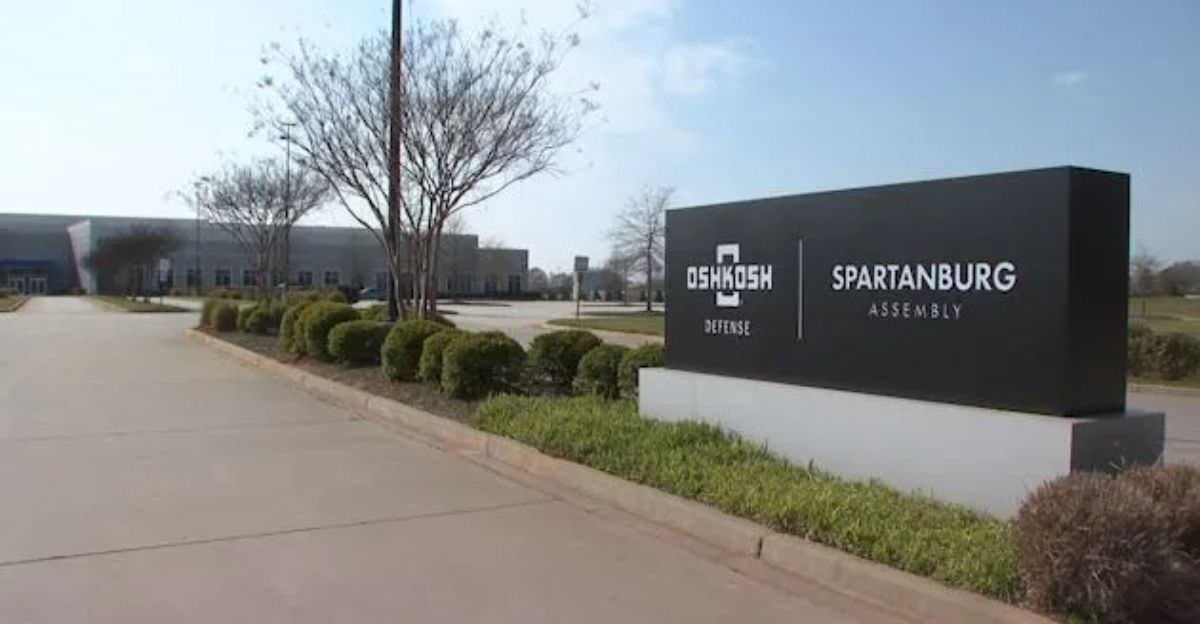
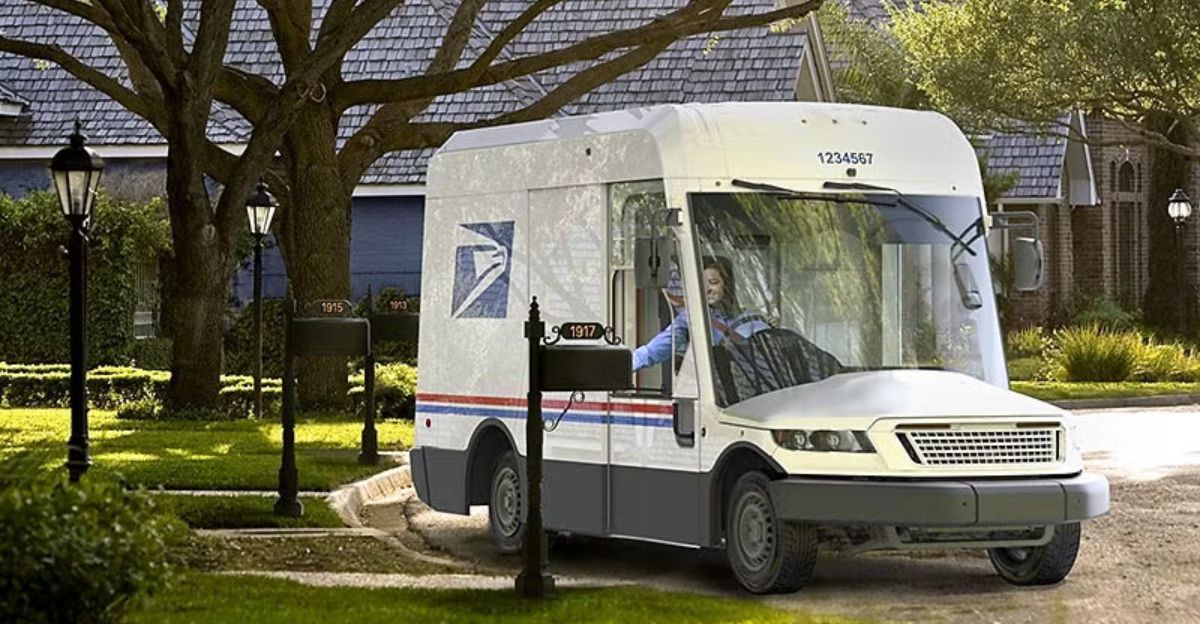
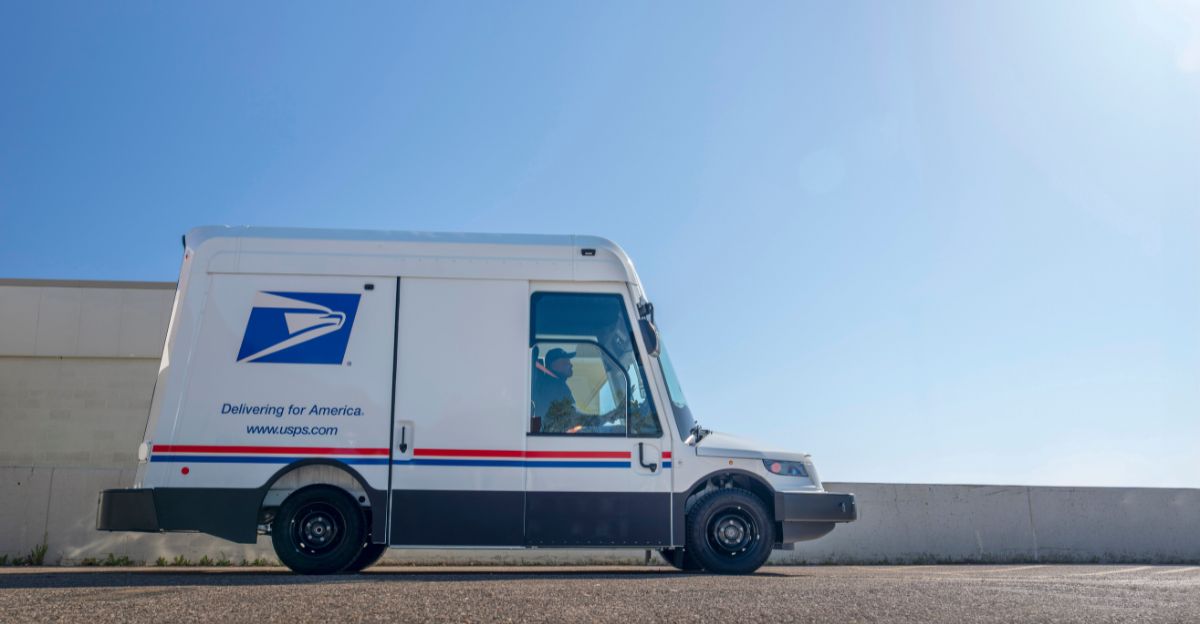
Congress originally earmarked about $3 billion to help USPS buy roughly 35,000 battery-electric Next Generation Delivery Vehicles. Oshkosh Defense built a brand-new factory in Spartanburg, South Carolina, with early projections of reaching up to 80 trucks per day.
Instead, technical problems, leak-testing failures, and manufacturing setbacks collapsed output to just 3–4 trucks per day between July and November 2025—creating one of the slowest federal EV rollouts on record.
Direct Impact: Carriers Still Driving 38-Year-Old Trucks
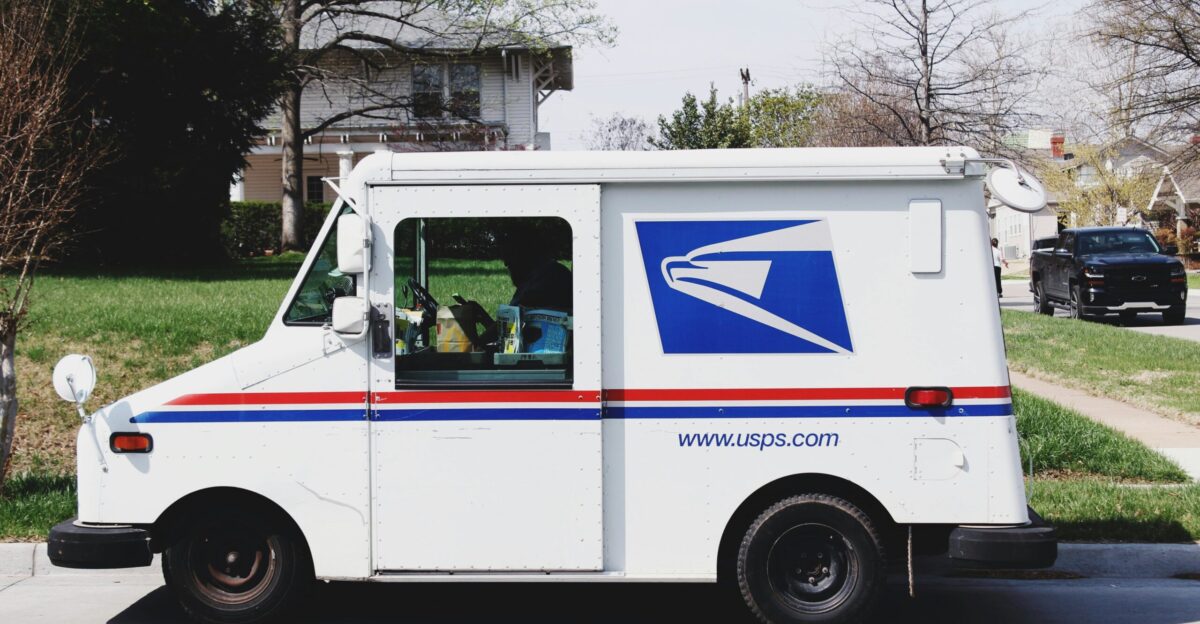
Because EV deliveries remain a fraction of what was promised, carriers across much of the country still rely on Grumman Long Life Vehicles dating to 1987. These aging trucks lack modern airbags, climate control, and up-to-date safety systems.
They are also fuel-inefficient, loud, mechanically fragile, and increasingly prone to fires. With replacement schedules slipping by years, USPS mechanics are forced to keep obsolete vehicles running far beyond their intended service lives.
Corporate Scramble: Oshkosh and Ford Under Pressure
Oshkosh Defense remains responsible for the purpose-built NGDV fleet, while USPS also purchased thousands of Ford E-Transit electric vans as part of the same green push. As of late 2025, more than 6,700 E-Transits have been delivered, yet only 2,010 are actually in service.
Both suppliers now face intensifying scrutiny over delays, integration failures, and whether procurement decisions were aligned with operational realities inside the nationwide postal network.
The Idle Fleet Problem: Publicly Funded Vehicles Sitting Unused
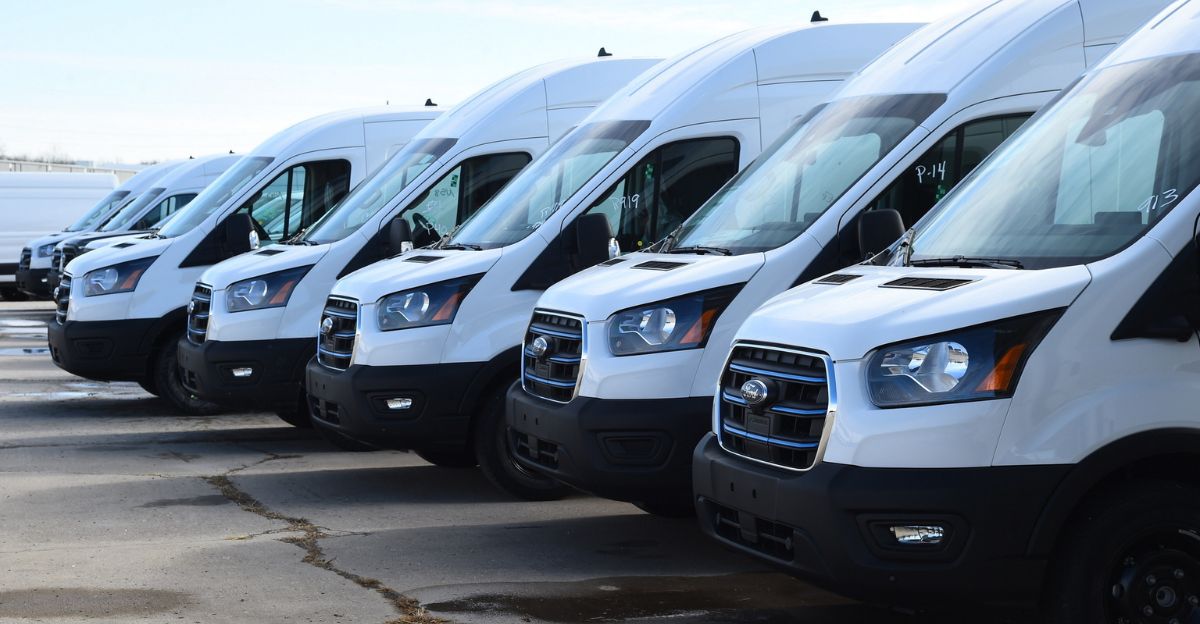
One of the most controversial aspects of the program is the scale of unused equipment. Over 6,700 Ford E-Transit electric vans remain parked and inactive, largely because they were not engineered to handle many rural and curbside USPS routes.
Critics argue that billions in taxpayer dollars are tied up in vehicles that cannot realistically perform the work they were purchased to do, reinforcing claims of poor planning and rushed procurement under political pressure.
Infrastructure Mismatch: More Chargers Than Trucks
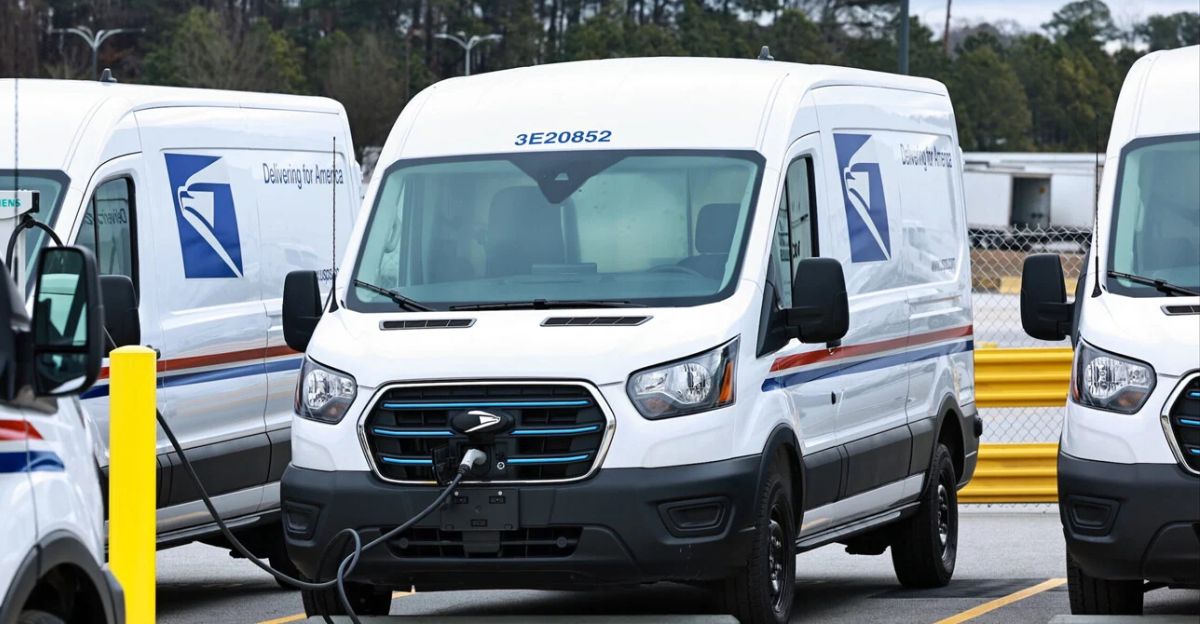
USPS has already installed 6,651 charging ports at 75 facilities nationwide—nearly three times the number of EVs currently in daily operation. With only 612 Oshkosh EVs deployed, this translates to roughly 10.8 chargers per active NGDV.
Supporters say the excess capacity prepares the system for future ramp-up, but critics see it as another sign of sequencing failures—building vast infrastructure for vehicles that may not arrive for years.
Human Story: Workers at Spartanburg Left in Limbo
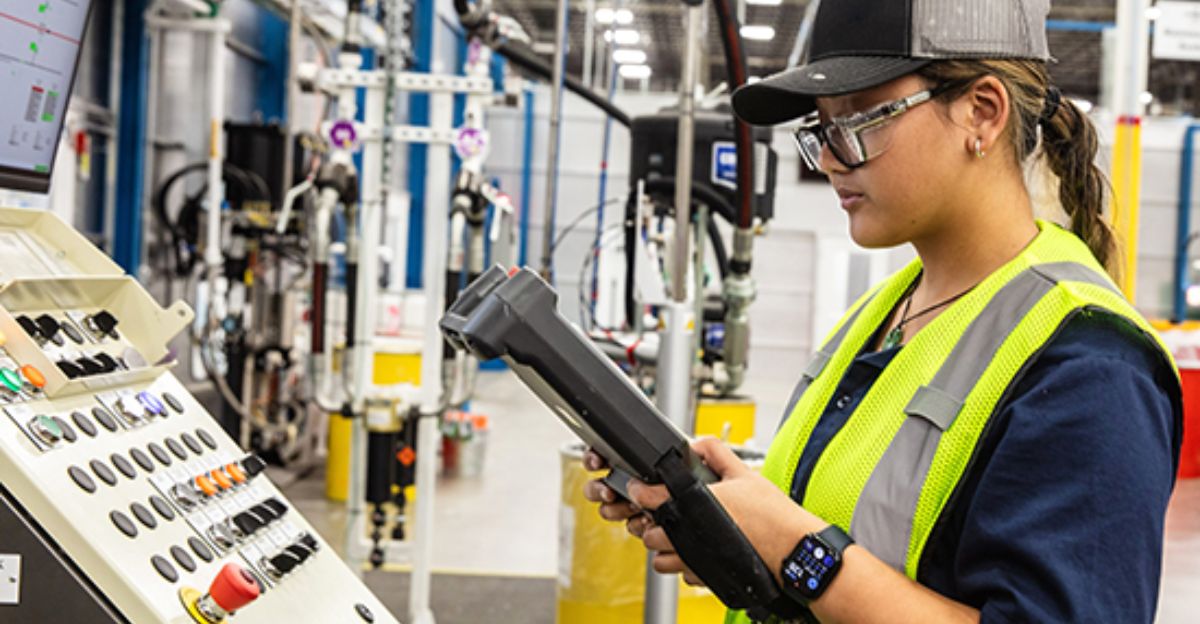
At the heart of the slowdown sit roughly 1,000 workers at Oshkosh’s South Carolina plant. The facility was promoted as a long-term manufacturing engine for the region, yet production instability has generated recurring uncertainty.
As political pressure builds and lawmakers debate cutting or restructuring the contract, workers and local officials fear that layoffs or output reductions could follow—turning a promised economic boom into an unstable employment gamble.
Political Firestorm: The Ernst Challenge

Senator Joni Ernst of Iowa, chair of the Senate’s DOGE caucus, has emerged as the program’s most vocal critic. Citing only 612 NGDV electric trucks on the road after billions spent, she has pushed to cancel parts of the order and return unused money to taxpayers.
USPS counters that more than 9,300 IRA-funded EVs of all types have been delivered, but the debate now dominates budget negotiations.
USPS’s Financial Crisis Makes Every Delay Costlier

The electrification backlash is amplified by USPS’s dire financial condition. In fiscal year 2024 alone, the agency recorded $9.5 billion in capital losses. At the same time, it continues acquiring internal combustion vehicles to keep routes running.
Critics argue the Postal Service cannot afford massive EV cost overruns while still struggling to stabilize its balance sheet—even after pension and healthcare reforms enacted by Congress.
A “Green” Program Still Buying Gas Trucks
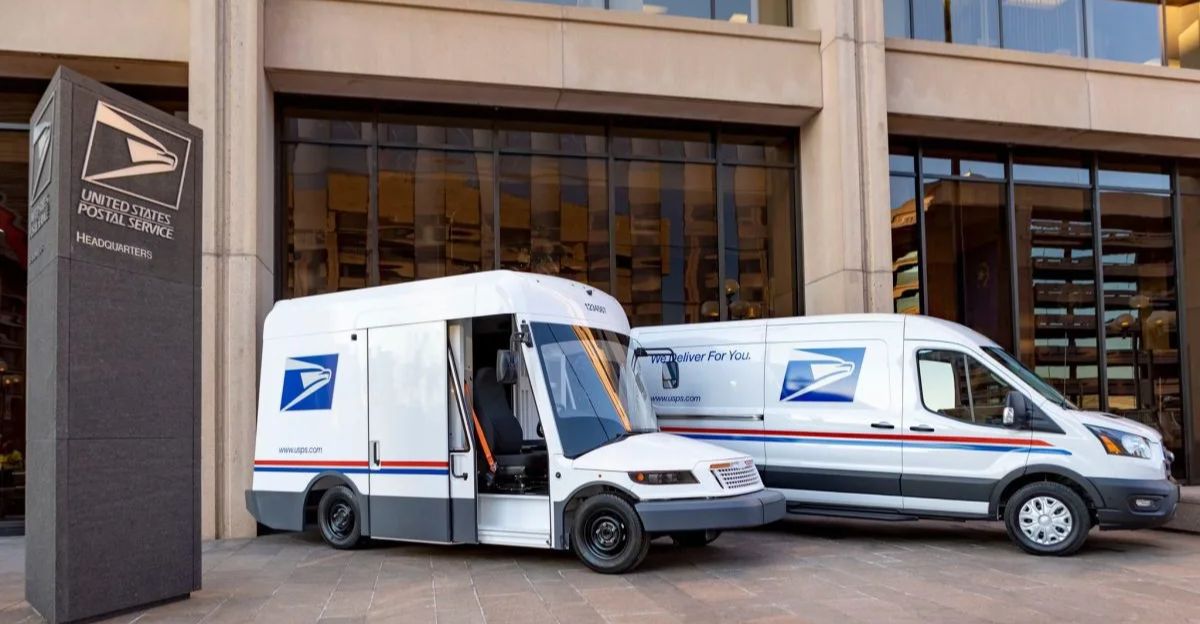
Despite the electrification narrative, USPS has already acquired 26,341 internal combustion vehicles as part of its own modernization effort. These include 2,602 NGDV gas trucks, 14,489 Mercedes Metris vans, and 9,250 Ram Promasters.
The continued dependence on gasoline vehicles weakens the administration’s “all-electric” messaging and highlights how production failures forced USPS to preserve conventional options merely to maintain basic service levels.
Logistics Industry Watches Closely
Major shippers and courier partners track USPS fleet stability closely because they rely on the agency for rural and last-mile deliveries.
As electrification delays stretch into years, private carriers increasingly invest in their own delivery infrastructure rather than depend on an uncertain federal modernization timeline. The EV turmoil has quietly shifted competitive dynamics inside the parcel market, reducing USPS’s leverage while accelerating independent fleet investment across the private sector.
Rural America Faces the Greatest Risk
For many rural communities, USPS remains the only practical parcel carrier for medicines, agricultural supplies, tools, and household essentials.
Any reliability problems caused by breakdown-prone legacy vehicles disproportionately strike farms and small towns first. As modernization slips further behind schedule, suppliers increasingly reroute shipments through more expensive regional services, deepening the already widening service gap between rural and urban America.
Health and Life-Critical Deliveries Under Strain
USPS is one of the largest distributors of mail-order prescription medications in the country. Veterans, seniors, and rural patients depend on daily delivery reliability.
Aging vehicles, maintenance delays, and stalled EV deployment raise growing concerns among healthcare providers about temperature control, vehicle uptime, and route reliability. In critical medical logistics, even minor fleet disruptions can ripple into missed doses, delayed treatments, and life-or-death consequences.
Environmental Messaging vs. Operational Reality
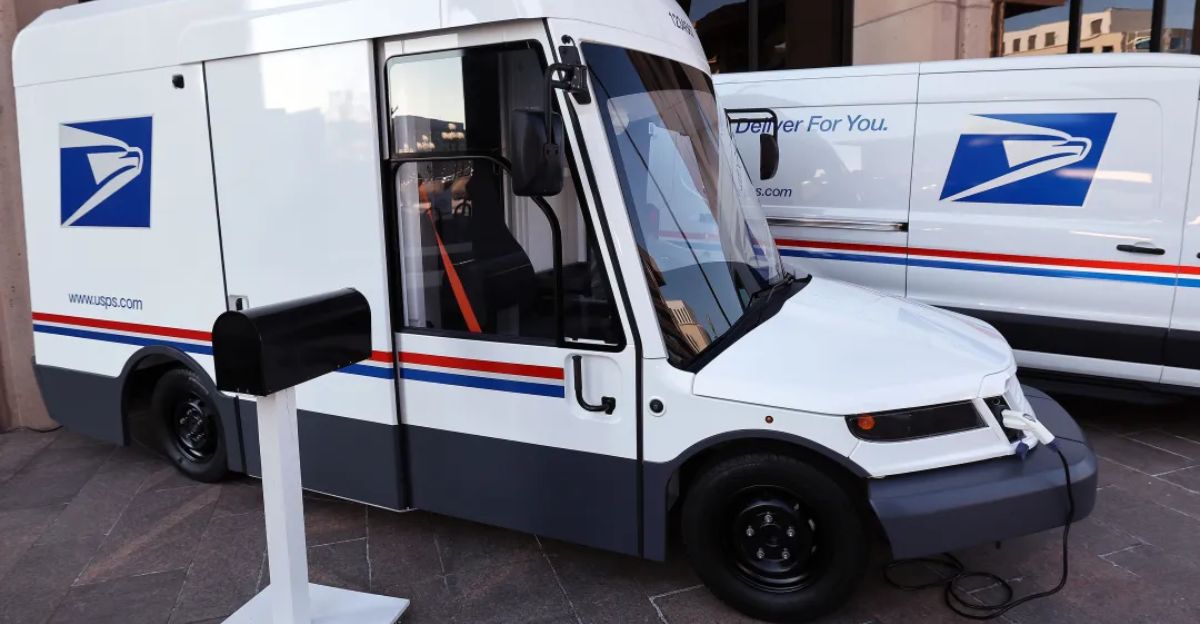
The Biden administration pledged that USPS would transition to “100% electric” vehicle purchases beginning in 2026. With production still stuck at 3–4 trucks per day and only 612 NGDV EVs operating, that target is now widely considered unattainable.
Environmental advocates argue that the failure lies in procurement and execution—not EV technology itself—while opponents point to the program as proof that federal EV mandates are economically unrealistic.
Manufacturing Failures That Stalled Everything
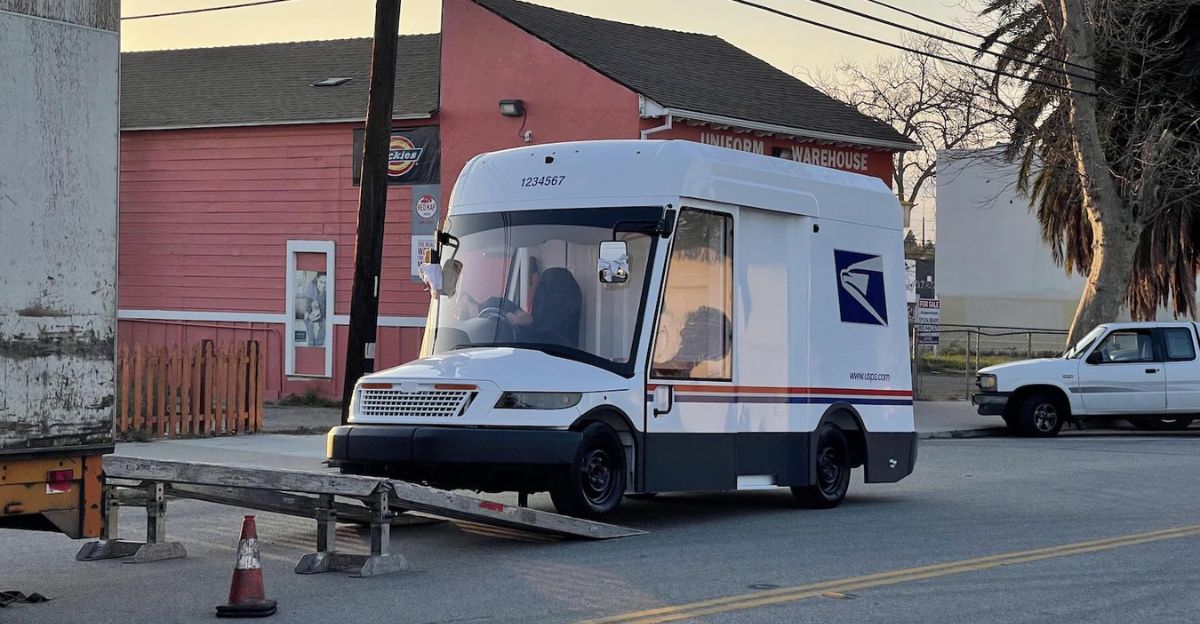
Internal testing revealed severe production flaws during early manufacturing. One documented issue involved leak-testing failures so severe that water reportedly poured out of vehicles as if windows had been left open in a storm.
These defects forced rework, slowed safety approvals, and delayed full-rate production. For critics, the problems underscore how a defense contractor known for military vehicles struggled with the demands of high-volume civilian manufacturing.
The Stark Math of Cost vs. Output
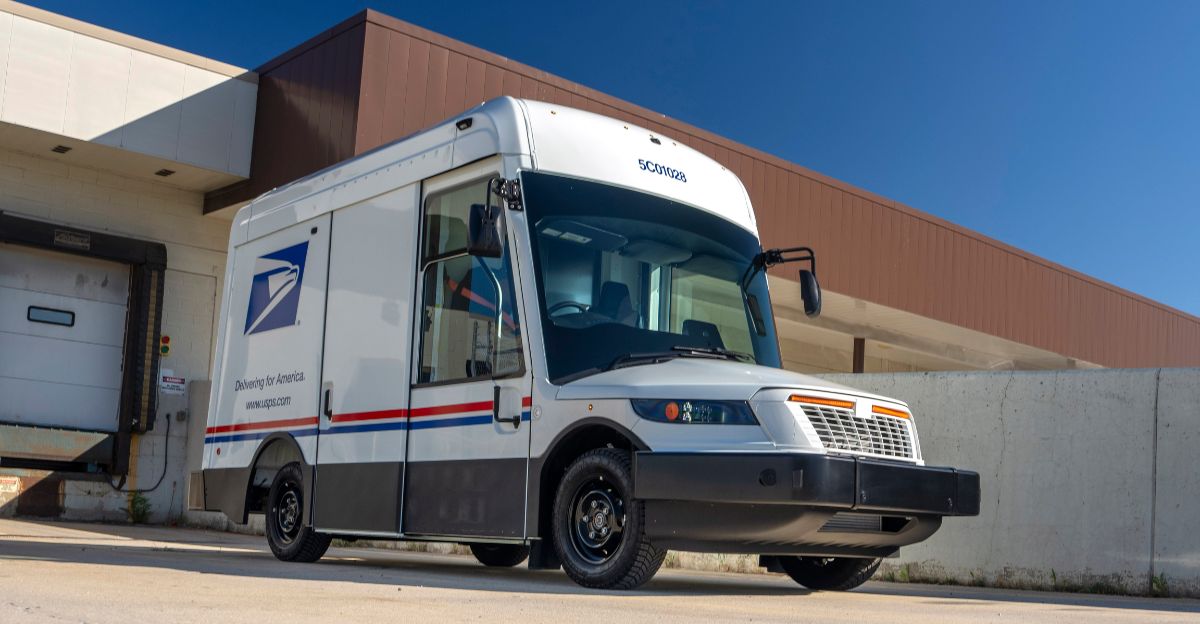
When measured against the 612 operating Oshkosh EVs, more than $3 billion in committed IRA funding translates into an eye-catching multi-million-dollar cost per operational truck so far.
Even using the original 35,000-truck target, the project now faces a widening delivery gap that grows larger with every missed production month. With September 30, 2028 set as the fleet modernization deadline, the math no longer works at current production speeds.
Financial Markets and Contractor Risk
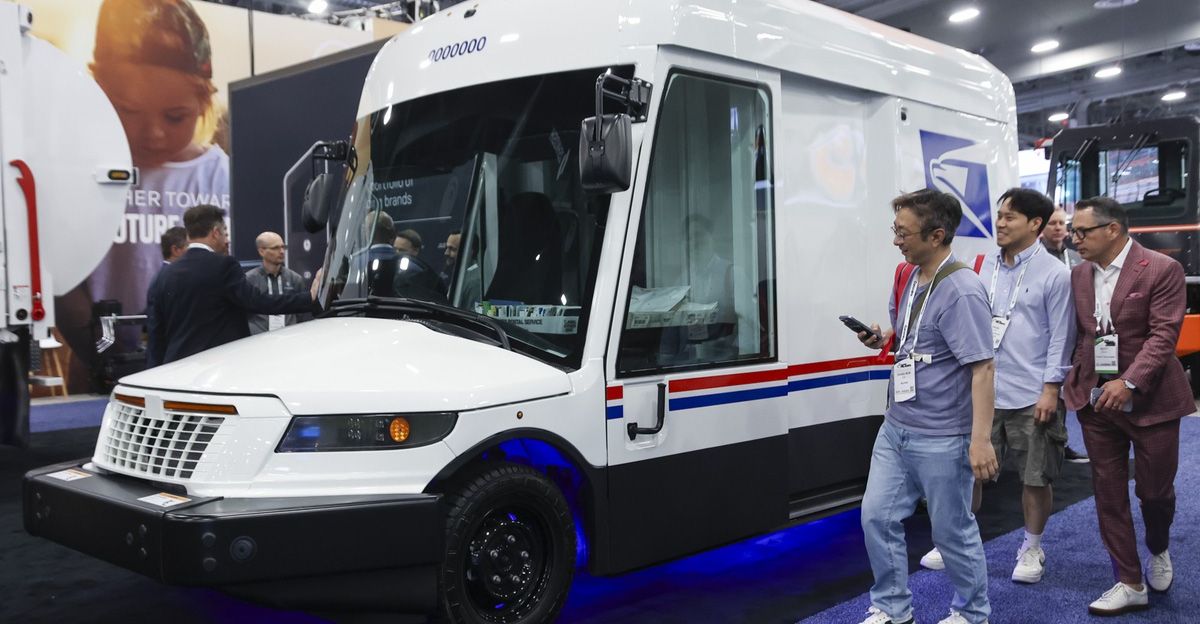
Oshkosh’s performance on the NGDV program is now a material risk factor for investors. Any order reduction, restructuring, or congressional intervention could directly impact factory utilization, revenue projections, and long-term valuation.
For federal procurement as a whole, the USPS EV meltdown reinforces concerns that large publicly funded green infrastructure projects carry elevated execution and political risk—potentially raising borrowing costs for similar initiatives in the future.
What Mailers and Taxpayers Feel First
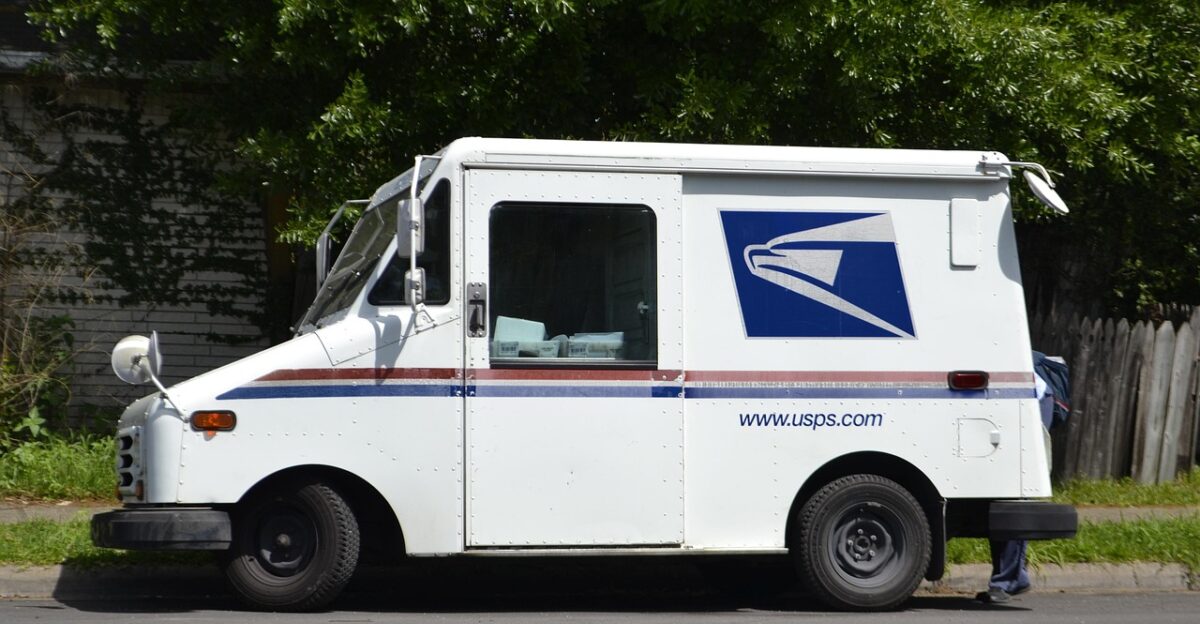
For the public, the most visible consequences are indirect but unavoidable: continued reliance on outdated trucks, higher postage rates, and slower reliability improvements than promised. Businesses dependent on precise delivery schedules increasingly hedge by using multiple carriers.
For taxpayers, the debate now centers on whether USPS should raise prices, cut services, or scale back modernization ambitions to prevent further financial deterioration.
If the Contract Is Cut Back: What Comes Next

If Congress or the administration scales back the Oshkosh contract, USPS would likely pivot even harder toward off-the-shelf commercial EVs such as E-Transits or similar vans from other suppliers.
That shift could trigger legal disputes with contractors, destabilize employment at the Spartanburg facility, and force USPS to operate a fragmented mixed fleet for years. Electrification would continue—but without the original purpose-built vehicle vision.
A Failure of Execution, Not Electricity
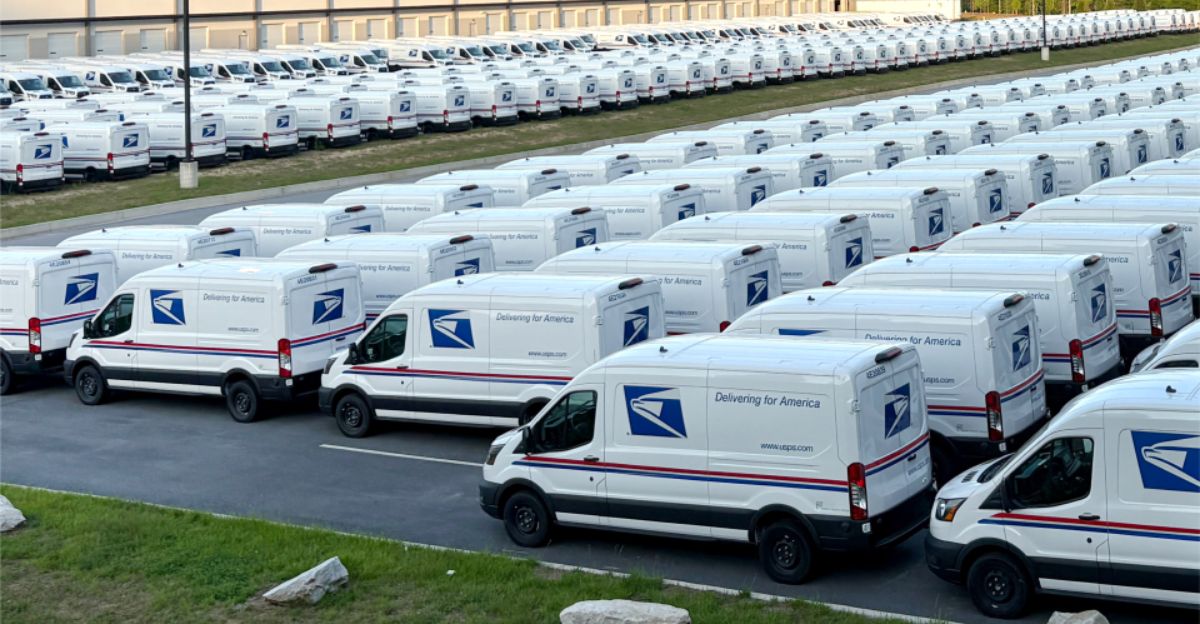
The USPS EV rollout now stands as a warning about what happens when ambition, politics, and manufacturing reality collide. More than $3 billion spent, only 612 flagship EV trucks on active routes, thousands of idle vans, and billions more in agency losses expose deep flaws in planning and oversight.
Yet the failure lies in execution—not in the viability of electric delivery vehicles themselves. Without disciplined production and accountability, even transformative ideas can collapse into billion-dollar cautionary tales.
Sources:
- U.S. Postal Service (USPS) official press releases and fleet modernization updates
- USPS Office of Government Relations and Public Policy (including statements by VP Peter Pastre)
- U.S. Senate Committee correspondence and budget testimony
- Senator Joni Ernst (R–Iowa), Senate DOGE Caucus public statements and letters
- U.S. Congress – Inflation Reduction Act (2022) funding documentation
- Oshkosh Defense corporate manufacturing and production disclosures
- Washington Post (manufacturing defect and leak-testing reporting, Dec. 2024)
- U.S. Government Accountability Office (GAO) postal fleet oversight reports
- USPS Fiscal Year 2024 Financial and Capital Loss Reports
- Federal procurement and fleet modernization filings