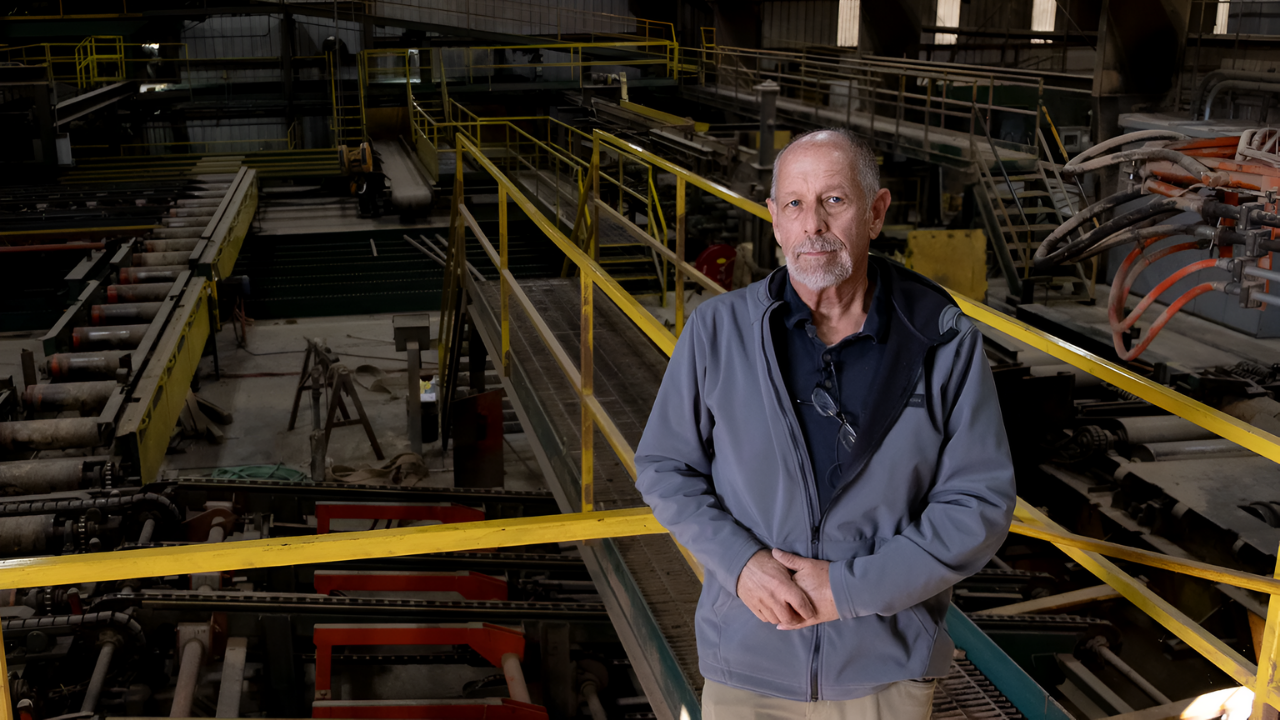
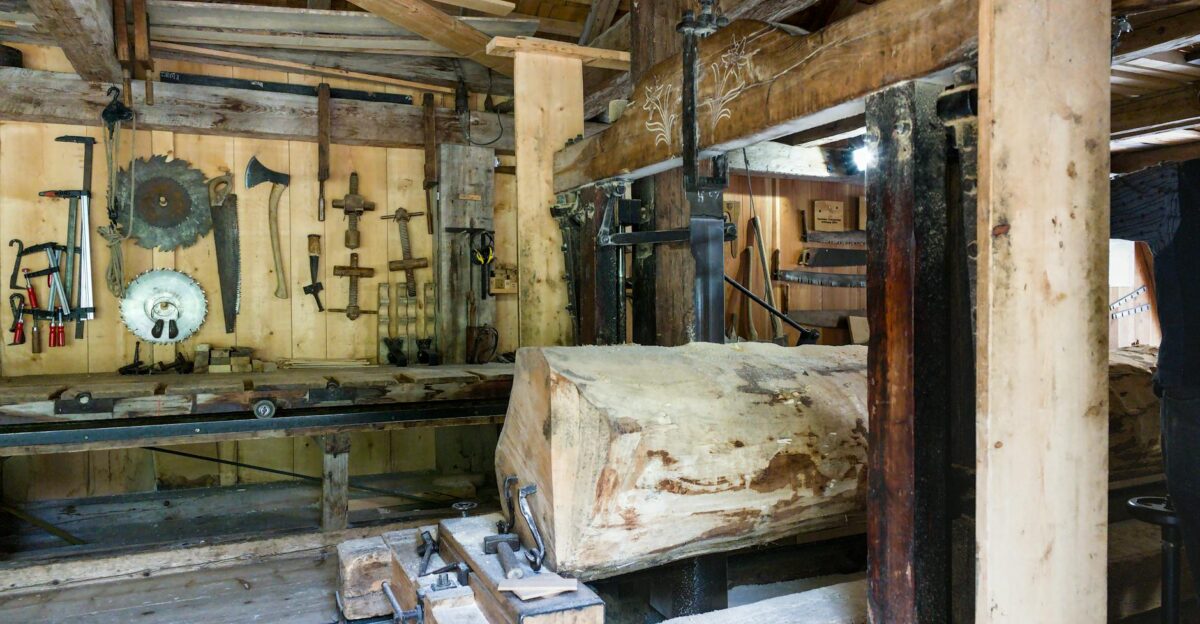
On September 29, 2025, Mackeys Ferry, a fifth-generation sawmill in North Carolina, closed its doors, laying off all 50 employees.
The shutdown was triggered by the unsustainable costs of Trump’s April 2, 2025, “Liberation Day” tariffs, which the owner, Wilson Jones, described as “damn near liberated me” from their business.
This sudden closure highlights the harsh and immediate impact of trade policies on rural communities, leaving families and workers without jobs. What’s the next consequence of these tariffs? Keep reading to find out.
Why Tariffs Hit Hard

Tariffs—government taxes on imports and exports—were imposed to protect U.S. industries, but they increased costs for businesses that relied on foreign materials or markets.
For Mackeys Ferry, Canadian softwood lumber tariffs reached 45%, and a regular $500,000 shipment to China suddenly faced tariffs worth more than the wood itself, making sales unprofitable. The sudden policy shift left little time for adjustment, forcing rapid closure.
Immediate Consumer Impact
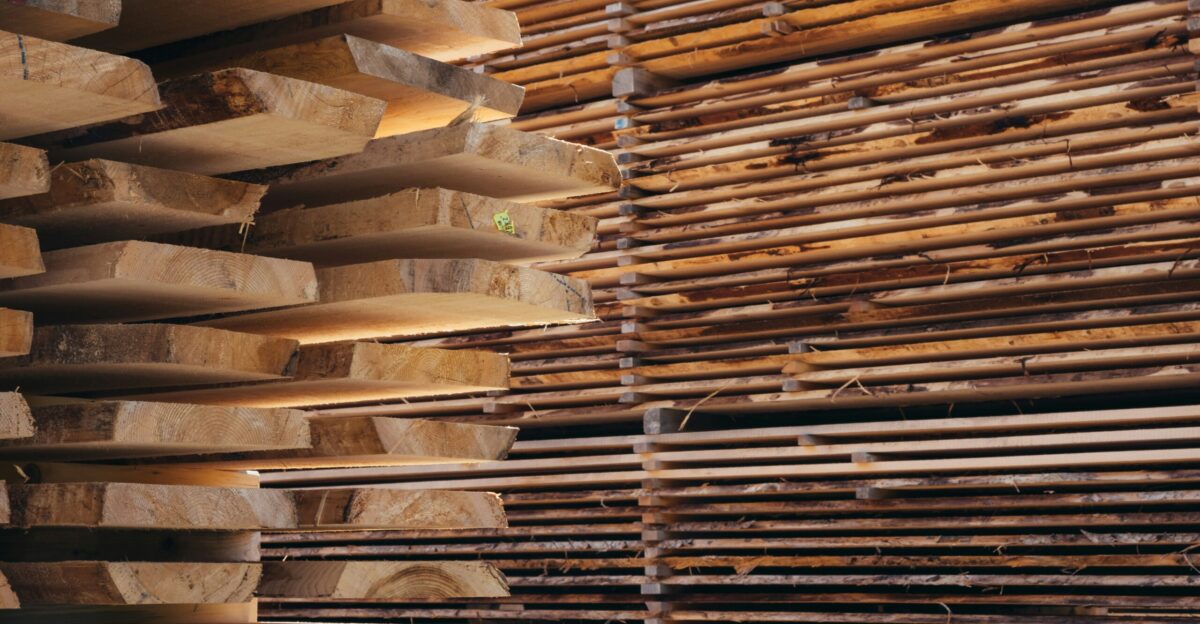
The closure of Mackeys Ferry means less locally produced lumber for homebuilders and contractors in eastern North Carolina. Consumers face higher prices for wood products as supply tightens.
Furniture tariffs of 30% on upholstered furniture and 50% on kitchen cabinets and bathroom vanities have driven up prices for living room, kitchen, and dining furniture by 9.5% from August 2024 to August 2025.
Local hardware stores report rising costs for lumber, and some projects are being delayed. The ripple reaches homeowners, contractors, and small businesses.
Business and Corporate Response
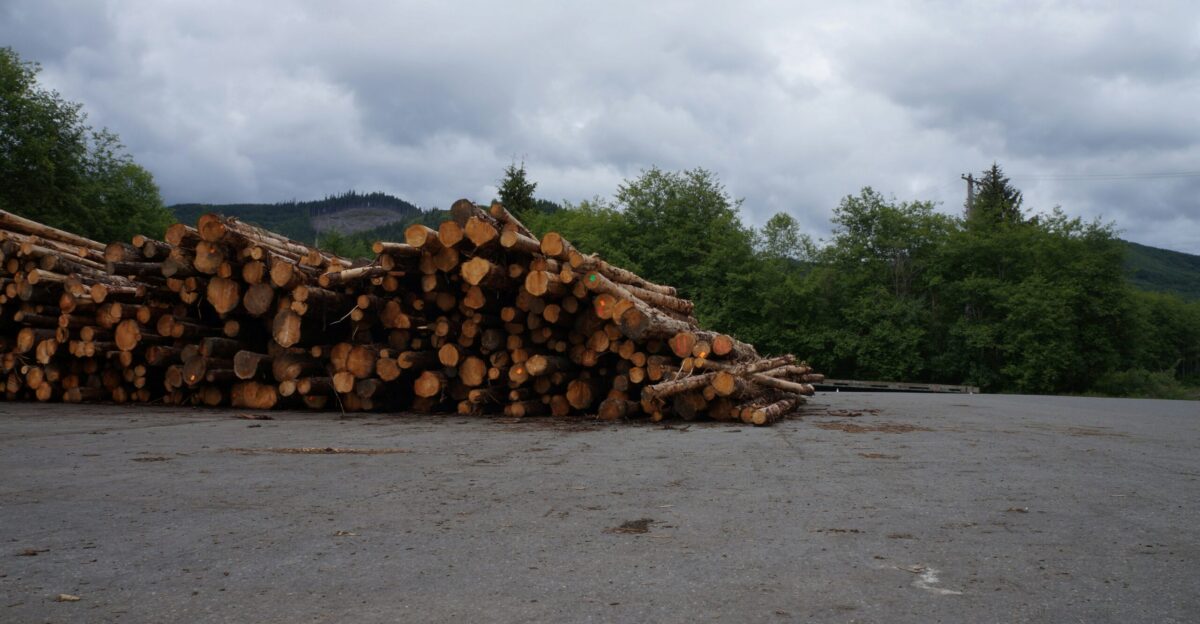
Other lumber mills in the region are reviewing their operations, with some considering layoffs or reduced shifts. Companies like John Deere have cited $300 million in tariff-related costs as a reason for cutting more than 200 jobs at plants in Illinois and Iowa.
The uncertainty is making businesses hesitant to invest or expand, affecting not just sawmills but related industries.
Substitutes and Adjacent Markets
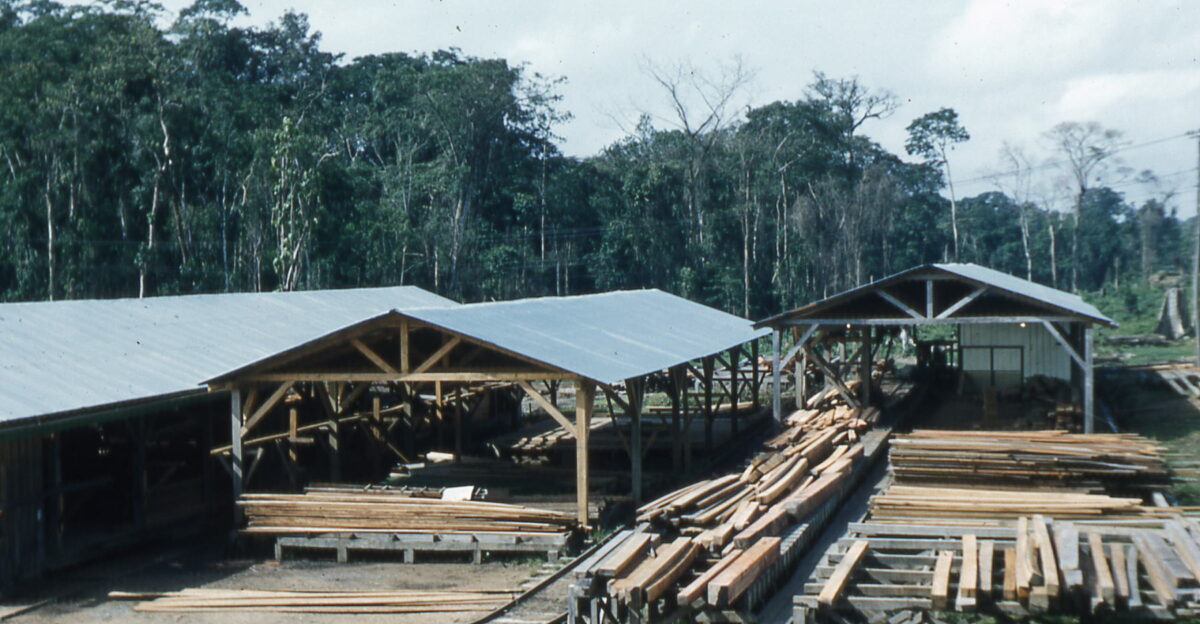
With less U.S. lumber available, some builders are turning to imported wood or alternative materials, such as steel and concrete. However, these substitutes are often more expensive or less available.
Domestic steel prices rose 38.5% due to tariffs, yet 1,400 U.S. and Canadian steel and aluminum workers lost jobs as downstream industries reduced orders.
The shift is reshaping construction practices and supply chains, with long-term implications for building costs and sustainability.
International Trade Effects
Tariffs have disrupted trade flows, with China retaliating against U.S. exports. The tariff escalation in April 2025 triggered the worst two-day loss in U.S. stock market history, wiping out approximately $6.6 trillion in value, with global equity markets losing roughly $10 trillion (approximately 10% of global GDP) over the following week.
U.S. lumber exports to China have dropped sharply due to Chinese retaliatory tariffs. The trade war is affecting not just sawmills but also farmers and manufacturers who rely on global markets.
Workers and Families
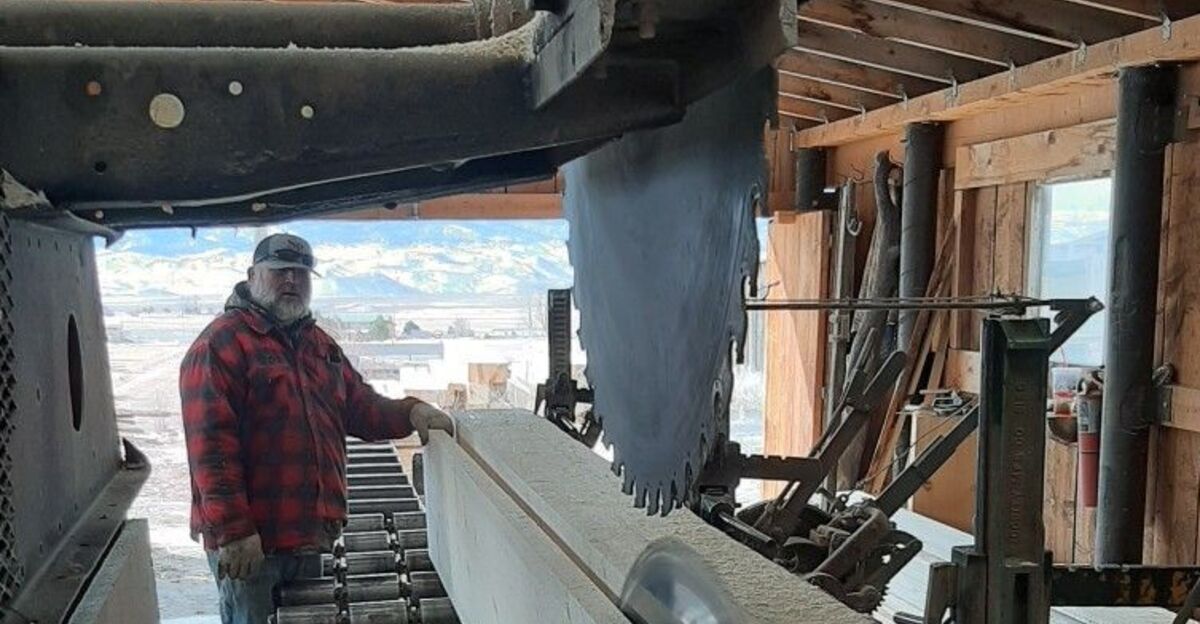
The 50 workers laid off at Mackeys Ferry are struggling to find new jobs. Only 10 of the 50 workers accepted positions at Jones Brothers’ other mill, an hour away in Elizabeth City.
Many families in Washington County, NC, are facing financial hardship, with some considering moving away for work. The closure eliminates approximately $2.5 million in annual payroll and affects roughly 150–200 family members.
Economic Development Director Kelly Chesson called the closure “a big blow” to the county, which is still recovering from the loss of 200 jobs when a paper mill closed 20 years ago.
Political and Policy Response
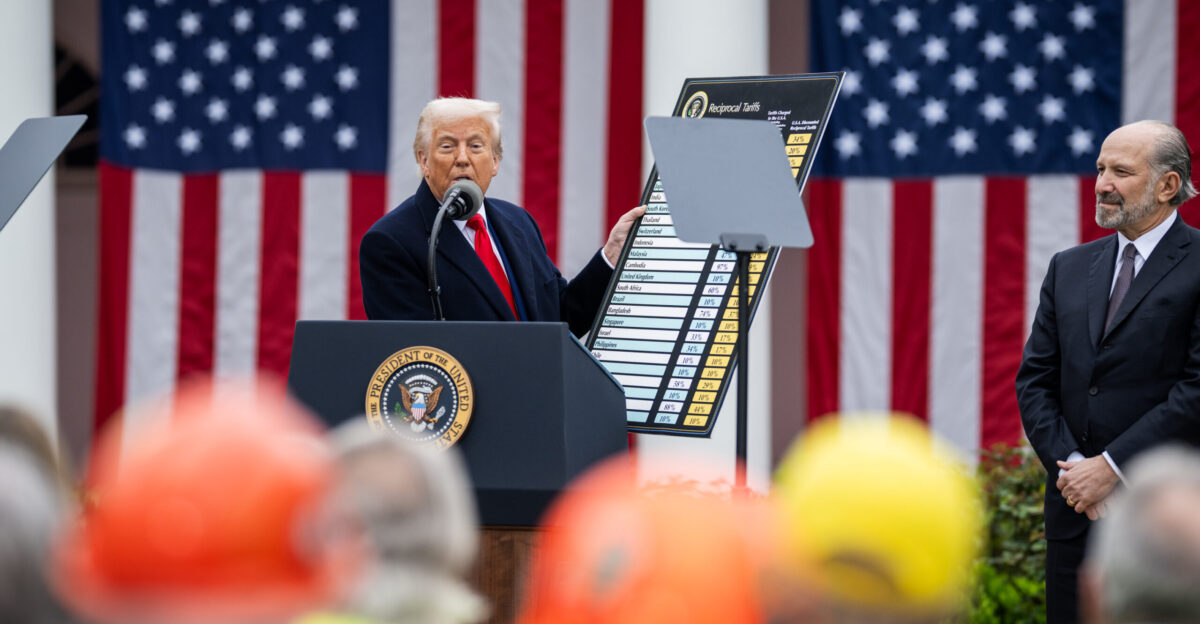
The Trump administration defended tariffs as necessary to protect American jobs, but critics argue they have hurt rural economies.
Nationally, 42,000 manufacturing jobs have been lost since the April 2025 tariff announcement, with manufacturing hiring in May 2025 plunging to its weakest rate since 2016.
Lawmakers are debating relief measures, but no immediate solutions are in place. The debate highlights the tension between national trade policy and local economic realities.
Inflation and Economic Ripple

Tariffs have contributed to higher prices for wood and other goods, adding to inflation. The average U.S. household is expected to face a $1,200 tax increase in 2025 due to tariffs, according to the Tax Foundation, with the average tax burden rising to $1,600 in 2026.
Manufacturing employment has declined by 42,000 since April 2025, with an additional 76,000 job openings and 18,000 hires also decreasing. The broader economy is feeling the strain.
Retailer Strategies and Adaptations
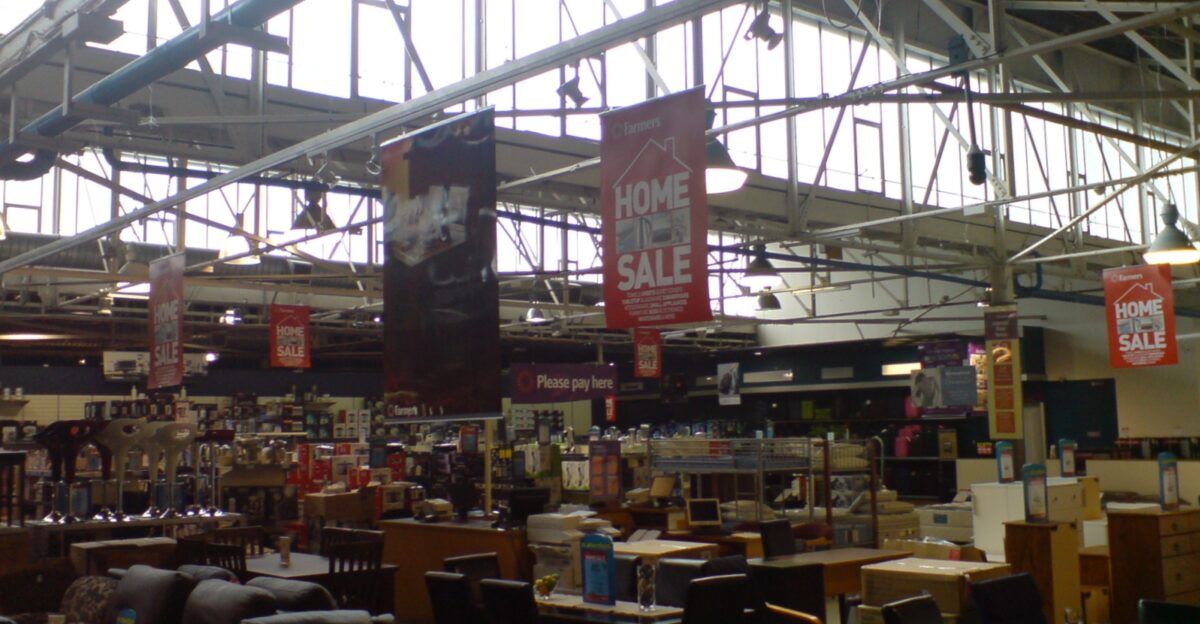
Retailers are adjusting by shifting promotions and sourcing from alternative suppliers. Some are passing higher costs to consumers, while others are reducing inventory. Furniture retailers face particular challenges from tariffs.
The uncertainty is making it harder for retailers to plan and compete, affecting everything from home improvement stores to furniture outlets.
Food Price Shocks and Consumer Burden

Grocery costs jumped 0.6% in August 2025, marking the biggest month-over-month increase in 3 years. Coffee prices soared 20.9% year-over-year, while beef steak prices rose 16.6%.
On November 14, 2025, Trump scrapped tariffs on beef, coffee, tropical fruits, cocoa, tea, and other commodities—a reversal that came too late for families already feeling the squeeze. The ripple is felt across consumer budgets nationwide.
Knock-On Industries

The sawmill closure affects not only lumber but also industries such as furniture, paper, and packaging. Suppliers and service providers are experiencing reduced demand, which is leading to further job losses and economic contraction.
The impact is spreading across the supply chain, with annual costs of $225,000–$550,000 per job-year created by tariff protection, according to the American Enterprise Institute. For every steel job protected by tariffs, approximately 80 downstream jobs depend on affordable steel.
Global Consumer Impact

Consumers worldwide are feeling the effects of U.S. tariffs, with higher prices for wood products and related goods. The trade war is disrupting global supply chains, affecting everything from furniture to construction materials.
The April 2025 tariff announcements wiped out $6.6 trillion in U.S. stock value in two days and roughly $10 trillion globally (approximately 10% of global GDP) over the following week. The ripple is international, not just local.
The Real Cost: Beyond the Numbers
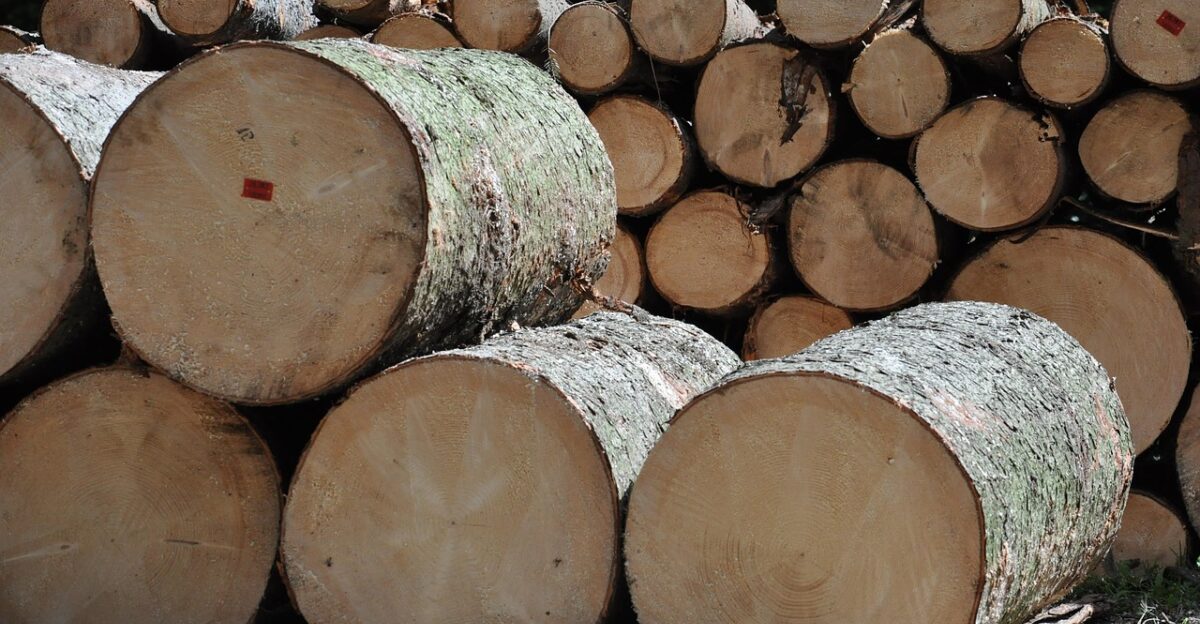
The closure of Mackeys Ferry eliminated $2.5 million in annual payroll from Washington County. For the 40 workers who didn’t find jobs at the Elizabeth City mill, the financial reality is immediate: unemployment benefits, depleted savings, and difficult decisions about moving away for work.
Economic Development Director Kelly Chesson acknowledged the severity, calling it “a big blow” to a county that has yet to recover from the loss of 200 jobs when a paper mill closed 20 years ago. History suggests recovery won’t be quick.”
Manufacturer Survey Results and Texas Impact

Manufacturing surveys reveal the breadth of tariff damage: 88% of manufacturers in the Federal Reserve’s Fifth District (May 2025) reported making changes due to tariffs, and 70% of Texas manufacturing firms (August 2025) reported negative impacts.
Texas, traditionally a “business-friendly” state with low taxes and light regulation, saw its unemployment rate rise to 4.7% in August 2025—above the national average for the first time in recent memory.
The state is projected to lose approximately 15,600 manufacturing jobs in 2025, the steepest decline since the pandemic. Economists warn that Texas could see approximately 800,000 unemployment claims by 2026 if layoffs continue.
The Paradox: Trump Voter Loses Business to Trump Policy

Despite losing his family’s fifth-generation sawmill to Trump’s tariffs, Wilson Jones voted for Trump in 2024 and says he would do so again, even while expressing 100% regret about the trade policy decisions.
“When I say Liberation Day, I cannot put enough snark and sarcasm in my voice because we weren’t liberated. Liberation Day, it did, at the time, it had damn near liberated me from our business,” Jones said, later adding that he’s “bitter” about the outcome.
When asked what he’d tell President Trump, Jones didn’t hold back: “From the guy that’s just stacking lumber to the guy that’s sawing—don’t even care about the guy that’s the mill owner—what about those guys?” He was referring to his 50 laid-off workers, not the mill owners.
But when asked if he had regrets about voting for Trump, Jones replied: “There are some things I regret about voting for President Trump? Yes, a hundred percent. Trade policy is one of them…That being said, given the two people running, regardless of what they said on the campaign trail, I would’ve voted for President Trump again.”
Financial Market Speculation and Investment Decline

Financial markets remain volatile following the April 2025 tariff announcements. Stock markets have struggled to recover from the worst two-day loss in U.S. history—$6.6 trillion wiped out in 48 hours.
Some analysts predict further job losses and economic contraction if tariff policies continue, while others see opportunities in automation and technology.
Manufacturing investment is projected to decline by approximately $490 billion by 2029—a reduction of more than 13% per year—as businesses delay capital expenditures due to tariff uncertainty.
Practical Advice for Consumers

Consumers should expect higher prices for wood products and related goods. Consider alternative materials or delay non-essential projects. Furniture prices have risen 9.5%, with coffee up 20.9% and beef up 16.6%. Stay informed about local job markets and support community initiatives.
The November 14, 2025, tariff reversal on food and commodities may provide some relief, but many price increases have already taken effect. The key is to be flexible and prepared for continued economic uncertainty.
What’s Next for Rural America?
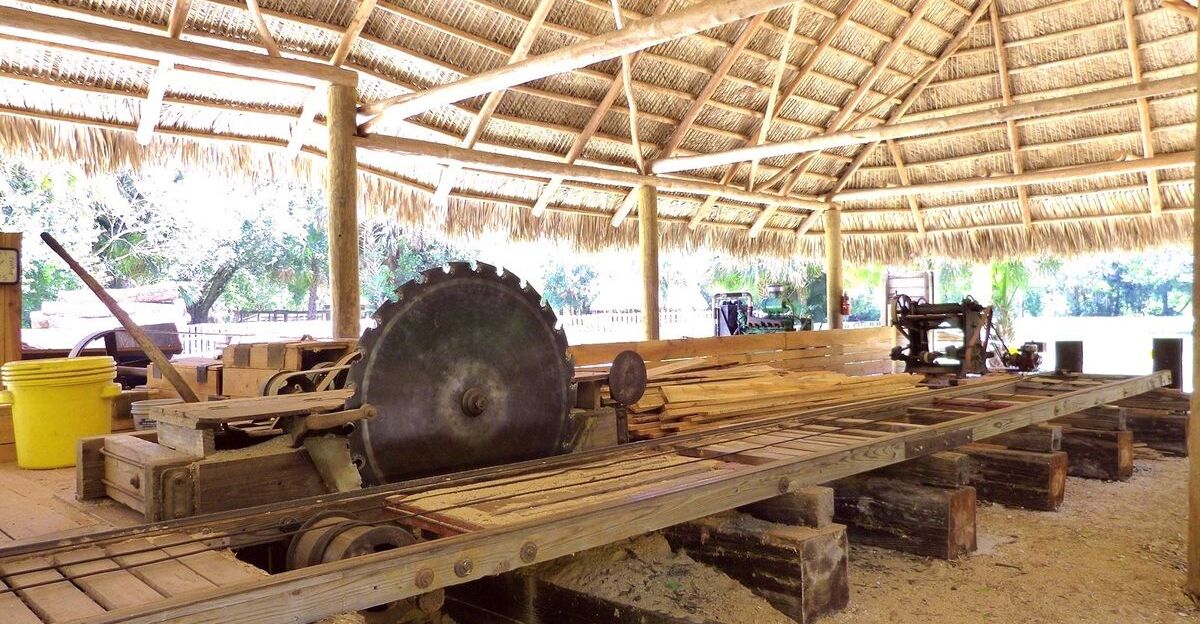
The future of manufacturing in rural America is uncertain. Policy changes, technological advances, and global trade dynamics will shape the next chapter.
Washington County, NC, faces particular vulnerability: the county’s economy still hasn’t fully recovered from losing 200 jobs when a paper mill closed 20 years ago. The closure of Mackeys Ferry—eliminating 50 more jobs and $2.5 million in annual payroll—adds to generational economic challenges.
Communities must adapt to survive, but the human cost of economic shifts remains a pressing concern. With manufacturing hiring at its weakest rate since 2016 and 78,000 manufacturing jobs down since the start of 2025, rural communities face an uphill battle.
Closing Synthesis
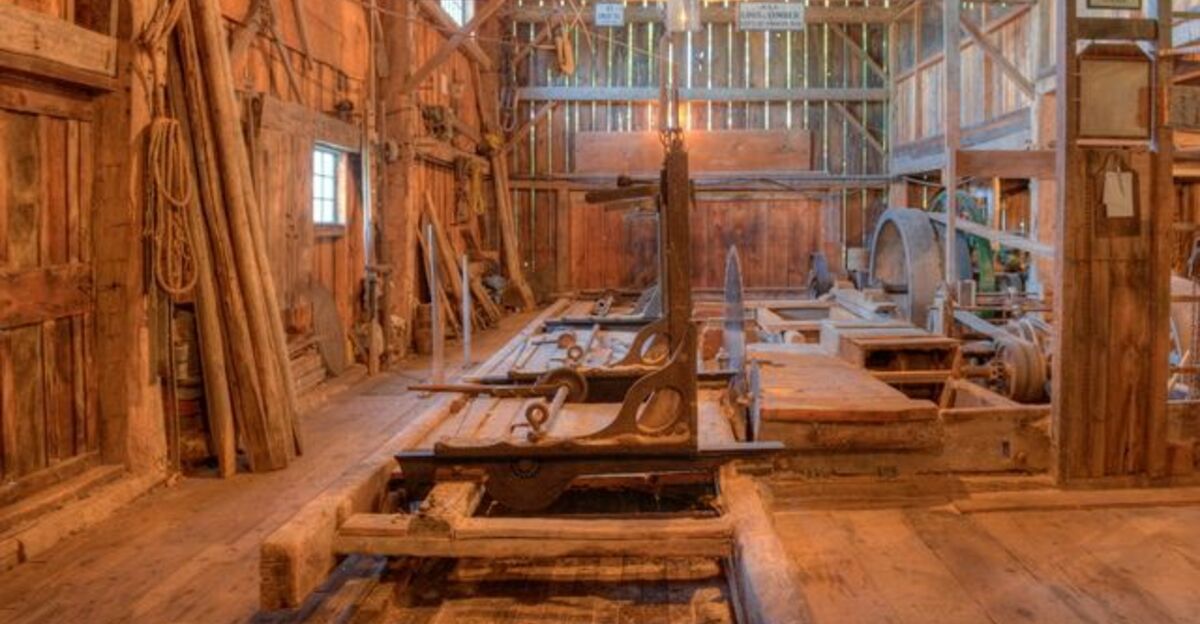
The Mackeys Ferry story reveals a fundamental tension: policies designed with good intentions often produce unintended harm. Wilson Jones—a lifelong Republican who still says he’d vote for Trump again—lost his family’s 135-year-old business to the very tariffs meant to help manufacturers like him.
His question, “What about those guys?”—referring not to mill owners but to his 50 laid-off workers—remains unanswered.
As rural America faces another wave of industrial decline, the real test of trade policy won’t be measured in tariff rates or job statistics, but in whether policymakers listen to workers asking for help.