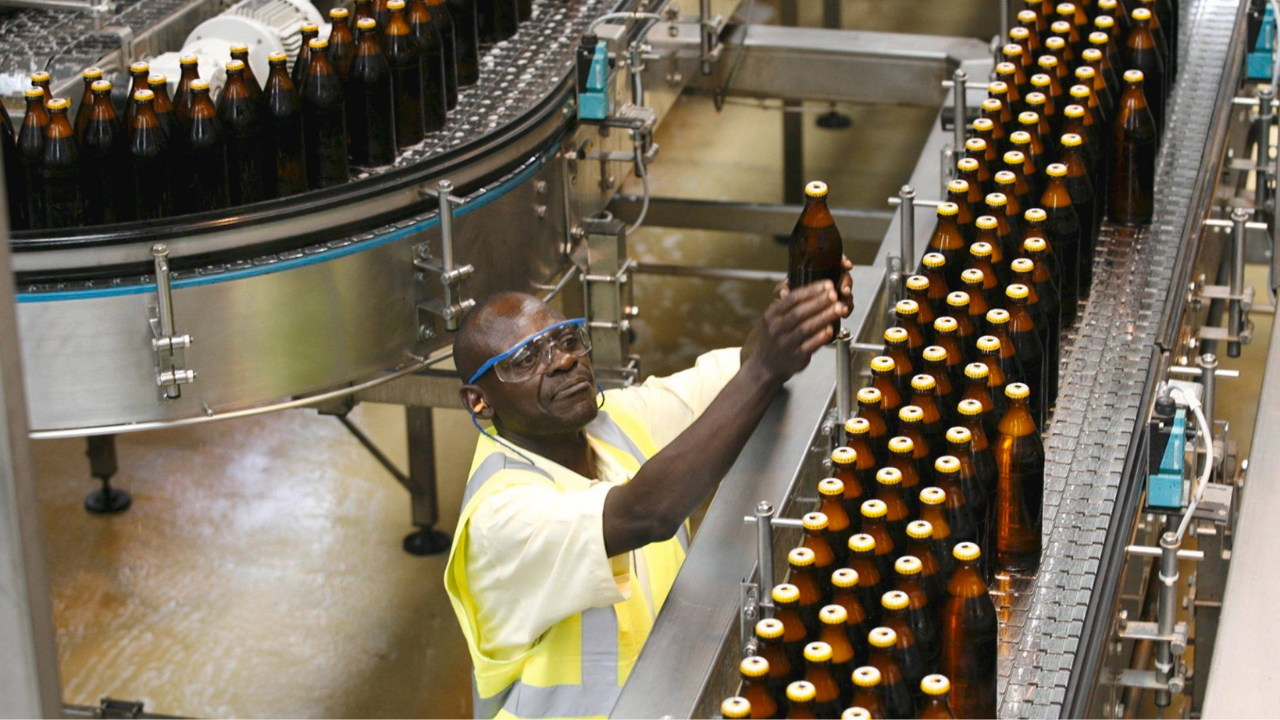
Molson Coors announced it will cut 400 jobs across the Americas by the end of 2025, marking one of the largest workforce reductions in the company’s recent history.
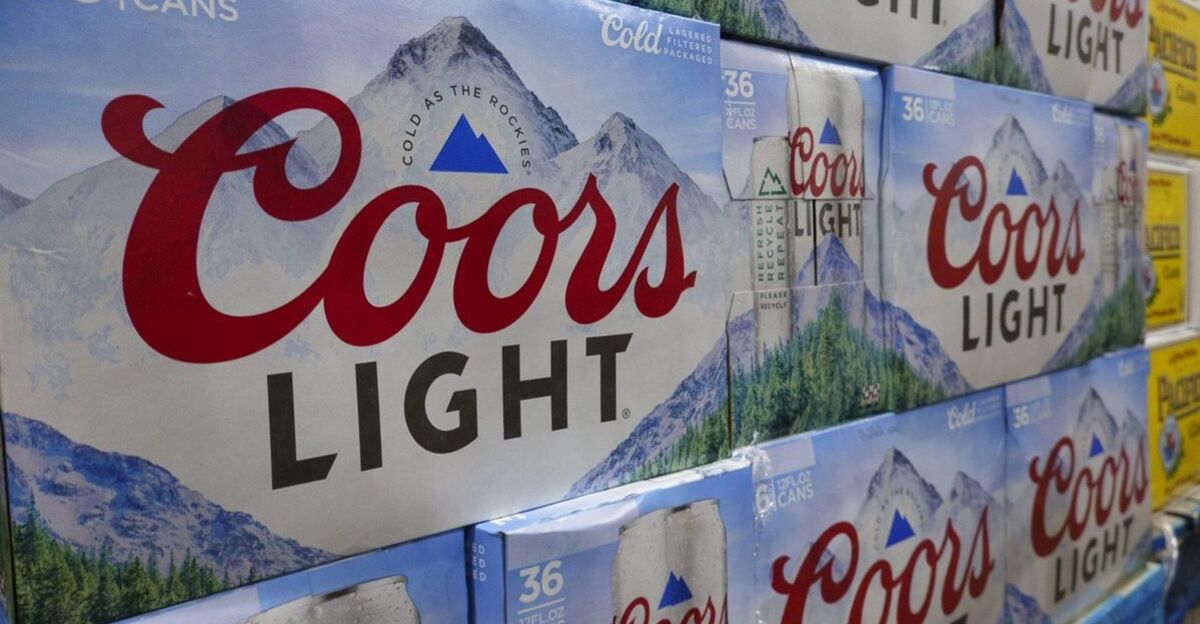
The brewer behind iconic brands like Coors Light, Miller Lite, and Blue Moon faces mounting pressures from surging aluminum costs driven by international tariffs and shifting consumer preferences away from traditional beer.
The layoffs represent 9% of the company’s Americas corporate workforce and signal deep transformation for both Molson Coors and the broader beverage sector as trade policies and changing tastes reshape the industry.
Rising Costs Drive Workforce Reduction
The company faces mounting financial pressures. Aluminum costs have surged. International tariffs hit hard. Supply chains remain disrupted.
U.S. aluminum tariffs doubled from 25% to 50% in June 2025. The Trump administration also imposed 25% tariffs on beer and empty aluminum cans in April. Molson Coors expects annual tariff impacts of $40-55 million.
Consumer preferences are shifting. Traditional beer loses ground to seltzers, non-alcoholic beverages, and energy drinks. U.S. beer sales declined 0.5-1.2% through the first half of 2025.
Molson Coors production volumes dropped 6.4% year-over-year through mid-2025. The company cut its full-year sales guidance from “low single-digit decline” to a 3-4% drop.
The layoffs include hundreds of already-open positions. Some employees will receive buyout offers. The restructuring eliminates 9% of the company’s Americas corporate workforce.[9][10][11]
CEO Rahul Goyal took charge in early October. He moved quickly. “We must move with urgency and make bolder decisions,” Goyal said. The company expects severance costs between $35 million and $50 million.
Impact Beyond the Company
Consumers may see higher prices. Some Molson Coors products could become less available. The company produces Coors Light, Miller Lite, Blue Moon, and Molson Canadian.
Retailers and restaurants face supplier uncertainty. Alternative beverage makers could gain market share.
Adjacent industries feel the ripple effects. Packaging suppliers may see reduced demand. Transportation and logistics providers tied to Molson Coors face pressure.
Trade Policy Takes Center Stage
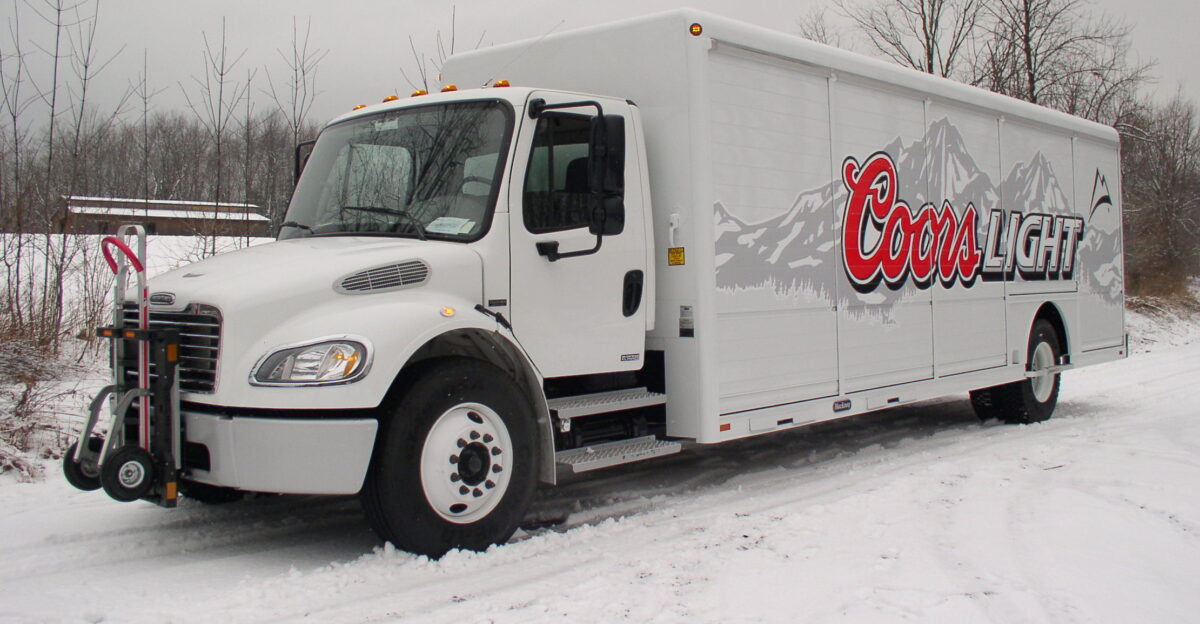
Tariffs squeeze profit margins. The U.S. sources aluminum imports primarily from Canada. Higher costs translate directly to reduced profitability.
Molson Coors isn’t alone. Heineken cut 400 jobs globally in October. Craft breweries continue closing across the U.S. amid declining sales.
Aluminum tariffs particularly impact brewers. Approximately 76% of U.S. packaged beer comes in cans. Even domestic can manufacturers use imported aluminum for production.
Shifting Market Dynamics
Beer makers pivot toward alternatives. Non-alcoholic beverages show strong growth. Molson Coors invests in energy drinks and wellness options.
Germany leads the non-alcoholic beer trend. Sales doubled since 2007. Non-alcoholic now represents 9-14% of Germany’s beer market.
Hard seltzer markets expanded rapidly but face consolidation. Energy drinks continue gaining market share. Young consumers increasingly choose non-alcoholic options.
Adapt or Else
The restructuring positions Molson Coors to “become a total beverage company”. The company aims to reinvest savings into priority brands and growth initiatives.
Severance payments begin immediately. Job cuts will conclude by December 31, 2025. The company will streamline operations and accelerate transformation efforts.
The beverage industry faces continued volatility. Tariffs remain in effect. Consumer preferences keep evolving. Companies will have to adapt or risk falling behind.