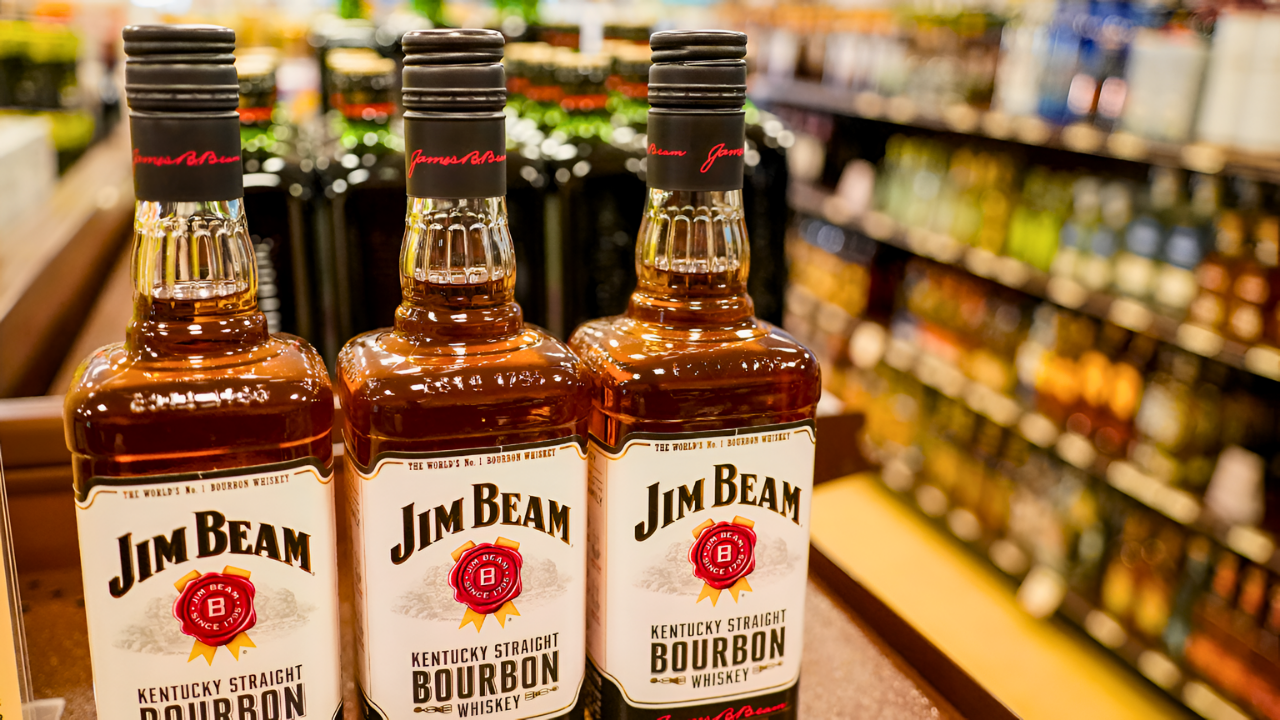
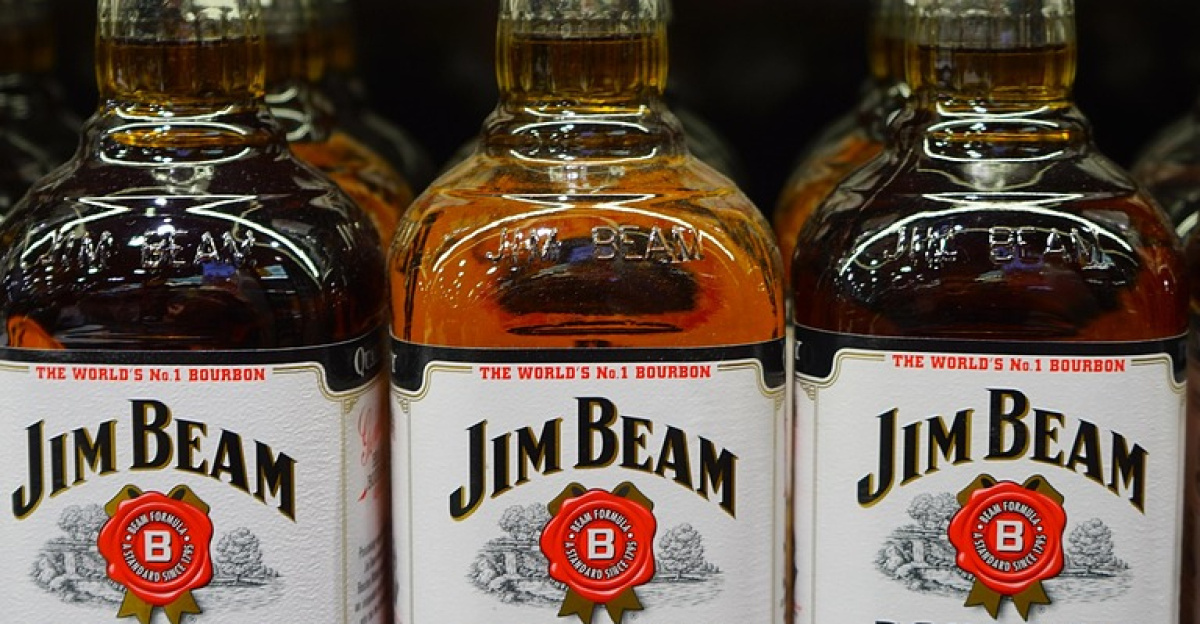
Jim Beam’s biggest distillery in Clermont, Kentucky, will stop all production for the entire year of 2026. This news came from its owner, Suntory Global Spirits, on December 21. The plant makes about one-third of the brand’s 26.5 million gallons of bourbon each year. Smaller sites, like Freddie Booker Noe and Booker Noe, will stay open.
The shutdown affects around 1,500 workers at Jim Beam’s Kentucky locations. The company says it’s for needed upgrades. Experts see it as a sign of big problems in the bourbon industry. This is the worst crisis since Prohibition, caused by too much stock, trade issues, and less demand.
Too Many Barrels Cause Big Problems
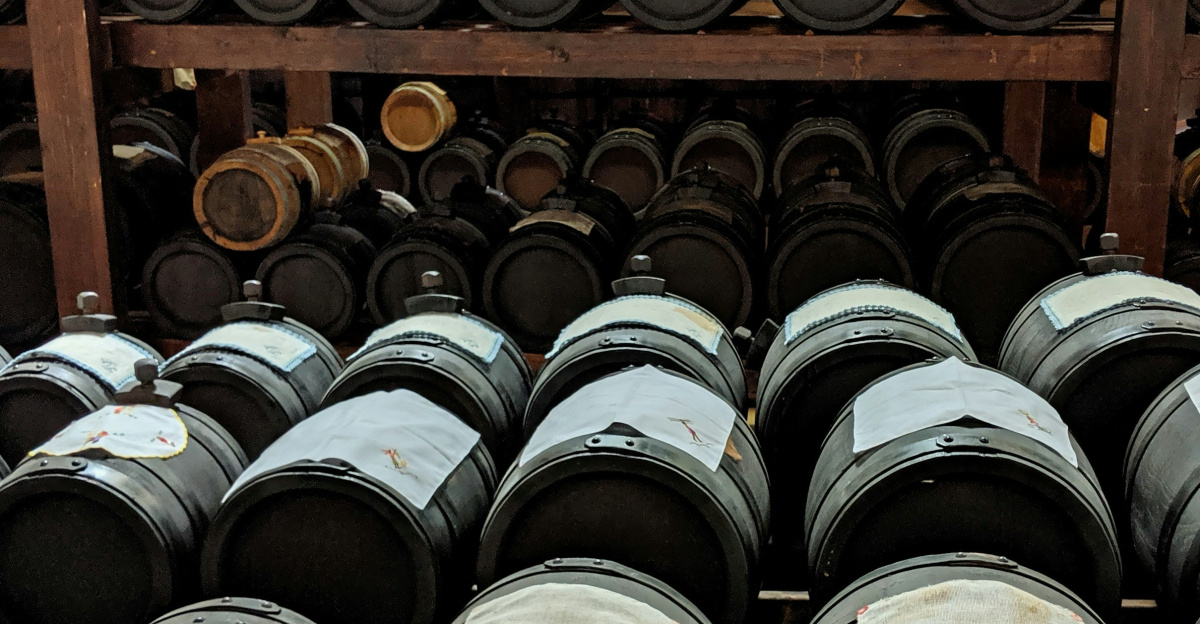
Kentucky warehouses hold a record 16.1 million barrels of aging bourbon right now. That’s more than three times the 4.7 million barrels from 15 years ago. Distillers made a lot more during the boom from 2015 to 2023. But U.S. whiskey production dropped to 142 million proof gallons through August 2025. That’s 55 million proof gallons less than the year before. Bourbon needs at least four years to mature. So, extra barrels keep building up. Distillers can’t cut supply quickly without hurting future production.
High Taxes Hurt Kentucky Makers
Kentucky is the only place that taxes aging whiskey barrels based on their value. In 2025, this tax hit $75 million. That’s up 27% from last year and 163% over five years. The total value of barrels reached $10 billion, a 25% increase. No other whiskey region in the world has this tax. It makes Kentucky distillers less competitive. The state approved a 20-year plan to phase it out starting in 2026. But people in the industry say it’s too slow and they need faster help.
Tariffs and Slow Sales Hit Exports
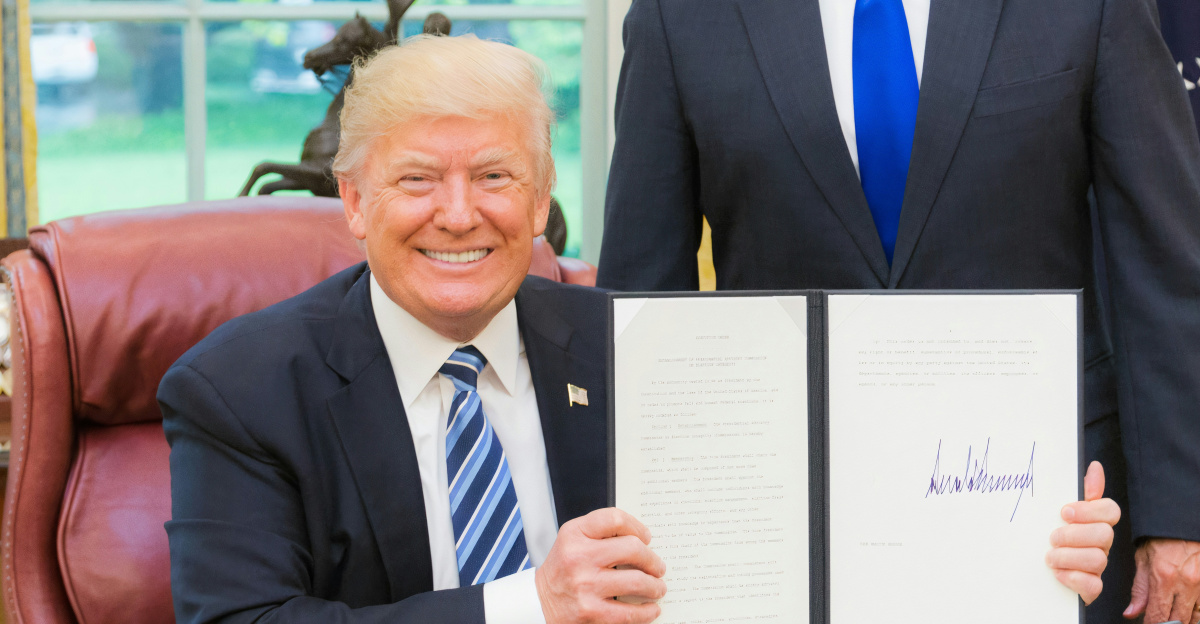
President Trump’s tariffs have hurt bourbon sales overseas. Canada, the second-biggest market, started a near-total boycott of U.S. alcohol in March 2025. Spirits exports to Canada fell 85% in the second quarter of 2025, dropping below $10 million. The European Union is considering 50% duties on American whiskey. Overall U.S. spirits exports dropped 9% in that quarter compared to last year. American whiskey exports fell 13%. This turns extra stock into a real survival problem for the industry.
Other Companies Cut Back Too
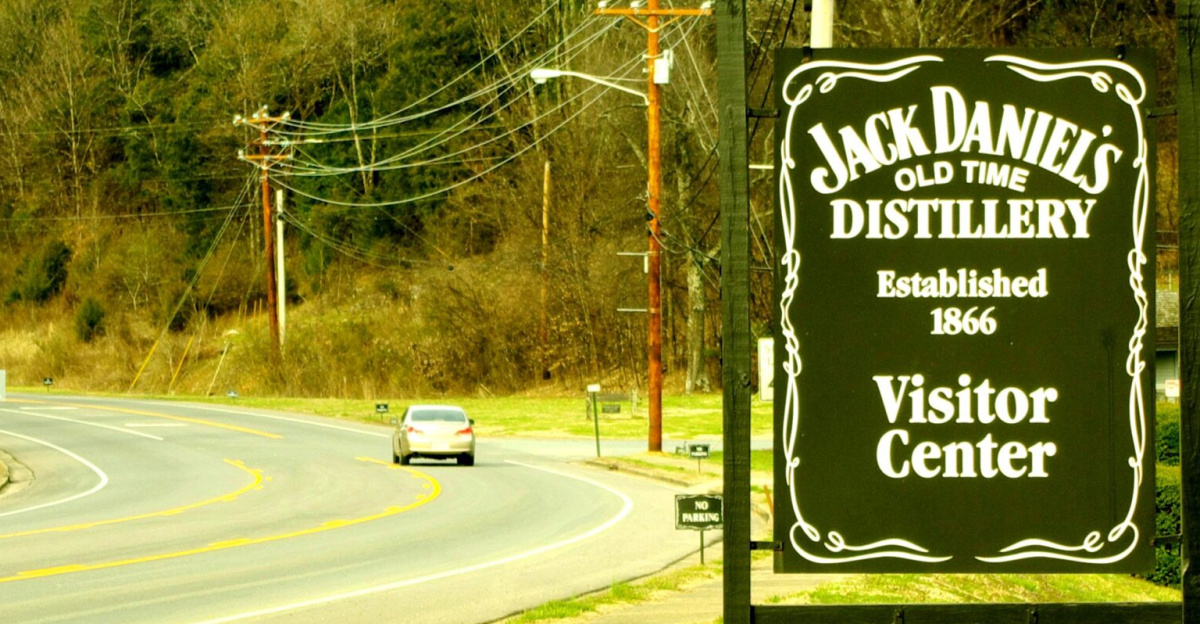
Other big players are making changes. Brown-Forman, which owns Jack Daniel’s, cut 12% of its global staff in January 2025. That meant about 650 jobs gone. They also closed their Louisville barrel-making plant, losing 210 more jobs. They aim to save $70-80 million a year. Their fiscal 2025 net sales fell 5% to $4.0 billion. Operating income dropped 22% to $1.1 billion. Diageo paused production at places like Balcones in Texas (17 jobs cut), Cascade Hollow in Tennessee (through June 2026), and Teaninich in Scotland.
They call it efficiency moves after a 27.8% drop in operating profit. MGP Ingredients in Indiana cut whiskey output, stopped some client purchases, and expects a 46% sales drop in Distilling Solutions for the year after a 19% fall in Q3. Suntory’s spirits revenue was down 2.4% and operating income down 32.9% in the first half of 2025 due to slowdowns in the U.S. and Europe.
Economic Impact and Signs of Hope
Bourbon brings $9 billion to Kentucky’s economy each year. It supports 23,100 jobs, including 7,000 direct ones, $1.63 billion in wages, and $358 million in taxes. The Bourbon Trail attracts almost three million visitors. Distilleries grew from 19 in eight counties in 2009 to 127 across 49 counties, with $5.3 billion in investments. Premium bourbons offer some hope. High-end sales rose 18% in 2024, thanks to single-barrel and limited releases. Overall volume fell just 1.5% through July 2025.
Younger people drink less. Gen Z drinks 20% less per person than Millennials. Alcohol use among under-35s dropped 10 points in 20 years. Only 58% of adults drank in 2024, the lowest since 1996. Fixing oversupply, taxes, tariffs, and drinking habits will take years. Barrels from 2020-2023 will last into the 2030s. Small companies may fail, big volumes will shrink, and mergers could happen. Better trade deals might reopen Canada and the EU markets to clear stock. Without them, the industry faces long-term shrinkage, focusing on premium products.
Sources:
BBC News – “Bourbon maker Jim Beam halts production at main distillery” – December 21, 2025
The Independent – “Jim Beam shutting down bourbon production at Kentucky distillery” – December 21, 2025
The Spirits Business – “Jim Beam distillery ceases production for 2026” – December 21, 2025
Distilled Spirits Council of the United States – “American Spirits Exports 2025 Mid-Year Report” – October 2025
The Lane Report – “Bourbon: A Storied Industry at a Crossroads” – June 2025
Kentucky Distillers’ Association | Industry impact reports and barrel inventory data – October 2025