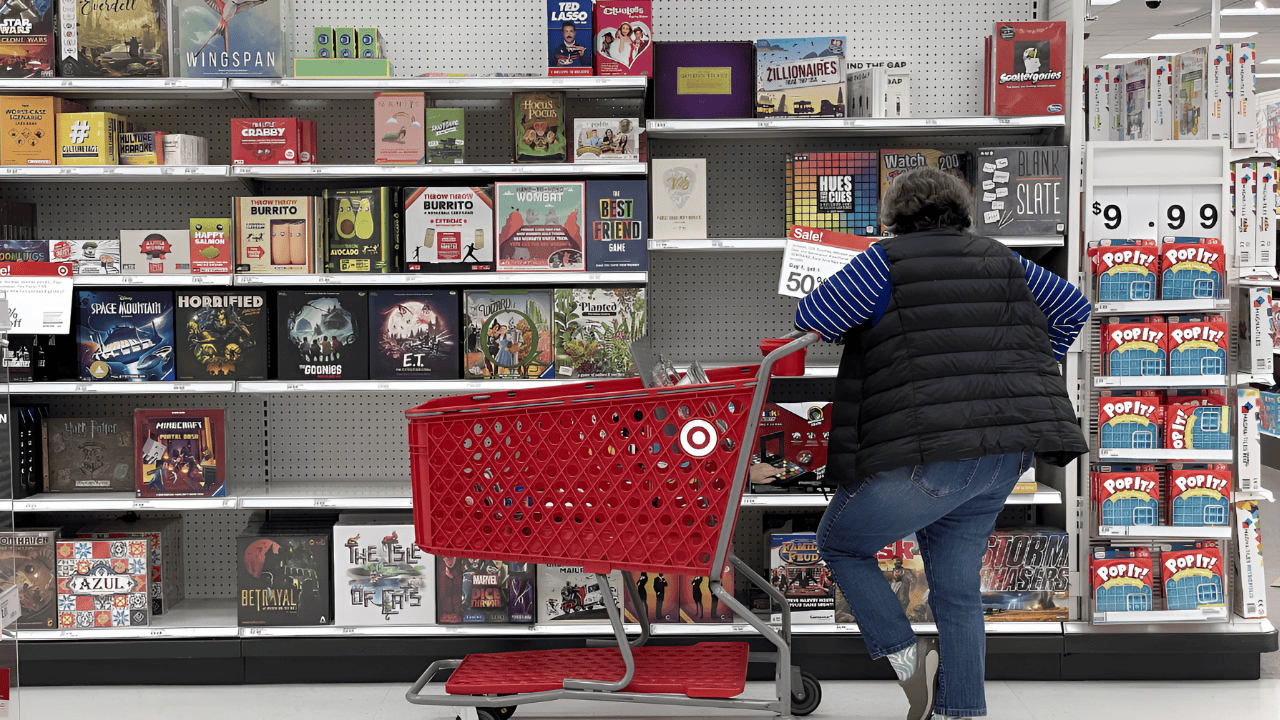
Most retailers flinch when sales slip. They cut prices, slash costs, and wait out the storm. Target didn’t. As comparable sales softened and store traffic slowed, the newly appointed CEO, Michael Fiddelke, chose a different response: to lean into style, experience, and curation.
It’s an unusual decision in an inflation-conscious economy and one that places Target’s identity, not just its margins, under scrutiny.
What the Quarter Was Really Saying

Target’s third-quarter results showed modest sales pressure, but deeper signals were evident beneath the surface. Store visits declined while digital sales held up better, reflecting shifting shopping behavior rather than a collapse.
Operating income fell more sharply, highlighting the cost of protecting margins without joining aggressive price wars. The quarter didn’t signal distress—but it did force a strategic reckoning about what Target wants to be.
The Easy Move Target Refused to Make
History shows that many retailers often respond by discounting harder and chasing volume. Walmart did exactly that, cutting prices across thousands of items and quickly pulling shoppers back.
Target could have followed. Instead, it chose restraint, accepting short-term pressure rather than entering a price battle it lacks the scale to win. That decision defines everything that followed.
Walmart’s Advantage Isn’t About Tactics

Walmart’s pricing power isn’t temporary or promotional—it’s structural. Its scale allows suppliers to absorb margin pressure, enabling sustained rollbacks without damaging profitability. Comparable sales growth confirmed that strength, especially online.
This isn’t a playbook Target can copy. Competing head-on would drain margins without guaranteeing loyalty, forcing Target to find leverage somewhere else entirely.
The Question Target Is Actually Testing
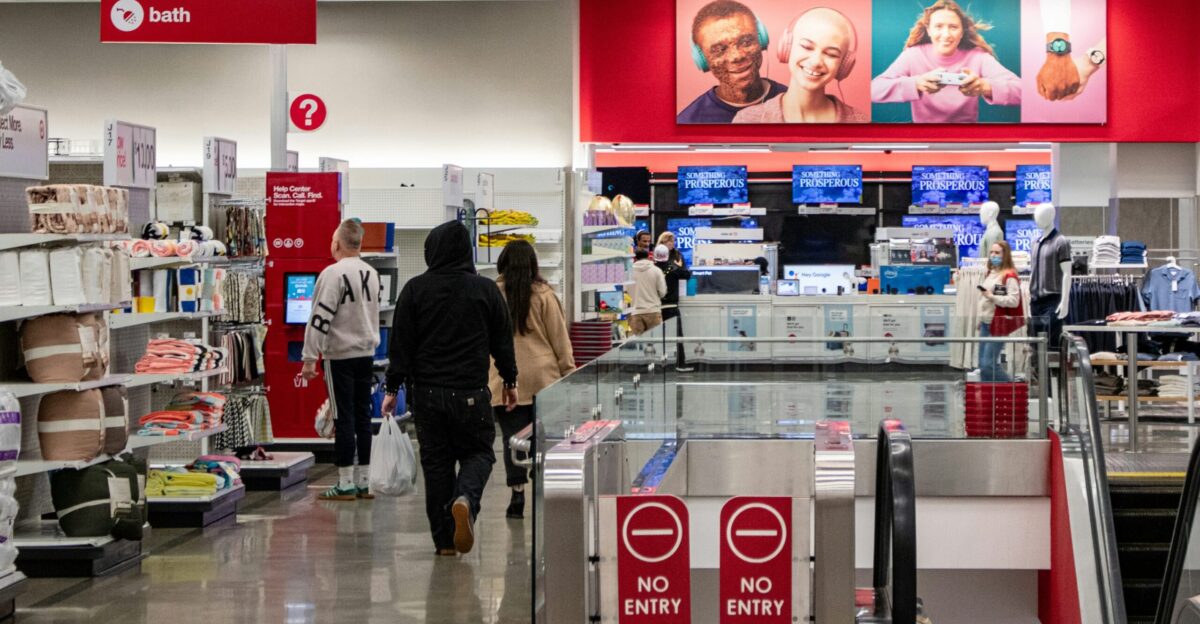
Rather than asking whether prices can go lower, Fiddelke is asking whether customers will stay for something better. It’s a reframing of a classic test of business strength: not raising prices, but holding them while offering value competitors can’t replicate.
Target’s thesis rests on experience, design, and emotional connection—intangibles that don’t appear immediately in quarterly financial statements.
“We Have to Play Our Game”

Fiddelke has been explicit about resisting imitation. Target, he argues, must follow its own playbook. That means doubling down on what once differentiated the brand—design, discovery, and moments of surprise.
Thousands of new products are being introduced, many of which are exclusive, alongside seasonal in-store experiences designed to make shopping feel intentional rather than purely transactional.
A Store That Explains the Strategy
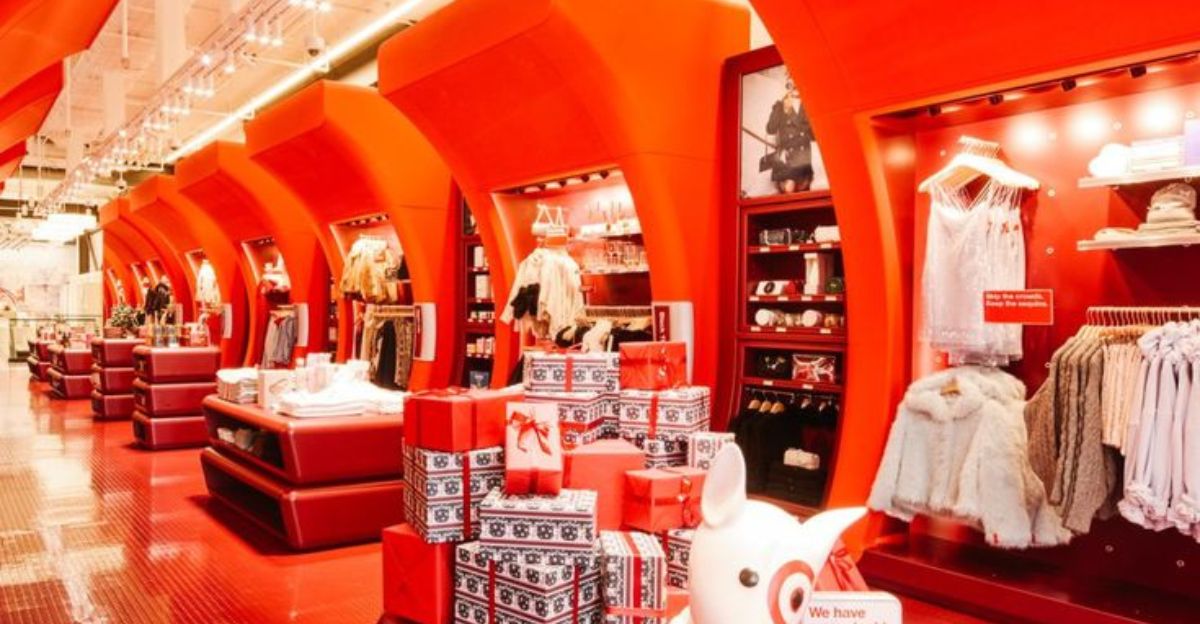
The reimagined SoHo Target, opened in late 2025, offers a tangible preview. Apparel returned. Displays became immersive. Designer collaborations took prominence. The store shifted its focus from an essentials-only mindset to one that prioritized browsing and discovery.
It’s not luxury, but it is deliberate. The message is clear: Target wants shoppers to feel something again, not just save something.
Loyalty as the Quiet Foundation
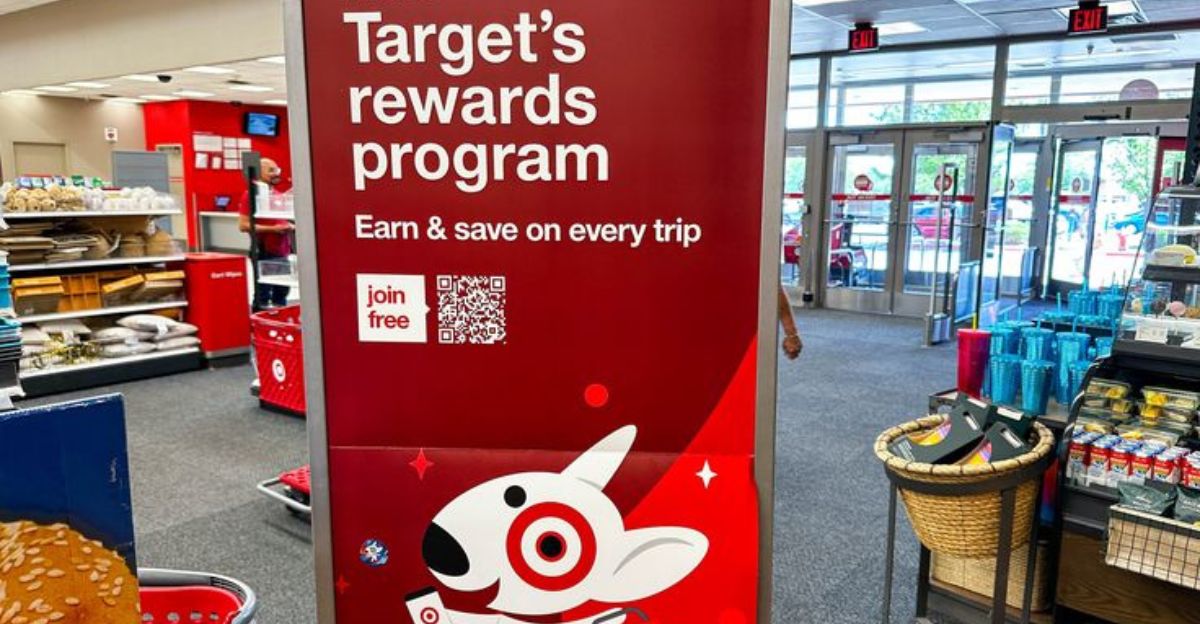
At the center of the strategy sits Target Circle 360, the company’s paid membership program. Members receive delivery perks, shipping benefits, and rotating incentives. Membership growth has been strong, and same-day delivery usage has climbed sharply.
The logic is straightforward: loyal customers are less sensitive to price fluctuations and more patient with long-term strategy shifts.
Why Home Became a Priority Again
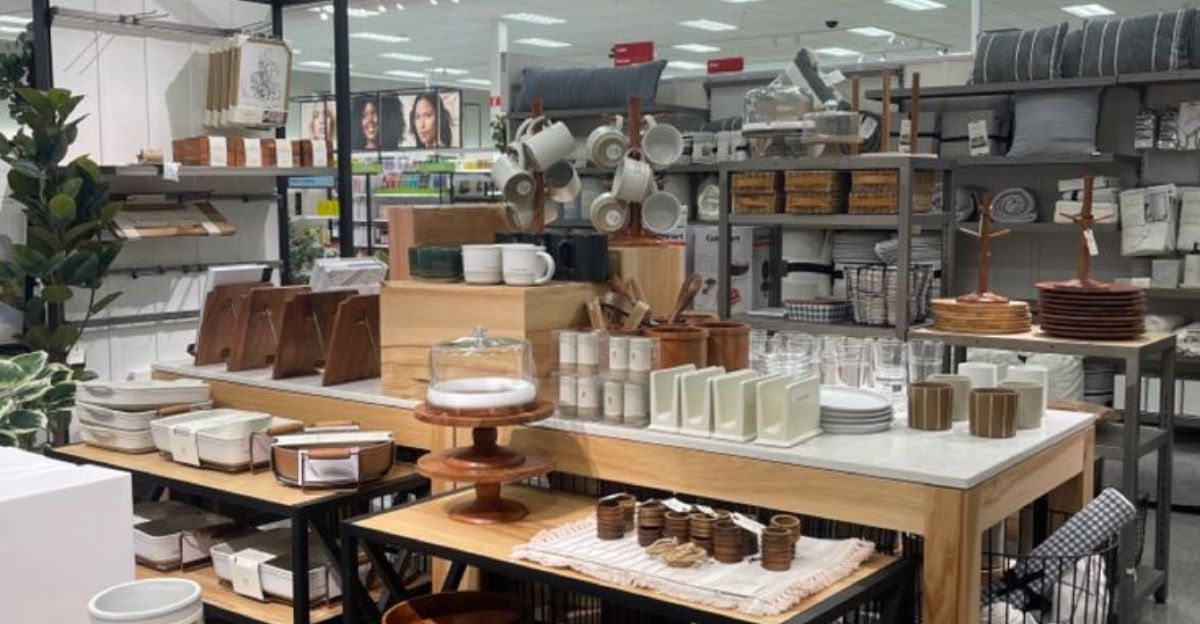
Home décor and furnishings are undergoing a major reset. Store layouts are being redesigned to encourage discovery, while core private labels are refreshed to reinforce style credibility. Executives describe it as the most significant home overhaul in a decade.
The category matters because it carries stronger margins and reinforces the design authority Target needs for its strategy to work.
The Generational Assumption Underneath It All

A central assumption is that younger shoppers value discovery as much as deals. Early performance in beauty and apparel suggests some traction, particularly among Gen Z consumers drawn to novelty and tactile experiences.
Target is betting that these shoppers will tolerate modest price differences for the sake of inspiration. It’s a demographic bet that could pay off or expose a costly misread.
The Consumer Mood Isn’t Helping

Broader consumer data complicates the optimism. Many households are trading down, delaying purchases, and prioritizing necessities. This environment favors retailers that remove friction and quickly cut prices.
Target’s belief that value includes experience may be conceptually sound, but it’s competing against a consumer mindset shaped by rent, groceries, and debt—not aesthetics.
Why Target’s Position Is So Fragile

Costco and Walmart occupy distinct territories. Costco offers bulk value and membership discipline. Walmart offers unbeatable prices and convenience on an unmatched scale. Target sits between them—too expensive for the most budget-conscious shoppers, not premium enough for the affluent.
That middle ground is historically risky, especially when economic pressure sharpens consumer choices.
A Retail Lesson No One Forgot
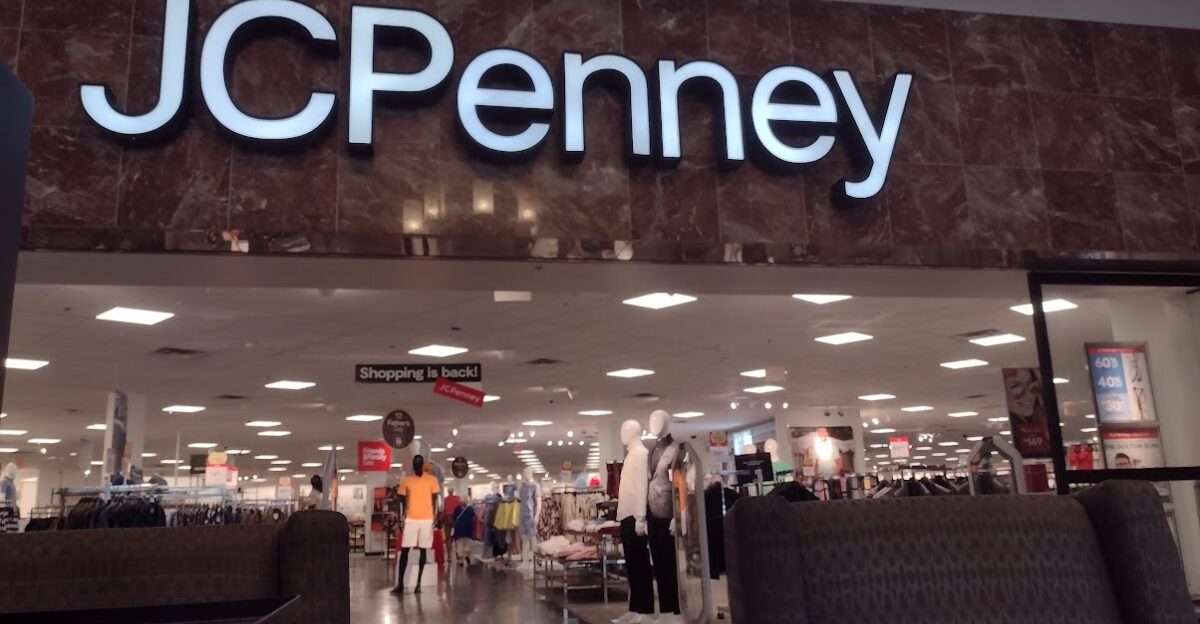
Retail veterans still recall J.C. Penney’s failed attempt to retrain shoppers a decade ago. Eliminating promotions in favor of “fair pricing” alienated customers almost overnight.
Target insists it won’t repeat that mistake, maintaining selective discounts while elevating presentation. Still, the warning remains: misjudge what shoppers truly value, and loyalty erodes quickly.
Redefining Value Without Losing Trust
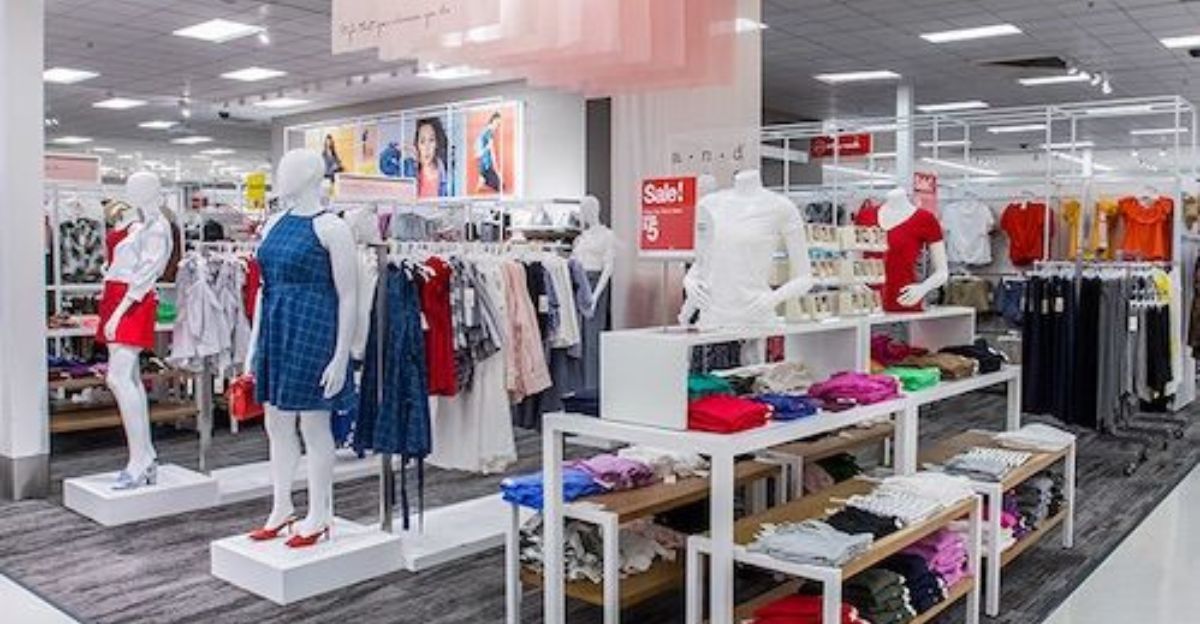
Target argues that value isn’t just about price, it’s about discovery, design, and ease. If customers accept that framing, the brand gains room to operate.
If they don’t, the strategy risks appearing disconnected. The difference will show up not in branding language, but in foot traffic trends over the next several quarters.
Why Walmart Can Keep Pressing

Walmart’s ability to cut prices isn’t cyclical. Its supplier leverage and logistics scale make sustained rollbacks possible without sacrificing returns.
Target can’t manufacture that advantage. Its only viable response is differentiation—winning emotionally where it can’t compete economically. That path is harder, slower, and far less forgiving.
Wall Street Is Watching, Not Cheering

Investors haven’t abandoned Target, but enthusiasm is muted. Analyst sentiment clusters around cautious neutrality, reflecting patience without conviction. There’s recognition that transformation takes time, but also awareness that time isn’t unlimited.
Another prolonged stretch of negative comparable sales would strain confidence in the design-led thesis.
Why the Holidays Mattered So Much

The 2025 holiday season was meant to validate the strategy. Experiential stores drew attention, and selective traffic gains emerged. Still, results were uneven.
For a brand betting on emotion and engagement, December was a critical moment. The early signs suggest potential—but not proof.
Why This Matters Beyond Target

This debate extends beyond one retailer. If price wins decisively, retail compresses into scale-driven competition where differentiation fades. If Target’s approach holds, it suggests experience can still coexist with mass retail.
The outcome shapes not just balance sheets, but how Americans shop in the years ahead.
The Profit Engine Shoppers Don’t See
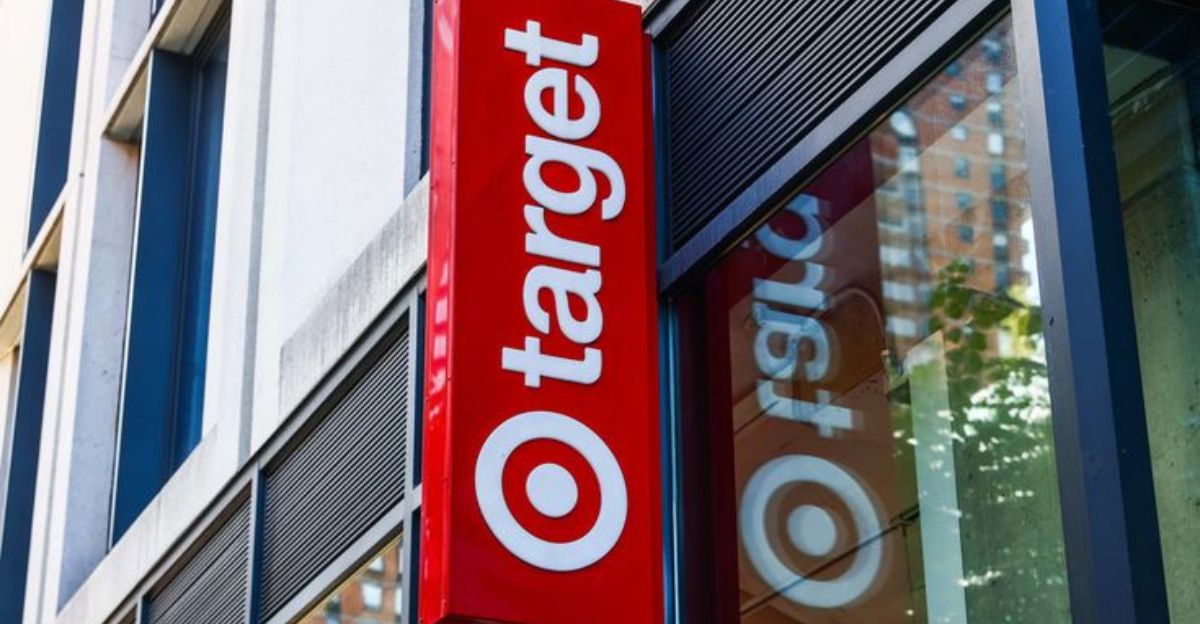
Retail media offers a quieter stabilizer. Target’s Roundel platform already generates billions in high-margin advertising revenue, monetizing shopper data in addition to shelf space.
As retail media continues to grow, this business provides margin support even when product sales tighten—an important backstop to the broader strategy.
A $100 Billion Question Still Open

Fiddelke’s wager is simple but risky: that meaning still matters when budgets are tight. Over the next year, billions in store investments will meet reality at the register. If shoppers respond, Target reclaims its identity.
If not, Walmart’s model prevails. Either way, the outcome will shape American retail far beyond Target’s aisles.
Sources:
Target Corporation Reports Third Quarter Earnings — Target Corporate
Target Appoints Michael Fiddelke As Chief Executive Officer — Target Corporate
Target Circle: Free and Paid Loyalty Program Benefits — Target Corporate
Target Opens “Target SoHo,” a Design-Forward Shoppable Concept Store in SoHo, New York — Target Corporate
Roundel: Target’s Retail Media Business — Target Corporate