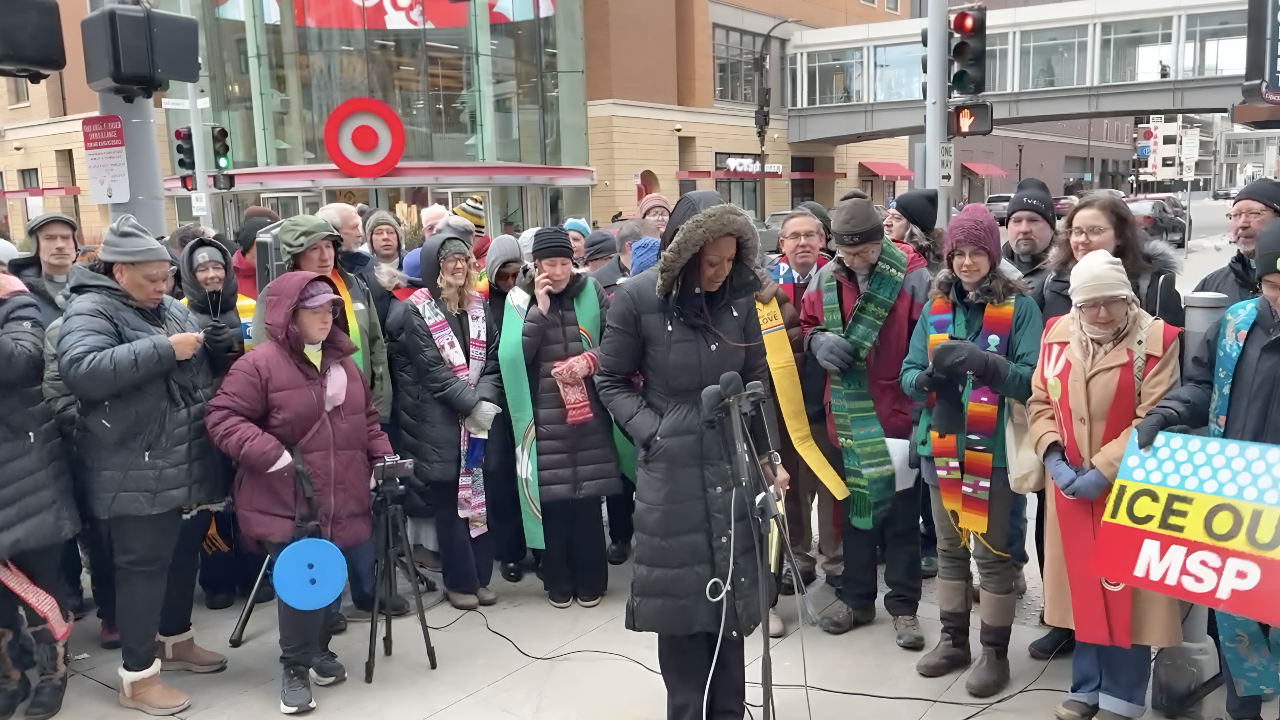
In Minneapolis, Target’s corporate heartland, federal immigration operations have transformed retail parking lots and store entrances into flashpoints of fear and defiance, ensnaring U.S. citizens and fueling widespread protests.
Richfield Detentions Ignite Tensions
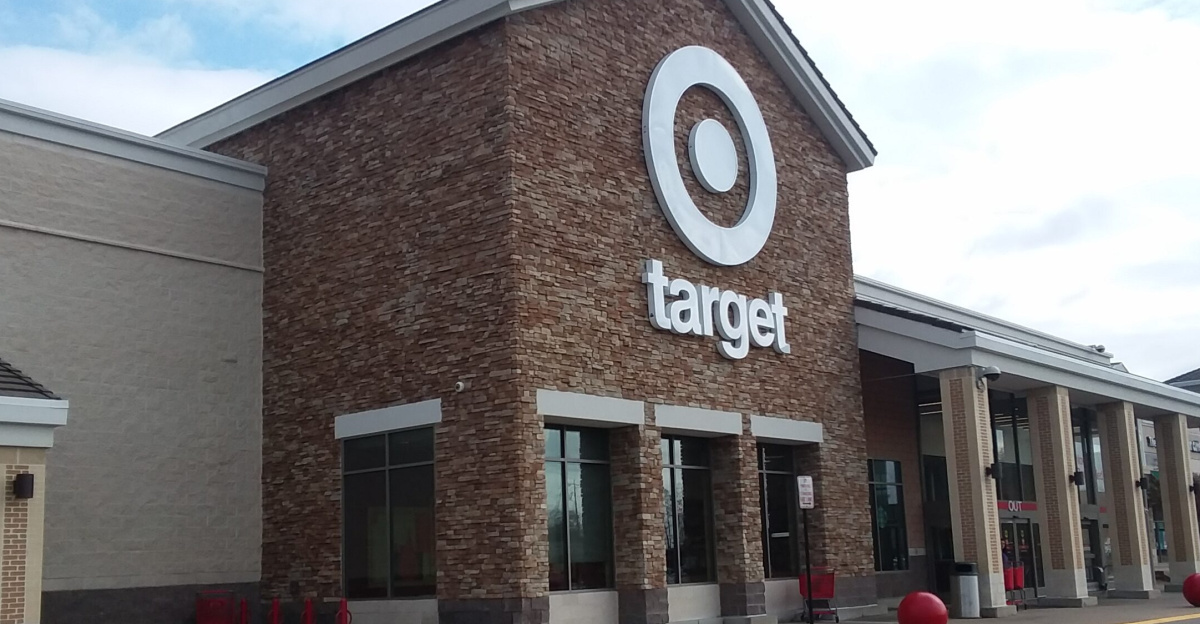
The spark came outside a Richfield Target store, where federal officers briefly detained two U.S. citizen employees, as captured in viral videos and reported by multiple outlets. The workers shouted their citizenship status while being forced into vehicles, prompting walkouts at several Twin Cities locations and demonstrations that reached the company’s downtown headquarters.
Labor and faith groups seized on the incident as evidence of indiscriminate enforcement, heightening worker anxiety amid a broader federal push in Minnesota.
Outrage Builds Over Fatal Shooting
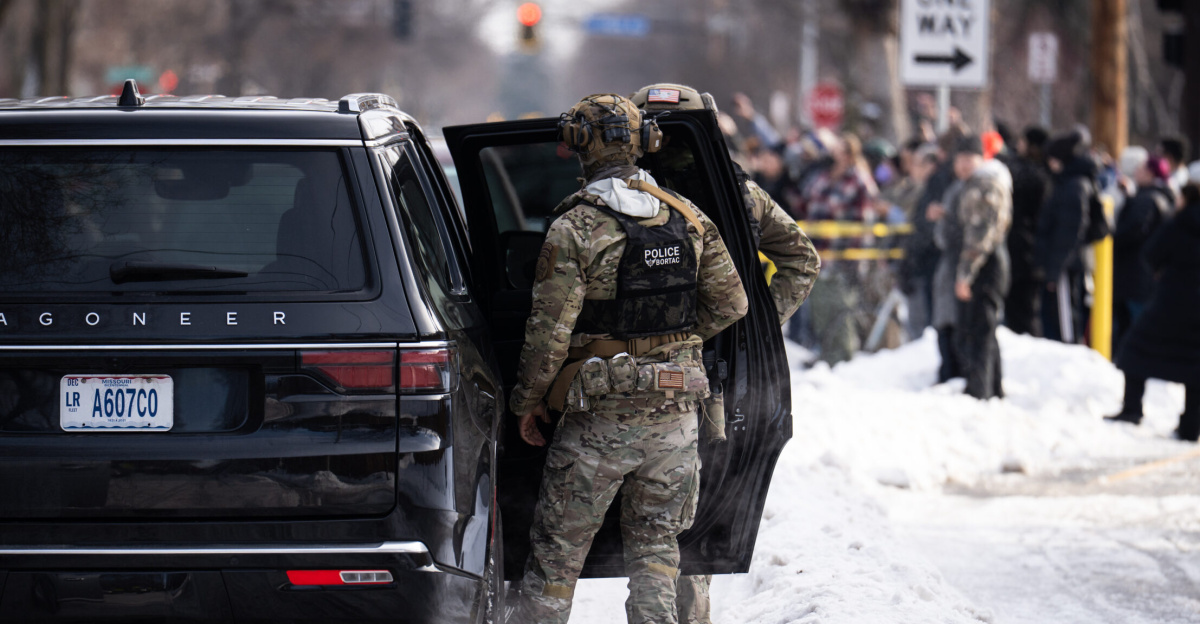
Tensions escalated when ICE agent Jonathan Ross fatally shot 37-year-old U.S. citizen Renée Good during an enforcement action in Minneapolis. The incident, now under federal and local investigation, has protesters decrying it as lethal excess in what they call an overzealous crackdown.
Residents report staying home or avoiding drives to work, gripped by fears of random encounters at everyday sites like stores and parking areas.
Operation Metro Surge Unfolds
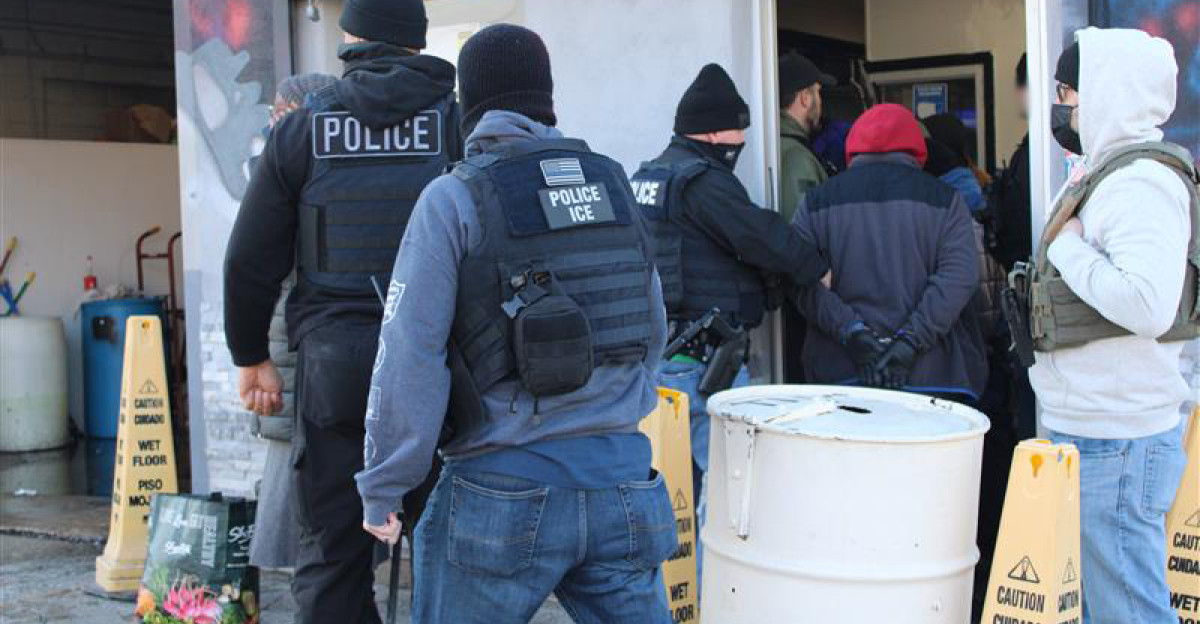
Officials describe the effort as “Operation Metro Surge,” involving about 2,000 Department of Homeland Security and ICE personnel targeting alleged welfare and childcare fraud linked to the Somali-American community, particularly cases from the Covid era.
Prosecutors highlight major fraud prosecutions, but advocates contend the operation masks aggressive raids that ensnare lawful residents, turning neighborhoods into enforcement zones.
Clergy-Led Occupation Demands Action
More than 100 clergy members from across Minnesota occupied Target’s downtown headquarters lobby for seven hours last week, praying and singing hymns while livestreaming their sit-in. They delivered a letter from hundreds of religious leaders via the ISAIAH coalition, urging the retailer to condemn the ICE surge, seek accountability for Good’s killing, designate stores as “Fourth Amendment workplaces” barring agents without judicial warrants, and press Congress to defund ICE.
Faith leaders framed their action as a moral stand against workplace intrusions.
Target’s Internal Response
Target has sought to steady nerves without challenging authorities. A memo from Chief Human Resources Officer Melissa Kremer, obtained by reporters, stated the company holds no cooperative agreements with immigration agencies and is readying security for disruptions.
“While we can’t control everything happening around us, we are focused on what we can control,” she wrote. “We’re listening and working to de-escalate where possible — while staying clear on what we need to safely operate our business and care for our team.”
Staff guidance advises against interfering with agents, emphasizing de-escalation. Employees have vented on internal channels and sought ethics office clarification, with some corporate teams delaying in-office returns.
Disruptions Spread to Shoppers
Activists mobilized customers at Twin Cities Targets to buy and slowly return large bags of sidewalk salt—dubbed a jab at “melting ICE”—to clog service lines. A sit-in at a West St. Paul store featured songs protesting agent staging in lots.
Target, Minnesota’s fourth-largest employer with 35,000 workers, faces mounting pressure as absences and avoidance hit sales.
Economic Ripples Widen
The unrest chills the region’s recovery. Downtown foot traffic has dropped, hurting restaurants, hotels, and shops as people shun airports, schools, and districts over raid fears. Minneapolis Downtown Council CEO Adam Duininck warned of a setback to post-pandemic and post-2020 unrest rebound.
A “Day of Truth and Freedom” on January 23 saw thousands march in subzero cold to the Target Center Arena, with hundreds of businesses closing for an “economic blackout.” Minneapolis Public Schools shifted to remote learning. Organizers aimed to wield economic leverage against federal actions and employers.
Leadership Transition Looms
The saga unfolds as Target navigates prior controversies over Pride items and trimmed diversity initiatives. CEO Brian Cornell steps down February 1, 2026, with COO Michael Fiddelke succeeding him as Cornell shifts to executive chair.
Caught between legal compliance, employee safety, and community demands, Target’s silence risks alienating stakeholders on all sides. The stakes highlight how enforcement waves can fracture local economies and test corporate neutrality, with Fiddelke set to steer through unresolved fallout.
Sources:
“Target store staff are skipping work over ICE’s crackdown in Minnesota” — Bloomberg
“More than 100 clergy members stage sit-in at Target headquarters” — Bring Me The News
“How ICE raids in Minnesota connect to a years-old fraud scandal” — NBC News
“Target employees detained by federal officers were U.S. citizens” — Star Tribune
“Minnesota is holding an economic blackout on January 23 to protest ICE: What to know about the ‘Day of Truth and Freedom’” — Yahoo News
“Killing of Renée Good” — Wikipedia