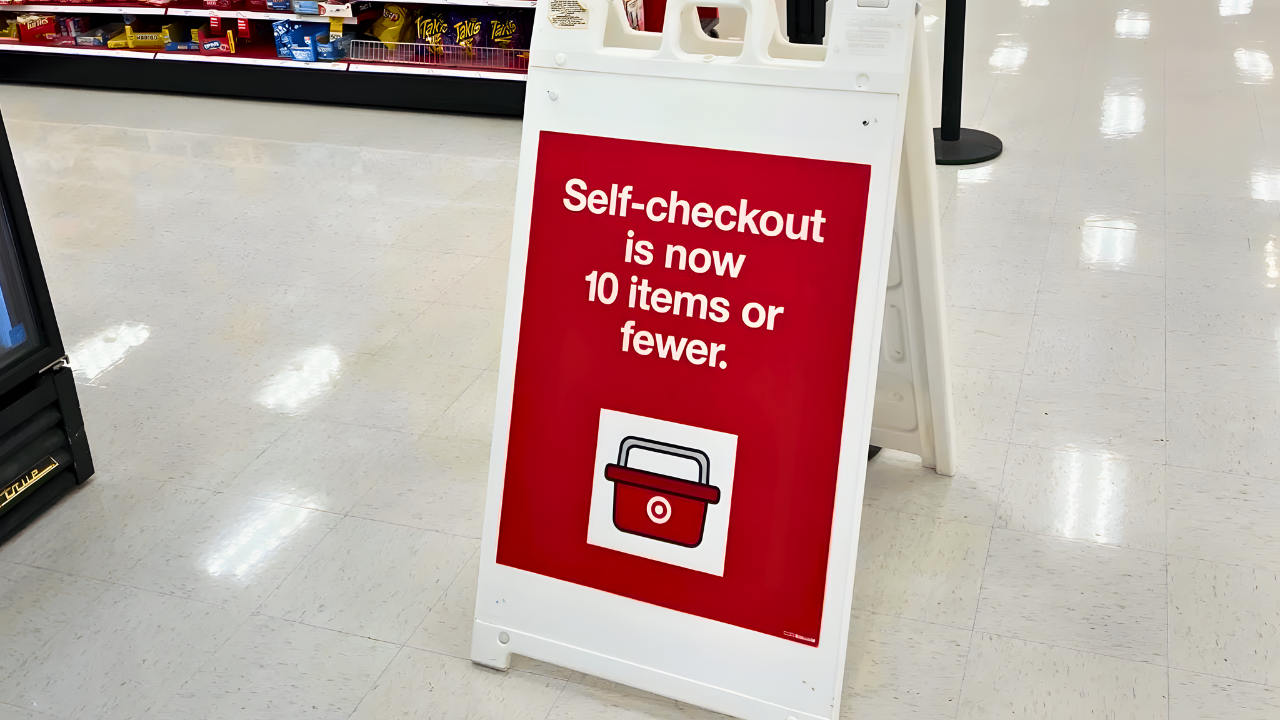
America’s biggest retailers are quietly reversing a decade of automation strategy. Walmart is pulling self-checkout kiosks from select locations, Target has capped self-service transactions at 10 items, and other chains are following suit. The reason: a theft crisis they can no longer ignore.
What started as a pandemic-era convenience now costs grocers billions annually in unchecked losses—prompting a nationwide scramble to restore the old-fashioned checkout line.
When Machines Met Theft
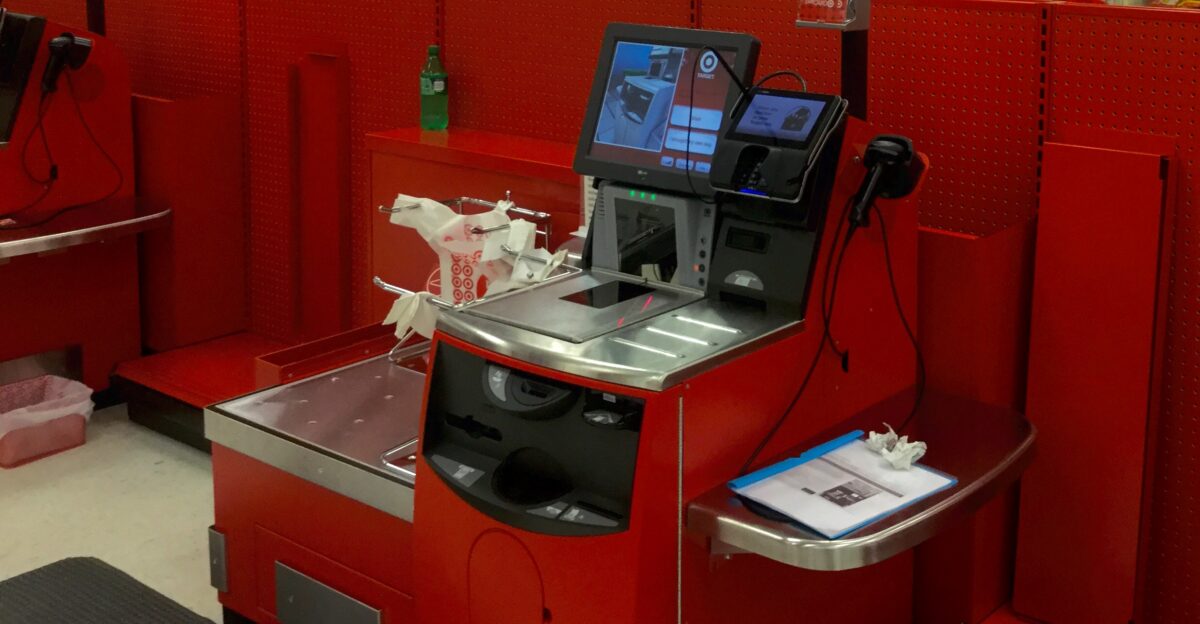
Self-checkout was supposed to be the future of retail: lower labor costs, faster transactions, happier customers. The technology rolled out across thousands of stores, becoming standard in nearly 40% of U.S. grocery checkout lanes by 2024. But the experiment revealed a hard truth: when oversight disappeared, so did inventory control.
Shrink rates at self-checkout climb to 3.5% to 4%, compared to less than 1% at staffed registers—a difference that translates into millions for individual chains.
The Missouri Wake-Up Call

Shrewsbury, Missouri, became the epicenter of the rollback. In April 2024, the Walmart Supercenter removed all self-checkout kiosks after local police documented a surge in theft-related incidents. Police records tell the story: between January and May 2024, the store generated 509 police calls.
One year later, after the machines were removed, the number of calls plummeted to 183 during the same five-month period. Arrests fell by more than half.
Police Chief’s Verdict

Shrewsbury Police Chief Lisa Vargas didn’t mince words about the impact. “That’s a huge change. We really appreciate Walmart taking initiative and removing those self-checkers,” she told local officials.
The data backed her sentiment. What had been a headache for law enforcement—repeat trips to the exact location—became a manageable workload after the kiosks disappeared.
The Shrink Crisis
The problem wasn’t unique to Shrewsbury. Consumer surveys reveal a troubling pattern: 20.1 million Americans admit to stealing from self-checkout kiosks, with 8.85 million planning to repeat the behavior. More than 69% of shoppers say theft at self-checkout is easier than ever.
Across the industry, self-checkout accounts for roughly 34% of all U.S. retail shrinkage, costing food retailers more than $10 billion annually.
The Long Beach Ordinance
On August 21, 2025, Long Beach, California, became the first city in the nation to regulate self-checkout through legislation. Ordinance ORD-25-0010, titled “Safe Stores are Staffed Stores,” sets a new template for retail labor and loss prevention.
The law requires stores to maintain at least one staffed checkout lane when self-service options are in operation. It establishes a strict 1-to-3 staffing ratio, with one employee supervising every three self-checkout stations.
Long Beach’s Restrictions
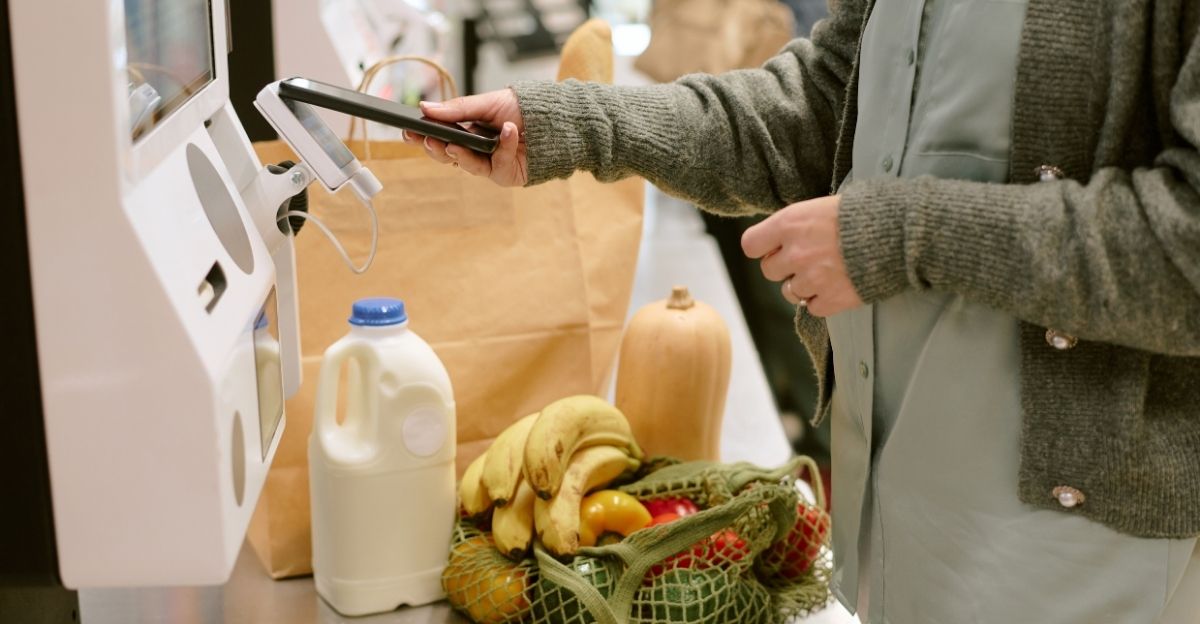
The ordinance went further than staffing mandates. Self-checkout lanes are capped at 15 items per transaction, which is lower than industry standards. Locked or security-tagged items—such as razors, alcohol, and tobacco—cannot be purchased through machines.
Violators face steep penalties of up to $2,500 per violation per hour, as well as potential lawsuits and attorney fees for affected employees. The rules took effect September 21, 2025.
Vons Shuts Down Completely
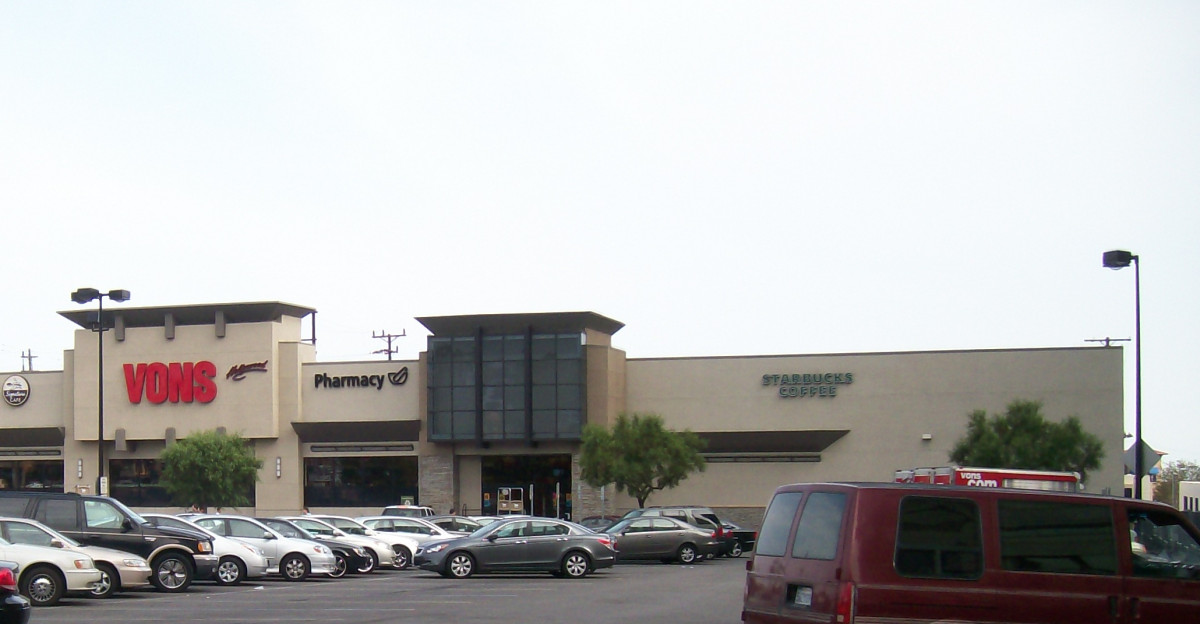
Facing compliance deadlines and system reconfiguration challenges, Vons supermarkets across Long Beach made a bold decision: to close their self-checkout entirely. All four Vons locations in the city shut down their self-service stations, posting notices that blamed the new ordinance for the unavailability.
The store chain cited the technical difficulty of excluding locked items from their self-checkout system within the 30-day implementation window.
Target’s Measured Response
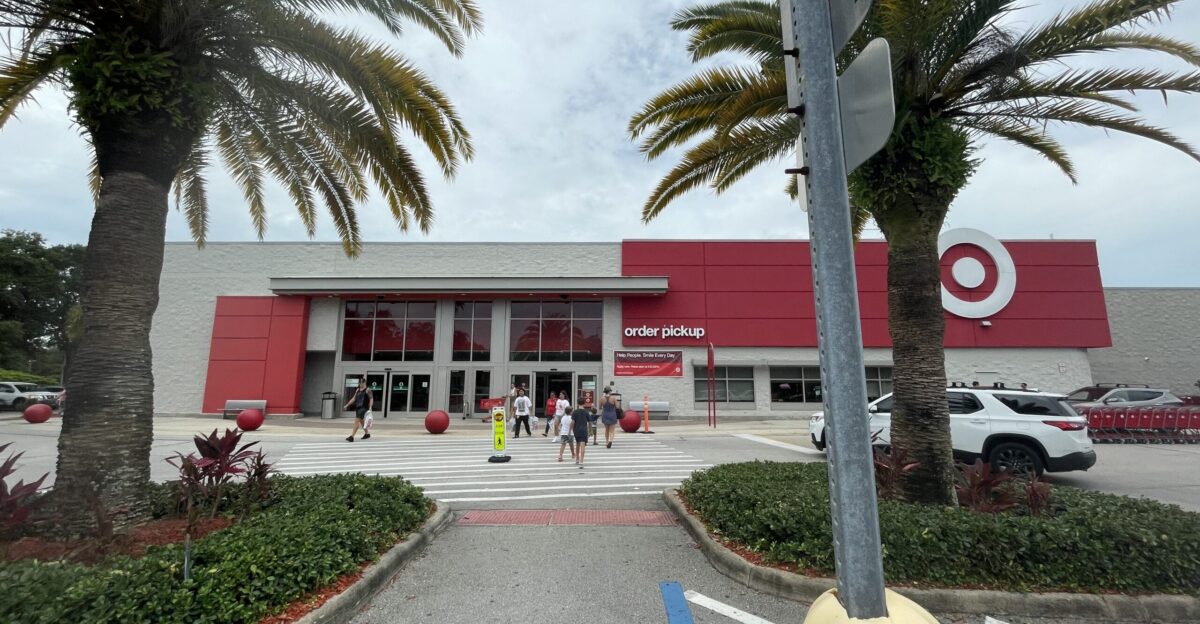
While Long Beach imposed strict regulations, Target chose to implement voluntary restrictions before facing regulatory pressure. In March 2024, Target began enforcing a 10-item limit at self-checkout lanes across most of its 2,000 stores nationwide.
The policy emerged from customer feedback collected during pilot programs at select locations, where shoppers reported a preference for the speed and convenience of a capped express lane.
Express Self-Checkout Rationale
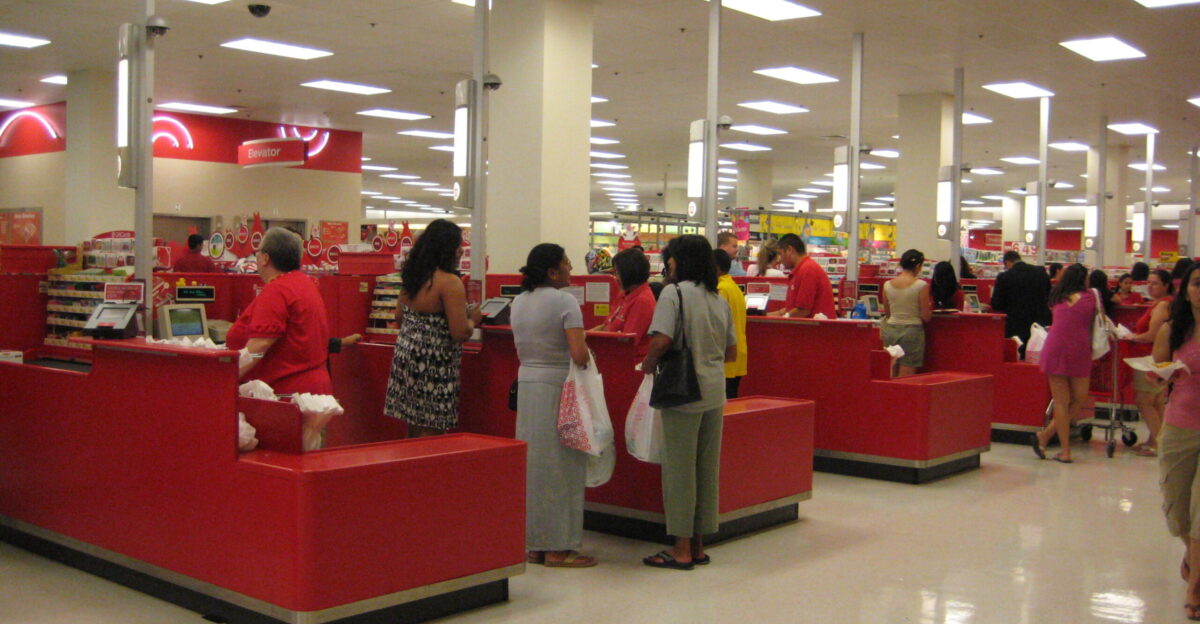
Target’s reasoning resonated with consumers: limit self-checkout to small baskets, open more staffed lanes for larger purchases, and everyone benefits. Store managers gained authority to adjust the ratio of self-checkout to cashier lanes based on local foot traffic and customer behavior.
“By having the option to pick self-checkout for a quick trip, or a traditional, staffed lane when their cart is full, guests who were surveyed told us the overall checkout experience was better,” Target announced.
Walmart’s Multi-Location Retreat
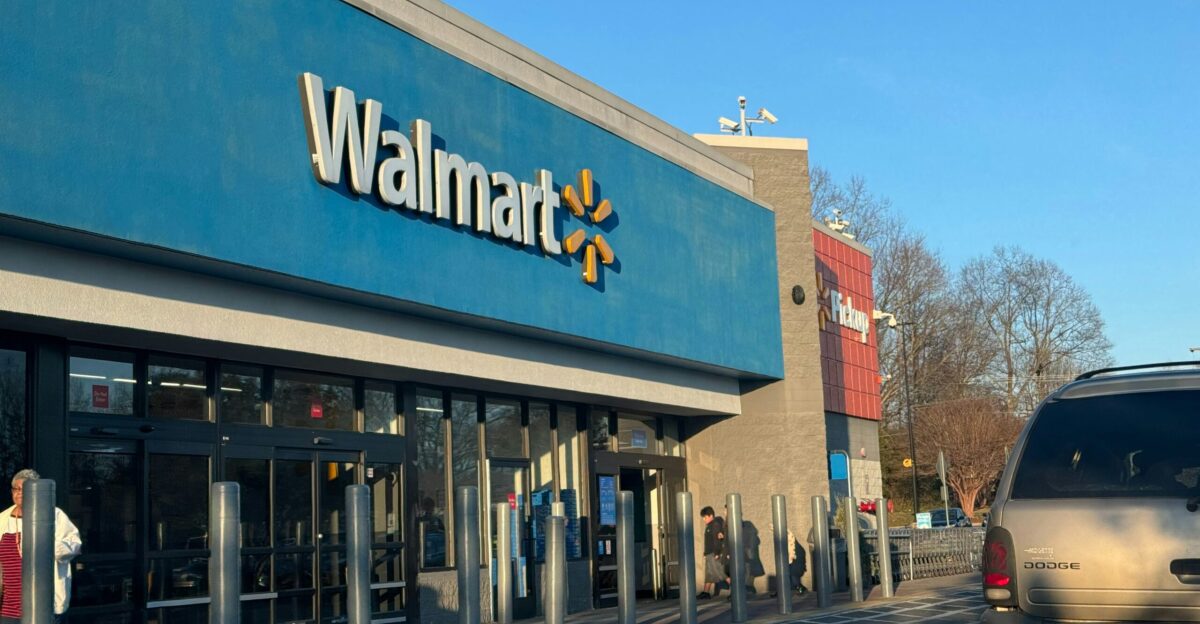
Walmart’s pullback, although smaller than that of its competitors’, signals broader industry skepticism. Beyond Shrewsbury and Cleveland, Ohio, the company removed self-checkout from three stores in New Mexico and at least one location in Los Angeles, California.
Yet Walmart retains self-checkout at over 3,800 U.S. stores out of 4,700 total locations, meaning the vast majority of Walmart locations still offer the service.
Why Walmart Isn’t Announcing Sweeping Removals
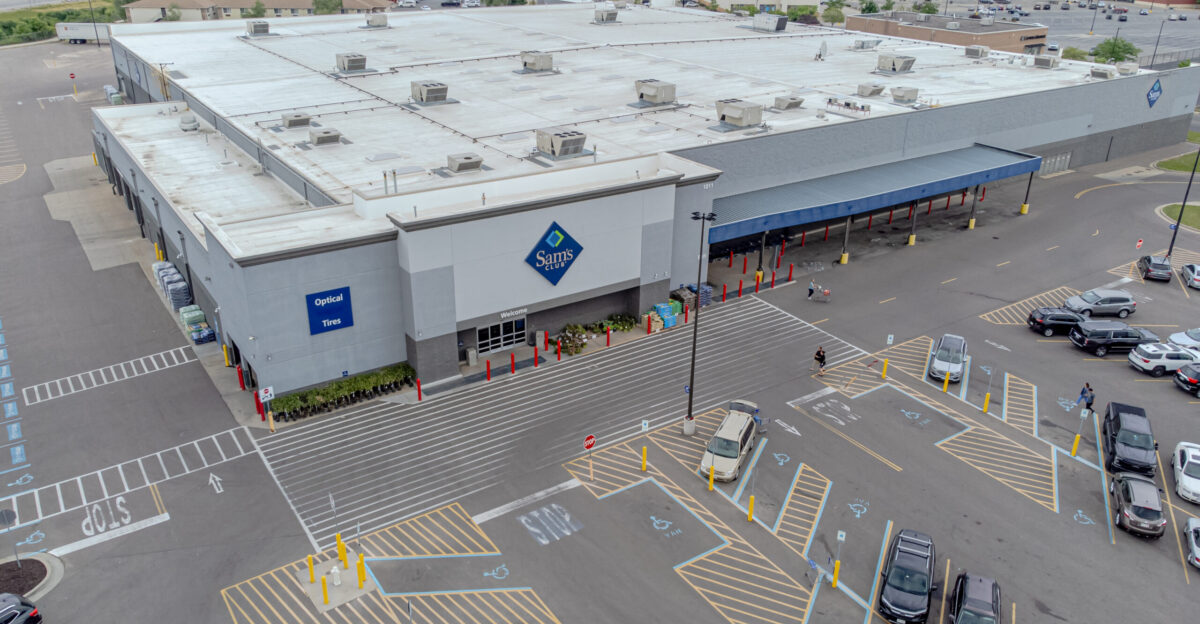
Walmart’s cautious approach reflects economic realities. The company has invested over half a billion dollars in crime-prevention technology over three years, including artificial intelligence systems that monitor for unscanned items.
Completely dismantling self-checkout infrastructure would abandon those investments. Instead, Walmart is implementing selective restrictions and testing alternatives, such as “Scan & Go” technology, at Sam’s Club locations.
The AI Paradox
Walmart’s “Missed Scan Detection” system deploys computer vision at over 1,000 stores to catch items that bypass the scanner. Yet pulling self-checkout kiosks entirely from Shrewsbury accomplished what sophisticated AI promised but couldn’t deliver: a dramatic crime reduction.
The paradox highlights a hard truth: technology alone cannot solve a problem rooted in human behavior and insufficient oversight.
Dollar General’s Aggressive Strategy
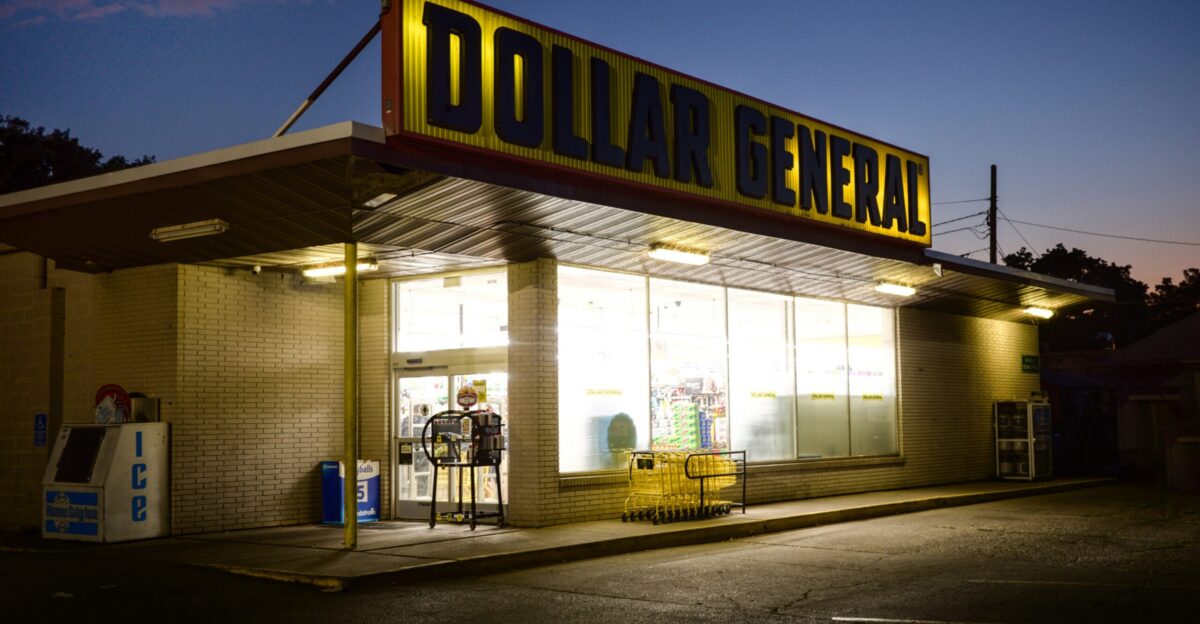
Dollar General took the most aggressive stance among major chains. The company already removed self-checkout entirely from 300 stores and converted 9,000 additional locations back to traditional cashiers.
In 4,500 more stores, the company restricted self-checkout to five items or fewer. CEO Todd Vasos stated that shrink reduction remains the company’s most significant operational challenge.
When Theft Becomes Conscious Choice
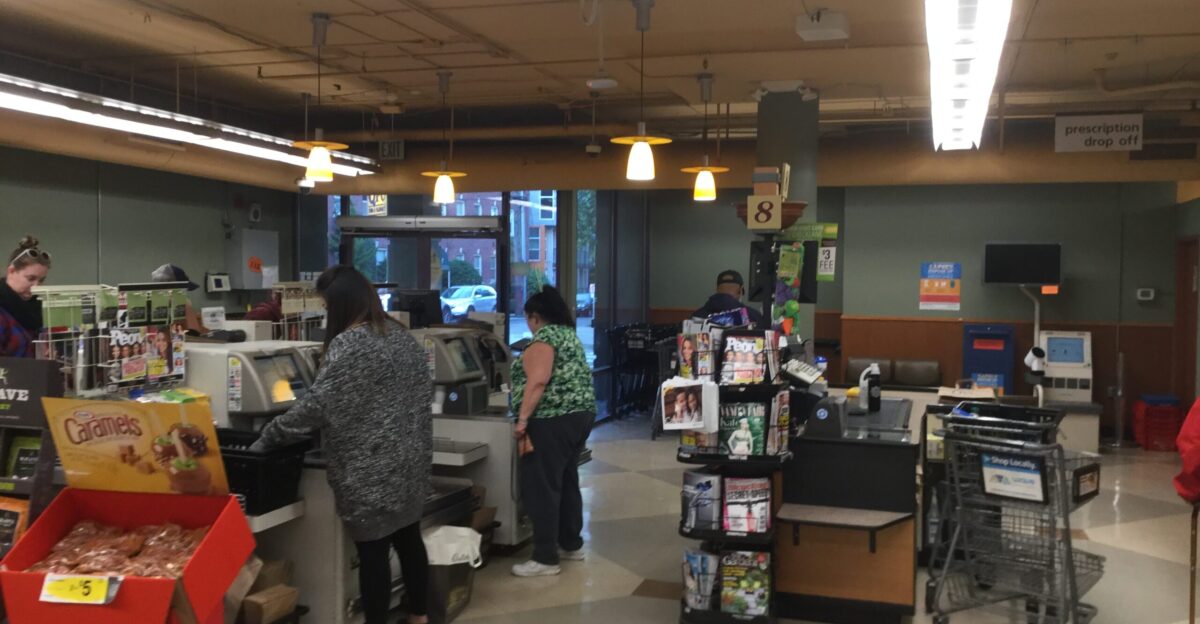
The self-checkout crisis isn’t entirely accidental. According to consumer surveys, 15% of self-checkout users admitted to intentional theft, with 44% of those individuals planning to repeat the behavior.
The average value stolen per trip reaches $60, and younger shoppers—Generation Z—are statistically more than twice as likely to steal from self-checkout compared to other age groups.
The Wait-Time Tradeoff
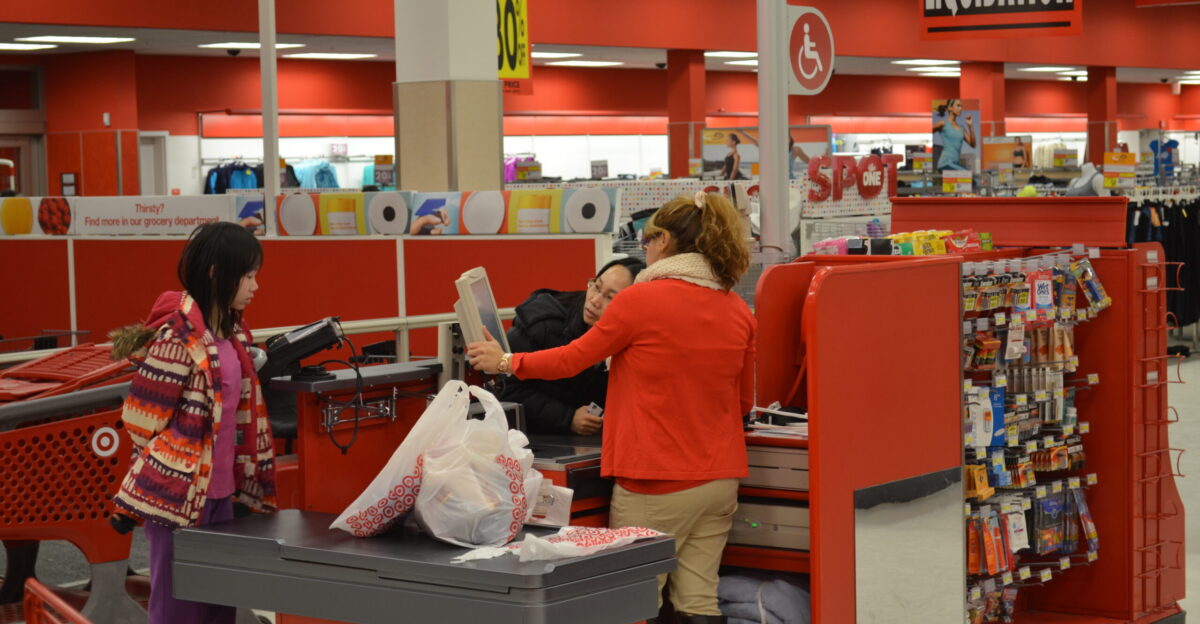
Removing self-checkout creates new friction for retailers. Some shoppers face significantly longer checkout lines—average wait times can jump from 5-7 minutes to nearly 37 minutes in stores that eliminated all self-service options.
This creates operational tension: retailers gained theft prevention but risked losing convenience-conscious customers to competitors who maintain larger self-checkout footprints.
Industry Contagion Effect
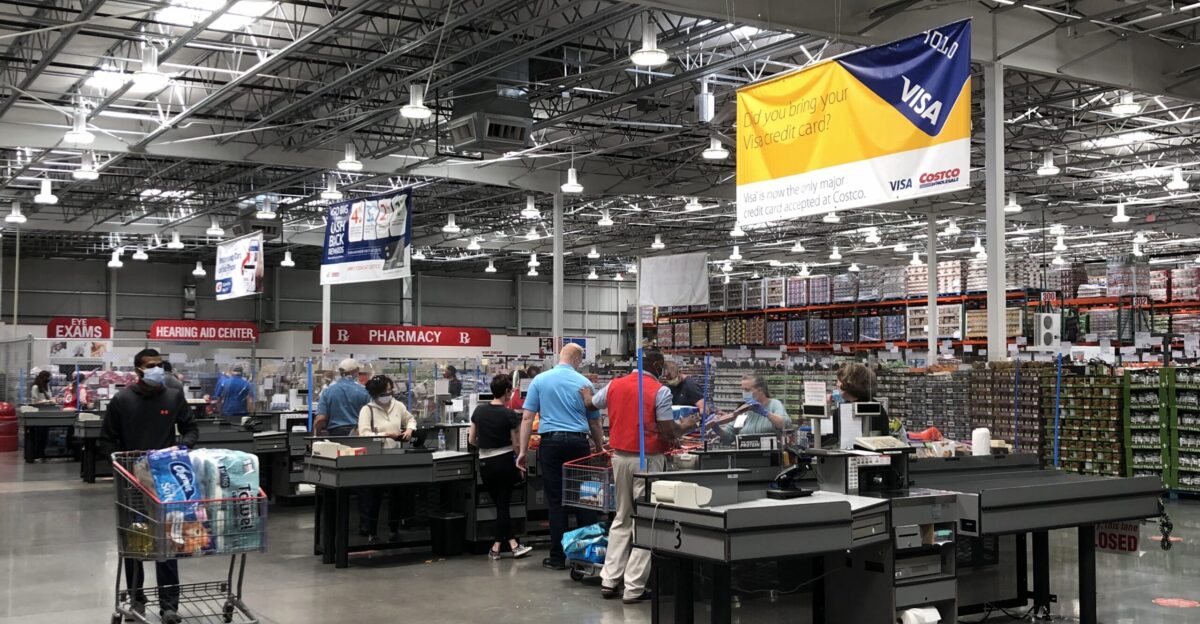
The retreat isn’t confined to Walmart, Target, and Dollar General. Costco added stricter identity verification at self-checkout and implemented item limits of 15-20 per transaction. Albertsons and Safeway have shuttered self-checkout in some locations.
Booths, a supermarket chain in the United Kingdom, eliminated self-checkout in nearly all of its 28 stores. A uniform message is emerging across the sector: self-checkout, in its current unmonitored form, is unsustainable.
Policy Precedent Spreading
Long Beach’s first-in-the-nation ordinance is generating momentum nationwide. Industry observers expect dozens of municipalities to adopt similar staffing-ratio laws and transaction-limit policies as other cities wake to the shrink crisis.
Union representatives and labor advocates have already positioned staffing mandates as a two-pronged solution: protecting both workers and inventory.
The Broader Retail Reckoning

What began as a pandemic-era labor shortage solution has evolved into a cautionary tale about the limits of automation. Retailers learned that convenience without accountability breeds loss, and that cutting checkout staff to the bone invites both intentional and accidental theft.
The rollback signals a recalibration: the future of retail checkout will likely strike a balance between technology and human presence, rather than replacing one with the other.
What Consumers Should Expect
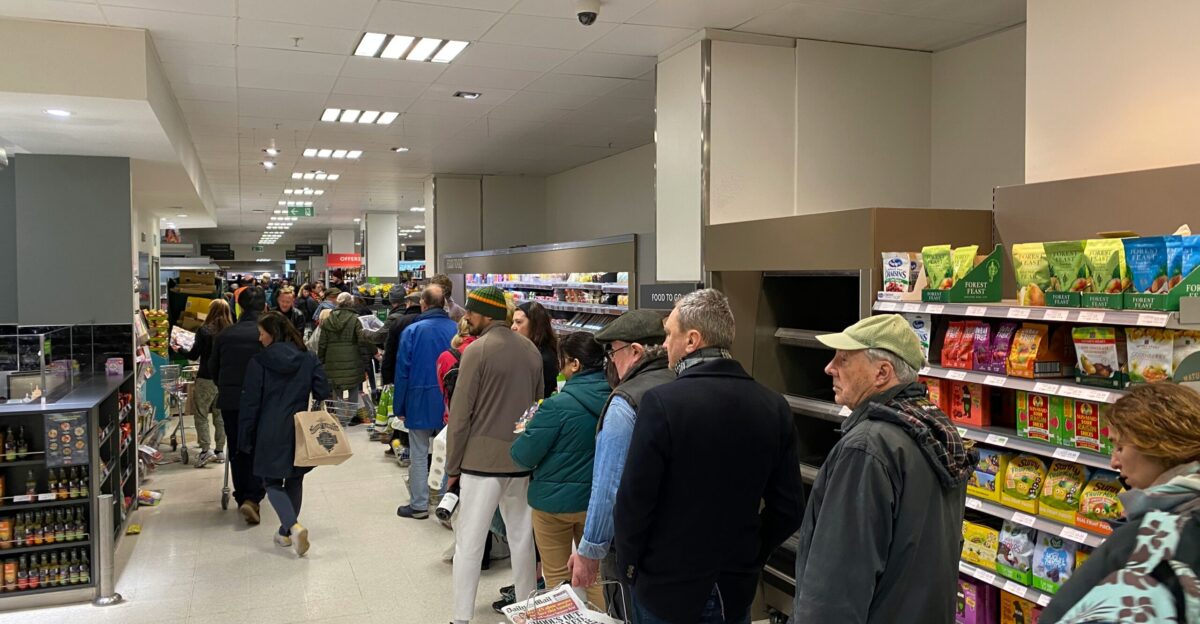
For shoppers, the changes mean longer lines in some stores, stricter self-checkout policies in others, and a return to staffed checkout becoming a competitive advantage. Walmart, Target, and others are quietly betting that a portion of their customer base will tolerate waits and restrictions if it means fewer frustrations and a perceived sense of fairness at checkout.
The experiment with full self-service automation appears to have concluded. What comes next is hybrid checkout, where technology and people work in tandem to protect both profit and customer experience.
Sources
Shrewsbury Police Department incident reports, April 2024–May 2025
Long Beach City Council Ordinance ORD-25-0010 official text, August 2025
Target corporate announcement on self-checkout policy, March 2024
Walmart store removal documentation, Shrewsbury Missouri and Cleveland Ohio locations, 2024–2025
Consumer theft survey data, Capital One Shopping retail statistics report, 2025
Dollar General earnings call and shrink reduction strategy statement, 2024