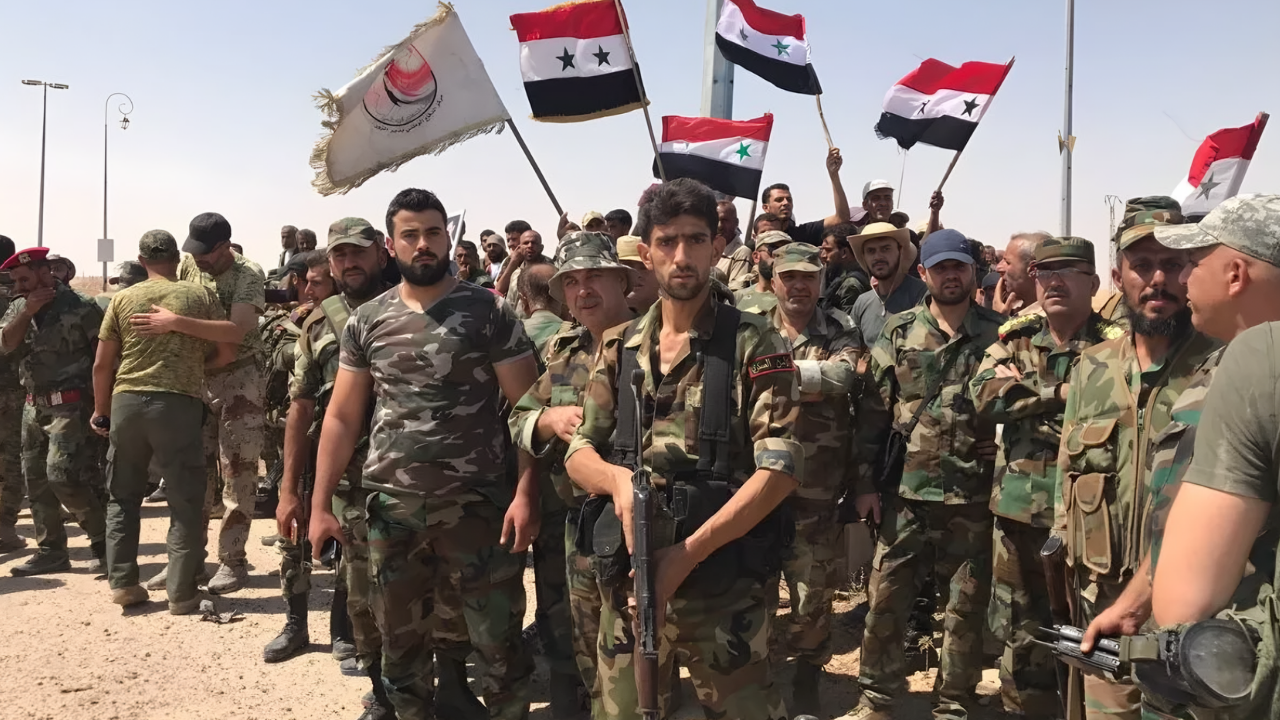
In mid-January 2026, Syrian government forces and allied Arab tribal fighters launched a rapid cross‑Euphrates offensive into the eastern province of Deir al‑Zor, targeting areas held by the U.S.-backed, Kurdish-led Syrian Democratic Forces (SDF).
This operation, concentrated over roughly two days, overran major SDF positions and placed key population centers and energy assets back under Damascus’ authority. The advance threatens more than a decade of Kurdish-led self-rule in eastern Syria and shifts control of vital oil and gas infrastructure that has long underpinned the SDF’s autonomy.
Stakes and Shifting Power
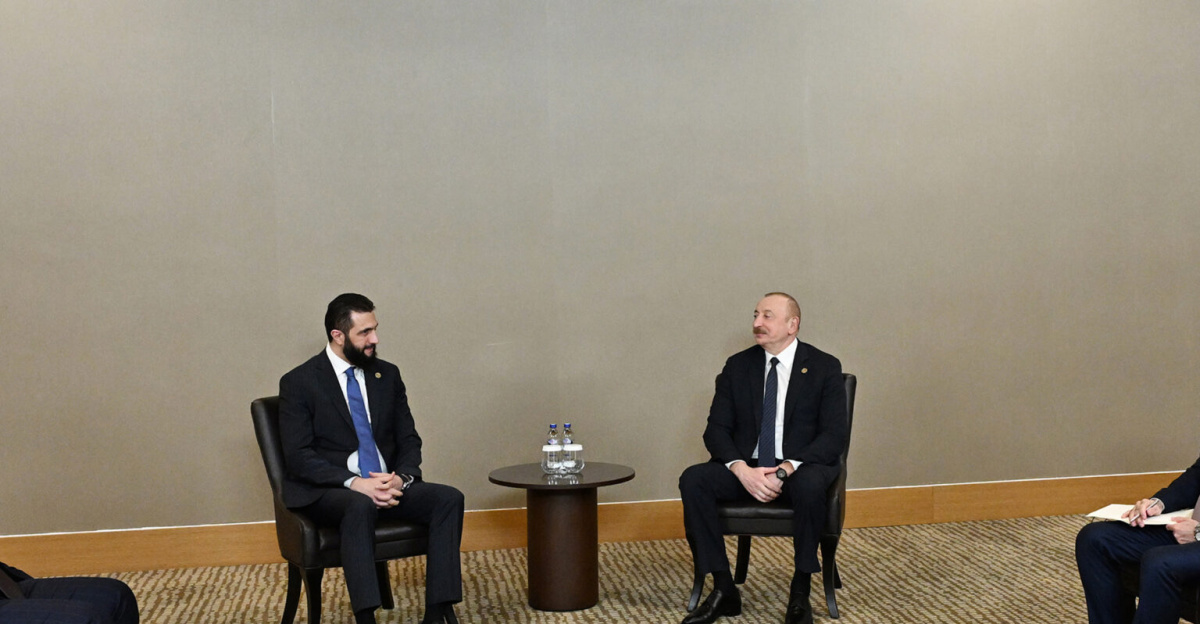
The stakes in this campaign are exceptionally high for Syria’s new leadership under President Ahmed al‑Sharaa, who is attempting to consolidate power after the fall of Bashar al‑Assad’s regime in 2024. Within days of the January push, the SDF saw its footprint in eastern Syria shrink sharply as government forces and tribal allies advanced across Raqqa and Deir al‑Zor, fueling anger among local Arab communities that had long resented Kurdish dominance in these areas.
At the same time, Damascus is reasserting control over oil revenue streams that Kurds had used to finance their self-governing structures, a shift with implications for U.S. military involvement and regional stability.
Civil War Background
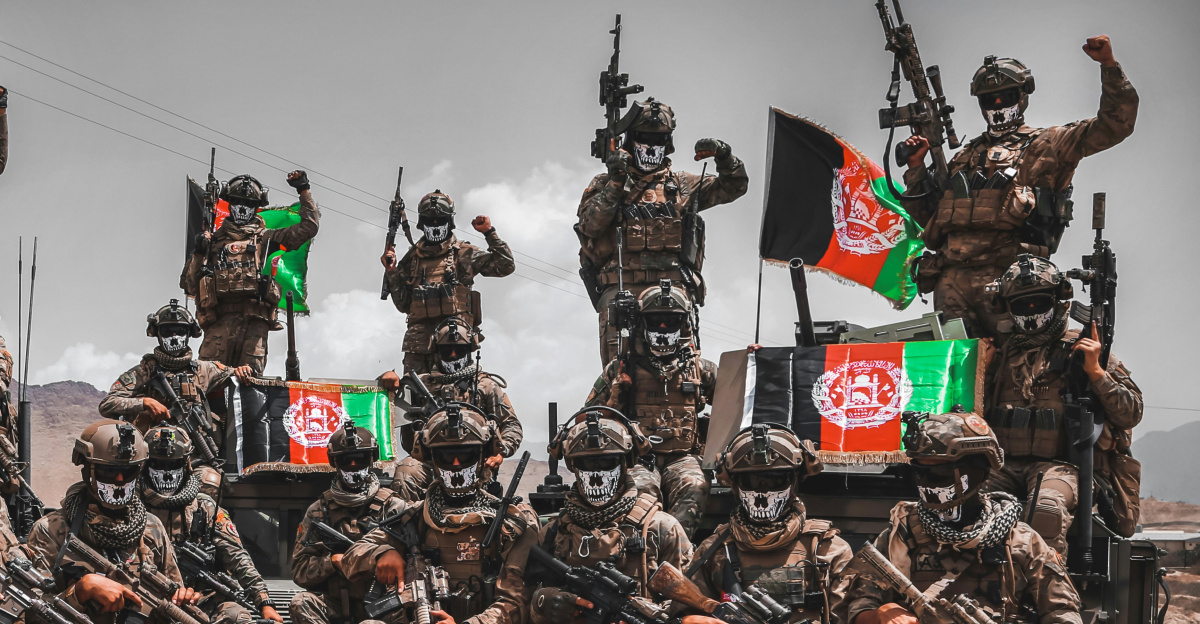
The current offensive is rooted in Syria’s fragmented post‑2011 landscape, when years of civil war created multiple rival centers of power. The SDF, backed by the U.S.-led coalition primarily to fight ISIS, built a semi-autonomous administration in the northeast and east, funded in large part by oil and gas fields like Omar and Conoco seized during the conflict.
After Assad’s removal in late 2024, al‑Sharaa’s transitional government focused on rebuilding the army and reasserting central authority, leading to rising tensions and intermittent clashes with Kurdish-led forces and other minorities.
Mounting Tensions Before the Blitz
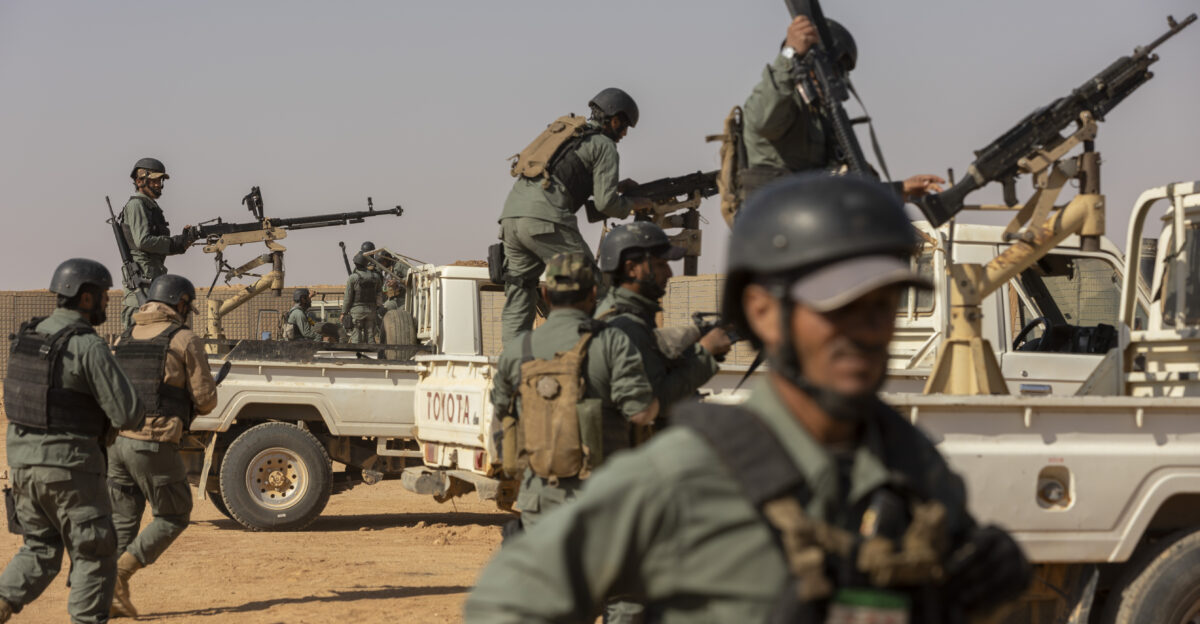
A U.S.-supported framework in March 2025 envisaged integrating the SDF into the Syrian national army, but disagreements over implementation quickly derailed the plan. Sporadic fighting erupted in Deir al‑Zor, Raqqa, and Aleppo, while Arab tribes accused the SDF, particularly its YPG core of demographic engineering and political marginalization.
By early January 2026, Damascus had concentrated thousands of troops near Raqqa and was openly demanding the handover of border areas and key oil fields, signaling that a major confrontation was imminent.
The 48-Hour Seizure
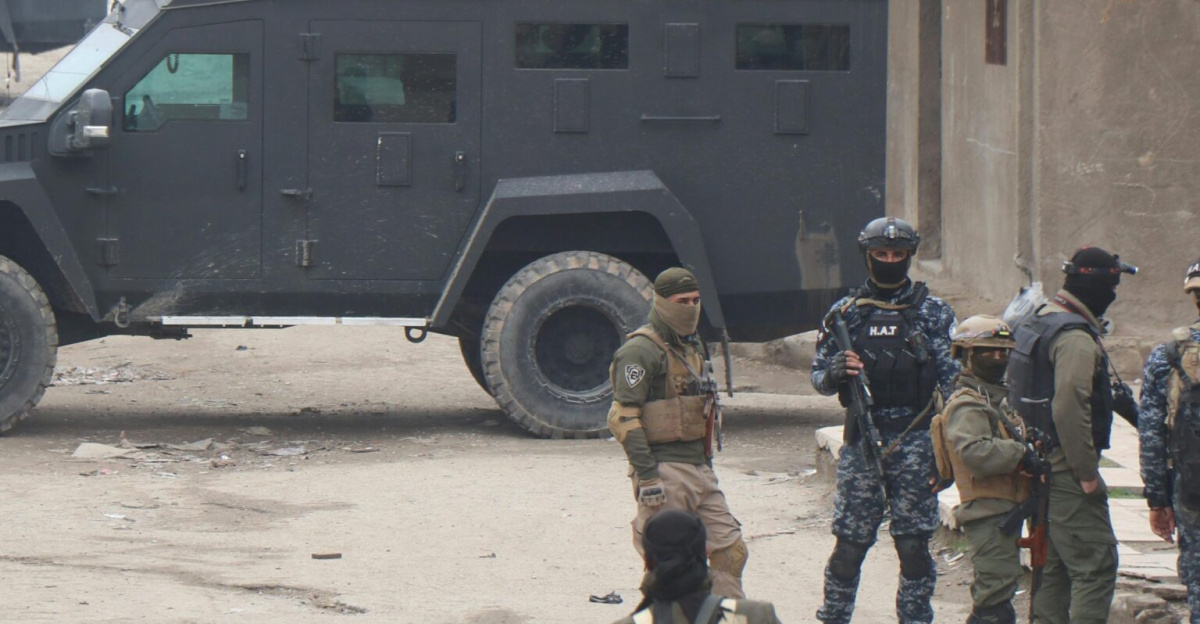
Between 17 and 18 January 2026, Syrian army units and tribal militias crossed the Euphrates and executed a tightly coordinated assault on SDF defensive lines. Within a short window, they captured wide stretches of SDF‑held territory in Deir al‑Zor and Raqqa, including the Omar oil field, the Conoco gas facility, the Tabqa area, and several strategic Euphrates dams.
Various outlets describe as rapid and extensive, even if exact percentages and distances are not formally quantified. The sudden loss of these positions left the SDF struggling to regroup and deprived it of much of its revenue‑generating infrastructure.
Collapse of an Energy Base
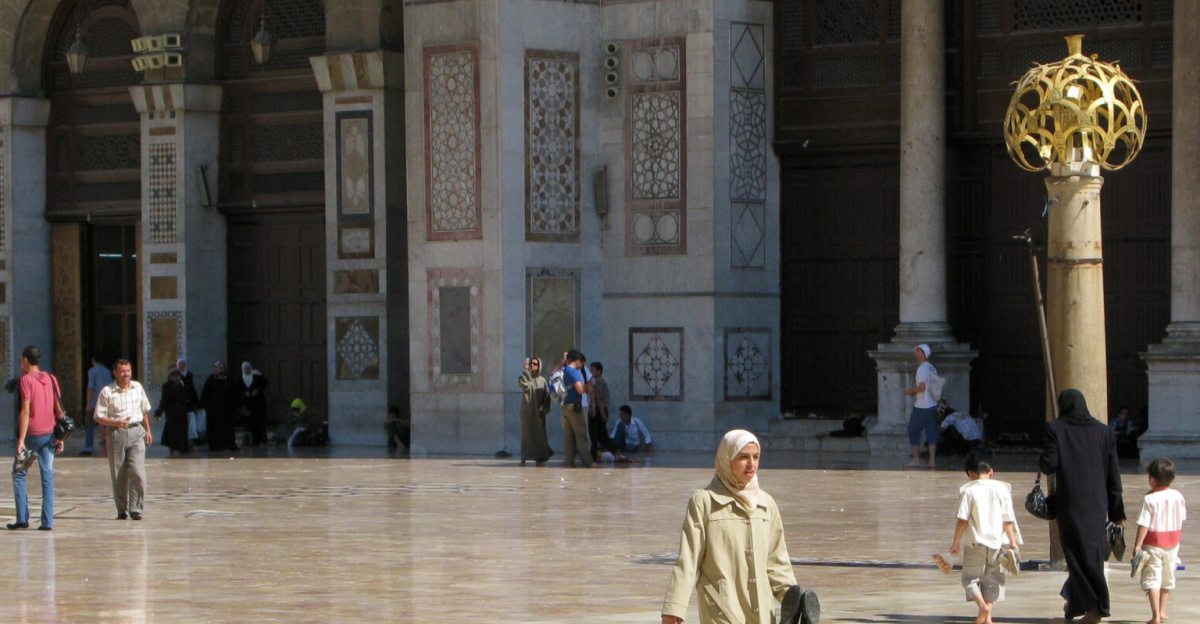
Control over Omar, Syria’s largest oil field, and the Conoco gas field had long allowed the SDF to fund its security forces and civilian administration. With these sites and other fields now being secured by government troops under new arrangements that direct revenues to the Syrian state, the financial foundation of Kurdish-led self-rule has been severely weakened.
As Damascus assumes responsibility for managing these resources, the SDF’s capacity to sustain its political project and military structures has diminished sharply.
Civilian Lives Upended
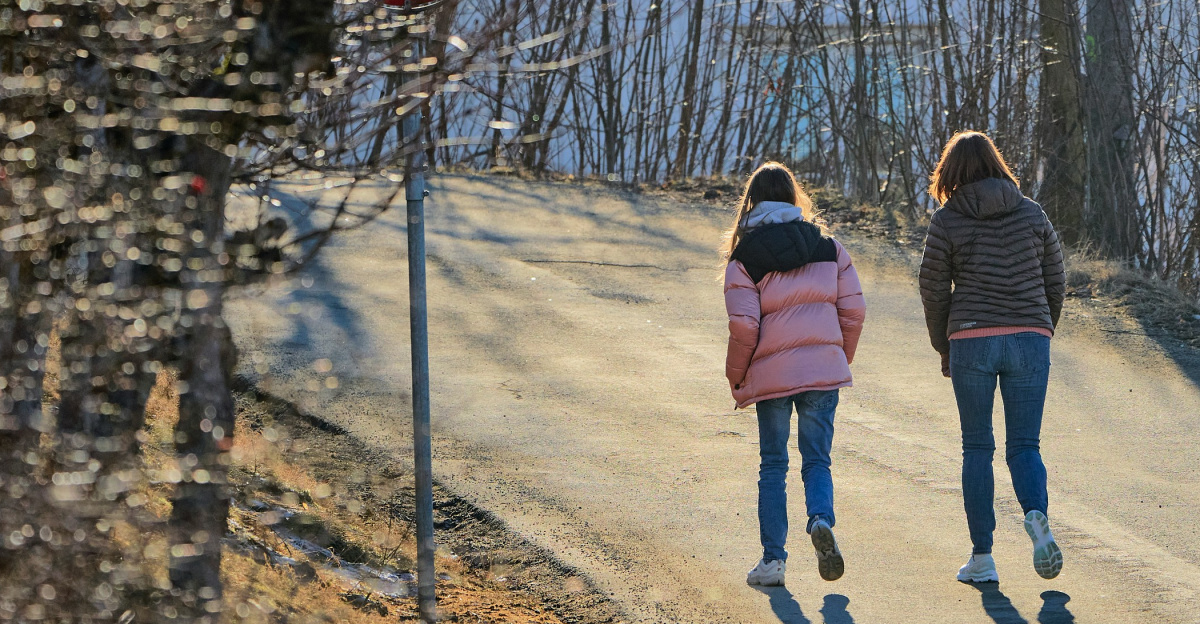
Large numbers of civilians living in the affected parts of Deir al‑Zor and Raqqa suddenly find themselves transitioning from SDF governance to Damascus’ control. Local SDF civil bodies warn that they are fighting for institutional survival as security forces retreat or are redeployed, raising fears among residents about future governance, services, and security guarantees.
Families now face an uncertain path: adaptation to new state authorities, potential unrest, or renewed displacement if violence resumes.
Tribal Role and Regional Backing
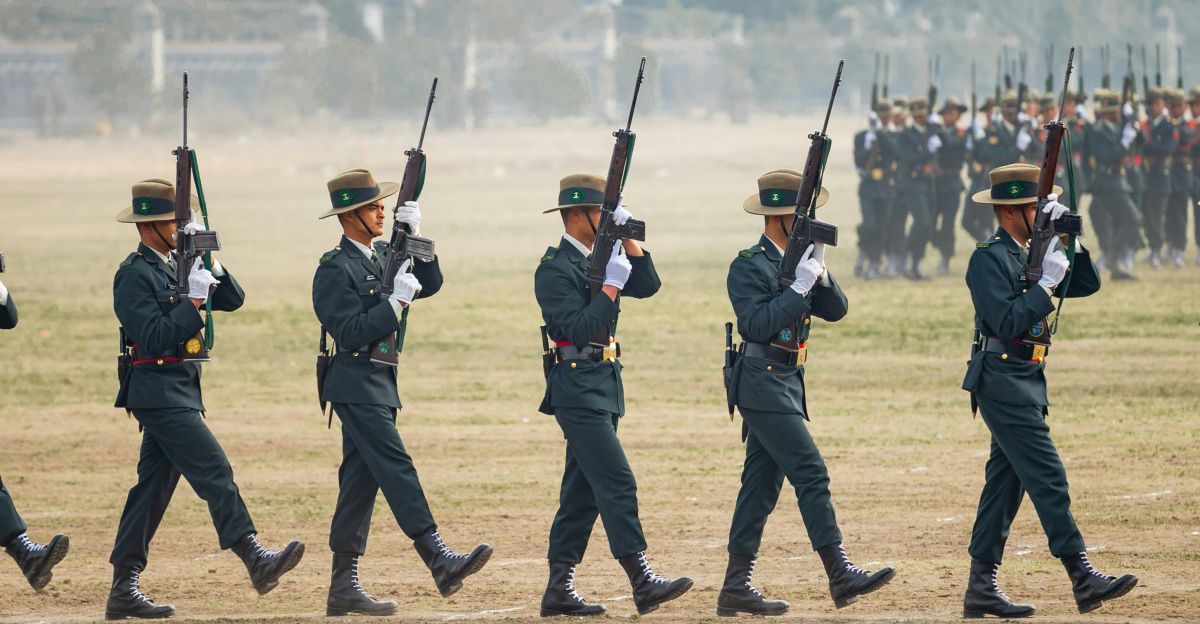
Arab tribes along the Euphrates valley have been central to the success of the offensive, having long opposed SDF rule and especially the YPG’s influence. Tribal fighters joined government troops in operations stretching from Raqqa’s countryside through Deir al‑Zor, accelerating the unraveling of Kurdish-led structures in these areas.
Turkey, which regards the YPG as an offshoot of the PKK, publicly welcomed the SDF’s setback and supports the new Syrian administration’s drive to reassert control over borders and resources.
A New Balance of Power
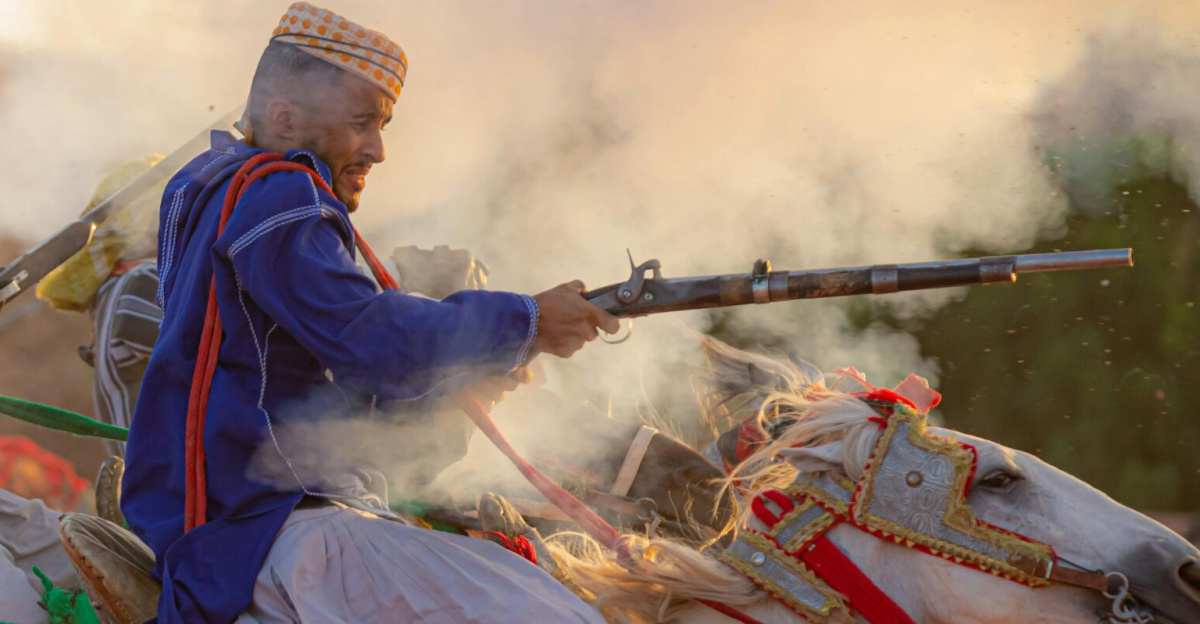
The January operation has dramatically shifted Syria’s internal balance of power. Al‑Sharaa’s government now holds the country’s main population centers and much of its energy infrastructure, while Arab tribal actors are gaining influence in Sunni-majority regions.
The SDF, for its part, is largely reduced to Hasakah province and select pockets, mirroring a broader trend in which aspirations for far-reaching minority autonomy are giving way to a renewed project of centralized Syrian statehood.
Defections and Internal Fractures
![<p>Krak des Chevaliers is a Crusader castle in Syria and one of the most important preserved medieval castles in the world. The site was first inhabited in the 11th century by a settlement of Kurds; as a result it was known as Hisn al Akrad, meaning the "Castle of the Kurds". In 1142 it was given by Raymond II, Count of Tripoli, to the Knights Hospitaller. It remained in their possession until it fell in 1271. It became known as Crac de l'Ospital; the name Krak des Chevaliers was coined in the 19th century.
The Hospitallers began rebuilding the castle in the 1140s and were finished by 1170 when an earthquake damaged the castle. The order controlled a number of castles along the border of the County of Tripoli, a state founded after the First Crusade. Krak des Chevaliers was amongst the most important and acted as a centre of administration as well as a military base. After a second phase of building was undertaken in the 13th century, Krak des Chevaliers became a concentric castle. This phase created the outer wall and gave the castle its current appearance. The first half of the century has been described as Krak des Chevaliers' "golden age". At its peak, Krak des Chevaliers housed a garrison of around 2,000. Such a large garrison allowed the Hospitallers to extract tribute from a wide area. From the 1250s the fortunes of the Knights Hospitaller took a turn for the worse and in 1271 Krak des Chevaliers was captured by the Mamluk Sultan Baibars after a siege lasting 36 days.
Renewed interest in Crusader castles in the 19th century led to the investigation of Krak des Chevaliers, and architectural plans were drawn up. In the late 19th or early 20th century a settlement had been created within the castle, causing damage to its fabric. The 500 inhabitants were moved in 1933 and the castle was given over to the French state, under which a programme of clearing and restoration was carried out. When Syria declared independence in 1946, the castle left French control. Krak des Chevaliers is located approximately 40 kilometres (25 mi) west of the city of Homs, close to the border of Lebanon, and is administratively part of the Homs Governorate. Since 2006, the castles of Krak des Chevaliers and Qal'at Salah El-Din have been recognised by UNESCO as a World Heritage Site.
The modern Arabic name for the castle is Qalaat el Hosn, which translates as "stronghold castle"; this derives from the name of an earlier fortification on the site called Hisn el Akrad, meaning stronghold of the Kurds.It was called by the Franks Le Crat and then by a confusion with karak (fortress), Le Crac. Crat was probably the Frankish version of Akrad, the word for Kurds. After the Knights Hospitaller took control of the castle, it became known as Crac de l'Ospital; the name Crac des Chevaliers (alternatively spelt Krak des Chevaliers) was introduced by Guillaume Rey in the 19th century.
Location
The castle sits atop a 650-metre (2,130 ft) high hill east of Tartus, Syria, in the Homs Gap.[5] On the other side of the gap, 27 kilometres (17 mi) away, was the 12th-century Gibelacar Castle. The route through the strategically important Homs Gap connects the cities of Tripoli and Homs. To the north of the castle lies the Jebel Ansariyah, and to the south Lebanon. The surrounding area is fertile, benefiting from streams and abundant rainfall.
Compared to the Kingdom of Jerusalem, the other Crusader states had less land suitable for farming; however, the limestone peaks of Tripoli were well-suited to defensive sites.
Property in the County of Tripoli granted to the Knights Templar in the 1140s included the Castle of the Kurds, the towns of Rafanea and Montferrand, and the Buqai'ah plain separating Homs and Tripoli. Homs was never under Crusader control, so the region around the Castle of the Kurds was vulnerable to expeditions from the city. While its proximity caused the Knights problems with regard to defending their territory, it also meant it was close enough for them to raid. Because of its command of the plain, the castle became the Knights' most important base in the area.
History
The Levant in 1135 (left), with Crusader states marked by a red cross and the region in 1190 (right)
According to Arab documents, the site of the later castle was first occupied in 1030 by a group of Kurds; it was from this settlement that the site derived its name. When building castles, Muslims often chose high sites such as hills and mountains that provided natural obstacles. While journeying towards Jerusalem in January 1099, the company of Raymond IV of Toulouse came under attack. The garrison of al-Akrad harried Raymond's foragers.The following day he marched on the castle and found it deserted. The Franks briefly occupied the castle in February but abandoned when they continued their march towards Jerusalem. Permanent occupation began in 1110 when Tancred, Prince of Galilee took control of the site. The early castle was very different from the extant remains. No trace of this first castle on the site survives.
The origins of the Knights Hospitaller are unclear, but the order probably emerged around the 1070s in Jerusalem. It started as a religious order which cared for the sick, and later looked after pilgrims to the Holy Land. After the success of the First Crusade in capturing Jerusalem in 1099, many crusaders donated their new property in the Levant to the Hospital of St John. Early donations were in the newly formed Kingdom of Jerusalem, but over time the Order extended its holdings to the Crusader states of the County of Tripoli and the Principality of Antioch. Evidence suggests that in the 1130s the order was becoming militarised in 1136 Fulk, King of Jerusalem, granted the newly built castle at Bethgibelin to the order and a papal bull from between 1139 and 1143 may indicate the order was hiring people to defend pilgrims. There were other military orders, such as the Order of the Temple, which offered protection to pilgrims.
From Guillaume Rey Étude sur les monuments de l'architecture militaire des croisés en Syrie et dans l'île de Chypre (1871).
Between 1142 and 1144 Raymond II, Count of Tripoli, granted the order property in the County. According to historian Jonathan Riley-Smith, the Hospitallers effectively established a "palatinate" within Tripoli. The property included castles with which the Knights Templar were expected to defend Tripoli. Including Krak des Chevaliers, the Hospitallers were given five castles along the borders of the state. The order's agreement with Raymond II allowed them to dominate the area; if Raymond II did not accompany the Knights on campaign, the spoils belonged entirely to the order, and if he was present it was split equally between the count and the order. Raymond II also could not make peace with the Muslims without the permission of the Hospitallers. The Hospitallers made Krak des Chevaliers a centre of administration for their new property. The work they undertook at the castle would make it one of the most elaborate Crusader fortifications in the Levant.
After acquiring the site in 1142, they began building a new castle, replacing the Kurdish fortification. The work lasted until 1170, when an earthquake damaged the castle. An Arab source mentions the quake destroyed the castle's chapel. It was replaced with the present chapel. In 1163 the Crusaders were victorious over Nur ad-Din in the Battle of al-Buqaia near Krak des Chevaliers.
Drought conditions between 1175 and 1180 prompted the Crusaders to sign a two-year truce with the Muslims, but Tripoli was not included in the terms. During the 1180s raids by Christians and Muslims into each other's territory became more frequent. In 1180, Saladin ventured into the County of Tripoli, ravaging the area. Unwilling to meet him in open battle, the Crusaders retreated to the relative safety of their fortifications. Without capturing the castles, Saladin could not secure control of the area, and once he retreated the Hospitallers were able to revitalise their damaged lands. The Battle of Hattin in 1187 was a disastrous defeat for the Crusaders: Guy of Lusignan, King of Jerusalem, was captured, as was the True Cross, a relic discovered during the First Crusade. Afterwards Saladin ordered the execution of the captured Templar and Hospitaller knights, such was the importance of the two orders in defending the Crusader states. After the battle, the Hospitaller castles of Belmont, Belvoir, and Bethgibelin fell to Muslim armies. Following these losses, the Order focussed its attention on its castles in Tripoli. In May 1188 Saladin led an army to attack Krak des Chevaliers, but on seeing the castle decided it was too well defended and marched on the Hospitaller castle of Margat, which he also failed to capture.
Another earthquake struck in 1202, and it may have been after this event that the castle was remodelled. The 13th-century work was the last period of building at Krak des Chevaliers and gave it its current appearance. An enclosing stone circuit was built between 1142 and 1170; the earlier structure became the castle's inner court or ward. If there was a circuit of walls surrounding the inner court that pre-dated the current outer walls, no trace of it has been discovered.
The first half of the 13th century has been characterised as Krak des Chevaliers' "golden age". While other Crusader strongholds were under threat, Krak des Chevaliers and its garrison of 2,000 soldiers dominated the surrounding area. It was effectively the centre of a principality which remained in Crusader hands until 1271 and was the only major inland area to remain constantly under Crusader control in this period. Crusaders passing through the area would often stop at the castle, and probably made donations. King Andrew II of Hungary visited in 1218 and proclaimed the castle was the "key of the Christian lands". He was so impressed with the castle he gave a yearly income of 60 marks to the Master and 40 to the brothers. Geoffroy de Joinville, uncle of the famous chronicler of the Crusades Jean de Joinville, died at Krak des Chevaliers in 1203 or 1204 and was buried within the castle's chapel.
The main contemporary sources relating to Krak des Chevaliers were written by Muslims. They tend to emphasise Muslim success and overlook setbacks against the Crusaders, but they suggest that the Knights Hospitaller forced the settlements of Hama and Homs to pay tribute to the order. This situation lasted as long as Saladin's successors warred between themselves. The proximity of Krak des Chevaliers to Muslim territories allowed it to take on an offensive role, acting as a base from which neighbouring areas could be attacked. By 1203 the garrison were making raids on Montferrand (which was under Muslim control) and Hama, and in 1207 and 1208 the castle's soldiers took part in an attack on Homs. Krak des Chevaliers acted as a base for expeditions to Hama in 1230 and 1233 after the amir refused to pay tribute. The former was unsuccessful, but the 1233 expedition was a show of force that demonstrated the importance of Krak des Chevaliers.
In the 1250s, the fortunes of the Hospitallers at Krak des Chevaliers took a turn for the worse. An army estimated to number 10,000 men ravaged the country around the castle in 1252. After this, it seems the order's finances were badly affected. In 1268 Master Hugh Revel complained that the area, which had previously been home to around 10,000 people, was deserted and the order's property in the Kingdom of Jerusalem was producing little income; he also noted that by this point there were only 300 of the order's brothers left in the east. On the Muslim side, a new Sultan, Baibars, seized power in 1260 and united Egypt and Syria. One of the effects was that Muslim settlements which had previously paid tribute to the Hospitallers at Krak des Chevaliers were no longer intimidated into doing so.
Baibars ventured in the area around Krak des Chevaliers in 1270 and allowed his men to graze their animals on the fields around the castle. When he received news that year that King Louis IX of France was leading the Eighth Crusade, Baibars left for Cairo. Louis died in 1271 and Baibars returned north to deal with Krak des Chevaliers. Before marching on the castle he captured the smaller castles in the area, including Chastel Blanc. On 3 March, Baibars' army arrived at Krak des Chevaliers. By the time the Sultan arrived the castle may already have been blockaded by Mamluk forces for several days. There are three Arabic accounts of the siege; only one, that of Ibn Shaddad, was by a contemporary although he was not present. Peasants who lived in the area had fled to the castle for safety and were kept in the outer ward. As soon as Baibars arrived he began erecting mangonels, powerful siege weapons which he would turn on the castle. According to Ibn Shaddad, two days later the first line of defences was captured by the besiegers; he was probably referring to a walled suburb outside the castle's entrance.
Rain interrupted the siege, but on 21 March a triangular outwork immediately south of Krak des Chevaliers, possibly defended by a timber palisade, was captured. On 29 March, the tower in the south-west corner was undermined and collapsed. Baibars' army attacked through the breach and on entering the outer ward where they encountered the peasants who had sought refuge in the castle. Though the outer ward had fallen, and in the process a handful of the garrison killed, the Crusaders retreated to the more formidable inner ward. After a lull of ten days, the besiegers conveyed a letter to the garrison, supposedly from the Grand Master of the Knights Hospitaller in Tripoli which granted permission for them to surrender. Although the letter was a forgery, the garrison capitulated and the Sultan spared their lives. The new owners of the castle undertook repairs, focussed mainly on the outer ward. The Hospitaller chapel was converted to a mosque and two mihrabs were added to the interior.
Later history
After the Franks were driven from the Holy Land in 1291, European familiarity with the castles of the Crusades declined. It was not until the 19th century that interest in these buildings was renewed, so there are no detailed plans from before 1837. Guillaume Rey was the first to scientifically study Crusader castles in the Holy Land. In 1871 he published the work Etudes sur les monuments de l'architecture militaire des Croisés en Syrie et dans l'ile de Chypre; it included plans and drawings of the major Crusader castles in Syria, including Krak des Chevaliers. In some instances his drawings were inaccurate, however for Krak des Chavaliers they record features which have since been lost.
Paul Deschamps visited the castle in February 1927. Since Rey had visited in the 19th century a village of 500 people had been established within the castle. Renewed inhabitation had damaged the site: underground vaults had been used as rubbish tips and in some places the battlements had been destroyed. Deschamps and fellow architect François Anus attempted to clear some of the detritus; General Maurice Gamelin assigned 60 Alawite soldiers to help. Deschamps left in March 1927, and work resumed when he returned two years later. The culmination of Deschamp's work at the castle was the publication of Les Châteaux des Croisés en Terre Sainte I: le Crac des Chevaliers in 1934, with detailed plans by Anus.[36] The survey has been widely praised, described as "brilliant and exhaustive" by military historian D. J. Cathcart King in 1949[2] and "perhaps the finest account of the archaeology and history of a single medieval castle ever written" by historian Hugh Kennedy in 1994.
As early as 1929 there were suggestions that the castle should be taken under French control. On 16 November 1933 Krak des Chevaliers was given into the control of the French state, and cared for by the Académie des Beaux-Arts. The villagers were moved and paid F1 million between them in compensation. Over the following two years a programme of cleaning and restoration was carried out by a force of 120 workers. Once finished, Krak des Chevaliers was one of the key tourist attractions in the French Levant. Pierre Coupel, who had undertaken similar work at the Tower of the Lions and the two castles at Sidon, supervised the work. Despite the restoration, no archaeological excavations were carried out. The French Mandate of Syria and Lebanon, which had been established in 1920, ended in 1946 with the declaration of Syrian independence. The castle was made a World Heritage Site by UNESCO, along with Qal’at Salah El-Din, in 2006,[1] and is owned by the Syrian government. During the Syrian uprising which began in 2011 UNESCO voiced concerns that the conflict might lead to the damage of important cultural sites such as Krak des Chevaliers. It has been reported that the castle has been shelled by the Syrian army, and that the Crusader chapel has been damaged.
Architecture
Writing in the early 20th century, T. E. Lawrence, popularly known as Lawrence of Arabia, remarked that Krak des Chevaliers was perhaps the best preserved and most wholly admirable castle in the world, [a castle which] forms a fitting commentary on any account of the Crusading buildings of Syria. Castles in Europe provided lordly accommodation for their owners and were centres of administration; in the Levant the need for defence was paramount and was reflected in castle design. Kennedy suggests that The castle scientifically designed as a fighting machine surely reached its apogee in great buildings like Margat and Crac des Chevaliers.
Krak des Chevaliers can be classified both as a spur castle, due to its site, and after the 13th-century expansion a fully developed concentric castle. It was similar in size and layout to Vadum Jacob, a Crusader castle built in the late 1170s. Margat has also been cited as Krak des Chevaliers' sister castle. The main building material at Krak des Chevaliers was limestone; the ashlar facing is so fine that the mortar is barely noticeable. Outside the castle's entrance was a "walled suburb" known as a burgus, although no trace of it remains. To the south of the outer ward was a triangular outwork and the Crusaders may have intended to build stone walls and towers around it. It is unknown how it was defended at the time of the 1271 siege, though it has been suggested it was surrounded by a timber palisade. South of the castle the spur on which it stands is connected to the next hill, so that siege engines can approach on level ground. The inner defences are strongest at this point, with a cluster of towers connected by a thick wall.
Between 1142 and 1170 the Knights Hospitaller undertook a building programme on the site. The castle was defended by a stone curtain wall studded with square towers which projected slightly. The main entrance was between two towers on the eastern side, and there was a postern gate in the north-west tower. At the centre was a courtyard surrounded by vaulted chambers. The lay of the land dictated the castle's irregular shape. A site with natural defences was a typical location for Crusader castles and steep slopes provided Krak des Chevaliers with defences on all sides bar one, where the castle's defences were concentrated. This phase of building was incorporated into the later castle's construction.
When Krak des Chevaliers was remodelled in the 13th century, new walls surrounding the inner court were built. They followed the earlier walls, with a narrow gap between them in the west and south which was turned into a gallery from which defenders could unleash missiles. In this area, the walls were supported by a steeply sloping glacis which provided additional protection against both siege weapons and earthquakes. Four large, round towers project vertically from the glacis; they were used as accommodation for the Knights of the garrison, about 60 at its peak. The south-west tower was designed to house the rooms of the Grand Master of the Knights Hospitaller. Though the defences which once crested the walls of the inner wards no longer survive in most places, it seems that they did not extend for the entire circuit. Machicolations were absent from the southern face. The area between the inner court and the outer walls was narrow and not used for accommodation. In the east, where the defences were weakest, there was an open cistern filled by an aqueduct. It acted both as a moat and water supply for the castle.
At the north end of the small courtyard is a chapel and at the southern end is an esplanade. The esplanade is raised above the rest of the courtyard; the vaulted area beneath it would have provided storage and could have acted as stabling and shelter from missiles. Lining the west of the courtyard is the hall of the Knights. Though probably first built in the 12th century, the interior dates from the 13th-century remodelling. The tracery and delicate decoration is a sophisticated example of Gothic architecture, probably dating from the 1230s.
Chapel
The current chapel was probably built to replace the one destroyed by an earthquake in 1170. Only the east end of the original chapel, which housed the apse, and a small part of the south wall survive from the original chapel. The later chapel had a barrel vault and an uncomplicated apse; its design would have been considered outmoded by contemporary standards in France, but bears similarities to that built around 1186 at Margat. It was divided into three roughly equal bays. A cornice runs round the chapel at the point where the vault ends and the wall begins. Oriented roughly east to west, it was 21.5 metres (71 ft) long and 8.5 metres (28 ft) wide with the main entrance from the west and a second smaller one in the north wall. When the castle was remodelled in the early 13th century, the entrance was moved to the south wall. The chapel was lit by windows above the cornice, one at the west end, one on either side of the east bay, and one on the south side of the central bay, and the apse at the east end had a large window. In 1935 a second chapel was discovered outside the castle's main entrance, however it no longer survives.
Outer ward
The second phase of building work undertaken by the Hospitallers began in the early 13th century and lasted decades. The outer walls were built in the last major construction on the site, lending the Krak des Chevaliers its current appearance. Standing 9 metres (30 ft) high, the outer circuit had towers that projected strongly from the wall. While the towers of the inner court had a square plan and did not project far beyond the wall, the towers of the 13th-century outer walls were rounded. This design was new and even contemporary Templar castles did not have rounded towers. The technique was developed at Château Gaillard in France by Richard the Lionheart between 1196 and 1198. The extension to the south-east is of lesser quality than the rest of the circuit and was built at an unknown date. Probably around the 1250s a postern was added to the north wall.
Arrow slits in the walls and towers were distributed to minimise the amount of dead ground around the castle. Machicolations crowned the walls, offering defenders a way to hurl projectiles towards enemies at the foot of the wall. They were so cramped archers would have had to crouch inside them. The box machicolations were unusual: those at Krak des Chevaliers were more complex that those at Saône or Margat and there were no comparable features amongst Crusader castles. However, they bore similarities to Muslim work, such as the contemporary defences at the Citadel of Aleppo. It is unclear which side imitated the other, as the date they were added to Krak des Chevaliers is unknown, but it does provide evidence for the diffusion of military ideas between the Muslim and Christian armies. These defences were accessed by a wall-walk known as a chemin de ronde. In the opinion of historian Hugh Kennedy the defences of the outer wall were "the most elaborate and developed anywhere in the Latin east ... the whole structure is a brilliantly designed and superbly built fighting machine.
When the outer walls were built in the 13th century the main entrance was enhanced. A vaulted corridor led uphill from the outer gate in the north-east. The corridor made a hairpin turn halfway along its length, making it an example of a bent entrance. Bent entrances were a Byzantine innovation, but that at Krak des Chevaliers was a particularly complex example. It extended for 137 metres (450 ft), and along its length were murder-holes which allowed defenders to shower attackers with missiles. Anyone going straight ahead rather following the hairpin turn would emerge in the area between the castle's two circuits of walls. To access the inner ward, the passage had to be followed round.
Frescoes
</p>
Despite its predominantly military character, the castle is one of the few sites where Crusader art (in the form of frescoes) has been preserved. In 1935, 1955, and 1978 medieval frescoes were discovered within Krak des Chevaliers after later plaster and white-wash had decayed. They were painted on the interior and exterior of the main chapel, the chapel outside the main entrance which no longer survives. Writing in 1982, historian Jaroslav Folda noted that at the time there had been little investigation of Crusader frescoes which would provide a comparison for the fragmentary remains found at Krak des Chevaliers. Those in the chapel were painted on the masonry from the 1170–1202 rebuild. Mould, smoke, and moisture have made it difficult to preserve the frescoes. The fragmentary nature of the red and blue frescoes inside the chapel means they are difficult to assess. The one on the exterior of the chapel depicted the Presentation of Jesus at the Temple.](https://aws-wordpress-images.s3.amazonaws.com/ruckus/wp-content/uploads/2026/01/krak-des-chevaliers-nw-syria-3-cropped-1769142388.jpg)
One of the most striking aspects of the campaign has been the defection of SDF fighters to pro‑Damascus tribal and government forces. These defections, occurring amid heavy pressure on front lines, sped up government gains and revealed significant internal dissatisfaction among Arab components of the SDF with Kurdish-led command structures.
The cohesion of the SDF eroded at a critical moment, amplifying territorial losses and undermining confidence in the group’s leadership and external alliances.
Pressure on SDF Leadership
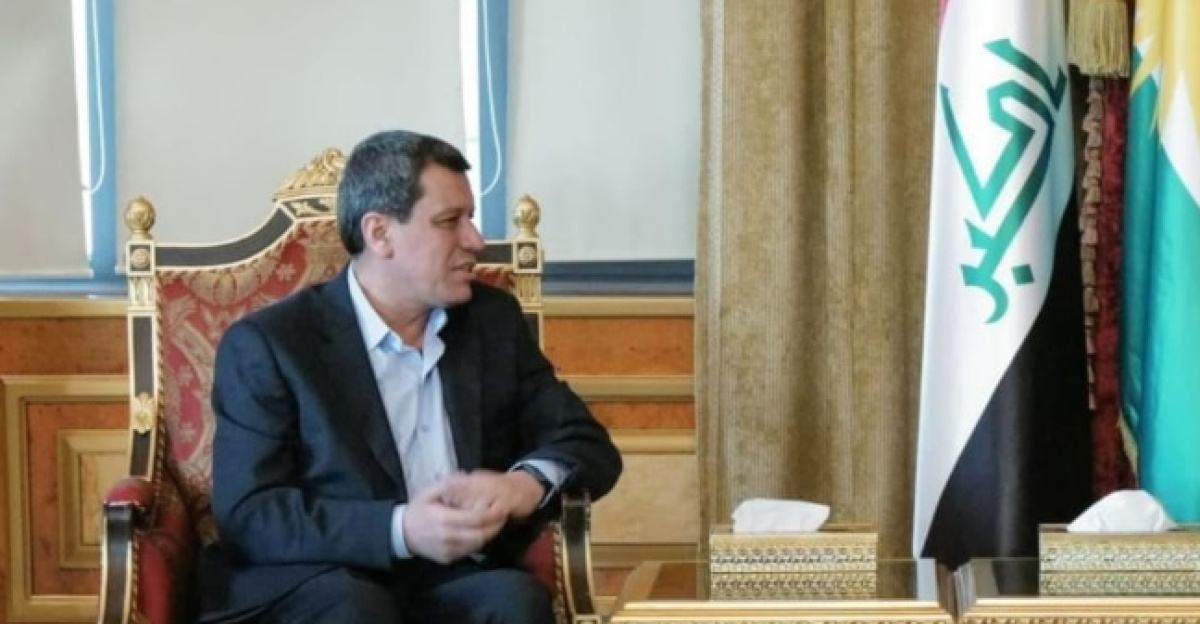
SDF commander Mazloum Abdi now faces severe internal and external pressure. His earlier willingness to negotiate a merger with Damascus is widely criticized within his movement, especially after the initial integration framework collapsed and was followed by a government offensive instead.
Many Arab fighters question whether continued reliance on U.S. security guarantees is viable, given Washington’s apparent readiness to accept a deal that folds SDF territory and forces into the Syrian state.
Al-Sharaa Consolidates Gains
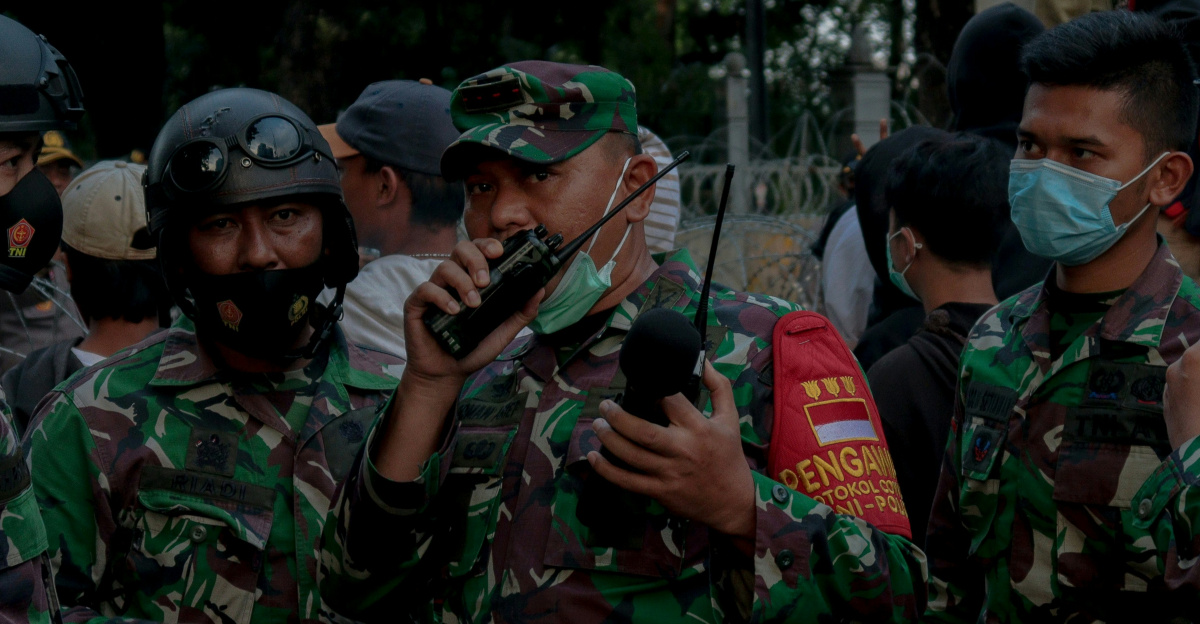
In Damascus, President al‑Sharaa is moving quickly to convert battlefield successes into durable political control. New decrees and agreements frame the captured areas as being reintegrated into a unified Syrian state, while promising representation and protection for local communities, including Kurds, within a centralized framework.
Former rebel or Islamist formations in other parts of the country are being rebranded and absorbed into a national army structure, further reinforcing the image of state consolidation.
The Ceasefire and Integration Deal
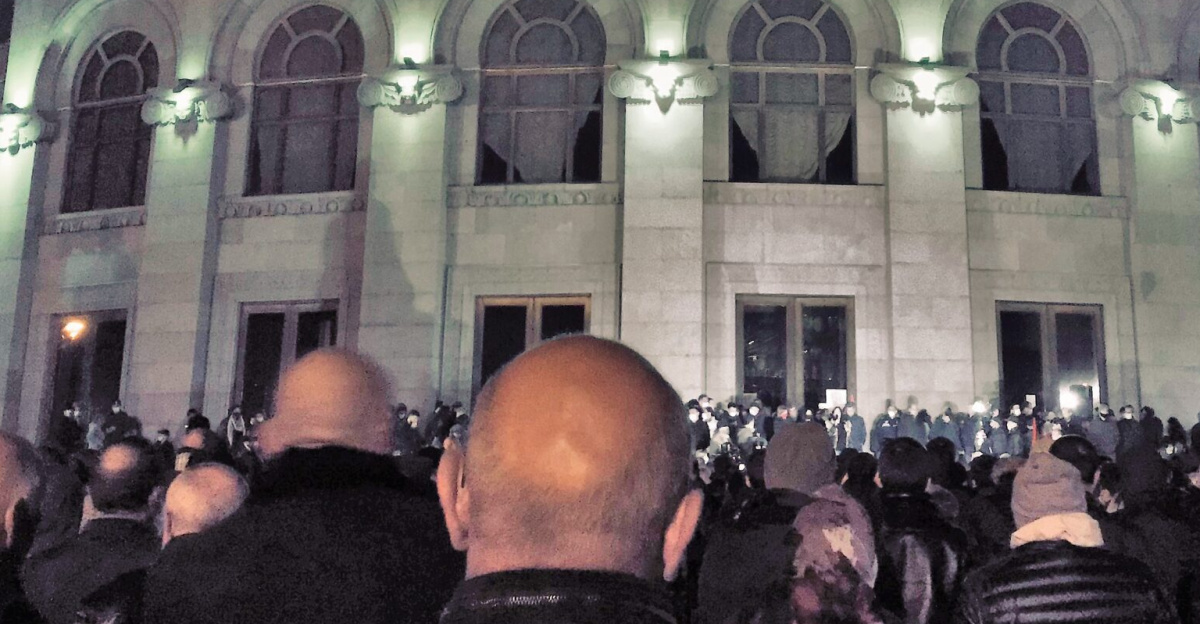
A ceasefire agreement announced around 18 January sets out terms for integrating SDF fighters into Syria’s army and security forces on an individual basis, subject to vetting. Civilian administration staff are to remain in their posts under state oversight, and the government assumes formal control over border crossings, oil and gas fields, and major institutions in former SDF areas.
The SDF is to continue managing large ISIS detention facilities, such as the Shaddadeh prison complex, during a transitional period to avoid an immediate security vacuum.
Doubts About Durability

Analysts caution that the ceasefire and integration framework may prove fragile. Experts quoted in regional outlets argue that YPG elements may resist full incorporation and that low-level violence, sabotage, or localized clashes could persist even if large-scale fighting subsides.
Monitoring groups and media have also noted reports of SDF redeployments and reinforcement movements that appear at odds with a complete halt to hostilities.
What Lies Ahead
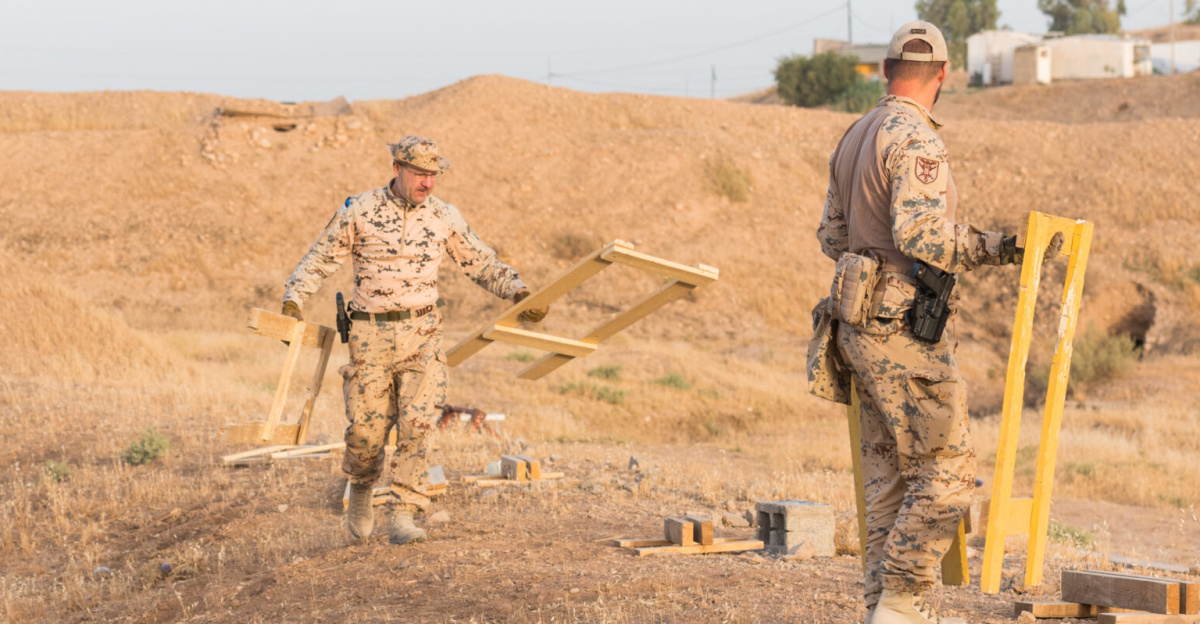
A central question now is whether al‑Sharaa can translate these gains into lasting centralized control over eastern Syria or whether the current calm will give way to renewed conflict. Millions of civilians in former SDF‑run areas will judge the new order by security, services, and political inclusion, while the U.S.-led coalition watches to see if Damascus continues meaningful cooperation against ISIS.
Longer-term stability will hinge on credible political processes, protections for minorities, and managing tensions with Turkey and other regional actors over Kurdish issues.
Centralization Versus Autonomy
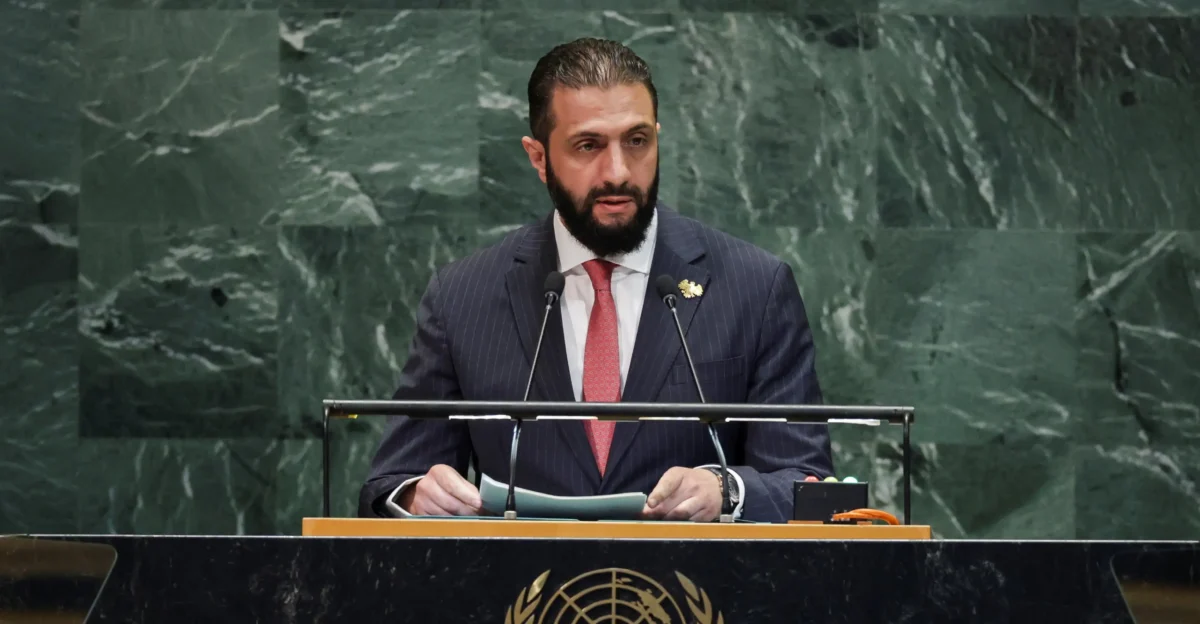
Al‑Sharaa’s project clearly favors a strong, centralized Syrian state rather than federalism or entrenched autonomous zones. Official language about integrating SDF institutions, sometimes referred to as the self‑administration structures, into national bodies effectively ends the YPG’s ability to operate as an independent armed force.
This marks a decisive break with the more decentralized, multicultural “Rojava” vision promoted by Kurdish leaders, and its acceptance by other minorities remains uncertain.
International and Regional Fallout
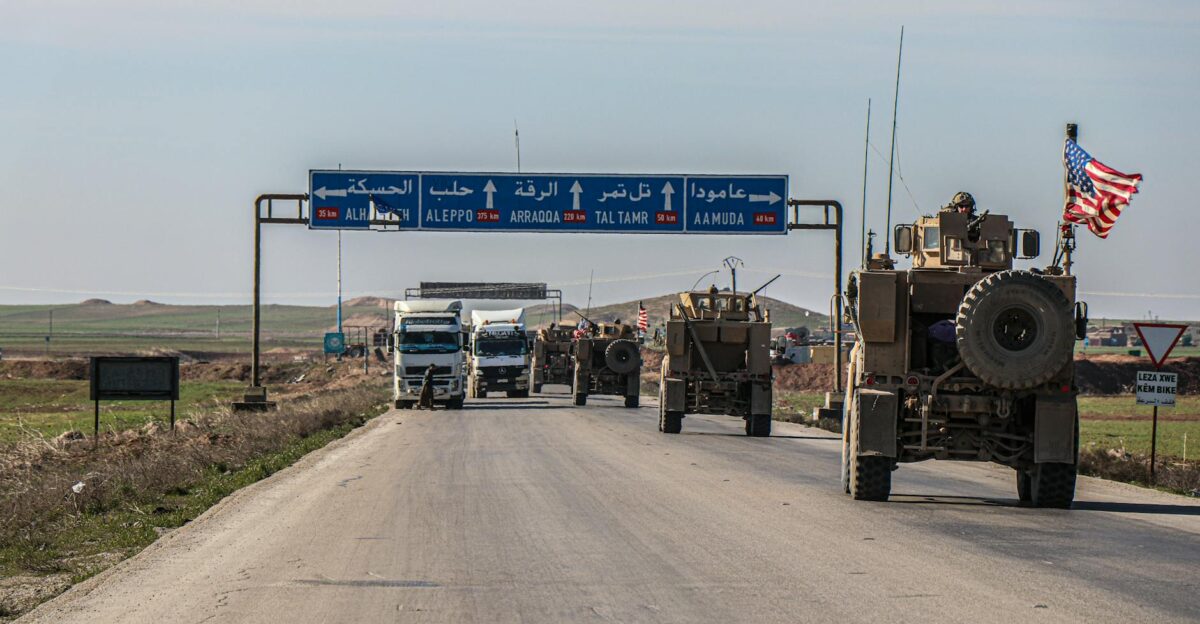
The offensive and subsequent deal are reshaping regional alignments. Turkey has welcomed the blow to the YPG, aligning more closely with Damascus at least on the question of Kurdish armed groups, while Saudi Arabia and other regional players are exploring deeper ties with Syria’s new leadership.
For the United States, whose influence in Syria has long rested on its partnership with the SDF, the integration of that force into the Syrian army reduces its leverage and could alter its broader Middle East posture.
Legal and Resource Implications
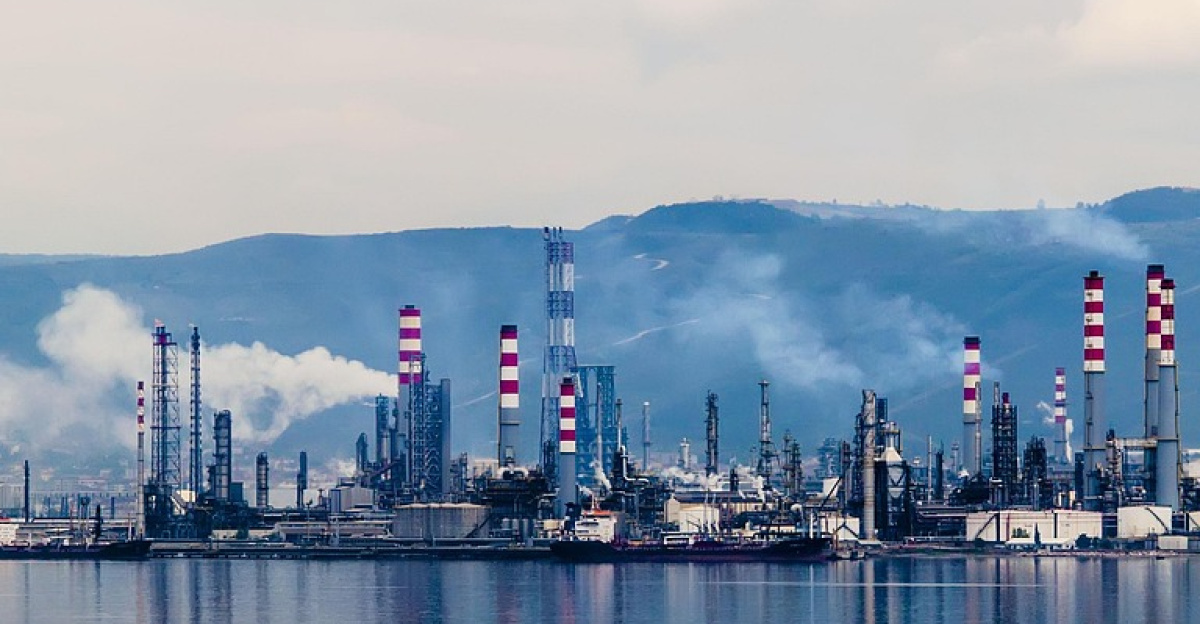
Legally and administratively, the agreement restores central government control over oil and gas revenues from the newly captured areas, ending the SDF’s independent funding streams. The state also becomes fully responsible for major detention facilities and camps holding ISIS suspects.
A shift that raises questions about due process, vetting, and potential politicized purges under the guise of security screening. Control over Euphrates dams and related water infrastructure enhances Damascus’ leverage both domestically and with downstream neighbors such as Iraq.
Identity, Culture, and Memory
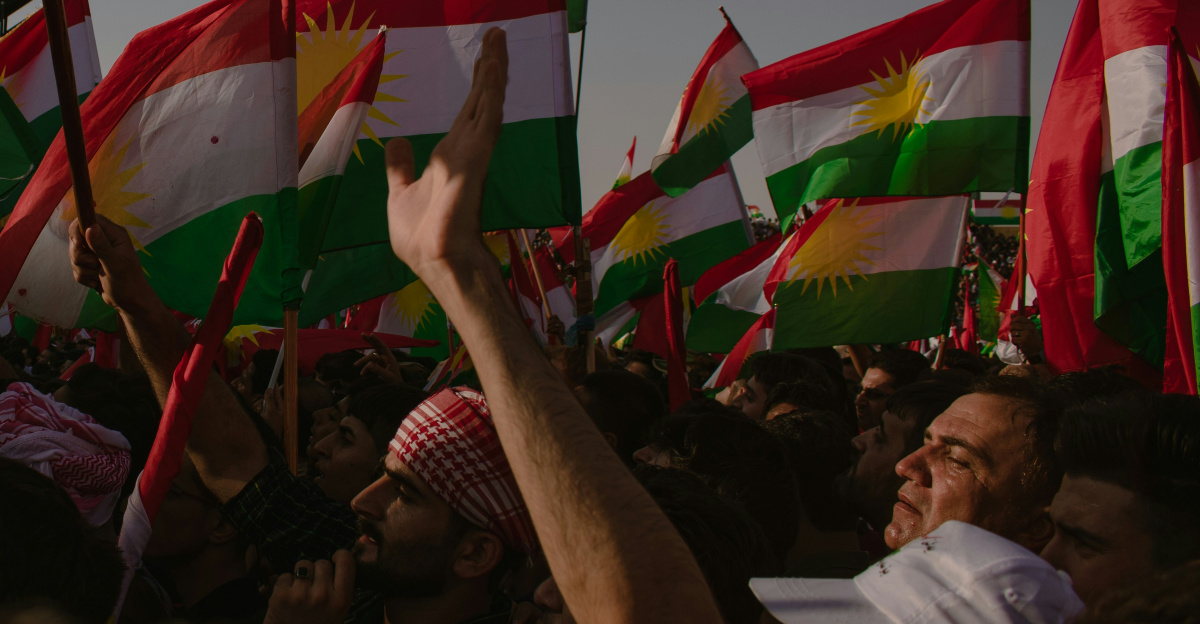
Beyond territorial changes, the events of January 2026 intensify long‑standing disputes over identity, representation, and historical narratives in northern and eastern Syria. Many Arab tribes see the rollback of SDF rule as rectifying years of perceived demographic and political marginalization.
While Kurdish communities fear renewed stigmatization through association with the PKK and uncertainty about their cultural and political rights under a centralized state. Younger Kurds and Arabs alike are confronting a new reality in which ambitions for separate governance structures are constrained by the restored reach of Damascus.
A New Phase for Syria
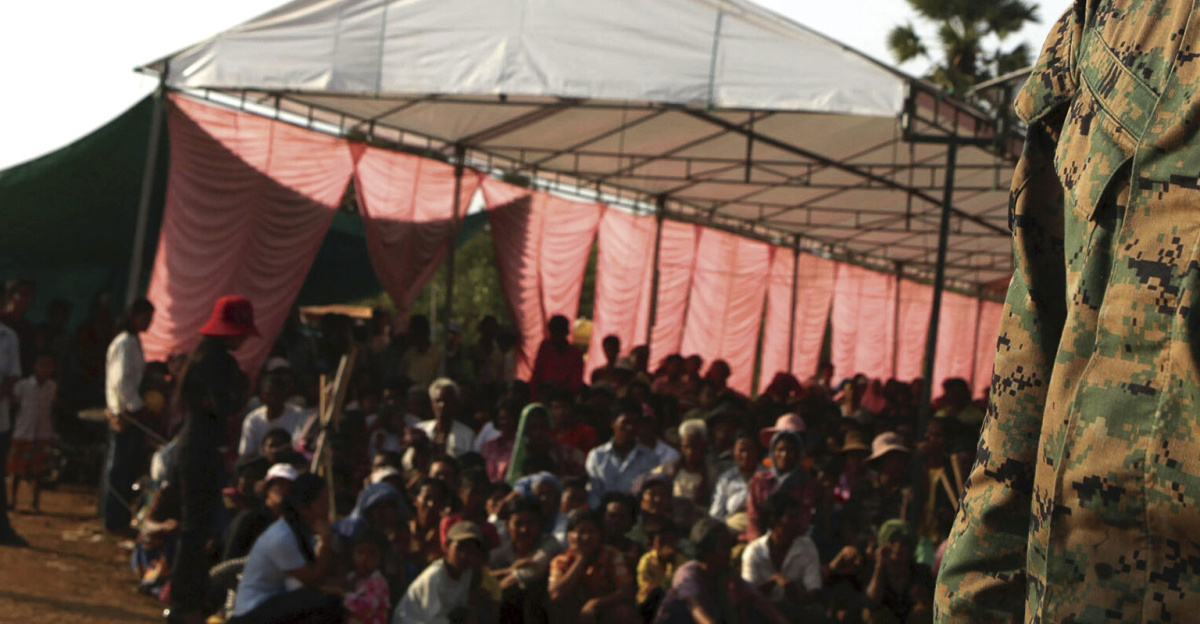
The January blitz marks the beginning of a new phase in Syria’s post‑uprising trajectory: the partial end of territorial fragmentation and the re‑emergence of a stronger central state. If the ceasefire and integration mechanisms hold, the government argues that unified control will strengthen the fight against ISIS, potentially encourage refugee returns, and reduce the risk of interstate conflict radiating from Syrian territory.
Whether this consolidation ultimately produces stability, inclusive governance, and respect for minority rights, or simply a new cycle of repression and resistance, will be decided in the months and years ahead.
Sources:
Reuters, Syrian forces seize major oil, gas fields in eastern Syria, 18 January 2026
Jerusalem Post, Understanding the unfolding new power conflict in Syria, 17 January 2026
ABC News, What to know about Syria’s main Kurdish-led force and its deal with Damascus after suffering major losses, 19 January 2026
Daily Sabah, Syria moves to new phase after major defeat of terrorist YPG, 19 January 2026
Wikipedia, Syrian Democratic Forces–Syrian transitional government clashes (2025–present), 20 September 2025