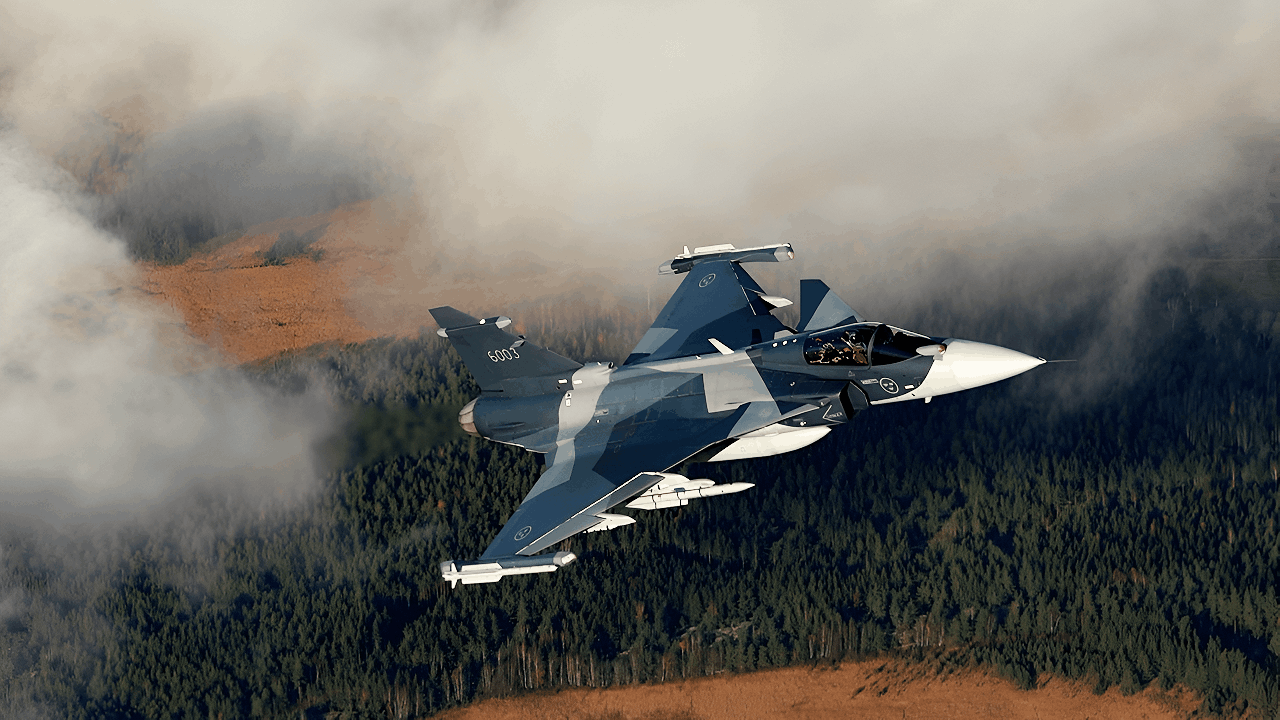
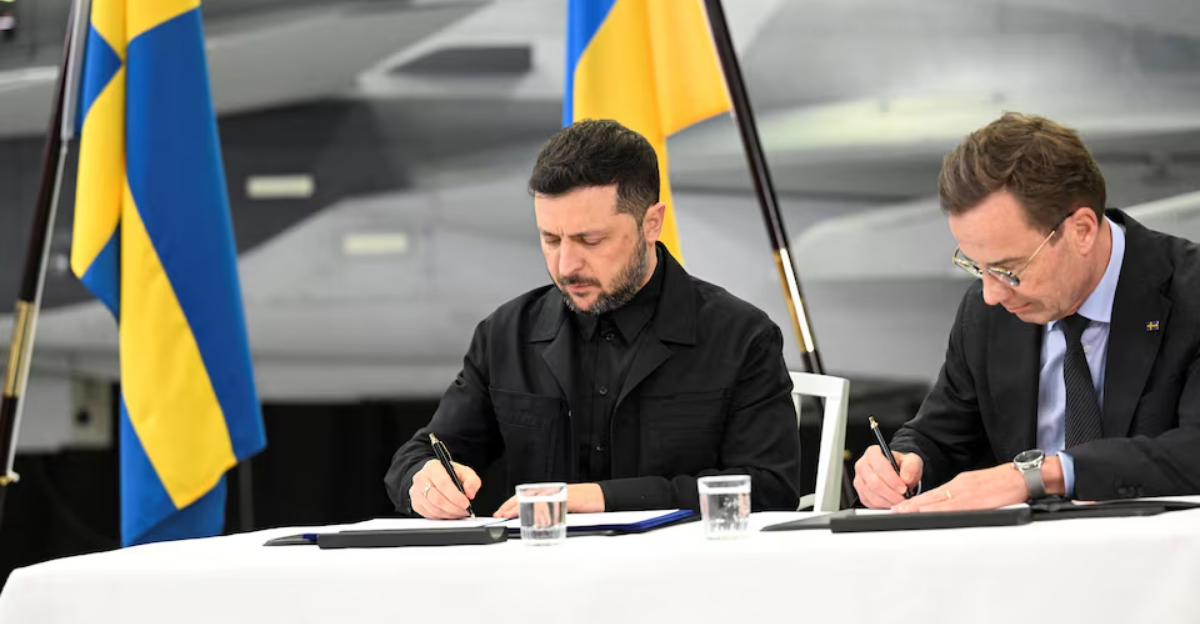
For over two centuries, Sweden’s foreign policy was defined by neutrality—a stance that kept the nation out of direct conflict and insulated from superpower rivalries. Today, that legacy faces a dramatic test as Sweden and Ukraine have signed a letter of intent for Ukraine to acquire up to 150 Saab Gripen fighter jets, in a deal that could be valued at nearly $20 billion. This move signals a profound transformation: Sweden is stepping away from passive diplomacy and toward active participation in Europe’s security landscape, challenging its own traditions and the expectations of its neighbors.
Redefining Neutrality in a Changing Europe
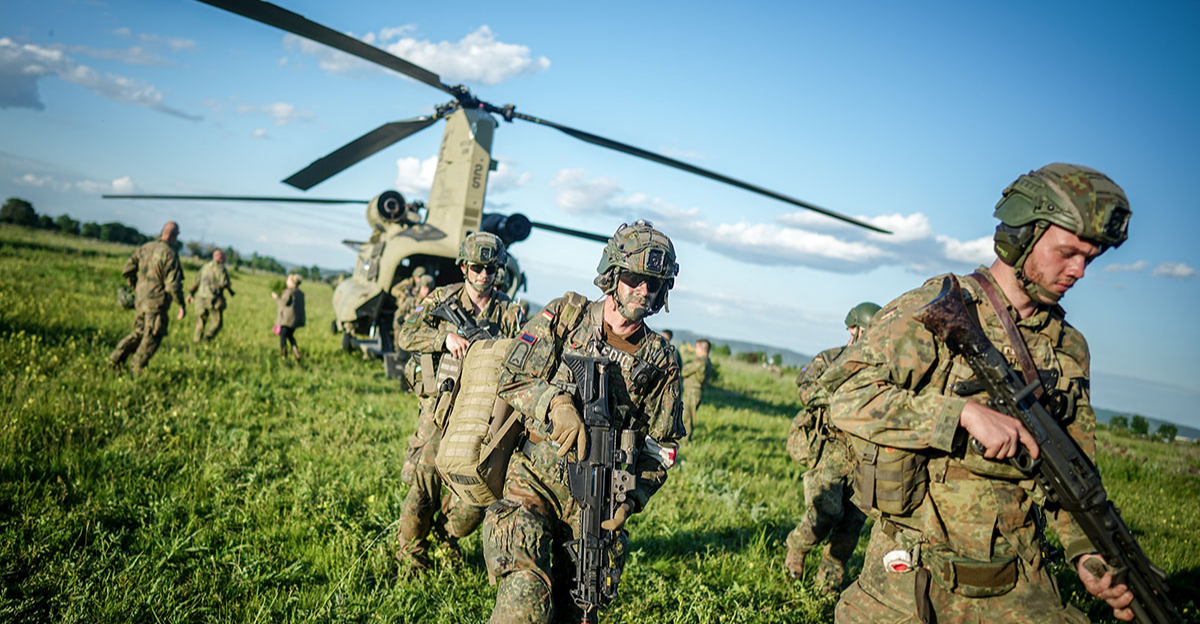
Sweden’s neutrality has long been a cornerstone of its sovereignty and prosperity, especially during the Cold War, when it avoided entanglement in global power struggles. Yet recent years have seen cracks in this policy.
Sweden joined NATO’s partnership programs, contributed to peacekeeping missions, and supported humanitarian efforts. Sweden’s formal accession to NATO in March 2024 and the proposed 2025 arms agreement framework with Ukraine mark a clear departure from non-alignment, reflecting a growing awareness that proximity to Russia and evolving threats require more than diplomatic caution. This sentiment illustrates how neutrality is being redefined—not as isolation, but as strategic engagement in the face of hybrid warfare and regional vulnerabilities.
European Security: Engagement Over Deterrence
AAcross Europe, the security paradigm is shifting from collective deterrence to active engagement. Sweden’s potential arms export to Ukraine is emblematic of this trend, driven by Russia’s aggression and NATO’s expansion. Countries once cautious about military involvement now pursue strategic alliances and provide lethal aid, compensating for historical limitations.
Expert analysis supports this view. Justin Bronk, Senior Research Fellow for Airpower and Technology at RUSI, notes that the complexity of modern threats—cyberwarfare, electronic attacks—demands flexible, advanced arsenals, and Gripen’s capabilities fit this new reality. The move away from passive neutrality toward coalition-based strategies underscores that neutrality is no longer a guarantee of safety, but a flexible position in contemporary geopolitics.
Gripen’s Tactical Edge: Technology Meets Terrain
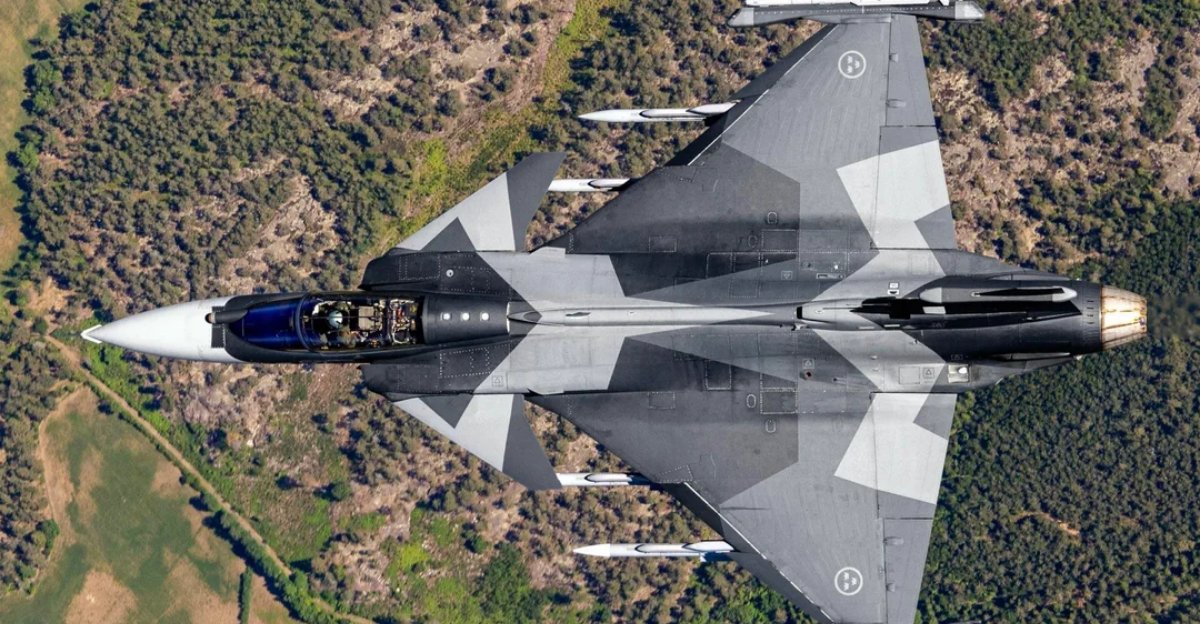
The Saab Gripen stands out for its adaptability to Ukraine’s battlefield conditions. Unlike heavier aircraft such as the F-16, the Gripen’s lightweight, multi-role design and advanced electronic warfare systems offer distinct advantages in contested environments. Its ability to operate from roads and austere locations—a legacy of Cold War highway flight doctrine—gives Ukraine new tactical options, especially as Russian forces target conventional airfields.
This strategic flexibility allows Sweden to project power and support Ukraine without the resources of larger military powers.
Electronic Warfare: Leveling the Playing Field
Gripen’s electronic warfare (EW) systems are tailored to counter Russian radar and missile threats, drawing on Sweden’s Cold War experience with Soviet adversaries. Since 2014, these technologies have evolved to meet the demands of modern conflict, enabling Ukraine to challenge Russian air superiority even with a smaller fleet.
Justin Bronk explains that Gripen’s EW suite can jam and deceive enemy sensors, giving Ukraine a fighting chance against Russian dominance. This tactical advantage demonstrates how Cold War-era innovation can be repurposed for contemporary battles, turning Sweden’s legacy of neutrality into a force multiplier.
Phased Delivery and Geopolitical Stakes
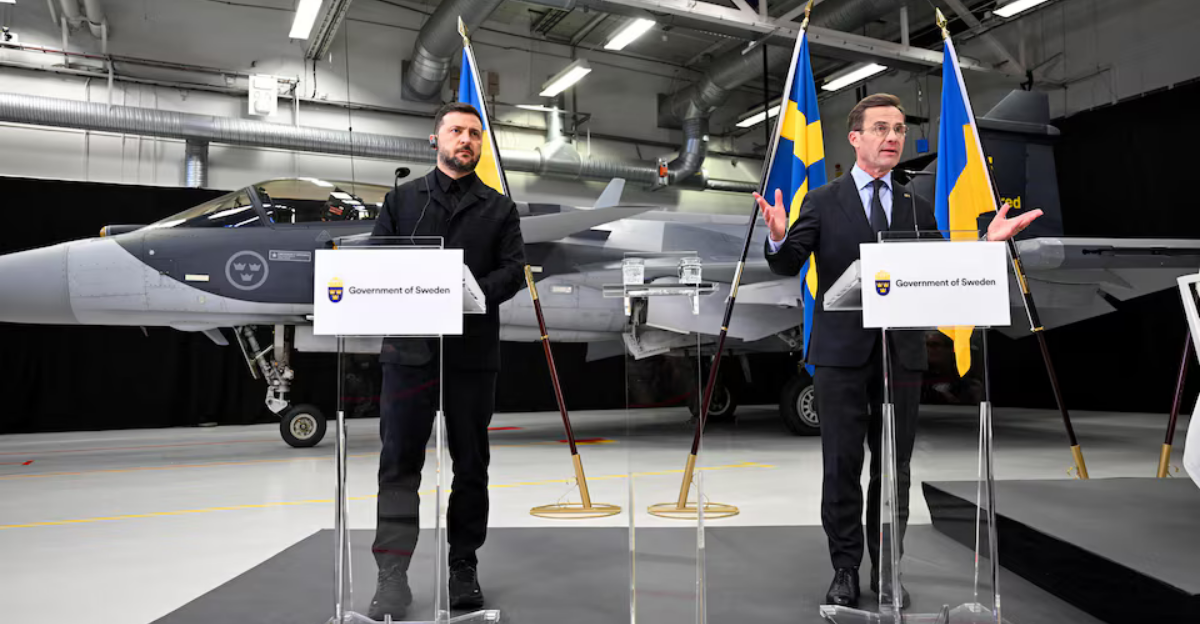
The agreement framework envisions first deliveries of Gripens within three years, with the full program extending over 10-15 years. This represents the beginning of a long-term strategic partnership between Sweden and Ukraine, requiring sustained industrial production and political commitment.
The implications are far-reaching. Sweden’s decision risks diplomatic isolation and potential retaliation from Russia, including cyberattacks and disinformation campaigns. Yet it also positions Sweden as a bridge between regional security and Western support, setting a precedent for other neutral states facing similar dilemmas.
Global Comparisons and Future Outlook
Globally, Sweden’s move mirrors shifts seen in other traditionally neutral countries, such as Switzerland and Finland, which have reconsidered their stances in response to rising security threats. Finland joined NATO in 2023, while Switzerland has begun debating modifications to its neutrality doctrine. The potential transfer of advanced fighters to Ukraine could trigger a regional arms race, encourage more assertive European defense strategies, and redefine the meaning of neutrality worldwide.
Sweden’s historic decision marks the end of simple diplomatic neutrality and the beginning of a new era—one where strategic engagement takes precedence over traditional non-alignment in the face of evolving European security challenges.