
Sweden’s Royal Court confirmed on December 9, 2025, that Princess Sofia met Jeffrey Epstein “on a few occasions” around 2005. It marked the first public acknowledgment linking Sweden’s monarchy to the disgraced financier.
Within 24 hours, Sofia did not attend the Nobel Prize ceremony in Stockholm, an event she typically joins. The timing transformed a long-dormant personal detail into a national conversation about transparency, accountability, and how modern royal families manage uncomfortable histories.
Why the Palace Is Speaking Now

The court’s statement followed the publication of previously unseen emails from 2005–2006 that brought renewed attention to Sofia’s early career years. As questions mounted, the palace opted to clarify what happened rather than allow speculation to spread unchecked.
Officials emphasized that the encounters were limited, social in nature, and occurred long before Epstein’s criminal convictions, signaling an effort to draw clear boundaries around the facts while addressing public concern directly.
A Princess, New York, and a Powerful Introduction
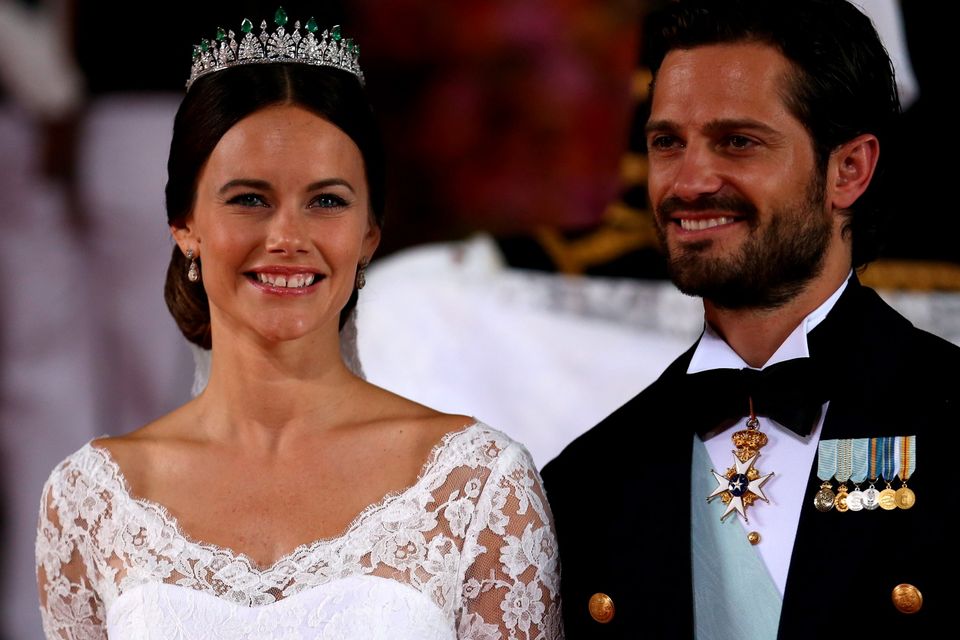
In 2005, Sofia Hellqvist was a young model and reality-TV participant newly arrived in New York, hoping to pursue acting. She was introduced to Epstein through a well-connected mentor who described her as an aspiring actress.
At the time, such introductions were common in entertainment circles. Two decades later, those brief social meetings are being reassessed through the lens of Epstein’s later crimes and the broader reckoning over power, influence, and access.
The Caribbean Invitation She Declined

Email correspondence shows Epstein inviting Sofia to join him in the Caribbean for a short stay, offering to arrange travel.
The Royal Court confirmed she declined the invitation and never traveled with him. Officials stressed that she did not accept any favors, financial support, or professional assistance. The court further stated that Sofia cut off contact and has had no interaction with Epstein for roughly 20 years, underscoring the limited scope of the connection.
How the Nobel No-Show Fueled Suspicion
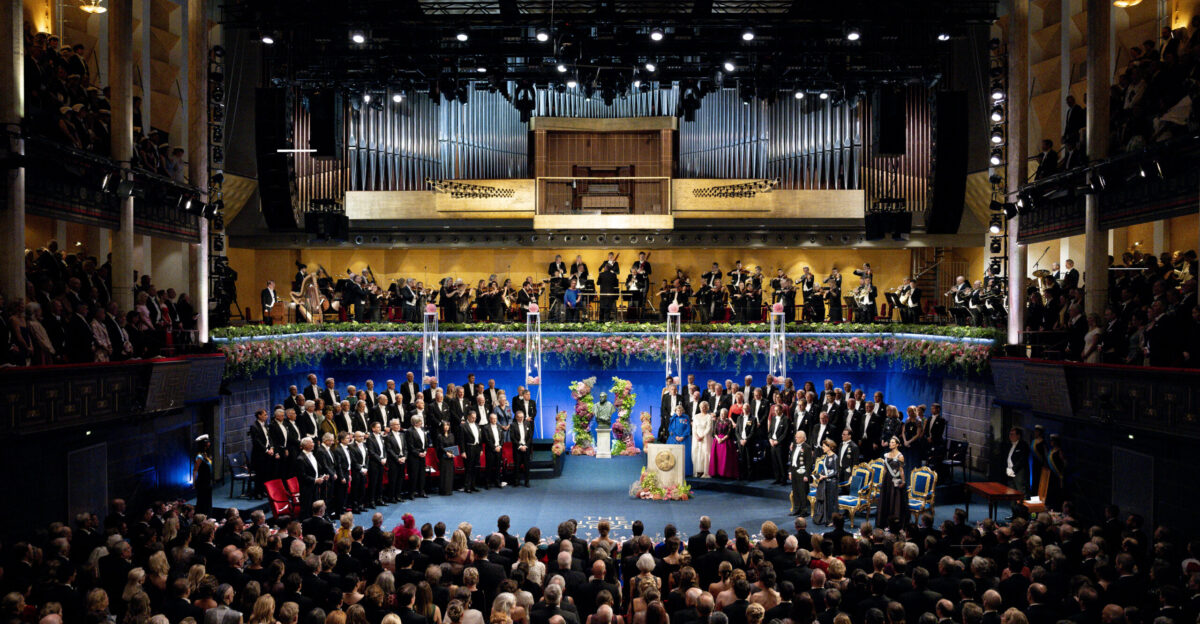
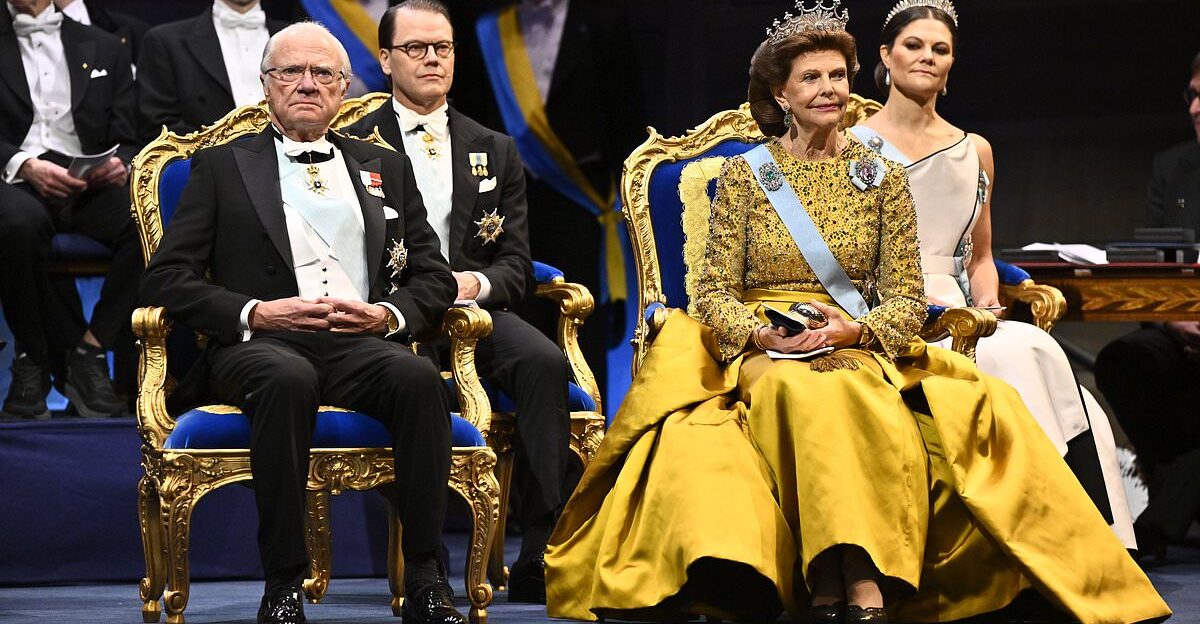
On December 10, 2025, Sweden’s Nobel Prize ceremony proceeded with senior royals present, including the king, queen, crown princess, and other family members. Princess Sofia was absent, reportedly staying home with her children.
While no official link was drawn, the proximity to the Epstein disclosure fueled speculation about crisis management. Her absence became a focal point, amplifying questions about whether the palace sought to lower her public profile during intense scrutiny.
Royal Damage Control, Scandinavian-Style
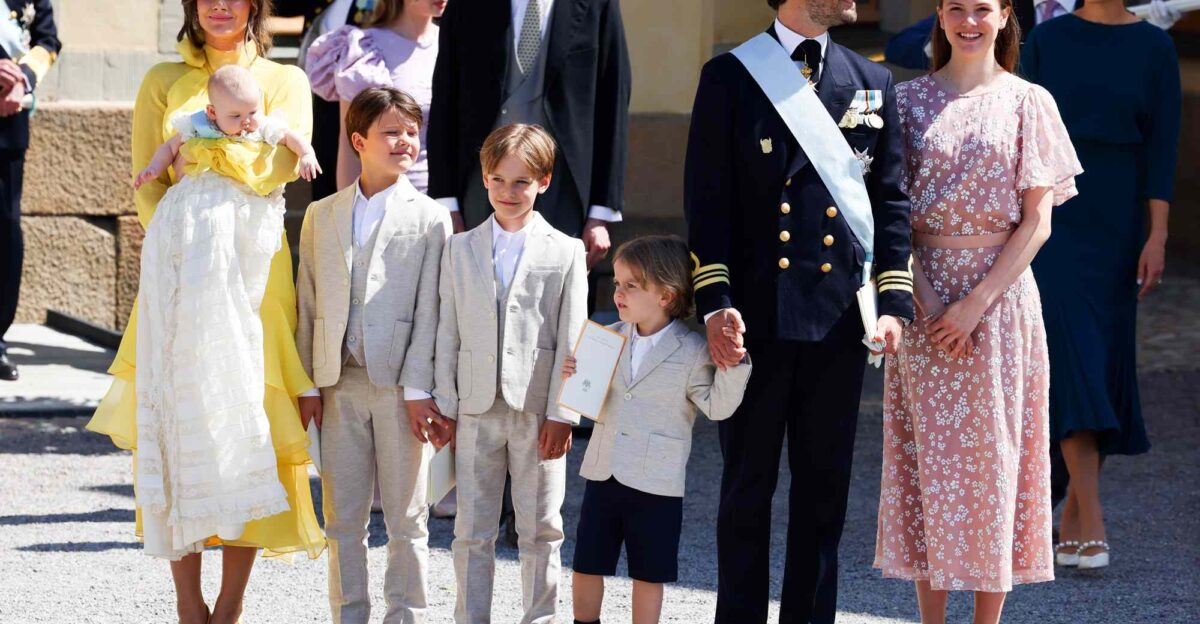
The Royal Court emphasized specificity: the meetings occurred only in social settings such as a restaurant or public event, and no dependency or mentorship followed. Claims that Epstein assisted with acting schools or visas were rejected.
Observers note that Sweden’s monarchy tends to favor concise clarification over prolonged silence. By acknowledging the meetings while firmly limiting their scope, the court aimed to neutralize rumors without escalating the controversy.
Epstein’s Network Still Entangles Royals
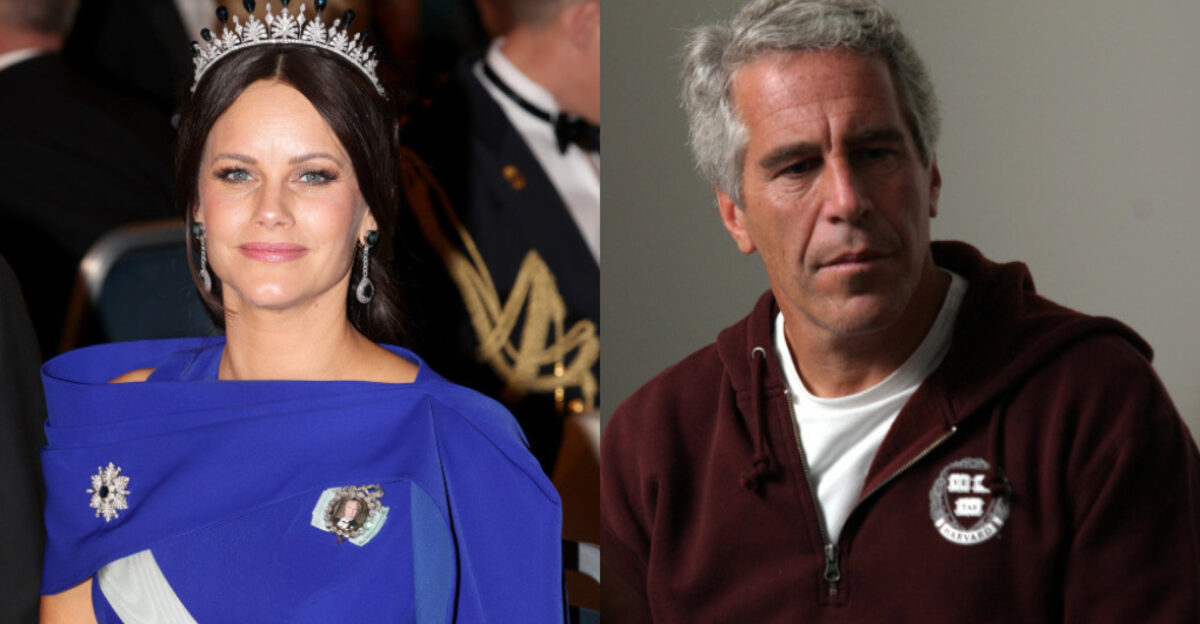
The disclosure places Sweden alongside other monarchies touched by Epstein’s extensive social network. His relationships with elites across finance, politics, and royalty have continued to surface years after his death. While Sofia’s contact was brief and predated his convictions, the episode illustrates how Epstein’s reach crossed borders and institutions, leaving reputational aftershocks that continue to affect public figures long after direct contact ended.
Media, Monarchy, and Public Trust
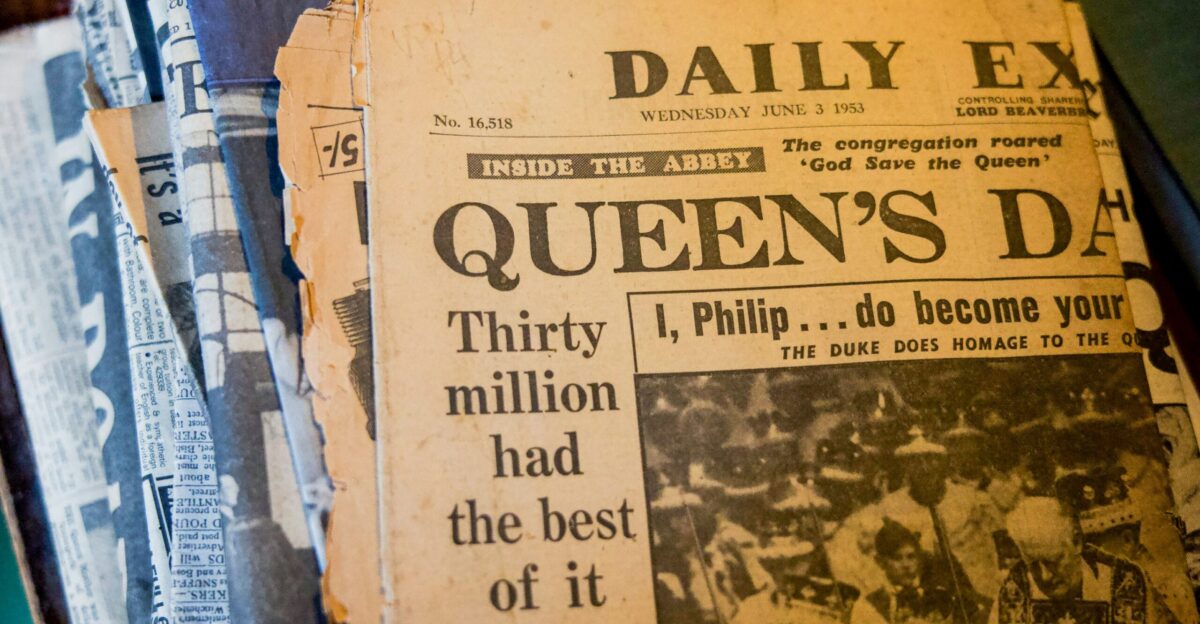
Coverage quickly contrasted Sofia’s situation with more severe royal scandals elsewhere, with analysts stressing the differences in scale and behavior. By confirming timelines, declining invitations, and long-ended contact, the court appears focused on maintaining public trust in a monarchy funded by taxpayers.
In Sweden’s constitutional system, legitimacy depends less on mystique and more on openness, making swift factual disclosure a strategic necessity.
The Human Toll of Old Controversies

Princess Sofia has previously spoken about the emotional cost of public judgment, particularly during early years of royal life.
Renewed attention to her pre-royal past risks reopening debates about class, background, and belonging. For supporters, the episode highlights how youthful choices and professional networking can be revisited decades later, often without regard for personal growth or subsequent public service.
How Email Trails Redraw the Epstein Map

The resurfaced emails are part of a broader pattern in which archival records continue to expand understanding of Epstein’s connections.
Each release adds geographic and social detail, reinforcing that his network was not confined to one country or elite circle. For the public, the documents serve as reminders that digital records endure, capable of reshaping narratives long after events themselves have faded from memory.
Legal Lines: Contact vs. Complicity

Epstein’s first criminal conviction came in 2008, years after Sofia’s meetings with him. Legal experts emphasize that social contact before those convictions does not imply criminal knowledge or involvement.
Distinguishing between proximity and participation is critical. The court’s emphasis on timing reflects an effort to separate lawful, limited encounters from later-revealed crimes, a distinction often blurred in public debate.
Reputation Risk in the Age of Receipts

For public figures, Sofia’s case illustrates how early-career networking can carry unforeseen consequences.
Emails written casually in one era may later resurface under far harsher scrutiny. The reputational risks extend beyond royalty, affecting professionals in entertainment, politics, and business. Associations once viewed as advantageous can become liabilities when powerful figures are later exposed for serious misconduct.
Online Hate, Harassment, and Royal Advocacy

Sofia has helped champion initiatives against online bullying, drawing from personal experience with digital harassment.
As the Epstein story reignites attention, experts warn that social-media pile-ons often accompany such revelations. The contrast between her advocacy work and the renewed scrutiny highlights how quickly online discourse can turn punitive, even when allegations involve historical, limited, and non-criminal contact.
How Scandinavian Royals Manage Modern Scandals

Royal observers note that Scandinavian courts often prioritize brief, factual statements over prolonged commentary.
Sweden’s approach—confirming specific details and avoiding speculation—reflects a belief that controlled transparency can contain fallout. By addressing key questions early, the palace aims to prevent a drip-feed of disclosures that might otherwise prolong the story and erode confidence.
Comparing Public Reactions Across Countries
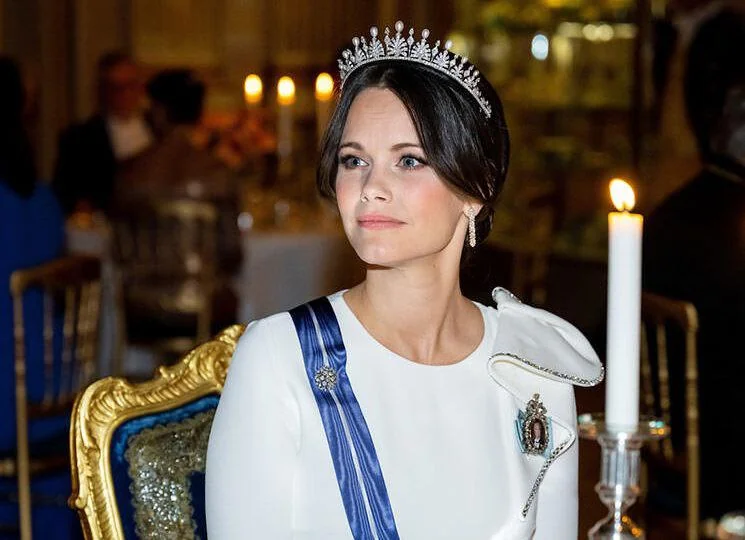
Public reaction in Sweden has largely focused on timing and communication rather than demands for sanctions.
Elsewhere, prolonged associations, legal action, and inconsistent explanations have driven harsher outcomes. The contrast shows how national media cultures and the depth of involvement shape consequences. Limited, pre-conviction contact tends to generate scrutiny, while ongoing ties often provoke sustained institutional response.
Royal Image, Class, and Second Chances
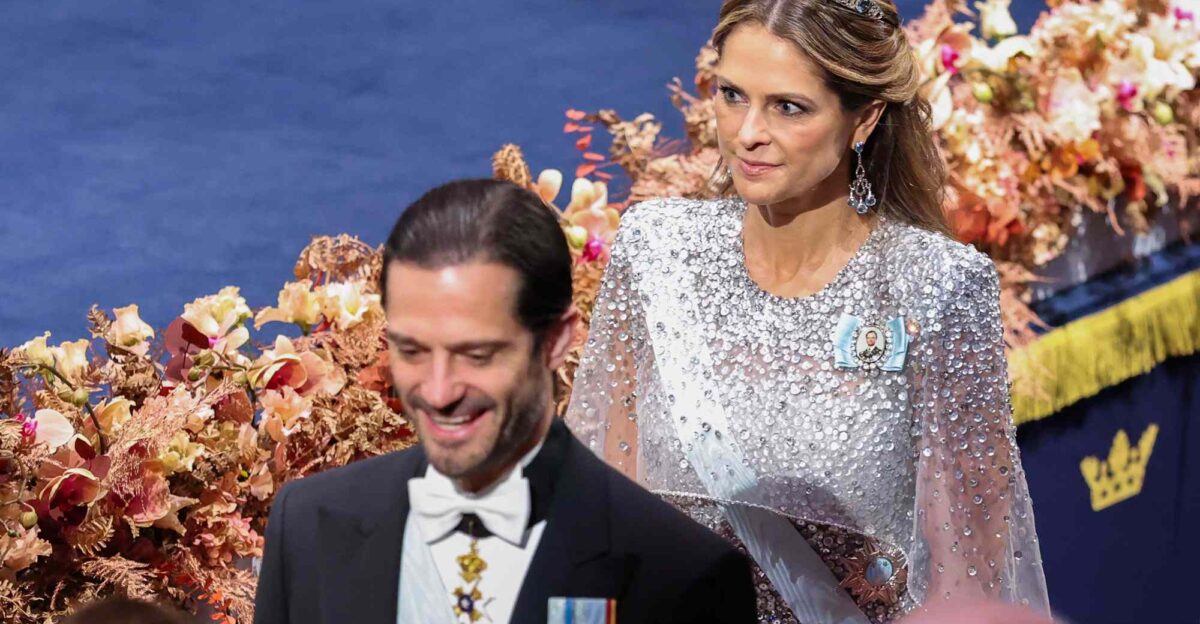
Princess Sofia’s unconventional path—from modeling and reality television to royal life—has long divided opinion.
Critics argue her past invites scrutiny; supporters point to years of charitable work and family life. The Epstein disclosure revives that debate, raising questions about whether brief encounters decades ago should outweigh subsequent contributions, or whether monarchy allows room for reinvention and second chances.
Lessons for Elites in Vetting Social Circles
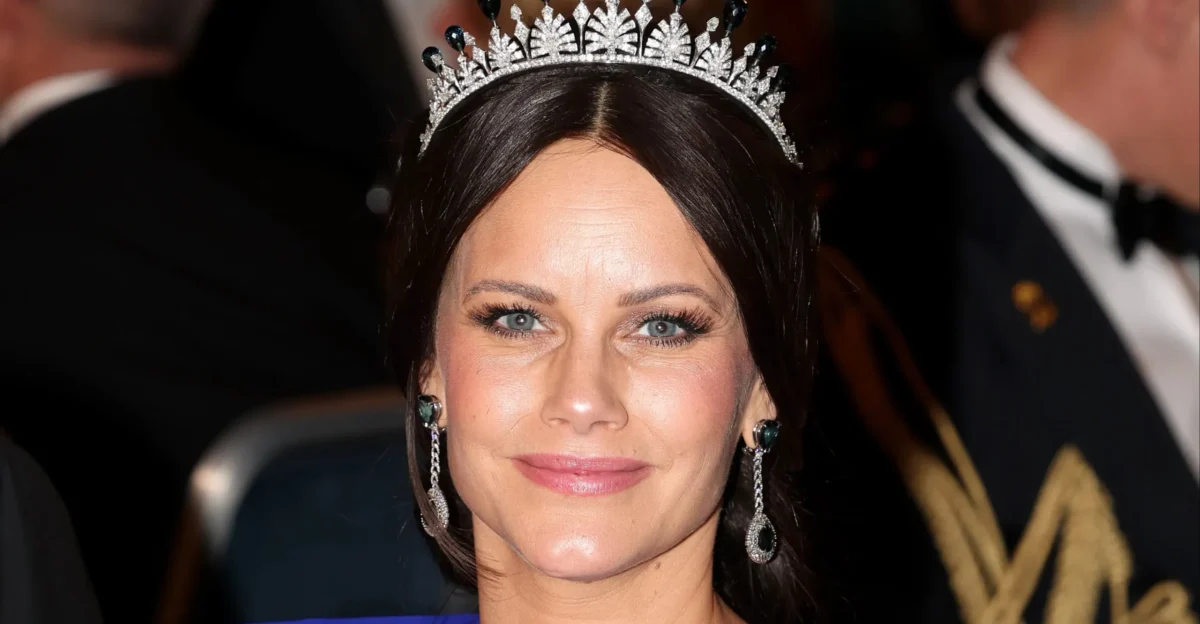
The episode reinforces lessons for elites about association management. Advisors increasingly encourage institutions to review historical connections to controversial figures, anticipating future document releases.
For royal households, corporations, and governments alike, proactive assessment of legacy ties has become part of safeguarding credibility in an era when archives are continuously reexamined.
What Public Figures Can Do Now
Crisis specialists advise prompt clarification, precise timelines, and restraint when addressing resurfaced connections.
Overstatement can inflame rather than resolve controversy. Sofia’s case demonstrates the value of distinguishing declined offers from accepted support and brief contact from ongoing relationships. Attention to personal wellbeing and moderation of online spaces is also critical during sudden waves of renewed exposure.
Could More Royal Names Emerge?
Investigative work into Epstein’s correspondence continues, suggesting additional prominent names may surface.
Each new disclosure tests how institutions respond to historical associations. For monarchies, the challenge lies in balancing transparency with proportionality—acknowledging facts without amplifying speculation. The Swedish case may serve as a model for addressing limited connections swiftly and clearly.
A Small Set of Meetings, A Wide Wake
Princess Sofia’s few meetings with Jeffrey Epstein around 2005, confirmed two decades later, demonstrate how limited encounters can carry lasting resonance.
The Royal Court’s acknowledgment, her absence from the Nobel ceremony, and the ensuing debate show how personal history, digital records, and modern expectations converge. In today’s environment, even brief past associations can ripple widely across public life.
Sources:
Fox News Digital: Coverage referenced in searches but exact Dec 11 URL not surfaced; aligns with palace denial reports.
Dagens Nyheter: Primary email publisher, aggregated via MSN; direct access via Swedish sites or archives like Lawyer Monthly summary.
iHeart and La Voce di New York: Podcast/article mentions in Dec 11-12 timelines, no direct URLs in results but consistent with global scandal framing.