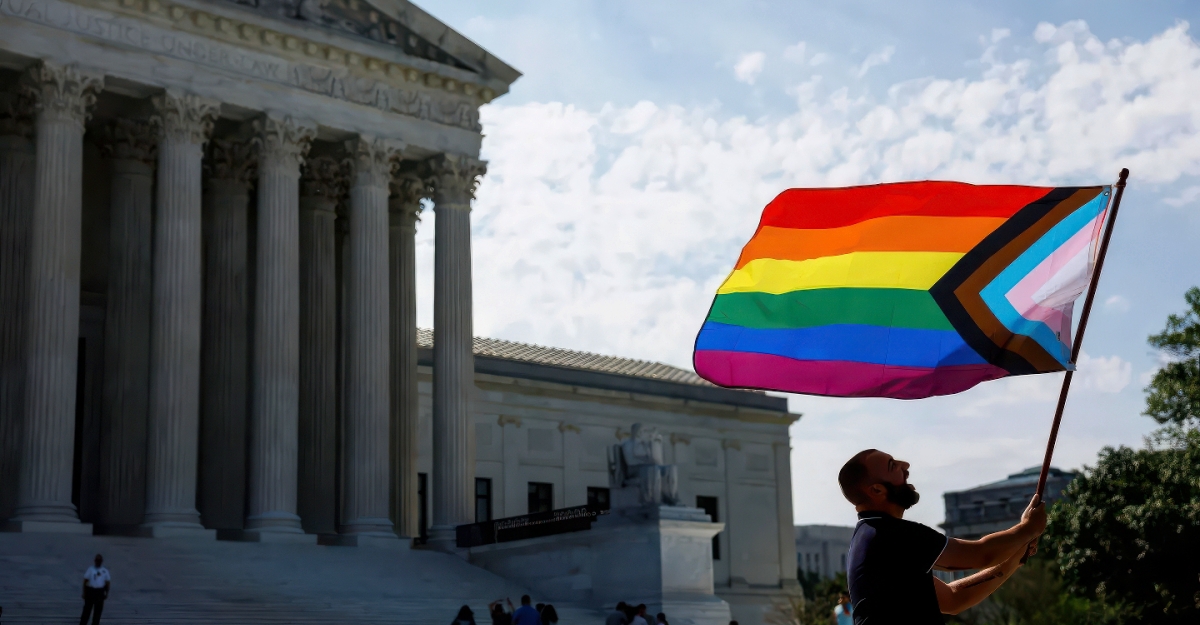
Just after the morning session began on October 7, 2025, nine Supreme Court justices filed into the marble chamber, the sunlight glinting off the polished wood desks. Lawyers shuffled papers as the courtroom hushed. Justice Samuel Alito leaned forward and called Colorado’s conversion therapy ban in Chiles v. Salazar, “blatant viewpoint discrimination.”
The room felt electric with tension — a single 90-minute session could decide the fate of LGBTQ youth protections nationwide. What the justices questioned next would set the stage for a nationwide legal showdown.
The First Amendment Question

The core question is whether Colorado’s ban censors a counselor’s speech or just regulates conduct. The law prohibits certain therapy conversations for minors. If the ban is seen as a medical regulation, it may be allowed.
If it’s viewed as viewpoint-based censorship, it may violate the First Amendment.
Colorado’s Conversion Therapy Law

Colorado passed a law in 2019 (the Minor Conversion Therapy Law) making it illegal for licensed mental health professionals to offer conversion therapy to minors.
Colorado joined 23 other states and DC in banning such therapy for youth. The law does allow an exception for counselors “engaged in religious ministry”.
Who is Kaley Chiles?

Kaley Chiles is a licensed counselor in Colorado. She filed this lawsuit, arguing that the law violates her free speech rights.
In court documents, Chiles calls the ban a “viewpoint-based speech restriction” and says her counseling approach is an “outgrowth of her Christian faith”. She says the ban stops her from helping clients who seek certain goals.
What is Conversion Therapy?

Conversion therapy refers to practices that try to change a person’s sexual orientation or gender identity. These methods have no scientific basis and are based on outdated ideas that being LGBTQ+ is “unnatural”.
Historically, they have included behavior modification techniques and harmful aversive treatments for youth.
Research on Conversion Therapy’s Harm

Major studies show conversion therapy is very harmful to young people. LGBTQ+ youth who undergo it are more than twice as likely to attempt suicide as those who do not.
They also have much higher rates of depression, anxiety, and other serious mental health issues. Many experience lasting trauma from the practice.
Expert and Public Opposition

Medical experts strongly oppose conversion therapy. They agree conversion therapy is discredited and causes psychological harm to youth.
Every major U.S. medical and mental health association (like the APA, AMA) has condemned conversion therapy and supports laws like Colorado’s to protect kids. Bans on conversion therapy also have broad public and religious support.
Other State Bans on Conversion Therapy

Since 2012, almost half of U.S. states have banned licensed counselors from performing conversion therapy on minors.
Colorado’s law is part of this nationwide trend. Most of these laws let counselors discuss identity with youth, but they stop counselors from actively trying to change a child’s orientation or gender identity.
Chiles’s Free Speech Claim

Chiles argues that Colorado’s ban targets her speech. She says the law forbids her from helping clients pursue goals that Colorado does not like.
Because she views her counseling as an expression of her faith, she calls the ban a “viewpoint-based speech restriction”. She believes the law violates the First Amendment by censoring her advice.
Colorado’s Response
Colorado argues the ban was aimed at health, not speech. Lawyers note the law has bipartisan support across 25 states and focuses on a narrow therapy that carries “great risk of harm”.
They also note counselors can still freely discuss beliefs, and insist states should retain the power to regulate health professionals.
Questions from the Court
During oral argument, justices pressed both sides with questions. Some justices asked if Chiles even has the right to sue, since Colorado has not enforced the ban against her.
Others discussed whether talk therapy is a medical treatment or protected speech. Justice Jackson said it would be “very odd” if two types of treatment were given different First Amendment protection.
Possible Outcomes

The Court could rule for Chiles, striking down or limiting Colorado’s law, or for Colorado, upholding the ban as a medical regulation. The justices also discussed sending the case back to the lower courts to examine the evidence first.
In any case, the Court plans to issue a decision by June 2026. The result will shape how similar laws are applied nationwide.
Broader Implications for Medical Speech
Legal experts warn this case could affect more than just conversion therapy. If therapists’ words are seen as fully protected speech, many healthcare regulations might change.
One lawyer told the Court that a broad ruling “would allow states to silence all kinds of speech”. On the other hand, many laws already limit what professionals can say to protect patients.
LGBTQ+ Rights vs Religious Freedom

This case highlights the tension between protecting LGBTQ+ youth and religious expression. Critics ask where LGBTQ+ rights end and religious freedom begins.
Past cases (like the baker who refused service to same-sex couples) showed the Court sometimes favored religious speech claims. Now the debate is about healthcare. The outcome could influence many future clashes between civil rights and speech rights.
Facts on Conversion Therapy

Conversion therapy is often done by religious counselors, usually in secret. The Trevor Project found over 1,300 practitioners nationwide in 2023, including more than 600 with professional licenses.
A group of former conversion therapists (who now reject the practice) submitted an amicus brief warning that conversion therapy causes real harm based on decades of experience.
Professional Speech and Regulation

If the Court broadly protects therapists’ talk, it could reshape professional speech rules. In 2018, the Court said professional advice can be regulated when it is part of treatment (for example, banning a “whites only” sign was allowed as part of controlling segregation).
Chiles’s team argues that a therapist’s conversation isn’t just conduct, so it should be treated like other protected speech.
Political and Public Support

Conversion therapy bans have wide support. Both Democrats and Republicans in many states back these laws. Many religious organizations and parents support protecting kids from conversion therapy.
This broad political and public backing shows that most people see these bans as reasonable health protections, not as attacks on speech.
Related Court Cases

Observers note this case is similar to L.W. v. Skrmetti, where the Court allowed Tennessee to ban some medical care for transgender youth. Both cases involve whether states can limit medical or mental health treatment that lawmakers consider harmful.
Some experts say Skrmetti’s reasoning could carry over, since the issues of state power and youth care are very similar.
Religious Counseling Exemption

Colorado’s law has an important exemption: it does not apply to unlicensed counselors, including those working in religious ministry.
Licensed therapists cannot perform conversion therapy, but a youth can still get faith-based counseling about identity. The ban only stops professionals from actively trying to change a child’s orientation or gender; it leaves private religious guidance untouched.
Looking Ahead
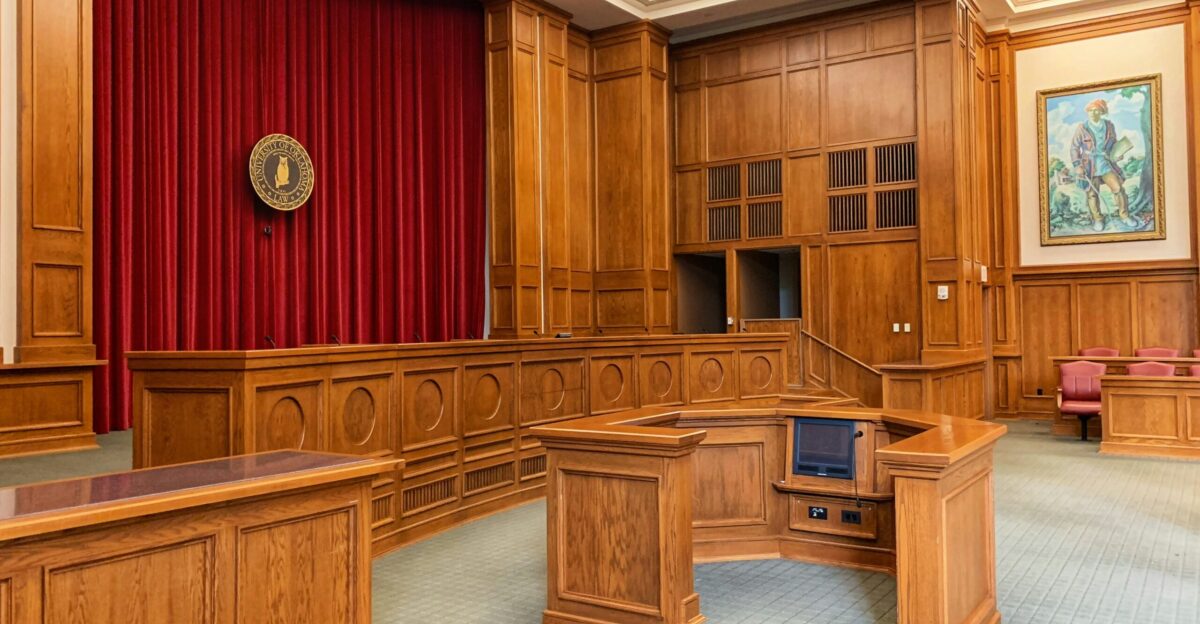
Chiles v. Salazar will clarify the line between speech and professional regulation in mental health care. The decision will affect counselors, parents, and LGBTQ+ youth across the country.
Supporters of conversion therapy bans hope the Court will uphold the law as a valid safety measure. Chiles’s supporters hope for a broad free-speech victory. A final ruling is expected by summer 2026.