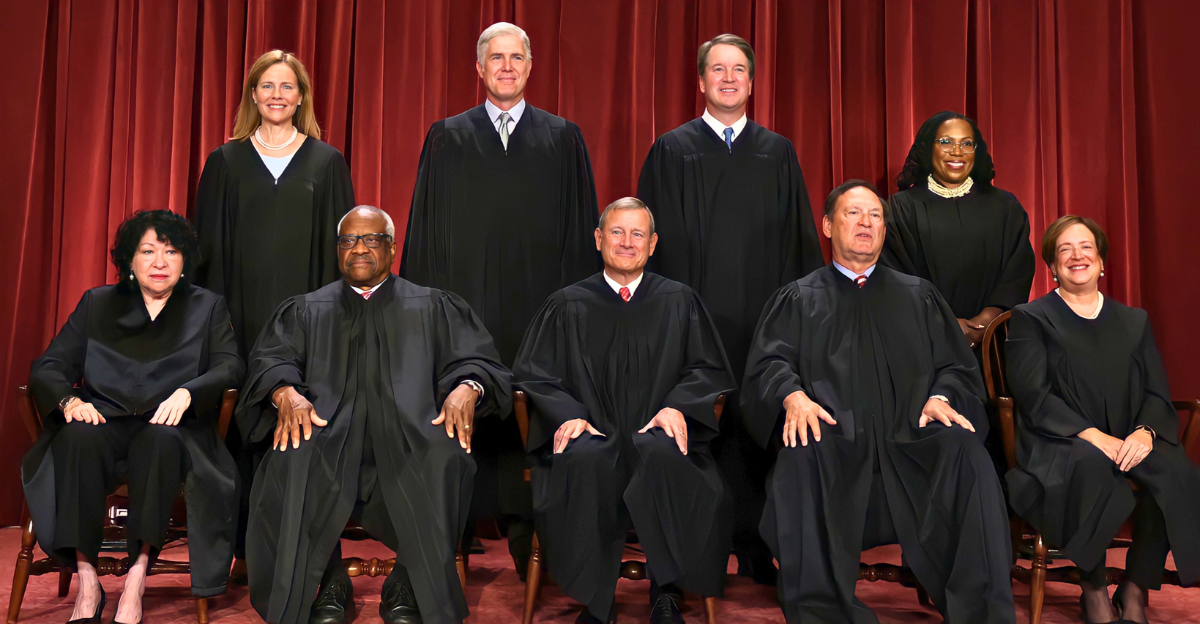
The Supreme Court’s unsigned 6–3 order on Sept. 22, 2025, stunned Washington. In effect, the justices put on hold a lower-court ruling and allowed President Trump to fire FTC Commissioner Rebecca Slaughter while the case proceeds.
The decision explicitly creates an “emergency” exception to the FTC’s long-standing removal protections. The court agreed to hear Slaughter’s challenge in December, setting up a showdown over an agency design meant to be independent.
Legal analysts note this is the first time in modern history the high court has permitted such sweeping executive power over an independent regulator.
Constitutional Earthquake
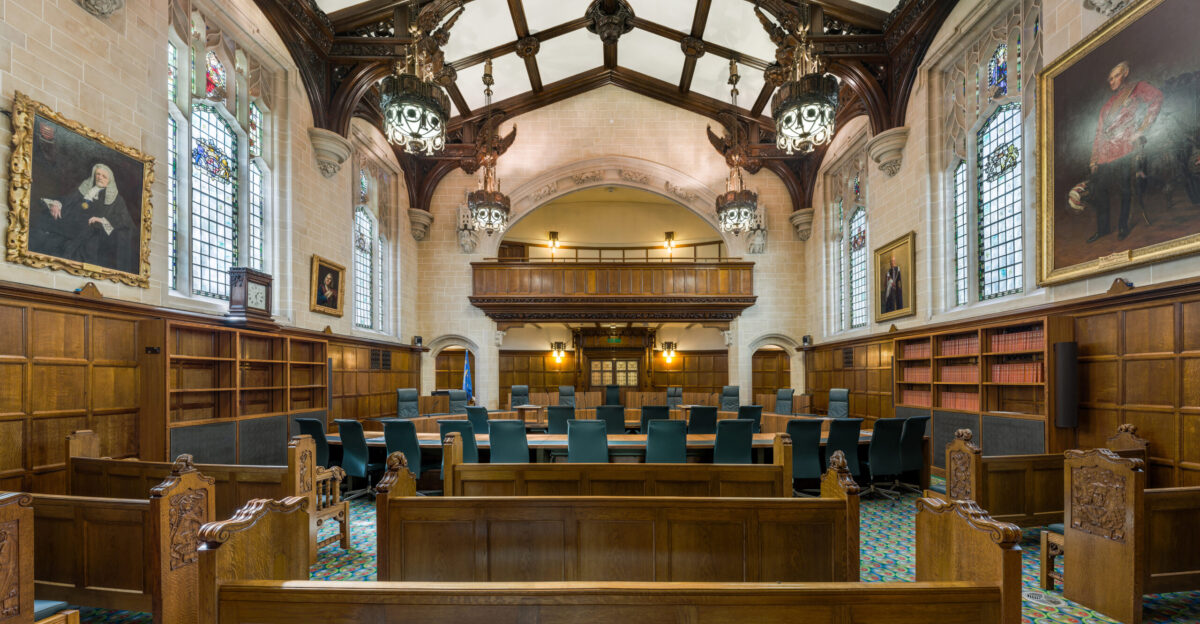
Legal experts warn the order amounts to a constitutional earthquake. By stripping Slaughter’s protections, the White House would gain unprecedented control over agencies that Congress intended to be nonpartisan. “[The Firings] directly contradict nearly a century of case law” shielding the FTC’s independence, said Sen. Jack Reed (D-RI).
Opponents say the move lets the president override bipartisan checks on power, with implications “from antitrust enforcement to financial regulation.”
Federal law only allows removal of agency heads for cause (inefficiency, neglect or malfeasance) – not for policy disagreements – so critics warn of a looming crisis in governance.
Ninety-Year Shield
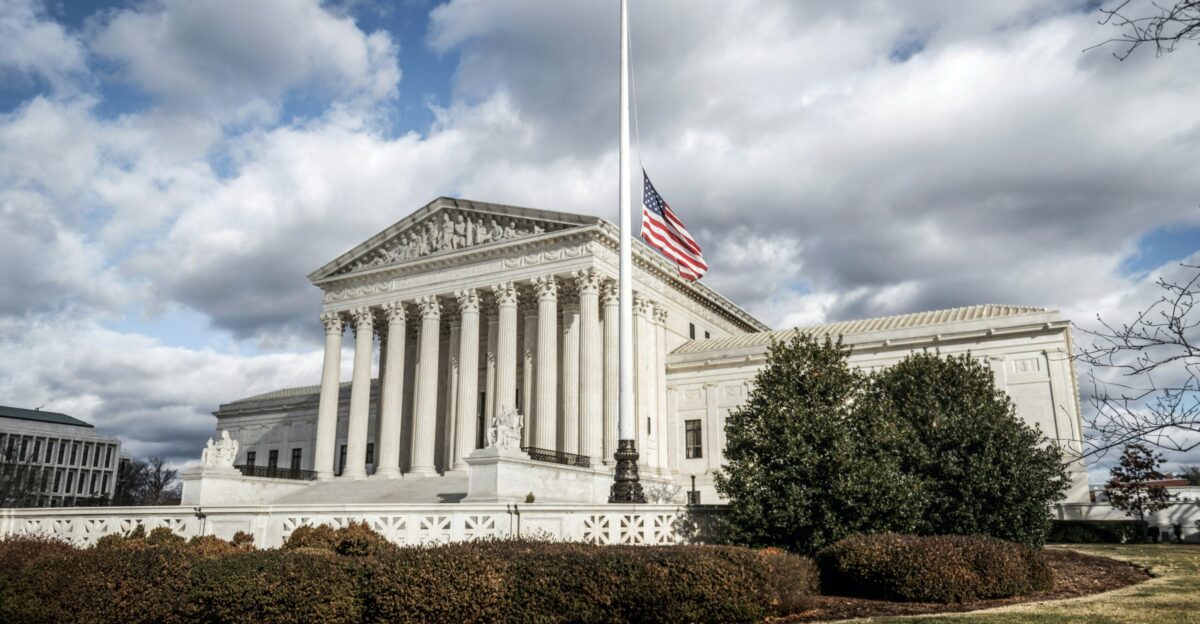
Since 1935, agencies like the FTC have been protected by Humphrey’s Executor v. United States. In that landmark case, the Supreme Court unanimously held that Congress could impose for-cause removal limits on multi-member commissions.
FDR’s attempt to fire an FTC commissioner for political reasons was overturned on precisely these grounds. That decision created a 90-year shield: by law, FTC commissioners can only be removed for “inefficiency, neglect of duty or malfeasance”.
This precedent has insulated regulators from partisan firing sprees, ensuring they can enforce consumer and competition laws without fear of political reprisal.
Rising Pressure
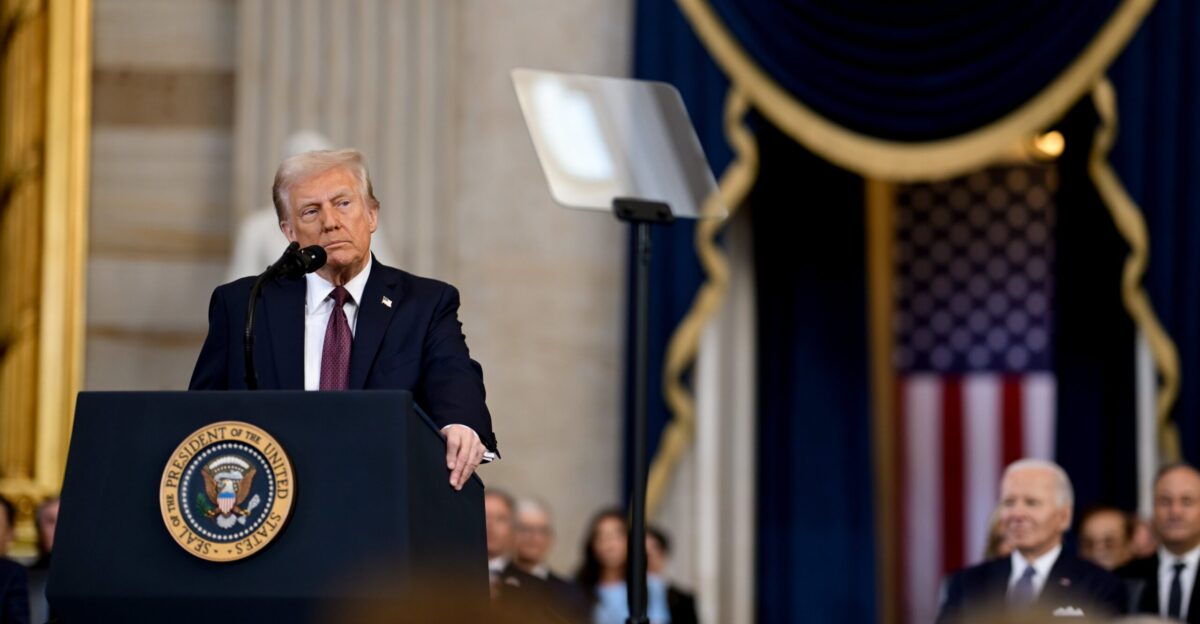
President Trump has been quietly testing this 1935 precedent. Since returning to the office, he has ousted heads of other independent agencies in quick succession. He fired the chair of the National Labor Relations Board and the director of the Merit Systems Protection Board – all via one-line notices.
Those officials immediately sued, arguing their removals violated the same Humphrey’s rule. Indeed, judges in those cases have rebuked the administration, ordering reinstatements pending appeal.
As Senator Reed warned, removing party-line commissioners “solely because they are Democrats” follows “a pattern of this White House brazenly grabbing political power”. These mounting legal battles pressured the Supreme Court to confront presidential removal powers once and for all.
The Slaughter Case

Rebecca K. Slaughter is a 44-year-old consumer advocate, a Yale Law graduate who served as Chief Counsel to Senate Democratic Leader Chuck Schumer. Appointed to the FTC in 2018 (and renominated in 2023), she helped spearhead aggressive antitrust and privacy investigations.
In March 2025, Slaughter and fellow Democrat Alvaro Bedoya were abruptly emailed notices of termination “without any cause”. The White House gave no explanation, prompting their lawsuit. Slaughter immediately denounced the move: “Today the President illegally fired me … violating the plain language of a statute and clear Supreme Court precedent,” she said.
Slaughter insisted she had done nothing wrong, vowing to challenge the firing as an unlawful power grab.
Regional Impact

With Slaughter gone, the FTC’s balance has shifted sharply. By law, the Commission is normally led by five commissioners appointed across administrations to ensure continuity. Now it has only three (all Republicans) and no Democrats.
Observers have already noted a change in priorities: the all-Republican FTC recently held a public forum on the “dangers” of transgender healthcare and warned Google about filtering political emails. Industry executives from Silicon Valley to Wall Street say the absence of Slaughter’s dissenting vote could ease scrutiny of tech, finance, and healthcare mergers.
One analyst warns that companies accustomed to a balanced FTC now face a “very different enforcement climate.”
Human Cost

Even amid these high-level debates, there’s a personal toll. After AliKhan’s July ruling temporarily reinstating her, Slaughter voiced pride in standing up for the agency’s mission. “We are trying to vindicate the law that Congress passed … to make sure that commissioners… can take on the biggest companies in America without fear of getting fired for failing to do a favor,” she told ABC News.
The case has made her a public symbol of agency independence: supporters have donated to her legal fund, and former colleagues say she’s defending every career civil servant who expects to serve across administrations.
Bedoya similarly warned that if independent oversight is eliminated, “big companies can’t just snuff out small [firms] with no consequences – that’s the kind of work the FTC does, and that’s what I fear will go away”.
Competitor Concerns

Big businesses and their lawyers have been watching closely. Trade associations are already lobbying Congress and regulators, sensing that enforcement standards might relax. Without Slaughter’s fierce antitrust voice, some merger deals that faced opposition could now advance more easily.
Antimonopoly groups were outraged: Reuters reported senators and watchdogs saying Trump’s firings seem aimed to “eliminate opposition … to big corporations”.
A leading union lawyer observed that regulators who historically protected small innovators may now bend to industry. Republican-leaning lobbyists, by contrast, argued that Trump’s FTC will merely apply the law more uniformly. In either case, corporate America recognizes the stakes for billion-dollar transactions and compliance rules.
Broader Trend

The Slaughter case fits a larger judicial pattern. Under Chief Justice Roberts, the Court has repeatedly strengthened executive power. In 2020, the justices struck down the independent CFPB director’s protection, with Chief Justice Roberts writing broadly that “the executive power belongs to the president” – a reasoning President Trump’s allies cite in arguing the FTC can change course.
Justice Thomas has openly called for overruling Humphrey’s, warning it threatens America’s “constitutional structure”. “It was only a matter of time before a test case made its way to the court, where the court would have a chance to overrule Humphrey’s,” said law professor Joel Alicea.
Each new case chips away at New Deal-era constraints, signaling that an ascendant conservative majority may be poised to scrap or drastically limit those institutional protections.
Fed in Crosshairs
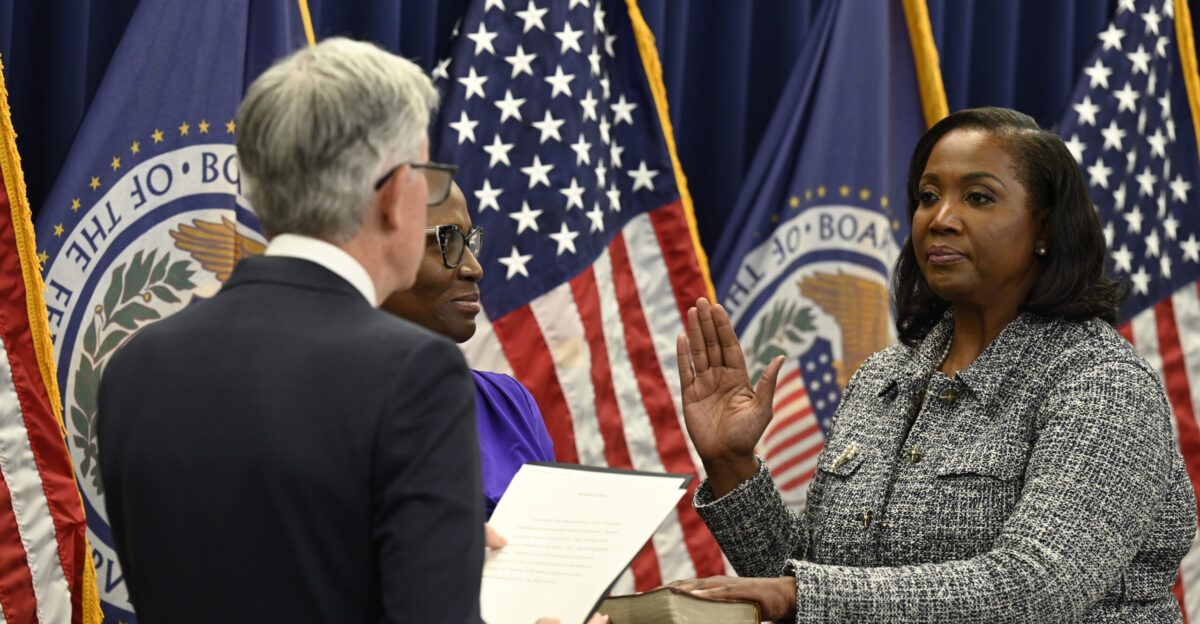
The FTC saga has spilled over into other agencies. In August 2025 Trump attempted to fire Federal Reserve Governor Lisa Cook, accusing her of mortgage fraud (charges she vehemently denies). Cook’s response was defiant: “I will not resign. I will continue to carry out my duties … as I have been doing since 2022,” she said.
Federal Reserve officials emphasized that board governors serve fixed terms and can only be removed for cause. A Fed spokesperson noted that “long tenures and removal protections … serve as a vital safeguard” for economic stability.
Similar battles loom at the SEC and other commissions. The administration has already asked the Supreme Court to block Cook’s firing too, warning that overturning the legal protections could “upend” the Fed’s independence.
Liberal Dissent

Justice Elena Kagan wrote the dissenting opinion, joined by Justices Sotomayor and Jackson. In scathing language she accused the majority of undermining the separation of powers. Kagan warned that the Court’s use of emergency orders has let the President “fire an FTC commissioner without any reason” – an outcome “our own precedent bars” under Humphrey’s.
She lamented that by repeatedly granting such stays, “the majority has handed full control of all [these independent] agencies to the President,” destroying their intended bipartisan structure.
Kagan specifically blasted the “shadow docket” tactic, arguing it should never be used “to transfer government authority from Congress to the President”.
Agency Restructuring
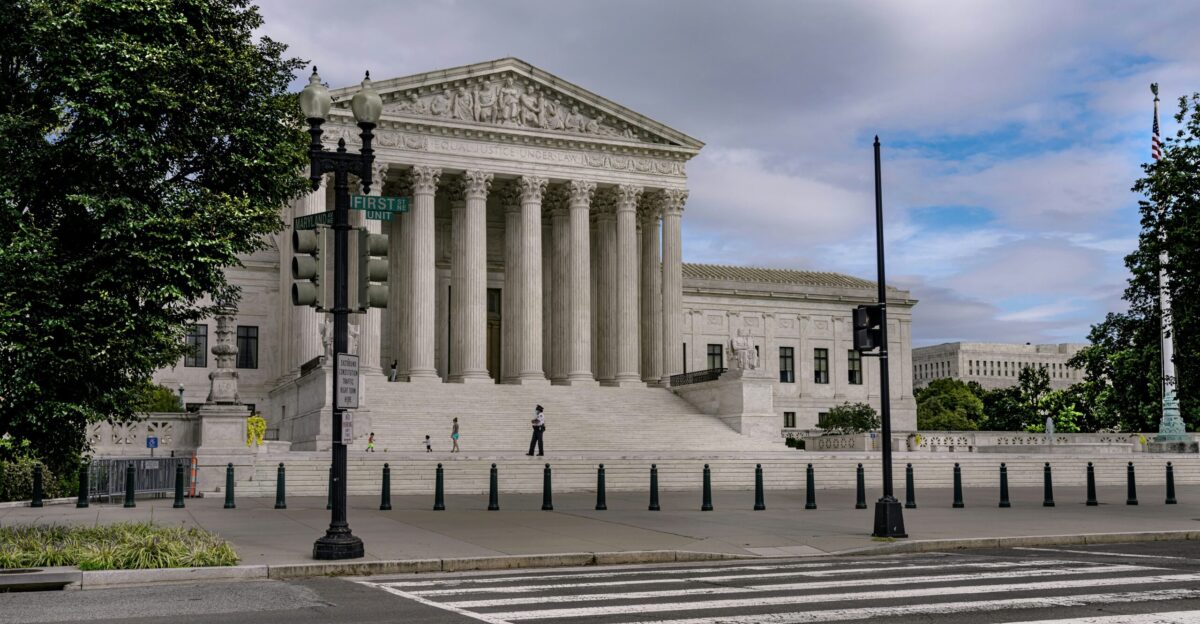
Under the FTC Act, the agency is governed by five commissioners (at most three from the president’s party) to ensure balance. With Slaughter and Bedoya fired, only three Republicans remain on the commission. This is highly unusual: Congress designed the FTC so that bipartisan consensus was needed for enforcement actions.
Now, any rulemaking or major case can go forward on a 2–1 vote without Democratic input. Lawmakers and former commissioners warn that this undermines the FTC’s credibility.
The agency is already understaffed at the leadership level, meaning prolonged vacancies could delay investigations. No replacements have been nominated for the two Democratic seats, effectively paralyzing the traditional bipartisan guardrail on business.
Strategic Response
Washington’s political factions are scrambling. Democratic legislators quickly promised corrective bills. Speaker candidates and committee chairs have signaled they will pursue legislation to codify removal protections and reinforce nonpartisan review.
Congressional oversight committees plan hearings to examine the recent firings and debate fixes. Republicans, meanwhile, hailed the Court’s move. Some GOP senators argue the ruling “restores constitutional order” by making agencies accountable to an elected President.
The White House itself claims that independent agencies grew too insulated and need direct direction. Trump’s allies are preparing for the December fight by touting bold reforms, while critics vow to campaign on defending norms.
Expert Skepticism

Outside the political fray, scholars and policy experts are alarmed. Many note that independent agencies were not created to be partisan institutions. One analysis points out that regulatory commissions draw on neutral expertise; insulating them from political swings was intended to give markets and consumers predictable rules.
If courts allow these firing powers, experts warn it will undermine public trust. As one constitutional scholar puts it, longevity and neutrality are precisely what give credibility to consumer protection agencies.
Polls show Americans broadly support nonpartisan enforcement, suggesting that moves toward politicization could have broad backlash and shake confidence in the rule of law.
December Showdown

All eyes are now on early December. The Supreme Court has set Slaughter’s case for argument in the first week of the term. In its order, the Court asked lawyers to address whether Congress’s removal limits conflict with the Constitution, and if so, whether Humphrey’s Executor should be overruled.
The justices will decide whether independent agencies can continue to function under statutory “for cause” protection, or whether presidents regain unfettered firing authority.
The outcome could upend nearly a century of separation-of-powers law. Until then, the legal status of Slaughter and similar officials hangs in limbo.
Political Ramifications
The showdown is already roiling national politics. Democrats have framed Trump’s firings as an authoritarian power grab. Senator Reed called the terminations “an abuse of power” that would “breed unchecked anticompetitive consolidation”.
He warns voters in November will hold leaders to account for attempts to undermine oversight. Republicans counter that an accountable executive is essential. Many GOP leaders credit the Court for limiting bureaucracy; Senator Josh Hawley (R-MO) said an empowered presidency keeps agencies “aligned with voters,” not career staff.
Election-year ads are already being drafted on both sides. Fact-checkers note congressional members from both parties have announced hearings, indicating the case will remain a hot issue on Capitol Hill.
International Concerns

America’s allies and trading partners are watching nervously. U.S. regulatory stability underpins many trade agreements and financial flows; sudden shifts could jolt global markets. This spring, the Trump administration issued sweeping orders to put dozens of federal regulators under the White House’s thumb.
Observers in Europe and Asia expressed unease, noting that mutual trust depends on the U.S. upholding rule-of-law norms. For example, multinationals preparing supply chains or tech investments rely on predictable antitrust and safety standards.
Global finance experts warn that any hint of political meddling in agencies like the Fed or SEC could spook investors. In short, markets from Tokyo to Brussels are factoring this crisis into their outlook on U.S. leadership.
Legal Precedent

Every court below the Supreme Court has been clear: Humphrey’s still applies. Last July a D.C. district judge blocked Slaughter’s firing, finding it violated the Federal Trade Commission Act. A divided D.C. Circuit upheld that decision, with Judges Patricia Millett and Nina Pillard writing that Humphrey’s was “controlling and directly on point”.
Lower courts held that because the FTC acts quasi-legislatively, its commissioners cannot be removed at will without defying Congress’s intent.
This consensus underscores that Trump’s action has been widely viewed as inconsistent with established law. The Supreme Court’s upcoming ruling is thus a true pivot: it will either affirm these decades of interpretation or overturn them.
Cultural Shift

Behind the legalisms lies a cultural debate. Some commentators say younger Americans are more likely to distrust entrenched institutions and favor decisive executive control, while older generations tend to support long-standing checks and balances.
Nationwide surveys indicate growing polarization over how much power a president should wield unchecked. Many young voters, especially those frustrated by gridlock, see independent agencies as part of an inefficient status quo.
Civic institutions have historically been trusted more by older demographics. This generational divide echoes the partisan split: to one side, the fight is about modernizing government; to the other, about preserving a tradition built for stability.
Constitutional Crossroads
Ultimately, the Slaughter saga asks which model America will follow. Will the country preserve the New Deal’s vision of independent expert agencies, or embrace a top-down, unitary-executive approach? Some Trump allies invoke a broad reading of Article II, suggesting all regulators report directly to the President.
Critics label this the “unitary executive” theory. As Guardian columnist Jessica Glenza noted, one analyst warned it amounts to treating the president like a “king” who can overrule Congress’s designs.
The upcoming Supreme Court decision will set the answer. If Humphrey’s stands, independent agencies remain a bulwark of expertise.