
A powerful scientific modeling project has captured global attention with a dire warning: humanity faces a looming “triple whammy” extinction threat.
According to a January 2025 study published by the University of Bristol, their supercomputer forecasts that converging dangers—including climate disruption, unsustainable population growth, and intensified resource depletion—may threaten the planet’s habitability on an unprecedented scale..
“This is not just one disaster, but several happening together,” explains Dr. Eunice Lo, climate expert at Bristol. The scenario has triggered deep concern among policymakers and scientists alike.
Risks Intensify Globally
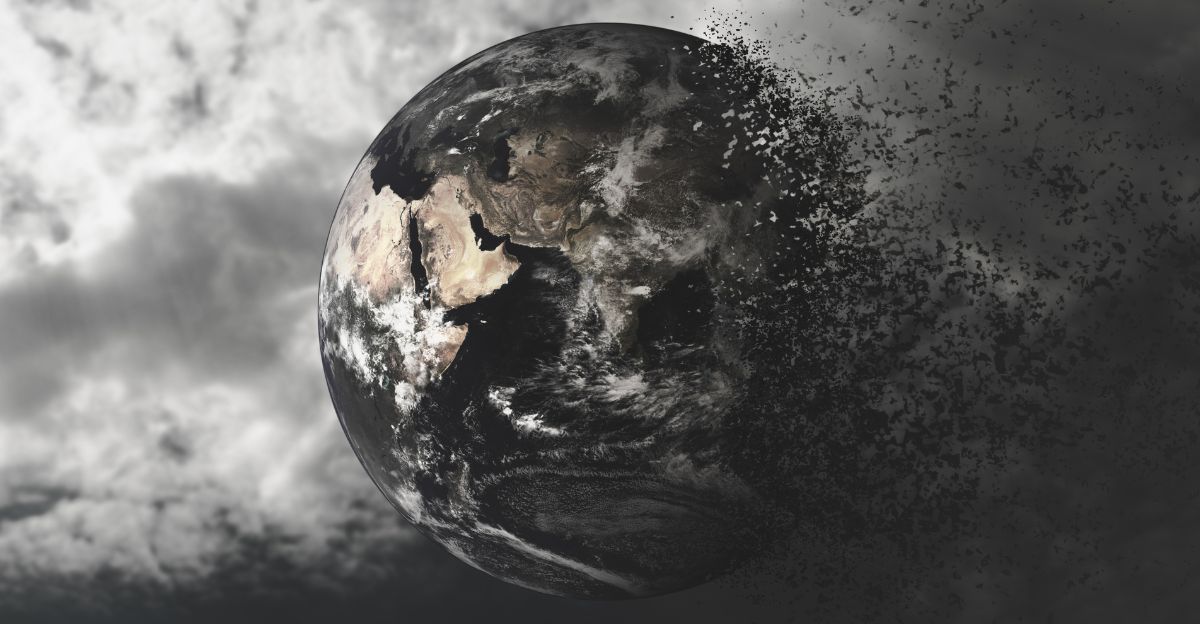
Today’s global risks are more severe and complex than ever before, experts say. Models by the Intergovernmental Panel on Climate Change (IPCC) highlight multiplying effects—heatwaves strike more often, storms grow in intensity, and vital resources become increasingly scarce.
“Triple whammy” refers specifically to climate change, resource depletion, and population spikes. Each factor worsens the impact of the others, demanding integrated solutions from world leaders.
Lessons from the Past

Earth’s history has been shaped by five major mass extinction events, each triggered by different forces—asteroid impacts, drastic climate shifts, and volcanic eruptions.
According to Daily Galaxy’s 2025 analysis, scientists aim to learn from these ancient crises while projecting future threats.
“We must understand how past extinctions unfolded so we can prepare,” says Dr. Michael Benton, paleontologist. This context helps inform current supercomputer simulations.
Pressures Mount on Humanity

Fast-rising global temperatures and surging population growth drive ecosystems closer to collapse. The United Nations projects the world’s population will reach 9.7 billion by 2050, intensifying demand for food, water, and energy.
“The stress on natural systems is overwhelming,” notes Dr. Sarah Kaplan, an environmental researcher. Such pressures increase the risk of cascading failures in population centers.
Simulation’s Forecast
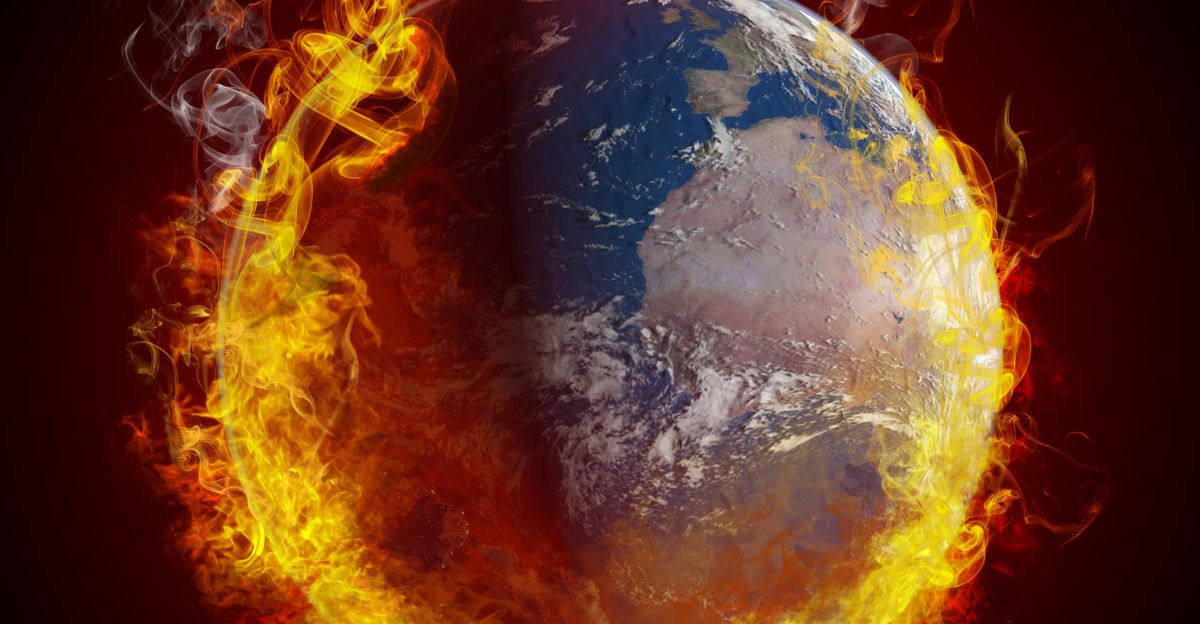
In a landmark study unveiled in January 2025, supercomputer simulations from Bristol University suggest that life on Earth could face mass extinction in about 250 million years.
Researchers found that the formation of a supercontinent would create brutally hot, dry environments hostile to most life forms. “Almost all mammals could die out from the heat and humidity alone,” says lead author Dr. Alexander Farnsworth.
Regional Impacts Emerge

Certain regions—Africa, Southern Asia, and the Middle East—may experience devastating heatwaves and water shortages first. IPCC models warn these areas face longer, more intense droughts and crop failures before the rest of the world.
“These impacts will hit vulnerable communities hardest,” reports the World Meteorological Organization. Adaptation strategies vary widely by country.
Human Toll

The human impact of these converging dangers is already apparent. In recent summers, heatwaves killed thousands from Europe to Asia, says Reuters.
“The toll on public health is huge and rising,” observes Dr. Rachel Lowe, epidemiologist. As food and water security erode, migration and social stress climb, straining international response capacity.
Governments and Regulators Act
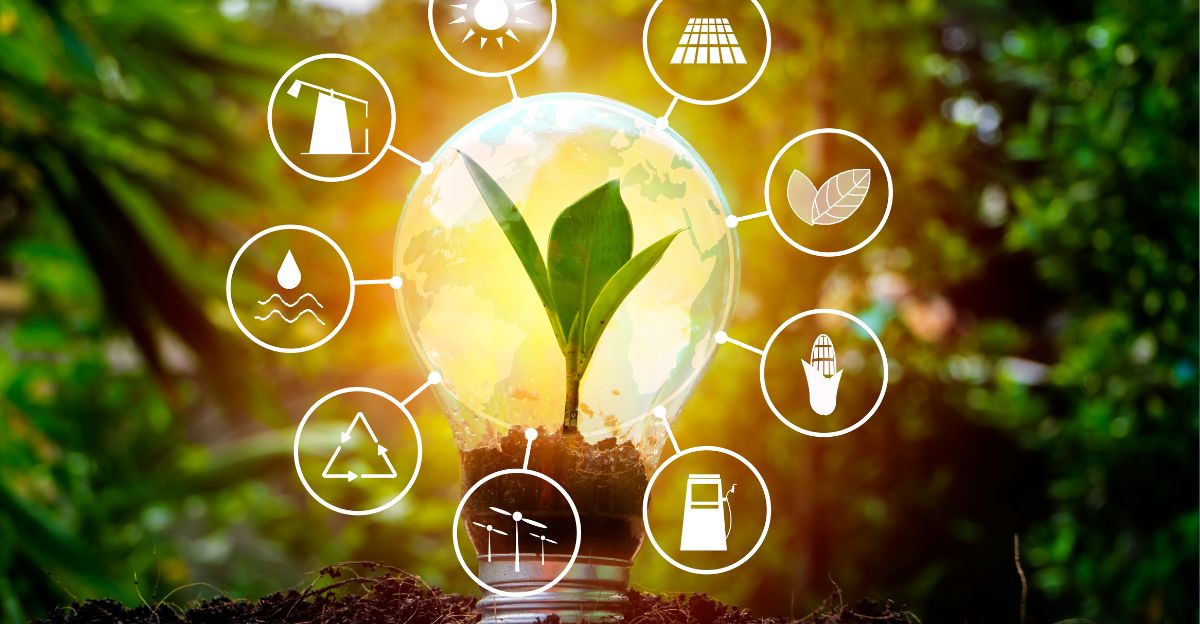
Regulatory agencies worldwide are stepping up. The IPCC urges all nations to cut greenhouse gas emissions faster and coordinate disaster management.
Political leaders debate stricter policies while supporting research in renewable energy. “We need a historic transformation,” EU Commission President Ursula von der Leyen recently stated.
Macro Trends Shape Future

Long-term modeling reveals that population growth intensifies nearly every environmental challenge. The UN highlights how megacity expansion and infrastructure strain compound disaster risks.
“Urban planning must catch up or millions will be at risk,” comments Dr. Mark Jefferson, urban ecologist. This macro trend is critical for sustainability.
Volcanic Threat Amplifies Climate Risks
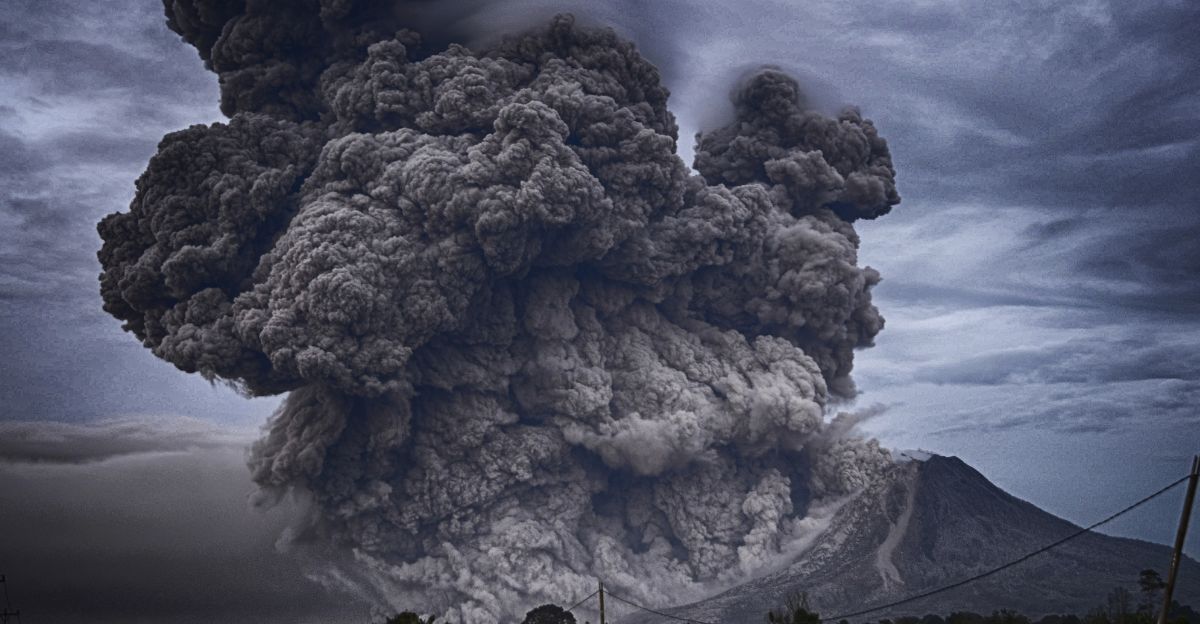
Besides heat and humidity, volcanism adds a new layer to extinction risks. The Bristol study warns that as supercontinents form, volcanic eruptions could spike, pumping massive quantities of CO2 into the atmosphere.
“This combination could dramatically worsen global warming,” confirms geologist Dr. Lydia Marshall. Scientists urge global monitoring and mitigation plans.
Frustration Surges
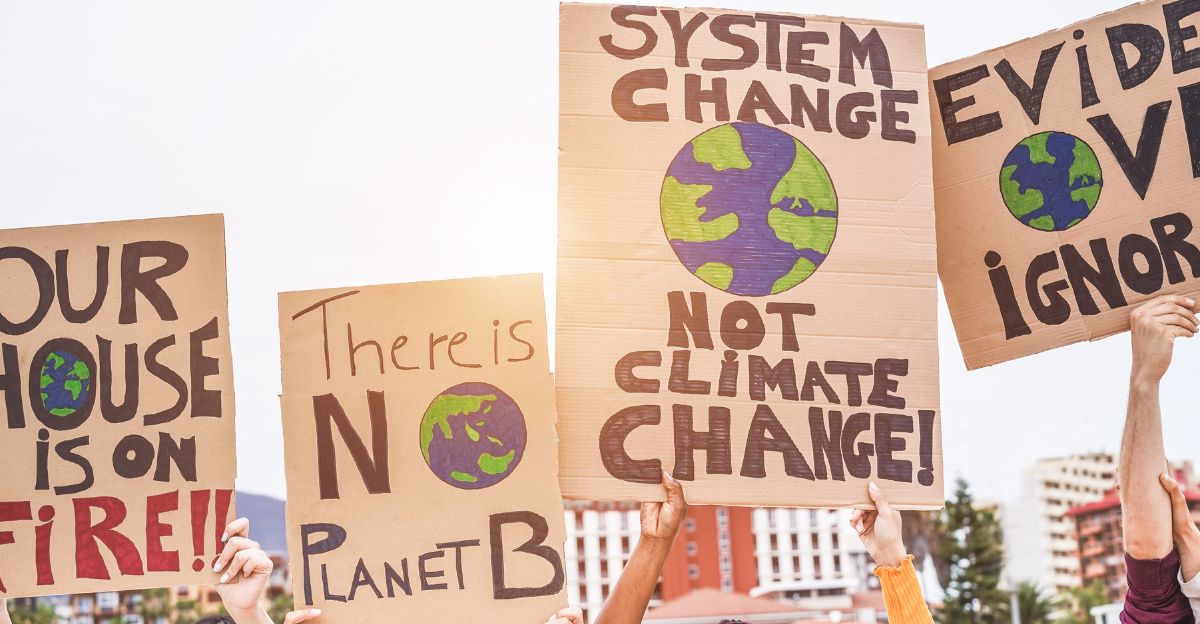
Many policy experts believe world leaders are slow to respond. Global climate summits repeatedly fall short on binding commitments, angering advocacy groups.
“We need less talk and more action,” said Greta Thunberg at COP28. Increasingly, scientists and activists call for emergency measures.
Shifting Leadership Dynamics
Leadership in sustainability is shifting toward coalitions of scientists, youth activists, and non-governmental organizations.
Governments increasingly look to non-state actors for innovative approaches. “Collaboration outside traditional politics is crucial,” says Dr. Raj Patel, policy analyst.
Rising Resilience and Recovery Projects
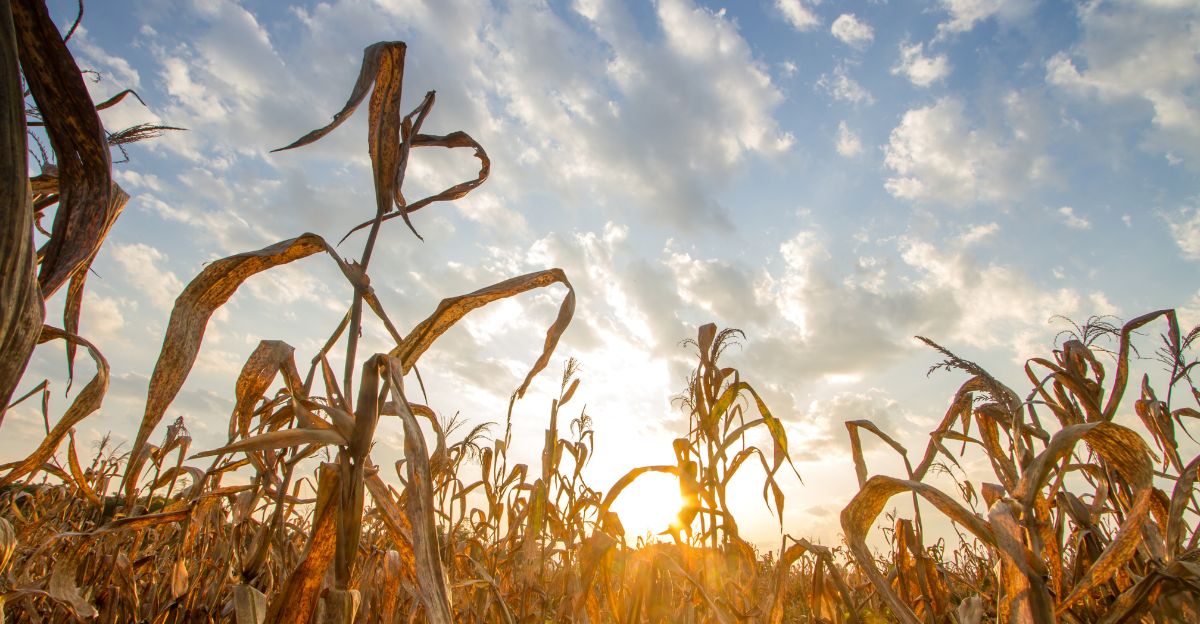
Countries invest in adaptation—from resilient infrastructure to heat-resistant crops and water recycling. Funding for innovation accelerates in both wealthy and developing nations.
“Recovery starts with local solutions,” offers urban planner Maria Lopes. Several cities are piloting underground cooling systems.
Scientific Skepticism
Not all experts agree on the timeline or magnitude. Some challenge the supercomputer’s assumptions about tectonic shifts, species adaptation, and human technology’s future.
“Extinction could take far longer or never occur at all,” notes astronomer Dr. Neil deGrasse Tyson. Still, consensus remains about risk convergence.
Uncertain Future
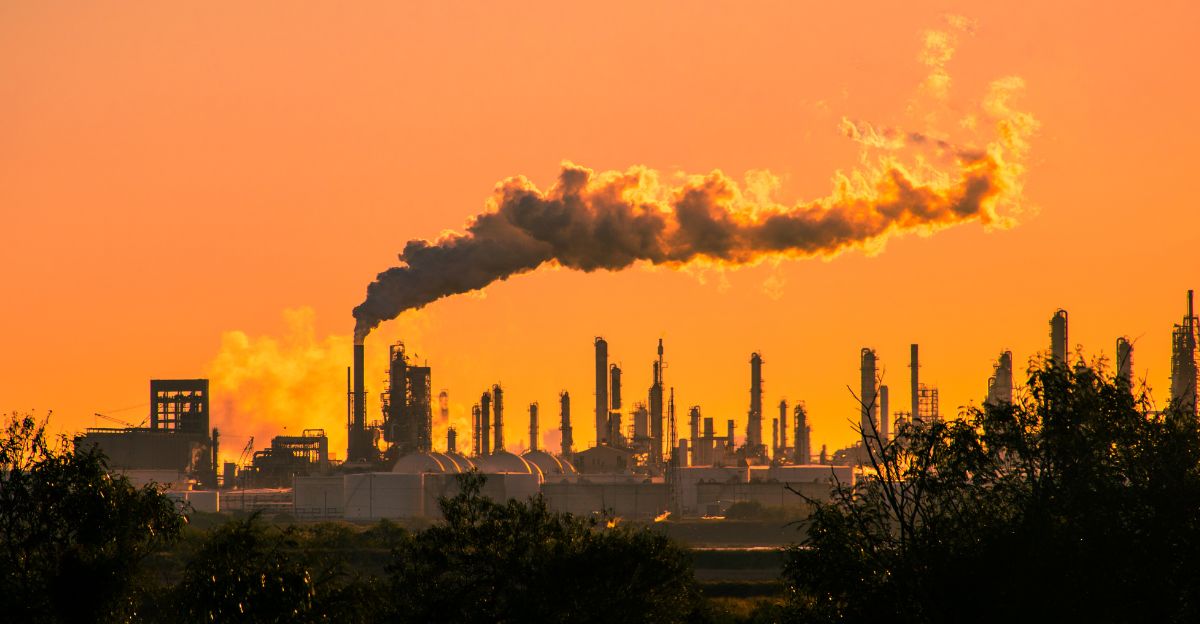
Looking ahead, researchers confront open questions. What policies could prevent converging threats? Can technological advances keep pace with rising risks?
“The window for decisive action is closing,” says IPCC Chair Dr. Hoesung Lee. Resilience depends on global coordination.
Political Challenges Deepen
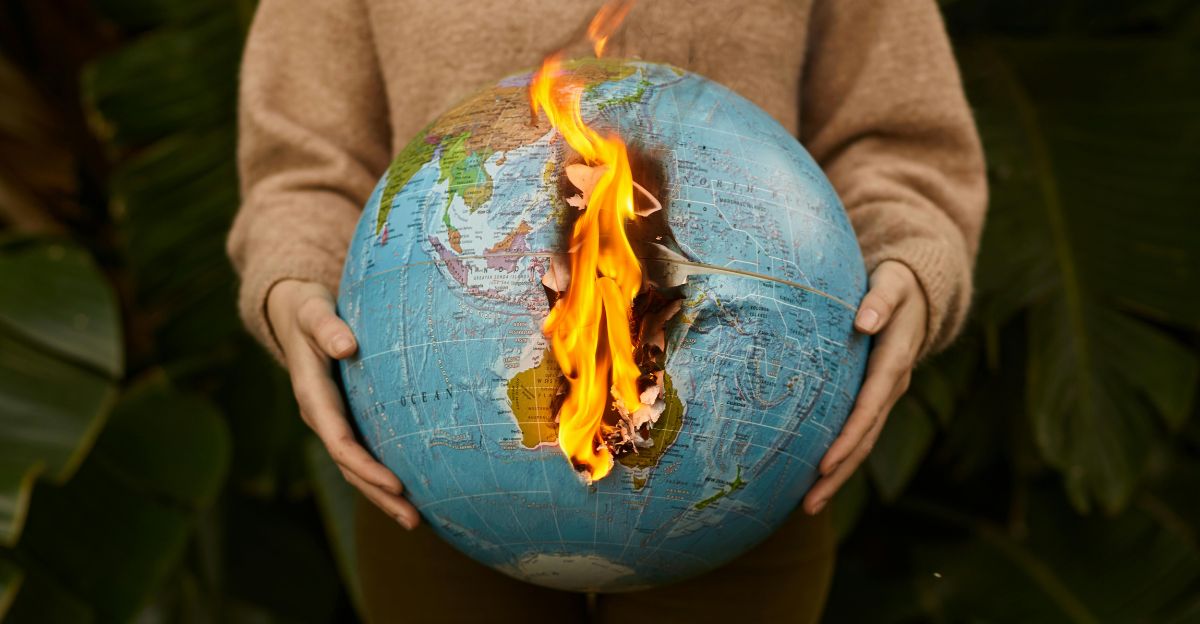
Domestic and international politics increasingly tie population and climate planning to security agendas.
“Climate risk is a national and global threat,” argues U.S. climate envoy John Kerry. Diplomatic efforts evolve rapidly in response to new science.
International Instability Rises
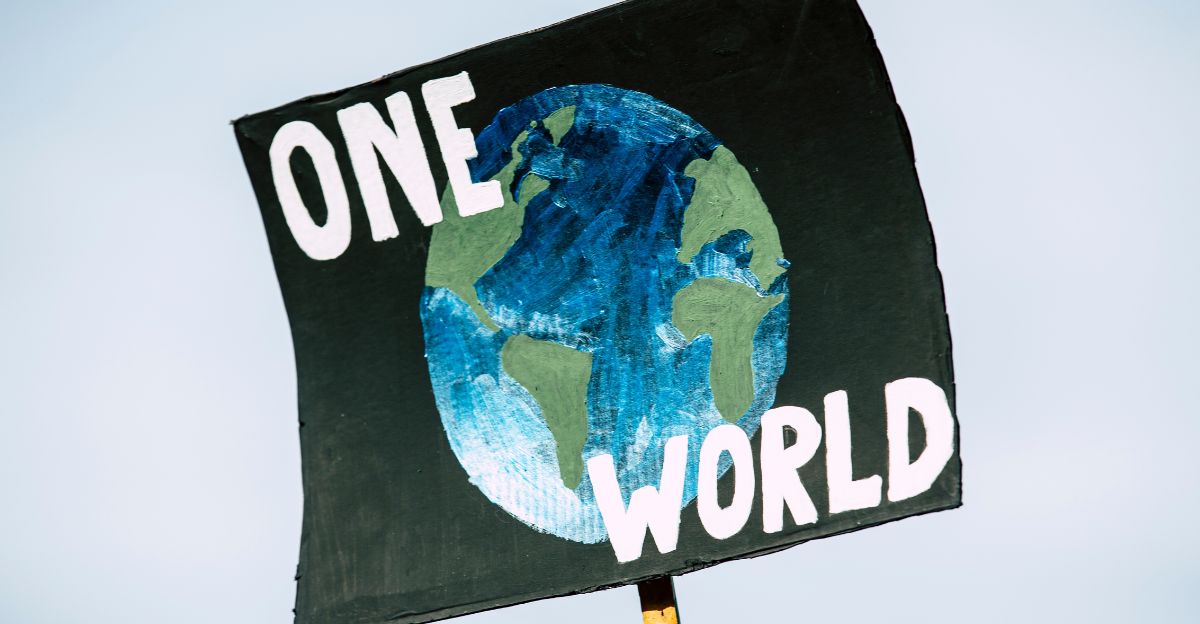
Resource scarcity and environmental disasters disproportionately hurt low-income nations, fueling migration and regional conflict.
Global equity debates now dominate climate conferences. “Rich nations must support vulnerable ones,” states UN Secretary-General António Guterres.
Law and Environment
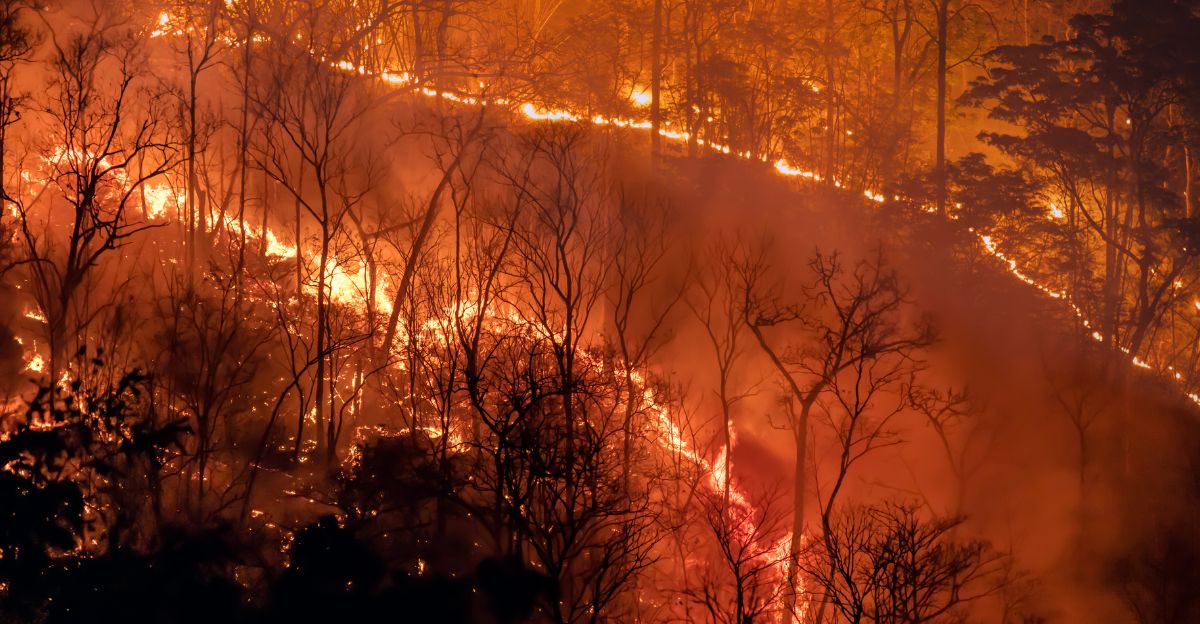
Legal responses expand, with more courts recognizing climate refugees and demanding stricter emission controls. Corporate responsibility for environmental harm is increasingly enforced.
“Legal accountability pushes companies to act,” notes attorney Masha Ivanov. Regulatory requirements continue to evolve.
Cultural and Ethical Shifts

Generational attitudes shift toward sustainability. Ethical debates arise regarding geoengineering, population management, and global priorities.
“The next generation faces risks we created,” reflects philosopher Dr. Alan Fiske. This drives new narratives in media and education.
Broader Reflection
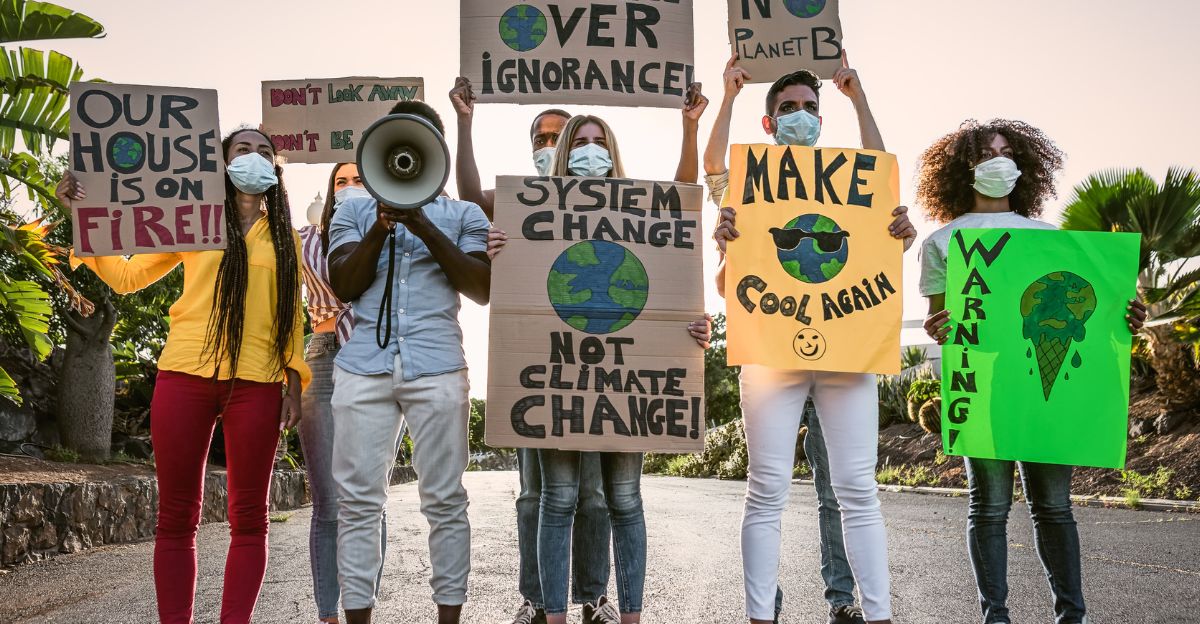
Ultimately, the “triple whammy” warning is a call for urgent, collective action. Scientific evidence affirms the risk—whether near or distant—demands preparedness now.
“As experts agree, it’s not one disaster, but many colliding at once,” says Dr. Eunice Lo. The future is not fixed; today’s choices shape tomorrow’s outcome.