
Waiting rooms are filling fast. Across the U.S., clinics and emergency departments are reporting a sharp surge in respiratory illness this winter, with influenza driving much of the strain.
Federal surveillance indicates that flu-like symptoms now account for a historically large share of outpatient visits, significantly exceeding normal seasonal baselines.
Physicians describe crowded facilities and longer wait times, particularly in major urban centers, as infections accelerate toward mid-season peaks—echoing patterns seen during past severe H3N2 flu years.
Doctors Overwhelmed

Clinicians across multiple states describe an unrelenting wave of patients with fever, cough, and shortness of breath.
Many who test positive for influenza are also being evaluated for COVID‑19 and RSV, stretching staffing and bed capacity.
Hospitals in New York, Colorado, and other high‑activity states have activated surge protocols to handle demand. Health officials warn the data still trails real‑time transmission, meaning worse weeks could be ahead.
Past Flu Seasons

For context, U.S. flu seasons dominated by H3N2 have historically been rougher, particularly for older adults.
CDC data from 2024–25 show that 95.9% of 38,960 flu‑associated hospitalizations involved influenza A, with 41.1% linked to H3N2.
Those seasons also tend to feature lower vaccine effectiveness against infection compared with H1N1 years, even when the vaccine is reasonably matched. That legacy shapes today’s concern.
Mounting Pressures

Alongside seasonal patterns, several pressures are converging. Vaccination coverage has dropped to approximately 42% for both adults and children, down from a peak of 53% in 2019-2020, leaving more people susceptible.
At the same time, pandemic-era masking and distancing lowered flu circulation, which may have reduced residual population immunity.
Experts say that when a more transmissible H3N2 lineage arrives in this environment, health systems can see sharp spikes in outpatient and emergency visits.
Super Flu Threshold

The latest CDC FluView report indicates that 8.2% of all outpatient healthcare visits are now for influenza-like illness, the highest level in 28 years of tracking, according to news outlets summarizing the data.
That share is commonly described as “doctor visits” in public reporting. Thirty states are classified in CDC’s “very high” flu activity tier, with only Montana, South Dakota, Vermont, and West Virginia reporting low or moderate activity, underscoring a truly nationwide surge.
By early January 2026, the season had already claimed approximately 5,000 lives, hospitalized 120,000 people, and infected 11 million Americans.
Hotspot States

The surge is not evenly distributed. CDC’s state‑level maps show 30 states in the “very high” influenza activity category, with an additional 15 states in the “high” category, spanning the South, Midwest, and Northeast.
New York has reported record weekly flu case counts—including 72,133 cases in a single week—and hospitalizations reaching 4,546 in one seven-day period this season. State Health Commissioner Dr. James McDonald warned, “Almost 1,000 more people were admitted to a hospital during this most recent seven-day period compared to the prior week.”
States like Colorado are seeing rapid growth of the same dominant strain. Local health departments are urging vaccination and mask-wearing in crowded indoor settings as clinics fill up.
Human Cost

Behind the aggregate curves are individual families and patients. H3N2‑dominant seasons have previously driven higher hospitalization rates among adults over 65 and people with chronic conditions, according to CDC analyses.
During the 2024–25 season, there were 289 influenza‑associated pediatric deaths in the U.S., most linked to influenza A—making it the deadliest pediatric flu season on record since the CDC began tracking in 2004.
Eighty-nine percent of the children who died were unvaccinated. That toll informs current warnings to parents as pediatric wards prepare for an increase in admissions.
Variant in Charge

Virologists say one lineage is now driving most of the activity: influenza A(H3N2) subclade K. CDC reports that among influenza A viruses characterized so far in the 2025–26 season, H3N2 accounts for the overwhelming majority, and 89.5% of H3N2 samples characterized since September 28, 2025, belong to subclade K.
That dominance helps explain the rapid, geographically widespread rise in cases. Johns Hopkins virologist Dr. Andrew Pekosz explained, “It is spreading so quickly that the increased numbers of influenza cases it causes can swamp a medical center with cases quickly.”
Global Rise

The World Health Organization notes that H3N2 subclade K, also known as J.2.4.1, has shown a rapid increase since August 2025.
It has been detected in more than 34 countries over six months, with particularly early and intense activity in Australia, New Zealand, the United Kingdom, and Japan.
This global pattern signaled risk for a challenging Northern Hemisphere season as the virus continued to outcompete other flu strains.
Vaccine Mismatch Twist

A key concern is timing. Subclade K emerged after WHO experts had already recommended vaccine strains for 2025–26 in February 2025, which were based on a related H3N2 subclade J.2 reference virus.
The variant was first detected in New York in June 2025, months after the vaccine composition was finalized.
Researchers at Gavi and in peer‑reviewed studies report that subclade K carries seven mutations on the hemagglutinin gene segment—changes that alter the virus’s shape and help it evade immune recognition—compared with that vaccine strain, raising the risk of reduced protection against infection, even though protection against severe disease is expected to remain.
Expert Tensions

Some experts worry the U.S. is confronting this drifted variant with weaker defenses. A CIDRAP analysis quoted Canadian epidemiologist Danuta Skowronski, who said subclade K represents a “major drift, not a shift,” but acknowledged its potential to erode existing immunity.
At the same time, infectious-disease specialist Amesh Adalja told Axios that the term “super flu” is sensational and that there is no evidence this strain is inherently more severe than prior H3N2 variants.
Naming the Threat

The label “super flu” has been featured in headlines, but health agencies stress that it is not an official designation. Axios reporting notes that many U.S. cases this season are being attributed to subclade K, which has fueled the nickname.
Adalja and other experts emphasize that the main issue is widespread susceptibility and partial vaccine mismatch, rather than a new virus type, which distinguishes this event from a pandemic-level shift.
Hospital Strategies

Hospitals are deploying familiar strategies to manage the surge. Facilities in high-activity states are expanding fast-track respiratory clinics, increasing the use of telehealth for milder cases, and refining testing algorithms to separate influenza from COVID-19 and RSV.
STAT reports that emergency departments are seeing an increase in people with low oxygen levels and complex co-infections, prompting the early use of antivirals such as oseltamivir when flu is suspected. Hospitals are admitting patients “at a higher frequency than usual” with “potentially life-threatening situations.”
How Dangerous is it?

Despite the high case counts, current evidence does not show that subclade K causes more severe disease per infection.
A CDC statement cited by STAT states that there is “no evidence” that the H3N2 subclade K is linked to worse individual outcomes.
New Atlas likewise reports that the virus’s mutations mainly enhance immune evasion and transmission, rather than virulence. The concern is more about the number of infections than about a newly deadly strain.
What Comes Next

With the season’s peak still expected in 3-6 weeks—late January or early February—officials face key questions. Will vaccination, antivirals, and public‑health messaging be enough to blunt hospitalizations, or will further measures be needed in hotspot regions?
CDC epidemiologist Krista Kniss cautioned, “We are far from finished.” CDC guidance continues to stress vaccination for everyone six months and older, prompt treatment for high‑risk patients, and staying home when sick.
How well communities adhere could shape the late‑season trajectory, particularly as data does not yet capture illness from New Year’s holiday travel and gatherings.
A Wake‑Up Call

The rise of subclade K is prompting broader policy discussions. WHO’s global situation report underscores the importance of robust genomic surveillance to detect such drifts earlier.
Analysts at CIDRAP argue that vaccination strain‑selection timelines may need revisiting as real‑time sequence data expand.
Some experts suggest investing more in flexible platforms, including mRNA, to allow for faster updates when drifted variants, such as subclade K, appear after strain choices are locked.
Beyond U.S. Borders
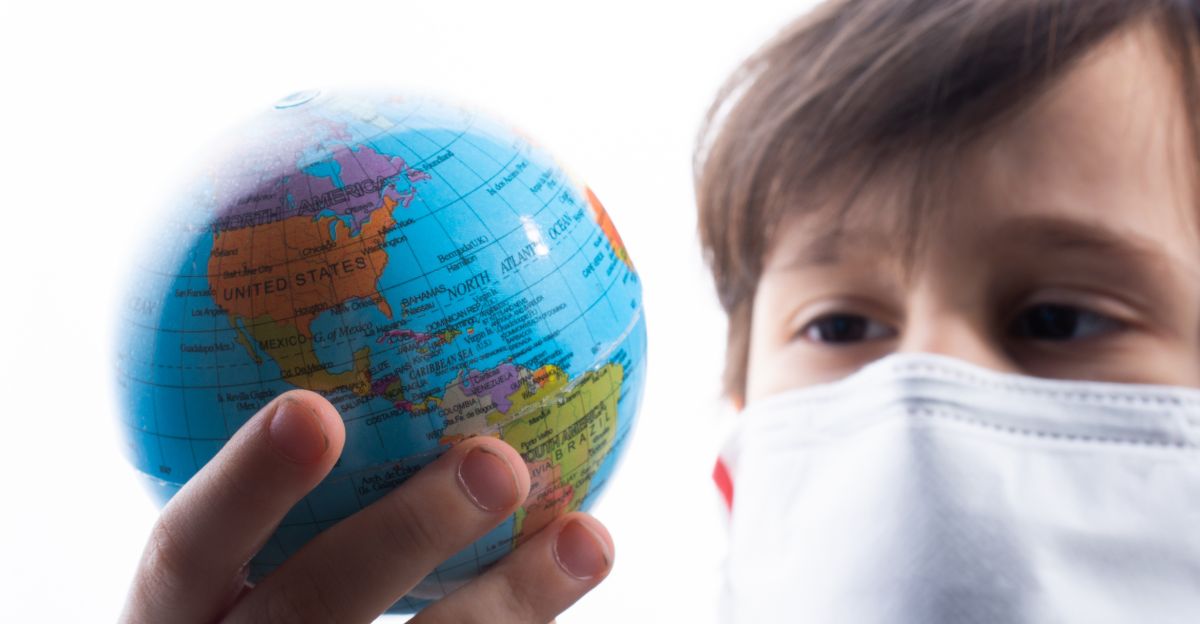
Internationally, Europe has already experienced steep waves of subclade K. According to WHO Europe’s Hans Henri P. Kluge, the strain has accounted for up to 90% of confirmed influenza cases in some countries and placed “enormous pressure” on health systems, even without an increase in intrinsic severity.
Early outbreaks in Japan, the U.K., and Canada during their autumn provided a preview of what North America is now seeing.
Preparedness Questions

The current season is also testing national preparedness frameworks. While there is no specific litigation tied to subclade K, prior severe flu seasons have spurred debates over hospital staffing standards, paid sick leave, and employer vaccination policies.
Public-health groups argue that recurring high-intensity flu years strengthen the case for stronger sick-leave protections and more consistent funding for surge capacity, rather than relying on emergency improvisation each winter.
Culture of Flu Risk

Culturally, the “super flu” narrative reflects a shifting public perception of respiratory illnesses after COVID-19. Axios reports that some people now conflate any intense flu wave with a pandemic‑level threat, while others downplay influenza as routine.
Health communicators are trying to strike a balance: warning that H3N2 seasons can be deadly, especially for children and older adults, without overstating the novelty of subclade K or causing fatigue with alarmist language.
Lessons in Evolution

This winter’s outbreak illustrates how incremental viral evolution can have outsized real‑world effects. Subclade K remains the same H3N2 subtype first seen in 1968, yet a cluster of seven hemagglutinin mutations, a vaccine mismatch, and waning population immunity driven by falling vaccination rates have combined to drive the most flu‑related visits in decades.
For policymakers, clinicians, and the public, the episode underscores that “ordinary” seasonal flu can still deliver an extraordinary strain on health systems.
Sources:
CDC – “Weekly U.S. Influenza Surveillance Report (FluView), Week 49 2025–26” – Dec 2025
CDC – “Weekly U.S. Influenza Surveillance Report (FluView), Week 50 2025–26” – Dec 2025
CDC – “Influenza Activity in the United States during the 2024–25 Season” – Sept 2025
CDC – “2025–2026 Flu Season” – 2025
CDC MMWR – “Influenza-Associated Pediatric Deaths — United States, 2024–25 Season” – Sept 2025
STAT – “Flu season 2026: Welcome to the winter of subclade K” – Jan 6 2026