Every dog shows affection, but not all in the same way. Some breeds spread their warmth freely, while others seem to pledge loyalty to a single person for life. Research in canine behavior suggests these tendencies stem from selective breeding, which encouraged certain dogs to be adaptable companions and others to act as watchful protectors.
“Some breeds are open to the world, others attach deeply to one individual,” explained Dr. Monique Udell, an animal behavior researcher at Oregon State University. Here are five dogs known for universal affection, and four with a more exclusive bond.
The Hallmarks of a ‘Free Love’ Breed
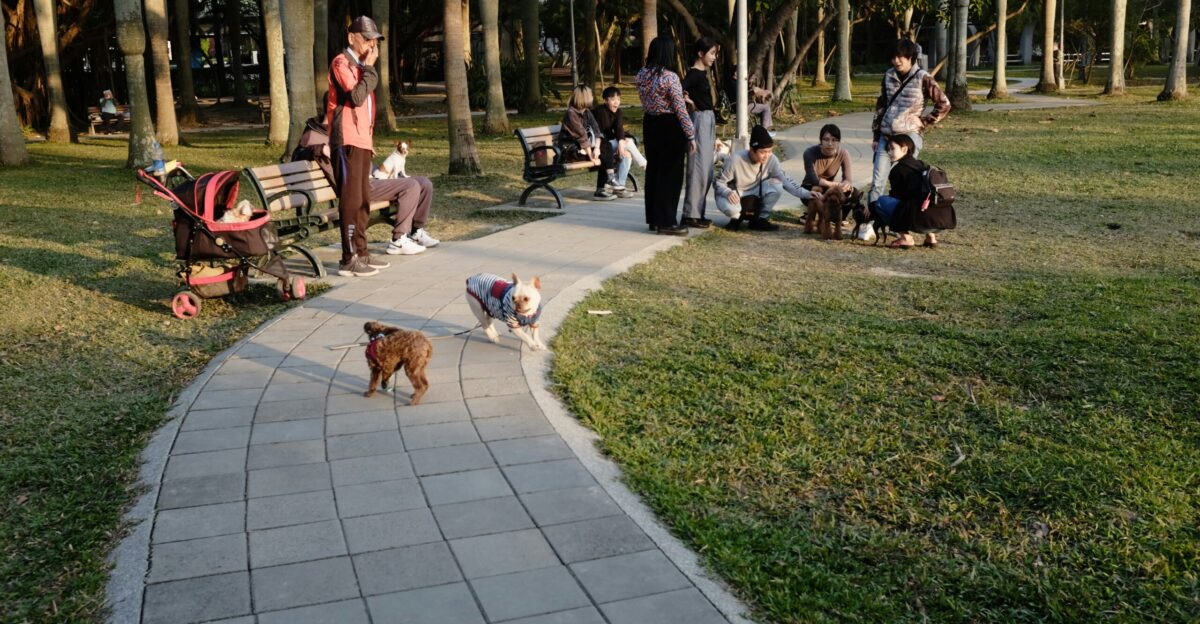
Breeds that love broadly tend to show consistency. They are adaptable, quick to welcome newcomers, and less prone to jealousy. Their steady temperaments allow them to succeed as therapy, guides, and reliable family pets.
In households with frequent visitors, they act as natural hosts, keeping everyone at ease. Experts say their friendliness is as much an asset as their physical traits.
1. Golden Retriever – Friend to All
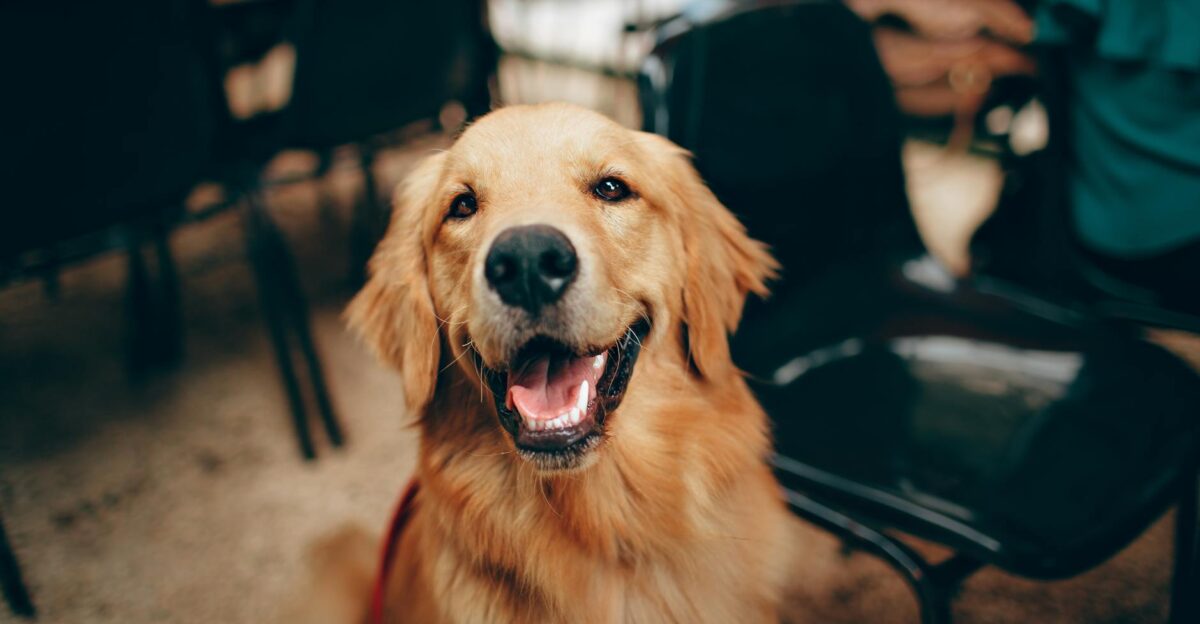
Few dogs embody friendliness like the golden retriever. Bred in Scotland for their steady temperament and cooperative nature, Goldens became favorites in homes, hospitals, and airports. Their calm, approachable demeanor makes them equally at ease comforting patients or playing fetch in the backyard.
Trainers often call them “social glue” because they bridge gaps between people as naturally as they wag their tails.
2. Labrador Retriever – The People Magnet
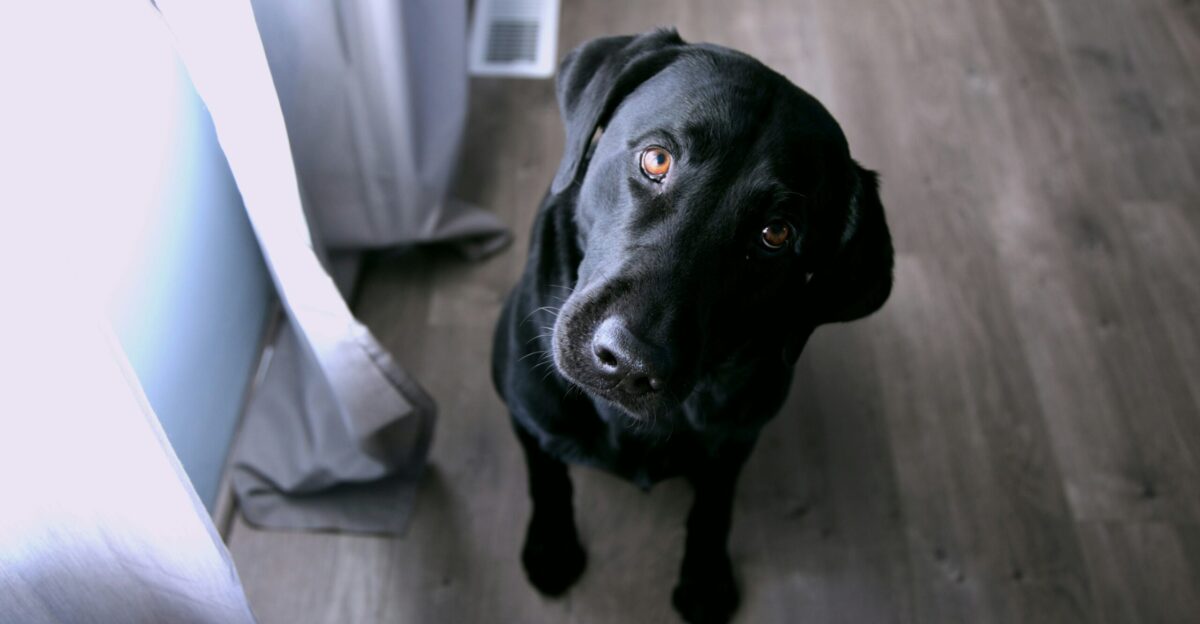
Labradors are global favorites, topping registration lists in the United States and beyond. Known for their eager-to-please personalities, they bond quickly with anyone willing to throw a ball or offer a scratch. Their gentle yet outgoing manner has made them reliable service dogs, family pets, and therapy companions.
Experts say their success comes from breeding that values versatility and friendliness, ensuring they adapt to nearly any setting.
3. Cavalier King Charles Spaniel – The Social Lapdog
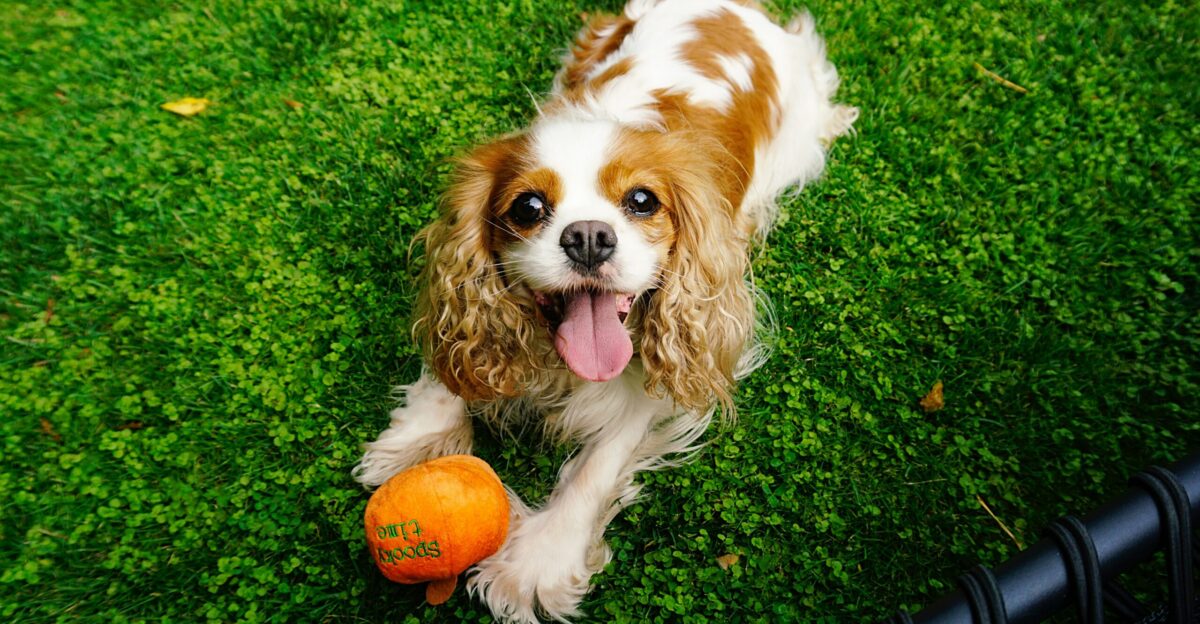
Once prized by European royalty, Cavalier King Charles Spaniels carry centuries of companionship in their DNA. They thrive on closeness, whether curled on a lap or joining a family gathering. Small in stature but expansive in affection, they are particularly known for easing loneliness among seniors.
Veterinary behaviorists note that Cavaliers are unusually welcoming to strangers, rarely showing the wariness seen in other toy breeds.
4. Beagle – Life of the Party
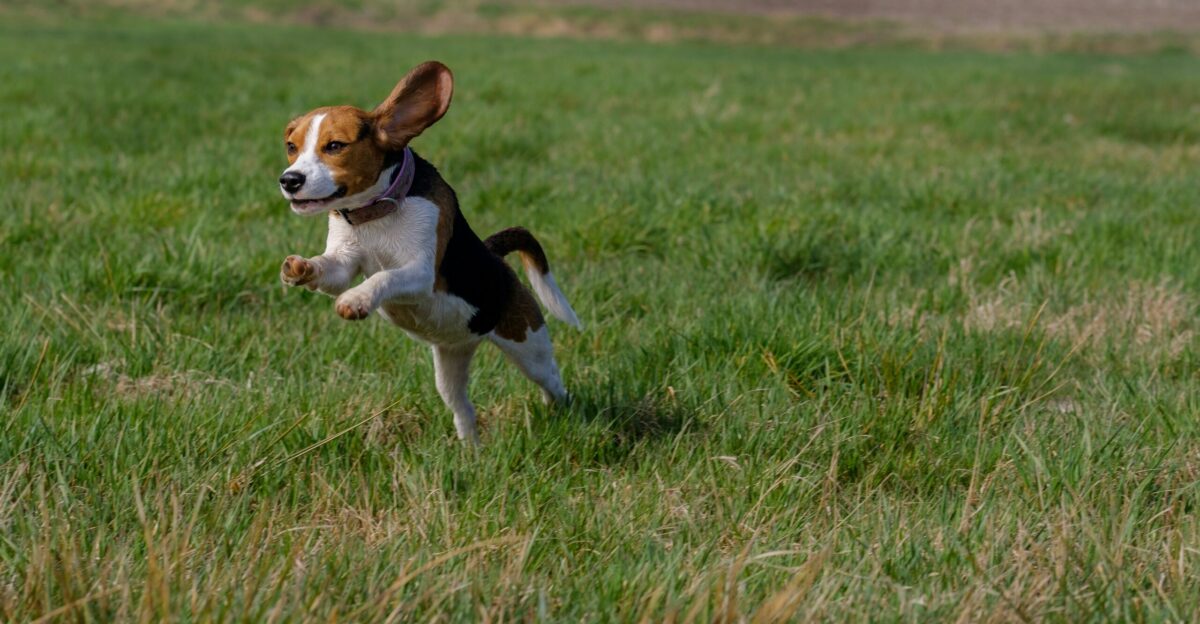
The Beagle’s merry energy makes it a natural fit for bustling households. Initially bred for pack hunting, they are most content when surrounded by activity and companionship. Families with children often find Beagles enthusiastic playmates, while their sociable nature keeps them from shying away from visitors.
Trainers caution they can be noisy, but their vocal enthusiasm is often just another form of connection.
5. Pug – Open-Hearted Clown
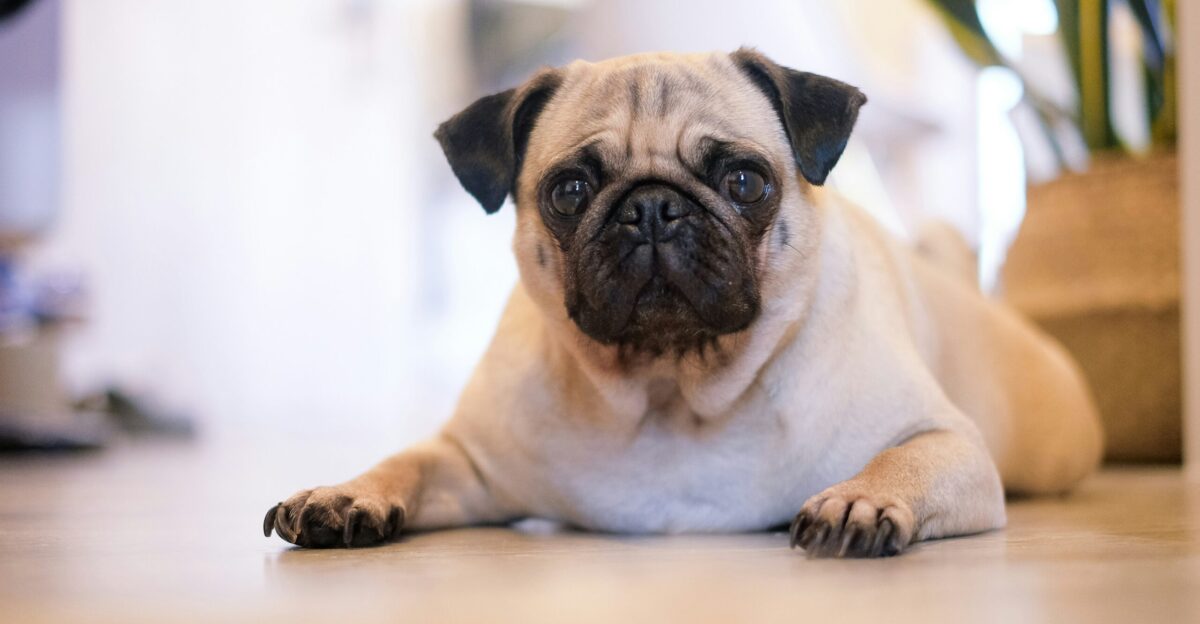
Pugs have charmed families for centuries with their playful spirit and affectionate ways. Known for their expressive faces and comedic timing, they are equally happy entertaining a room or snuggling on the couch.
Their adaptability explains why they were once favored in Chinese courts and later among European nobility. Today, they remain crowd-pleasers, effortlessly welcoming guests and spreading affection across generations.
Loyalty Breeds – The Blessing and Burden
Dogs with narrow attachments offer intense devotion, but that bond can sometimes worsen separation anxiety. Trainers caution that leaving such dogs alone for long stretches may cause stress.
Still, their fierce protection and companionship can be advantageous. For people seeking a true “shadow,” loyalty remains unmatched, provided their emotional needs are respected.
1. Akita – Soulmate by Nature
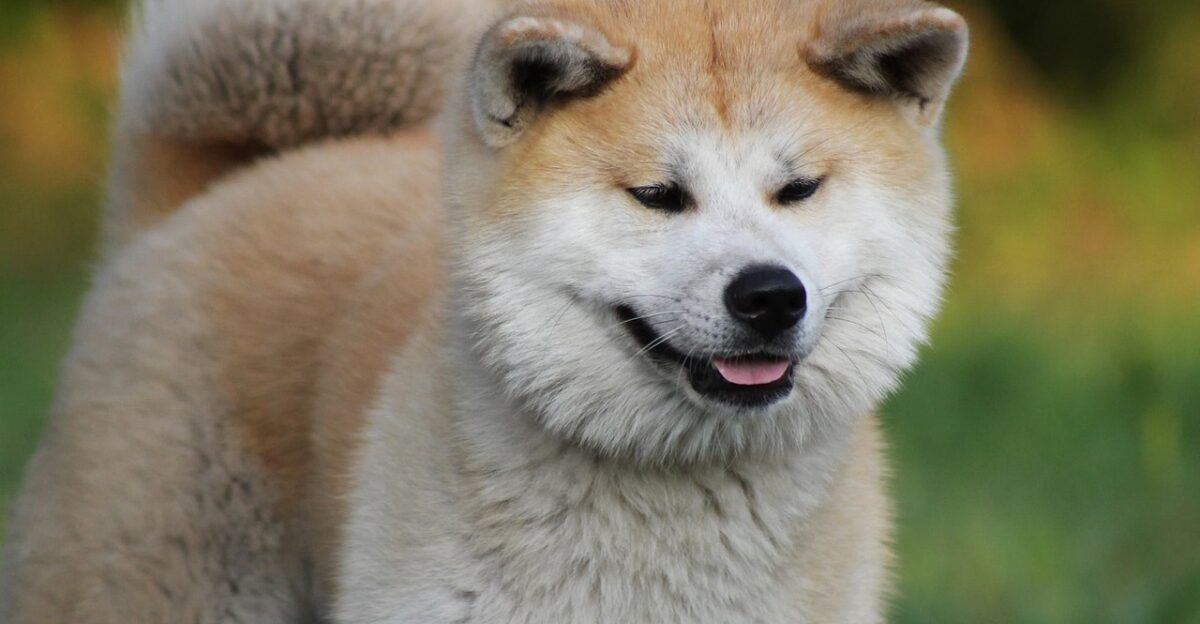
Akitas are renowned for singular devotion. The story of Hachiko, the Japanese dog who waited at a train station daily for his deceased owner, cemented their reputation for loyalty. Modern Akitas often mirror that intensity, forming unshakable bonds with one person while remaining reserved toward others.
Their protective instincts make them vigilant companions, but that same focus requires careful socialization to avoid over-attachment.
2. German Shepherd – A One-Person Guardian
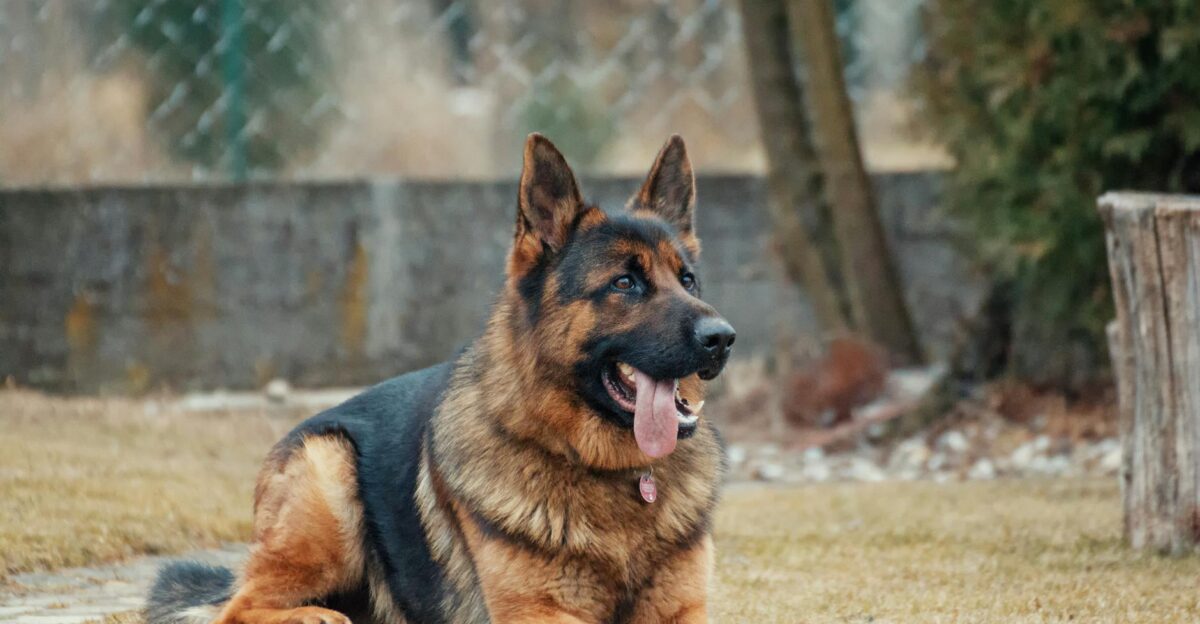
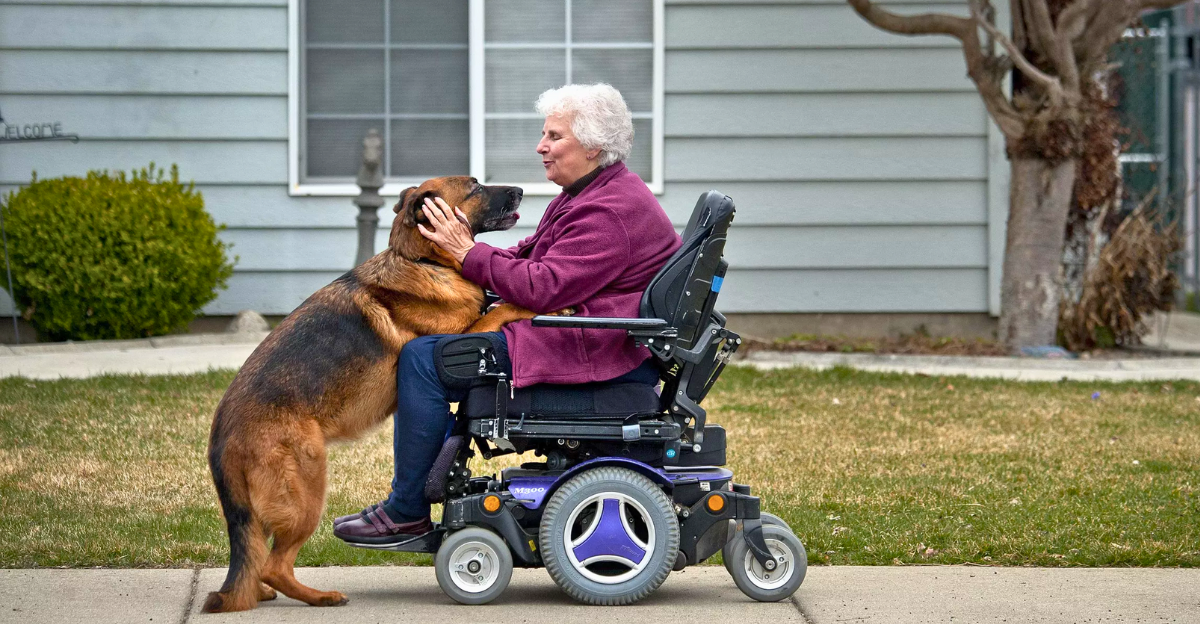
Highly intelligent and versatile, German Shepherds excel as police and service dogs, yet their loyalty narrows at home. Many owners report that their Shepherds appear to “choose” one family member to shadow most closely.
Experts attribute this to their history as herding and guard dogs, where survival depended on attunement to a single handler. Their devotion often brings reassurance and a responsibility to provide consistent guidance.
3. Basenji – The Selective Devotee
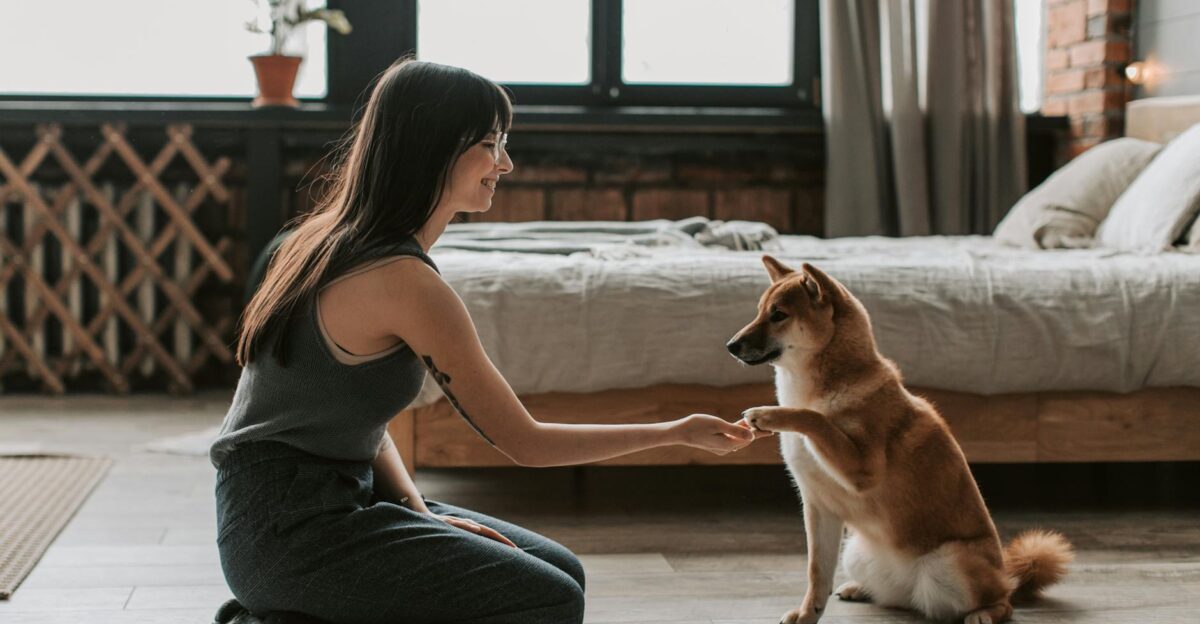
The Basenji, sometimes called the “barkless dog,” is as enigmatic as affectionate. Originating in Central Africa, they were bred for close partnership with hunters, and that intimacy remains evident today.
Basenjis typically form a strong attachment to one person while showing aloofness to others. Their independence and cat-like grooming habits add to their reputation as dogs that reserve trust for a chosen few.
4. Shiba Inu – Only
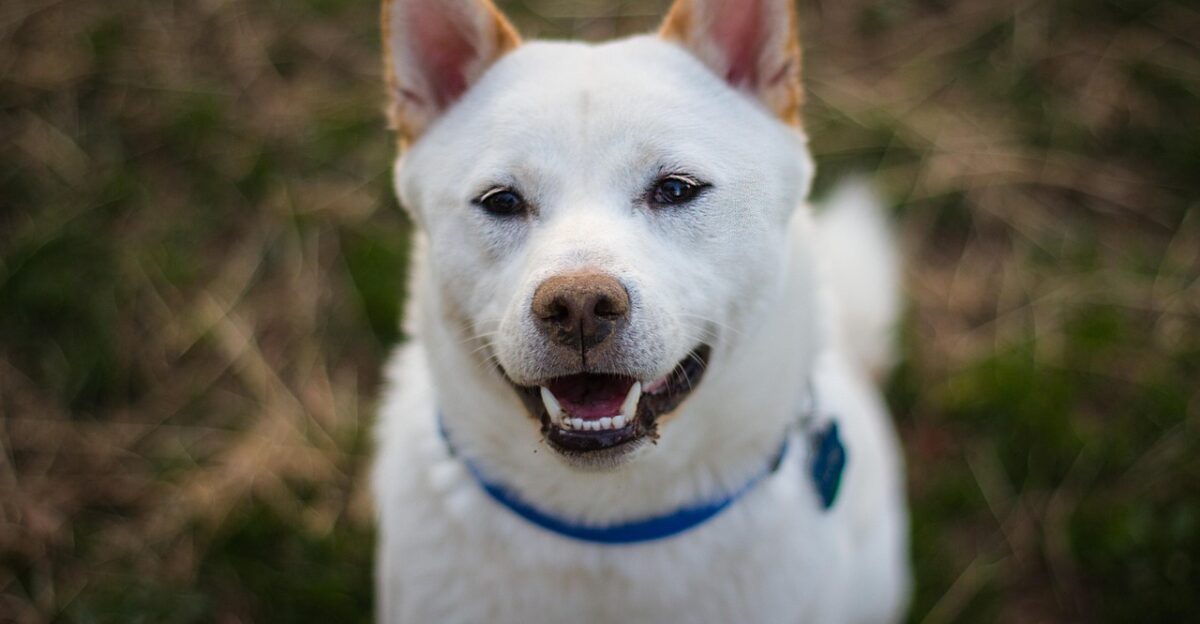
The Shiba Inu, Japan’s most popular companion dog, is famously selective. Although spirited and playful, Shibas’s loyalty is often concentrated on a single person. Trainers say Shibas can be cautious with strangers, reflecting their history as independent hunting dogs.
Once trust is earned, however, their affection is steadfast, and their quirky personalities make them deeply memorable companions.
Why Do Dogs Differ So Much?
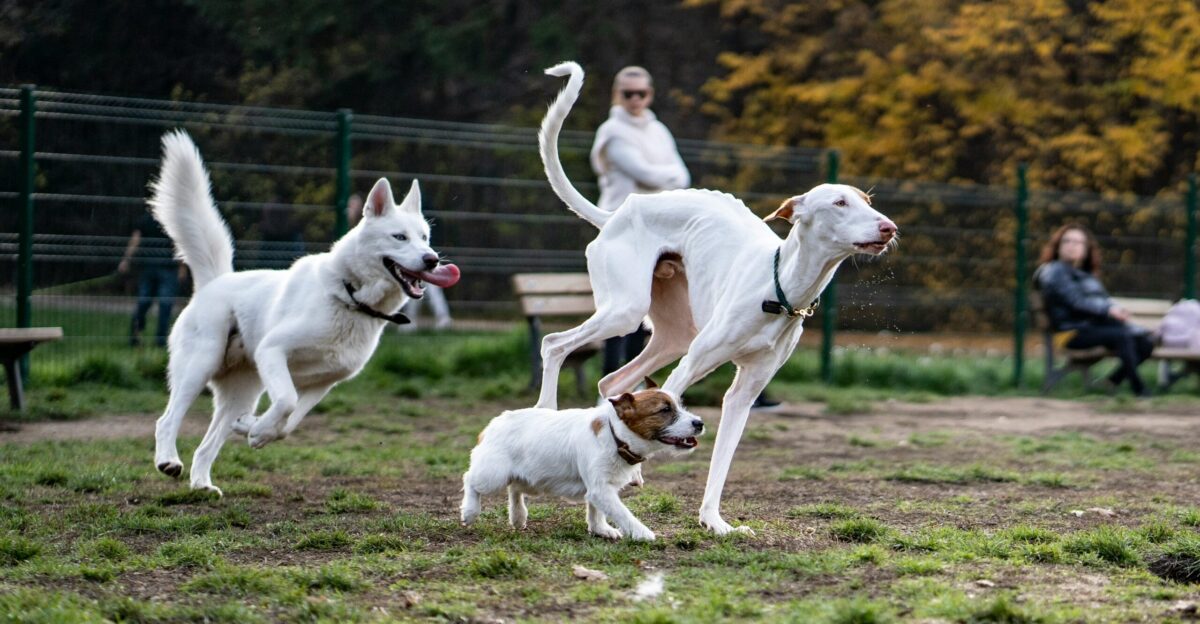
The divide between “free love” and “one-love” dates back to genetics. Companion dogs, such as Pugs or Cavaliers, were bred for sociability, while guarding and hunting breeds benefited from single-minded loyalty.
Udell notes that “gene selection is powerful, but environment still shapes expression.” A dog’s experiences, particularly early in life, can reinforce or soften these natural tendencies.
Experts Weigh In
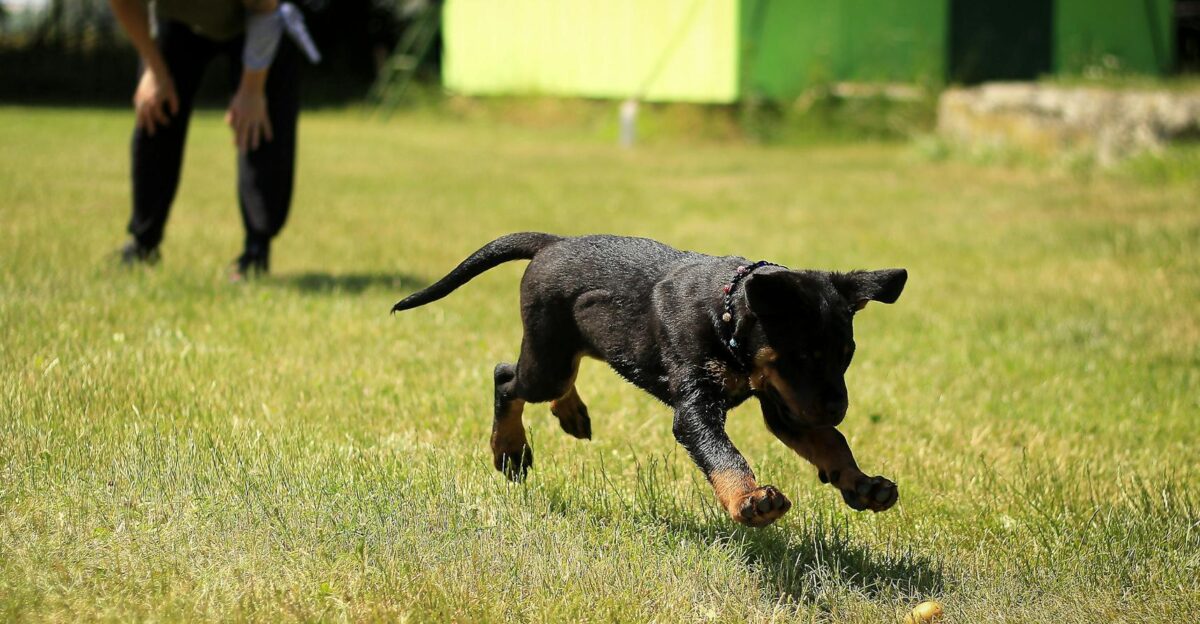
Behaviorists stress that attachment style is never random. “Some breeds are wired to be social, others cautious,” said Dr. Udell in published research on canine social bonds.
Trainers also emphasize the importance of human influence, pointing out that socialization, training, and environment often determine how a breed’s genetic tendencies manifest in daily life.
The Power of Socialization
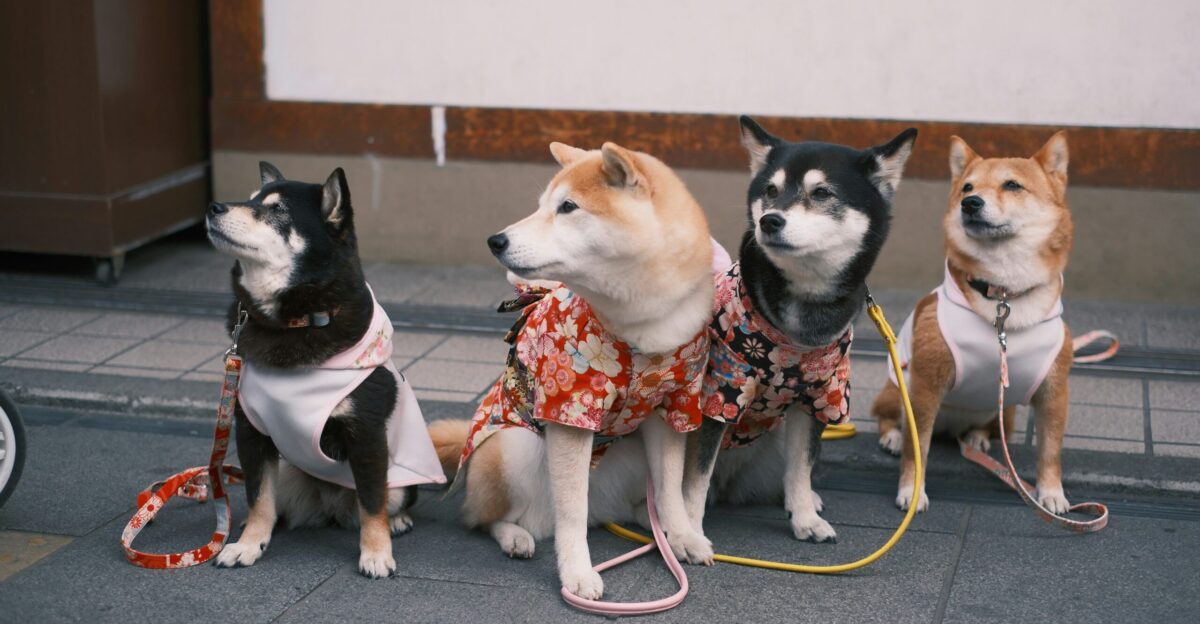
Genetics set the foundation, but early experiences build on it. Puppies exposed to varied people, sounds, and settings are likelier to grow into balanced adults. Experts often recommend structured playdates and obedience training during the first year.
With patience, even breeds known for exclusivity can broaden their social comfort zones, creating stronger, healthier bonds with more than just one person.
Match Love Style to Lifestyle
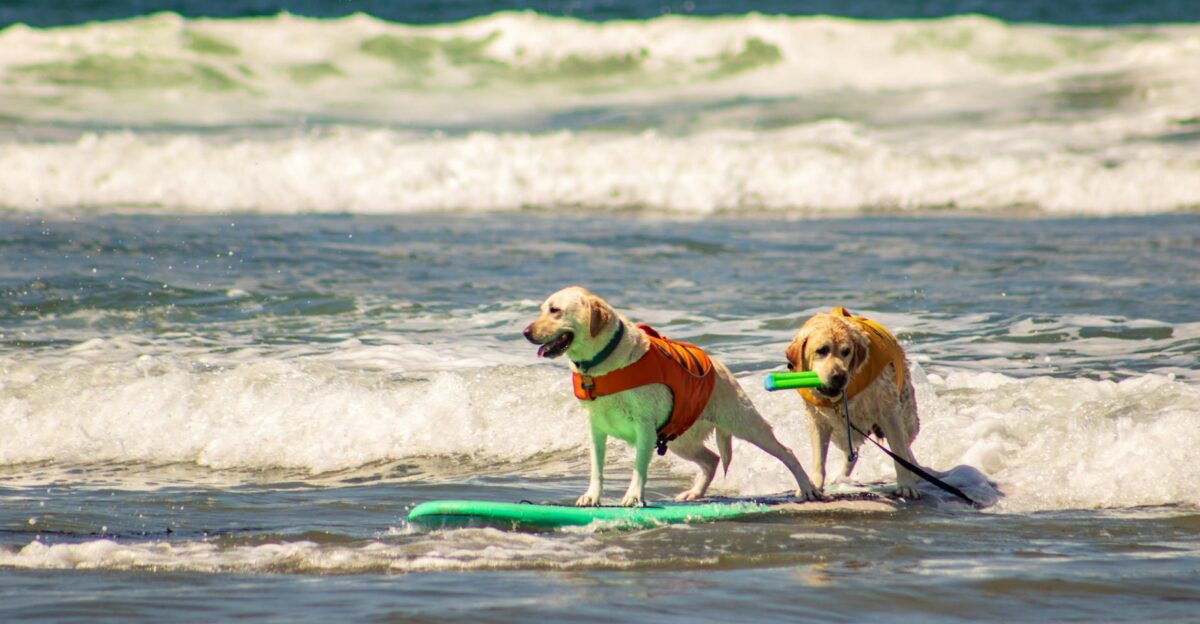
The best fit depends less on the dog’s personality than on the owner’s. Families who entertain guests or live in active neighborhoods may thrive with “free love” breeds, while individuals seeking deep companionship often prefer loyal guardians.
Understanding what kind of love you want in return helps ensure harmony, for both dog and human, before bringing home a new best friend.