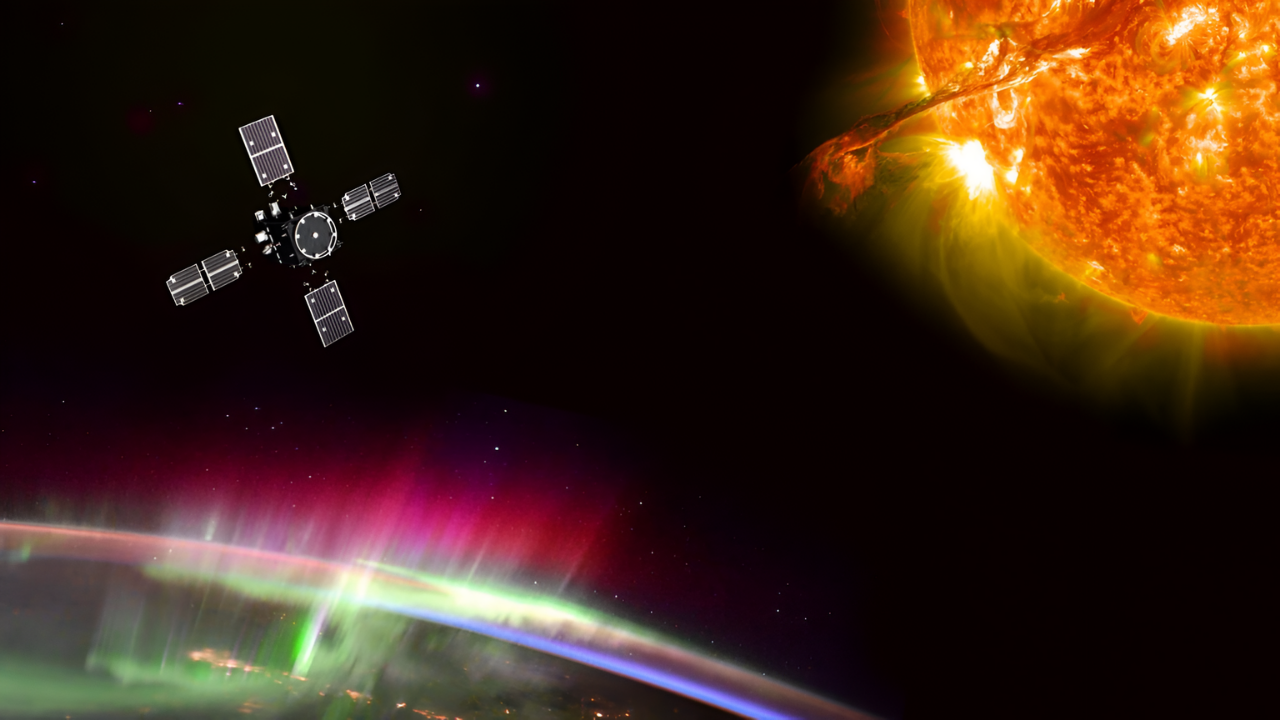
In May 2024, Earth’s protective plasma envelope shrank to one-fifth its normal size in less than nine hours—the most dramatic contraction ever recorded by satellites. The collapse triggered widespread disruptions across navigation systems, satellite operations, and radio communications, offering a stark demonstration of how solar fury can rapidly degrade the technological infrastructure that underpins modern civilization.
The Gannon superstorm, which struck on May 10-11, compressed the plasmasphere from approximately 44,000 kilometers to roughly 9,600 kilometers at extraordinary speed. Japan’s Arase satellite, passing repeatedly through the collapsing structure, captured unprecedented real-time measurements that revealed both the violence of the event and the fragility of Earth’s space environment buffer.
Understanding the Plasmasphere’s Critical Role
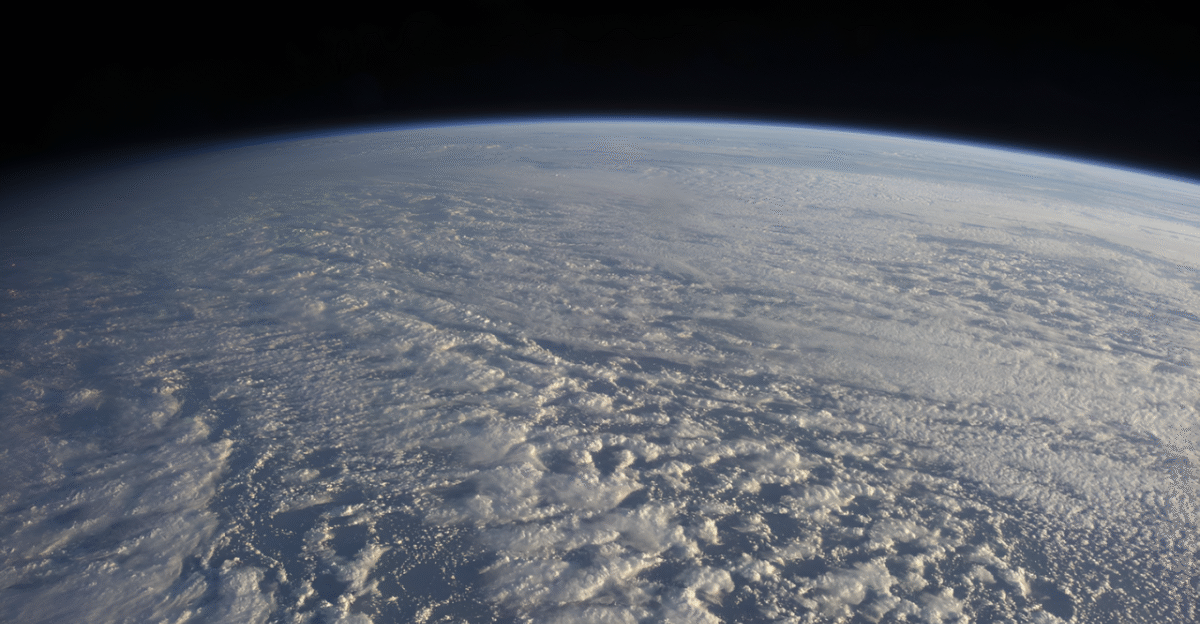
The plasmasphere forms a vast doughnut of cold, dense plasma encircling Earth, rotating with the planet’s magnetic field and normally stretching tens of thousands of kilometers into space. This structure regulates radiation levels, governs wave-particle interactions, and stabilizes radio and navigation signals traversing near-Earth space.
When intact, the plasmasphere shields satellites from harsh radiation. When depleted, exposure intensifies and the reliability of GPS and radio systems measurably deteriorates. The structure had been treated for decades as relatively stable background scenery, but Gannon shattered that assumption.
Anatomy of an Extreme Event
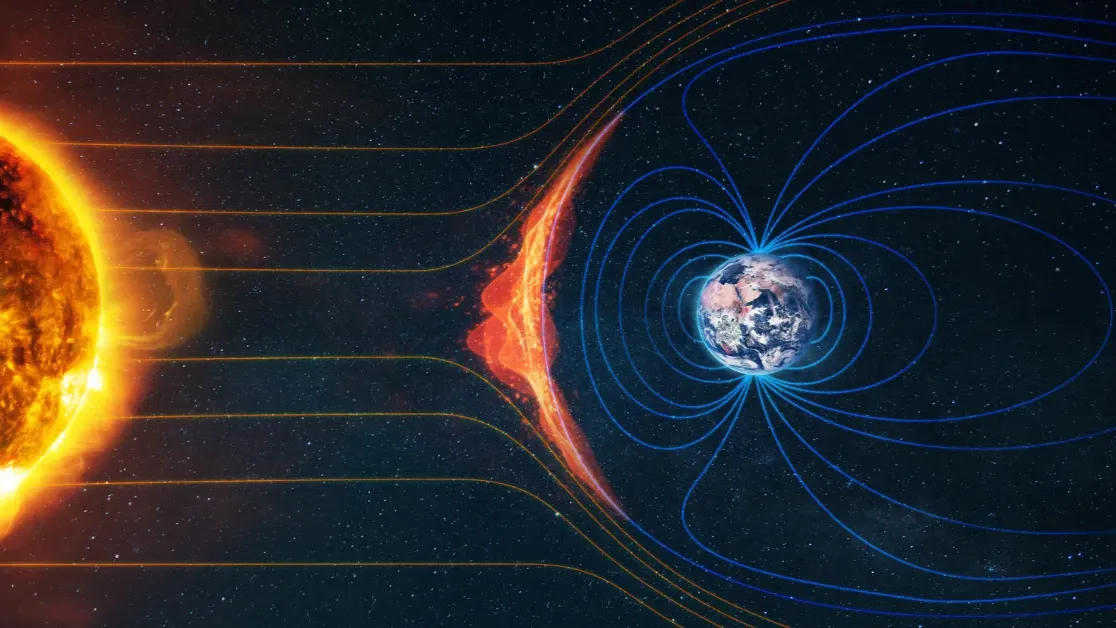
Multiple powerful solar eruptions hurled magnetized plasma toward Earth, triggering what space-weather agencies classified as the strongest geomagnetic storm in more than two decades. Auroras blazed across skies far beyond their typical polar confines, appearing over Mexico, southern Europe, and Japan. Magnetic indices climbed to extreme levels.
Scientists determined the collapse resulted from dual forces: intense solar wind pressure combined with a rare negative ionospheric storm. Severe heating near the poles altered upper-atmospheric chemistry, sharply reducing the supply of charged particles flowing upward to replenish the plasmasphere. With this pipeline severed, the structure could not recover after being compressed. This coupling between ionospheric starvation and plasmaspheric collapse had never been documented so clearly.
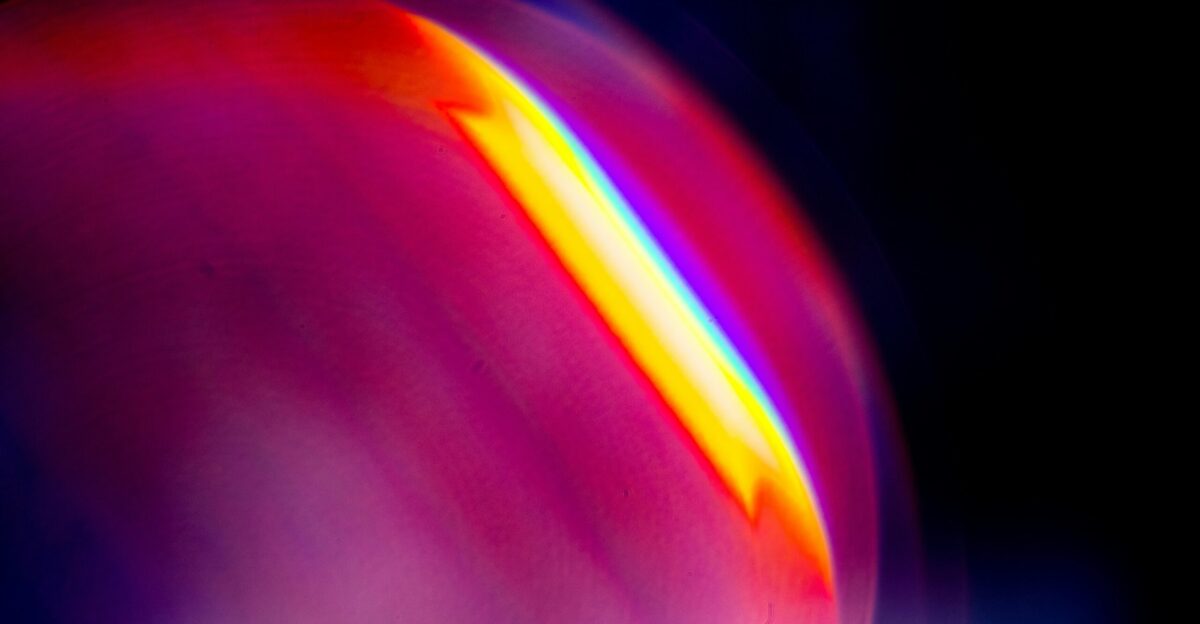
The plasmapause—the plasmasphere’s outer boundary—plummeted from 44,000 kilometers to 9,600 kilometers in under nine hours, establishing a new benchmark for extreme space-weather behavior in the modern satellite era. Systematic monitoring began only in 2017, making this the most dramatic collapse on record.
Technological Systems Under Stress
During the storm’s peak, global navigation satellite system accuracy degraded sharply. Users experienced increased positioning errors and intermittent signal loss. Radio communications across multiple frequency bands suffered fading and disruption. Satellite operators reported temporary anomalies and data outages affecting spacecraft that normally operate within relatively stable plasma conditions.
Because navigation satellites underpin aviation routing, maritime shipping, power-grid synchronization, telecommunications timing, precision agriculture, financial transactions, and emergency response, even brief disturbances translated into widespread operational friction across critical sectors worldwide.
As the plasmasphere shrank, satellites suddenly faced intensified radiation and energetic particle bombardment. This environment increases risks of surface charging, deep-dielectric charging, and electronic upsets. Several satellites experienced short-term malfunctions. More insidious is cumulative radiation exposure, which silently degrades electronics and solar panels, shortening operational lifespans and increasing premature failure likelihood long after storms end.
The storm also generated unusually intense belts of energetic electrons much closer to Earth than typically observed, heightening radiation hazards in orbital regions previously considered relatively safe. Scientists warn that repeated exposure accelerates material aging and electronic degradation, posing long-term reliability challenges for the rapidly expanding satellite population in low- and medium-Earth orbits.
Recovery Delays and Future Preparedness
Under typical geomagnetic disturbances, the plasmasphere recovers within one to two days as ionospheric outflow replenishes lost plasma. After Gannon, recovery required more than four days—the slowest observed since Arase began systematic measurements. This prolonged depletion meant satellites and navigation systems operated in a disturbed environment far longer than standard forecasting models anticipated, exposing significant underestimation of post-storm vulnerability windows.
When navigation reliability drops, aviation and maritime operators shift to backup procedures that are slower and less efficient. Flights reroute, ships navigate more conservatively, and logistics chains lose precision. During storms of Gannon’s magnitude, these adjustments propagate across entire networks. While no single failure appears catastrophic, combined global impact emerges through delays, increased costs, elevated safety risks, and reduced system resilience.
The superstorm occurred as the Sun moves toward the peak of its 11-year activity cycle, when powerful eruptions become more frequent. Historical patterns suggest storms of comparable magnitude occur roughly once every two to three decades. Scientists view Gannon not as a once-in-a-lifetime anomaly, but as a realistic preview of conditions modern infrastructure must withstand during future solar maxima. The event delivered an unambiguous warning: Earth’s plasma shield is dynamic, vulnerable, and now inseparably linked to twenty-first-century technological stability.