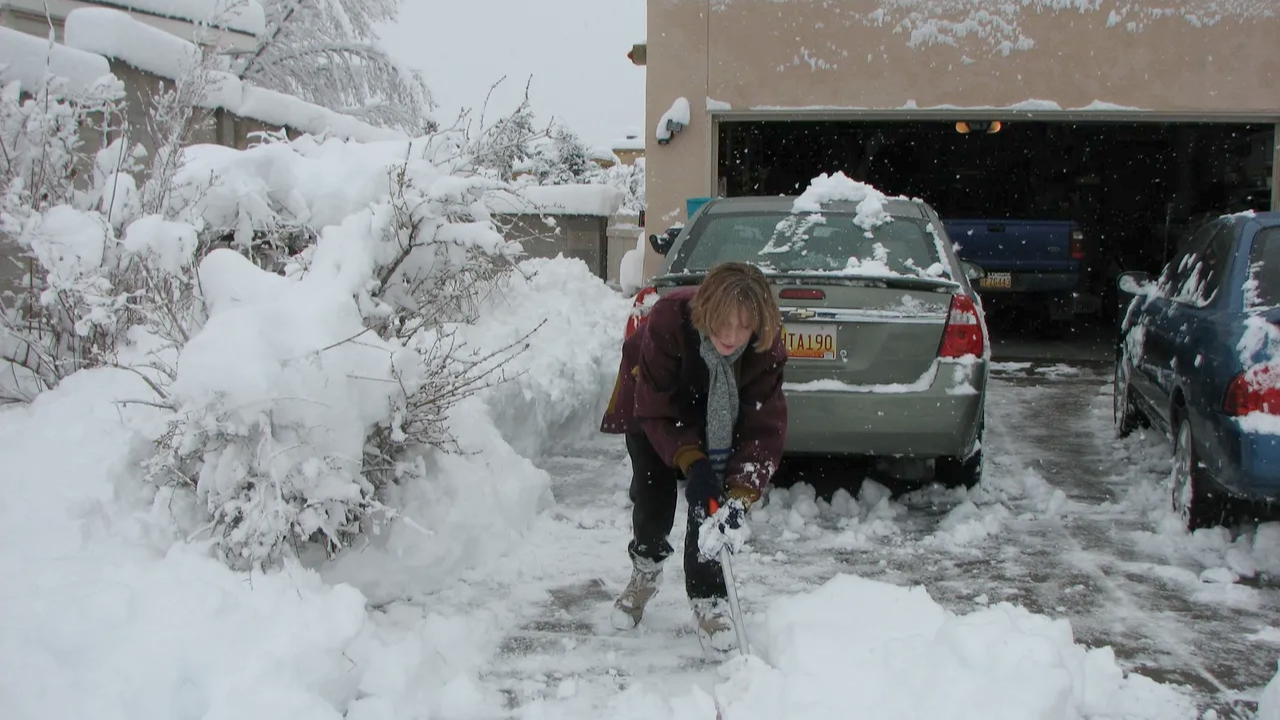
In late October, Wyoming experienced a rare and intense blizzard, transforming the state’s high country into a winter wonderland overnight. The storm brought up to 18 inches of snow, catching residents and tourists off guard as autumn gave way to midwinter conditions. The National Weather Service issued emergency alerts as howling winds and icy roads swept across the state, leaving travelers stranded and local businesses reeling.
Meteorologists attributed the blizzard to the collision of cold Arctic air with a stream of moisture from the Pacific, unleashing powerful snow bands across Wyoming’s peaks and ridges. Gusts reached up to 60 miles per hour, reducing visibility to near zero within hours. This was no ordinary October chill; it was a midwinter storm arriving six weeks early, highlighting the unpredictable nature of seasonal changes.
Roads Turn Treacherous
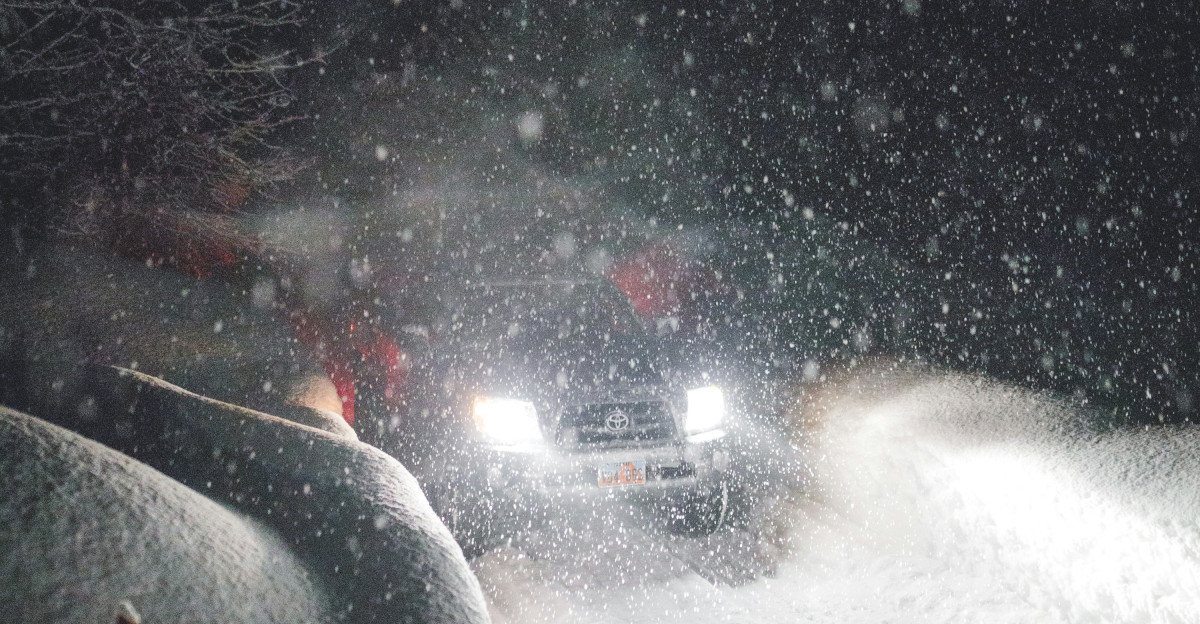
By Sunday evening, travelers found themselves trapped in a race against the storm. Yellowstone’s southern roads were shut down as winds whipped snow into white curtains, erasing the horizon. Drivers crawled along mountain passes, their headlights swallowed by the blizzard. The NWS urged anyone venturing out to carry essential supplies like food, water, and flashlights, emphasizing the importance of preparedness for survival if stranded.
Across the park, rangers responded to dozens of calls for help as once-picturesque roads turned into icebound traps. Local businesses, particularly those in Yellowstone’s gateway towns, felt the economic impact as hotels filled with stranded travelers rather than tourists seeking adventure. Restaurants ran low on supplies, and tour guides canceled their final fall excursions, watching weeks of expected revenue disappear.
Economic Fallout and Community Resilience
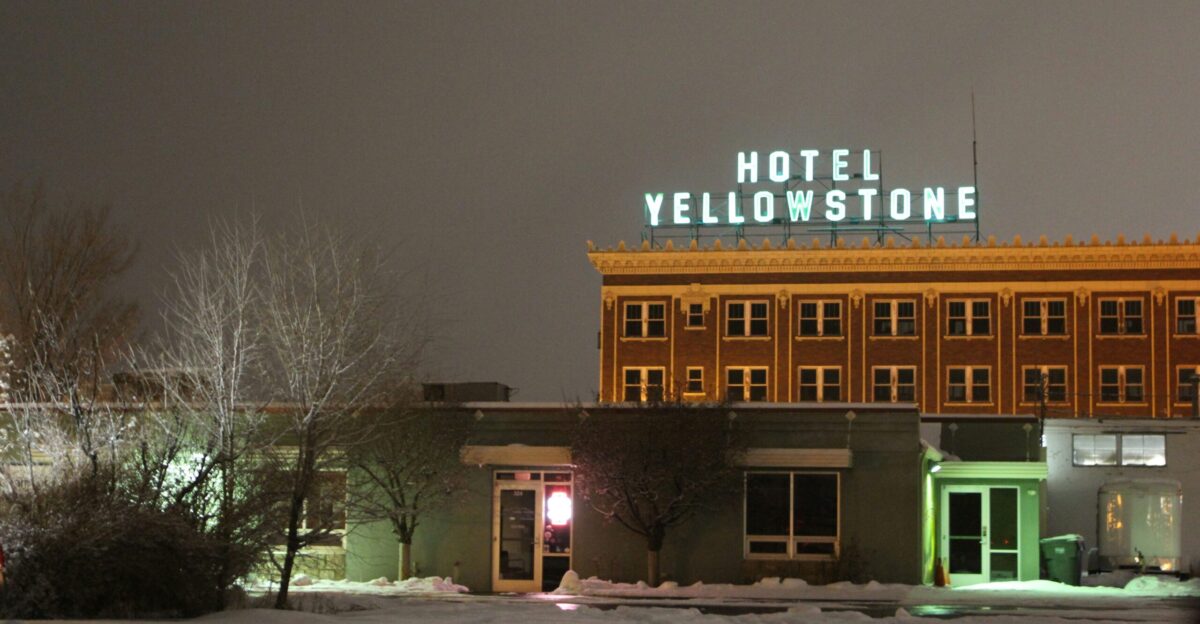
The storm’s arrival was like a door slamming shut for local businesses, which depend heavily on one last burst of October tourism. As the snow finally eased, the economic fallout began. With highways closed and visitors gone, local businesses faced mounting bills—lost bookings, extra labor, and emergency fuel costs. Mountain towns like Dubois and Pinedale, home to fewer than 10,000 people combined, braced for several quiet days of isolation.
Yet, amidst the disruption, there was also resilience. Communities prepared to weather whatever came next, knowing that in Wyoming, storms are simply part of mountain life. Neighbors checked on one another, sharing generators, coffee, and blankets. For some, it was an inconvenience; for others, it was a reminder that community is the strongest form of shelter in Wyoming.
Global Perspectives and Climate Shifts
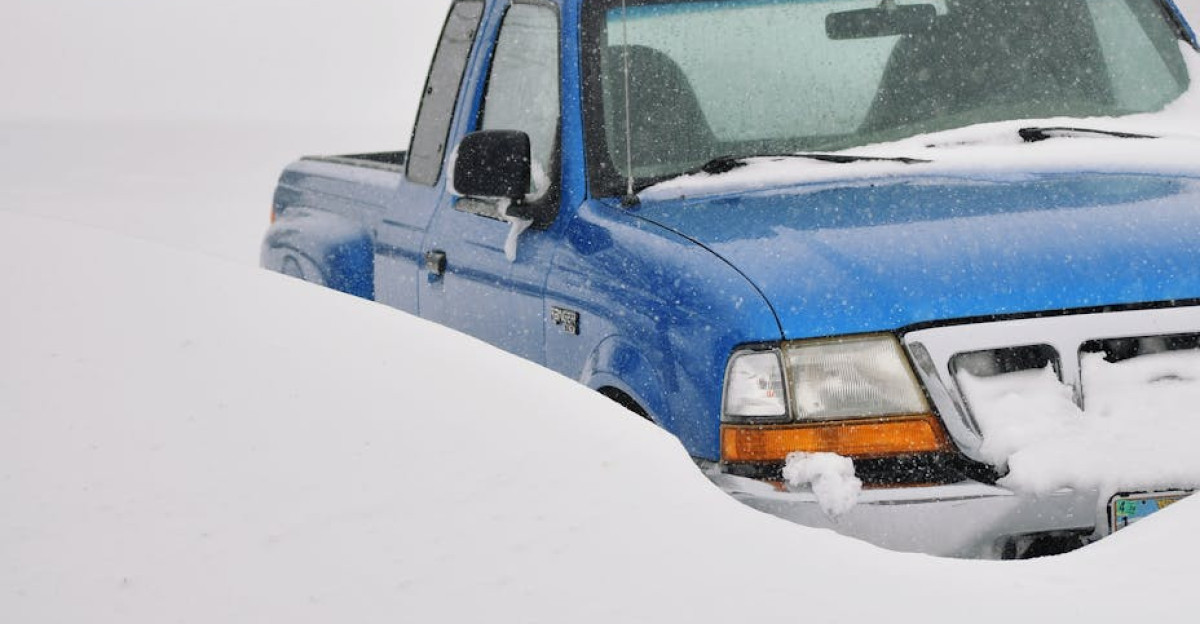
The storm raised questions about whether such events are becoming more common due to shifting climate patterns. While late-October storms of this magnitude are rare, they are not unheard of. Meteorologists noted that climate change can make “once-in-a-decade” storms seem startlingly common. Globally, similar unpredictable weather patterns are being observed, such as the early onset of monsoons in parts of Asia and severe heatwaves in Europe.
In Wyoming, the storm served as a wake-up call for preparedness. As one local business owner noted, “Good for the skiers, bad for the rest of us—but that’s life in Wyoming.” Ski resort owners watched early flurries pile up with cautious optimism, hoping the deep base would jump-start the winter season. However, for small lodges and gift shops banking on one last tourist weekend, the storm was a significant blow.
Looking Forward
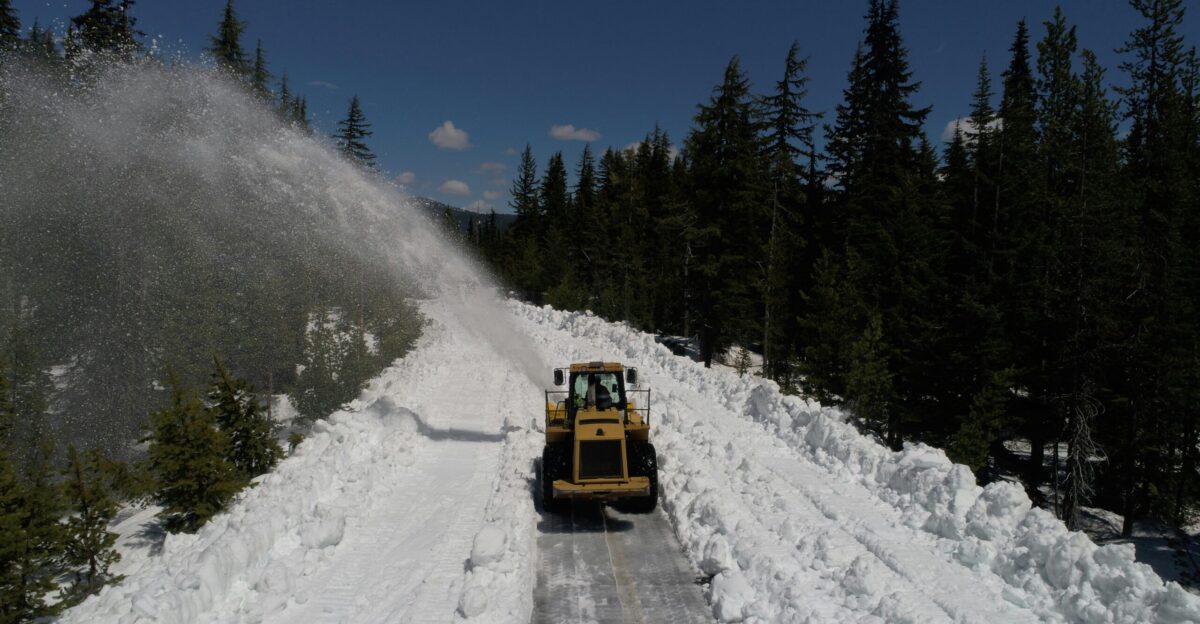
As roads reopened and the world turned quiet again, locals reflected on how quickly beauty can become peril. The storm highlighted the importance of treating October like December—winterizing vehicles, carrying supplies, and checking forecasts before setting out. It wasn’t alarmism; it was realism. Those extra precautions can make all the difference when the wind hits 60 mph and snow piles a foot deep in a single night.
In the aftermath, Wyoming residents and visitors alike are rethinking their approach to fall travel plans. Rangers reminded tourists that Yellowstone’s high elevation can turn mild sunshine into snow chaos within hours. As the state moves forward, the message is clear: preparedness isn’t optional in Wyoming’s unpredictable mountain weather. Whether this storm was a fluke or a sign of what’s coming remains to be seen, but one thing is certain—winter doesn’t wait for its turn anymore; it arrives when it chooses.