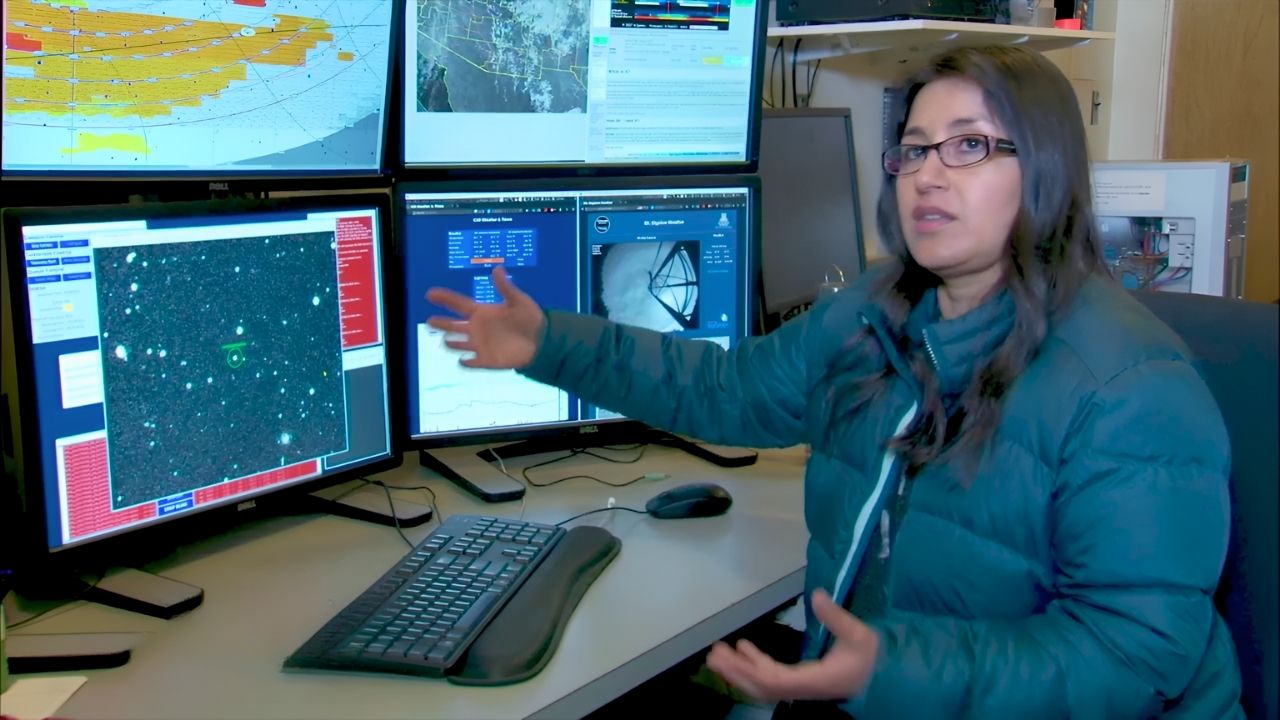
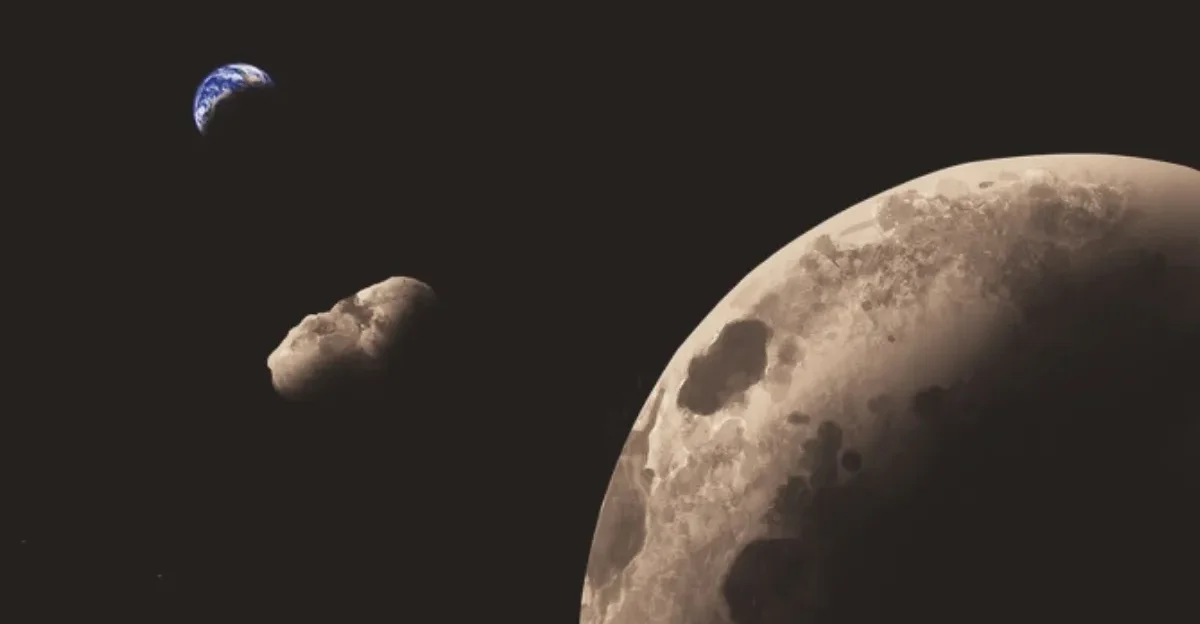
In 2025, astronomers detected a mysterious object orbiting Earth, sparking global debate and scientific intrigue. Designated 2025 PN7, this enigmatic body has drawn attention not only for its unusual trajectory but also for the possibility that it may be a relic from the early days of space exploration—a lost artifact from the Cold War era. As researchers race to uncover its origins, the discovery is reshaping conversations about space history, technology, and the future of orbital debris.
Discovery and Debate

The initial detection of 2025 PN7 set off a wave of speculation among scientists and the public alike. Unlike previous encounters with unidentified objects in Earth’s orbit, this one carried unique historical weight. Its orbital path and characteristics did not match those of typical asteroids, leading experts to question whether it might be a piece of human-made technology, lost for decades. The implications of such a find extend beyond astronomy, touching on planetary inventory and the legacy of Cold War space missions.
A Soviet Mystery Revisited
To understand the significance of 2025 PN7, researchers have revisited the history of the Soviet space program. In April 1964, the Soviet Union launched Zond 1, its first attempt to send a lander to Venus. Technical failures doomed the mission, and contact was lost before the spacecraft reached its destination. For over sixty years, Zond 1’s fate remained unknown, its final trajectory a mystery. Now, new research suggests that the spacecraft may have been silently orbiting the Sun, undetected, until its recent rediscovery as 2025 PN7.
The breakthrough came in August 2025, when the Pan-STARRS Observatory in Hawaii confirmed the object’s presence near Earth. Calculations revealed that its orbital path closely matched predictions based on Zond 1’s launch parameters, raising the possibility that 2025 PN7 is not a natural asteroid but a long-lost piece of Cold War technology.
International Collaboration and Controversy
The discovery has galvanized astronomers and space agencies worldwide. NASA, the European Space Agency, and research teams from Asia, Australia, and beyond have joined forces to track 2025 PN7 and debate its true nature. Some experts, including Harvard astronomer Avi Loeb, have suggested that the object could be the upper stage of the Zond 1 launch vehicle. Loeb has also raised the possibility—though not confirmed—that the object might be of extraterrestrial origin, reflecting his broader interest in investigating unusual space phenomena.
Not all scientists agree with the artificial relic hypothesis. Adam Hibberd of the Initiative for Interstellar Studies and others propose that 2025 PN7 could be a natural asteroid with atypical orbital characteristics. This divergence of opinion has fueled a robust international dialogue, with researchers scrutinizing every available detail to determine the object’s provenance.
Historical Precedents and Emerging Patterns

2025 PN7 is not the first object to be mistaken for an asteroid only to be identified as human-made space debris. In 2020, astronomers discovered that 2020 SO, initially classified as an asteroid, was actually the upper stage rocket from NASA’s Surveyor 2 lunar mission, launched in 1966. That object had orbited undetected for 54 years before its true identity was revealed. Such precedents suggest that other lost relics from the early space age may still be drifting through the solar system, awaiting rediscovery.
The possibility that 2025 PN7 is a Cold War-era artifact has prompted scientists to speculate about how many other forgotten spacecraft or rocket stages might be orbiting the Sun or Earth. If confirmed, this discovery could mark the beginning of a new chapter in cataloging and understanding the population of orbital debris.
Legal and Technological Challenges
The potential identification of 2025 PN7 as Soviet space debris raises complex questions about ownership and salvage rights under international law. The dissolution of the Soviet Union means that no state has formally claimed Zond 1 or its remnants, complicating efforts to recover, study, or dispose of the object. As more ancient hardware returns to near-Earth space, regulators and space agencies may need to develop new protocols for tracking, cataloging, and managing these relics.
Modern technology is playing a crucial role in unraveling these mysteries. Advanced spectrum measurements and machine learning algorithms are being used to analyze the surface composition and orbital dynamics of 2025 PN7. These tools offer hope for definitively determining whether such objects are natural or technological in origin.
Looking Ahead: Implications for Space Exploration

As the window for observing 2025 PN7 narrows, astronomers are calling for urgent action and funding to conduct comprehensive analyses before the object drifts out of range. The stakes are high: confirming its identity could reshape our understanding of space history and the long-term environmental impact of human activity in orbit.
The discovery of 2025 PN7 highlights the evolving nature of space exploration. Once seen as a pristine frontier, the cosmos is increasingly recognized as a repository of technological artifacts and abandoned missions. This shift in perspective underscores the need for international collaboration, responsible stewardship, and innovative research as humanity continues to explore—and leave its mark on—the solar system.