The night the Palisades Fire rolled over the ridgeline, people felt the heat before they saw the flames. That roaring, freight-train fury swallowed neighborhoods in minutes. By morning, thousands of homes were gone, and something deeper cracked open.
Californians realized the disaster wasn’t just burning houses; it was burning through the very insurance system they believed would save them. The safety net they paid into for decades had already vanished.
When State Farm Walked, the Alarm Bells Started
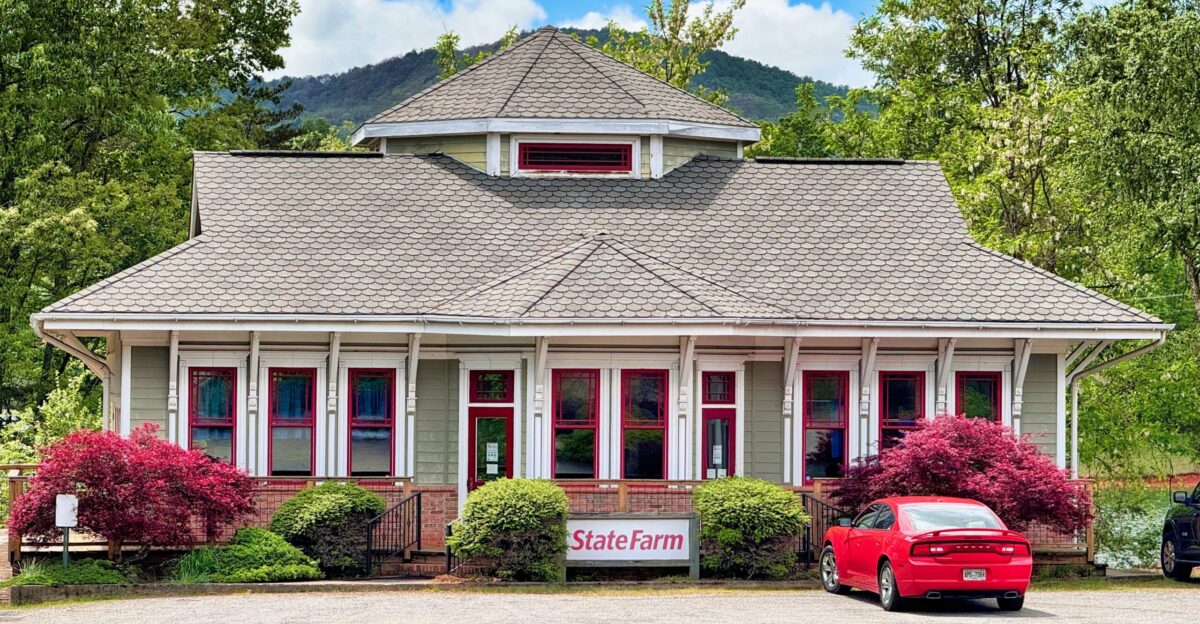
State Farm’s withdrawal wasn’t a quiet adjustment. In May 2023, it stopped writing new California homeowner policies and later non-renewed 72,000 more. Millions suddenly found themselves with nowhere to turn.
The state’s FAIR Plan—meant as a last-resort option—became the only option. Overnight, demand spiked, and a backup system built for emergencies became the primary insurer for entire regions.
A Financial Spiral No Insurer Could Absorb

According to State Farm’s financial filings, the company lost more than $6.3 billion in 2023. Wildfire claims escalated, construction costs climbed, and reinsurance prices surged. Leaders inside the company reportedly concluded that raising premiums to sustainable levels would make coverage unaffordable anyway.
Exiting became the only viable choice. And when the largest insurer leaves, others—like Allstate, AIG, and Progressive—inevitably follow.
January 2025 Proved the System Was Outmatched
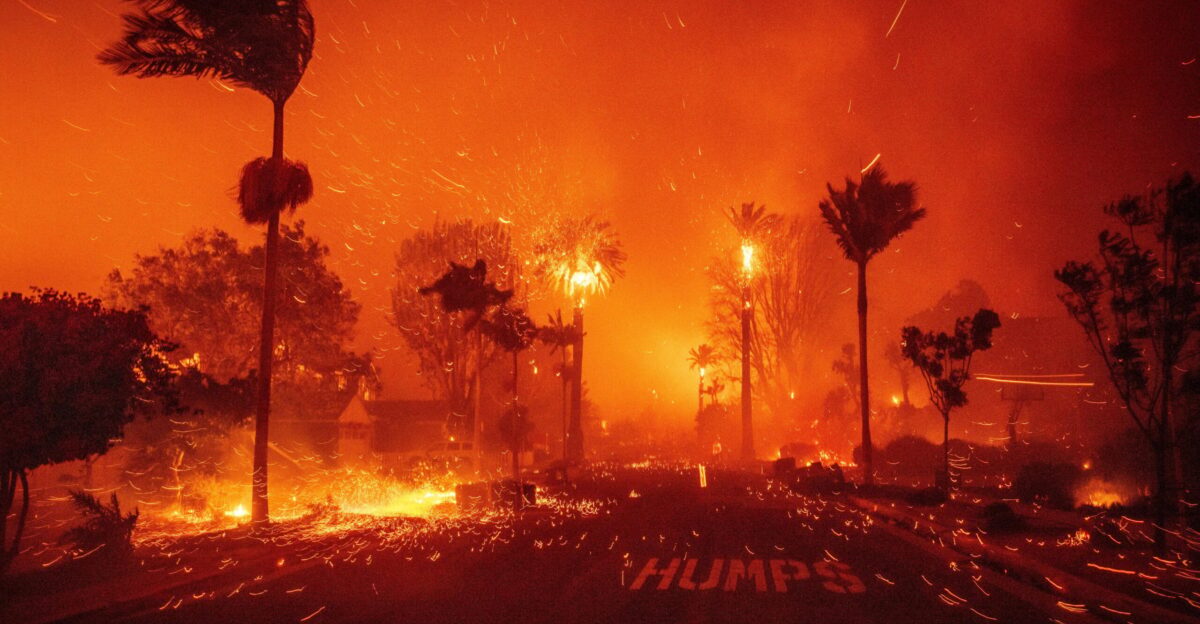
The warnings became reality in early 2025. Fourteen wildfires ignited across Southern California in one week. The Palisades Fire destroyed 6,837 homes, while the Eaton Fire leveled entire streets. About 200,000 residents were displaced.
Analysts estimated the FAIR Plan absorbed roughly $4.1 billion in losses from just two of those fires. It became painfully clear the system wasn’t designed for disaster at this scale.
California’s Emergency Assessment Hit Every Homeowner
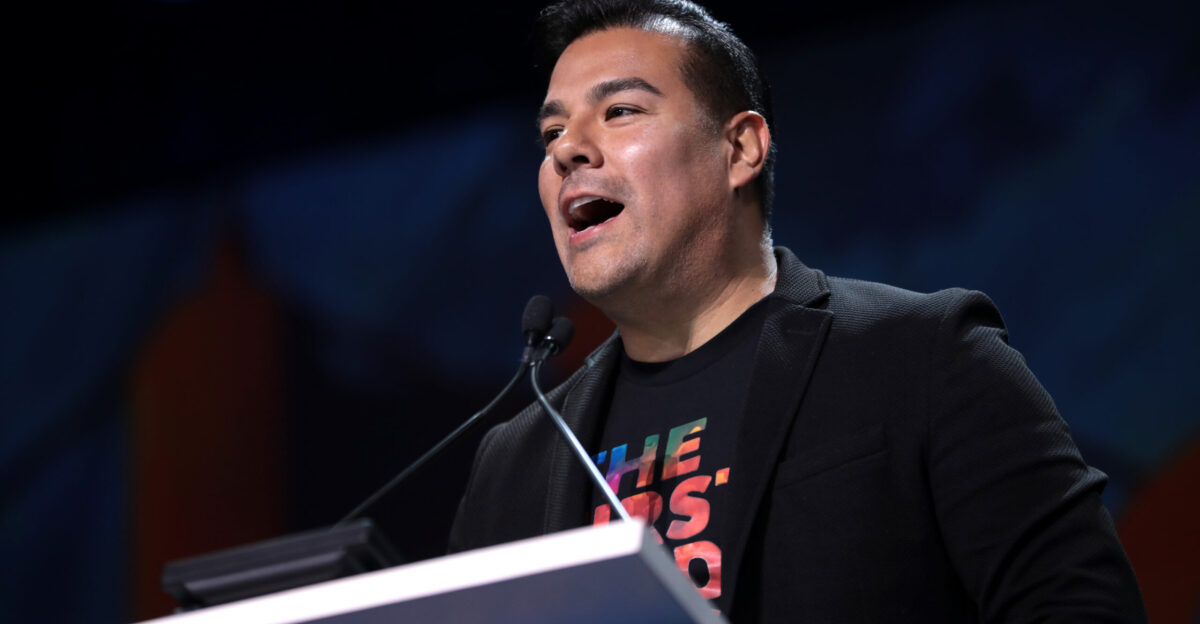
In February 2025, Insurance Commissioner Ricardo Lara approved a $1 billion emergency assessment—the first in over three decades. Every homeowner must now contribute to the rescue plan, even if they have never filed a claim. FAIR Plan reserves had already dropped to around $400 million.
Officials warned that one more major wildfire could force partial payouts or delays, pushing families into financial freefall.
How Exposure Doubled to $700 Billion

California’s insurance exposure was roughly $350 billion just two years ago. Today, it stands near $700 billion as homeowners flood into the FAIR Plan. Enrollment increased from approximately 270,000 policies in 2021 to over 451,000.
Rob Moore at NRDC referred to it as a “climate resilience challenge,” not a typical insurance cycle. Risks doubled, but reserves and capacity did not—leaving a widening gap no insurer can comfortably absorb.
Risk Models Built for the Past Broke in the Present
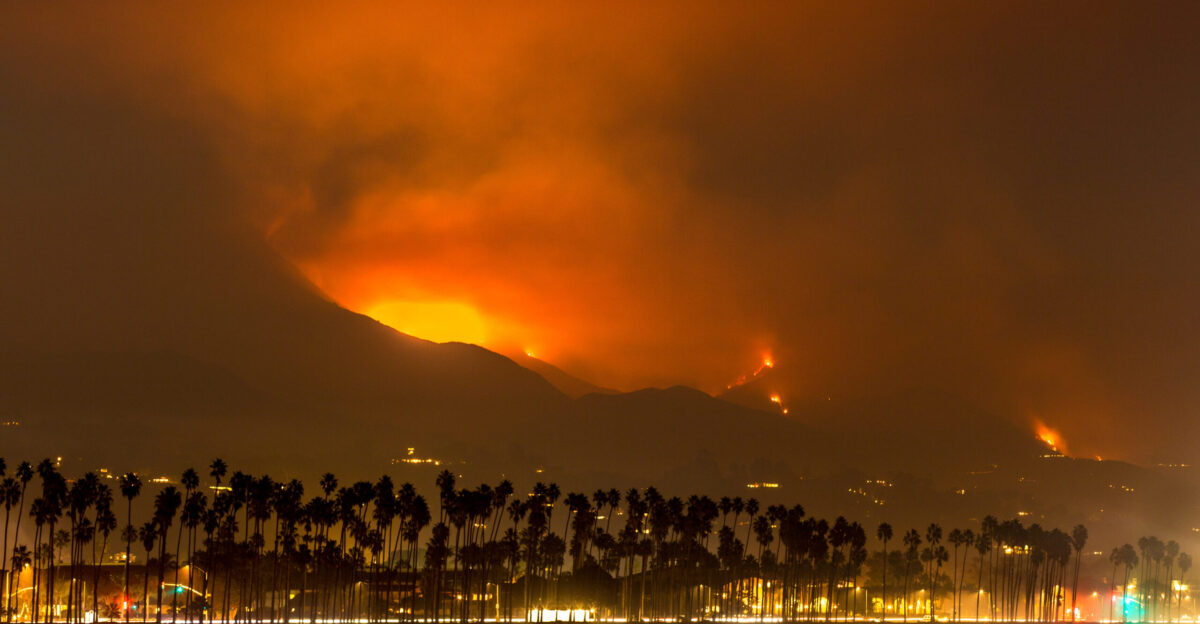
Insurance pricing depends on historical risk models, but California’s wildfire behavior no longer resembles its past. Fires now burn hotter, faster, and more unpredictably. Actuarial analysts say insurers would need to raise rates two to four times to stay solvent.
Homeowners can’t pay that. Insurers can’t survive without it. Faced with the choice between insolvency and exit, companies are choosing the exit door.
When Private Markets Shrink, Options Disappear

The collapse isn’t isolated to California. When private insurers retreat, homeowners get funneled into government-run plans with limited coverage and finite reserves. These programs were designed as temporary safety nets—not long-term solutions for millions of people.
As risk intensifies, their fragility shows. Once capacity fills, coverage simply vanishes. The U.S. is watching insurance markets erode exactly where climate impacts hit hardest.
Florida’s Shrinking Safety Net Comes With Higher Prices
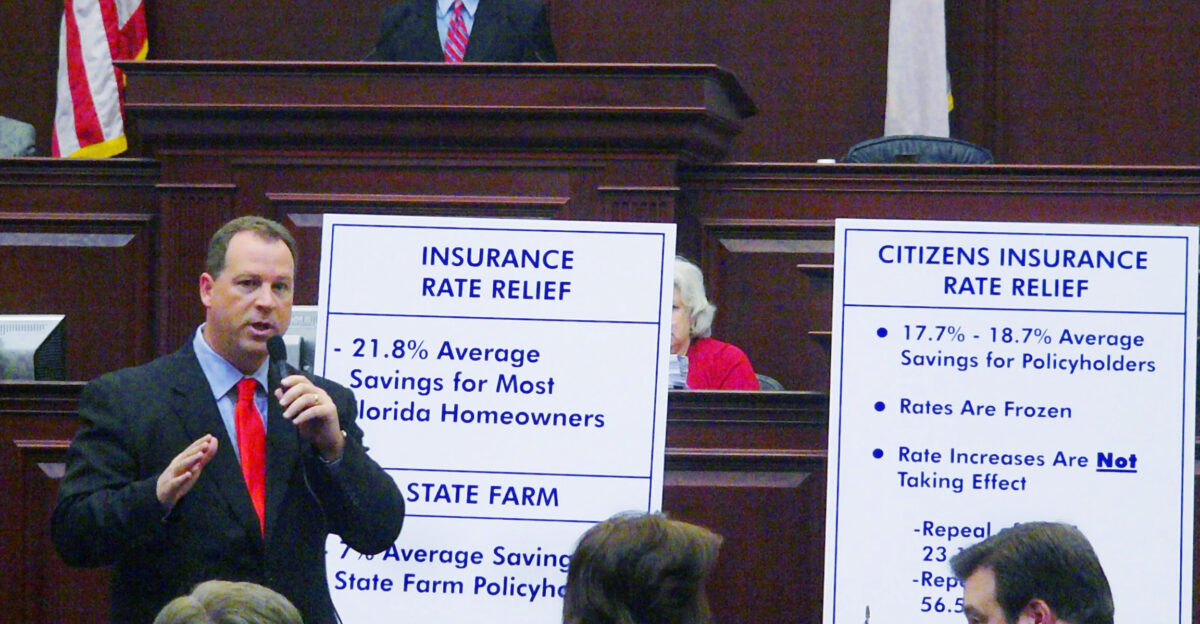
Florida’s Citizens Property Insurance swelled to 1.4 million policies before lawmakers intervened. New legislation shielded insurers from certain lawsuits, encouraging private companies to adopt those policies. By 2025, Citizens’ policies dropped to about 569,000, but many homeowners saw their private rates triple.
Risk didn’t change; cost did. The shift exposed a hard truth: transferring policies doesn’t reduce exposure. It just redistributes it.
Louisiana’s Market Broke Under Hurricane Pressure
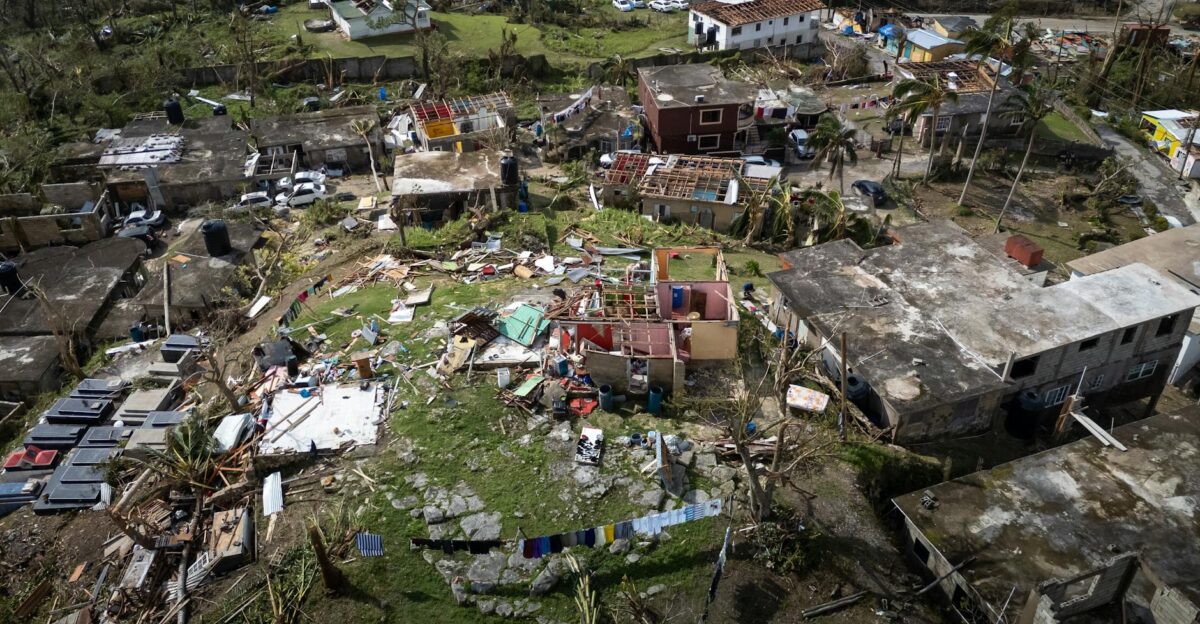
Louisiana’s insurance sector never recovered from storms like Laura, Delta, Ida, and Zeta. A dozen insurers went insolvent, leaving residents with few options. In the hardest-hit parishes, premiums jumped 60 percent or more in a single year.
Citizens Property Insurance grew into the fallback insurer, backed by taxpayers, should another major hurricane strike. Economists warn that a single large storm could disrupt the entire system.
Texas Shows How Fast Costs Can Climb

Texas homeowners are facing similar pressure. Since 2013, average premiums jumped 146 percent—from about $1,646 to more than $4,000 annually. In 2025 alone, insurers filed over 100 rate hikes of 10 percent or more.
Progressive reports that 40 percent of its storm-related claims come from Texas. Today, roughly 1.1 million Texans own homes without insurance, hoping disaster doesn’t come.
Eleven Hottest Years Reshaped Every Forecast
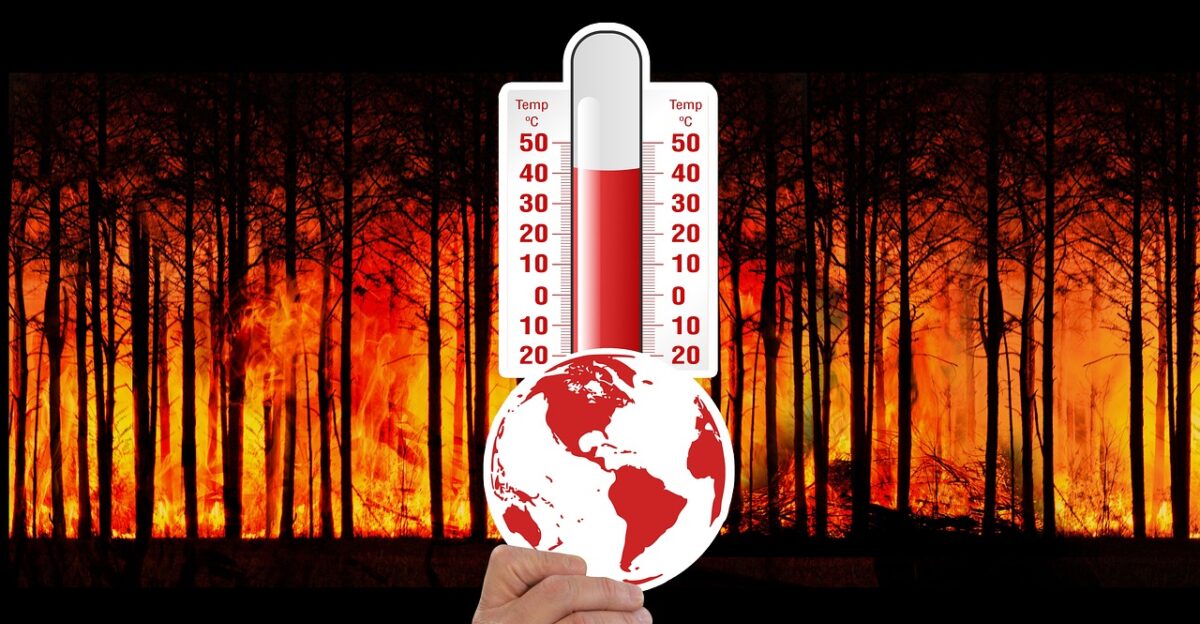
Climate physics—not bad luck—is driving the shift. The World Meteorological Organization says 2015 through 2025 were the eleven warmest years on record. Temperatures now sit about 1.42°C above pre-industrial levels.
Hotter oceans supercharge hurricanes—drier conditions fuel megafires. Old 100-year models can’t predict the new normal. Insurers are trying to price risks that change faster than they can calculate them.
Coastlines Face an Impossible Equation
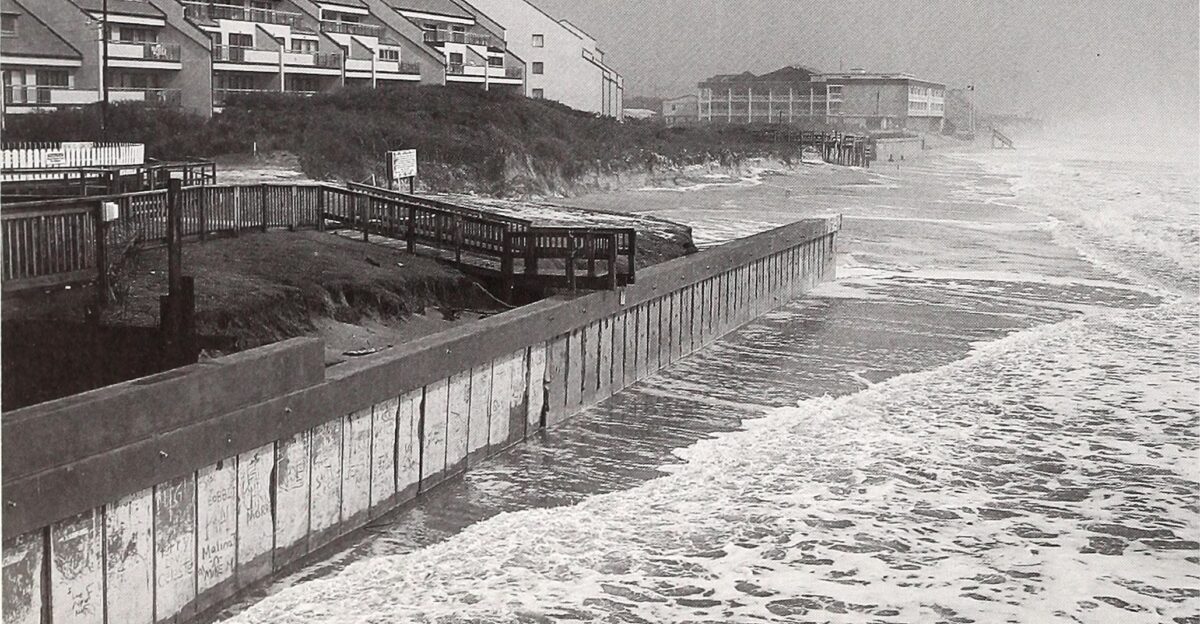
Coastal homeowners are hit from both sides: rising seas due to gradual climate change and stronger hurricanes resulting from warming oceans. Saltwater intrusion weakens foundations. Storm surge pushes farther inland. Flood-related losses—once rare—now occur with troubling frequency.
Many insurers, after reviewing long-term projections, concluded they can’t write profitable coastal coverage anymore. Entire regions face becoming effectively uninsurable.
The Hidden Economic Ripple When Insurance Fails

When insurance systems crack, the damage spreads quickly. Property values decline, lenders retreat, and real estate markets stall. Contractors lose work. Local budgets are shrinking as tax revenue declines. Uninsured homeowners face total financial ruin if disaster hits.
Analysts warn this is becoming a wealth shift—where climate risk quietly redistributes financial burdens onto taxpayers and families living in vulnerable regions.
The FAIR Plan’s Limits Are Becoming Impossible to Ignore

FAIR Plans promise coverage when private insurers withdraw, but their resources are thin. California’s FAIR Plan now holds about $700 billion in exposure with only $400 million in reserves. Coverage caps are lower than those of private policies, and reinsurance protection is limited.
Officials acknowledge that a single devastating wildfire season could result in delayed or partial claims—not because of policy failure, but because the math simply won’t stretch.
State Farm’s Exit Triggered a National Reassessment

State Farm’s departure signaled to the industry that traditional insurance no longer keeps pace with climate-driven risk. Allstate, AIG, and others scaled back for the same reasons: inflation, skyrocketing reinsurance costs, and increased catastrophe frequency.
Industry analysts say insurers now face a binary choice: raise rates to unaffordable levels or leave the market entirely. Most see exit as the only sustainable option.
Summer 2025 Could Push Systems to the Brink
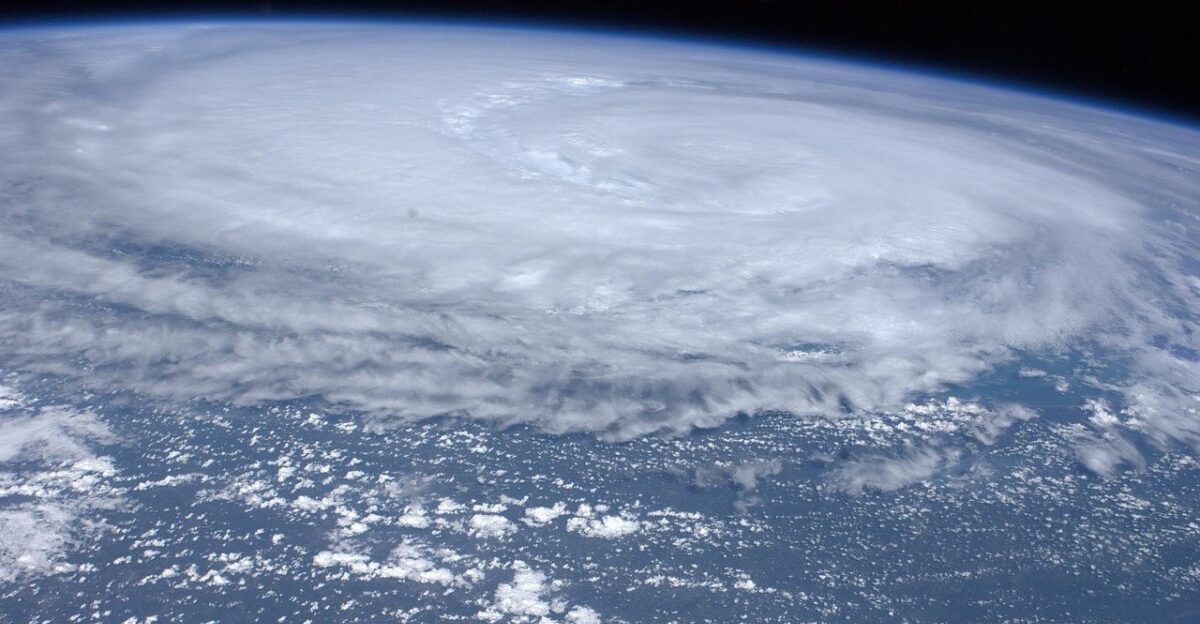
Fire season typically peaks late summer through early fall, and 2025 is already unfolding under heat and drought advisories. Early wildfires are burning across the West while hurricane conditions develop in the Gulf.
If multiple disasters strike in a single season, analysts warn state insurance plans could be overwhelmed. Reinsurers—already stretched—may not have the capacity to cover the simultaneous surge in losses.
When Insurance Vanishes, Mortgages Follow

Most mortgages require homeowner’s insurance. When coverage disappears, lenders hesitate, and entire markets slow. Real estate agents in California, Louisiana, and Texas report stalled sales and falling bids in high-risk areas. Lenders can’t finance what insurers won’t cover.
Housing economists warn this dynamic is already creating pockets of unmortgageable property—an early sign of deeper market instability.
Building for Yesterday Won’t Survive Tomorrow
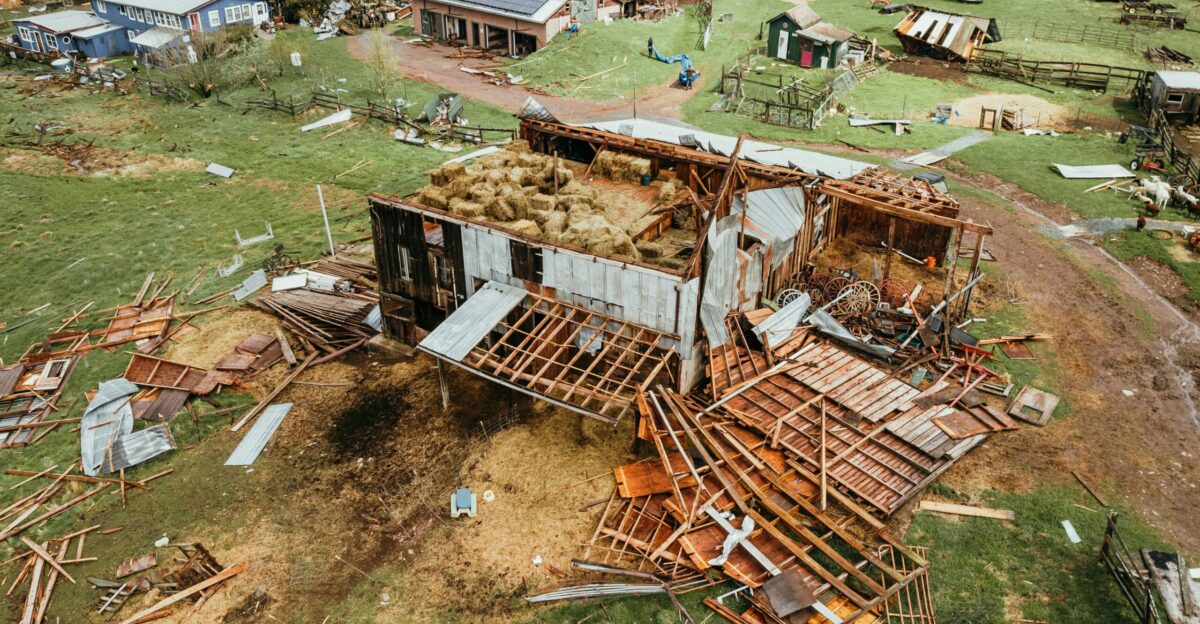
According to resilience experts like NRDC’s Rob Moore, the only long-term fix is investing in stronger building codes, defensible space, flood infrastructure, and property-level mitigation. Homes built for yesterday’s climate can’t withstand today’s extremes. Without significant upgrades, insurers can’t return, and state plans can’t hold the load.
Resilience isn’t theoretical anymore—it determines where Americans can afford to live.
The Choice Arrives Faster Than Expected
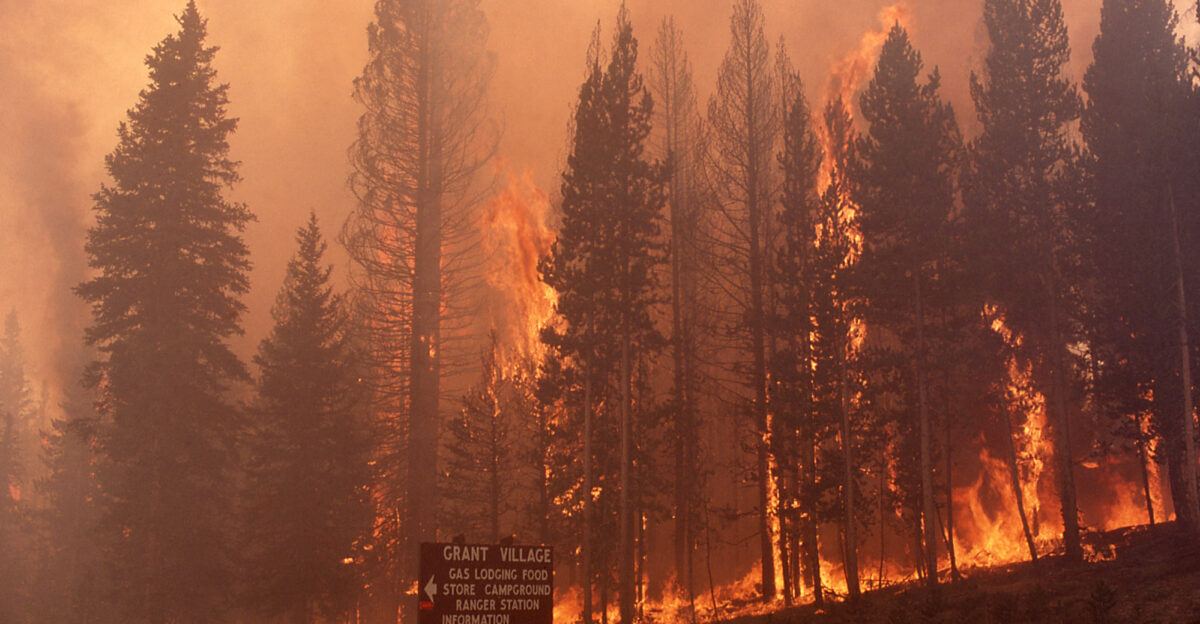
California’s FAIR Plan now carries nearly $700 billion in exposure with only $400 million on hand. That imbalance leaves the state one megafire away from delayed or partial payouts. The window for gradual adaptation has closed.
The choice is stark: invest in resilience now or accept that insurable homeownership in high-risk regions may soon be reserved only for those wealthy enough to rebuild without help.