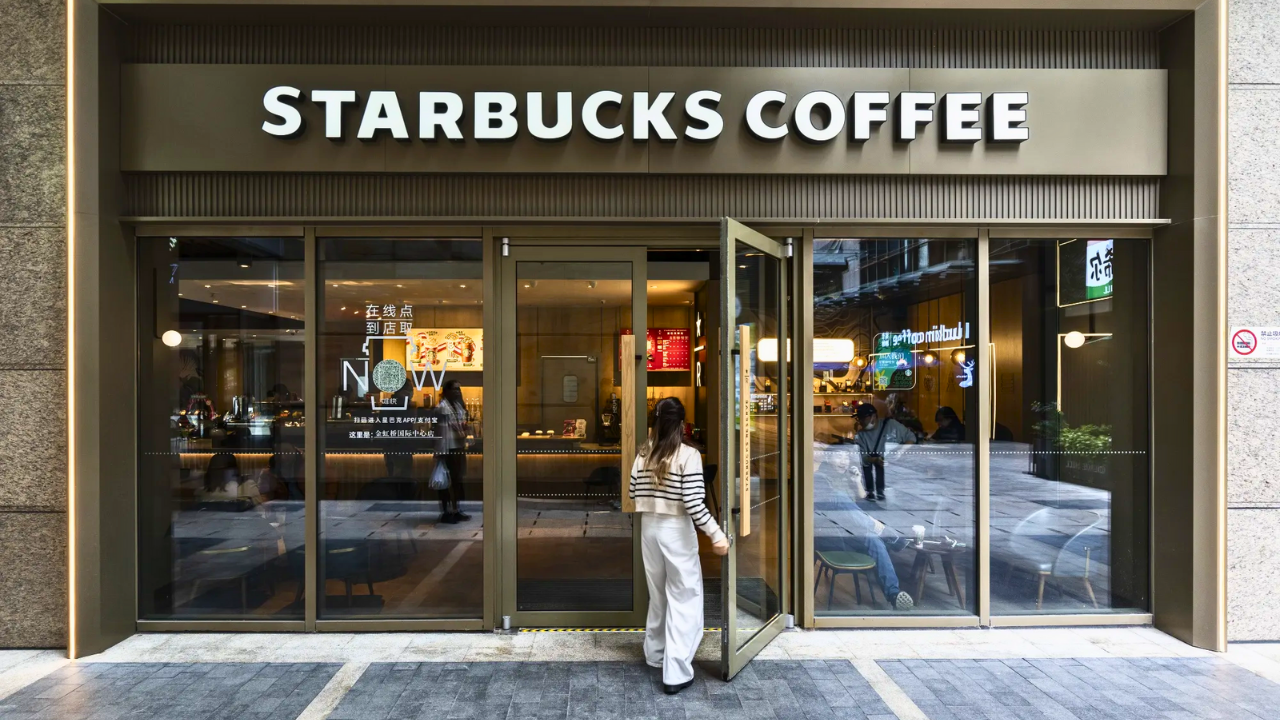
On November 3, 2025, Starbucks stunned the global business community by announcing the sale of a 60% controlling stake in its China operations to Boyu Capital, a Hong Kong-based private equity firm, for $4 billion. The move hands Boyu the reins to Starbucks’ 8,000 Chinese stores and signals a dramatic shift in strategy for the world’s largest coffee chain as it faces mounting competition and changing consumer tastes in its most important international market.
Intensifying Competition and the Decision to Sell
Starbucks’ decision comes after years of fierce rivalry with local brands, most notably Luckin Coffee. Luckin, which now boasts over 26,000 outlets across China, has rapidly eroded Starbucks’ market share—from 34% in 2019 to just 14% by 2024. The Seattle-based company, after 26 years in China, found itself struggling to keep pace with Luckin’s aggressive pricing and technology-driven service model. “Partnering with Boyu Capital gives us the local expertise needed to compete and grow in this dynamic market,” said Starbucks CEO Brian Niccol, emphasizing the importance of adapting to local consumer behavior and preferences.
For many Chinese coffee drinkers, the change in ownership may not be immediately visible. Starbucks will retain a 40% stake and continue to influence branding and quality, but Boyu’s majority control is expected to bring changes in menu offerings, pricing, and store design as the joint venture seeks to better align with local tastes.
A Broader Trend: Western Brands Restructuring in China
Starbucks’ move is part of a growing pattern among Western brands operating in China. In 2017, McDonald’s sold its China business to a local consortium, and Yum Brands spun off its China operations—including KFC and Pizza Hut—into a separate company in 2016. These restructurings reflect the challenges foreign companies face in China’s fast-evolving consumer landscape, where nimble local competitors often outpace global giants.
Luckin Coffee’s Meteoric Rise and Market Disruption
Luckin Coffee’s ascent has been nothing short of remarkable. Founded in 2017, the company has leveraged low prices, digital ordering, and rapid expansion to become China’s largest coffee chain by store count. Its strategy of targeting smaller cities and offering frequent discounts has resonated with younger, tech-savvy consumers.
Starbucks, by contrast, has struggled to match Luckin’s pace and appeal. The new joint venture with Boyu aims to reverse this trend, with plans to more than double Starbucks’ presence in China to over 20,000 stores. However, the timeline for this ambitious expansion remains uncertain, and the competitive pressure from Luckin and emerging rivals like Cotti Coffee is unlikely to ease.
Deal Structure, Financial Stakes, and Local Advantage
The $4 billion deal values Starbucks’ China business at $13 billion, factoring in the retained 40% stake and licensing agreements. Starbucks will continue to operate from its Shanghai headquarters, but Boyu’s majority ownership brings significant local advantages. Founded by Alvin Jiang, grandson of former Chinese President Jiang Zemin, Boyu Capital has deep ties in China’s business and political circles and a track record of backing major Chinese firms like Alibaba and Ant Group.
The deal is expected to close in the second quarter of fiscal 2026, pending regulatory approval—a process Boyu is well-positioned to expedite.
Implications for Consumers and the Global Coffee Industry
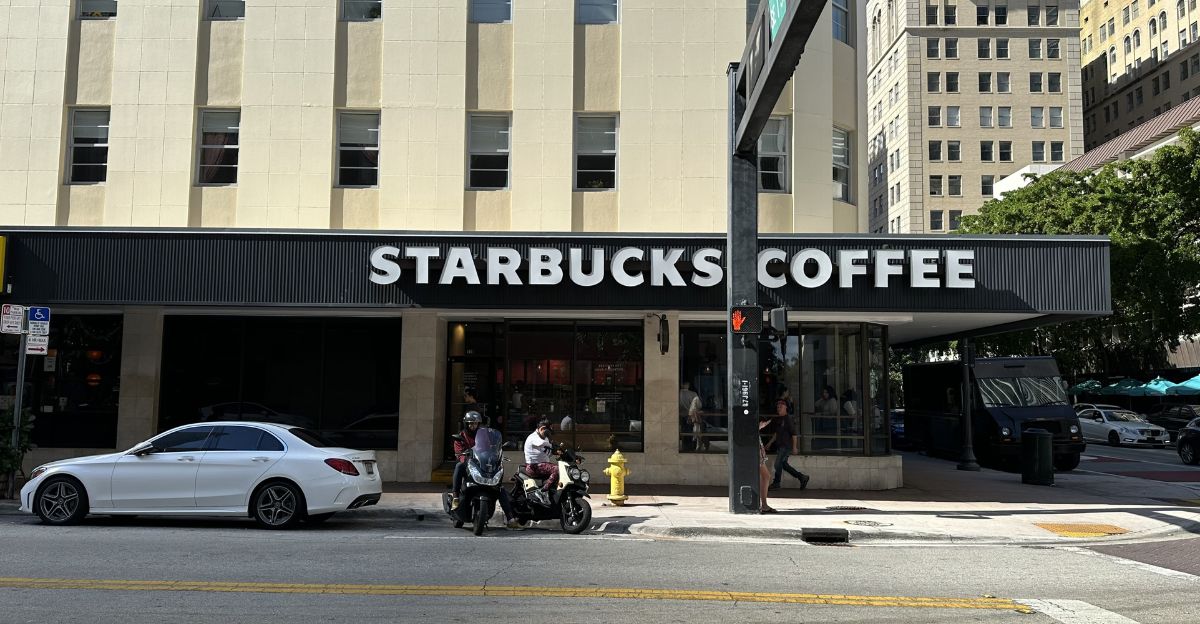
For Chinese consumers, Starbucks will remain a familiar presence, but the experience may evolve as the joint venture tailors offerings to local tastes and competitive realities. Industry analysts see the deal as a bellwether for how Western brands approach China in the future: with more humility, flexibility, and reliance on local partners.
Globally, the move underscores the shifting balance of power in international business. As Starbucks cedes majority control but retains a significant stake, it signals both a retreat and a strategic repositioning. The outcome will shape not only Starbucks’ future in China but also serve as a case study for other multinationals navigating the complexities of the world’s second-largest economy.
As the dust settles, all eyes will be on how this partnership unfolds—and whether it marks a new chapter of growth or a cautionary tale for global brands in China’s ever-changing marketplace.