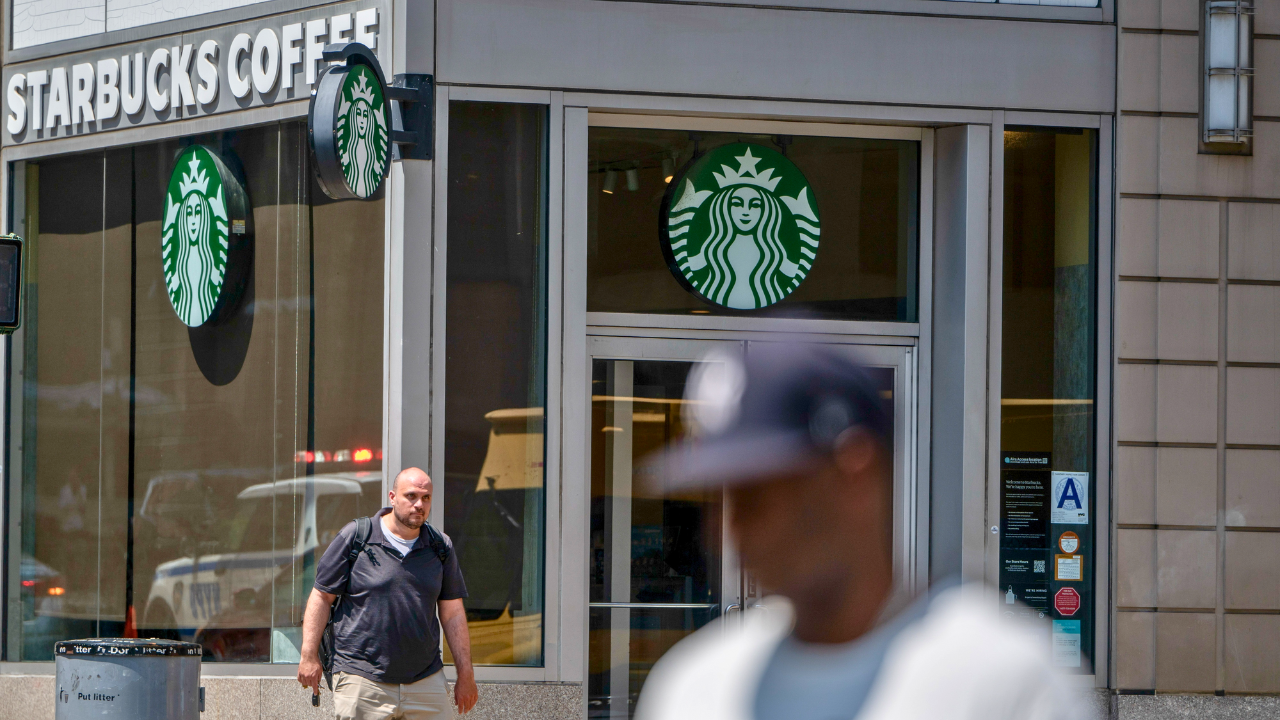
In the heart of Chicago, a sudden shift in the morning routines of thousands of residents unfolded as 15 Starbucks locations closed their doors.
This move marked a significant moment for one of the world’s largest coffee chains, leaving many wondering what prompted such a drastic decision.
Understanding the Closures

Starbucks cited underperforming store sales and operational challenges as the primary reasons for these closures. The company is focusing on redesigning over 1,000 stores nationwide by the end of 2026 to enhance efficiency and customer experience. This strategic shift aims to stabilize operations and modernize the coffeehouse experience, though it has raised questions about the company’s broader U.S. strategy.
The Chicago closures represent just a small fraction of a nationwide reduction affecting approximately 180 locations across the United States. As part of this restructuring, Starbucks is also cutting around 900 corporate positions. The company’s new CEO is implementing these changes as part of a comprehensive turnaround plan aimed at addressing declining sales and operational inefficiencies.
For Chicago residents, the closures represent a significant disruption to their daily lives. Loyal customers are now seeking alternatives, potentially driving more consumers toward local cafes or competitors. This shift could lead to a loss of loyal patrons, especially those tied to the company’s rewards program who have built their routines around specific store locations.
Impact on Local Communities

The closures extend beyond customer inconvenience, directly affecting workers and local economies. While the exact number of Chicago retail jobs impacted has not been disclosed, employees at the 15 closed locations face uncertainty about their employment status. Communities that relied on steady customer activity from these stores are now facing reduced foot traffic, which can affect nearby businesses that benefited from the flow of coffee shop customers.
The timing of these closures has sparked concern among some workers, particularly given ongoing labor discussions at various Starbucks locations nationwide. Store employees learned of the closures with relatively short notice, creating challenges for those who must now find alternative employment or transfer to other locations.
Broader Industry Context

While the closures are specific to U.S. locations, they highlight broader challenges faced by major coffee chains in adapting to evolving consumer preferences. Companies in this sector must navigate shifts toward convenience, sustainability, and digital engagement while managing rising operational costs and changing urban landscapes.
The redesign initiative aims to modernize the coffeehouse experience by introducing updated seating arrangements, enhanced accessibility features, and more efficient layouts. The company aims to create spaces that better serve both mobile order pickup customers and those who want to linger in a comfortable environment.
Competitors in the coffee industry stand to benefit from these closures. With fewer Starbucks locations available, displaced customers may explore other options, creating opportunities for both established chains and independent coffee shops to expand their customer base. Local cafes, in particular, may see increased foot traffic from former Starbucks regulars seeking convenient alternatives.
Adapting to the Changes

As the company scales down its physical footprint in some areas while investing in store renovations elsewhere, the coming months will reveal how customers adapt to these changes. Some consumers may adjust their habits, opting for home brewing or independent cafes. This trend could reflect a growing preference for local businesses and alternative coffee experiences.
The company’s strategic choices are being scrutinized by multiple stakeholders. Investors are watching closely to see whether the restructuring will improve financial performance and restore growth momentum. Local policymakers remain concerned about the economic impact of job losses and reduced commercial activity in affected neighborhoods.
The restructuring also raises questions about the future of retail coffee in urban environments. As the company closes underperforming locations while simultaneously investing in renovations at other stores, the strategy suggests a more selective approach to market presence rather than the expansion-focused model of previous decades.
For Chicago specifically, the loss of 15 locations represents a noticeable reduction in the company’s footprint within a primary metropolitan market. Whether this signals a broader retreat from some urban regions or simply reflects a rebalancing of store locations remains to be seen. The coming years will determine whether the company can regain its growth momentum through its renovation strategy or whether further closures lie ahead as the coffee retail landscape continues to evolve.