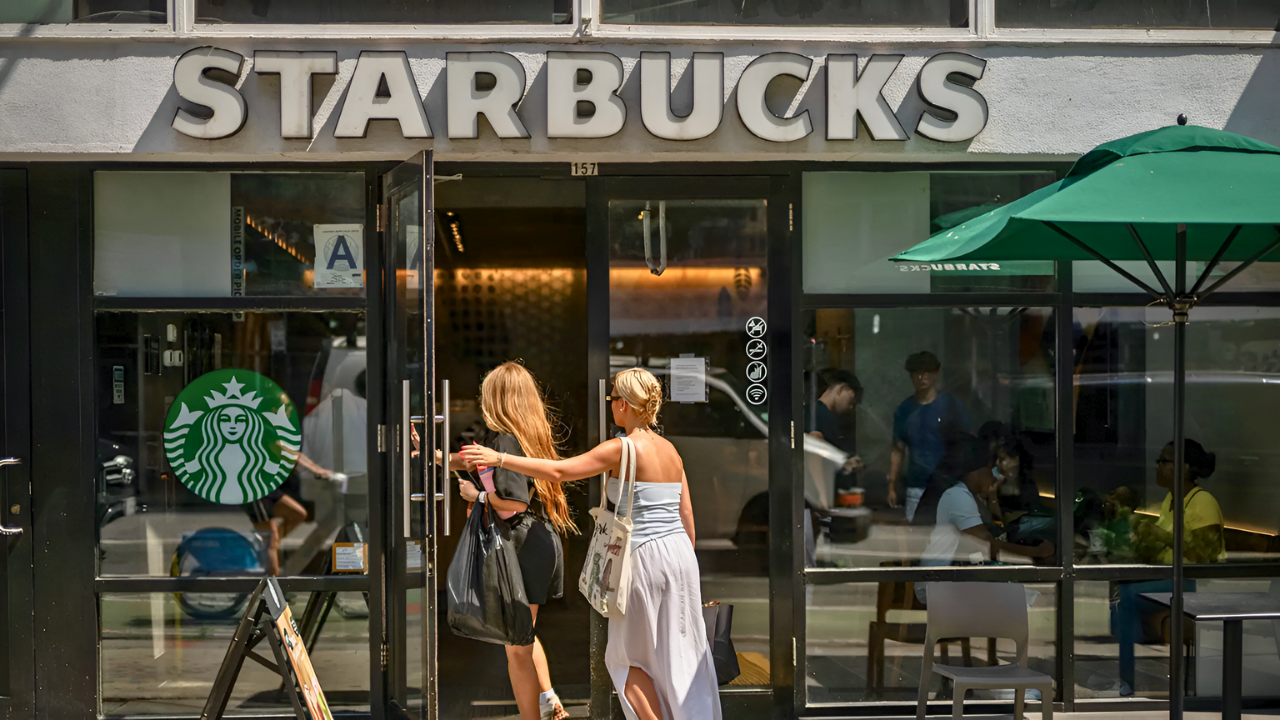
Starbucks baristas across New York City are set to receive tens of millions of dollars in back pay after the coffee chain agreed to a record $38.9 million settlement with the city over widespread violations of local scheduling rules. The agreement caps a three-year probe into how the company managed work hours at hundreds of locations and marks the largest enforcement action under New York’s Fair Workweek Law.
Scheduling Chaos And A Historic Payout
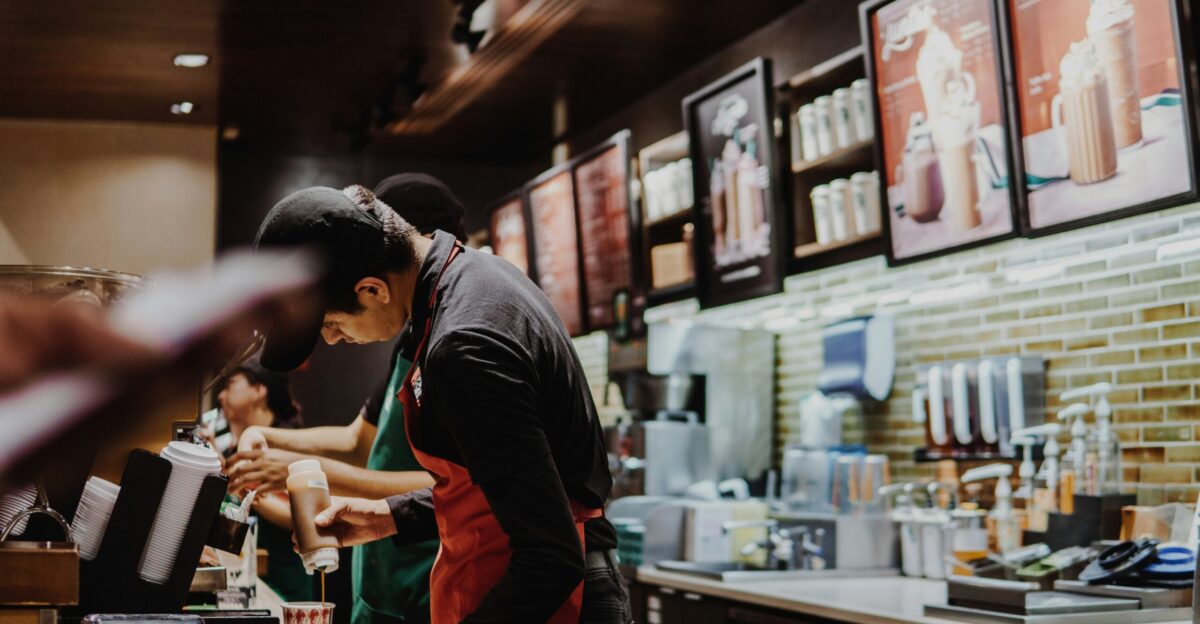
Under the settlement, more than 15,000 current and former workers will share $35.5 million in restitution, with the remaining $3.4 million earmarked for city penalties and administrative costs. The deal covers the period from July 2021 through July 2024, during which city investigators say Starbucks repeatedly failed to comply with rules intended to provide employees with stable, predictable schedules. For many baristas who spent years navigating erratic hours and last-minute changes, the payments serve as formal recognition that the disruption to their lives carried a measurable financial cost.
Investigators logged more than 500,000 violations of the Fair Workweek Law across roughly 300 Starbucks stores citywide, suggesting a systemic breakdown rather than isolated mistakes. The issues ranged from short-notice schedule postings to sudden cuts in hours, all of which made it difficult for hourly workers to plan for basic expenses such as rent and utilities. City officials have characterized the settlement as evidence that large employers can no longer factor modest fines into the cost of doing business while ignoring worker protections.
What The Fair Workweek Law Requires

New York City adopted the Fair Workweek Law in 2017 to curb practices like “on-call” scheduling, in which employees are expected to be available without guaranteed hours. The law requires large employers in fast food and retail to provide schedules at least 14 days in advance and to obtain consent, and sometimes pay additional compensation, when changes are made on short notice. It is designed to provide workers with sufficient lead time to arrange childcare, classes, second jobs, or medical appointments.
The investigation found that Starbucks managers often failed to post schedules within the required timeframe or to secure proper permission when revising shifts after they were set. In some cases, scheduled hours were cut by more than 15 percent without the required notice or pay. The city also cited the company for failing to offer additional hours to existing staff before hiring new employees, leaving many workers in involuntary part-time status despite their desire for more consistent income.
Clopenings, Predictability Pay, And Worker Restitution

One of the practices scrutinized by regulators was the so-called “clopening,” where a worker closes a store late at night and returns early the next morning to reopen it. The Fair Workweek Law requires premium pay when shifts are scheduled this close together, because such arrangements can be exhausting and disrupt rest. Investigators concluded that Starbucks often failed to provide the mandated extra compensation for these tight turnarounds, further adding to the strain on already overburdened staff.
Central to the case is the concept of “predictability pay,” a form of financial compensation owed when employers alter schedules in ways that disrupt workers’ lives. The settlement applies a straightforward formula: most eligible hourly employees will receive $50 for every week they worked in New York City during the three-year violation window. Someone employed throughout the entire period could receive nearly $7,800, while a worker with approximately 18 months of service might earn around $3,900. City officials expect checks to begin arriving in December 2025, giving many service workers a huge and timely boost during the holiday season.
Starbucks Response And Ongoing Oversight
Starbucks has not admitted intentional wrongdoing and has emphasized the complexity of complying with the city’s detailed scheduling rules. Company representatives have argued that even last-minute efforts to help cover a colleague’s shift can be counted as violations if every procedural requirement is not met. At the same time, the chain has accepted the settlement terms and committed to upgrading its scheduling systems in an effort to better align with the law.
The agreement also places Starbucks under heightened monitoring by the city’s Department of Consumer and Worker Protection. Regulators will continue to review the company’s scheduling practices to ensure that past patterns do not re-emerge. Officials say the breadth of the violations—spanning every borough and affecting workers from Staten Island to Manhattan—shows that oversight cannot end with a single payout, and that long-term compliance will be a key test of whether the settlement leads to lasting change.
Broader Impact On New York Employers
City leaders have framed the Starbucks case as a turning point in local labor enforcement. Including this deal, the current administration says it has now secured nearly $90 million in relief for workers from multiple employers under various labor laws. For fast food and retail staff who long felt they had little recourse against sudden schedule changes, the total amount recovered stands as concrete proof that their complaints can translate into meaningful financial remedies.
For other large companies operating in New York City, the record $38.9 million settlement serves as a warning that violating scheduling protections can carry severe consequences. Officials have emphasized that business size provides no exemption from enforcement and that the Fair Workweek Law will be treated as a binding obligation rather than a guideline. For Starbucks workers, the checks arriving this winter represent both overdue compensation and a signal that their time and stability are now being taken more seriously by both their employer and the city.
Sources
Mayor Adams & DCWP official settlement announcement (NYC Department of Consumer and Worker Protection press release)Reuters report on Starbucks’ $38.9 million New York City Fair Workweek Law settlement and scheduling probeAssociated Press coverage of Starbucks’ agreement to pay about $35 million in backpay to NYC workers