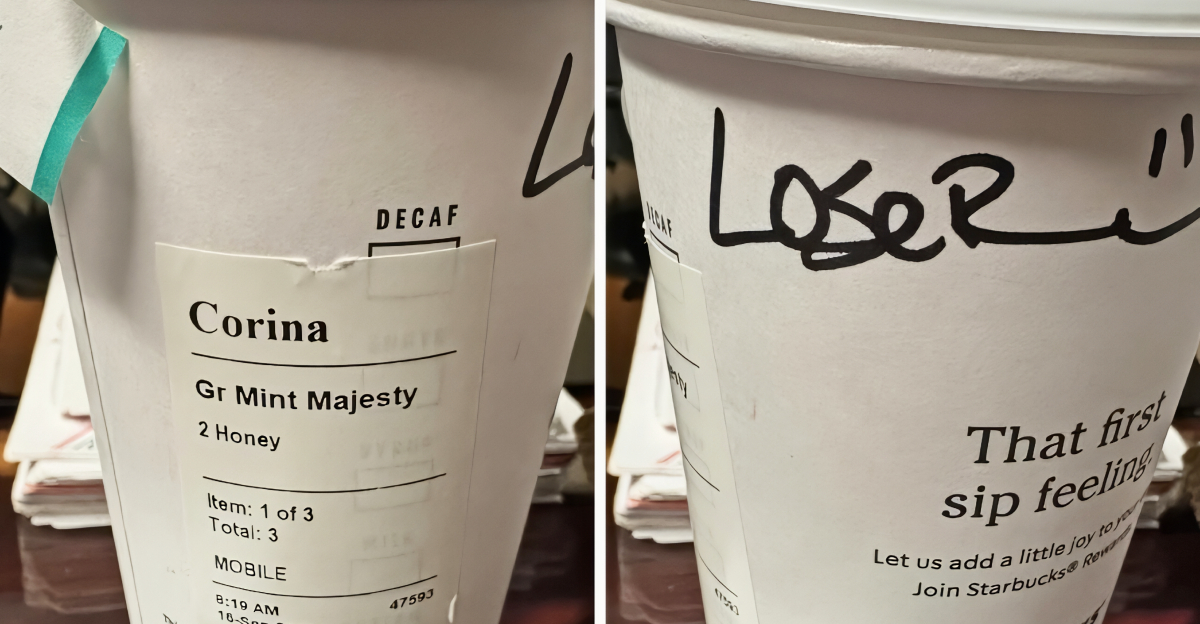
On September 16, 2025, a new video made the rounds online, claiming that Starbucks refused to print “Charlie Kirk” on coffee cup labels.
This video quickly caused a significant stir among conservative social media users, who compared the outrage to the controversy Bud Light faced in 2023 after teaming up with a transgender influencer.
In the Starbucks video, an employee tells a customer that the company’s ordering system blocks the conservative activist’s name, just six days after Kirk was assassinated.
Immediately, angry supporters called for a Starbucks boycott and began ordering Kirk’s favorite tea, Mint Majesty with two honeys, nationwide in tribute.
The Bud Light Backlash Playbook
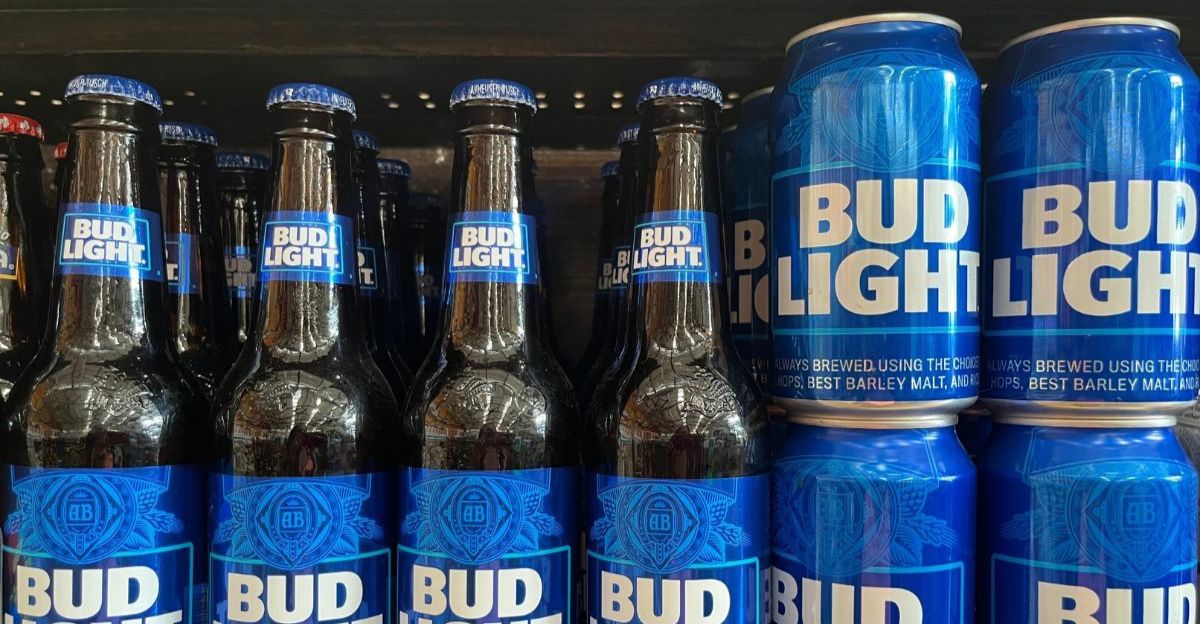
People remembered how Bud Light’s partnership with transgender influencer Dylan Mulvaney in 2023 led to swift backlash. Many conservatives boycotted the beer, causing Bud Light’s U.S. sales to drop by over a quarter in weeks.
The boycott was so successful that Bud Light lost its spot as America’s top-selling beer for the first time in 20 years, giving that title to Modelo. Coors Light and Miller Lite, Bud Light’s competitors, gained more customers, and stock prices dropped.
The fallout was permanent and is now referenced whenever companies get tangled in political or cultural debates.
The Loss of a Conservative Figure
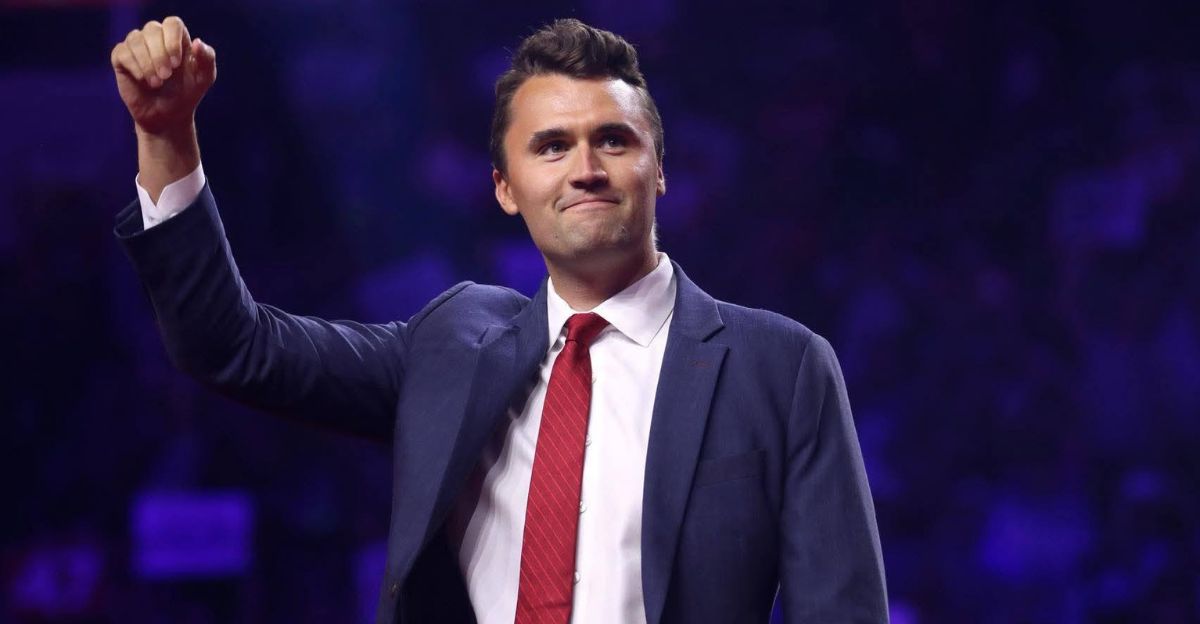
Charlie Kirk’s death on September 10, 2025, shocked conservative communities across the country. At just 31, Kirk co-founded Turning Point USA and became one of the most well-known conservative youth leaders, leading a movement with more than 850 campus chapters and millions of followers online.
He was shot and killed during a speaking event at Utah Valley University, in front of thousands of people. The attacker was identified as Tyler Robinson, and the impact was immediate.
President Trump announced Kirk would be given the Presidential Medal of Freedom posthumously, recognizing Kirk’s influence on conservative activism and college politics.
A Drink Becomes a Symbol
After Kirk’s death, his supporters discovered his favorite Starbucks order. He used to drink Mint Majesty Tea with two honeys, sometimes several times a day, while traveling for speaking events.
This drink became a symbol for his fans, who went to Starbucks nationwide and ordered it as a tribute.
Many posted photos with their drinks, and some demanded that Starbucks officially rename the beverage in Kirk’s honor.
An online petition quickly gained thousands of signatures, pushing Starbucks to add the drink to its national menu.
Timing Fuels Bias Suspicions
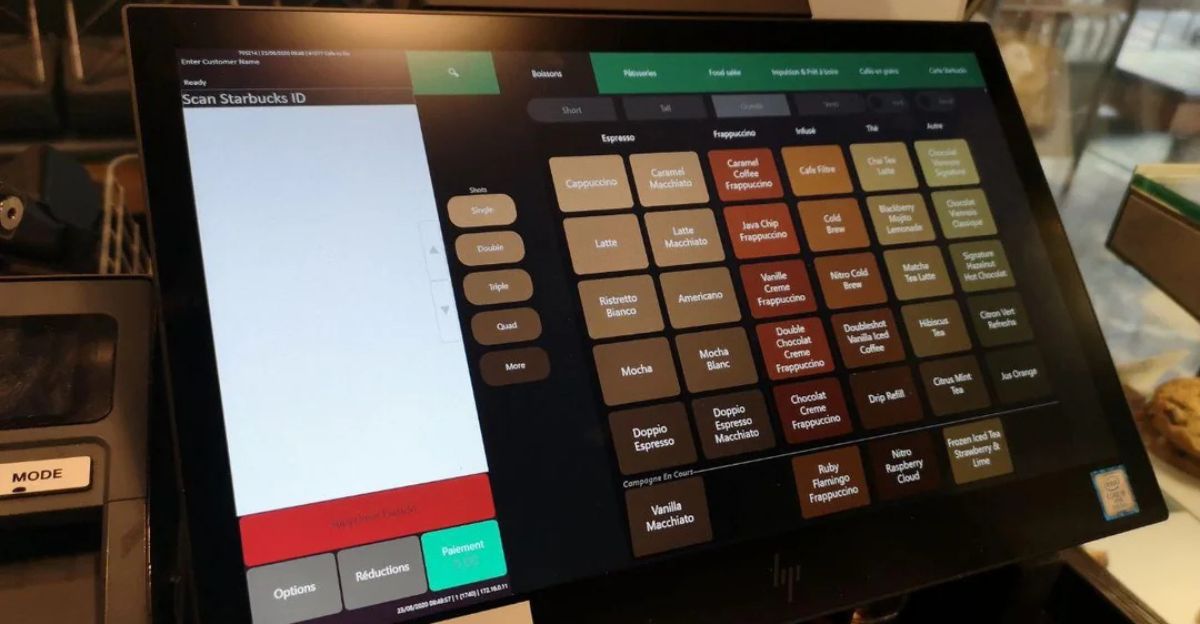
The viral video showing a Starbucks employee claiming their register system won’t print the name Charlie Kirk came at a time when emotions were already high due to Kirk’s assassination and widespread memorial tributes.
The timing made many conservatives suspect that Starbucks was deliberately blocking Kirk’s name, feeding rumors about anti-conservative bias in big corporations. Starbucks did not put out any official statement confirming or denying whether they filter customer names.
Nevertheless, the video was soon everywhere in conservative media, quickly drawing accusations of corporate censorship.
Emotional Resonance in Utah
Utah Valley University, where Kirk was murdered, became a site of intense activity and mourning. Local Starbucks shops saw floods of people coming in to order his favorite tea, sometimes to see whether the staff would actually print his name on their cup.
Reports and social media posts were mixed; some customers got the name printed without issue, others said it was blocked, or encountered technical problems.
The controversy resonated even more deeply in highly conservative regions like Utah, where Kirk’s group Turning Point USA had a strong presence.
Supporters Share Grief and Remembrance
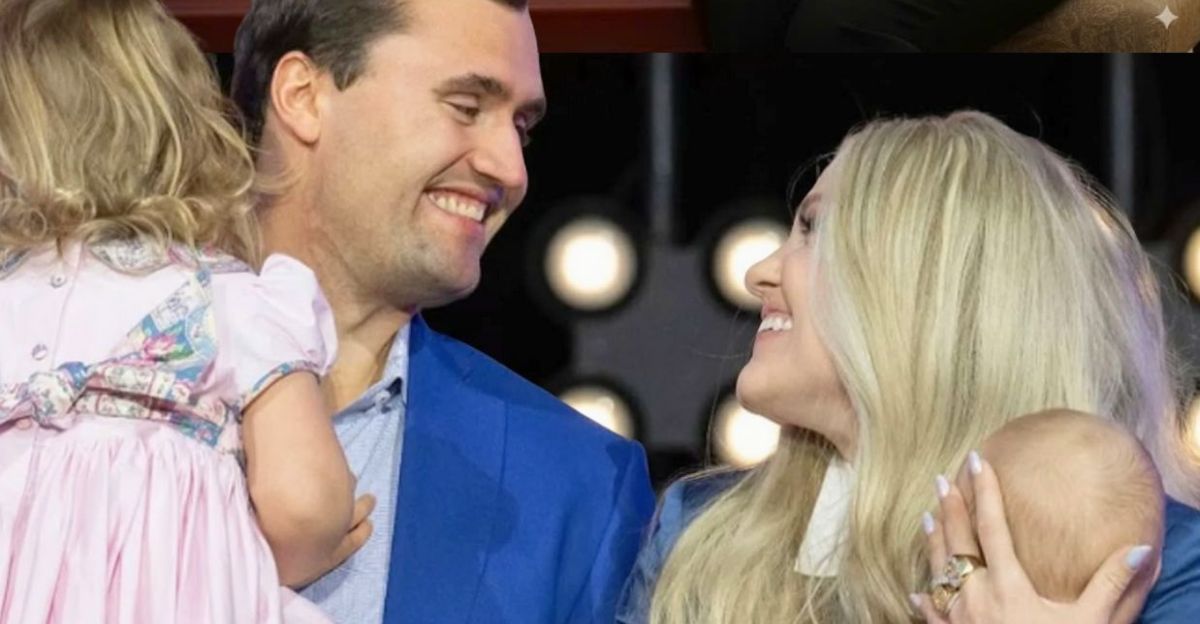
Supporters used social media to express how much it meant to order Kirk’s favorite drink, sometimes filming themselves and sharing stories about what he meant to their lives.
Many described drinking the Mint Majesty Tea with two honeys as a way to mourn and honor Kirk.
His personal story also came up: Kirk was married to former Miss USA Erika Kirk, had two kids, and frequently spoke about the strength his Christian faith gave him in the face of criticism and pressure.
Corporate Boycotts and the Risks
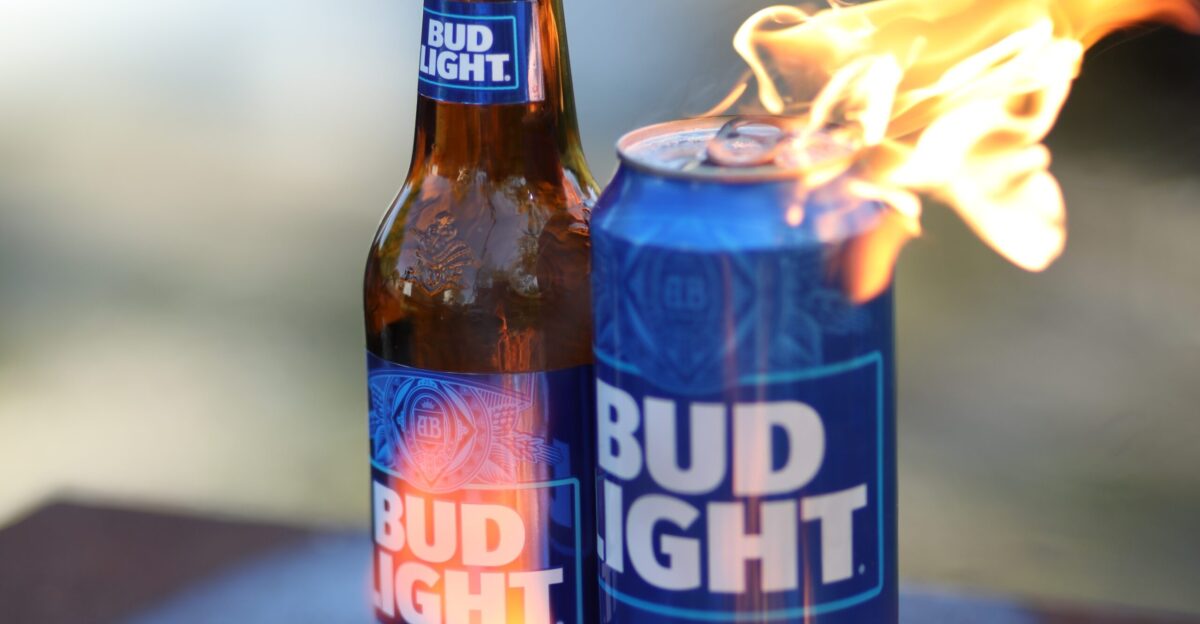
Brand boycotts, like those facing Starbucks and Bud Light, have become powerful tools in today’s politically divided America.
Bud Light’s experience warned of how badly a brand can be hurt by being caught between cultural divides. In Bud Light’s case, they lost nearly a quarter of their sales, while other beer brands permanently won new customers.
The message to companies is clear: angering any side of the U.S. political spectrum is now a significant business risk.
How Social Media Fuels Crises
Thanks to social media, the Starbucks video spread with lightning speed. Conservative influencers drew instant connections to Bud Light’s fate and called for boycotts of Starbucks, just as they had with beer brands a year earlier.
Kirk’s massive online audience fueled the uproar even more, helping the controversy gain national exposure almost overnight.
Today, corporate scandals can explode at digital speed, making it nearly impossible for brands to control the story before it damages their business.
Handwritten Names Policy
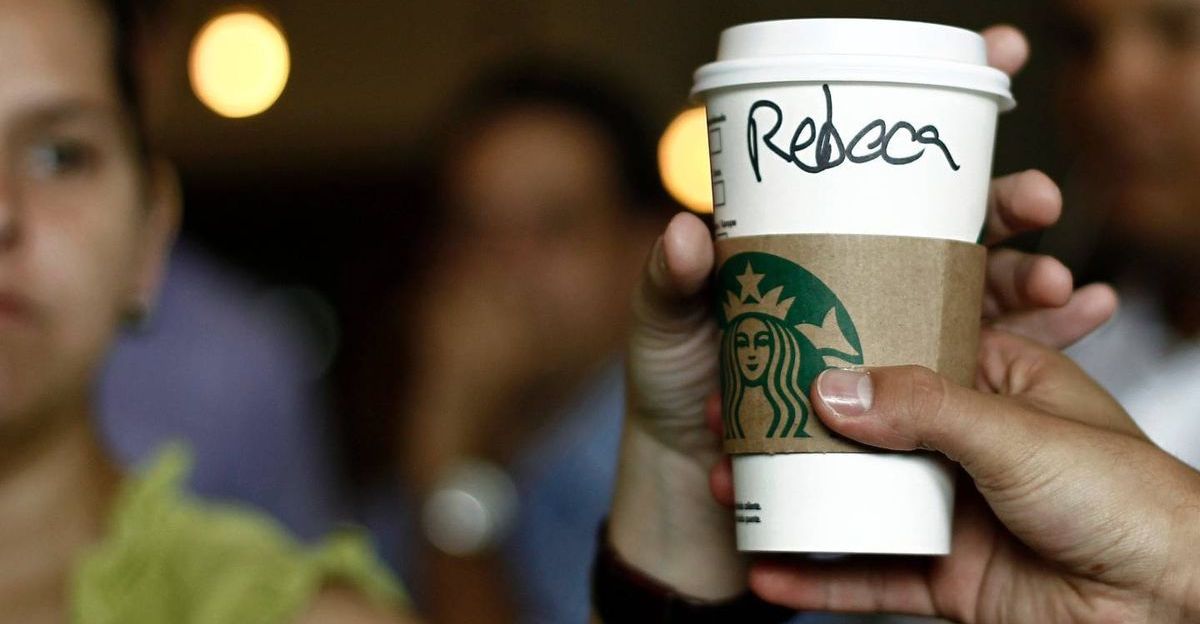
Starbucks has been criticized for writing customers’ names on cups, but never like this. In early 2025, the company announced a new campaign to write names by hand again, using Sharpie markers, to rebuild personal ties with customers after the pandemic moved so much business online.
Starbucks bought 200,000 markers for this initiative. The timing made things even more awkward for Starbucks, as its attempt to appear more friendly and old-fashioned happened just as claims of selective name-blocking gained traction.
Starbucks’ Silence Adds Fuel
Despite the controversy, Starbucks remained silent about the allegations, saying nothing about its name-printing policy or whether technical issues blocked Kirk’s name.
The company’s reluctance to clarify the policy was compared to Bud Light’s initial slow response, which many analysts now see as a costly mistake.
Starbucks’ CEO Brian Niccol was already working to recover from declining sales and was likely wary of making public statements that could alienate any group of customers.
Silence often leaves room for rumors to grow and become accepted as truth.
Barista Workload Challenges

With the shift to handwritten names, Starbucks employees were already complaining about the policy.
Many said writing names and messages on every cup slowed down service and clashed with the company’s goal of fast customer turnaround. Some baristas felt the “personal connection” was forced, especially when they had to focus on efficiency.
The backdrop of high customer volume, complex orders, and new job demands created more stress, especially during emotionally charged stories like the Kirk incident.
Awkward Policy Timing

The handwritten names campaign, meant to improve the chain’s image, was launched in January 2025 shortly after Starbucks reported a 6% drop in U.S. comparable-store sales.
Baristas were told to add names and positive messages to cups starting February 24.
While major brand policies such as these are usually planned far in advance, the introduction coincided with the Kirk story, making the company’s efforts to rebuild trust seem awkwardly timed.
Profits and Public Relations
Starbucks’ financial situation heightened concerns about the new controversy.
The chain had already seen declining sales and was trying to lure customers back with changes such as requiring purchases for bathroom access and reinstating free condiment stations. Investors worried that Starbucks could repeat Bud Light’s rapid, ongoing decline if the Kirk boycott took off.
The company’s reputation for being social and friendly also made it more vulnerable to viral backlashes.
Lessons for Corporate America
What happened with Charlie Kirk and Starbucks is now viewed as a test for corporate crisis management in a time of viral outrage.
After Bud Light’s costly crisis, leaders across corporate America are watching to see if Starbucks can avoid similar mistakes—or if the controversy results in lasting damage.
Many experts suggest that strict political neutrality is the safest path for companies, but they note that even neutral actions can draw criticism or be reinterpreted by the public.
Politics and Corporate Policy
Though no congressional investigation is planned over this specific case, the situation comes as lawmakers debate the responsibilities of major corporations regarding free speech, content moderation, or political involvement.
Since 2016, public boycotts and demands for brand activism have escalated and can now have lasting impacts, as Bud Light’s experience demonstrated.
More brands are expected to develop clear policies to avoid being caught in the same controversies.
Personalization Under Scrutiny

Other brands with practices that involve name-printing or personalized service could face similar scrutiny.
The controversy illustrates how quickly everyday business practices can become politicized, mainly when information spreads instantly online.
Restaurant groups and business associations now warn members to double-check their processes and communication strategies to protect against unwanted viral incidents.
The Power of Viral Claims
The Starbucks/Kirk story also highlights the dangers of viral misinformation. The claim that Starbucks refused to print Kirk’s name spread fast, gaining massive traction before any solid verification.
In today’s polarized information environment, people are eager to believe and amplify stories that support their views—even before all the facts are out.
For companies, this means that a rumor with emotional or political resonance can create a crisis overnight, regardless of whether it is true.
Boycotts Go Viral
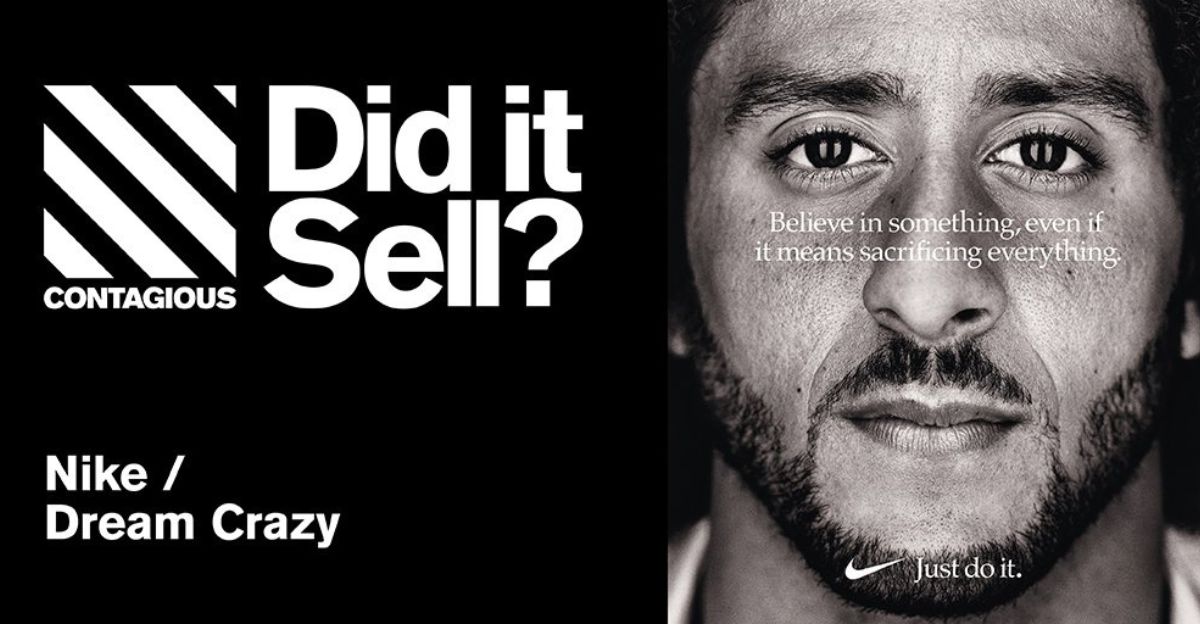
The Starbucks-Kirk episode fits a years-long pattern of viral corporate controversies. As far back as 2016, Nike faced a backlash after its prominent campaign with Colin Kaepernick.
Disney, too, has been drawn into political fights and learned that losses from a consumer boycott can become permanent.
Thanks to social media, what once would have taken weeks or months can now go viral in hours, making damage control and long-term planning even more critical for modern brands.
The New Age of Consumer Influence

Whether Starbucks had real technical issues or was the target of a viral rumor, the Kirk controversy demonstrates that in today’s world, even minor missteps can blow up into massive headaches for companies.
Public reaction now often goes beyond quality or service, requiring brands to navigate consumers’ values and beliefs.
The challenge for Starbucks and other household brands is clear: ordinary customer interactions can now turn into viral political crises with severe, lasting financial and reputational impacts.