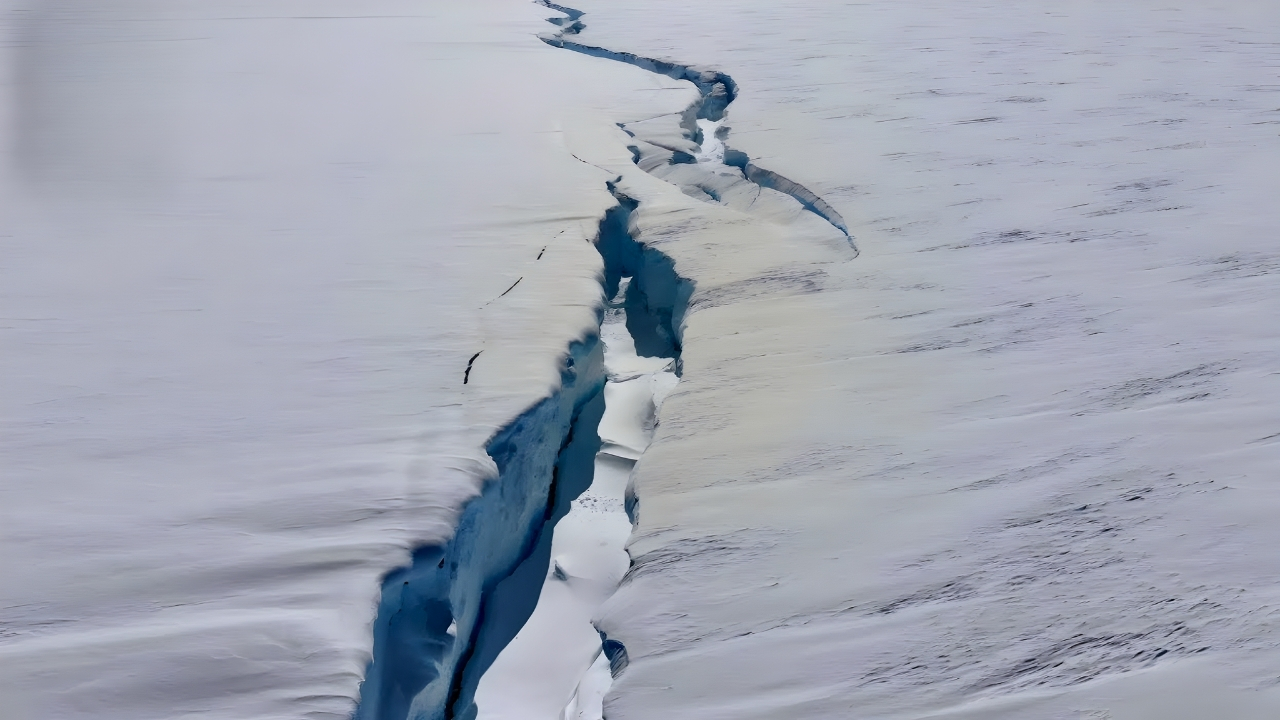
Beneath Antarctica’s vanished Larsen C Ice Shelf, scientists have uncovered a hidden world: thousands of perfectly circular fish nests etched into the seafloor, arranged in striking geometric patterns. This discovery, made possible only after a colossal iceberg broke away in 2017, has transformed our understanding of life in one of Earth’s most inaccessible environments.
The Iceberg That Opened a Window
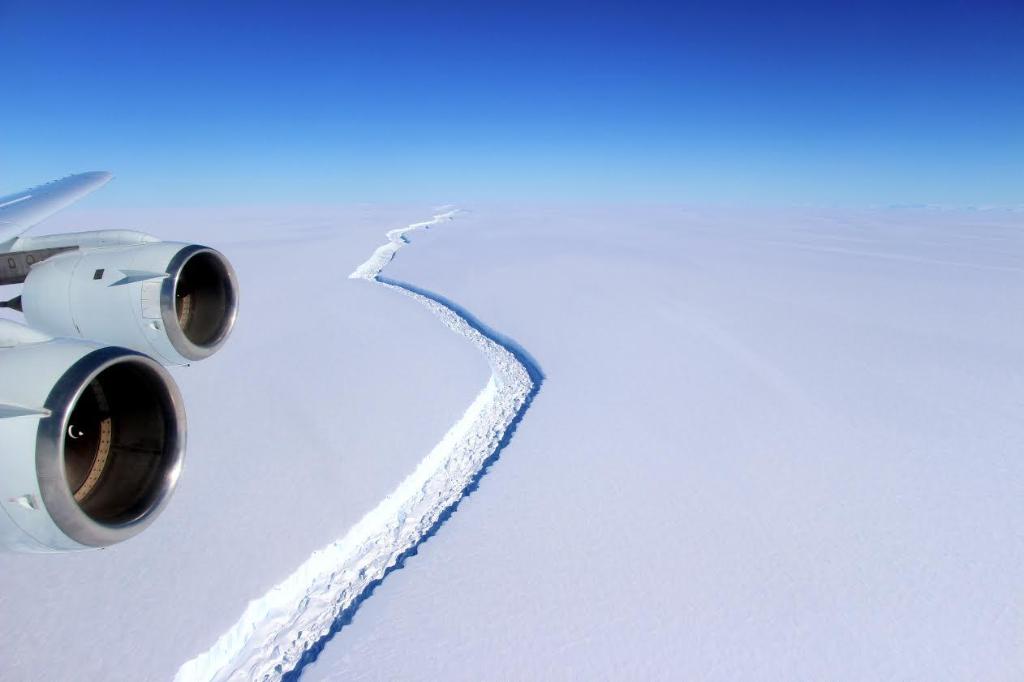
In July 2017, a massive iceberg known as A68—roughly the size of Delaware—calved from the Larsen C Ice Shelf, exposing a stretch of seafloor that had been sealed off from sunlight and human observation for up to 120,000 years. For millennia, this region remained untouched, its ecosystem evolving in isolation beneath hundreds of meters of ice. The sudden exposure presented a rare, fleeting opportunity for scientists to explore a pristine Antarctic wilderness before shifting pack ice could close it off again.
A Race Against Time and Ice
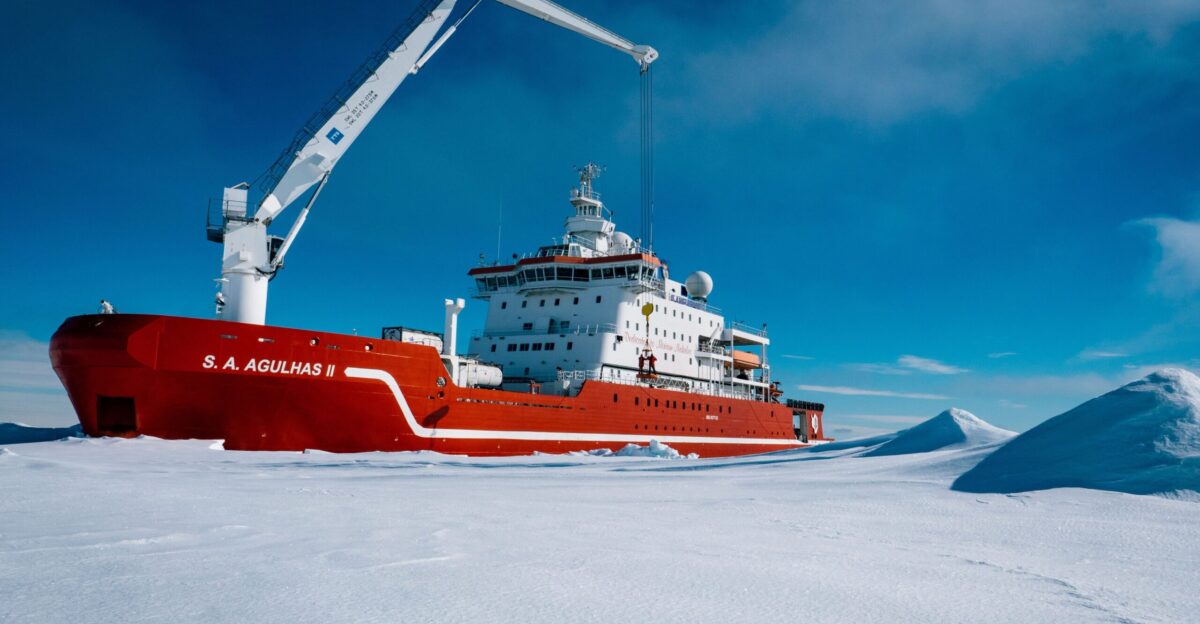
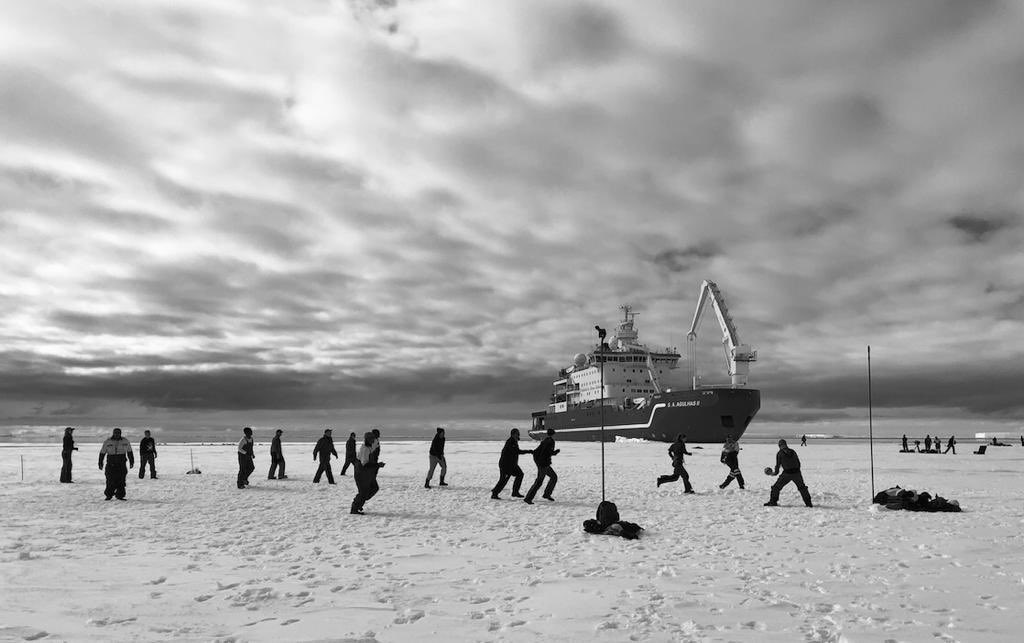
The Weddell Sea Expedition of 2019 set out with two goals: to study the newly revealed Larsen C region and to search for the wreck of Sir Ernest Shackleton’s Endurance, lost in 1915. Aboard the SA Agulhas II icebreaker, researchers navigated treacherous waters and subzero temperatures, aware that the same conditions that doomed Shackleton’s ship could trap them as well. Their most valuable tool was a remotely operated vehicle (ROV) nicknamed “Lassie,” equipped with cameras and sensors to probe the dark, unexplored depths.
Lassie’s 27-hour dive revealed a remarkable sight: over a thousand circular depressions in the seafloor, each swept clean of debris and arranged in six distinct patterns—clusters, crescents, lines, ovals, U-shapes, and solitary nests. Some nests overlapped or incorporated small rocks, possibly to shield eggs from currents or predators. The video footage showed not an abandoned wasteland, but a thriving nursery teeming with life.
The Builders: Yellowfin Noties and Their Survival Strategies
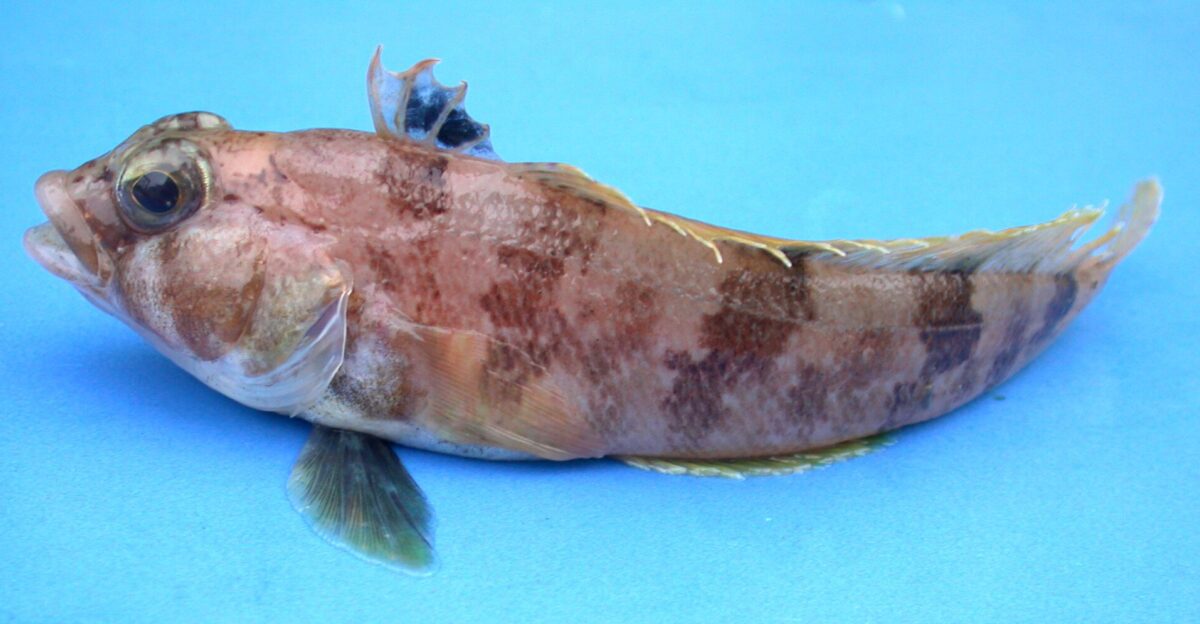
The architects of these nests are yellowfin noties, a species of Antarctic rockcod uniquely adapted to the extreme cold. These fish construct circular nests in fine sediment, each about 12 centimeters across, and fiercely guard their eggs for four months. The arrangement of nests is not random; clusters, which make up over 40% of the formations, demonstrate a classic “selfish herd” strategy. Weaker fish nest in the center, protected by neighbors, while stronger individuals occupy the riskier outer edges. This social structure minimizes the threat from predators such as ribbon worms and brittle stars, which hunt for eggs on the seafloor.
Scientists believe that the clustered patterns also create a confusing chemical landscape, making it harder for predators to locate specific nests. The presence of larvae and actively guarding fish in dozens of nests confirmed that this was an active breeding ground, not a relic of the past.
A Fragile Ecosystem in the Balance
The discovery of these nest fields has significant implications for conservation. The area meets the United Nations Food and Agriculture Organization’s criteria for a Vulnerable Marine Ecosystem—habitats that are both unique and crucial for biodiversity. The nests are not only vital for the survival of yellowfin noties but also support a complex food web that includes krill, penguins, seals, and whales. Bottom-trawling or other disruptive fishing practices could destroy these breeding grounds in minutes, erasing decades or centuries of ecological development.
In response, Germany has proposed the creation of the Weddell Sea Marine Protected Area, which would cover 2.2 million square kilometers—making it the largest such reserve on Earth. The proposal includes zones of varying protection, with strict safeguards for critical habitats like the nest sites.
Climate Change and the Future of Antarctic Life
The Antarctic Peninsula is warming rapidly, with ice shelves collapsing at an accelerating pace. The fate of Larsen C remains uncertain, and scientists are racing to understand how species like the yellowfin notie adapt to changing conditions. Each iceberg calving event reveals new, vibrant ecosystems, challenging the notion that Antarctica’s depths are barren.
Technological advances—such as high-resolution ROVs and satellite tracking—have made these discoveries possible, opening windows into worlds previously beyond human reach. As the international community debates the designation of new marine protected areas, the stakes are clear: protecting these hidden ecosystems is essential not only for Antarctic biodiversity but also for understanding the broader impacts of climate change on our planet’s oceans.