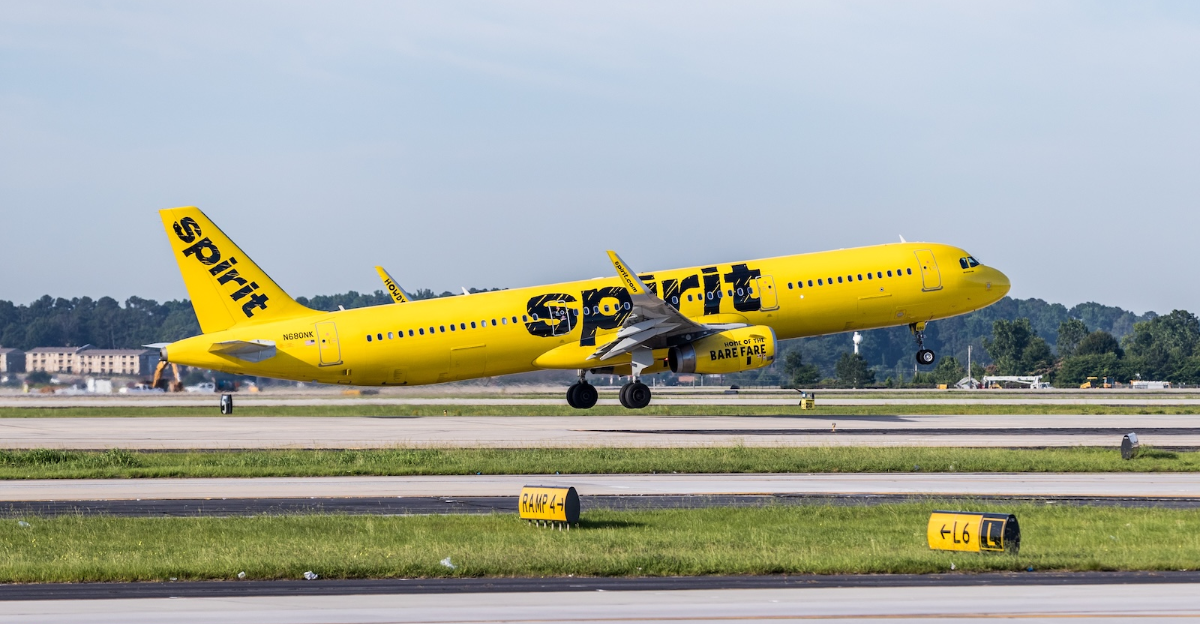
Spirit Airlines, known for its low fares and bright yellow planes, announced it will lay off about 1,800 flight attendants, which is roughly a third of its entire crew, starting in November.
These cuts are part of the airline’s strategy to survive another round of bankruptcy and address its financial troubles.
The company has already warned employees that these difficult choices are necessary to keep the airline afloat.
Still, the news has hit workers and their families hard, with many people across Spirit’s network bracing for job losses.
Financial Troubles Stack Up

This wave of layoffs follows Spirit’s $246 million loss in the second quarter of 2025, sparking serious doubts about its future.
Company costs rose so much that they exceeded all of its income.
Even after it exited bankruptcy in March with some debts cleared, Spirit continued to lose money, about $2.7 million every single day during the summer.
The airline says it simply cannot operate with these losses, which forced it back into bankruptcy in August for the second time in just twelve months.
Cutting Flights and Cities

To survive, Spirit is slashing flight schedules by 25 percent compared to last year. It’s leaving eleven cities, including San Diego, Oakland, and Albuquerque, and plans to add more exits before the end of 2025.
This is one of the most considerable single-month reductions ever by a primary U.S. carrier, reflecting just how serious its problems are.
The airline is now focusing on the handful of routes that make money, abandoning less successful markets so it doesn’t waste resources on flights with fewer passengers.
Why Are Budget Airlines Struggling?

Spirit’s struggles aren’t unique. Other low-cost airlines are also struggling because the big traditional companies, namely Delta, United, and American, have begun offering extremely low-cost “basic economy” fares.
Passengers who want the lowest price can obtain it from larger airlines, but with better service. Additionally, since the COVID-19 pandemic, many travelers now prioritize comfort.
They are willing to pay more, rather than just seeking the cheapest ticket, making it challenging for companies like Spirit to compete.
Why Bankruptcy Again?

Spirit’s most recent bankruptcy was triggered when AerCap, a major company that leases planes, canceled agreements for aircraft scheduled for delivery in future years and sent default notices for many planes Spirit already flies.
These unexpected changes left Spirit without enough aircraft to keep specific routes running profitably.
The airline CEO admitted that the last bankruptcy only addressed the debt and didn’t resolve deeper operational problems.
Impact on Workers and Communities

The layoffs don’t just affect flight attendants; a union estimates that nearly 1,850 workers received formal notices.
In cities like Detroit and Houston, hundreds now face layoffs, with the cuts affecting Spirit’s system across the board.
Some voluntary choices allow workers to take six months or a year off while still keeping health insurance.
Still, involuntary layoffs mean many people are losing both their jobs and stability.
The ripple effect can be felt in the towns Spirit serves, hitting families and local businesses hard.
Smaller Cities Lose Their Cheap Flights

Spirit’s exit from many small or mid-sized cities leaves those communities with fewer affordable options for flying.
Places like Birmingham, Alabama, and Chattanooga, Tennessee, are losing their primary budget airline connection, which may cut residents off from broader travel networks.
At Orlando International—Spirit’s third-largest airport—the airline’s shrinking schedule could weaken its competitive position and harm its local negotiating power with the airport.
Pilot Pay and Jobs
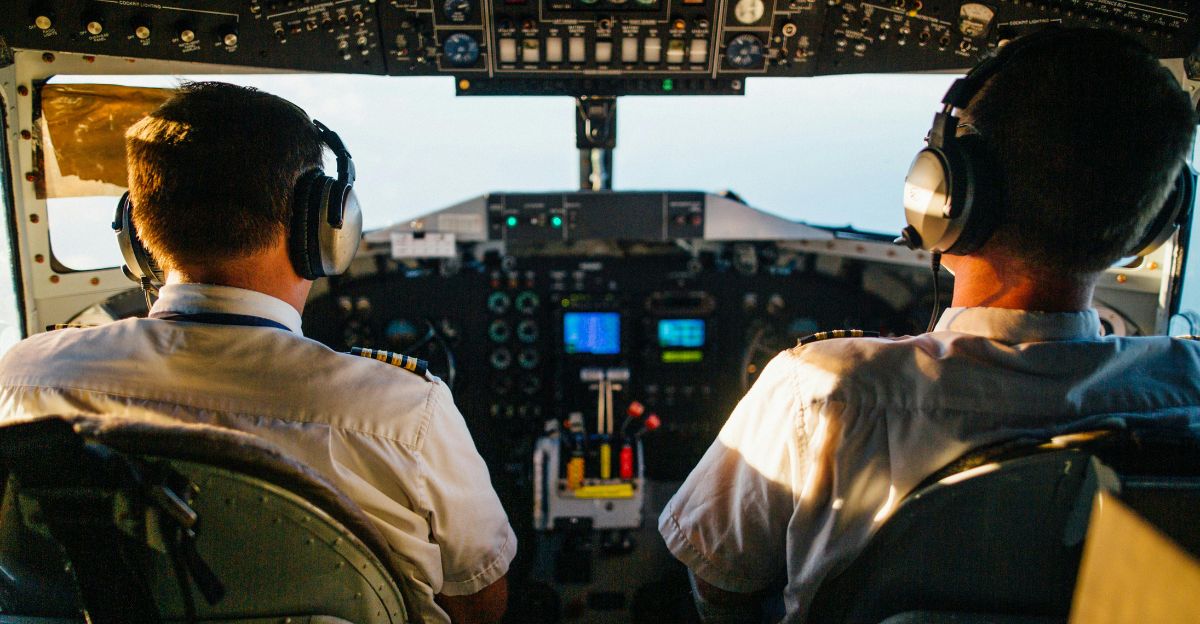
It’s not just flight attendants; Spirit is attempting to save $100 million in pilot costs, which would result in an average of $33,000 per pilot per year being cut.
The company is also pushing for significant contract changes in bankruptcy court.
More than 270 pilots are being furloughed, and 140 captains are losing their senior status.
Pilots fear their wages and job security are at risk, with added pressure on the entire workforce.
Rivals Move In

Other airlines are quick to pick up Spirit’s abandoned flights. United, Frontier, and JetBlue are adding new routes and service in cities where Spirit used to fly, hoping to win travelers who would have chosen Spirit for low fares.
Frontier, for example, is opening 20 new flights to fill the gap. Some airline executives have openly doubted Spirit’s chances of survival, calling its business model outdated and stating that it won’t last.
Changing the Fleet
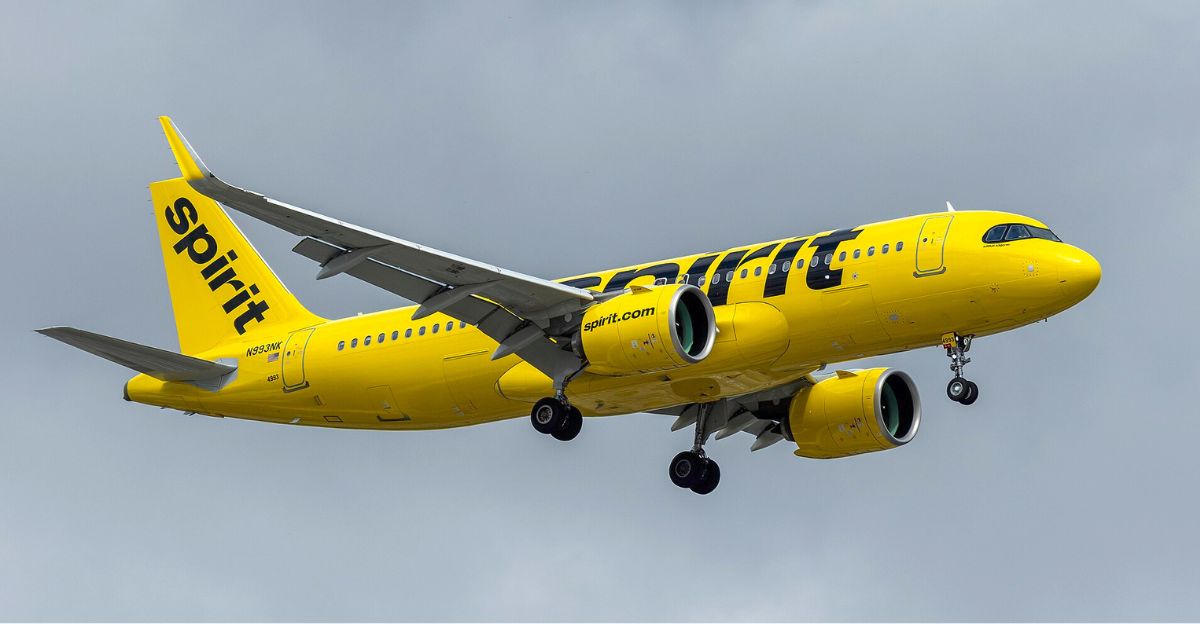
Spirit’s financial plan includes rejecting leases for 27 aircraft and securing $150 million from AerCap, which is expected to help reduce costs and right-size the fleet for its shrinking business.
Spirit operates 215 Airbus planes, but with numerous long-term leases and engine issues, maintaining the best airplanes and disposing of those with problems is vital to its survival and continued service on its most important routes.
Management Plans

Since April 2025, CEO Dave Davis has emphasized making Spirit more strategic, focusing on core markets to try to rebuild the brand.
Every part of the business is under review, from staffing and scheduling to negotiating with labor groups.
The hope is that becoming more focused and efficient will eventually guide the airline back to health, even if it means significant changes for staff and customers.
Keeping Things Running

To support operations during bankruptcy, Spirit secured up to $475 million in new financing from its bondholders.
Of this, $200 million is available as soon as the court gives its approval.
The airline has already drawn on $120 million, and they are also counting on $150 million from AerCap.
This extra cash is vital to keep the planes flying, cover existing costs, and ensure there isn’t a sudden shutdown while Spirit implements its significant changes.
Legal Moves

Spirit’s bankruptcy lets it break many existing deals, including airport and ground handling contracts, as it leaves various cities.
The Chapter 11 process also allows the airline to attempt to reject union agreements if negotiations don’t result in sufficient savings.
The company utilizes these legal tools to restructure its operations and reduce costs, all under the supervision of the bankruptcy court to ensure that wages, benefits, and creditor rights are respected.
Behind-the-Scenes Negotiations

There’s more going on than just layoffs. Spirit is negotiating with other plane lessors and suppliers to secure better deals or additional financial assistance.
It’s working with unions from both pilots and flight attendants, but union leaders warn this bankruptcy process will be more challenging than the last and urge workers to stay united.
Spirit also tries to resolve disputes with Airbus over parts payments and continues to manage complex relationships with vendor partners.
Significant Effects on Holiday Travel
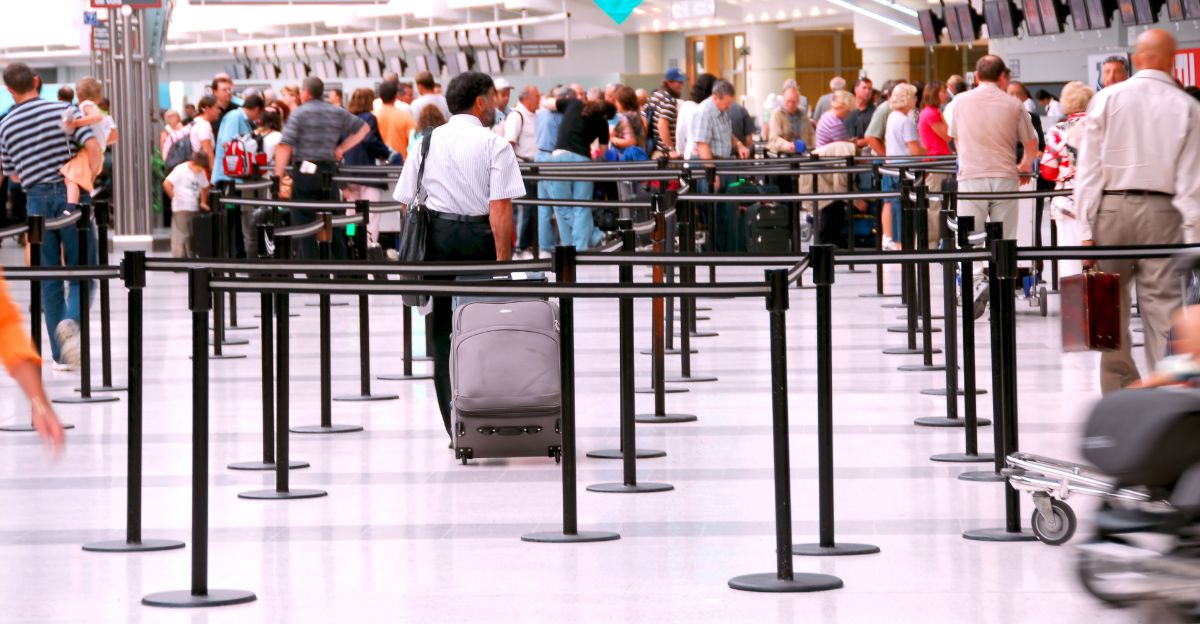
The timing of all these cuts is unfavorable for passengers considering holiday travel.
With Spirit reducing flights by 25% during the peak Thanksgiving season, many who booked early could find their plans disrupted.
Rival airlines attempt to add flights to fill the gap, but experts predict that this will likely result in fewer affordable seats and higher fares.
Travelers on tight budgets may have a harder time finding affordable options for holiday getaways.
Regulatory Oversight
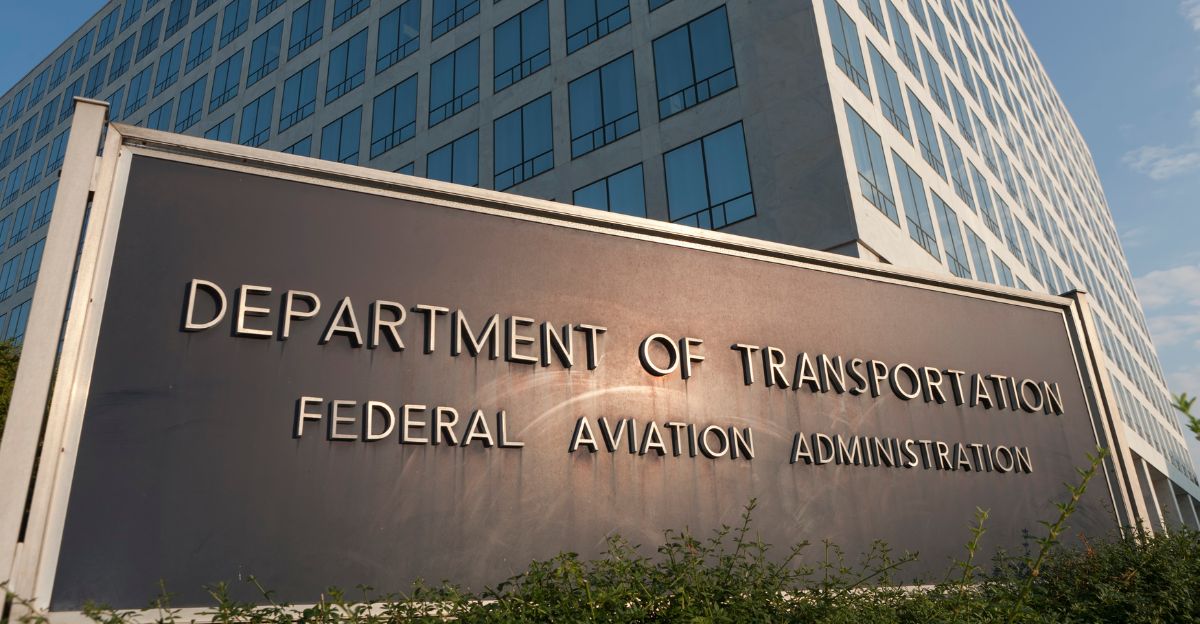
Government regulators are closely monitoring Spirit’s cuts to ensure that they do not compromise safety, particularly as maintenance and operations are streamlined.
The U.S. Department of Transportation is monitoring whether Spirit’s withdrawal from certain airports will result in less competition and higher prices for consumers.
Lawmakers from affected areas want answers, and court oversight ensures the process respects labor laws while balancing business needs.
The Changing Airline Industry
Spirit’s troubles are part of bigger changes in aviation worldwide. Legacy models of cheap, high-volume flying are being squeezed by supply chain issues, rising labor costs, and shifting passenger expectations.
Airlines now strive to fill more seats and offer premium services to stay afloat.
Even as more people travel in 2025, the ability to grow is hindered by these new challenges, so companies like Spirit must rethink everything they do.
Customer Frustration

Passengers are sharing their experiences online, with social media filled with complaints about cancelled flights, poor service, and uncertainty.
Industry insiders now debate whether ultra-low fares can still be effective.
Many people now worry about booking with Spirit and whether their travel plans will be upended.
Meanwhile, industry experts try to clear up rumors, stressing that while things are changing, Spirit hasn’t shut down yet.
How This Compares With Past Airline Crises
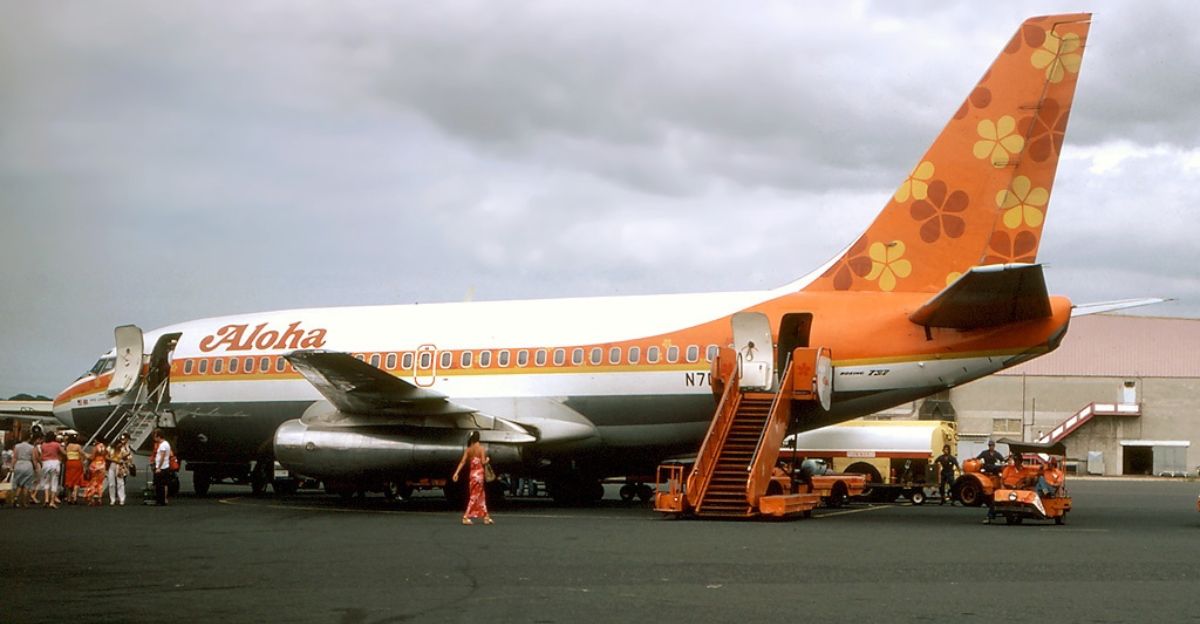
Spirit’s quick return to bankruptcy has not been seen since the past airline collapses, such as Aloha and ATA Airlines, over a decade ago.
The struggle to stay afloat now is bigger and faster than anything seen before, raising questions about whether the ultra-low-cost airline model can survive or if market realities have changed too much for those businesses to succeed with the same strategies.
What’s Next for Spirit?
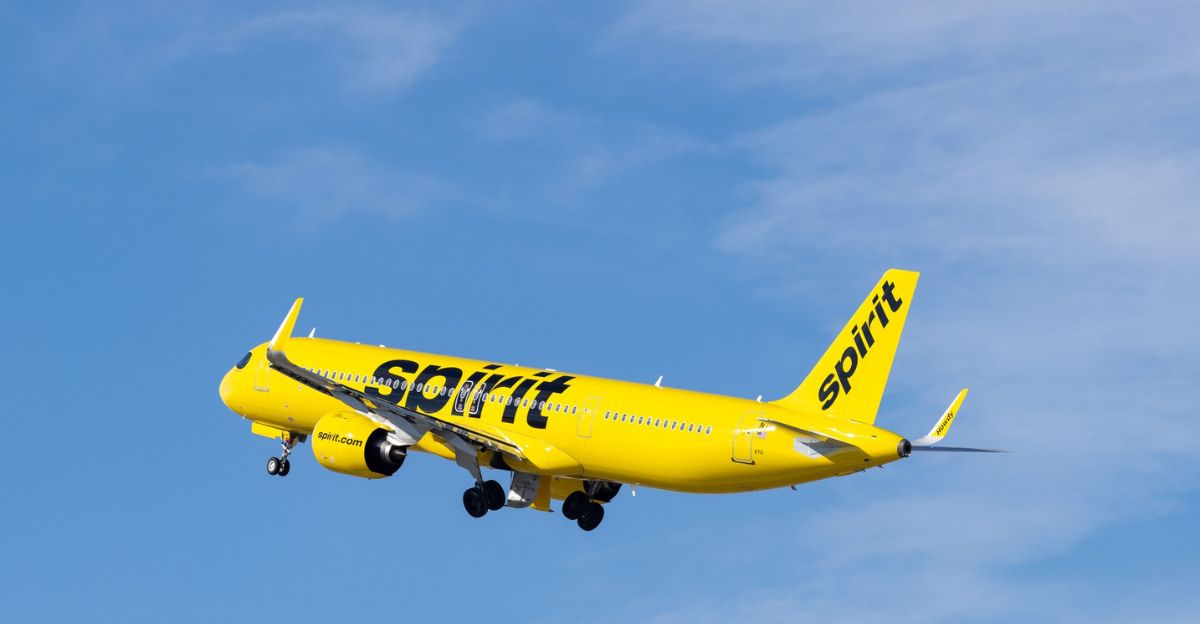
Spirit Airlines is facing challenges that could determine whether it remains in business or disappears, serving as a warning sign for others.
The company must implement significant layoffs, redesign its entire flight network, and cut costs dramatically, all while continuing to serve millions of passengers.
How Spirit handles these issues will shape U.S. air travel for years and might mark the end of the ultra-cheap flights that defined the last twenty years of flying.