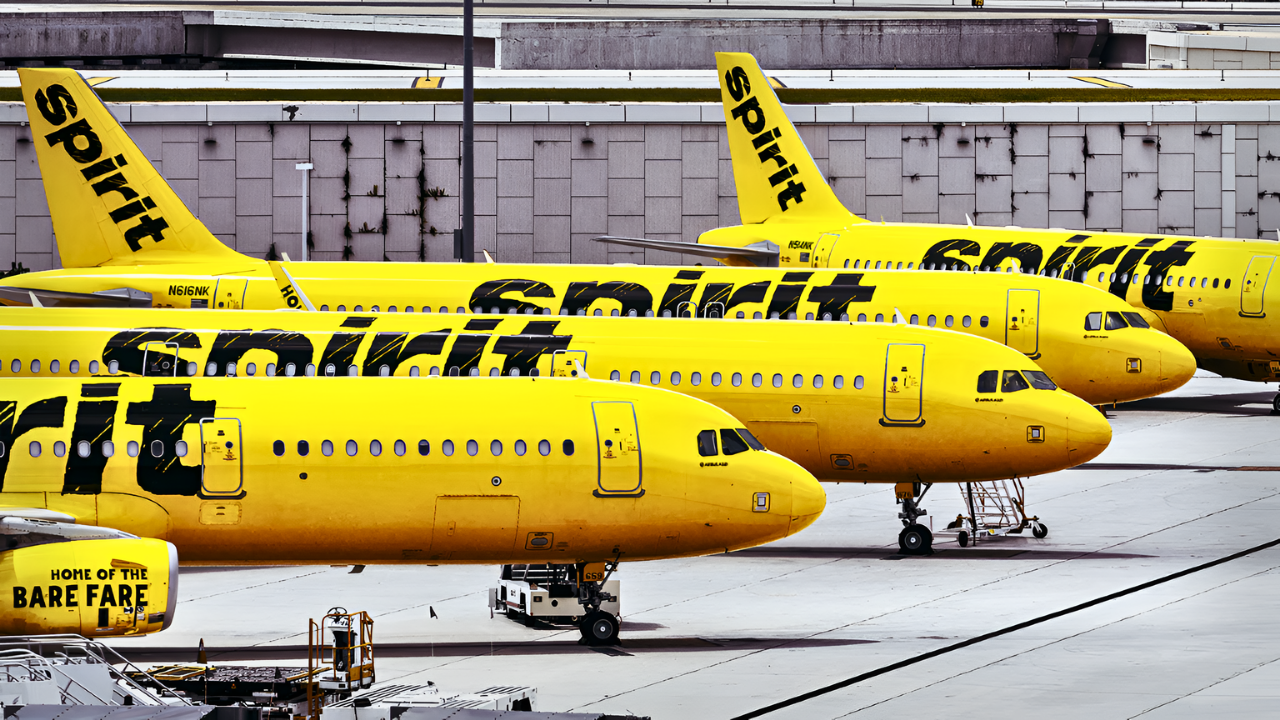
Spirit Airlines avoided a near-term shutdown on December 15, 2025, when creditors approved an emergency $100 million cash infusion just hours before a deadline that could have grounded the carrier. The money extends a broader $475 million debtor-in-possession (DIP) financing package and buys the ultra-low-fare airline limited time to prove it can either survive on its own or complete a merger.
A Record-Breaking Return to Bankruptcy
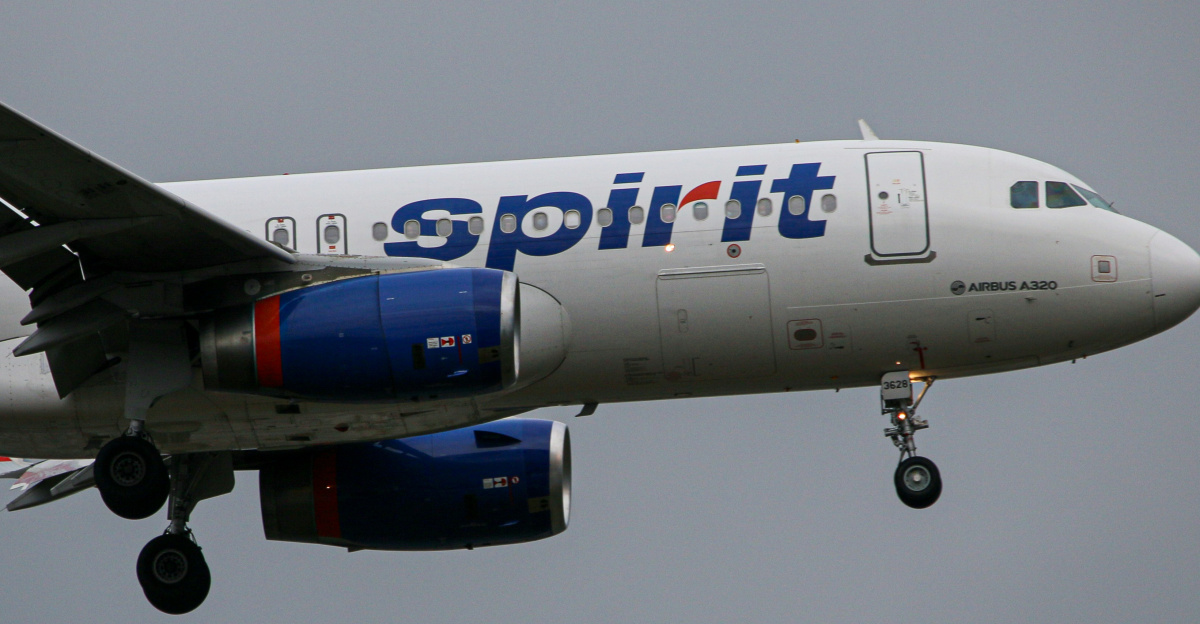
The December funding crisis capped a turbulent year in which Spirit entered Chapter 11 protection for the second time in nine months, a rare repeat case sometimes dubbed “Chapter 22.” The airline first filed for bankruptcy in November 2024, emerged on March 12, 2025, and refiled on August 29, 2025, after its initial restructuring failed to resolve deep operational and strategic problems.
The rapid return to court has prompted questions among legal specialists about whether some companies are exiting bankruptcy before they have truly stabilized. For Spirit, the pattern underscored the severity of its cash burn, revenue weakness, and competitive pressures that continued even after the first reorganization.
Inside the $100 Million Lifeline
The new $100 million DIP amendment is structured in two parts with strict conditions. Spirit immediately received $50 million to pay for fuel, payroll, maintenance, and other daily expenses essential to keep the operation running. The remaining $50 million is locked behind performance milestones: the airline must show meaningful progress toward either a credible standalone business plan or a strategic deal, such as a merger or sale, before it can draw the rest.
That milestone-based design reflects lenders’ skepticism about Spirit’s long-term prospects. The emergency cash supplements the existing $475 million DIP facility approved in October 2025 by the U.S. Bankruptcy Court for the Southern District of New York, which sets minimum liquidity targets and other covenants Spirit must meet to remain in compliance.
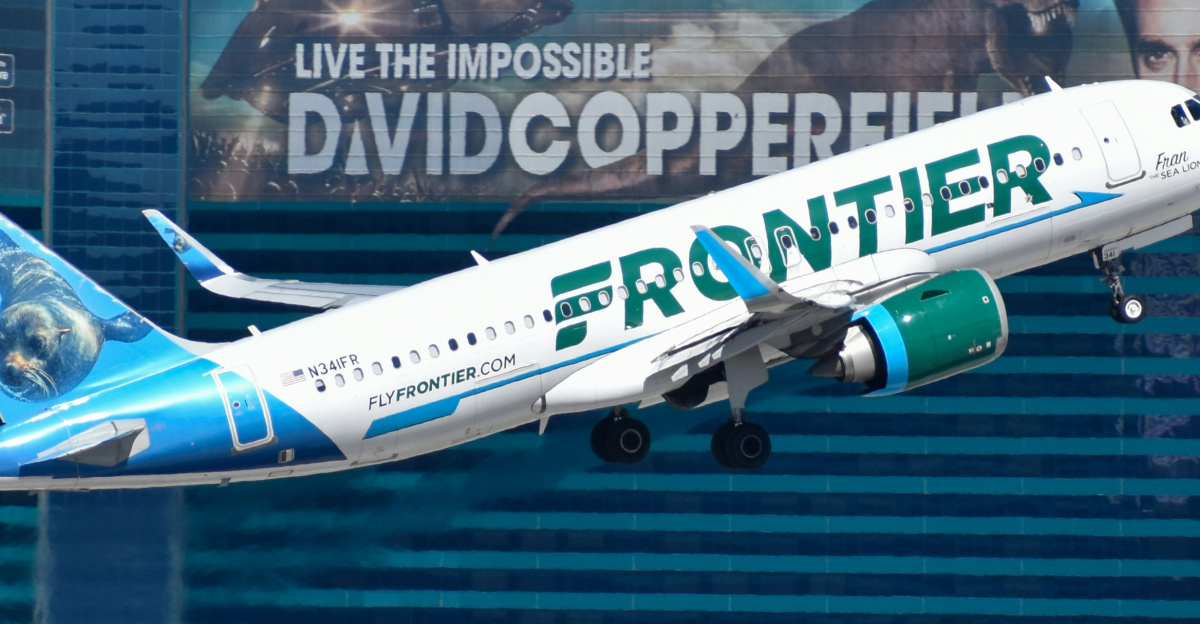
At the center of Spirit’s options is a renewed push to combine with Frontier Airlines. Bloomberg News reported in mid-December that Spirit and Frontier are in active talks, marking their third attempt at a tie-up after failed bids in 2022 and early 2024. A merged carrier would become the nation’s fifth-largest airline, with estimated annual cost savings of about $500 million through streamlined routes, shared overhead, and stronger purchasing power. Any deal, however, would face close antitrust review from the Department of Justice, which in January 2024 successfully blocked JetBlue’s proposed $3.8 billion acquisition of Spirit.
Shrinking the Airline: Fleet, Network, and Jobs
To cut costs and align capacity with weaker demand, Spirit is executing one of the steepest fleet reductions in recent U.S. airline history. From roughly 230 aircraft before its first bankruptcy, the company plans to shrink to between 88 and 106 jets. A settlement with major lessor AerCap in October 2025 saw Spirit reject leases on 27 aircraft and receive a $150 million payment. The airline has since moved to reject 87 more leases and sought to shed 11 additional planes in December, describing the grounded aircraft as expensive liabilities stuck in storage.
The route network is contracting as well. Spirit is exiting fourteen U.S. airports to focus on markets it considers sustainably profitable. The first major wave of cuts on October 2, 2025, ended service to San Diego, Oakland, Sacramento, Portland, Salt Lake City, Las Vegas, Boise, Albuquerque, Birmingham, Chattanooga, and Columbia. The company also canceled planned flights to Macon, Georgia, before launch, and later withdrew from three more airports, including Milwaukee.
The restructuring has hit employees hard. About 200 workers were laid off in early 2025 as management explored financial options. In January 2025, approximately 330 pilots were furloughed, followed on December 1 by 1,800 flight attendants—around one-third of the 5,200-person cabin crew. Spirit also eliminated 150 salaried positions in November and has signaled more pilot furloughs starting in the first quarter of 2026.
Survival at a Cost: Labor Concessions, Financial Strain, and Industry Pressures

To unlock the emergency financing, Spirit secured significant temporary pay and work-rule concessions from pilots and flight attendants. On December 11, 2025, unions ratified agreements expected to save about $100 million a year. The pilot deal, negotiated by the Air Line Pilots Association, includes an 8% cut to hourly pay, reduced company retirement contributions, and higher minimum flying expectations. Flight attendants represented by AFA-CWA accepted lower overtime and holiday pay, a reduction in minimum pay credits from 4.5 to 4.0 hours, and a per diem cap of $2.99 per hour.
Even with those cuts, Spirit’s latest results show deep financial strain. For the third quarter of 2025, reported November 10, the airline posted a net loss of $317.4 million on operating revenue of $958.5 million, down 20% from $1.2 billion a year earlier. Operating expenses reached $1.09 billion, leaving a negative operating margin of 14.1%, an improvement from negative 24.8% in the prior-year quarter but still firmly in the red. Daily aircraft utilization fell to 7.3 hours from 10.0 hours, signaling difficulty profitably deploying the smaller fleet.
In regulatory filings, management has warned of “substantial doubt” about Spirit’s ability to continue as a going concern, a formal accounting label indicating serious risk of failing to meet obligations over the next year. Pressures include demands from credit card processors for extra collateral, the minimum liquidity requirements built into the DIP financing, and ongoing operating losses that rapidly consume cash.
Spirit’s current predicament also reflects a broader shift in the U.S. market for ultra-low-fare carriers. The Department of Justice’s 2024 lawsuit to block JetBlue’s acquisition derailed what Spirit framed as its clearest path to long-term stability through consolidation. Judge William Young’s ruling agreed with antitrust officials that the JetBlue deal would “eliminate a crucial source of low-cost competitive disruption.” JetBlue paid a $69 million termination fee, but Spirit was left to compete as an independent airline in a tougher environment.
At the same time, large network airlines have expanded “basic economy” offerings that match ultra-low fares while leveraging broader route maps, loyalty programs, and service levels. Post-pandemic wage and cost inflation has narrowed or erased the 30–40% unit cost advantage carriers like Spirit once claimed. A December 21, 2025, analysis by Morgan Stanley questioned whether the ultra-low-cost model can deliver sustainable profits under current conditions, citing higher labor costs, aircraft delivery constraints, and limits on rapid growth.
Competitors have moved quickly to capture any gap Spirit might leave. United announced 15 new routes starting January 2026 to cities such as Las Vegas, Orlando, New Orleans, and Houston, signaling that the flights would give travelers alternatives if Spirit faltered. Frontier unveiled 42 new routes in August and September 2025, many overlapping with some of Spirit’s strongest markets, even as it explores a merger with the airline.
For travelers, Spirit’s Chapter 11 status brings uneven protections. As long as operations continue, tickets remain valid and the airline is obligated to honor bookings. If the carrier ultimately liquidates, however, unused tickets and loyalty points would lose their value, and U.S. law offers limited recourse compared with some foreign regimes.
What Happens Next
Over the coming months, Spirit must convince lenders, regulators, employees, and customers that it has a credible future. To access the full $100 million emergency facility and stay in compliance with its $475 million DIP agreement, the airline needs to improve day-to-day performance, preserve liquidity, and show concrete progress toward either a viable standalone business or a merger, most likely with Frontier. Further cost cuts remain possible if revenue trends do not improve.
If Spirit fails to meet those tests, liquidation is a realistic outcome, which would erase more than 2,350 already-lost jobs plus the remaining workforce, disrupt travel plans for millions of passengers, and accelerate consolidation among low-fare carriers. Whatever path emerges—independent survival, merger, or wind-down—will help determine how aggressively airlines invest in ultra-low-fare strategies, how regulators evaluate future consolidation, and how much room remains in the U.S. market for the lowest-cost business model.
Sources:
Reuters, “Spirit Airlines secures $100 million bankruptcy funding,” December 15, 2025
Bloomberg News, “Spirit Airlines Gets $100 Million Lifeline Amid Restructuring,” December 15, 2025
Reuters, “Spirit and Frontier Airlines eye merger, Bloomberg News reports,” December 16, 2025
U.S. Bankruptcy Court for the Southern District of New York, Spirit Airlines Chapter 11 Bankruptcy Case filings, October–December 2025
SEC EDGAR, “SPIRIT AVIATION HOLDINGS, INC. Form 10-Q,” Q3 2025 filing