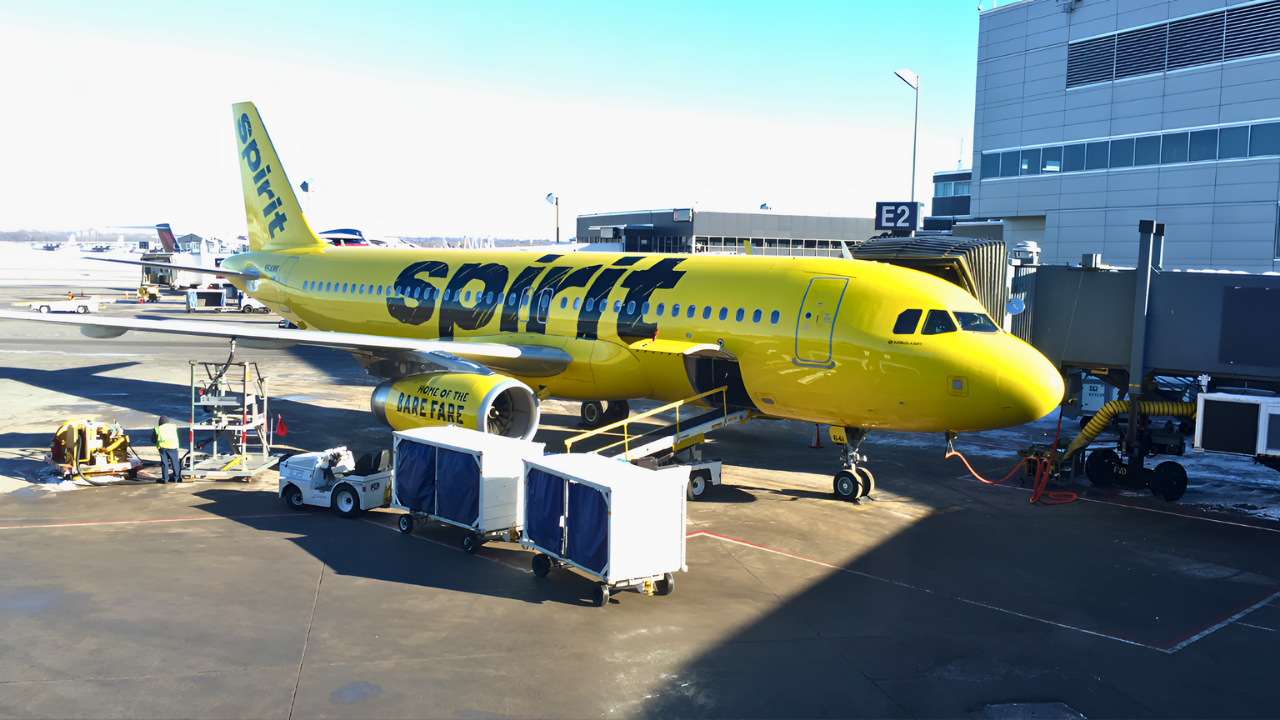
Spirit Airlines narrowly avoided shutdown on December 15, 2025, securing a crucial $100 million emergency financing package from creditors. The funding came just hours before a critical deadline that could have forced operational closure. Industry insiders reported competitors preparing contingency plans to absorb Spirit routes if the airline failed to secure the lifeline.
The funding extends Spirit’s debtor-in-possession financing facility, originally approved at $475 million in October 2025.
A Record Second Bankruptcy in Nine Months
Spirit Airlines’ December 2025 crisis marks the airline’s second Chapter 11 bankruptcy filing in less than nine months—a rare “Chapter 22” case that raises serious questions about bankruptcy court feasibility standards. The airline initially filed for bankruptcy in November 2024, emerged on March 12, 2025, and refiled on August 29, 2025. This trajectory suggests the first restructuring inadequately addressed fundamental operational and strategic weaknesses.
Legal experts argue that rapid bankruptcy recidivism indicates companies may be exiting bankruptcy protection prematurely without solving core problems.
How the Emergency Funding Works
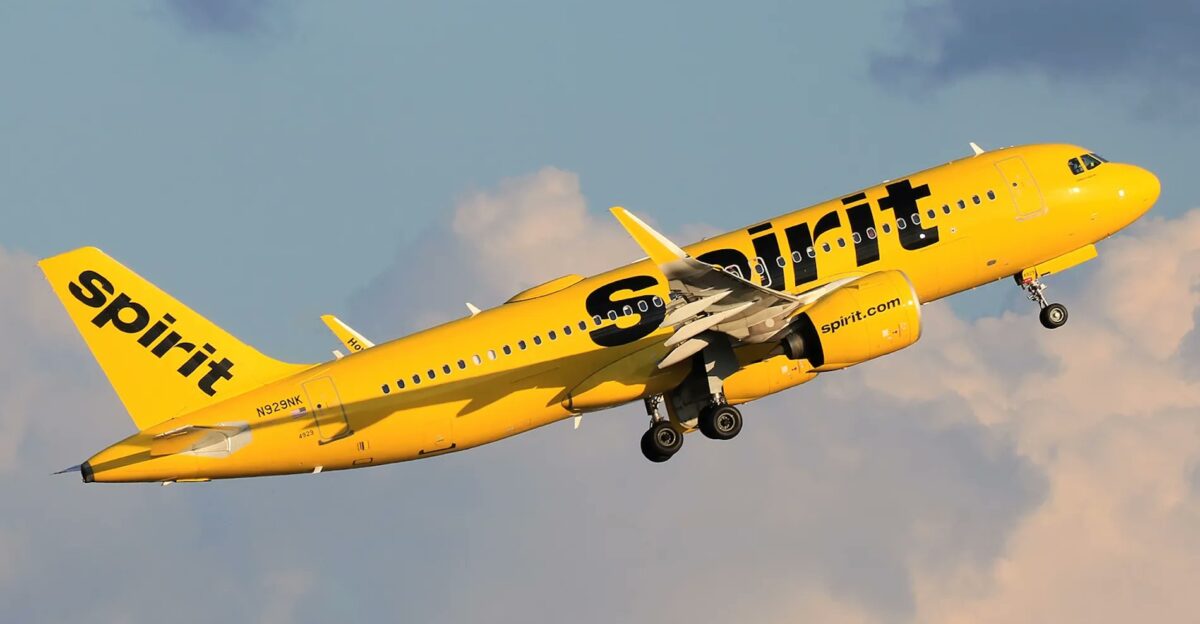
The $100 million DIP financing amendment includes two tranches with specific conditions attached. An immediate $50 million became available for daily operational expenses including fuel, payroll, and aircraft maintenance. The remaining $50 million is contingent upon demonstrating progress toward either a standalone business plan or completing a strategic merger or sale transaction.
This milestone-based structure reflects creditor caution about Spirit’s viability. The broader DIP facility totals $475 million, with previous tranches authorized in October 2025 by the U.S. Bankruptcy Court for the Southern District of New York.
The Path Forward: Merger or Standalone Viability?
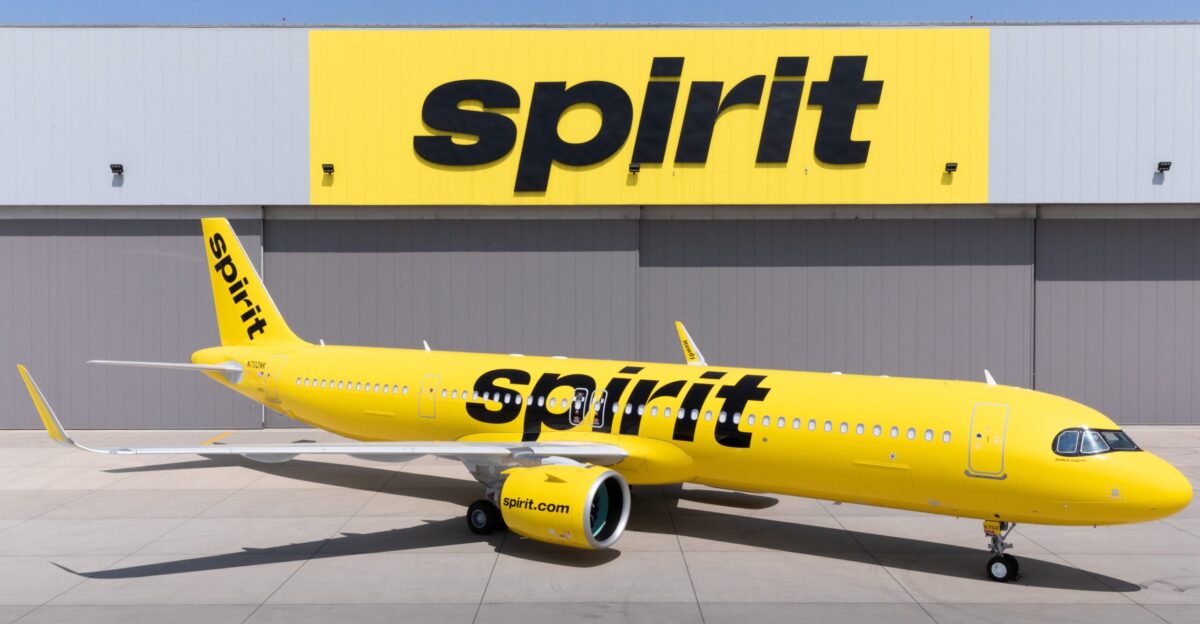
Spirit must satisfy creditors by pursuing either a standalone reorganization or completing a strategic transaction to access the full $100 million emergency funding. Bloomberg News reported on December 16, 2025, that Spirit is in active merger negotiations with Frontier Airlines—the third attempted combination between the two ultra-low-cost carriers. A Frontier-Spirit merger would create the nation’s fifth-largest airline with estimated $500 million in annual cost synergies.
However, such a combination faces significant Department of Justice antitrust scrutiny based on the precedent of blocking JetBlue’s $3.8 billion acquisition of Spirit in January 2024.
Massive Fleet Reduction Underway
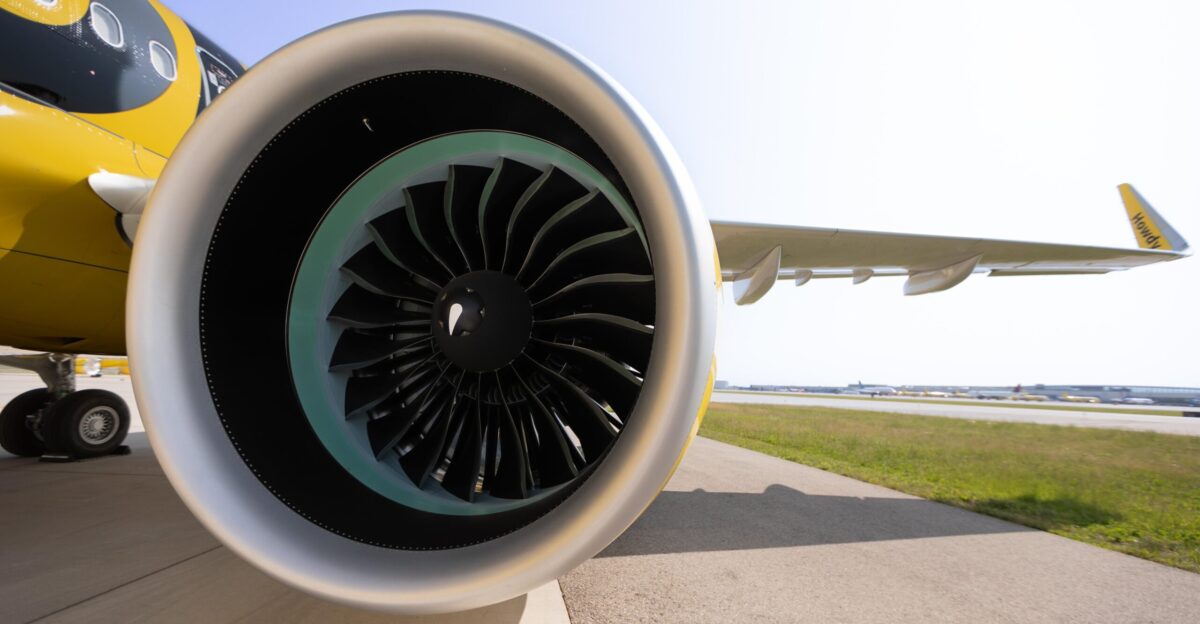
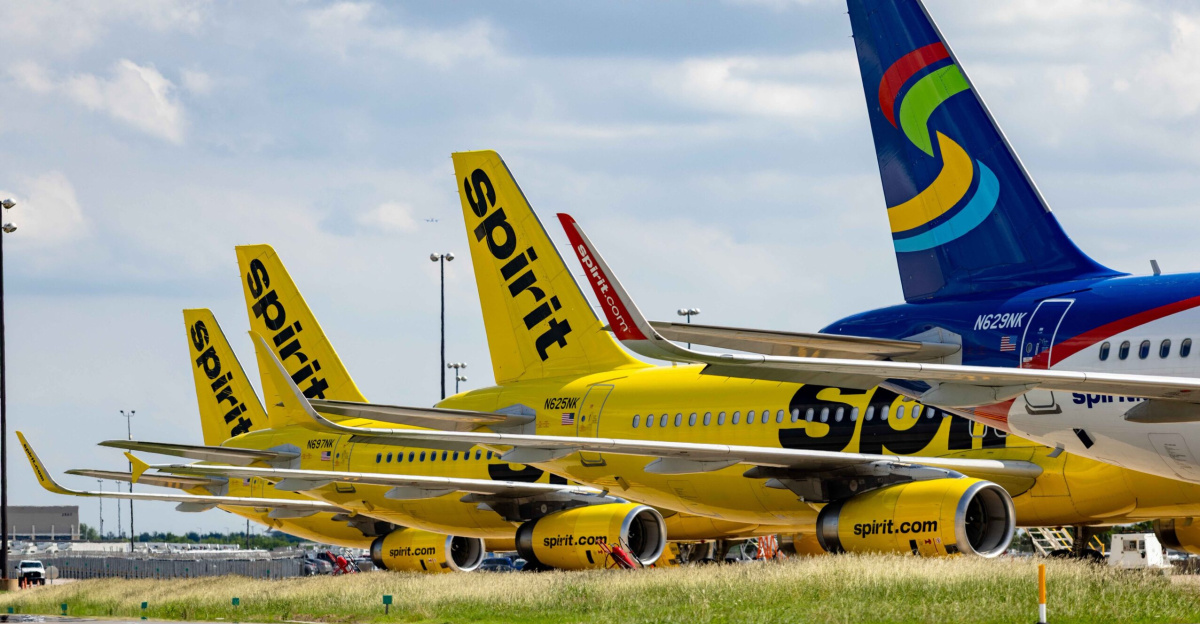
Spirit is implementing one of the most aggressive aircraft fleet downsizing efforts in recent U.S. airline history, rejecting leases on over 80 aircraft. The airline began with approximately 230 aircraft pre-bankruptcy but is contracting to between 88 and 106 jets post-restructuring. An October 2025 AerCap settlement included rejecting 27 aircraft leases while receiving a $150 million payment from the lessor.
Spirit subsequently filed to reject 87 additional aircraft leases and sought to reject 11 more jets in December 2025, with executives describing them as “cash drains” languishing in expensive storage.
Exiting Fourteen U.S. Airports
Spirit Airlines is abandoning service to fourteen U.S. airports as part of its network optimization strategy, concentrating instead on profitable core markets. The first wave eliminated service to eleven cities on October 2, 2025, including San Diego, Oakland, Sacramento, Portland, Salt Lake City, Las Vegas, Boise, Albuquerque, Birmingham, Chattanooga, and Columbia.
Additionally, Spirit canceled planned service to Macon, Georgia before launching. Three additional airports were exited in subsequent months, including Milwaukee.
Over 2,350 Workers Furloughed and Laid Off
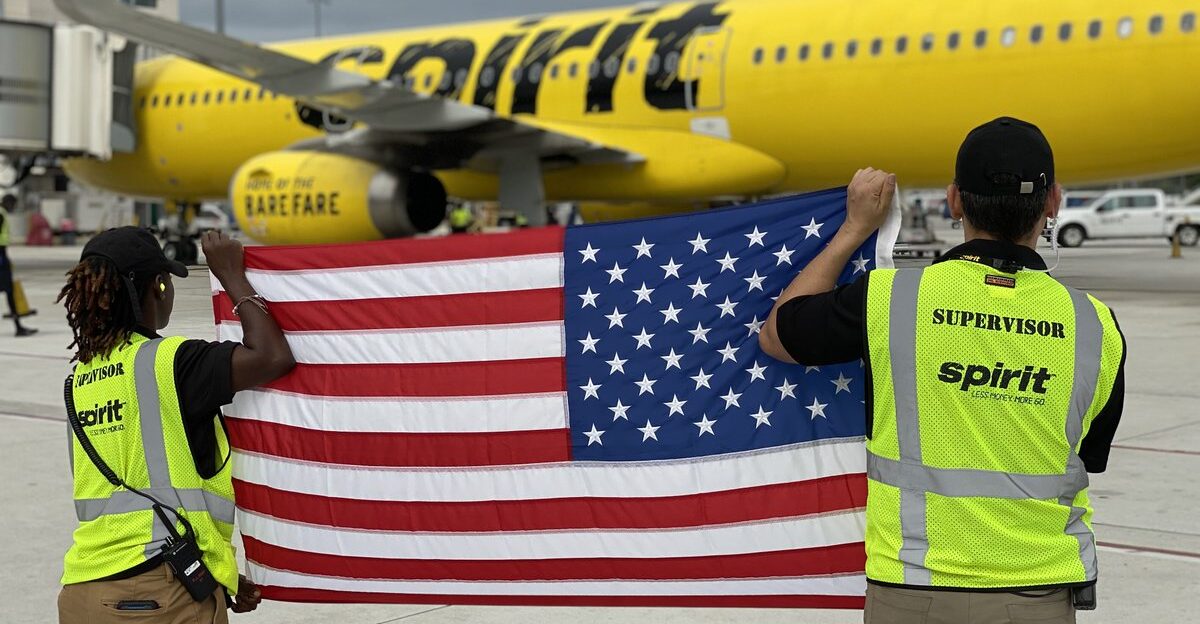
Spirit’s workforce has been devastated by bankruptcy-related reductions affecting thousands across all employee categories. Approximately 200 employees were laid off in early 2025 during financial distress exploration, followed by 330 pilots furloughed in September. An additional 1,800 flight attendants—representing one-third of Spirit’s 5,200-member cabin crew—were furloughed on December 1, 2025.
The airline eliminated 150 salaried positions in November and plans additional pilot furloughs beginning Q1 2026.
Pilots and Flight Attendants Accept $100 Million Pay Cuts
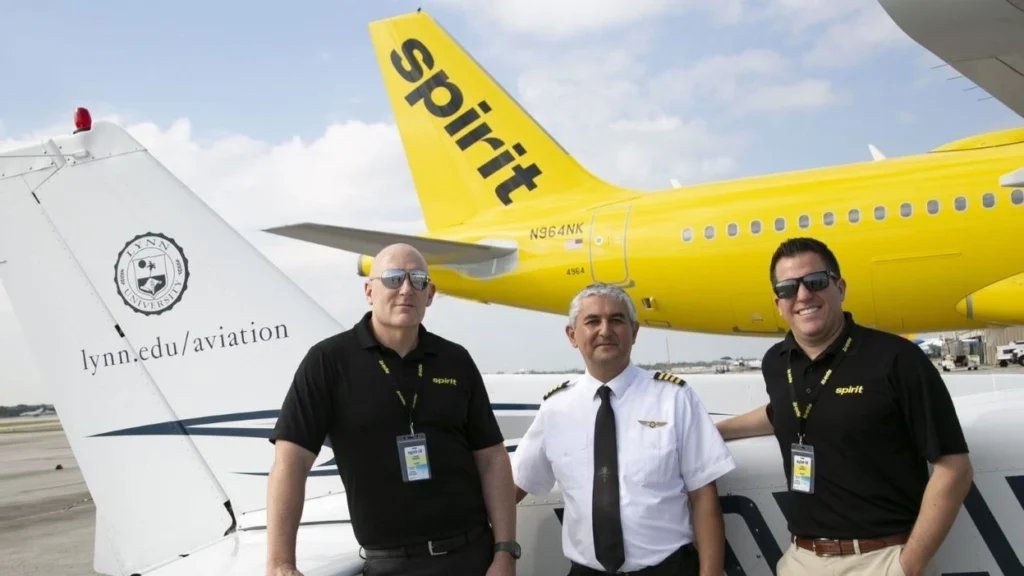
On December 11, 2025, both pilot and flight attendant unions ratified temporary concessionary agreements providing approximately $100 million in annual cost savings critical to unlocking emergency financing. The pilot agreement, negotiated by the Air Line Pilots Association (ALPA), includes an 8% reduction in hourly pay rates, reduced retirement account contributions, and increased minimum flying hour expectations.
The flight attendant agreement with AFA-CWA includes reduced overtime and holiday pay, minimum pay credits reduced from 4.5 to 4.0 hours, and per diem payments capped at $2.99 per hour.
Q3 2025 Financial Results Show Deepening Crisis
Spirit’s third-quarter 2025 financial results released November 10 revealed accelerating deterioration across all key metrics, with a net loss of $317.4 million. Operating revenue totaled $958.5 million, down 20% from $1.2 billion in Q3 2024, while operating expenses reached $1.09 billion. The airline’s operating margin stood at negative 14.1%, though improved from negative 24.8% in Q3 2024.
Daily aircraft utilization dropped to 7.3 hours from 10.0 hours year-over-year, indicating difficulty deploying the fleet productively.
‘Substantial Doubt’ About Going Concern Status
Spirit has issued explicit “substantial doubt” warnings about its ability to continue as a going concern—a technical accounting designation indicating uncertainty about meeting obligations over the next twelve months. Management stated in November SEC filings: “Management believes there is substantial doubt about the Company’s ability to continue as a going concern.”
Specific pressures include credit card processor demands for additional collateral, minimum liquidity covenant requirements in the DIP agreement, and persistent operational losses draining cash reserves.
The 2024 Merger That Started Spirit’s Downfall
Spirit’s current crisis traces partly to the January 2024 DOJ antitrust court ruling that blocked JetBlue’s $3.8 billion acquisition of the airline. U.S. District Judge William Young sided with Department of Justice arguments that the merger would “eliminate a crucial source of low-cost competitive disruption.”
JetBlue paid a $69 million termination fee, leaving Spirit without its best path to long-term viability through consolidation.
Frontier Merger: Third Time’s the Charm?
Spirit is in active merger discussions with Frontier Airlines, marking the third attempted combination between the ultra-low-cost carriers after failures in 2022 and early 2024. Previous Frontier proposals valued Spirit at approximately $2.16 billion, offers Spirit management rejected as undervalued. A combined entity would create the nation’s fifth-largest airline with approximately $500 million in projected annual synergies from route optimization, overhead consolidation, and enhanced purchasing power.
However, the December departure of longtime Frontier CEO Barry Biffle adds uncertainty to merger negotiations and timeline.
Rivals Aggressively Capture Spirit’s Market Share
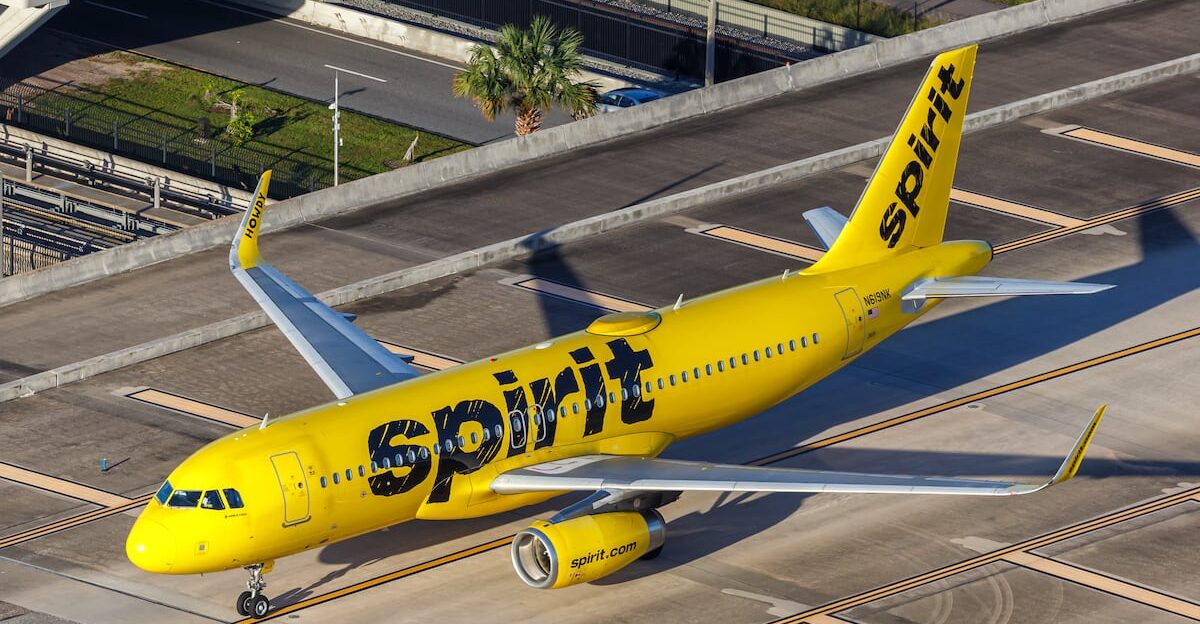
Spirit’s operational distress created immediate competitive opportunities, with United and Frontier announcing substantial route expansions targeting Spirit’s core markets. United announced fifteen new routes effective January 2026 to markets including Las Vegas, Orlando, New Orleans, and Houston, explicitly stating these flights would provide alternatives if Spirit ceased operations.
Frontier announced forty-two new routes across two announcements in August and September 2025, many overlapping Spirit’s profitable markets.
Why the Ultra-Low-Cost Model Is Failing
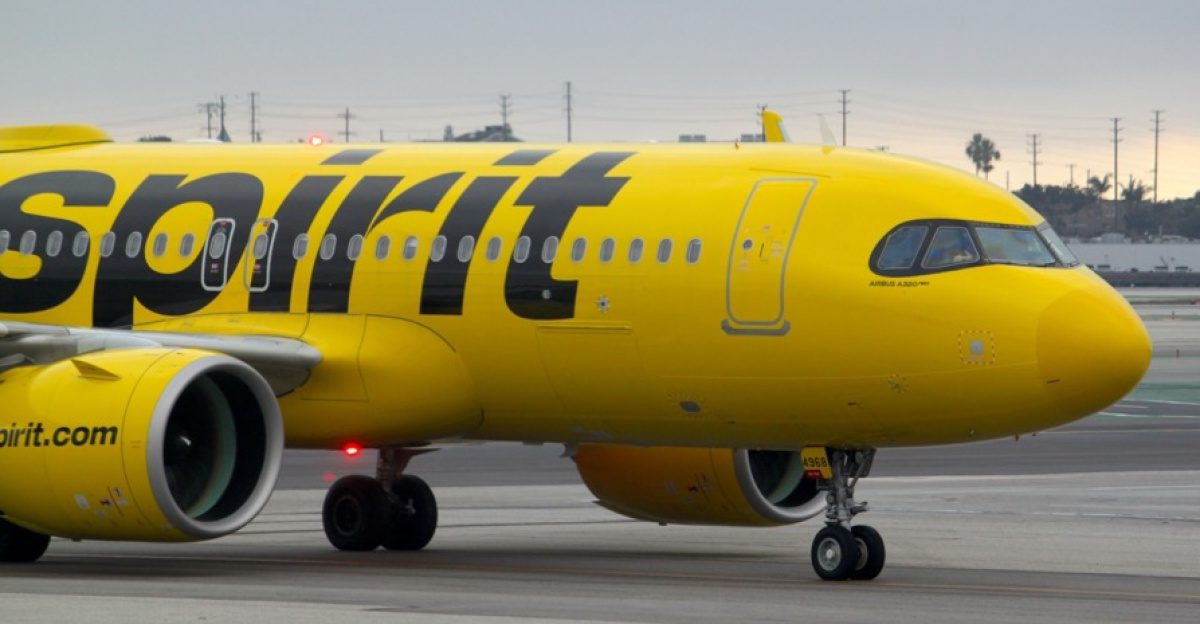
Spirit’s crisis reflects systemic challenges confronting the entire ultra-low-cost carrier business model in the post-pandemic North American market, where the traditional 30-40% cost advantage has narrowed significantly. Post-pandemic labor cost inflation hit ultra-low-cost carriers disproportionately hard relative to legacy airlines because labor represents a larger percentage of their cost structure.
Legacy carriers aggressively expanded “competitive basic economy” offerings that directly match ultra-low-cost fares while bundling superior networks, frequent-flyer programs, and onboard amenities.
Morgan Stanley Questions ULCC Future Viability
Morgan Stanley published analysis on December 21, 2025, questioning whether the ultra-low-cost carrier business model can sustain profitability in the current operating environment. The analysis notes that post-pandemic cost inflation has eliminated or reversed Spirit’s historical structural cost advantage versus legacy carriers.
Pilot shortages and aircraft availability limitations restrict rapid growth that ultra-low-cost carriers historically relied upon for expansion.
Passenger Protections Remain Limited During Bankruptcy

Passengers holding Spirit tickets face uncertain protections if the airline faces operational disruption or liquidation, as the United States provides minimal federal safeguards compared to international jurisdictions. If Spirit continues operations under Chapter 11 bankruptcy protection, existing tickets and reservations remain valid and operational, with the airline obligated to honor flight bookings.
However, if Spirit ceases operations entirely, tickets become worthless with passengers having limited legal recourse.
What Comes Next for Spirit Airlines
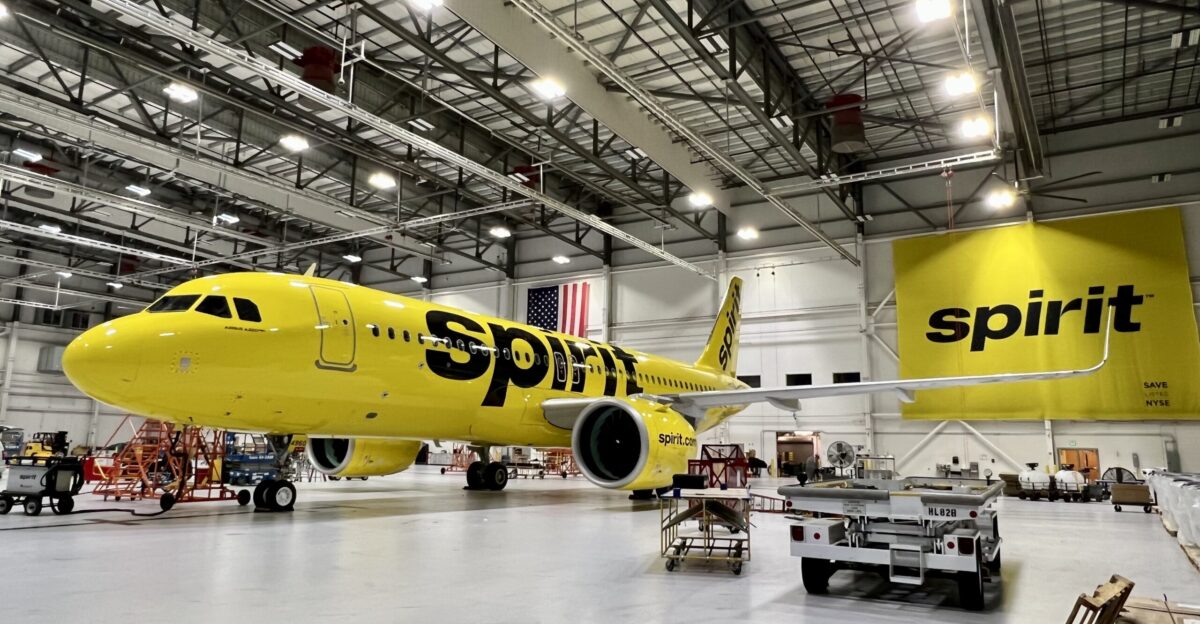
Spirit’s immediate future depends on satisfying DIP lenders by executing either a viable standalone reorganization plan or completing a Frontier merger within the next few months. Management must demonstrate improving operational performance while maintaining sufficient liquidity to meet covenant requirements under the $475 million DIP facility.
Further cost reductions beyond the $100 million labor concessions may be required if operational performance does not improve.
Liquidation Remains a Realistic Possibility
If Spirit cannot demonstrate a viable reorganization plan or complete a Frontier merger satisfying creditor requirements, liquidation represents a genuine downside scenario with significant consequences for stakeholders. Liquidation would render existing Spirit tickets and loyalty points worthless, forcing travelers to rebook on alternative carriers at potentially higher fares.
Employees would face complete workforce termination beyond the 2,350+ positions already eliminated.
The Broader Industry Implications
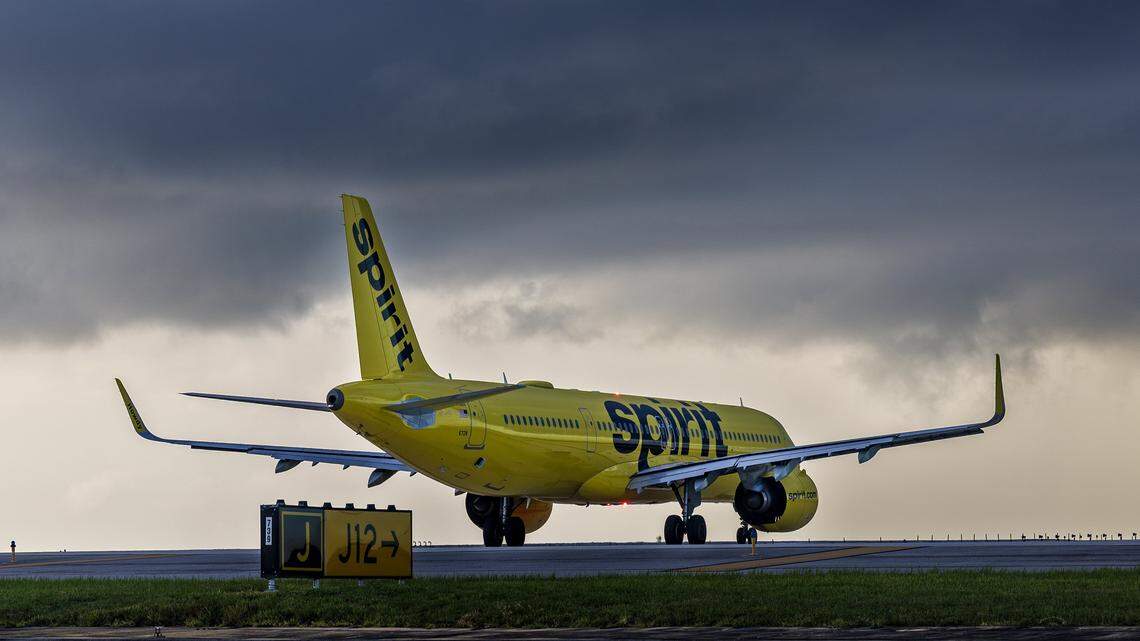
Spirit Airlines’ distress serves as a cautionary signal about the ultra-low-cost carrier model’s viability in the current competitive U.S. market environment, with implications extending beyond Spirit itself. The outcome of Spirit’s restructuring—whether standalone emergence, Frontier merger, or liquidation—will shape strategic decisions across the airline industry regarding capacity discipline, fleet investment, and competitive positioning.
Morgan Stanley’s questioning of the ULCC model’s long-term viability reflects serious structural challenges rather than company-specific problems. If Spirit successfully restructures, industry leaders may pursue more aggressive cost containment strategies.
Investors and Employees Watch Closely

Spirit Airlines’ restructuring outcome holds significant implications for aviation investment trends and labor relations throughout the industry. Stakeholders are closely monitoring whether Spirit can execute a successful transformation or whether its liquidation will mark the beginning of industry consolidation among ultra-low-cost carriers.
The airline’s ability to survive will influence investor confidence in the broader low-cost carrier segment and shape lending practices for future airline restructurings.
Sources:
Reuters, “Spirit Airlines secures $100 million bankruptcy funding,” December 15, 2025
Bloomberg News, “Spirit Airlines Gets $100 Million Lifeline Amid Restructuring,” December 15, 2025
Reuters, “Spirit and Frontier Airlines eye merger, Bloomberg News reports,” December 16, 2025
U.S. Bankruptcy Court for the Southern District of New York, Spirit Airlines Chapter 11 Bankruptcy Case filings, October–December 2025
SEC EDGAR, “SPIRIT AVIATION HOLDINGS, INC. Form 10-Q,” Q3 2025 filing