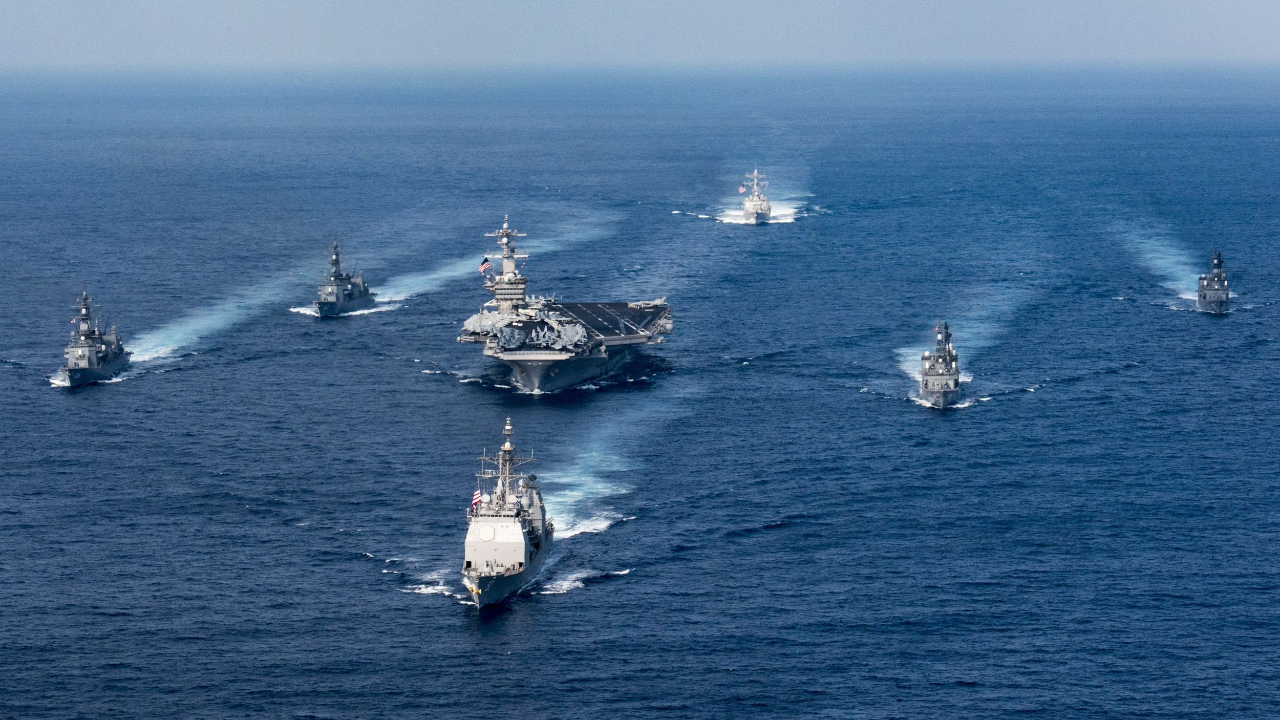
The USS George Washington entered the South China Sea on November 17, 2025, marking another chapter in the region’s intensifying military standoff. The aircraft carrier’s arrival, following the departure of the USS Nimitz, signals a sustained U.S. commitment to freedom of navigation in waters claimed by multiple nations. With approximately 5,000 to 6,000 sailors aboard, the carrier represents not just military hardware but thousands of lives operating in one of the world’s most volatile maritime zones.
The deployment arrives amid a year of intensive multilateral exercises involving the United States, Japan, and the Philippines. These coordinated operations underscore allied resolve to maintain open shipping lanes. Yet, they simultaneously heighten tensions with China, which views such activities as provocative assertions of foreign influence over territory it claims as its own. The region has become a flashpoint where geopolitical ambitions, economic interests, and military capabilities collide with increasing frequency.
Competing Claims in Contested Waters
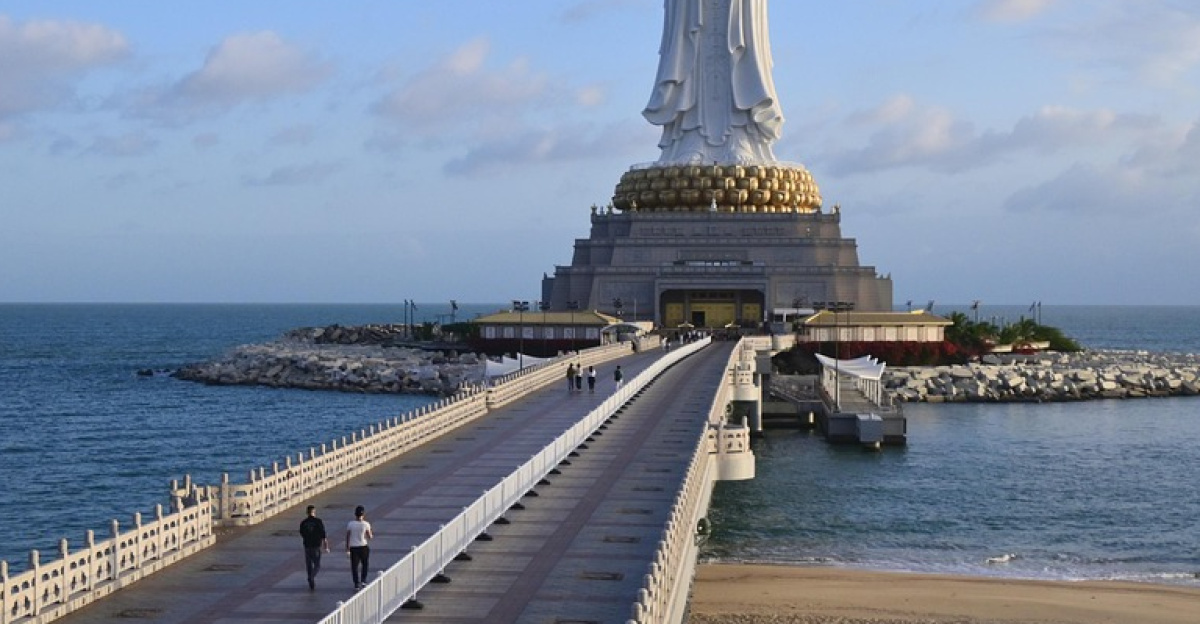
Six nations—China, the Philippines, Vietnam, Malaysia, Brunei, and Taiwan—hold overlapping territorial and maritime claims in the South China Sea. These disputes have festered for decades without resolution, creating a landscape where diplomatic solutions remain elusive, and military posturing has become routine. The absence of clear legal boundaries, compounded by China’s invocation of “historic rights” that conflict with international maritime law, perpetuates ambiguity and mistrust among claimants.
The stakes extend far beyond territorial pride. Approximately $3.4 trillion in annual trade transits these waters, making the South China Sea a critical artery for global commerce. A third of the world’s maritime trade passes through this region, meaning disruption here would reverberate across supply chains worldwide, affecting everything from consumer goods to manufacturing components.
China’s Military Response
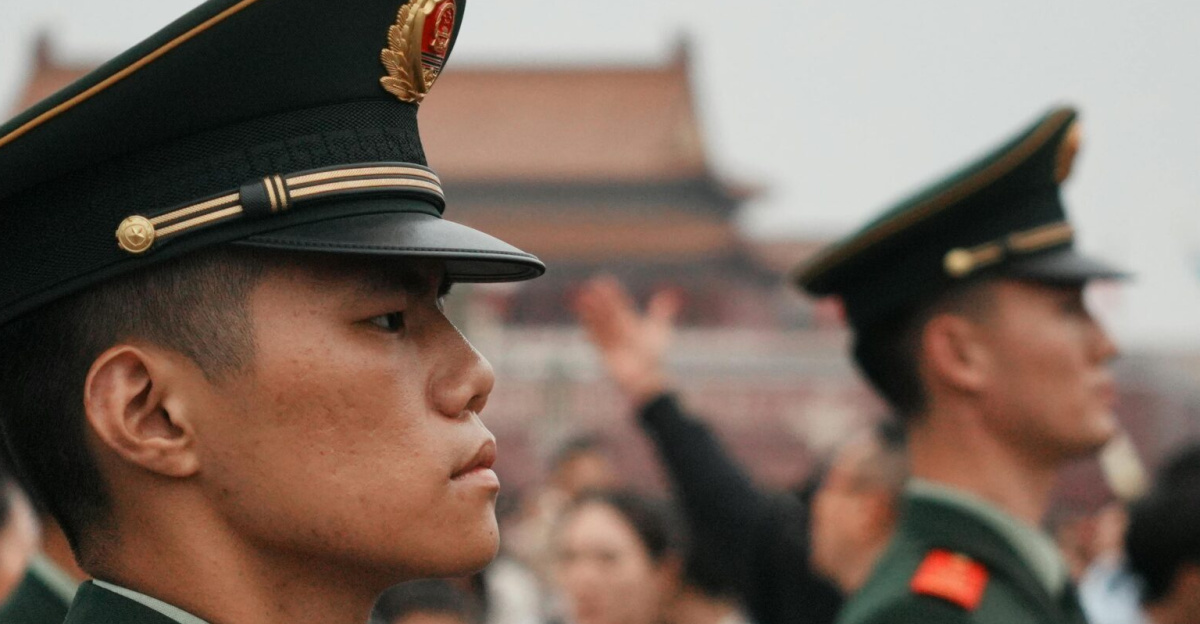
In response to U.S. naval activity, China has deployed advanced bombers for routine patrols and maintained its latest aircraft carrier, the CNS Fujian, in the region. China’s Southern Theater Command issued a stern warning to foreign navies about the risk of “misunderstanding and misjudgment,” signaling readiness to defend its territorial claims. These countermeasures reflect Beijing’s determination to assert control and deter what it perceives as foreign interference in its sphere.
The escalating military presence on both sides has created a dangerous dynamic. Close encounters at sea have intensified, raising the likelihood of accidental escalation. Each maneuver carries the potential for miscalculation, and the margin for error continues to narrow as military forces operate in closer proximity.
Regional Complexity and Economic Pressures

Countries such as Vietnam, Malaysia, and Brunei face a delicate balancing act. They must defend their sovereignty and territorial interests while maintaining crucial economic ties to China. This tension between political principle and economic necessity leaves many regional players in a precarious position, unable to fully align with either the U.S.-led coalition or China without sacrificing important interests.
For coastal communities and fishermen throughout the region, the dispute is deeply personal. Livelihoods depend on access to these waters, and national identities are closely tied to territorial claims. This emotional investment makes compromise increasingly difficult, as the conflict transcends abstract geopolitical calculations to touch the daily lives of millions.
Limited International Leverage
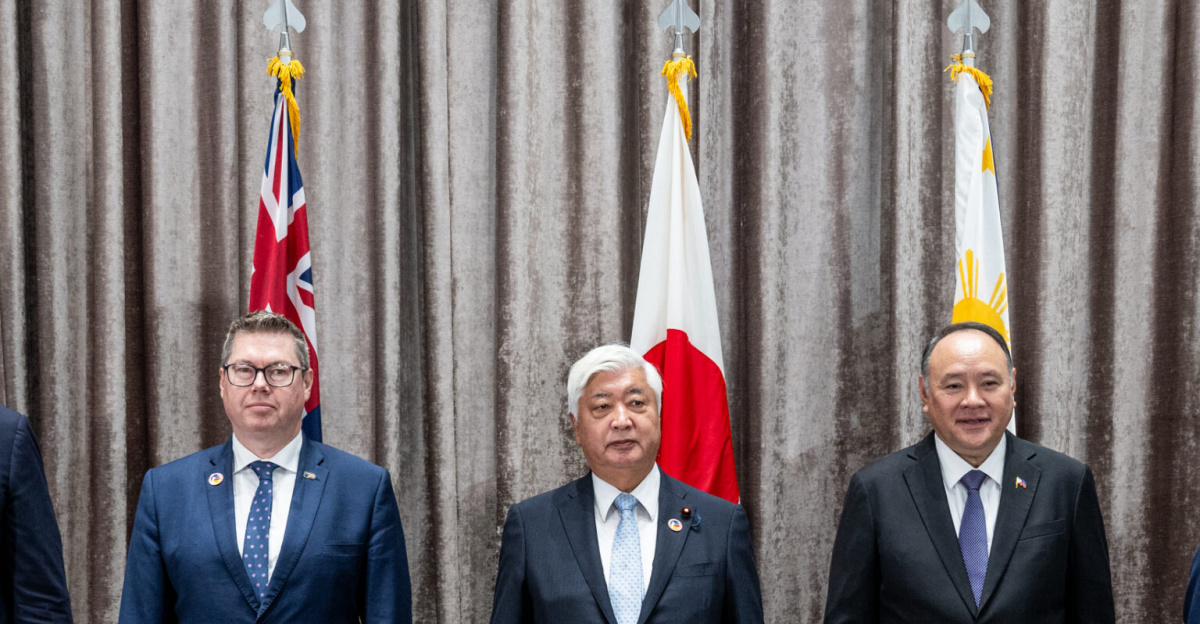
Global organizations, including the United Nations and ASEAN, have called for restraint and diplomatic resolution. However, the lack of enforcement mechanisms for international rulings—such as the Permanent Court of Arbitration’s 2016 decision—has left the international community with limited leverage. Without unified global pressure backed by enforcement capacity, regional players largely operate independently, managing crises with minimal external constraints.
Analysts caution that carrier deployments and legal rulings alone will not resolve the South China Sea’s contested claims. China’s continued militarization of artificial islands complicates any peaceful resolution, and the entrenched positions of all parties make compromise increasingly unlikely. The situation remains in deadlock, with both sides firmly committed to their respective positions.
Uncertain Path Forward
As military exercises persist and countermeasures continue, the region faces an uncertain future. Experts warn that the next crisis could emerge from an accidental confrontation or a small mistake that rapidly spirals into a larger conflict. The delicate balance between deterrence and provocation becomes increasingly difficult to maintain, and the potential for sudden escalation looms large.
The South China Sea remains one of the world’s most critical flashpoints, where security, trade, and sovereignty intersect. The outcome of this ongoing standoff will shape not only Asia’s future but the broader global geopolitical landscape. With so much at stake—from regional stability to global commerce—the international community watches closely as rival powers navigate these contested waters.
Sources
U.S. Navy Press Office [September 14, 2025] – Japan, the Philippines and the U.S. Conduct Maritime Cooperative Activity
U.S. 7th Fleet Command [October 20, 2025] – Japan, U.S. Forces Begin Multilateral Exercise ANNUALEX 2025
Futunn News [November 21, 2025] – The Aircraft Carrier George Washington Entered the South China Sea
Breaking Defense [November 13, 2025] – US Navy Mobilizes Units to Salvage Crashed Aircraft in South China Sea
Xinhua News Agency [November 15, 2025] – China Warns Philippines Against Further Provocations in South China Sea
CSIS China Power Project [January 24, 2021] – How Much Trade Transits the South China Sea?