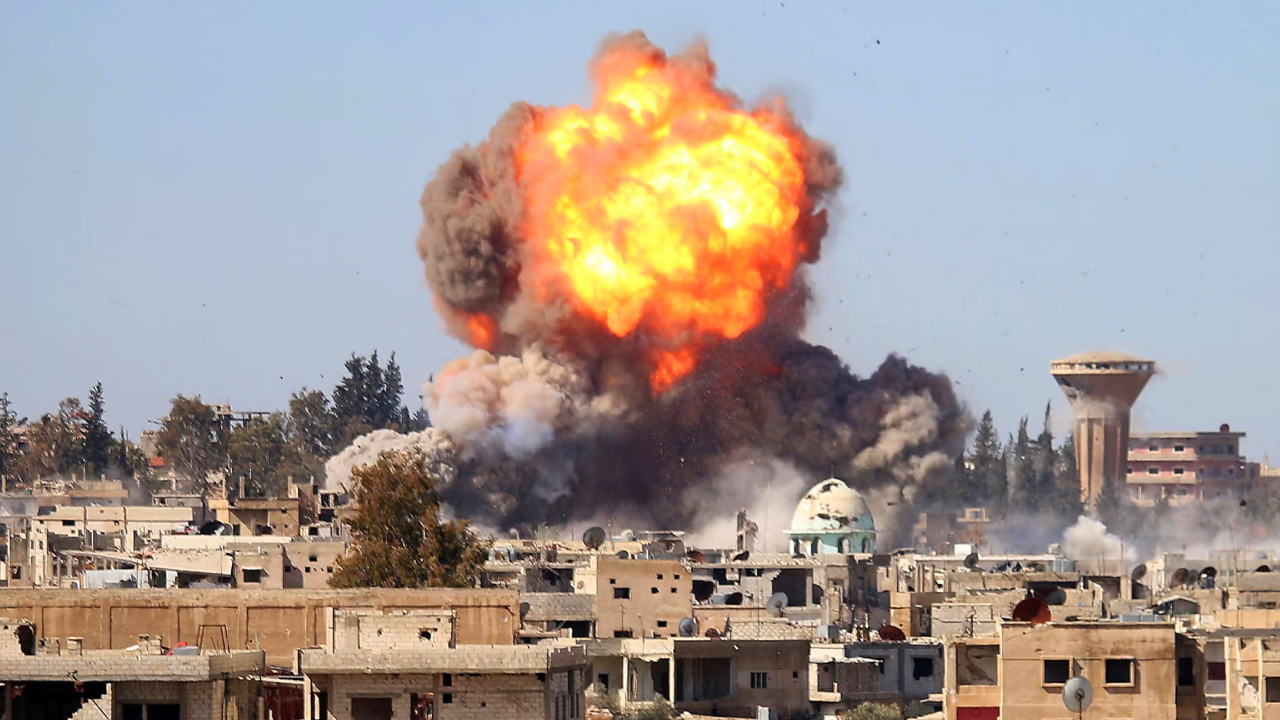
November 22, 2025. A pilot in a U.S. Navy F/A-18 Super Hornet locks onto coordinates in Somalia’s Golis Mountains. The ordnance falls. By that moment, 100 precision strikes have already hammered the same patch of earth this year alone. One hundred. In just eleven months. That’s nearly double the previous American record. What happened?
One man signed one piece of paper in January, and everything accelerated. Defense Secretary Pete Hegseth handed AFRICOM commanders a blank check on airstrikes, and the consequences are reshaping America’s shadow war in Africa.
Record-Breaking Year Shatters All Previous Benchmarks
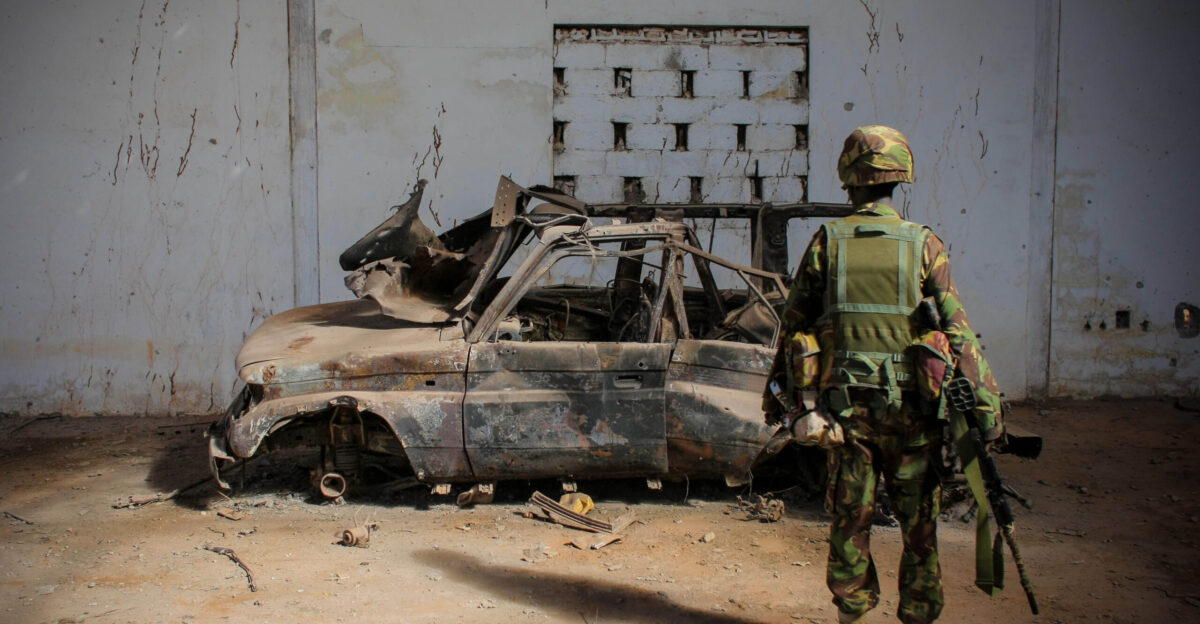
In 2019, the previous record year, America hit Somalia 63 times—the entire year. Now November 2025—AFRICOM has already crushed that number. Analysts project between 109 and 120 strikes by the end of the year. Nearly double. One strike every 3.3 days.
The escalation is stark: in 2024, there were just ten strikes. This year, the campaign exploded tenfold. The air war in Somalia is now America’s most aggressive military operation in Africa, and almost nobody is watching.
The January Directive That Changed Everything

January 2025. Defense Secretary Pete Hegseth signed a directive reshaping America’s war in Africa. According to Stars and Stripes, “the uptick in airstrikes in 2025 coincides with a January directive by Defense Secretary Pete Hegseth that grants more decision-making authority on airstrikes to AFRICOM commanders.”
General Michael Langley, AFRICOM’s commander, testified before the Senate that expanded authorities gave his command “the capability to hit terrorists harder.”
Somalia Now Outpaces Caribbean Counter-Narcotics Ops
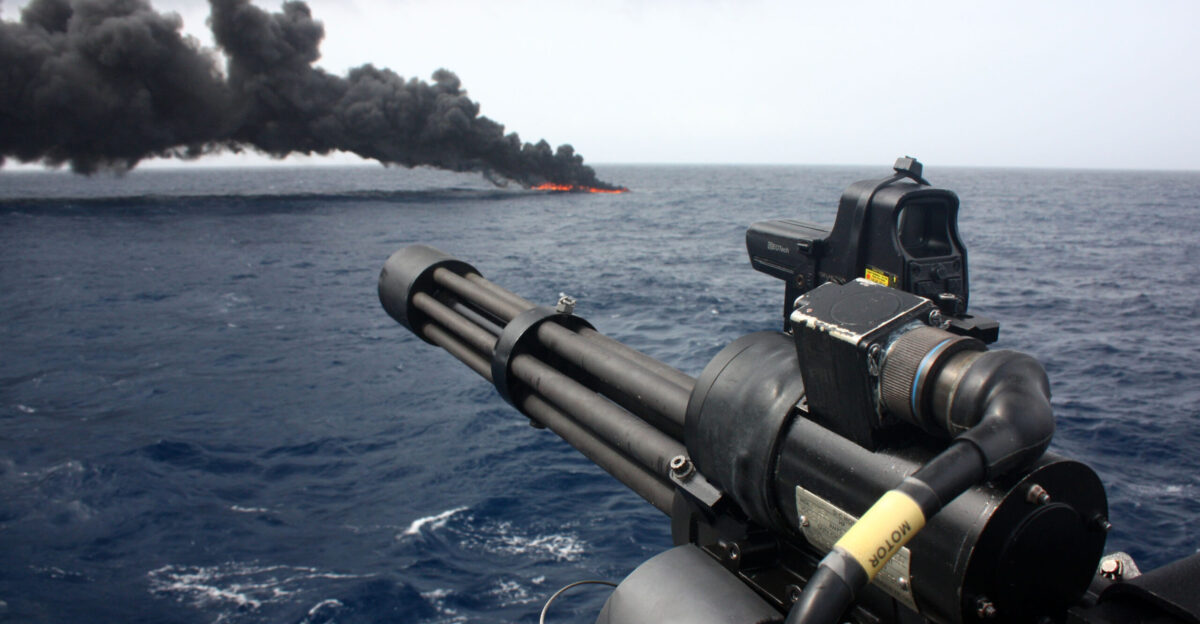
Here’s the twist that reveals American military priorities: the U.S. is hitting Somalia harder than drug traffickers in the Caribbean. Since early September, AFRICOM has launched at least 28 strikes in Somalia, while counter-narcotics operations in the Caribbean and Pacific have totaled only 21 strikes.
As fentanyl pours into American towns, the Pentagon is focused elsewhere. Somalia, not the drug war’s frontline, is where America’s warfighters truly concentrate.
ISIS-Somalia
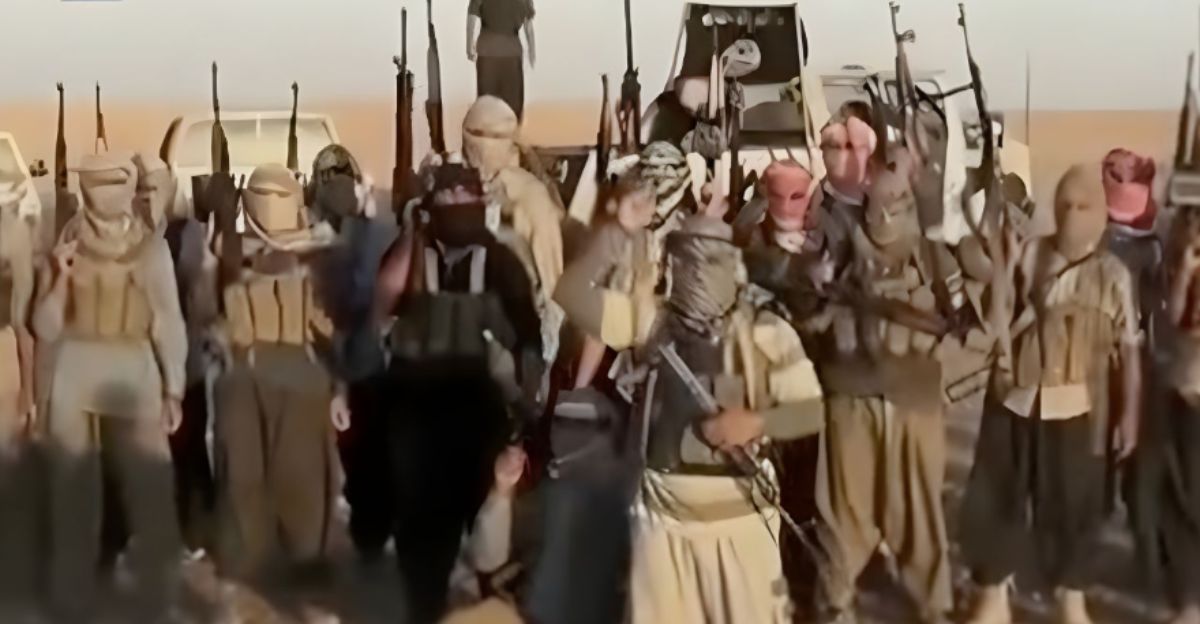
In 2019, U.S. intelligence estimated ISIS-Somalia at roughly 300 fighters. By May 2025, that number had metastasized to approximately 1,500—a five-fold increase in just six years. About 60 percent of those fighters are foreign nationals.
Roughly 900 international jihadists now operate in Somalia’s mountains. These aren’t locals fighting local grievances. They’re an international corps drawn by ISIS’s expanding influence in East Africa.
900 Foreign Fighters Now Operating in Somalia
Nine hundred. That’s roughly the population of a small American town—except these are trained, radicalized militants. According to the Director of National Intelligence, ISIS-Somalia “supports global ISIS activities by raising money, recruiting fighters internationally, and plotting attacks outside Africa.”
This is no longer a local insurgency. It’s a transnational terror network with tentacles extending across continents. Their propaganda has evolved from local messaging to sophisticated international recruitment campaigns.
The Golis Mountains
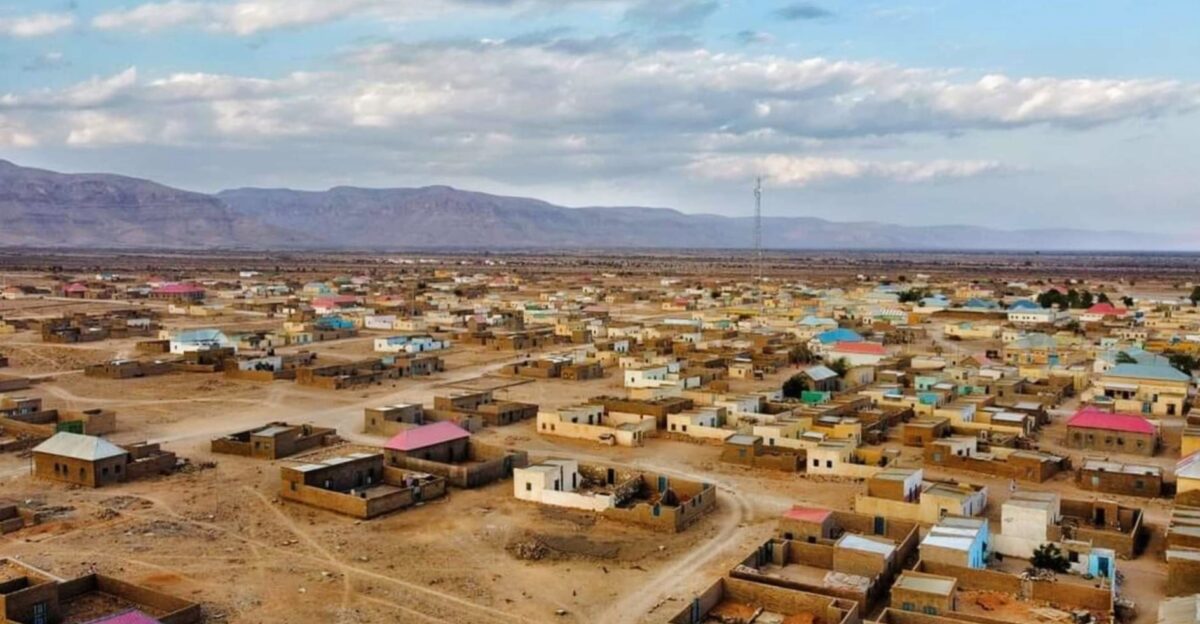
The Golis Mountains in Somalia’s Puntland region have become the epicenter of the air war. Nearly every major November 2025 strike targeted militants in the vicinity of these rugged peaks. According to the Director of National Intelligence, ISIS-Somalia “primarily operates in the Golis Mountains of the Bari region in Somalia’s semi-autonomous Puntland State.”
The terrain offers natural cave systems, hardened strongholds, and defended positions that are ideal for insurgent sanctuaries.
F/A-18 Super Hornets
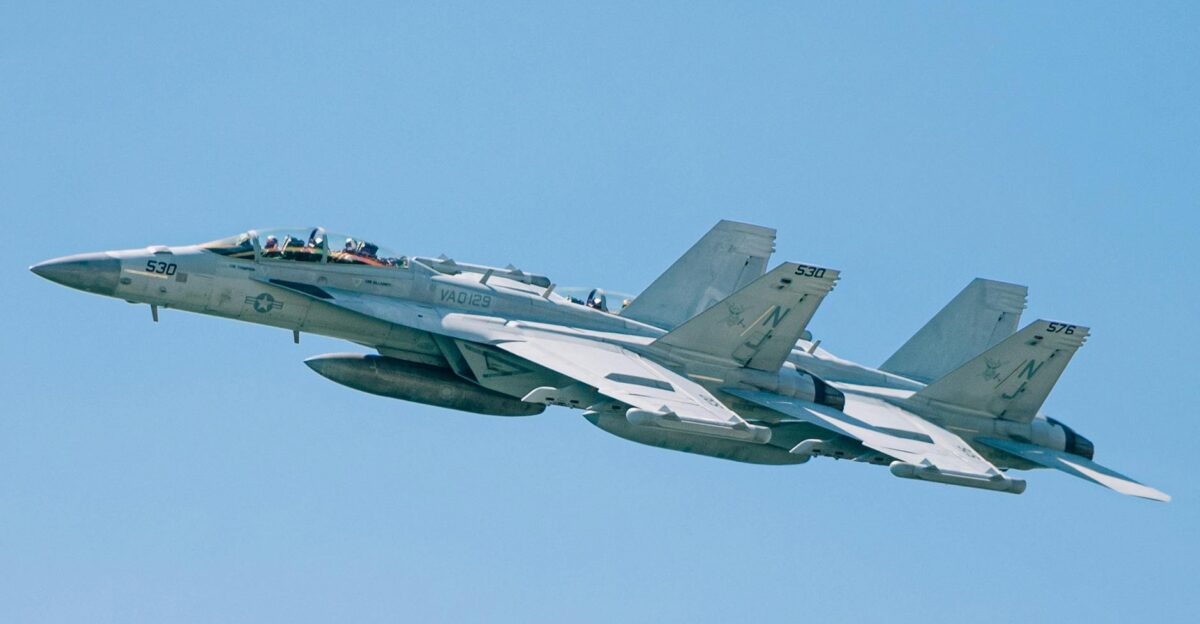
The U.S. Navy’s F/A-18 Super Hornet has become the mechanical spine of Somalia’s air war. On February 1, 2025, according to Navy Times, the USS Harry S. Truman “launched 27 F/A-18 Super Hornets as part of a coordinated airstrike.” Each carries substantial ordnance and tactical flexibility that slower platforms cannot match.
The Super Hornet can loiter over target areas, adjust to real-time battlefield intelligence, and strike with precision.
Insurgency That Won’t Die
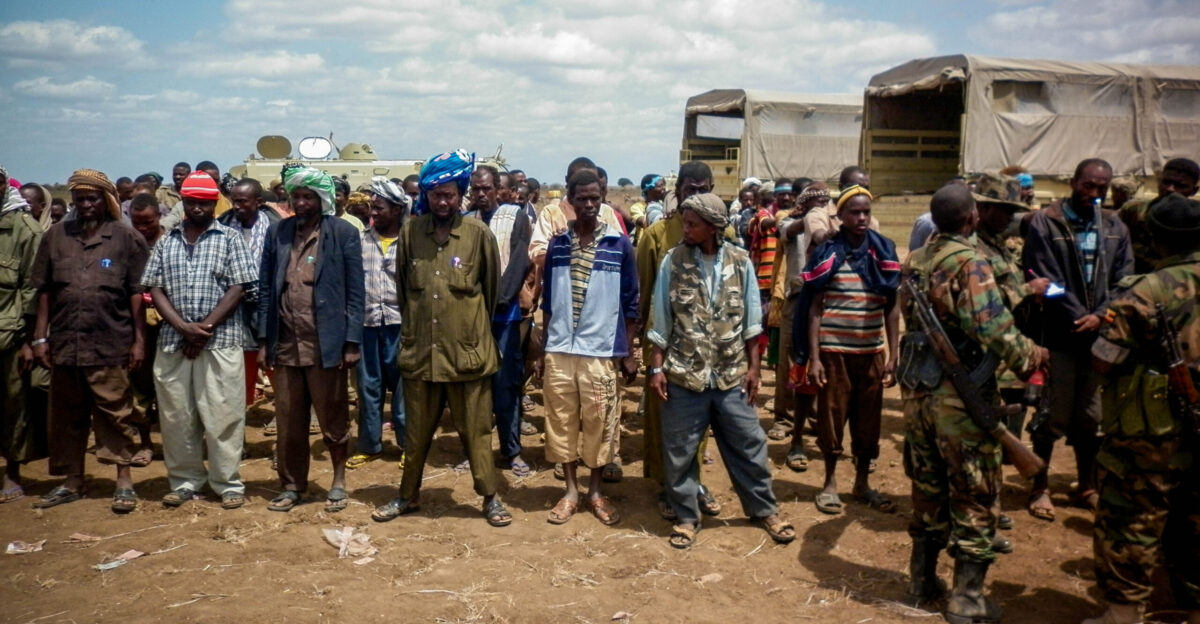
AFRICOM fights two primary adversaries in Somalia. The most notorious is al-Shabaab. According to the Council on Foreign Relations, al-Shabaab is an al-Qaeda affiliate “involved in the ongoing Somali Civil War.”
Stars and Stripes describes the group as “waging a decades-long insurgency,” terrorizing the region for years. Formed in the mid-2000s during Ethiopia’s military occupation, al-Shabaab evolved from a youth militia into Africa’s most lethal terror organization.
The Splinter That Became a Threat
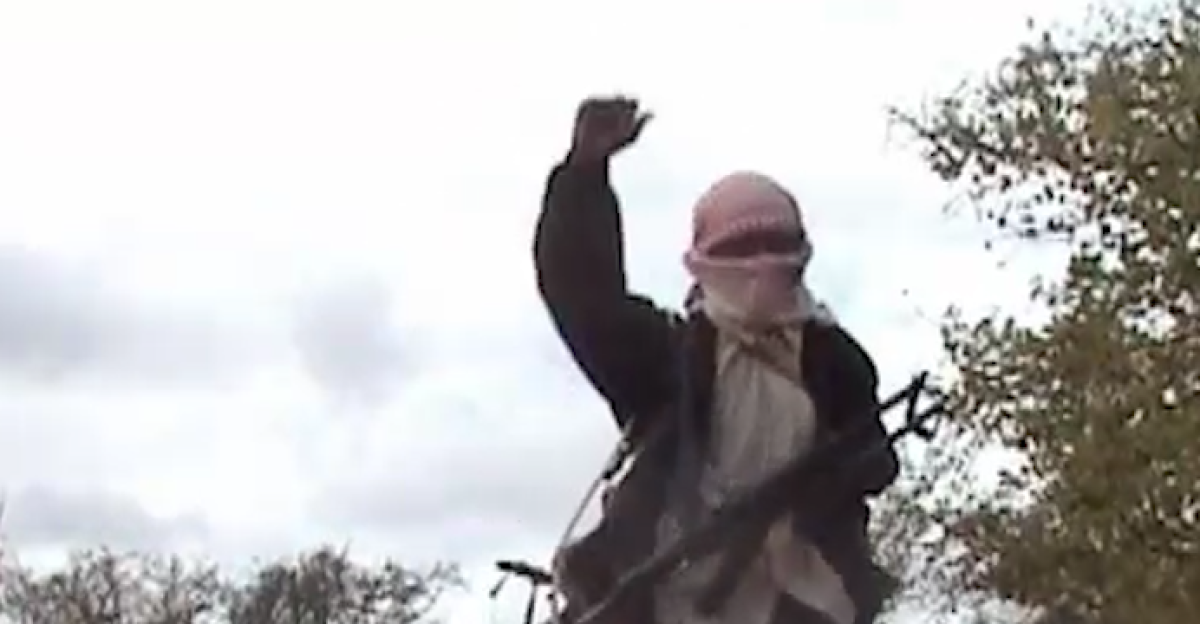
According to AFRICOM records, ISIS-Somalia was “formed in 2015 by defectors from al-Shabaab.” These fighters pledged allegiance to the broader ISIS caliphate and gained official recognition as a province in 2018.
What started as an internal dispute has metastasized into a sophisticated international terrorist operation.
The Swedish Embassy Plot
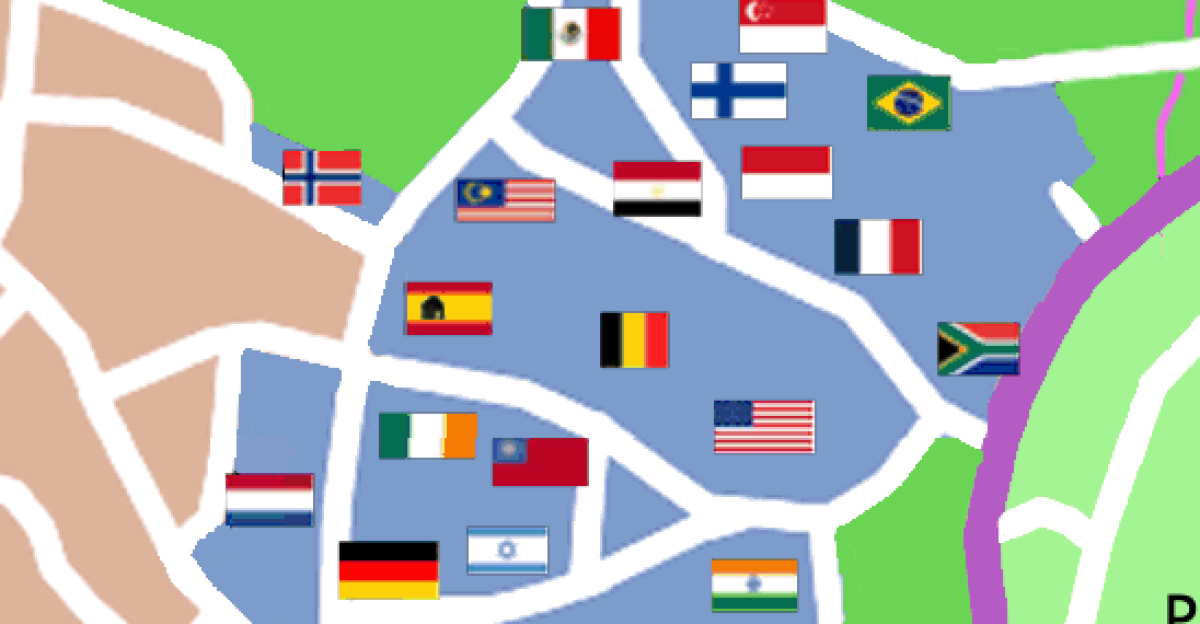
ISIS-Somalia isn’t confined to Somalia anymore. The group was implicated in a plot in Sweden that Swedish authorities disrupted in early 2024. According to the Director of National Intelligence, this represented evidence that “ISIS-Somalia supports global ISIS activities by raising money, recruiting fighters internationally, and plotting attacks outside Africa.”
The terrorist cell in Somalia’s mountains was also connected to a May 2024 shooting at the Israeli embassy in Sweden, as noted by The Combating Terrorism Centre. That’s the escalation threshold Hegseth’s directive was designed to prevent.
Coordinated with the Somali Government, Not Unilateral
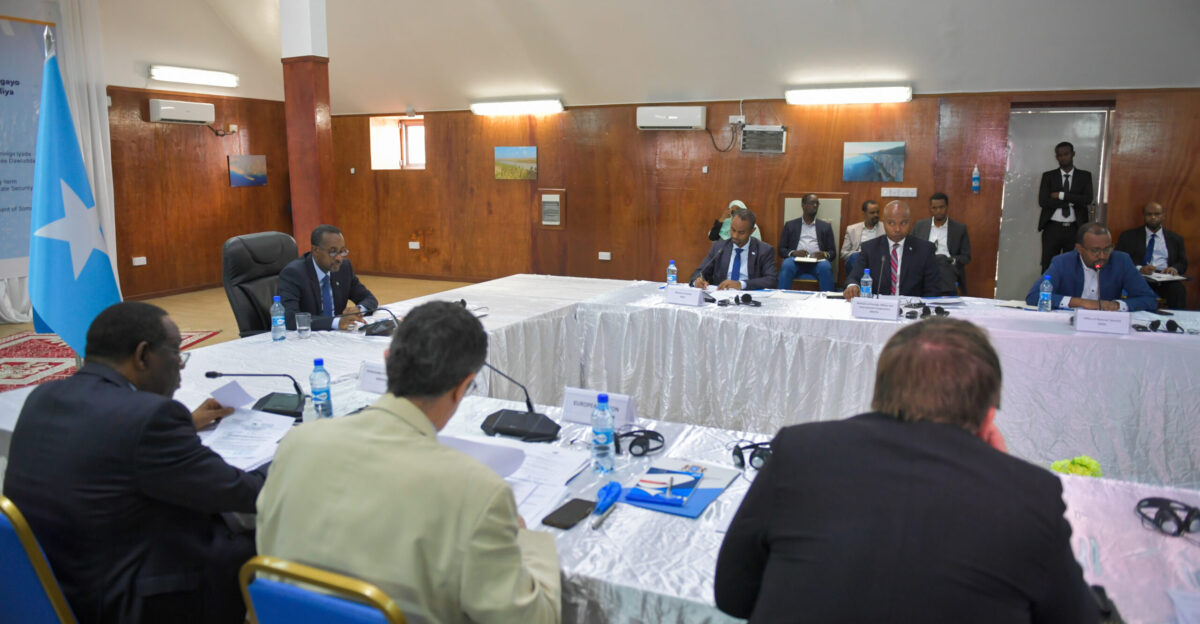
This isn’t American imperialism. Stars and Stripes confirms that “U.S. military personnel in Somalia provide various forms of support to the country’s shaky central government” and that airstrikes are “carried out coordinated with the Somali government.”
The strikes are executed through a partnership with Mogadishu. The Somali government, fragile as it is, invited American airpower to help degrade terrorist cells.
The Quiet Mission Nobody Knows About
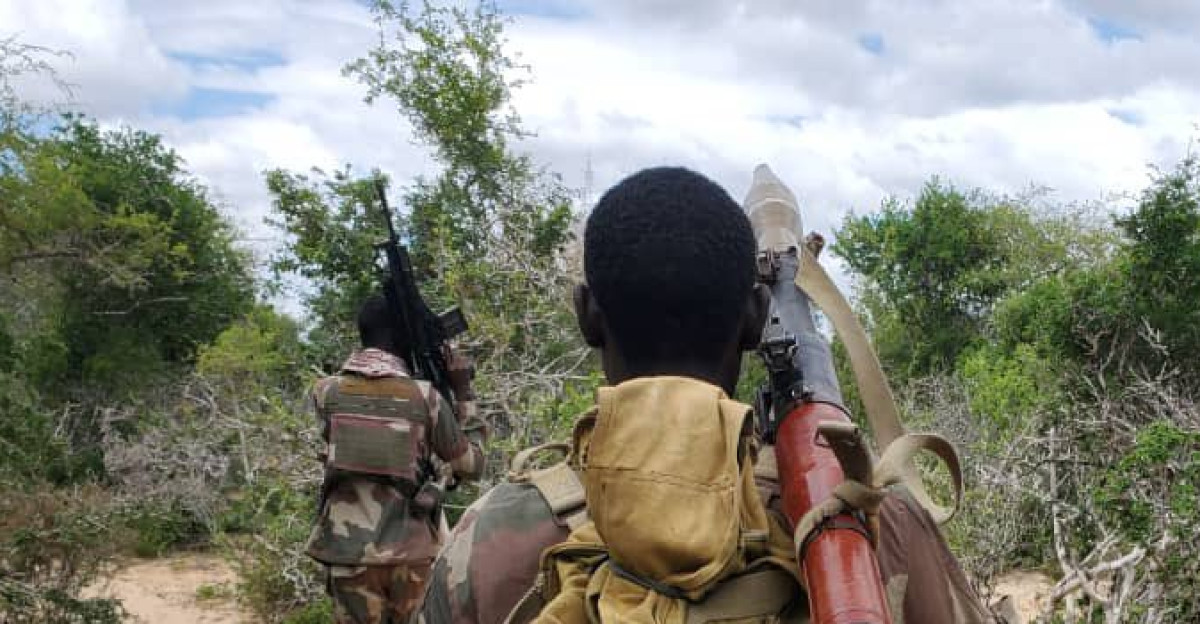
Beyond the dramatic airstrikes, U.S. military advisors remain embedded with Somali forces. According to Stars and Stripes, “AFRICOM’s missions in the country involve training and advising local ground forces, as well as carrying out airstrikes coordinated with the Somali government.”
American sergeants and officers coach Somali soldiers on tactics, logistics, and discipline. These advisors have been building Somali military capacity for years.
November’s Milestone Wasn’t the Last Strike
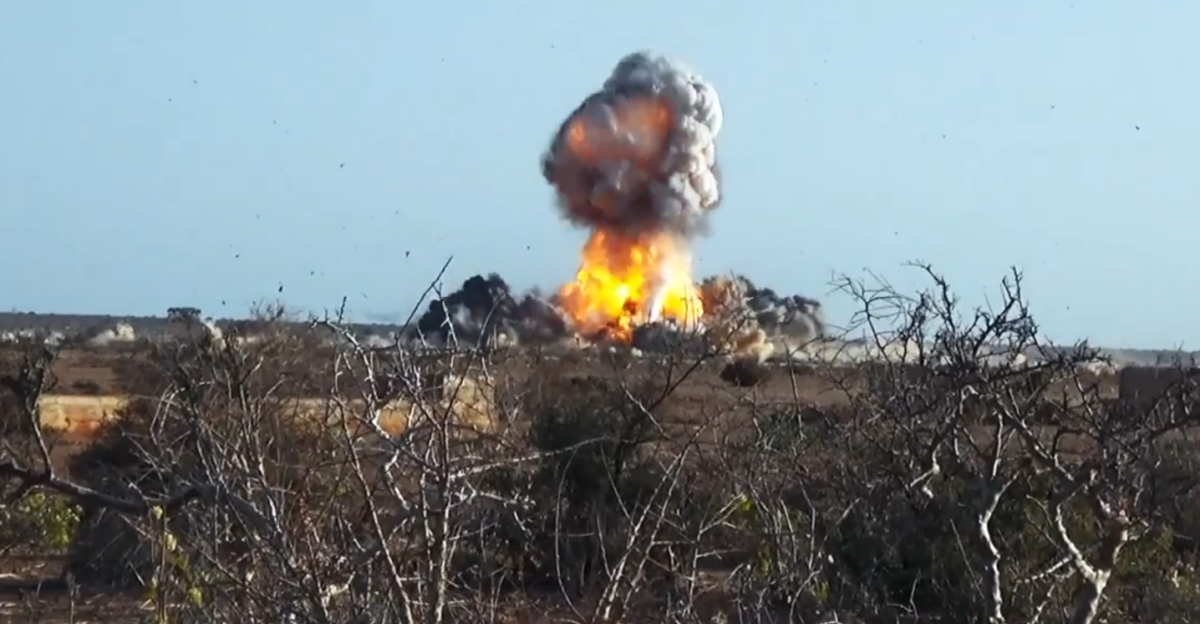
The November 22 strike was numerically the 100th, but not the finale. By early December, AFRICOM had already conducted over 101 strikes in Somalia. The 100th was a benchmark—a historic marker.
What seemed unthinkable a year ago—an American air campaign in Somalia rivaling Caribbean counter-narcotics operations in intensity—has become the new operational norm.
Al-Shabaab Takes Backseat
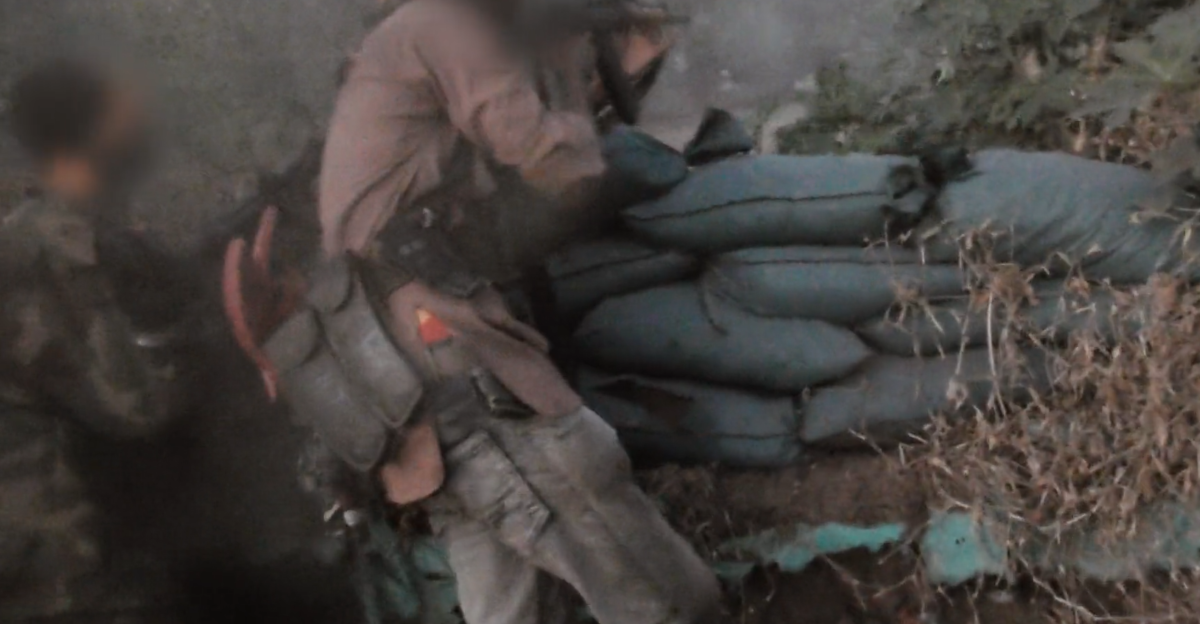
AFRICOM’s focus has shifted decisively toward ISIS. Of 101 total strikes through early December, 59 specifically targeted ISIS-Somalia. Al-Shabaab, while still dangerous and still America’s original focus, now receives diminished attention.
This recalibration reveals Pentagon strategists’ assessment: ISIS-Somalia’s rapid growth, foreign fighter recruitment, and global ambitions constitute a more urgent threat.
The Foreign Fighter Pipeline
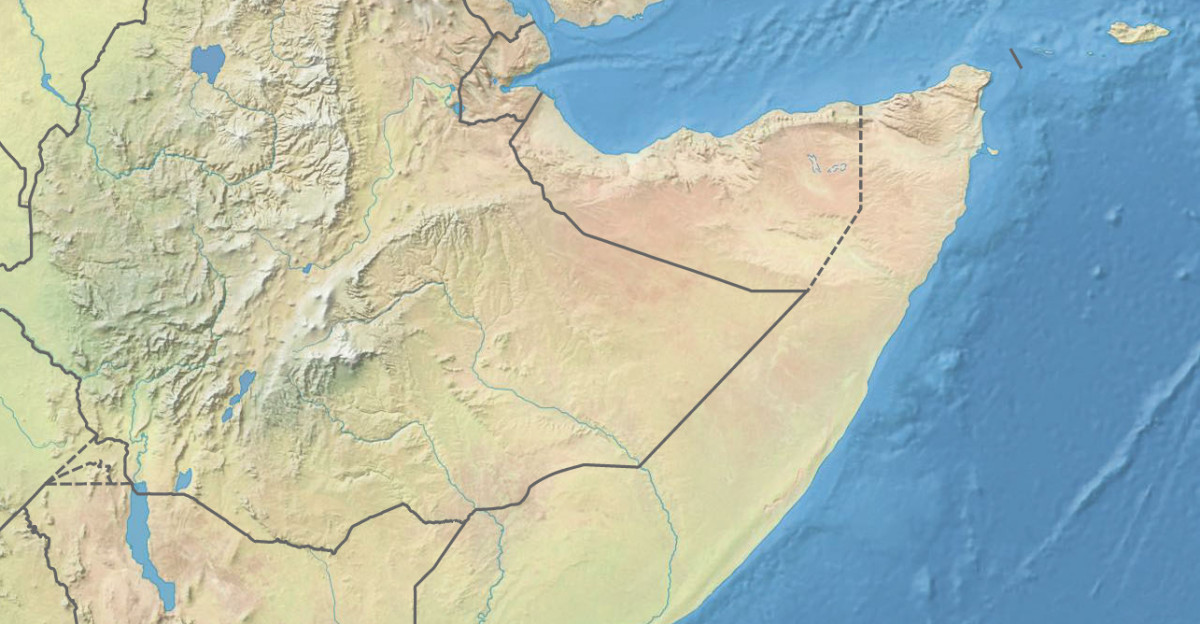
ISIS-Somalia has built sophisticated “recruitment networks across the Horn of Africa, attracting foreign fighters from Ethiopia, Sudan, and Tanzania.”
The pitch is powerful: join a transnational movement, fight for the caliphate, contribute to global jihad. Somalia’s weakness became ISIS’s recruiting tool.
What Happens If the Airstrikes Stop?
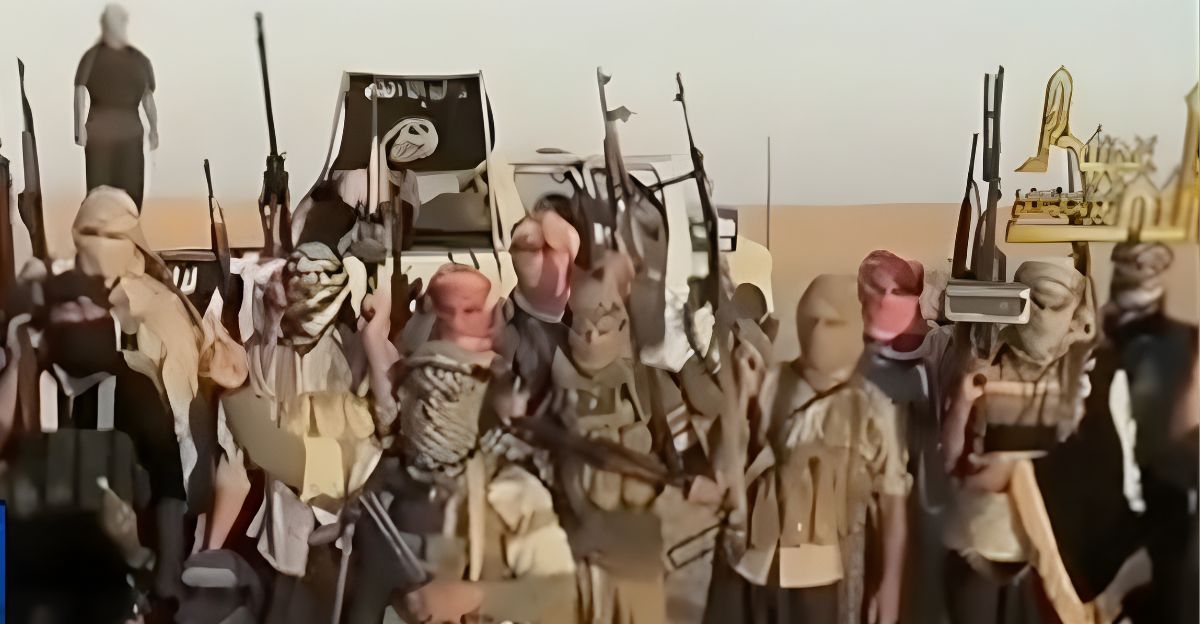
If strikes diminish, the group could consolidate faster than airpower can degrade it. ISIS-Somalia has demonstrated a remarkable ability to rebuild cells, adapt operations, and recruit replacements.
Airpower can destroy targets. It cannot eliminate ideology or prevent recruitment. That’s the paradox Hegseth’s directive doesn’t solve.
Hegseth’s Second Term Strategy
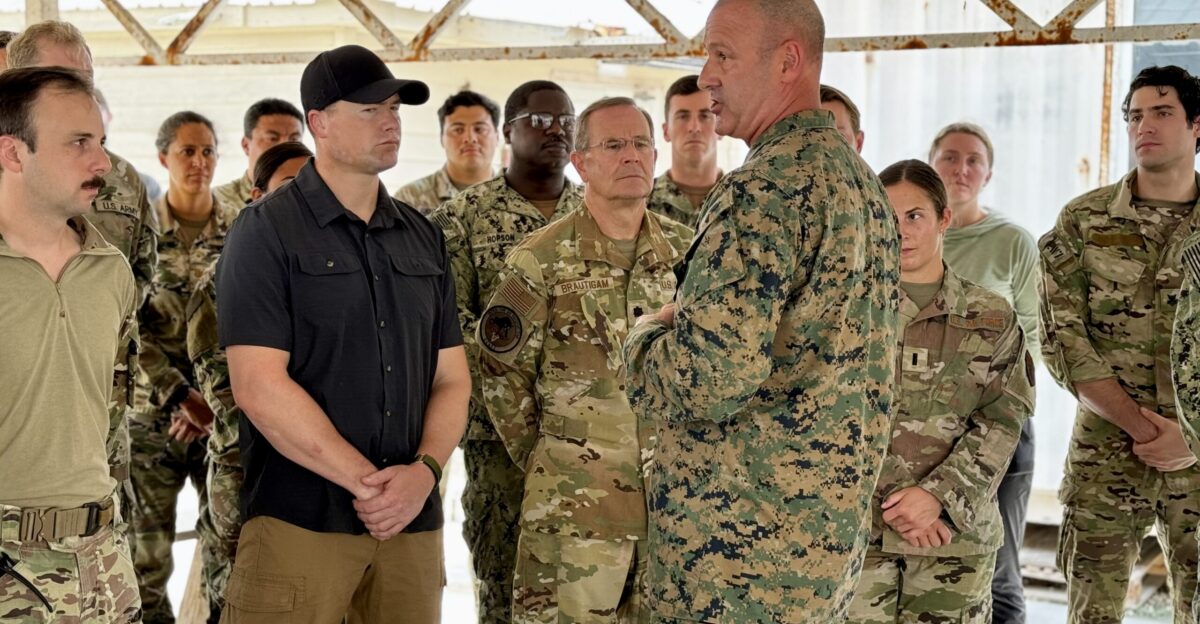
Defense Secretary Hegseth has framed his military strategy in stark terms. During a NATO press conference, he stated, “My sole responsibility as Secretary of Defense is to guarantee that we have the most formidable, capable, and lethal military possible.”
He doubled down on empowering field commanders: “pushing authority down and untying the hands of warfighters.” This philosophy—maximum lethality, minimum bureaucratic delay—directly shaped the Somalia surge.
Somalia’s Shadow Status
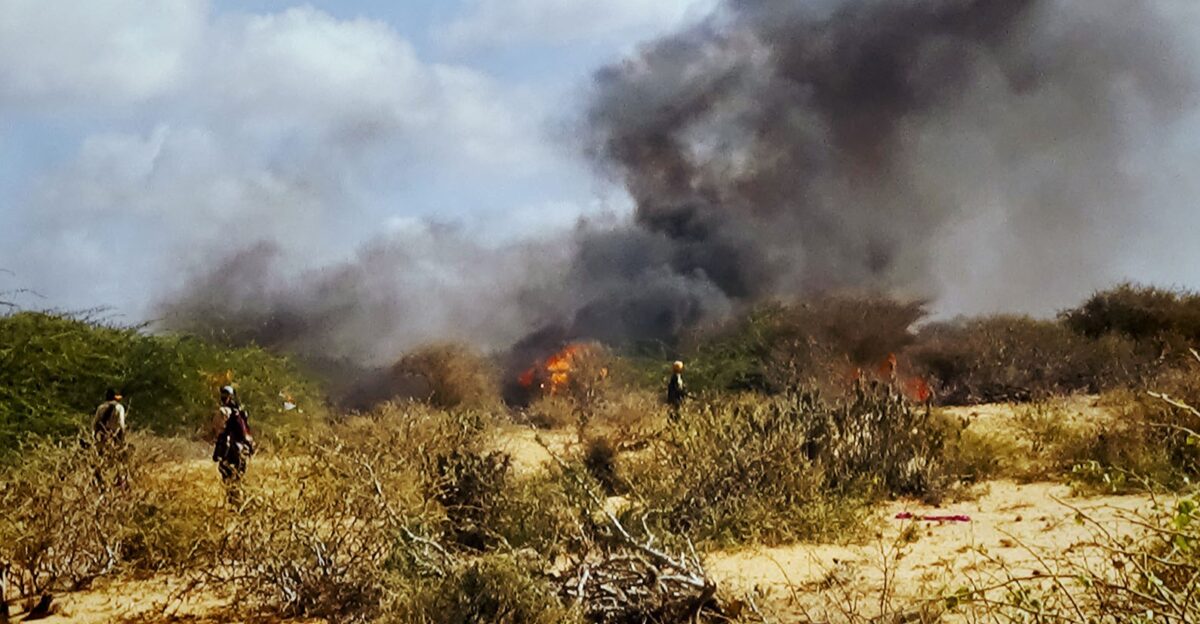
Somalia has become a persistent military theater attracting less attention than Afghanistan ever did, operating beneath the radar of most media scrutiny. With 100+ airstrikes in one year, Somalia clearly matters to Pentagon planners. Yet most Americans couldn’t name Somalia’s president or explain why 1,500 ISIS fighters in the Golis Mountains should concern them.
This invisibility is partly intentional—sustained operations in fragile states don’t generate political heat. But the human costs and strategic implications demand attention. This is a shadow war defining the next generation of American foreign policy.
Sources:
NOAA SSW November 2025 briefing
National Weather Service long-range discussion
AP/Reuters Somalia airstrike and AFRICOM coverage
U.S. Africa Command (AFRICOM) official press releases on 2025 Somalia strikes
Director of National Intelligence: ISIS-Somalia threat assessments
Council on Foreign Relations: al-Shabaab and ISIS-Somalia profiles