
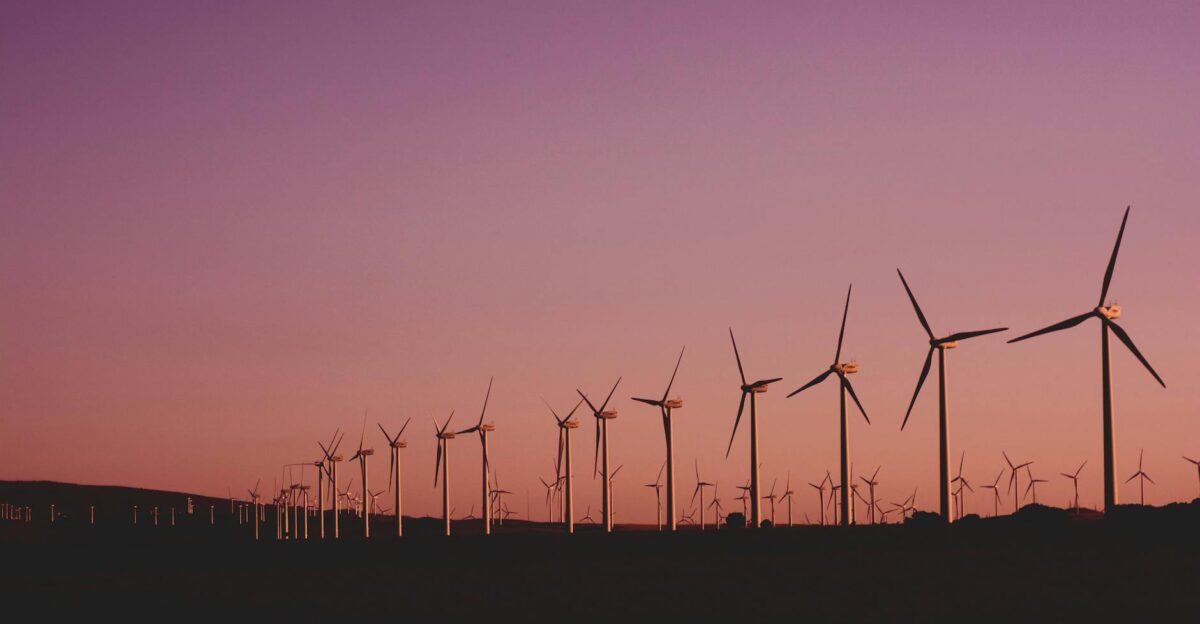
The United States is undergoing a significant shift in its electricity generation, driven by rapid growth in solar and wind power.
According to the Federal Energy Regulatory Commission (FERC), these two renewable sources accounted for over 91% of new U.S. power-generating capacity added in the first half of 2025.
This reflects a growing national commitment to cleaner energy and a transformation of the power landscape.
Power Leadership
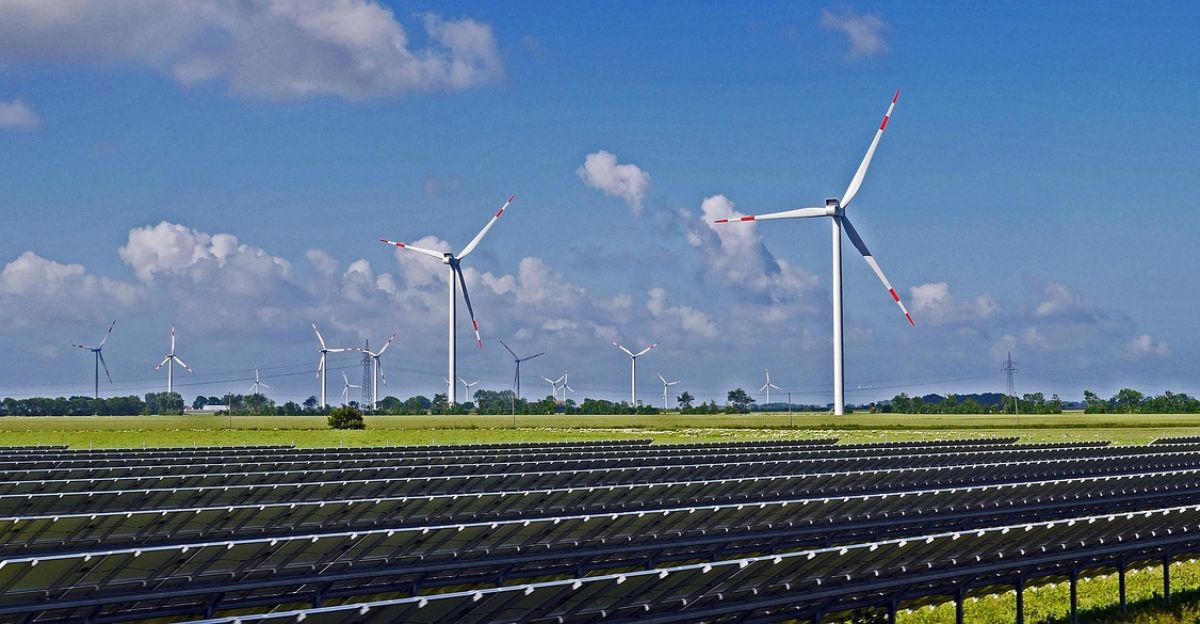
The surge in solar and wind installations marks a critical moment in U.S. energy history, outpacing traditional sources such as natural gas.
Industry data show solar energy led this growth by contributing nearly 75% of new capacity, while wind power accounted for roughly 16%.
The trend suggests a continued shift toward renewable energy sources, despite some political and economic challenges.
Fossil Fuel History
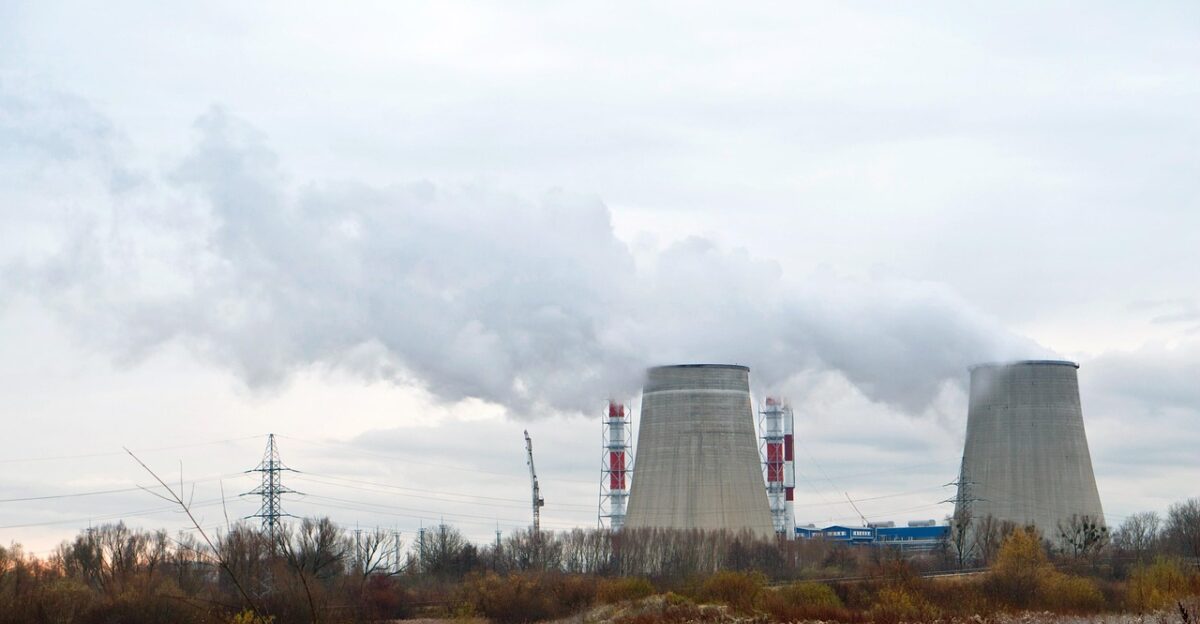
U.S. electricity generation historically relied heavily on coal and natural gas. In 2010, renewables represented less than 10% of new capacity additions.
Over the past decade, significant cost reductions in solar panels and wind turbines have spurred rapid deployment, gradually pushing fossil fuels to the sidelines in new capacity installations.
Drivers of Change
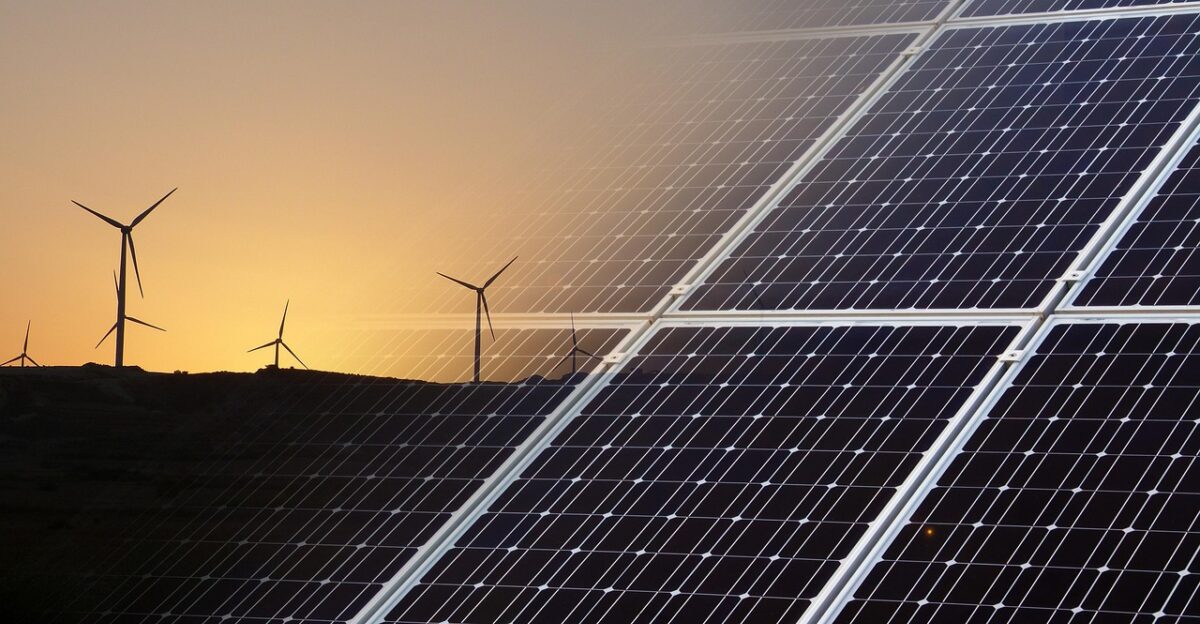
Declining costs, state policies, and growing environmental concerns have accelerated the adoption of clean energy.
According to energy market experts, government incentives and corporate sustainability commitments are key drivers of the energy market.
These factors have created a favorable economic environment, encouraging utilities to prioritize solar and wind projects amid rising demand.
91% Capacity Milestone
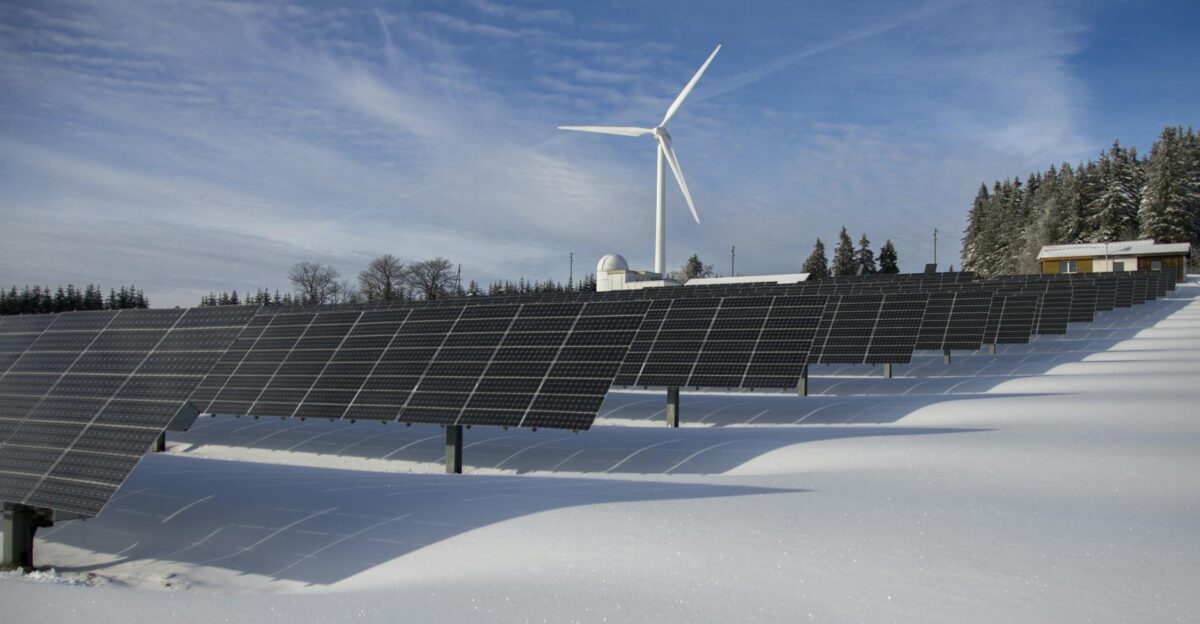
FERC reports that solar and wind together contributed over 15 gigawatts of new generating capacity from January through June 2025, representing 91% of all new U.S. power additions.
This milestone extends a two-year trend of solar dominance in monthly capacity growth, highlighting the scale of renewable investments nationwide.
Texas Expansion
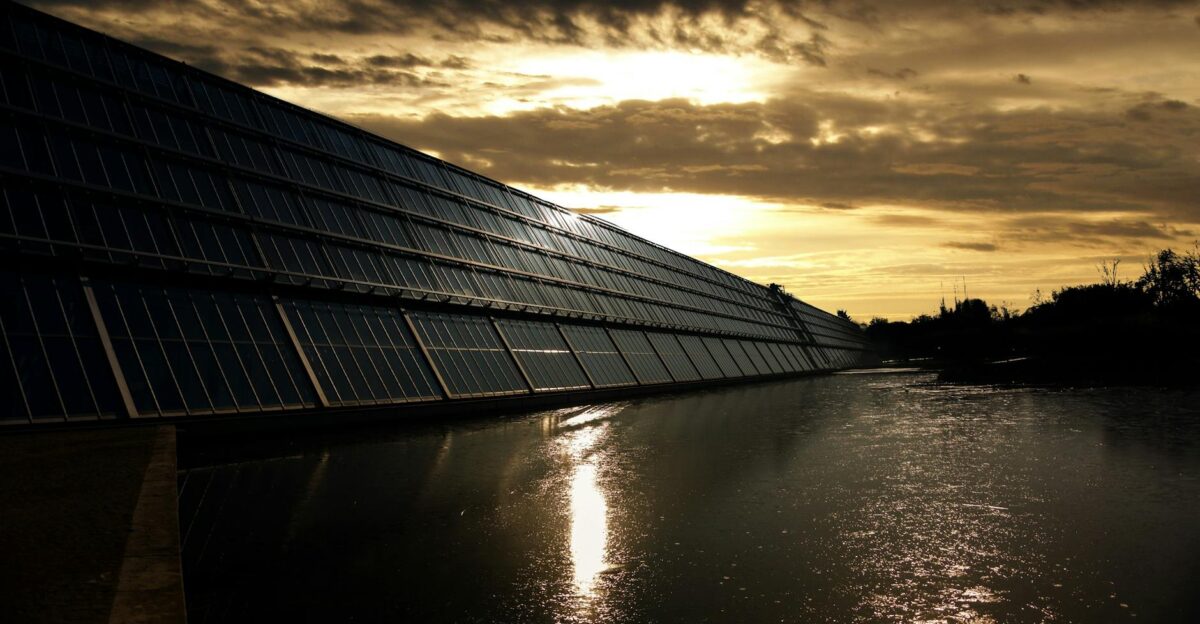
Texas, a leader in renewable energy development, commissioned large-scale solar projects, such as Ash Creek and Mercury Solar & Storage, in mid-2025.
These installations demonstrate how state markets are embracing renewables to replace retiring fossil fuel plants, contributing hundreds of megawatts and generating economic benefits such as job creation and increased tax revenue.
Economic and Environmental Impact
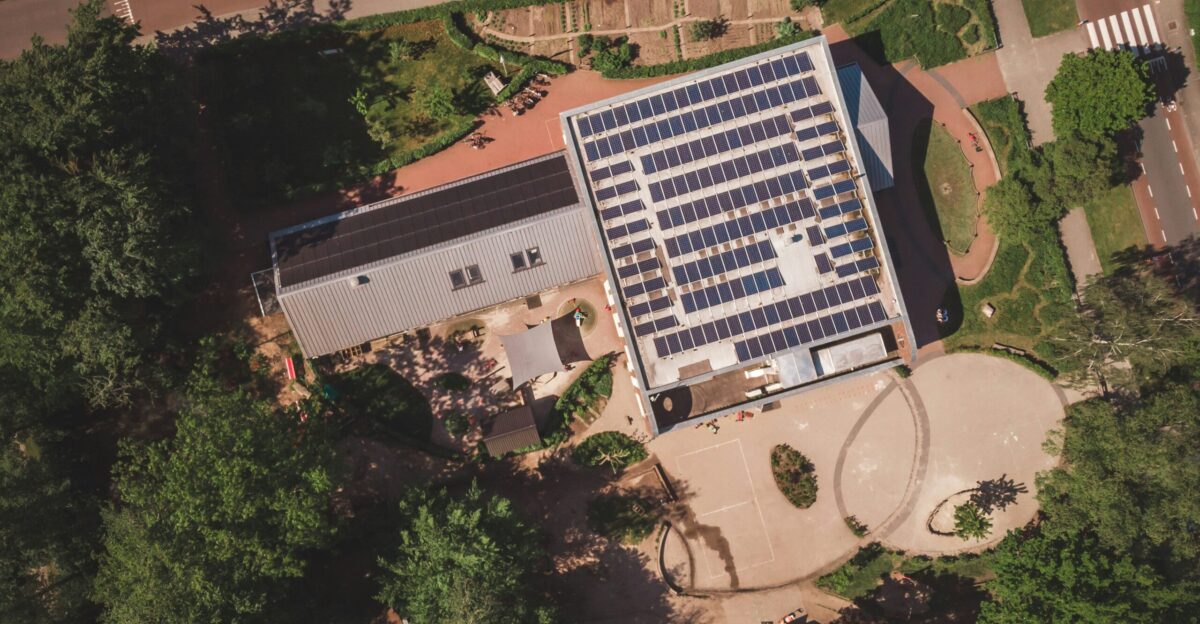
Stephanie Bosh of the Solar Energy Industries Association noted the dual benefits of solar’s expansion: cost-effective power generation and a positive local economic impact.
Communities near new solar projects report job creation and improved air quality, underscoring the role of solar energy beyond electricity production. This transition supports broader climate goals and community wellbeing.
Industry Responses
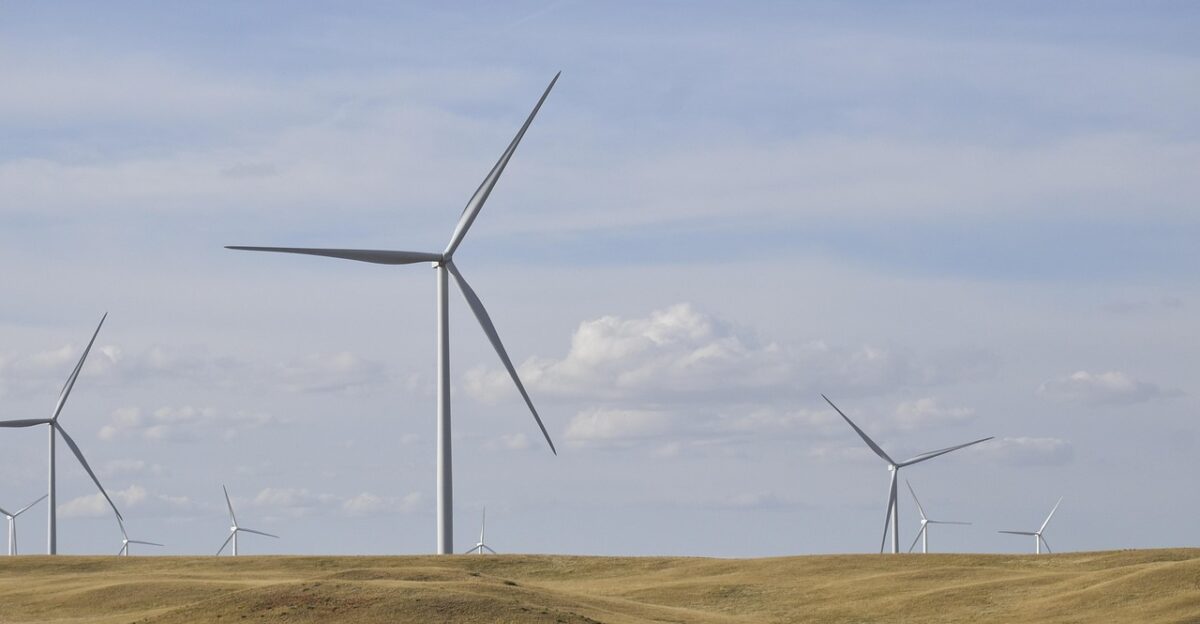
Faced with rapid growth in renewable energy, natural gas companies have modernized their infrastructure and lobbied for regulatory support to maintain their market share.
Some utilities are pursuing hybrid systems that combine gas with solar and storage to balance energy supply, reflecting the complex market dynamics as renewables increase their footprint.
Geographic Diversity
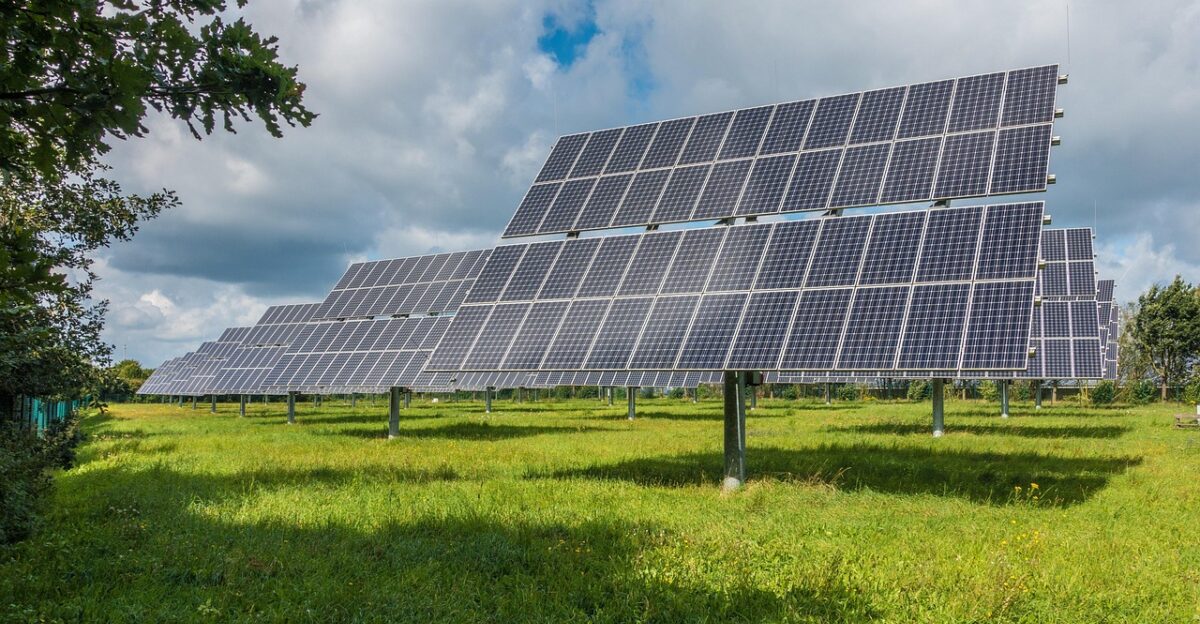
Besides Texas, states like California, Michigan, Arizona, Indiana, and Missouri also reported major new solar projects in 2025.
Noteworthy farms, such as Eland, Coldwater River, and Box Canyon, exemplify the diverse regional efforts to integrate renewables and highlight the nationwide nature of this energy transition.
Wind’s Complementary Role
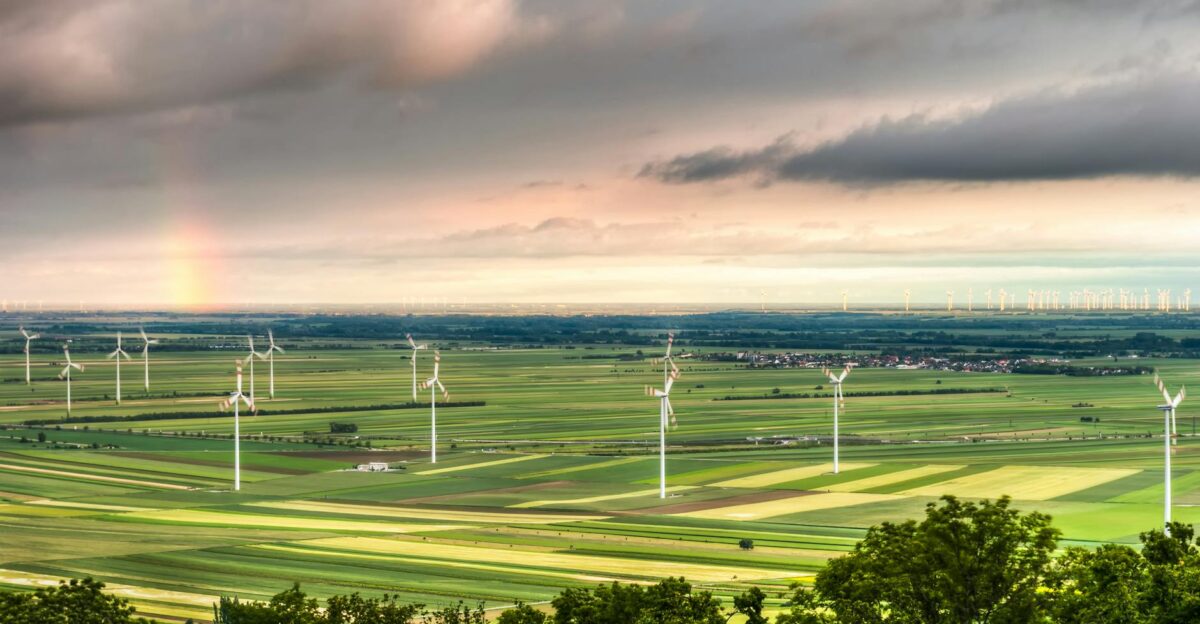
While solar dominates new additions, wind power remains vital. Wind farms added over 3 gigawatts in the first half of 2025, mainly in the Midwest and Great Plains.
Experts emphasize that combining wind and solar creates a more resilient renewable energy mix, smoothing variability and enhancing grid stability.
Infrastructure Challenges
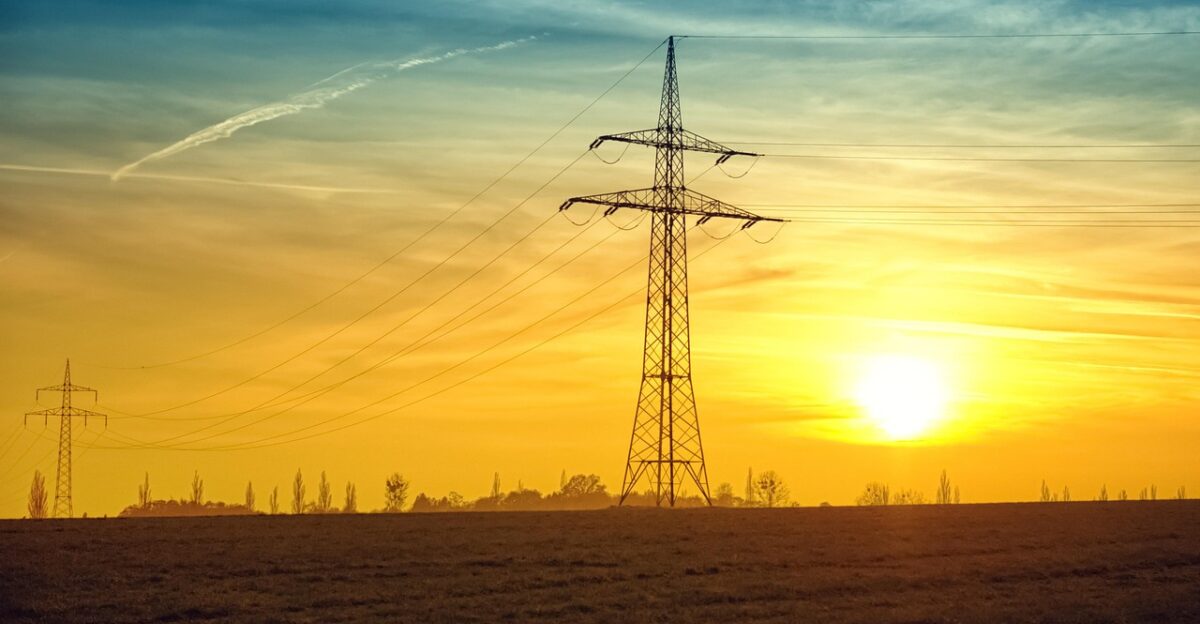
Utility executives warn that transmission bottlenecks hinder the integration of renewable energy sources. Delays in permitting and construction of new power lines pose risks to sustaining growth.
The industry calls for accelerated regulatory reforms to expand grid capacity and accommodate the increasing renewable generation.
Leadership Changes
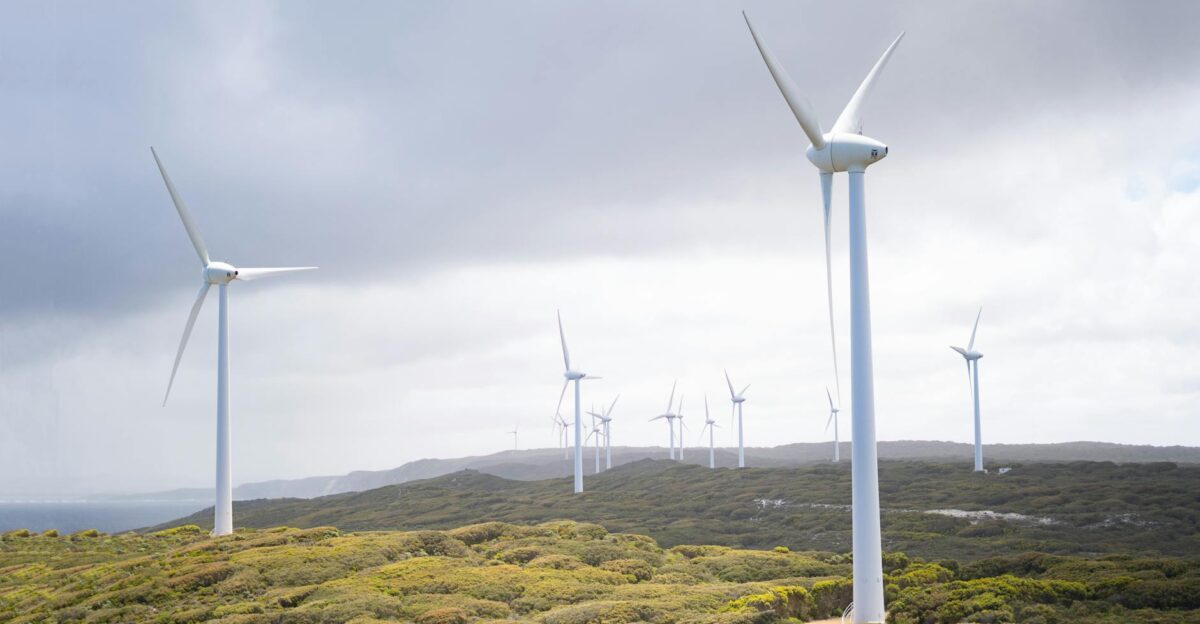
Utilities respond by appointing leaders with backgrounds in clean energy. Companies like Dominion Energy and NextEra are reshaping governance to align with decarbonization goals.
Analysts view these shifts as strategic moves to navigate evolving regulatory environments and investor expectations favoring sustainability.
Grid Modernization Efforts
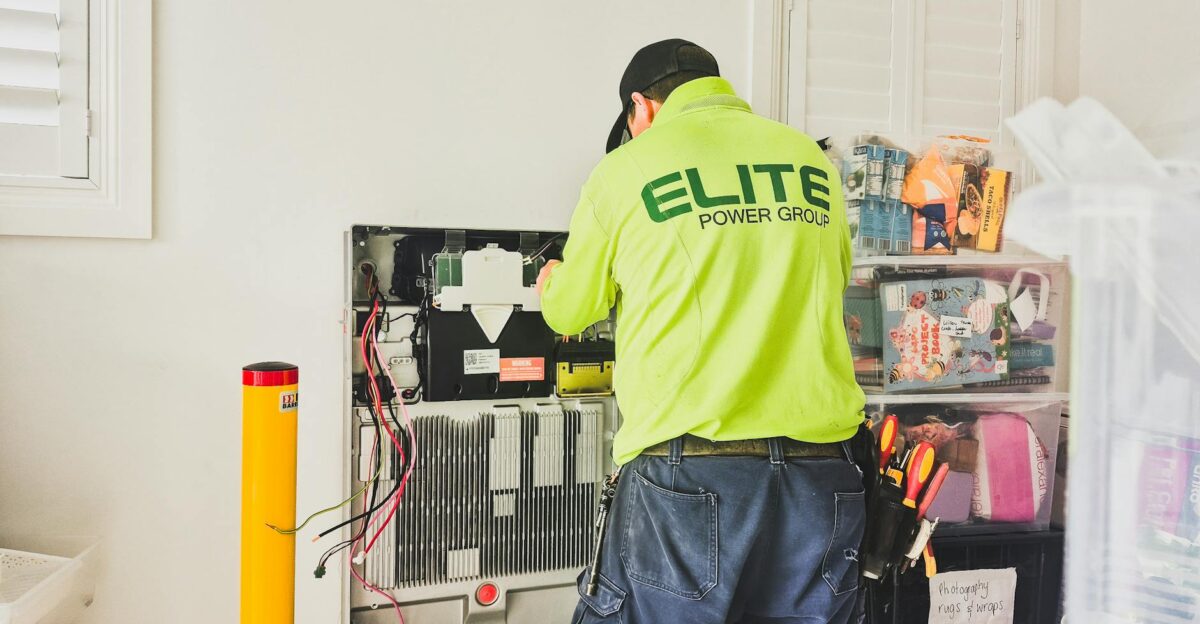
To better integrate renewables, utilities invest heavily in battery storage and grid upgrades. These efforts improve flexibility, reduce outages, and lower costs.
Early reports indicate increased system reliability and customer savings as modern technologies facilitate smoother integration of renewable energy sources.
Market Uncertainties
Despite growth, experts caution about supply chain constraints and cybersecurity concerns. Mark Ruess, an energy market analyst, highlights the potential for volatility, requiring vigilant planning.
The industry balances rapid capacity additions with operational challenges to ensure reliable power delivery.
Future Prospects
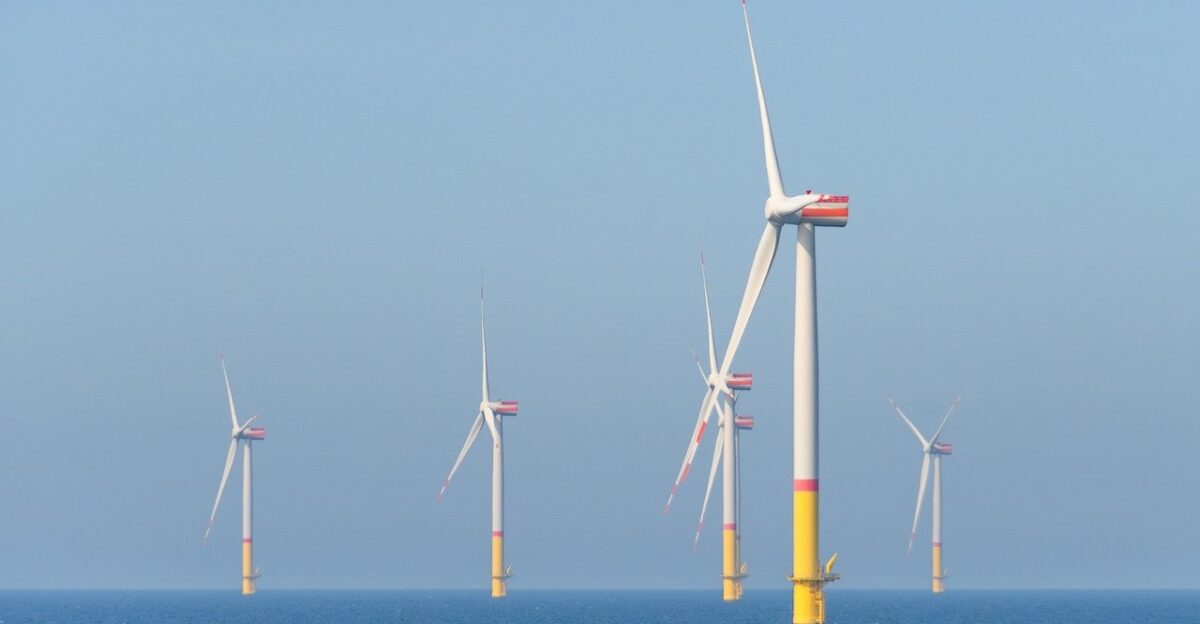
Renewables could surpass natural gas as the dominant source of energy by the end of the decade. FERC data reveal that solar and wind now account for more than 23% of total U.S. installed capacity, a figure likely to grow with ongoing projects and favorable economics.
Policy Impact
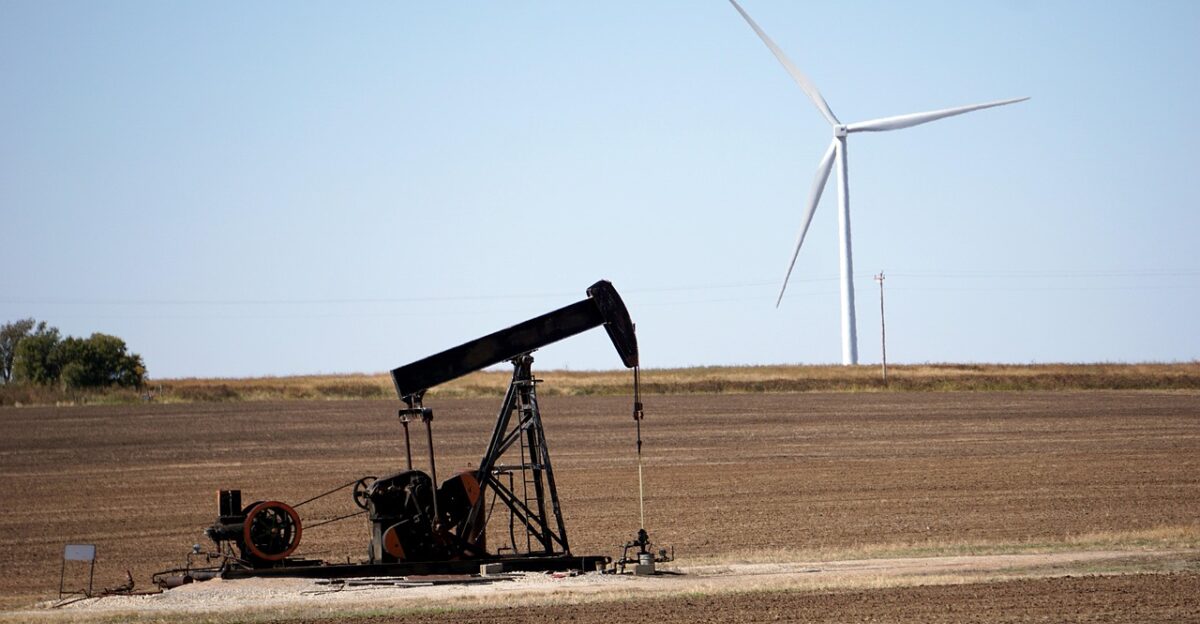
Federal policies under President Trump favored spending on coal and oil, but did not halt the surge in renewable energy.
Many state and local governments continued to implement proactive measures, such as tax credits and streamlined approvals, balancing federal rhetoric with ground-level market realities.
Global Influence

The U.S. shift aligns with global trends. Countries such as Germany and China also significantly increased their solar capacity during the same period.
International competition and collaboration help drive down costs and innovate technology, positively influencing U.S. market dynamics.
Environmental and Legal Aspects

Renewable projects spark environmental discussions, including those related to land use and wildlife impacts.
Legal challenges over siting and permits increased, leading to nuanced regulatory processes to balance clean energy growth with ecosystem protection.
Cultural Trends
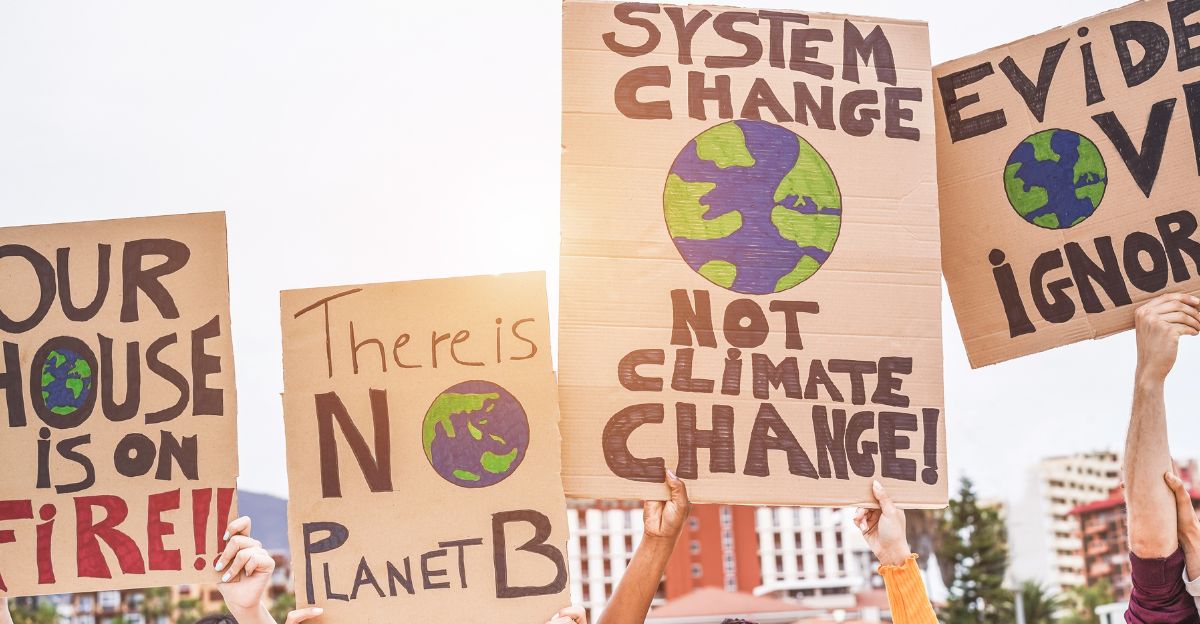
Public perception significantly affects energy policy. Younger generations widely support renewables for climate reasons, while older populations remain more divided. Ongoing education and outreach aim to bridge these gaps and foster broader acceptance.
A Shift to Sustainable Energy
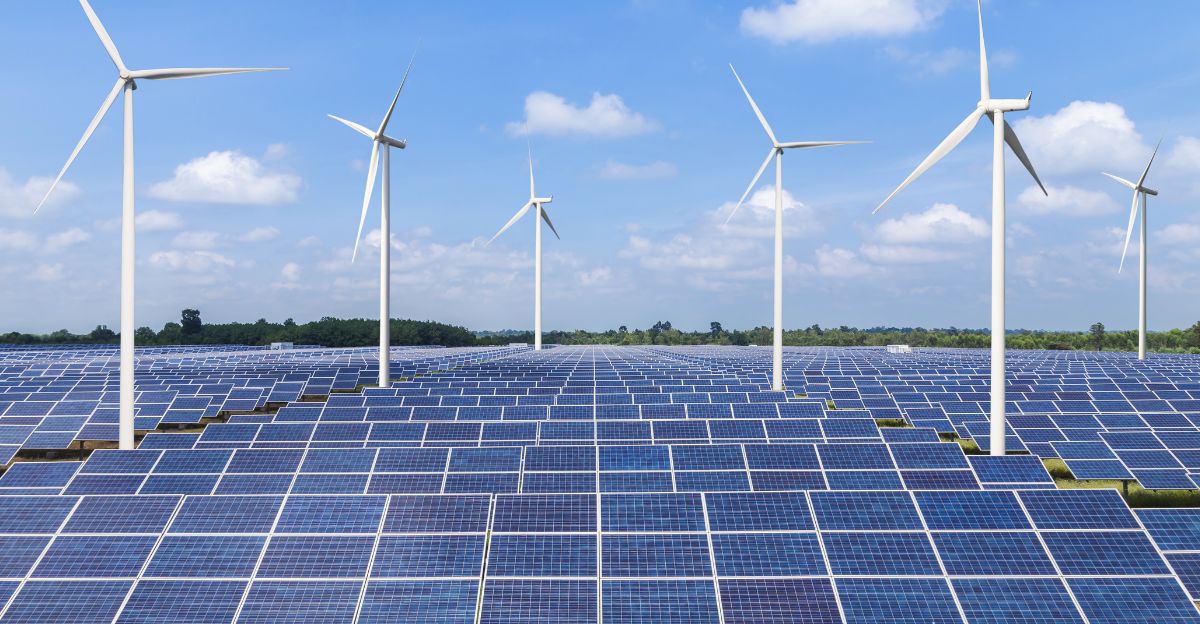
The dominance of solar and wind in new U.S. capacity underscores a pivotal shift toward sustainable energy.
As questions about infrastructure, policy, and social acceptance evolve, the coming decade will determine whether renewables become the cornerstone of America’s energy future.