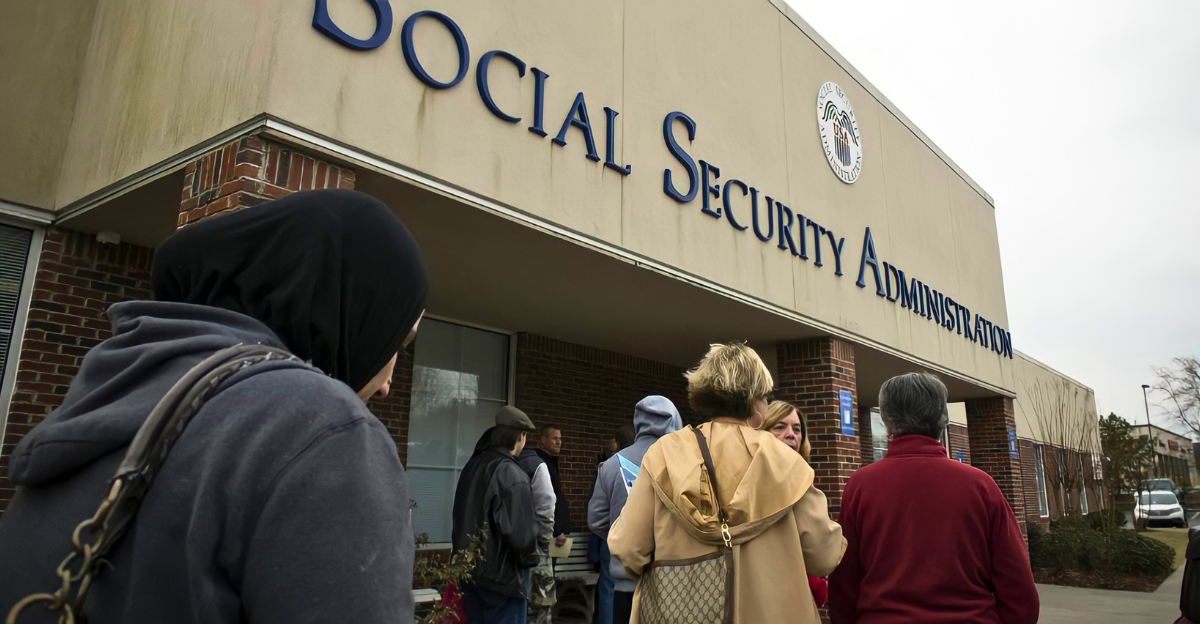
The Social Security Administration (SSA) is grappling with an unprecedented backlog of disability claims. As of early 2025, over one million SSDI/SSI applications are pending.
New applicants now wait roughly seven months on average for an initial decision – more than double pre-pandemic wait times. Commissioner Martin O’Malley warns the toll is deadly: roughly 30,000 people died in 2023 while awaiting benefits.
For many Americans, the wait for benefits is a financial emergency, as disabled individuals lose months of income and support while they await a decision.
Overwhelming
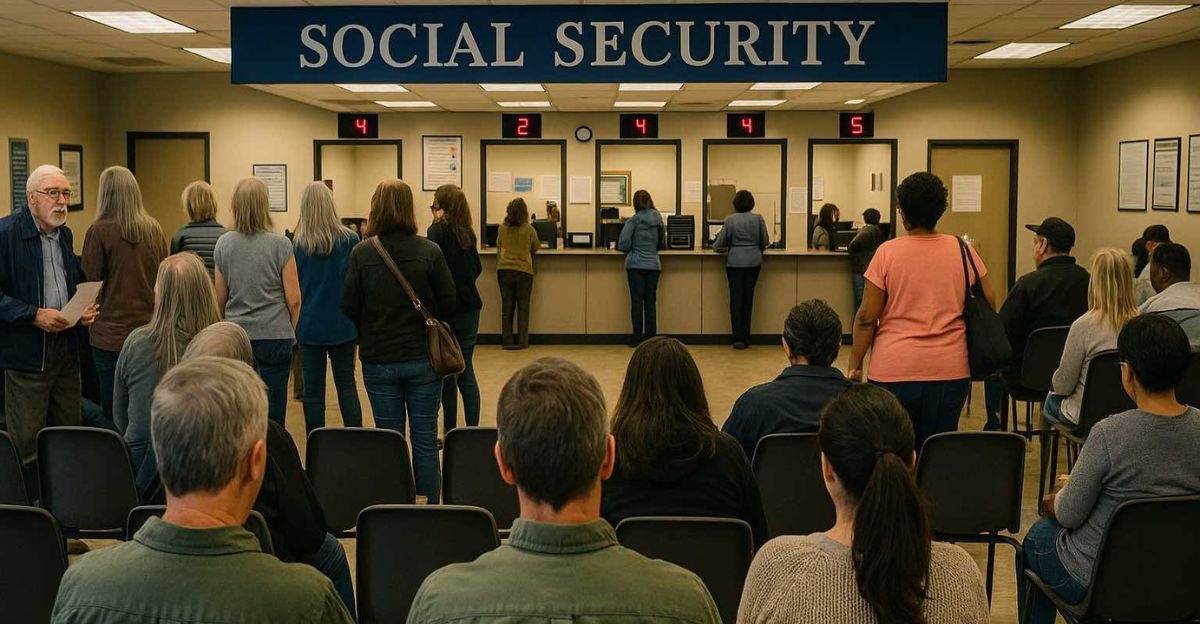
Families often endure a harrowing waiting period. In the late 2010s, Social Security typically took just 3–4 months for an initial disability decision. Now, initial determinations average about 230 days.
If a claim is denied, the appeals process adds even more time: a reconsideration review can take around 7 months, and a hearing before an administrative law judge may require an additional 15-month wait.
Lawmakers and advocates describe these delays as a crisis, since timely access to benefits can be literally life-or-death for severely ill applicants.
Origins
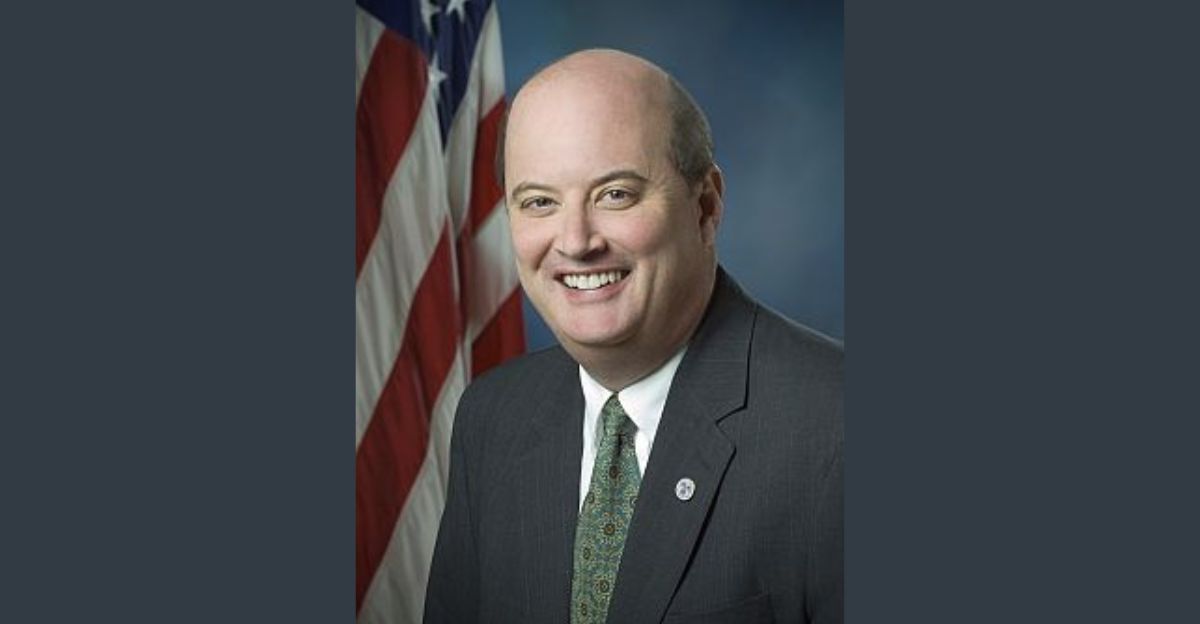
Compassionate Allowances was created to address this bottleneck. Launched in 2008 by SSA Commissioner Michael Astrue, the initial CAL list included 50 conditions – 25 rare diseases and 25 cancers – identified as so severe they clearly meet Social Security’s disability criteria.
Those first lists were developed with broad input: SSA held public hearings and collaborated with the NIH, the Alzheimer’s Association, the National Organization for Rare Disorders (NORD), and other medical experts and patient advocacy groups.
This targeted fast-track program set the stage for future expansions of the initiative.
Pressure

Rising demand has overwhelmed the system. Aging baby boomers and new illnesses have pushed claim volume sharply higher.
Yet staffing is declining: the number of full-time, fully-trained state disability examiners fell from 6,627 in 2018 to just 5,252 in 2023.
Analysts point to underfunding and high turnover in state determination offices as key causes of delay.
The COVID-19 pandemic further disrupted operations, exacerbating staffing shortages in many state offices. In short, fewer examiners are now handling a much larger caseload, and that strain is choking the entire process.
Expansion

In a major recent move, SSA announced on August 11, 2025 the addition of 13 life-threatening conditions to the CAL list.
This brings the CAL roster to 300 total qualifying conditions. Commissioner Frank Bisignano emphasized the impact: “By adding these 13 conditions to the CAL list, we are helping more people with devastating diagnoses to quickly receive the support they need,” he said.
The new entries include extremely rare diagnoses (like Au-Kline syndrome and bilateral anophthalmia) and aggressive cancers (like WHO Grade III meningiomas).
Adding these conditions means applicants with those severe illnesses can get decisions in weeks instead of months.
Regional

Delays vary dramatically by state. An SSA analysis shows claim processing can be as quick as 61 days in Idaho but as long as 370 days in Georgia.
This gap reflects uneven staffing and resources: some states have more examiners per claimant, while others (especially rural areas) struggle to find local specialists to document medical conditions.
Applicants in slower regions often endure waits measured in years, while those in better-resourced states get much faster decisions. Disability experts note that these geographic disparities mean an applicant’s wait time can depend on zip code almost as much as on medical severity.
Personal

The human stories make the crisis real. Jose, an East Bay manufacturing manager, became disabled by lumbar spine injuries, asthma, depression and PTSD.
He applied for benefits in 2016, but two denials and a prolonged appeals process left him without income for five years. Finally, in 202,1, his claim was approved – but only after he had survived on charity and public assistance.
“I had eight surgeries and couldn’t go to work,” Jose told AARP. “It was really bad”.
His ordeal – surgery after surgery, and a final approval that came just in time – puts a face on the backlog’s toll. Stories like Jose’s illustrate why even small improvements in processing can change lives.
Regulatory

Disability advocates had long pushed for CAL’s growth. The first CAL expansion in 2010 added 38 new conditions, following public hearings with patient and medical experts.
That move drew praise: NORD’s CEO Peter Saltonstall called the CAL initiative “truly innovative” and said it provides “invaluable assistance and support to patients and families coping with severely disabling rare diseases”.
Medical and patient communities view CAL as a vital lifeline. Congress has repeatedly authorized funding for CAL expansions, reflecting broad bipartisan support for accelerating benefits to those who desperately need them.
Technology

Modern tech is helping trim delays. SSA now uses electronic systems to flag potential CAL cases as they come in, prioritizing those claims for faster review.
The agency has also overhauled customer service: AI-driven chatbots, online portals, and self-service features resolve many routine inquiries without human intervention. For example, phone hold times have plummeted from nearly 30 minutes to single-digit minutes.
Behind the scenes, SSA reports handling roughly twice as many daily customer transactions compared to prior years, all with the same staffing levels.
These innovations show how digital upgrades can help serve more people with existing staff.
Evidence

Even under CAL, applicants must still provide full medical documentation. SSA stresses that the CAL label simply flags a claim for priority review – it does not waive any evidence requirements. According to SSA, it still “must obtain medical records in order to make an accurate determination”. In other words,
claimants cannot assume automatic approval: they must still gather doctors’ reports, lab results, and other proof that their condition meets Social Security’s legal standards for disability.
The benefit of CAL is speed (decisions in weeks instead of months) – it is a fast track, not a shortcut.
Frustration
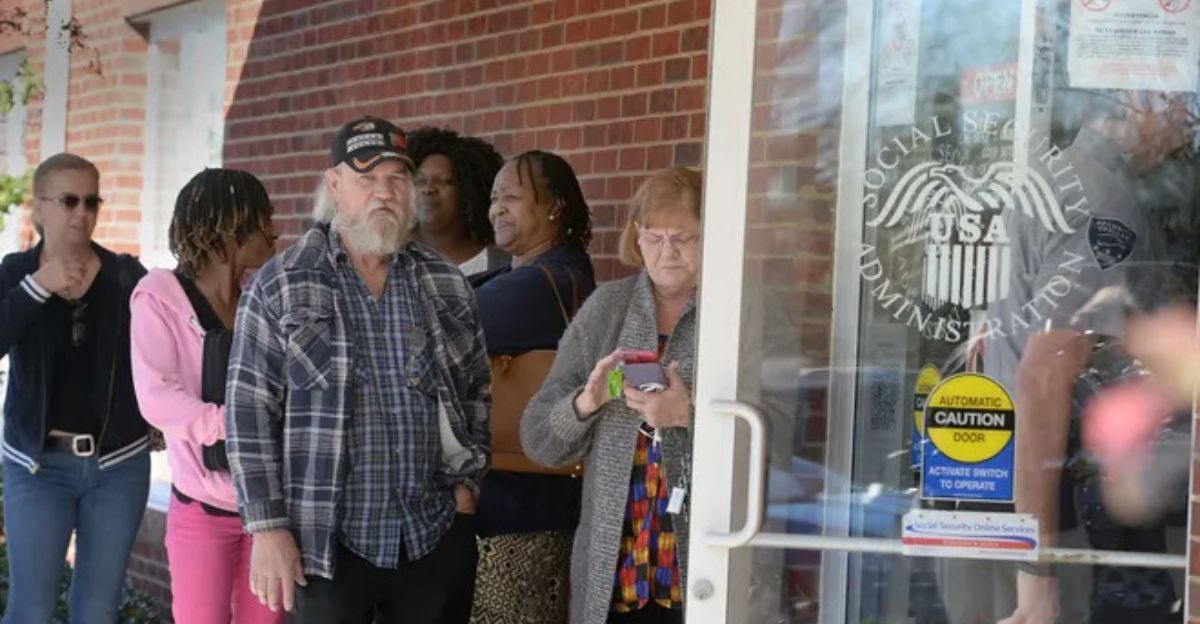
Worse yet, looming budget cuts threaten to reverse progress. Some proposals call for eliminating roughly 7,000 SSA jobs, a move critics say would cripple operations.
A Sanders Senate analysis projects that cutting half of SSA’s disability examiners would roughly double wait times and double deaths, to about 67,000 people dying while waiting for benefits.
Former Commissioner O’Malley warned that under such cuts Americans could “see the system collapse and an interruption of benefits” within 30–90 days.
Advocates warn that any workforce cuts could slam the brakes on recovery and plunge families right back into crisis.
Leadership

Commissioner Frank Bisignano, confirmed in May 2025, has emphasized customer service reforms. Under his tenure, SSA began scheduling field office appointments (now about 40% of visits are pre-arranged) and upgraded its call centers.
By July 2025, the average hold time on SSA’s national 800 number had dropped to just 7.6 minutes – down from 27.6 minutes a year earlier.
“We’re answering 33% more phone calls and callers are waiting 60% less,” he said. Bisignano, a business leader with experience running large call-center operations, has vowed to restore data-driven management tools at SSA and to boost employee morale.
Recovery

The backlog is finally showing signs of retreat. SSA reports the pending disability queue shrank from about 1.2 million cases to roughly 930,000.
Advanced digital tools and process improvements mean the agency can now serve roughly twice as many claimants per day as before.
Importantly, the online benefits portal is available around the clock after eliminating 29 hours per week of maintenance downtime.
Together, these changes have helped SSA clear cases faster and reduce the backlog. By cutting wait times and automating routine tasks, the agency is finally starting to make real progress against the pile-up.
Skepticism

Not everyone believes the picture is rosy. Veteran SSA staff note that Bisignano’s impressive metrics often compare current data to last year’s worst, obscuring recent gains under the prior administration.
In reality, by late 2024 SSA had already cut phone waits to single-digit minutes and reduced hearing backlogs to a 30-year low.
Unions point out that the recent call-center improvements came largely from reassigning field office staff to phones – a stopgap move, not a systemic fix. Critics argue that glossing over earlier progress undermines the career staff and masks the work done to fix the system.
Future

Since its 2008 inception, Compassionate Allowances has helped over 1.1 million Americans receive faster disability decisions. The program continues expanding as medical experts identify new qualifying conditions.
Looking ahead, advocates emphasize that sustained Congressional funding and collaboration with research and patient communities will be crucial.
As new diseases are discovered and baby boomers age, demand will grow. Many experts warn that rapid medical advances – such as new cancer therapies and diagnoses – could create more CAL-worthy cases, so Congress must keep funding and oversight in step.
Political

Social Security’s future is now a fierce political flashpoint. Democratic lawmakers have set up a “Social Security War Room” to resist proposed reforms, fearing privatization or cuts that could undermine benefits.
Republicans counter that streamlining and technology investments can strengthen the system without hurting beneficiaries.
The debate is framed by symbolism: August 14, 2025 is the 90th anniversary of Social Security, and leaders on both sides invoke that legacy. In practice, Social Security often becomes a proxy for broader fights over taxation and entitlements – each party claims to defend seniors, but their visions diverge on how to do it.
International

Advocates urge looking beyond U.S. borders for solutions. “Many times, European and Asian public transportation is more consistent and better for disabled users,” notes a Disability Rights California expert.
As the ADA turns 35 in July 2025, experts argue that the U.S. should adopt global best practices in accessibility and disability inclusion.
Some policymakers even propose that the U.S. ratify the U.N. Convention on the Rights of Persons with Disabilities and incorporate principles like universal design.
In other countries, for example, barrier-free infrastructure and inclusive employer policies are more advanced – models that American reformers hope to learn from.
Legal

The CAL program also spotlights inequities in the disability adjudication process. Administrative law judges and state examiners have widely varying approval rates for similar cases.
One analysis found that one judge approved 97% of appeals while another approved only 10%.
Such disparities suggest that “obvious” disabilities can be evaluated very differently depending on the venue. Disability lawyers say this unpredictability undermines confidence in SSA’s fairness and underscores the need for clearer, standardized guidelines.
Some analysts suggest that Congress consider national standards or oversight so that CAL’s expedited process is applied uniformly nationwide.
Cultural

The disability rights movement now stresses intersectionality and inclusion. Activists note that Black, Brown, Indigenous, and LGBTQ+ individuals with disabilities often face compounded discrimination and barriers.
One leader sums it up: “I hope for a future where disabled folks, especially Black, Brown, and queer disabled people, lead and thrive”.
The movement’s push is not just legal accommodation but cultural change: designing social spaces and policies around disabled people, not retrofitting them afterwards.
This includes updating language and attitudes – eliminating outdated terms and ensuring disability is framed as a natural part of diversity, not a deficit.
Significance
Compassionate Allowances embodies a moral commitment to our most vulnerable. By design, it expedites aid for people facing life-threatening illnesses and disabilities.
As Commissioner Bisignano notes, adding conditions means getting aid “to people sooner, when they need [it] most”.
But the true success of CAL is measured beyond metrics. Each case fast-tracked keeps a family housed and fed rather than destitute; each month saved can be literally life-saving.
In that sense, the initiative’s value lies in how many lives it spares from needless hardship, a measure of human dignity preserved rather than just numbers processed.