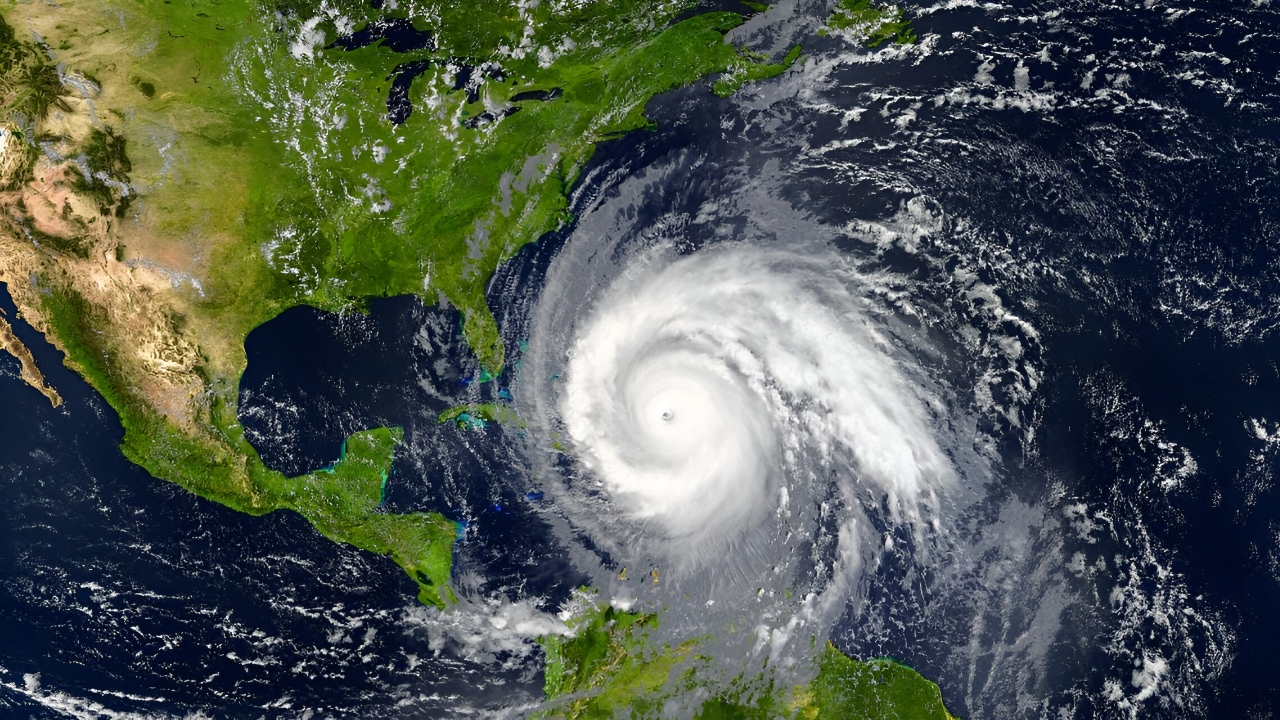
On Wednesday, Tropical Storm Melissa, a slow-moving Atlantic storm, had stalled in the central Caribbean.
As of October 22, the system’s sluggish pace and intensifying winds have prompted urgent watches for Haiti, the Dominican Republic, and Jamaica. Meteorologists have warned that Melissa could soon turn into a major hurricane, raising alarms across the region.
Why Melissa Is So Unusual
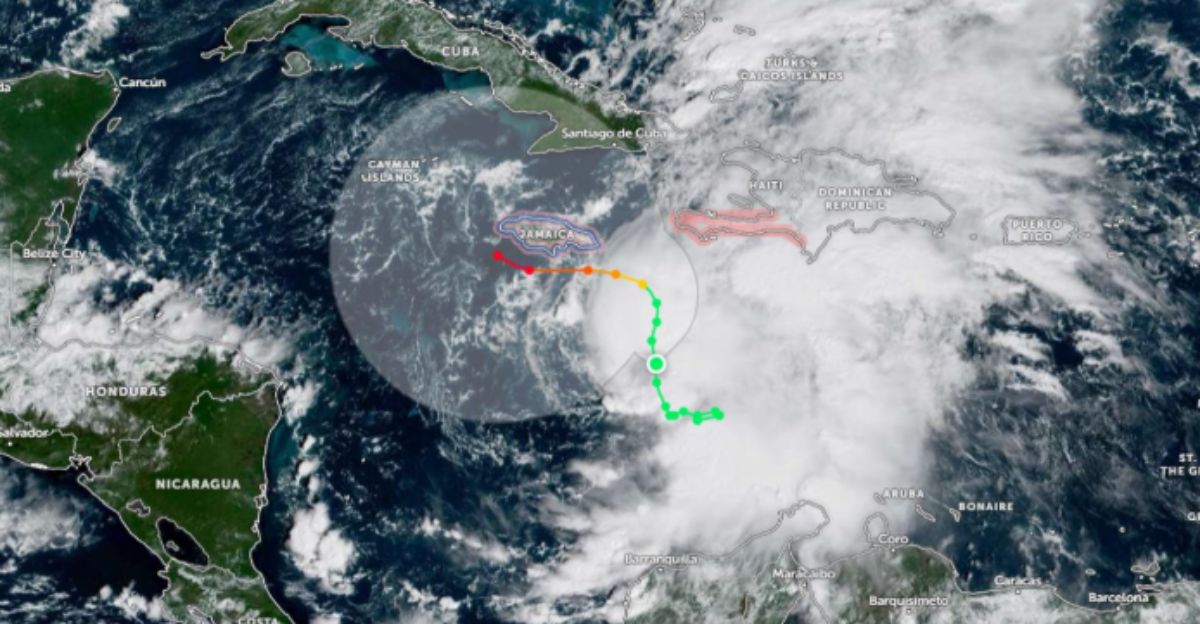
Melissa’s exceptionally slow movement, which is just 2 to 5 mph, sets it apart from other 2025 storms. Warm Caribbean waters and weak steering currents are fueling its stagnation and rapid intensification.
Experts cite rare forecasting uncertainty, with computer models split on Melissa’s future path and strength.
Raising Risks
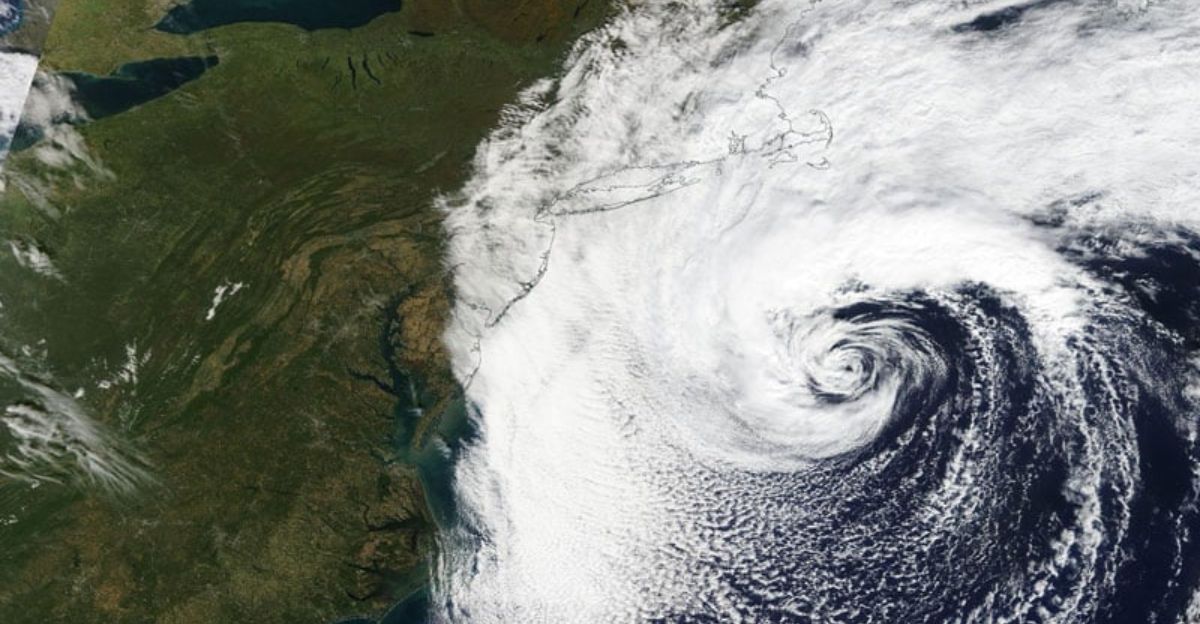
Hurricanes typically require other weather systems, such as cold fronts or jet stream dips, to steer them and regulate their speed. Without these influences, as with Melissa, a storm can drift slowly for days, unleashing heavy rain on areas in its path.
Slow movement and weak upper winds also give storms more time to strengthen, raising the risk of rapid intensification.
A Major Hurricane
A storm like Melissa can strengthen into a major hurricane, Category 3 or higher, with slow movement and weak upper-level winds. “The potential intensity is quite elevated in the Caribbean, compared to the 1979-2023 average for this time of year,” said Meteorologist Kerry Emanuel, who specializes in tropical cyclones at the Massachusetts Institute of Technology.
He noted that the Caribbean has seen little storm activity this year because strong upper-level winds have prevented developing storms from gaining strength. But now, with these calm conditions, Tropical Storm Melissa is expected to continue its slow, dangerous crawl.
Flooding and Disruption for Residents
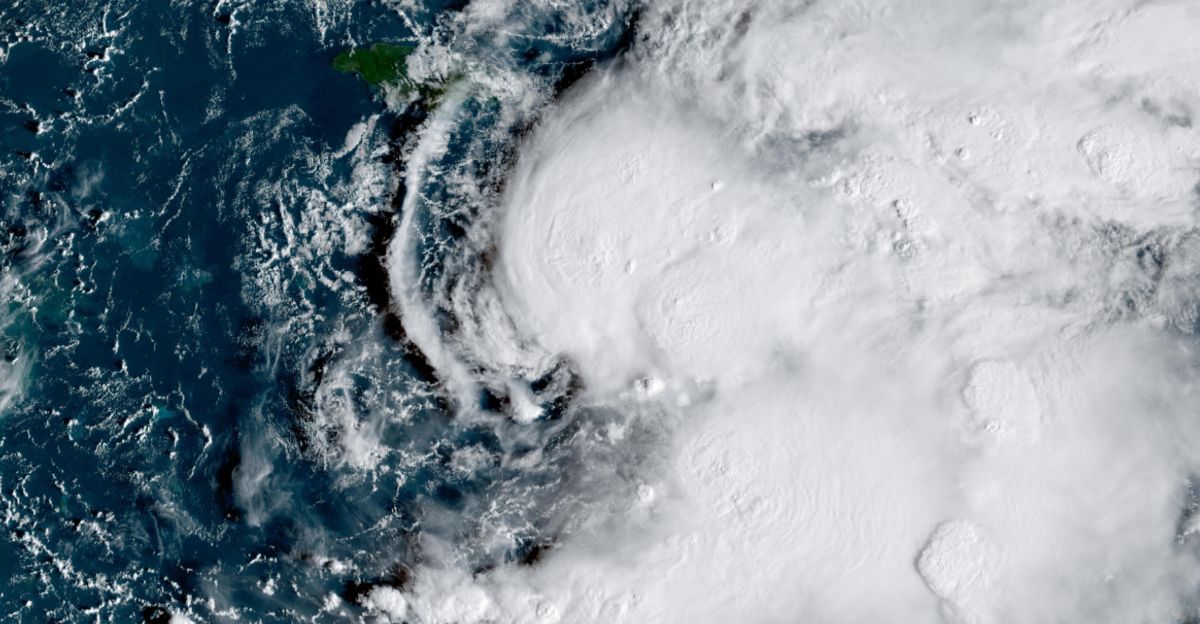
Residents of Jamaica, Haiti, and the Dominican Republic are facing immediate threats from Melissa’s heavy rainfall and flooding.
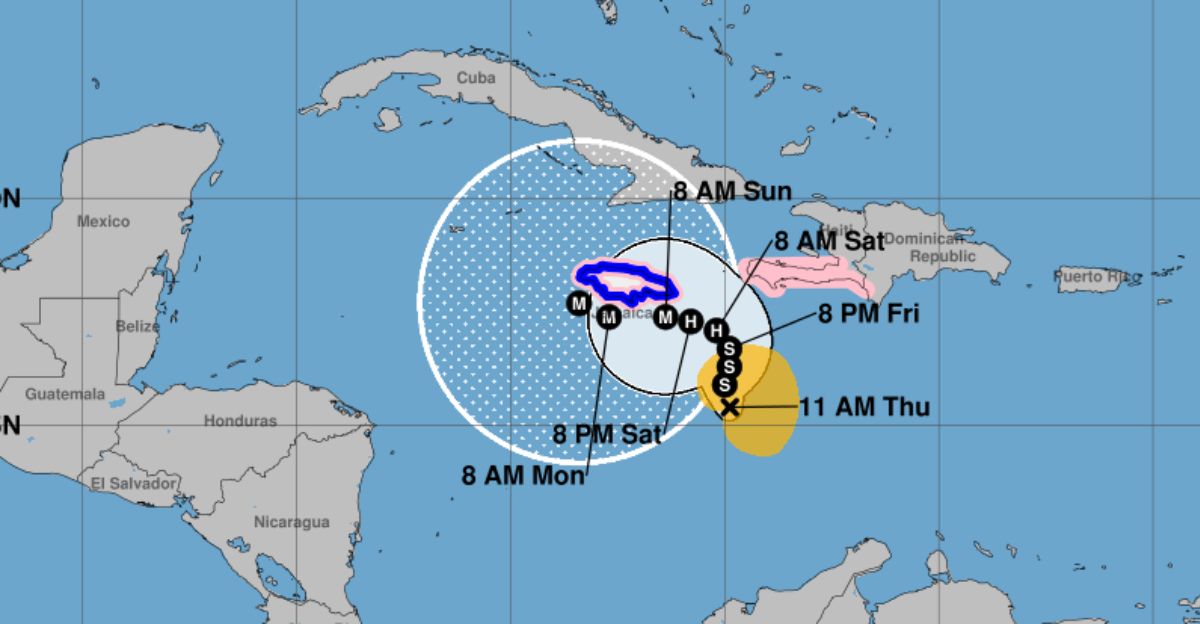
Authorities have issued hurricane and tropical storm watches, urging evacuations and preparations. “A slow northwest or north motion is forecast during the next couple of days, followed by a westward turn over the weekend. On the forecast track, Melissa is expected to be nearer to Jamaica and the southwestern portion of Haiti during the next couple of days,” the NHC said.
Businesses Brace for Prolonged Closures
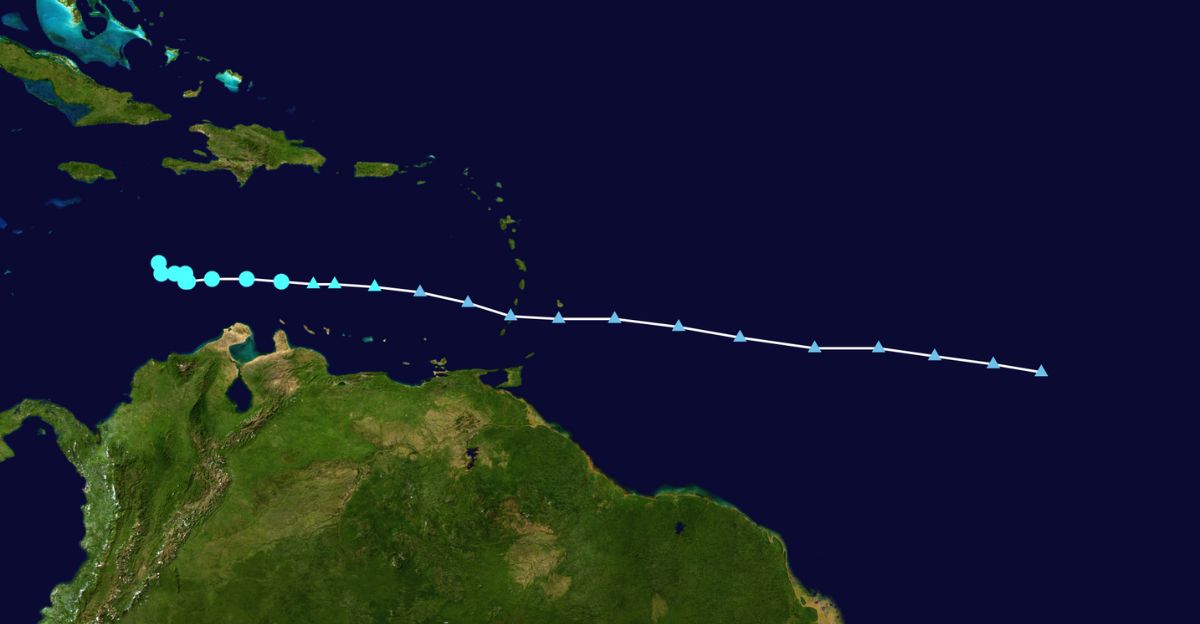
Dozens of residents in the Dominican Republic have already taken refuge in shelters, while schools, businesses, and government offices have been shut down across the nine provinces under alert, according to The Times of India.
By Wednesday, many water supply systems had gone out of service, affecting more than 500,000 customers. “People must remain in their homes for security reasons,” Juan Manel Méndez García, the emergency operations director, urged.
An Atlantic Hurricane
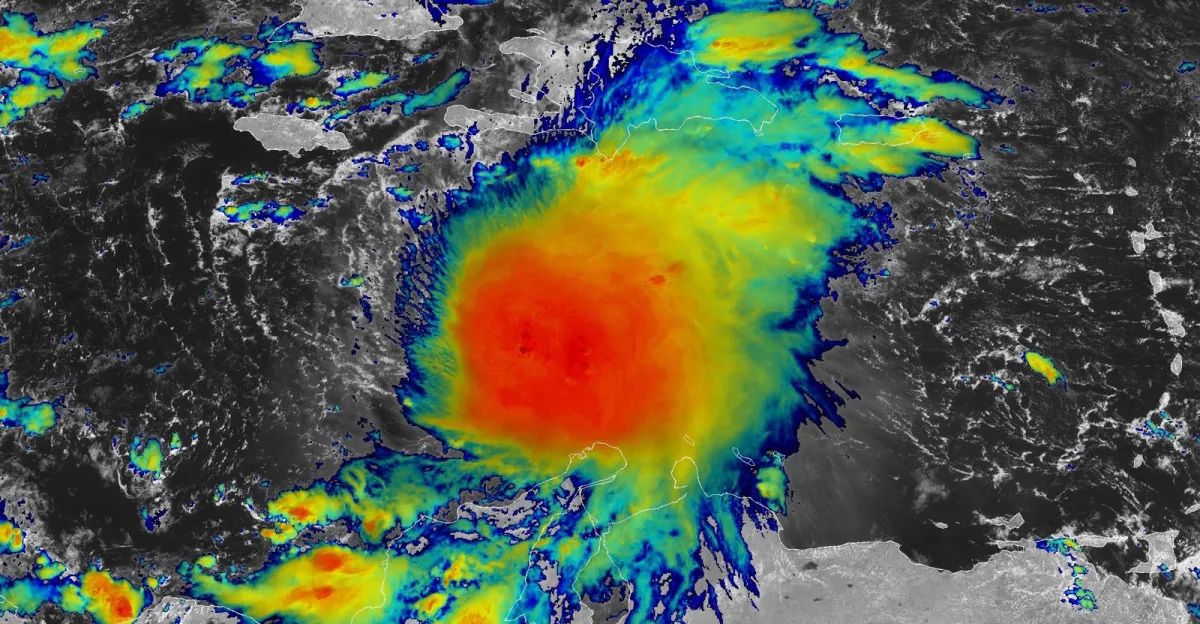
As of 11 a.m. on Wednesday, Tropical Storm Melissa was situated just over 300 miles southeast of Jamaica, generating sustained winds of 50 mph. Forecasters at the National Hurricane Center in Miami say it is expected to develop into a major hurricane.
State Climatologist Jay Grymes and NHC forecasters have revealed that there is lower than usual confidence in the storm’s future. “There is significant uncertainty in the track and intensity forecast of Melissa,” NHC forecaster Philippe Papin said in a recent update.
Global Supply Chains Disrupted
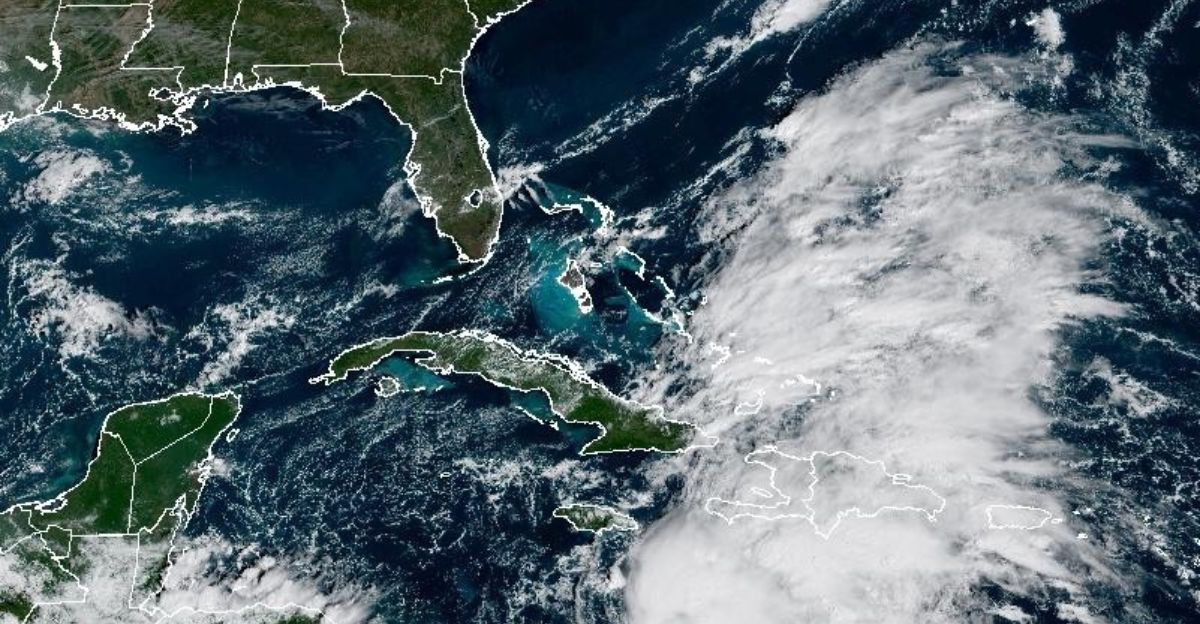
The Caribbean’s role as a shipping corridor means Melissa’s slow progress could delay global cargo.
Ports in Jamaica and Haiti are critical for regional trade; closures or damage may ripple outward, affecting shipments of food, fuel, and manufactured goods to North America and Europe.
Vulnerable Communities at Risk
In Haiti, where gang violence and poverty limit disaster response, storm preparations are minimal. Many residents lack the resources to evacuate or reinforce their homes.
In Jamaica, officials have opened 881 shelters; however, rural and low-income communities remain particularly vulnerable to landslides and flooding.
Government and International Response

Governments in Jamaica, Haiti, and the Dominican Republic have declared states of emergency and mobilized disaster agencies.
International organizations, including the Red Cross, are preparing relief supplies. The U.S. National Hurricane Center continues to issue frequent updates, coordinating with local authorities.
Economic Ripple: Inflation and Food Prices
Flooding and transport disruptions threaten local agriculture, raising concerns about food shortages and price spikes.
Caribbean economies, which have already been strained by inflation, could see further increases in staple goods. Recovery costs from storm damage could divert government funds from other priorities.
Health and Lifestyle: Disease and Displacement
Floodwaters heighten risks of waterborne diseases such as cholera, especially in Haiti. Displacement from flooded homes strains shelter capacity and public health systems.
Schools shifting to remote learning disrupt education, while power outages and water shortages affect daily life for thousands.
Support

On Thursday, the U.N. Office for the Coordination of Humanitarian Affairs (OCHA) announced that $4 million has been allocated to support over 10,000 vulnerable individuals in Haiti ahead of the storm.
These funds will be used for critical needs, including evacuation support, cash transfers, emergency shelter operations, and water, sanitation, and hygiene supplies, the agency said.
Preparing Communities
As Melissa drifts through the central Caribbean, emergency teams are racing to prepare communities for its impact. Shelters are filling, roads are being cleared, and aid supplies are being distributed.
Authorities warn that rainfall and flooding could be severe, especially in low-lying areas. With slow movement prolonging the storm’s effects, residents are urged to stay indoors and follow official guidance closely.
What’s Next?
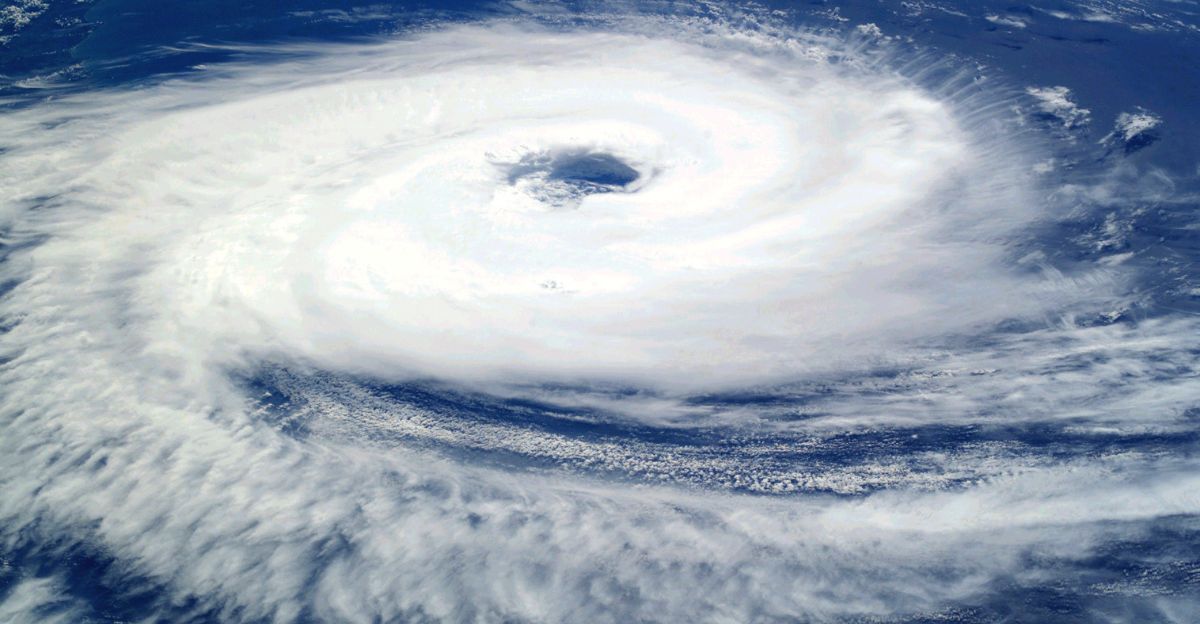
With Melissa forecast to become a major hurricane by early next week, uncertainty remains high.
The storm’s slow pace could prolong impacts, increasing risks for millions of people. Authorities urge vigilance, while the region braces for what’s to come.