A searing plume of smoke curls upward from a freshly remodeled Sizzler as diners crowd around the revived sizzling platter that once defined the chain’s 1990s peak—a dish many thought they’d never see again.
Inside the updated dining room, the steak crackles on its cast-iron plate, sending a thin trail of steam across new tile floors and reclaimed wood walls. It’s a scene few expected from a brand that lost 626 locations. But the moment hints at a deeper question: how did Sizzler get this close to disappearing in the first place?
Why Sizzler Nearly Disappeared
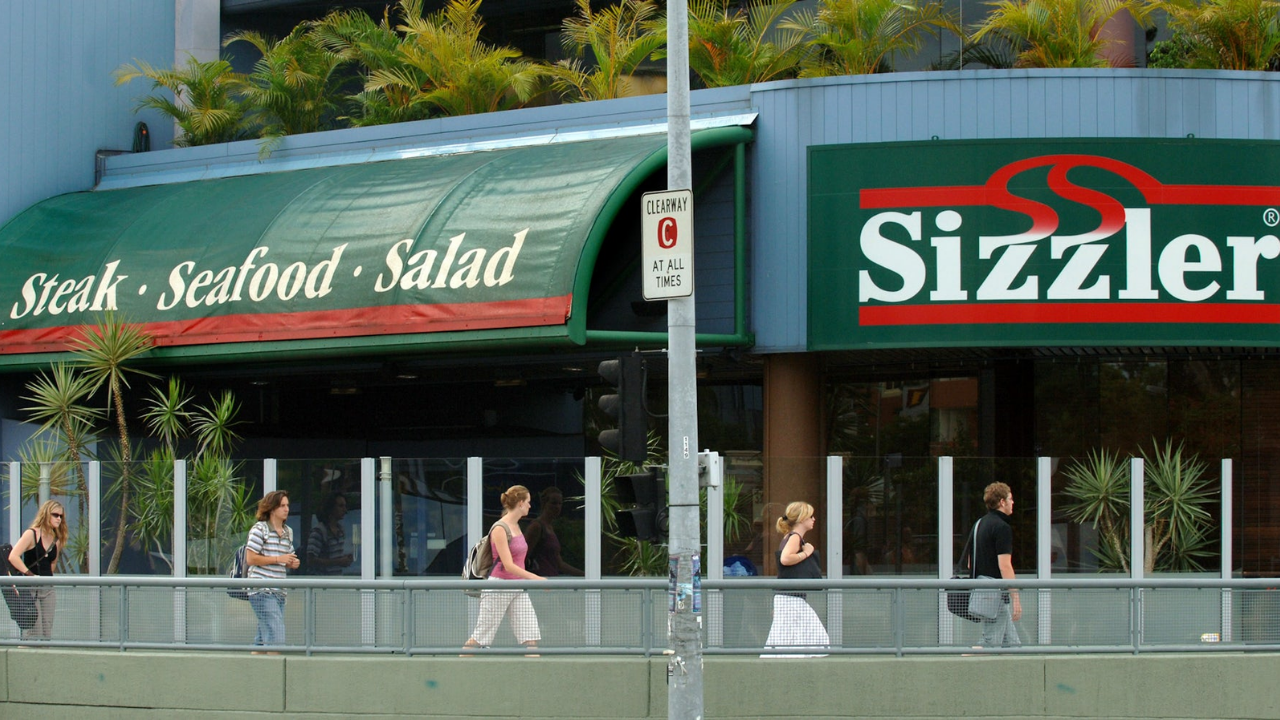
Sizzler’s near-extinction stemmed from decades of decline and the pandemic’s final blow. After filing for bankruptcy in 2020, the chain shuttered hundreds of restaurants, dropping from 700 to just 74 nationwide. Former strongholds like New York vanished entirely.
The brand’s buffet era faded in the early 2000s, and the crisis forced leadership to reassess its identity. By 2025, the company shifted toward a survival-first strategy: refresh stores, tighten operations, and rebuild from its drastically smaller footprint.
Consumers Rediscover A Classic
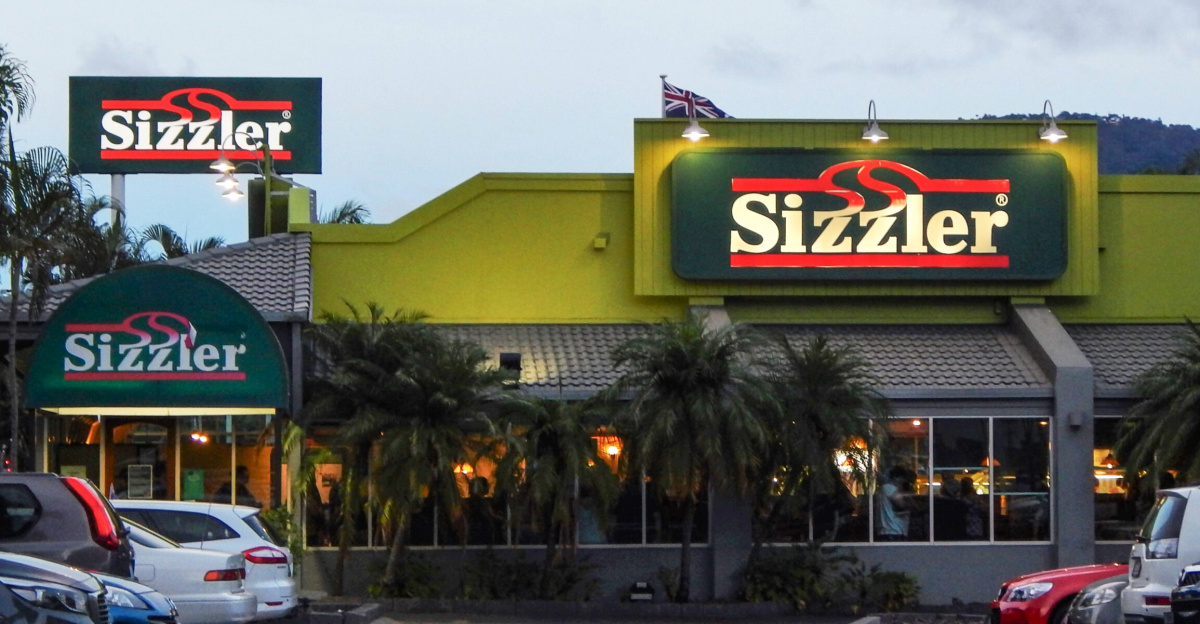
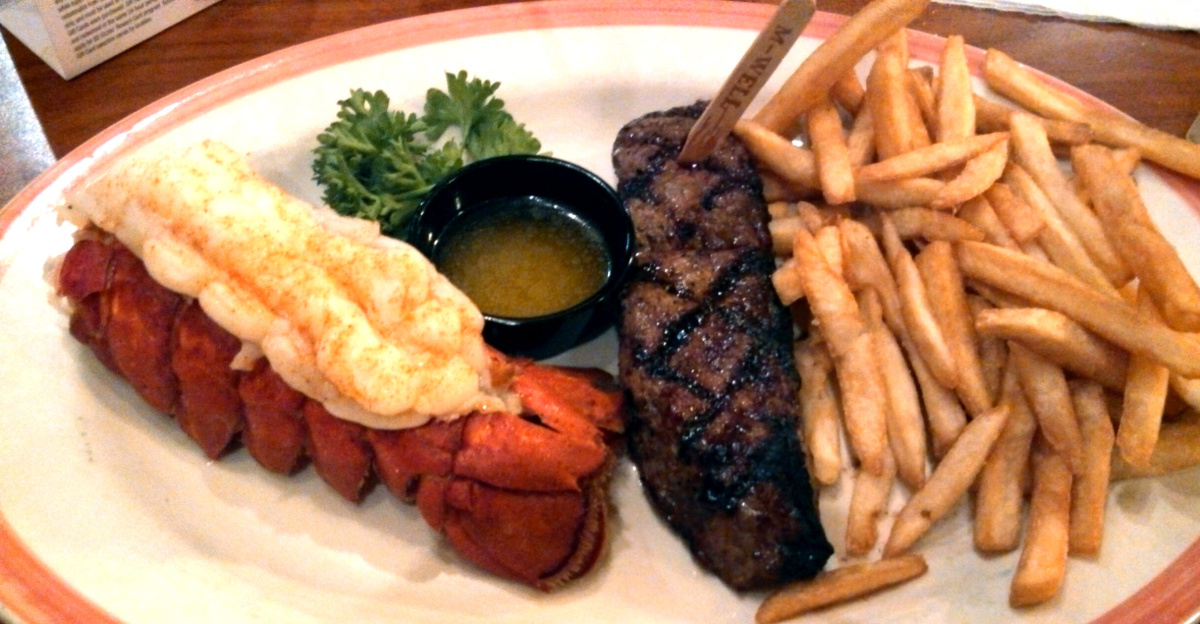
Remodeled Sizzlers are drawing older fans who remember the chain’s 1990s heyday and younger families discovering it for the first time. Guests return for the famous all-you-can-eat salad bar and the revived signature steak platter known simply as “The Sizzler,” complete with thick-cut fries and caramelized onions.
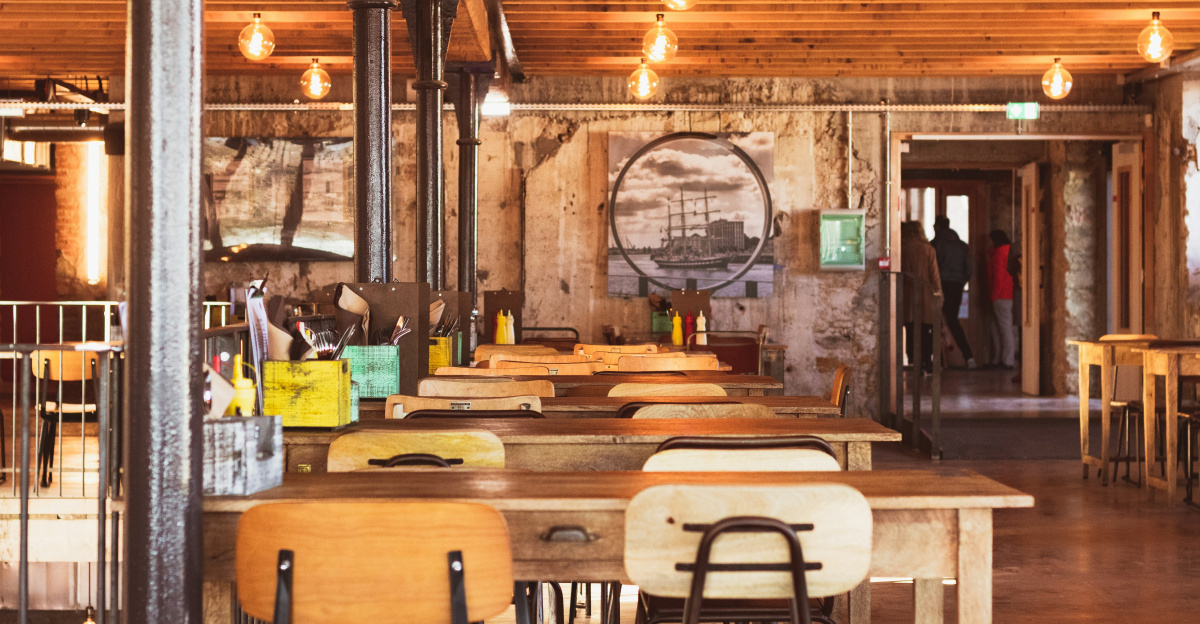
The refreshed interiors—warmer lighting, reclaimed wood accents, and modern layout—create a celebratory dining experience that blends nostalgia with a sense of newness diners immediately recognize.
Positioning Against Fast Food Rivals
Sizzler now positions itself as a value-forward alternative to both fast-food giants and higher-priced casual chains. With economic pressures pushing families toward deals, Sizzler’s model—affordable steak, a full salad bar, and modernized dining rooms—fills a gap between drive-thru convenience and sit-down indulgence.
The remodel lift strengthens that positioning, proving that consumers still crave classic American dining when the experience feels updated, consistent, and accessible in an era dominated by quick-service brands.
A Model For Casual Dining Revival
Sizzler’s remarkable sales increases offer a strategic blueprint for legacy chains hoping to survive the current era of closures. The formula is clear: honor what made the brand famous while reinventing the physical environment around it.
By reviving beloved features like the salad bar and signature steak platter—but pairing them with modern interiors and tighter operations—Sizzler shows how nostalgic appeal and operational discipline can create real momentum even after losing 626 locations over three decades.
Supply Needs For Remodeled Locations
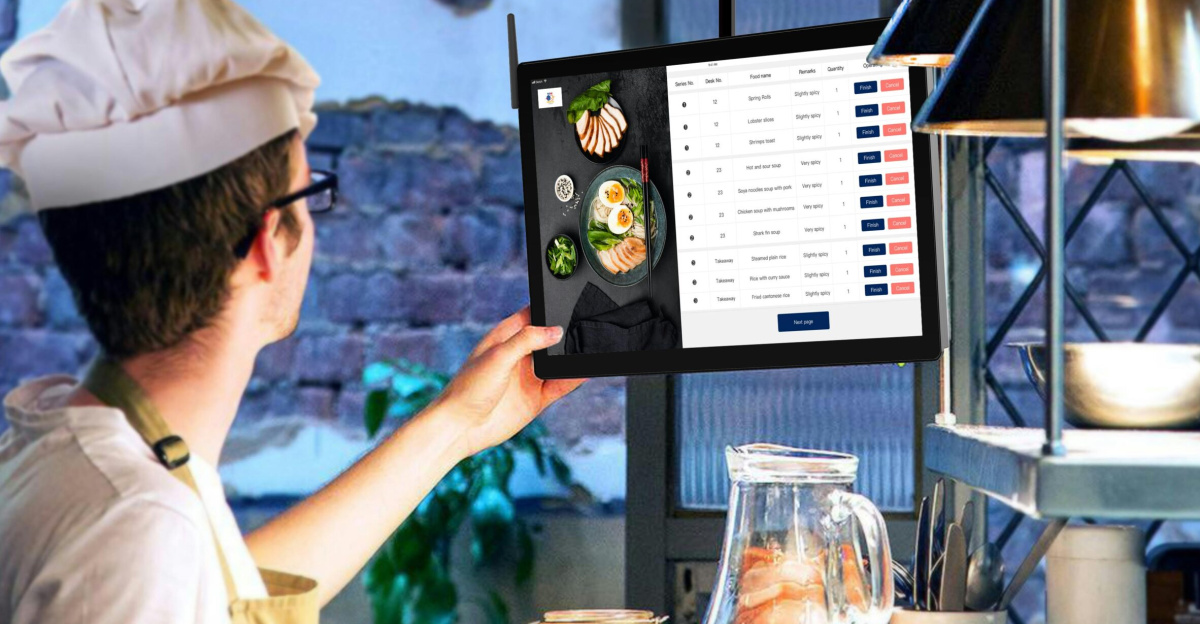
Each remodel demands a wide set of supply upgrades, from beef and produce sourcing to new fixtures, digital menu boards, and cooking equipment. With nine remodels completed so far and dozens more planned, the chain is investing significantly in construction materials, kitchen upgrades, and redesigned dining spaces.
These projects represent a foundational shift toward higher sales performance, with the company reporting average sales lifts of approximately 47 percent across remodeled restaurants, with one location seeing a 100 percent increase.
Human Stories: Employees And Franchisees

Behind Sizzler’s revival are the thousands of jobs lost and the smaller workforce rebuilding the brand today. For those still inside the brand—franchisees and staff alike—the remodel program brings renewed optimism.
Better guest flow, more efficient kitchens, and improved design offer real gains, particularly in California, where approximately 68 percent of the surviving restaurants operate.
Restaurant Industry Recovery
Sizzler’s comeback reflects a broader pattern: the slow but steady rebuilding of the restaurant industry after historic pandemic-era losses. Many legacy brands closed permanently, while others are reinventing themselves to fit shifting consumer expectations.
Sizzler’s survival is especially notable because few buffet-era chains recovered at all. Its return underscores the power of focused identity, controlled growth, and leveraging nostalgia in a dining landscape where competition is fierce and consumer loyalty must be re-earned.
Value Positioning In Current Economy

As inflation shapes household spending, Sizzler’s “affordable celebration” pitch resonates. Families get steak, seafood, and a salad bar without premium casual-dining price tags. With only 74 locations left, the challenge is scale—but the brand’s emphasis on consistency and value helps it stand out.
The remodeled stores demonstrate that guests respond strongly to environments that feel fresh yet familiar, creating a price-to-experience ratio many competitors struggle to match during economic uncertainty.
Remodeling Investment

Sizzler’s remodel strategy is more than cosmetic. New flooring, reclaimed wood accents, fireplace installations, booth-rich seating layouts, and modern digital ordering elements create a cohesive, updated atmosphere.
These high-impact renovations require meaningful capital but deliver strong returns, evidenced by average sales increases of approximately 47 percent, with select locations seeing increases up to 100 percent.
Return To Core Identity
Rather than reinvent itself, Sizzler is following a “back to the best” strategy. Leadership recognizes that nostalgia is an asset—but only when paired with modern standards.
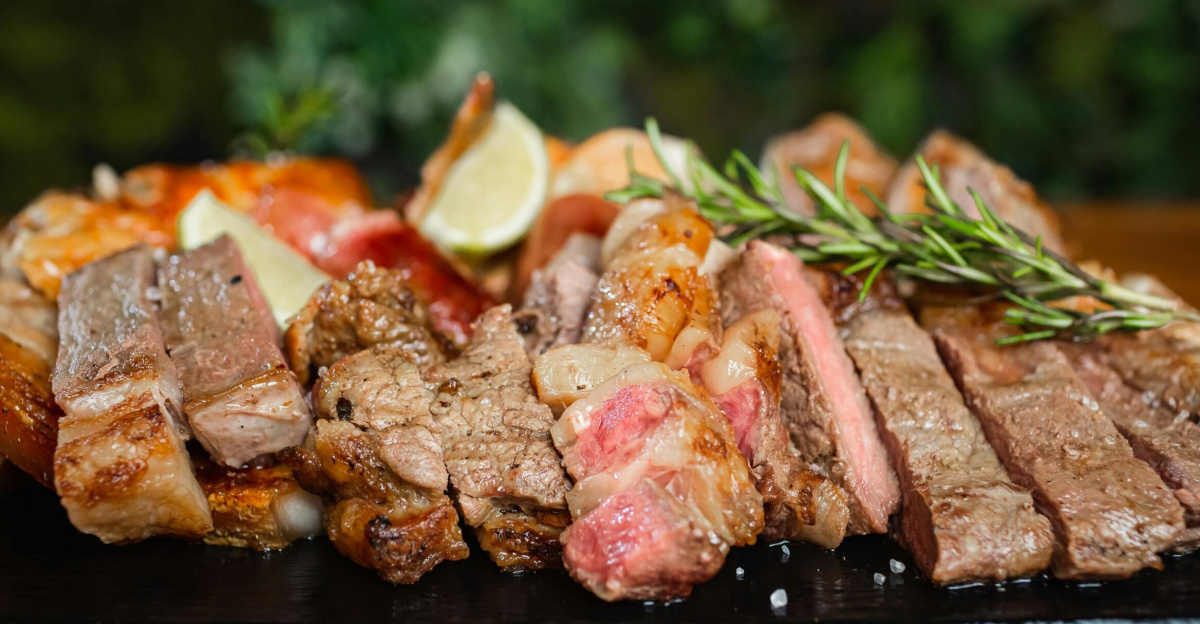
That means spotlighting signature items like the salad bar and the revived Sizzler steak platter while eliminating failed experiments from the early 2000s buffet era. The company now aims to deliver celebratory meals that feel timeless rather than trendy, regaining trust by refining the things guests already loved.
Community Engagement: Cheese Toast Month

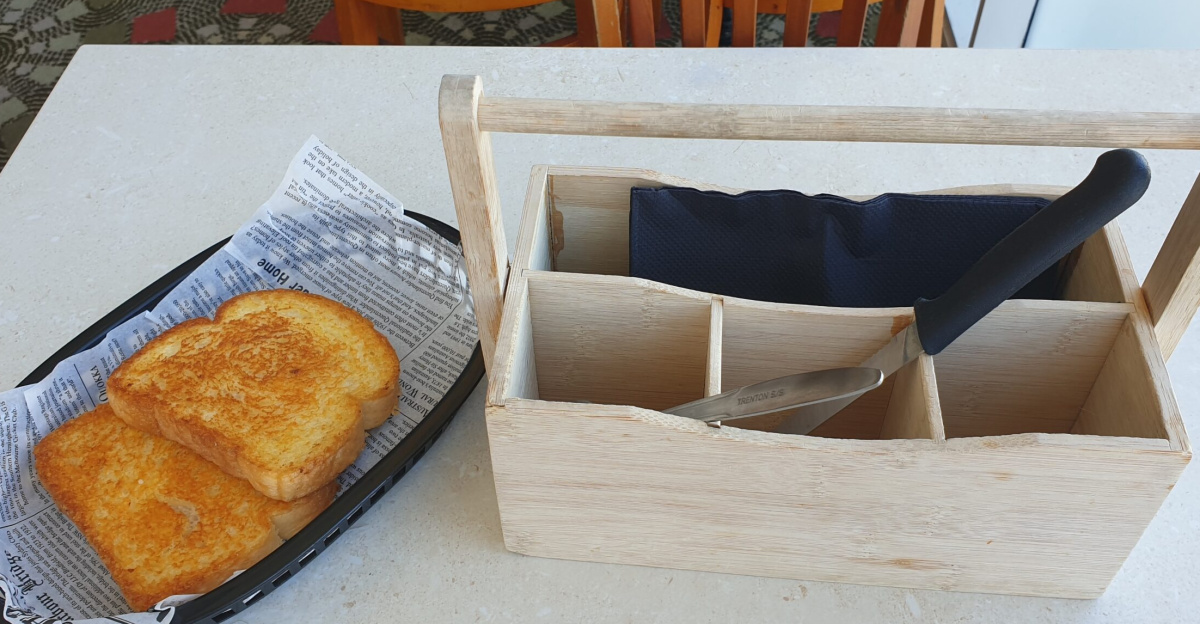
Sizzler leverages its longstanding community ties with initiatives like Cheese Toast Month, where profits from featured dishes support local organizations. This tradition strengthens neighborhood connections at a time when the brand is rebuilding its presence.
With such a concentrated footprint—especially across California—community goodwill helps maintain customer loyalty. These efforts send a clear message: Sizzler’s comeback isn’t just about sales; it’s also about restoring its role as a local gathering place.
Nostalgia-Driven Marketing
Sizzler’s resurgence taps into powerful emotional memory. For millions of Americans, the chain represents childhood dinners, family celebrations, and the unmistakable scent of sizzling steaks. Today’s marketing campaigns revive that imagery while reframing it for a new generation.
Social content celebrates the brand’s 1958 heritage and 1990s peak while showcasing modern interiors and refreshed menu presentations. Nostalgia alone can’t save a brand, but paired with stronger operations, it becomes a compelling differentiator.
Salad Bar Returns
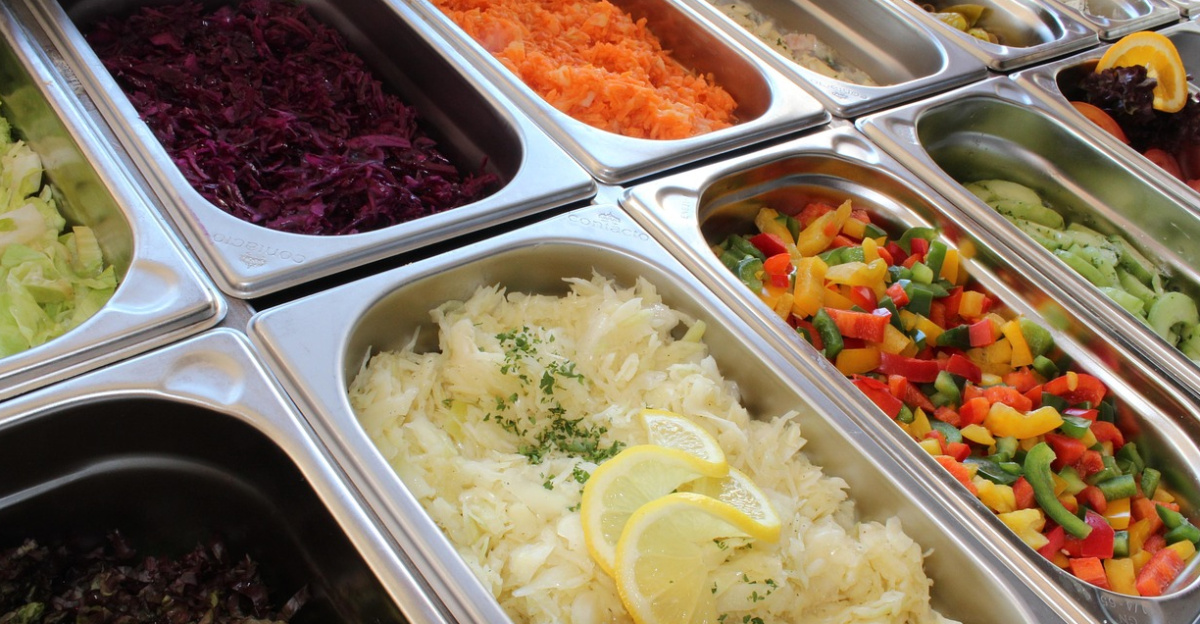
The return of the all-you-can-eat salad bar marks a major philosophical shift: Sizzler is reclaiming its most iconic feature. After the buffet era faded nationwide, many chains abandoned self-serve offerings entirely.
But Sizzler’s salad bar—fresh produce, soups, pasta salads, and customizable combinations—remained a customer favorite. It now anchors the remodeled locations, offering both comfort and perceived value. For many diners, it’s the element that transforms a routine meal into a full Sizzler experience.
A Legacy Brand’s Adaptation
Sizzler’s evolution shows how older chains can adapt without losing their core. The company has pursued a slower, more measured strategy: fewer stores, stronger identity, and targeted investment.
Rather than chasing trends or reinventing its menu, Sizzler re-centered itself around durability—classic American steakhouse meals, approachable pricing, and improved environments. This balance of preservation and modernization allows the brand to operate more efficiently while reconnecting with longtime fans.
Franchise Opportunities

With remodeled restaurants generating substantial sales increases, franchisees are expressing renewed interest in Sizzler’s future. Expansion will be measured—leadership knows another overextension could be fatal—but the chain’s improved performance opens the door for selective growth.
California remains the stronghold, but smaller markets such as Idaho, Utah, and Oregon still host loyal customer bases. If remodel success continues, new franchise opportunities may emerge, albeit cautiously and strategically.
Industry Attention
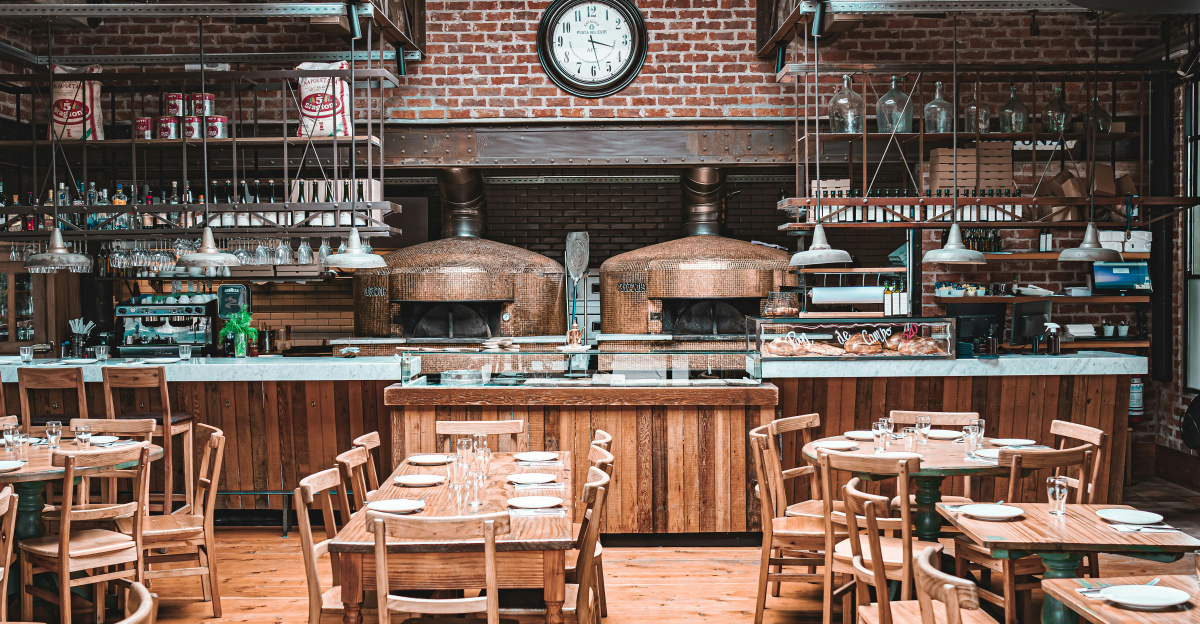
The scale of Sizzler’s turnaround has captured national industry attention. A dramatic contraction followed by double-digit sales lifts is almost unheard of in casual dining. The chain’s story raises compelling questions: Why did 74 locations survive when 626 did not?
Can remodel-driven momentum reverse a 30-year decline? And does Sizzler’s experience signal a broader shift in the viability of nostalgia-driven dining? Industry observers are watching closely as the remodeling program accelerates.
Consumer Takeaways: What Diners Should Know
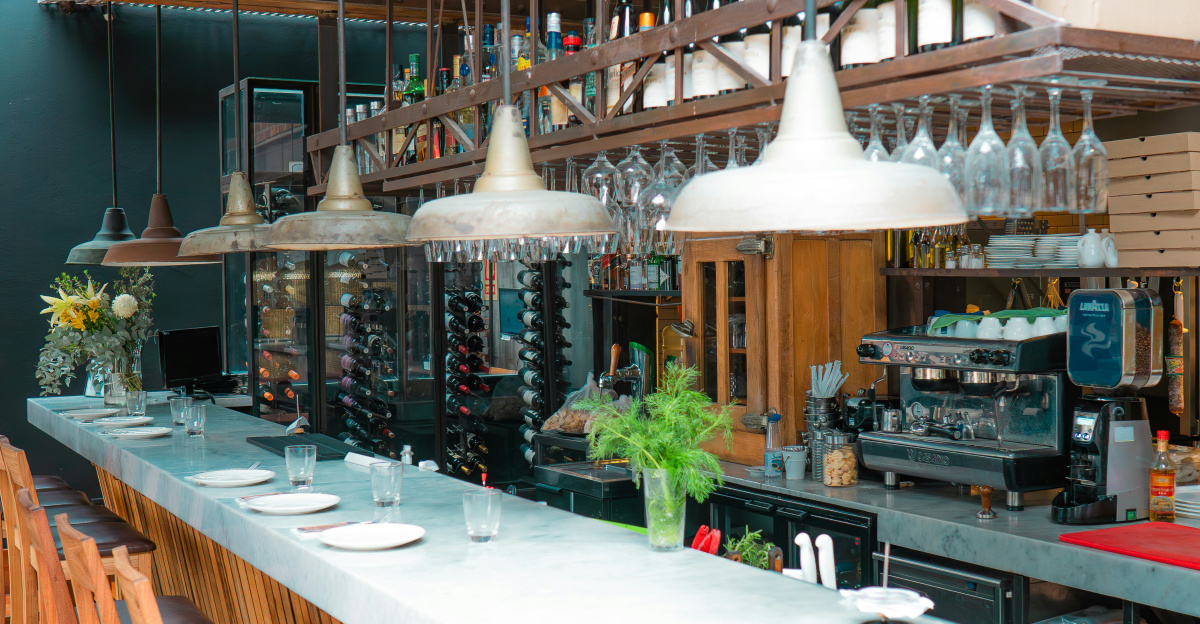
For diners, Sizzler’s revival means that updated locations offer a blend of modern ambiance and classic comfort. Expect the familiar salad bar, signature steak platters, and warm interiors designed for family gatherings.
Although Sizzler locations now cover much of the United States—leaving many Americans without a nearby location—the surviving restaurants deliver a more polished experience that reflects today’s dining expectations. Guests can enjoy the brand they remember, refined for the present.
What’s Next For Sizzler?
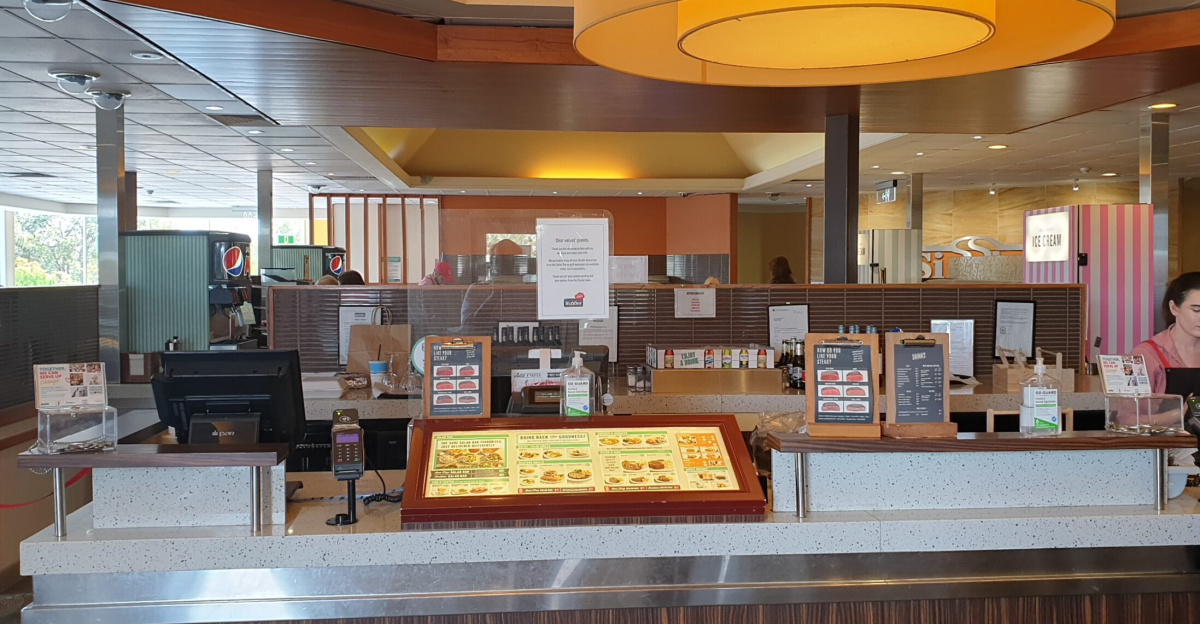
Sizzler’s leadership—including Chief Growth Officer Robert Clark and CEO Chris Perkins—is steering the next phase of the comeback through continuous remodeling and disciplined expansion. With California anchoring the brand, the challenge is broadening appeal without overextending.
The company aims to strengthen operations, refine its signature offerings, and ensure each remodel delivers measurable returns. Whether Sizzler’s resurgence becomes a permanent turnaround or a temporary lift depends on this next critical phase of execution.
The Broader Context: Legacy Brand Revival
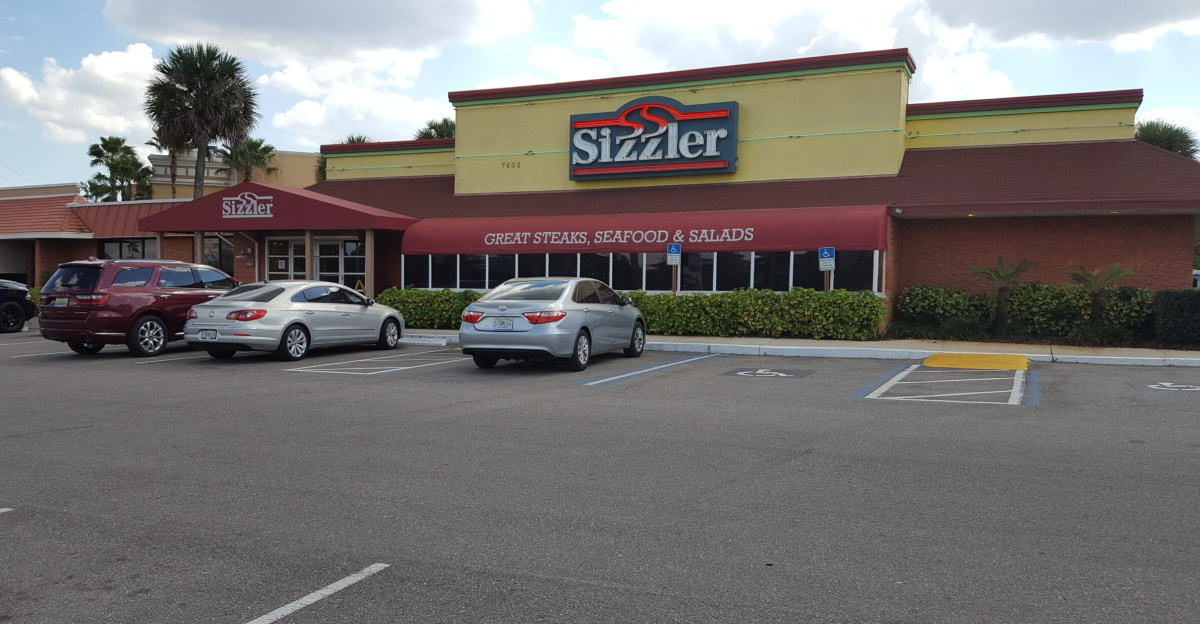
Sizzler’s return illustrates how legacy chains can rebound through focused identity, controlled investment, and operational clarity. Its journey—626 closures, a pandemic bankruptcy, and a small but resilient surviving footprint—highlights how fragile nostalgia can be without strategy behind it.
Yet the chain’s remodeled locations prove that even after losing nearly an entire national presence, a brand can find new life. Sizzler’s comeback may not restore its past scale, but it offers a model for survival in modern casual dining.