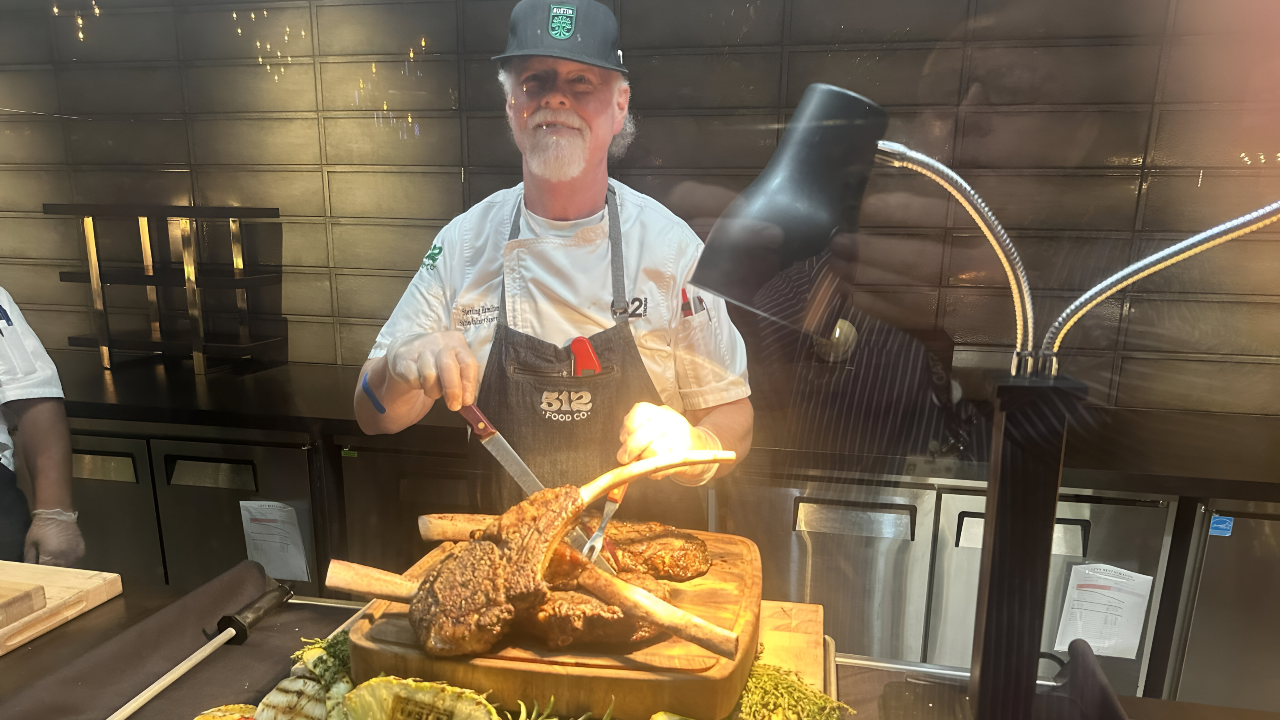
In 1958, Del and Helen Johnson opened the first Sizzler in Culver City, California, pioneering the all-you-can-eat steakhouse and salad bar concept. Over the next several decades, Sizzler became a fixture of American dining, peaking at more than 700 locations nationwide. Today, only 74 Sizzler restaurants remain in the United States—a staggering 89% decline that mirrors the shifting fortunes of the casual dining industry.
A Steakhouse for the Middle Class
Sizzler’s early years coincided with the postwar economic boom and the rise of the American middle class. The chain’s affordable steak dinners and signature salad bar quickly made it a family favorite. Sizzler’s menu innovations, such as thick New England clam chowder and a blend of seafood and steak options, helped define the casual steakhouse experience for generations. At its height, Sizzler was more than a restaurant—it was a cultural touchstone, drawing families seeking a relaxed, value-driven meal.
Changing Tastes and Fierce Competition
By the 1990s, the casual dining landscape was changing. New competitors like Texas Roadhouse and Outback Steakhouse offered trendier, experience-focused environments. Meanwhile, consumer preferences shifted toward healthier, more diverse, and sustainable menu options. Sizzler’s buffet model, once a draw, began to lose its appeal. The rise of fast-casual chains and food delivery apps further eroded the traditional full-service dining model. While rivals adapted quickly with new formats and branding, Sizzler’s slower response contributed to a rapid decline in locations.
Financial Struggles and Store Closures
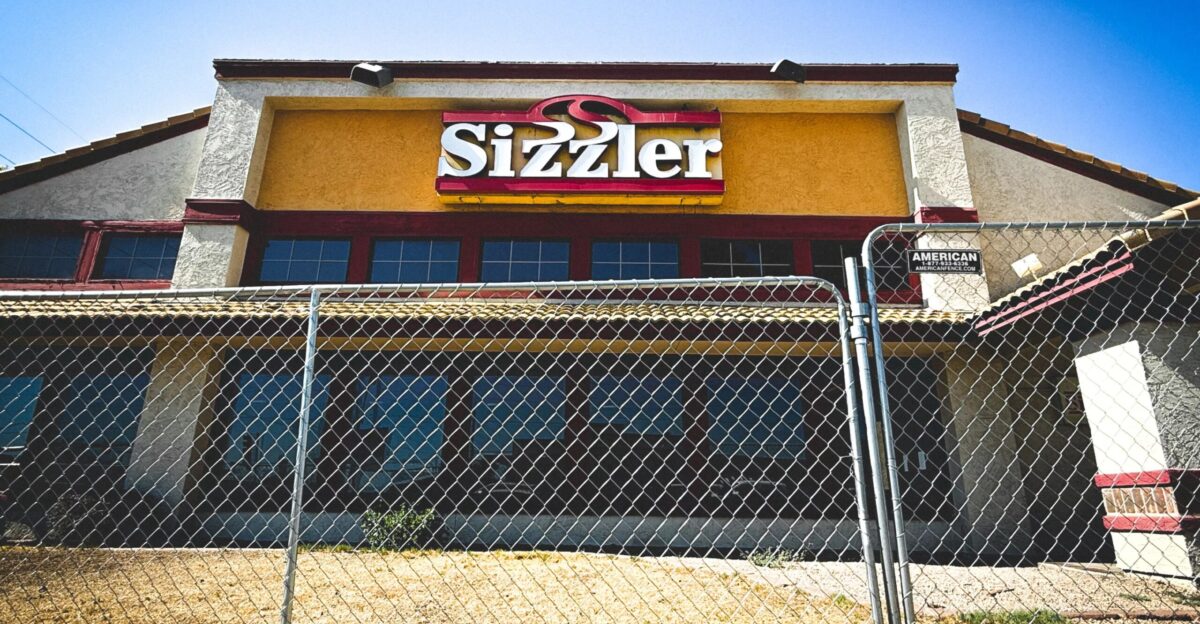
Sizzler’s financial troubles became acute in the late 1990s, leading to two Chapter 11 bankruptcy filings in 1996 and 2000. The COVID-19 pandemic dealt another blow, as indoor dining restrictions and rent disputes forced further closures. Each shuttered restaurant represented not only lost revenue—estimated at $500,000 to $750,000 in real estate value per location—but also the loss of a community gathering place. Legacy lease agreements, rising labor costs, and operational inefficiencies squeezed margins, making it difficult for many locations to survive.
The Human Cost: Jobs and Communities

The closure of more than 625 Sizzler restaurants has had a profound impact on workers and local economies. With each restaurant employing between 24 and 30 people, an estimated 15,000 to 18,750 jobs have been lost nationwide. For many employees, the transition has been difficult, as the restaurant industry is known for high turnover and relatively low wages. Displaced workers often face challenges in retraining and finding new employment, while communities lose a familiar social hub. The psychological toll of widespread layoffs and the loss of community spaces is significant, underscoring the broader human cost of industry contraction.
Adapting to a New Dining Landscape
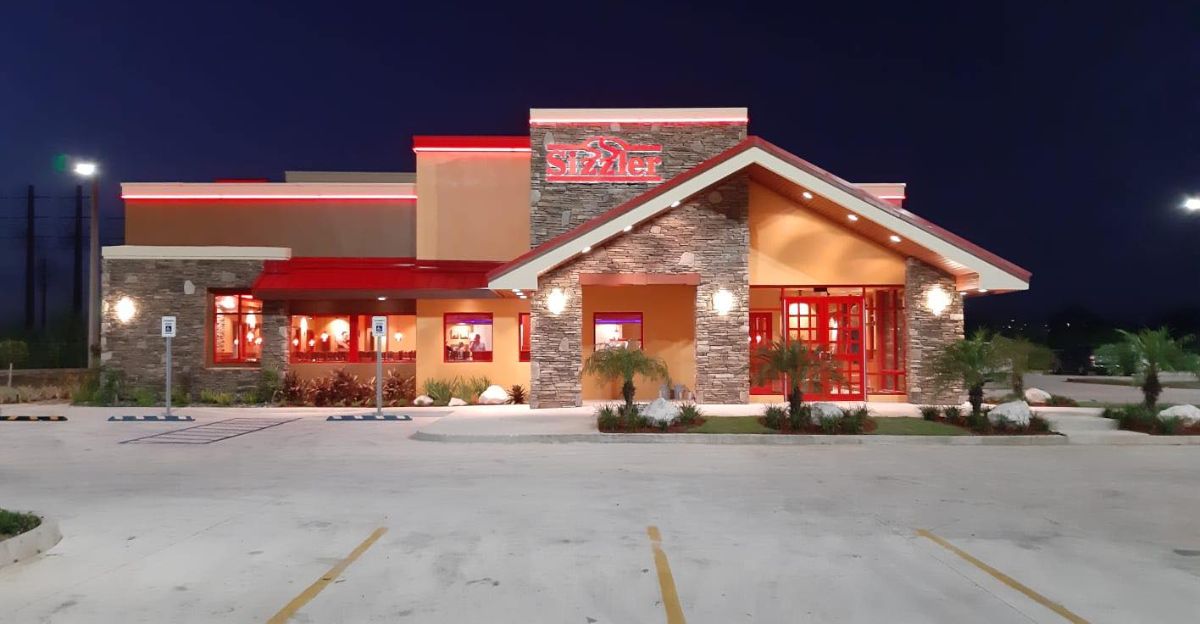
Modern diners increasingly seek convenience, health-conscious options, and sustainable practices. The pandemic accelerated trends toward takeout, delivery, and shorter dine-in experiences, putting additional pressure on legacy buffet models like Sizzler’s. In response, Sizzler’s leadership has launched a series of revitalization efforts. Since 2019, CEO Chris Perkins and Chief Growth Officer Robert Clark have overseen remodeling projects in select locations, focusing on modernizing interiors, updating menus, and improving operational efficiency. These efforts have shown promise: nine renovated stores reported an average sales increase of 47%, with one location doubling its revenue.
Looking Ahead: Lessons and Implications
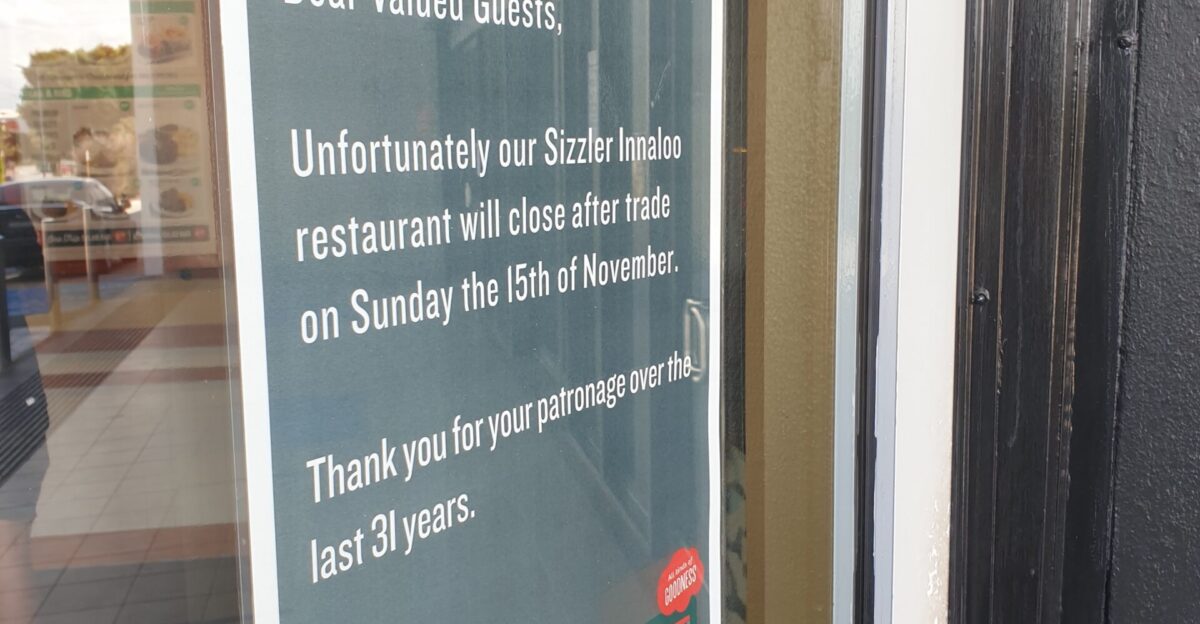
Sizzler’s dramatic contraction is emblematic of the challenges facing established casual dining brands in a rapidly evolving market. The chain’s retreat to its California stronghold—where 68% of remaining stores are located—reflects a strategic focus on core markets. The closure of all international locations, including the last Australian restaurant in 2020, highlights the global pressures on traditional dining models.
The story of Sizzler is not just about business decline; it is also about resilience and adaptation. The brand’s ongoing transformation efforts offer a blueprint for legacy chains seeking relevance in a market dominated by convenience, innovation, and changing consumer values. As Sizzler navigates its next chapter, its journey underscores the stakes for workers, communities, and the broader industry: adapt to new realities, or risk fading into history.