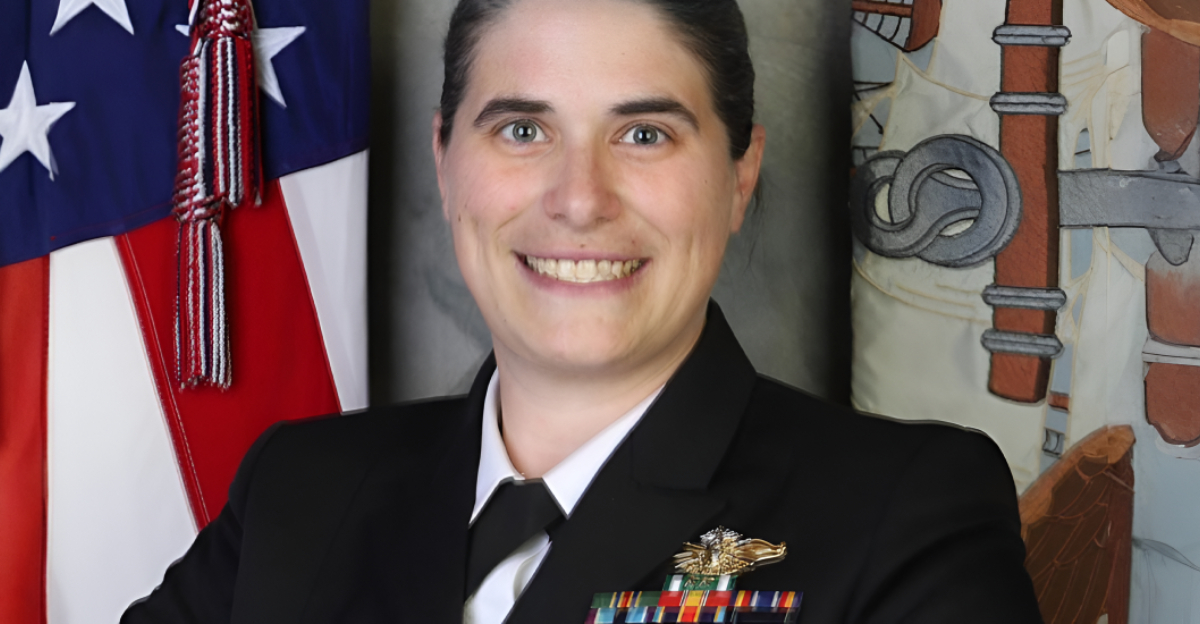
A Navy physician with two decades of service has found herself at the center of a political storm after conservative activists and Defense Secretary Pete Hegseth spotlighted her use of pronouns and a disputed job title on social media.
Cmdr. Janelle Marra, a doctor with 21 years in uniform, was relieved of her San Diego assignment earlier this month, according to a report in Navy Times.
A Career Under Scrutiny
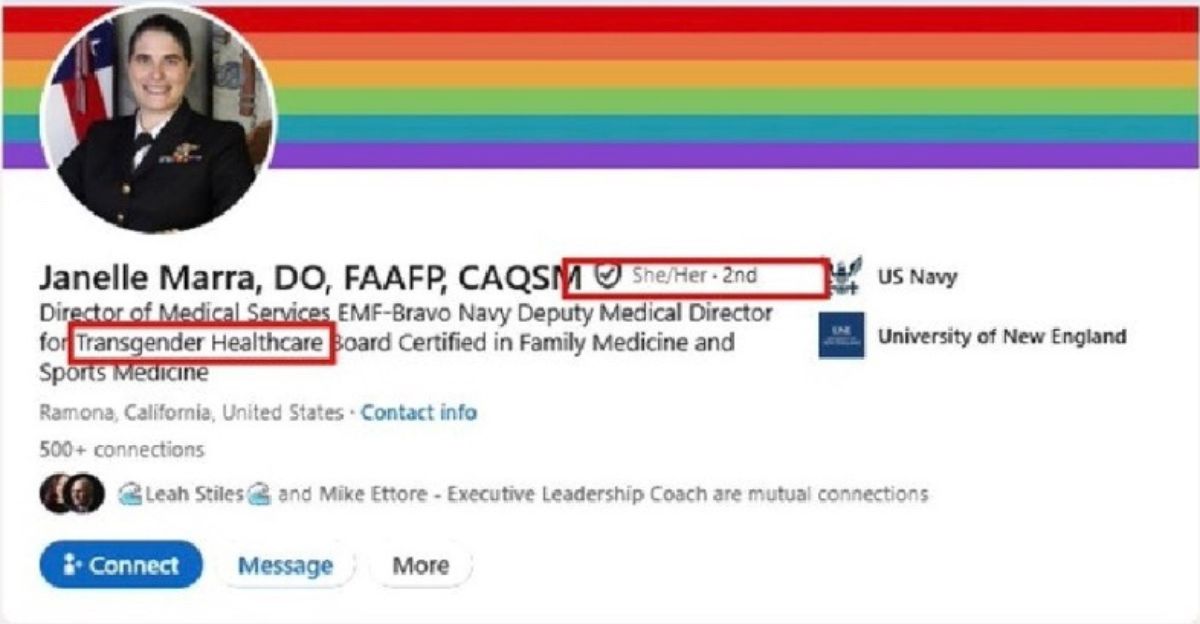
Marra’s LinkedIn profile reportedly listed her pronouns as “she/her” and described her as “Navy Deputy Medical Director for Transgender Health Care.” That screenshot circulated widely after being shared by the social media account Libs of TikTok. Soon after, Hegseth amplified the attention by posting on X, formerly Twitter: “Pronouns UPDATED: She/Her/Fired.”
For critics, the remark was celebrated as a shift toward military focus and discipline. For others, it raised alarms about politicizing the careers of long-serving officers and targeting medical staff over matters of personal identity.
What’s Confirmed—and What’s Not
While Marra was indeed relieved of duty, questions remain about the reasons behind it. The Defense Health Agency has clarified that no official position called “Deputy Medical Director for Transgender Health Care” currently exists, though such a center had been discussed in past years.
That gap between rumor and reality has fueled speculation that misinformation may have shaped the online backlash. It is also not confirmed that pronoun use alone was the determining factor in her dismissal.
The Navy has not publicly released the specific grounds for the personnel action, beyond the standard phrasing of a “loss of trust and confidence” in leadership.
A Wider Debate Inside the Ranks

The case highlights more than one officer’s career. It highlights how social media can draw military personnel into national political debates and how fast online narratives can intersect with command decisions. Analysts note that medical officers, in particular, now navigate sensitive ground where personal identity, professional expertise, and public representation increasingly collide.
Hegseth, who became Secretary of Defense in January, has signaled he intends to take a harder line against what he sees as cultural distractions within the services. If Marra’s removal is any indication, more clashes between politics, identity, and military leadership may be ahead.
For Marra, the controversy marks an abrupt and very public turning point after 21 years of service.
For the Navy, it is a reminder that in today’s climate, the battles over readiness and culture are fought as much online as in the halls of command.