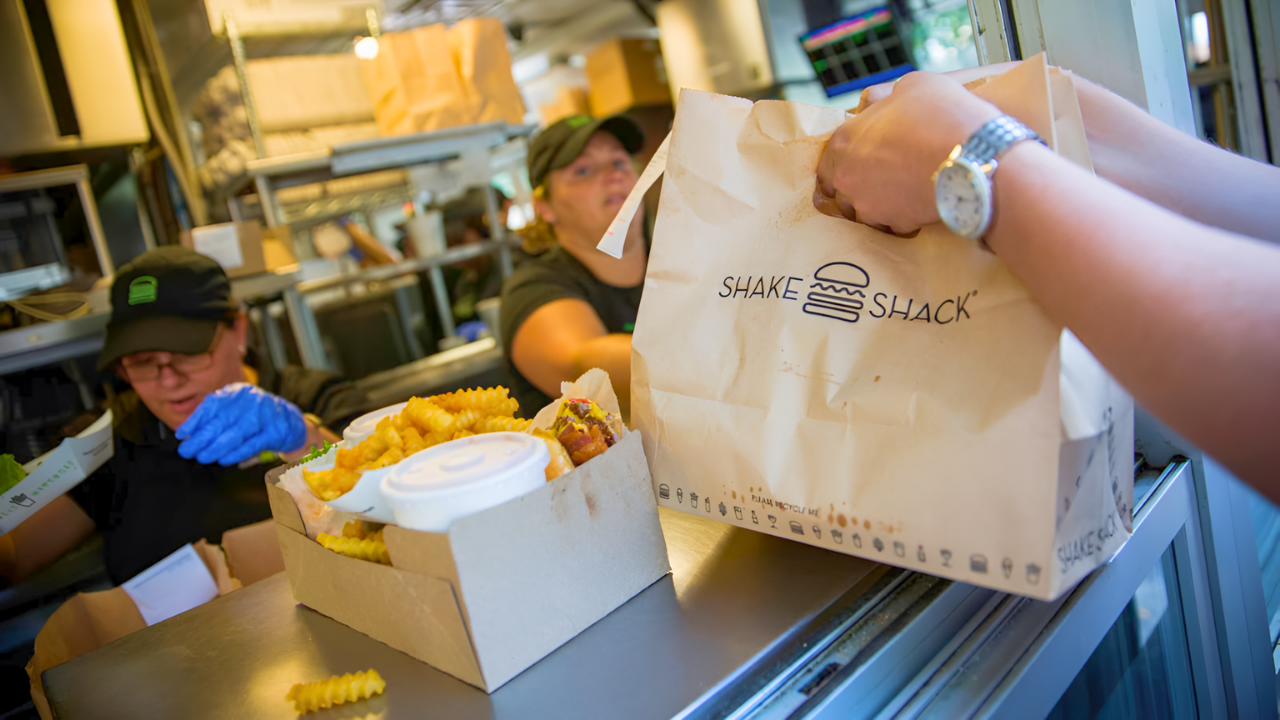
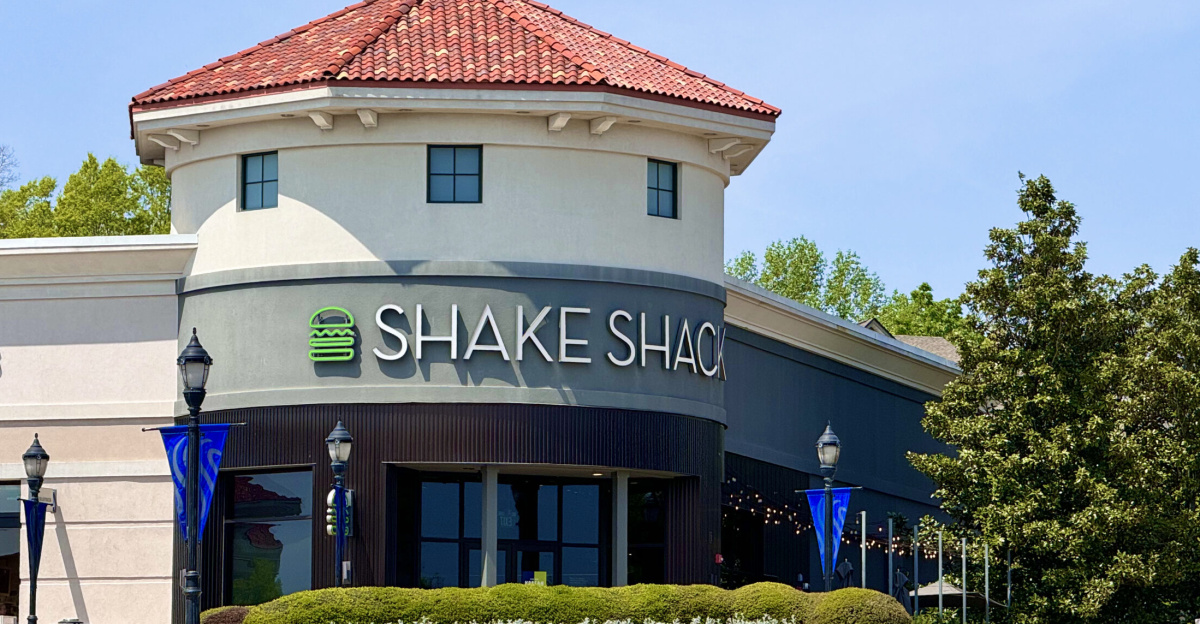
Shake Shack’s decision to leave the San Francisco Centre in December 2025 closes a chapter on what was once one of the city’s busiest downtown destinations. The burger chain’s exit will eliminate 26 positions at the mall, though the company has offered all affected workers roles at its other San Francisco locations in Cow Hollow and Stonestown Galleria. By the time the doors shut on December 18, the centre will be operating at just 9% occupancy, a stark indicator of how far the 1.5 million square foot complex has fallen.
Value Collapse and Empty Floors

The centre’s financial unraveling has been as dramatic as its physical emptying. In 2016, the property was valued at about $1.2 billion; by December 2024, an appraisal placed its worth at $290 million, and less than a year later it was sold at foreclosure for just $133 million. That roughly $1.07 billion loss over nine years ranks among the steepest recent drops for a major U.S. retail property. Today, only about 100,000 square feet of the mall remains occupied, leaving roughly 1.4 million square feet dark and transforming a once-busy complex into a largely vacant shell.
Anchor Stores and Food Court Drain Away
The downturn traces back to a sequence of blows that stripped away the tenants driving most of the mall’s traffic. Department store anchors Nordstrom and Bloomingdale’s, long the primary magnets for shoppers, closed in 2024 and 2025, respectively. Anchor tenants often generate an estimated 30–40% of overall visitor traffic, so their departure undermined the economics of the entire property and shook remaining retailers’ confidence. The food court followed a similar trajectory: at its height it featured more than 20 dining options, but by the summer of 2025 brands such as Jamba Juice, Blondie’s Pizza, and Izzy & Wook’s had shut down, along with several others. After Shake Shack’s exit in December 2025, only Panda Express will remain, marking a collapse from more than 20 eateries to just one.
Debt Default and Foreclosure
Behind the scenes, the property’s ownership and financing structure was also crumbling. The San Francisco Centre had been backed by a loan of roughly $558–566 million arranged by Deutsche Bank and JPMorgan Chase. As rent rolls shrank and revenue fell, owners Westfield and Brookfield Properties defaulted on the loan in 2023, effectively handing control to a lender consortium. In November 2025, that consortium, operating as DBJPM 2016-SFC Emporium LLC, emerged as the winning bidder at the foreclosure auction with the $133 million purchase, essentially taking ownership of collateral whose value had plunged far below its original debt.
Remote Work, E‑Commerce and Crime Fears

The mall’s rapid decline reflects a convergence of national and local forces reshaping downtown retail. The pandemic years of 2020–2021 sharply reduced foot traffic, with remote work cutting the number of daily commuters and office workers who once formed a reliable customer base. Concerns about retail theft added additional friction for operators already facing thinner margins. At the same time, more spending shifted to suburban centers, open-air districts, and online shopping, as platforms such as Amazon, DoorDash, and Instacart normalized rapid delivery and app-based purchasing. In this environment, an enclosed urban mall with high operating costs and shrinking traffic struggled to compete.
Redevelopment Obstacles and Urban Ripples
Finding a new future for the San Francisco Centre will not be straightforward. The retail portion of the complex is controlled by the lender consortium, but the Nordstrom building and underlying land lease belong to the San Francisco Unified School District, complicating any unified redevelopment plan. CBRE is marketing the site for sale or reuse, yet simple conversion to housing is constrained by city building codes that require minimum levels of natural light in residential units—standards that nine internal floors of the existing structure cannot meet without major reconstruction. Demolition and full rebuild would be costly and disruptive, while adaptive mixed-use redevelopment would demand significant capital, new approvals, and alignment among multiple owners and public entities.
The collapse has rippled beyond retail brands to an entire network of support workers and city systems. With about 90% of the space now empty, there is less work for janitorial crews, security staff, and maintenance contractors who once serviced a bustling downtown hub. The sharp reduction in property value also erodes San Francisco’s commercial tax base and may weigh on pension funds or investors exposed to downtown real estate. At street level, the loss of a major destination leaves surrounding blocks quieter and less walkable, even as some shoppers and diners redirect their spending to neighborhood businesses and to nearby Union Square.
Union Square, just a short distance away, underscores the shift in strategy by major retailers. Luxury labels such as Rolex, Bulgari, and Nintendo have chosen street-front, open-air sites there rather than committing to an enclosed mall. Their decisions highlight how consumer preferences have tilted toward outdoor, experiential, and omnichannel formats that integrate in-person visits with online ordering and rapid delivery. For San Francisco Centre, the combination of remote work, e-commerce growth, anchor tenant losses, and structural barriers to reuse has left the property in limbo. Any reinvention will likely take years, but whatever emerges will help define how older urban malls across the country respond to the same pressures reshaping American retail and downtown life.
Sources
San Francisco Chronicle/SFGATE Reporting + State WARN Filings
CBRE Capital Markets Press Release (November 12, 2025)
The Real Deal & CoStar Commercial Real Estate Analysis