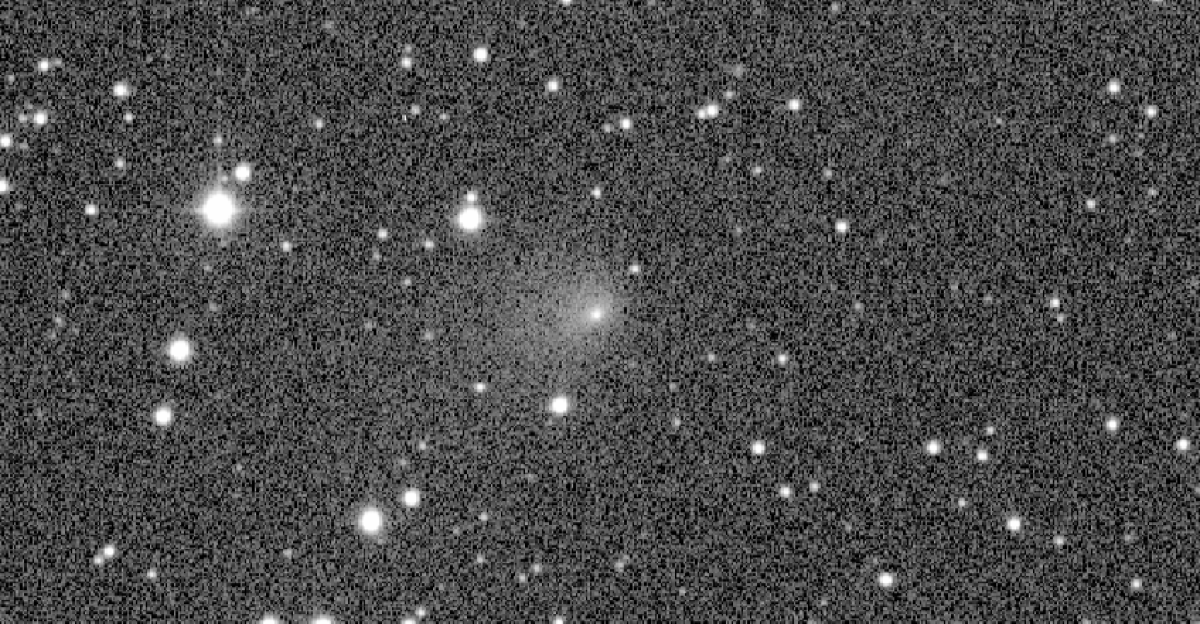
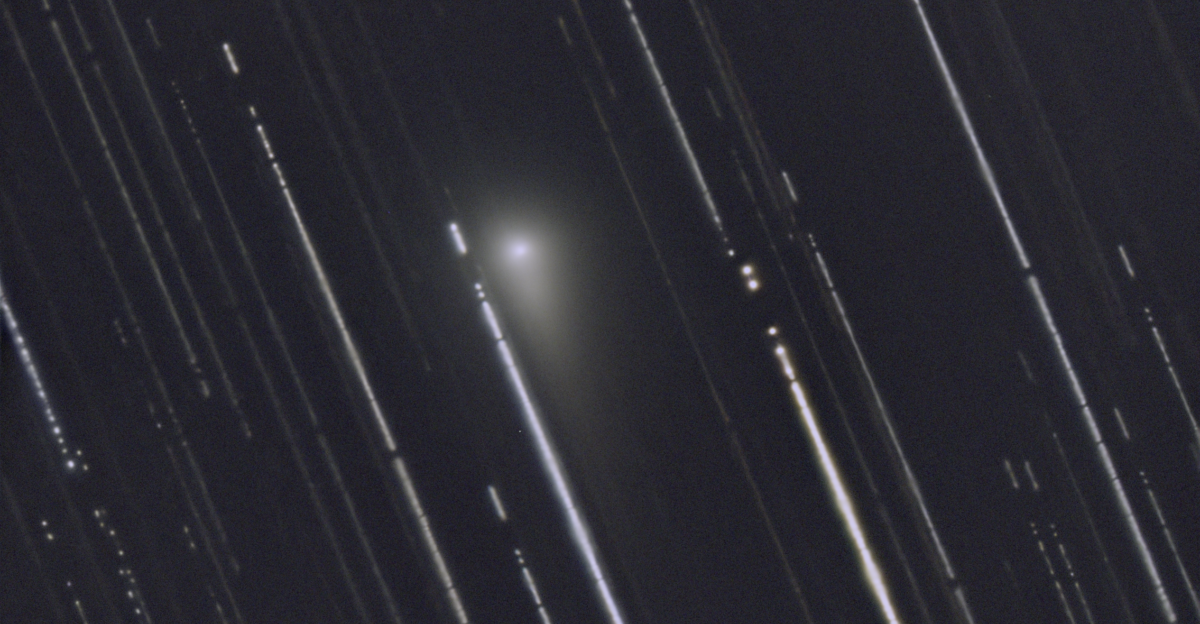
Last July, Earth’s radio telescopes turned skyward toward an impossible guest—a comet born around another star, traveling through our solar system for the first time in seventy million years.
For exactly 7.25 hours across five nights, humanity’s most sensitive alien-hunting equipment listened intently. The question hanging in the silence was ancient: Is anyone out there trying to reach us?
Three Cosmic Strangers in Human History
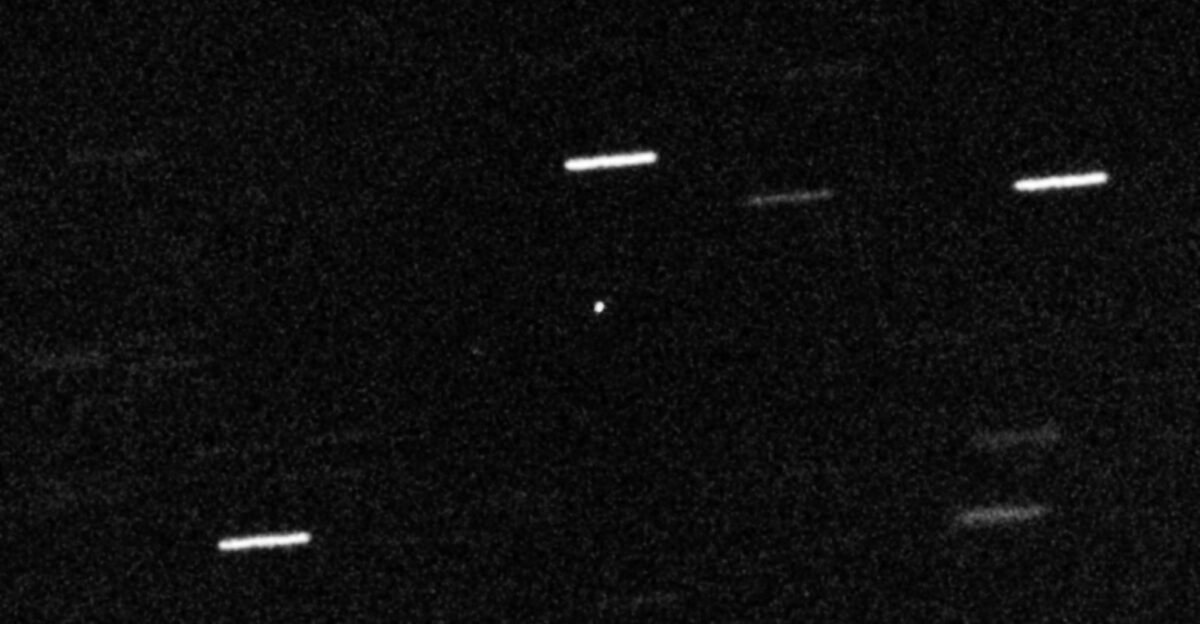
Only three objects from beyond our sun have ever crossed Earth’s orbit. ‘Oumuamua arrived in 2017 like a ghost. 2I/Borisov followed in 2019, equally enigmatic.
Now 3I/ATLAS joined this exclusive club—the third interstellar visitor humanity has ever detected. And this time, for the first time, scientists possessed the technology to truly listen.
The SETI Institute Mobilizes
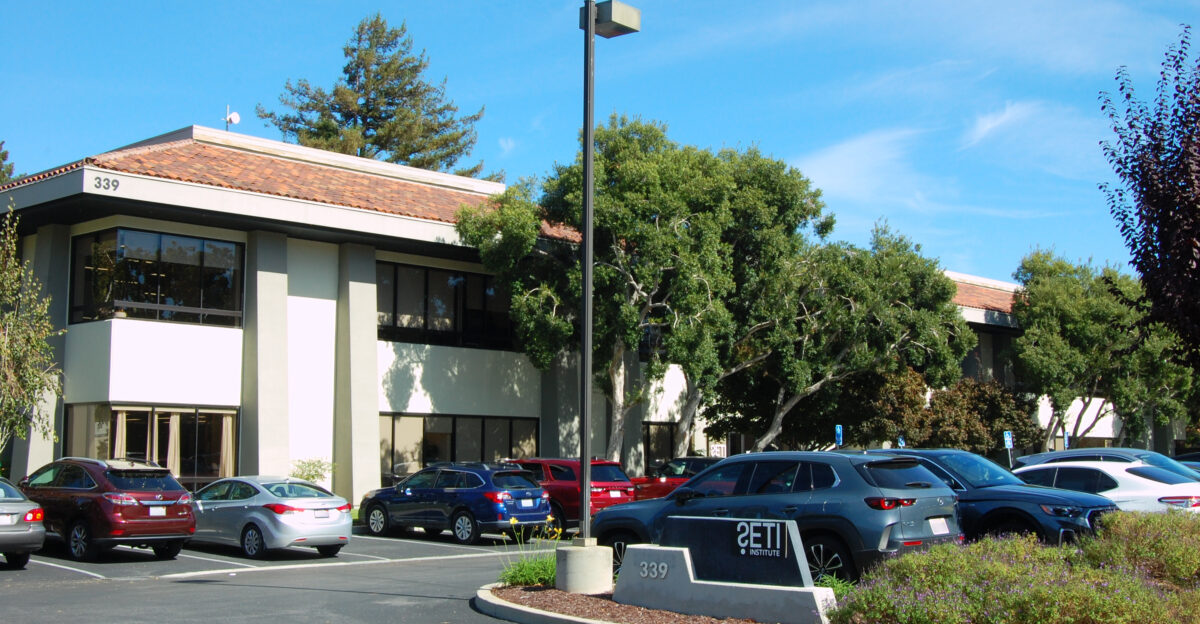
Sofia Sheikh and her team at the SETI Institute understood the stakes instantly. When 3I/ATLAS was discovered in July 2025, they had a narrow window before the comet’s trajectory carried it beyond optimal observation range.
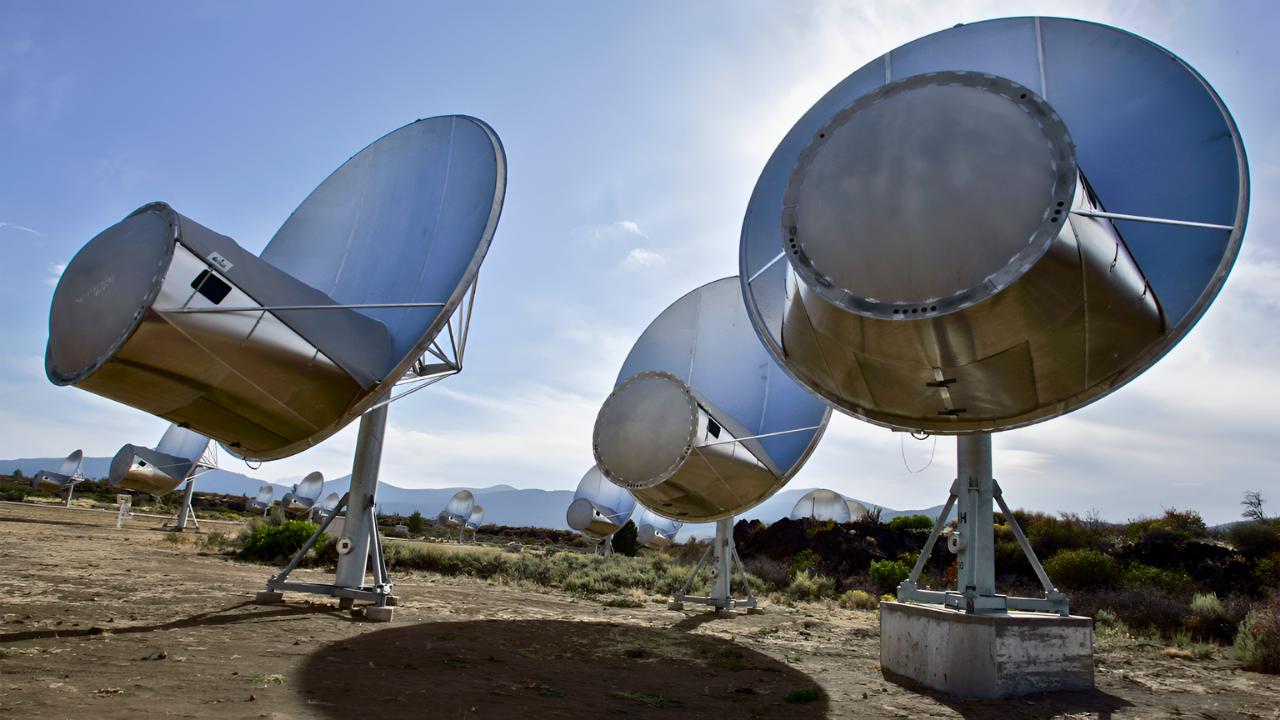
They mobilized the Allen Telescope Array in California and coordinated a global network of telescopes. The hunt was on.
Seventy Million Signals in the Noise
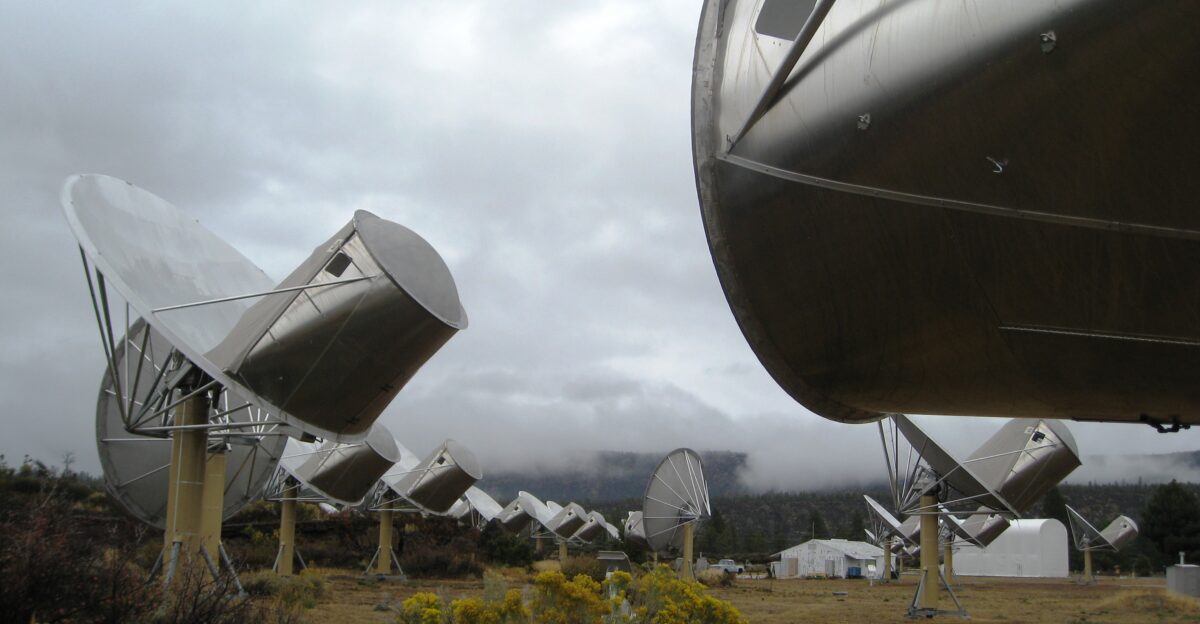
The Allen Telescope Array scanned across frequencies from 1 to 9 gigahertz—the same bands carrying cell phone calls and WiFi signals across Earth. The data came back: 74 million potential signals.
Seventy-four million candidates that might, just might, represent a message from an advanced civilization. What came next was methodical detective work.
The Algorithm That Filtered The Cosmos
The “bliss” algorithm, newly developed for this search, became the gatekeeper. It systematically eliminated noise, interference, and instrumental artifacts. From 74 million possibilities, it narrowed the field to 2 million.
Then 211 candidates remained—just 211 human reviewers could examine each one personally. Every single signal traced back to Earth.
Earth’s Radio Cacophony Revealed
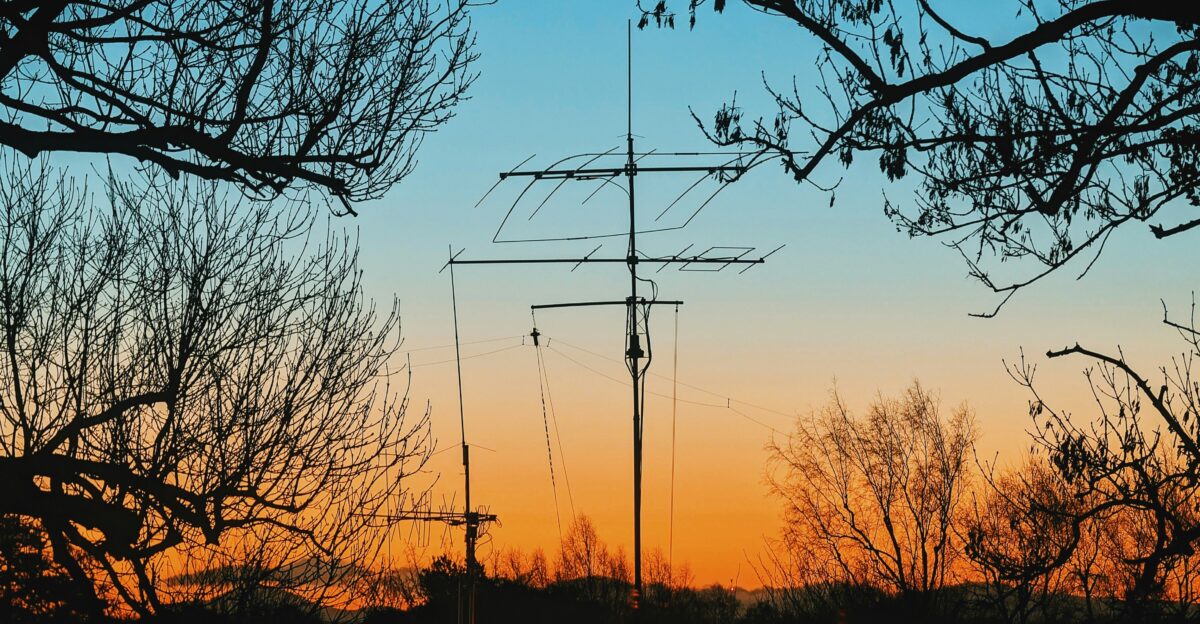
“Each one was determined to be caused by Earth-based radio frequency interference that had slipped through the automated filtering process,” Sofia Sheikh and her colleagues documented in their pre-print paper published in December 2025.
The cosmos was silent. But our planet’s technological noise had nearly drowned out the investigation.
Sensitivity Beyond Imagination
The newly upgraded “Antonio” cryogenic feeds—named after Qualcomm founder Franklin Antonio—cooled the Allen Telescope Array’s receivers to 70 Kelvin.
At 1 gigahertz, this system could detect a transmission of just 10 watts from the comet’s distance. That’s roughly one-fifth the power of a smartphone. And there was nothing.
The Green Bank Telescope Joins
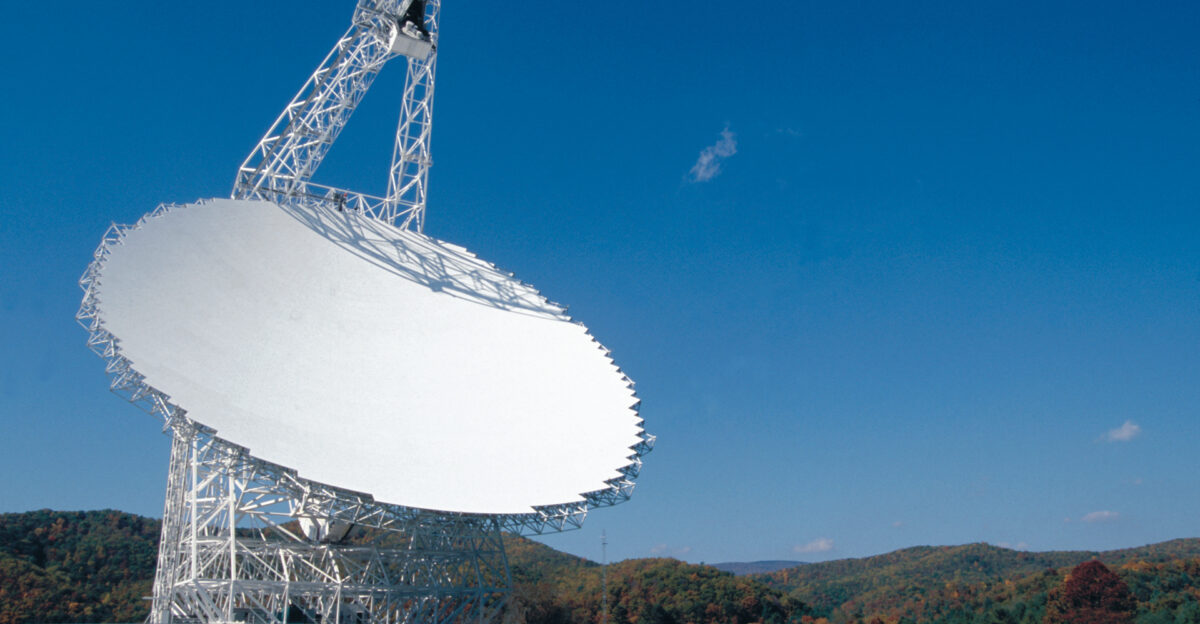
When 3I/ATLAS reached its closest approach to Earth in December at 167 million miles, the Green Bank Telescope in West Virginia entered the search.
The world’s largest steerable radio dish became extraordinarily sensitive—capable of detecting transmitters as weak as 0.1 watts. Green Bank confirmed the eerie result: total silence from the interstellar visitor.
MeerKAT’s Independent Confirmation
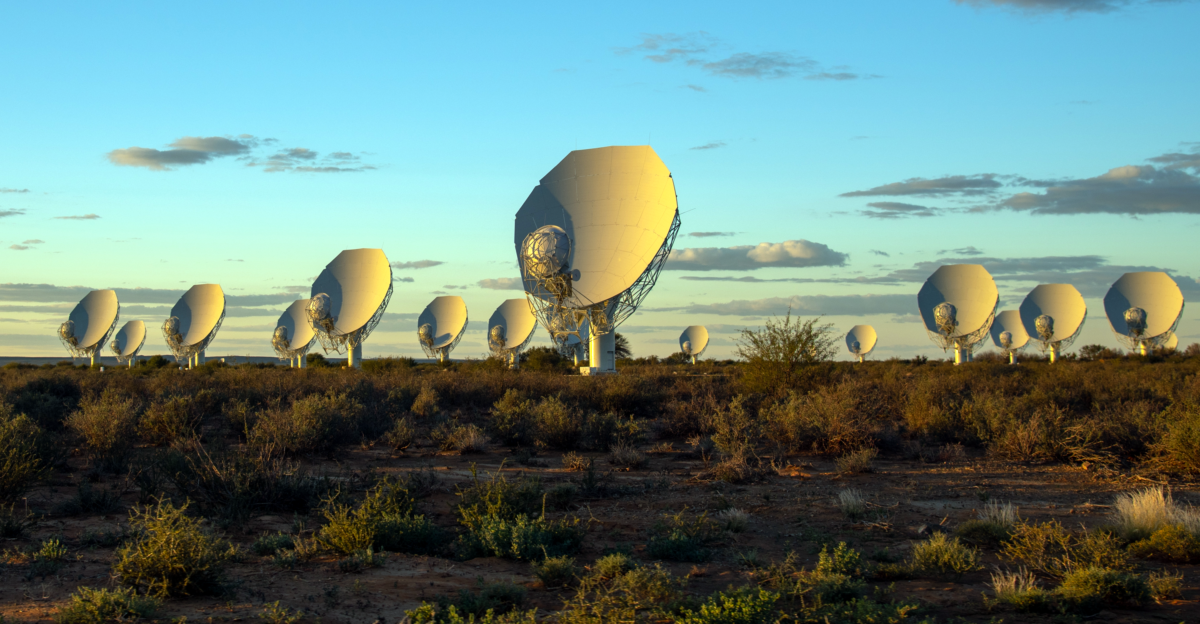
South Africa’s MeerKAT array, one of Earth’s most sophisticated radio instruments, independently verified the finding through the Breakthrough Listen backend. The telescope could detect a cell phone transmission from hundreds of millions of kilometers.
Yet MeerKAT found no artificial signals, no proof of technology aboard 3I/ATLAS. Only nature.
A Comet, Not a Probe
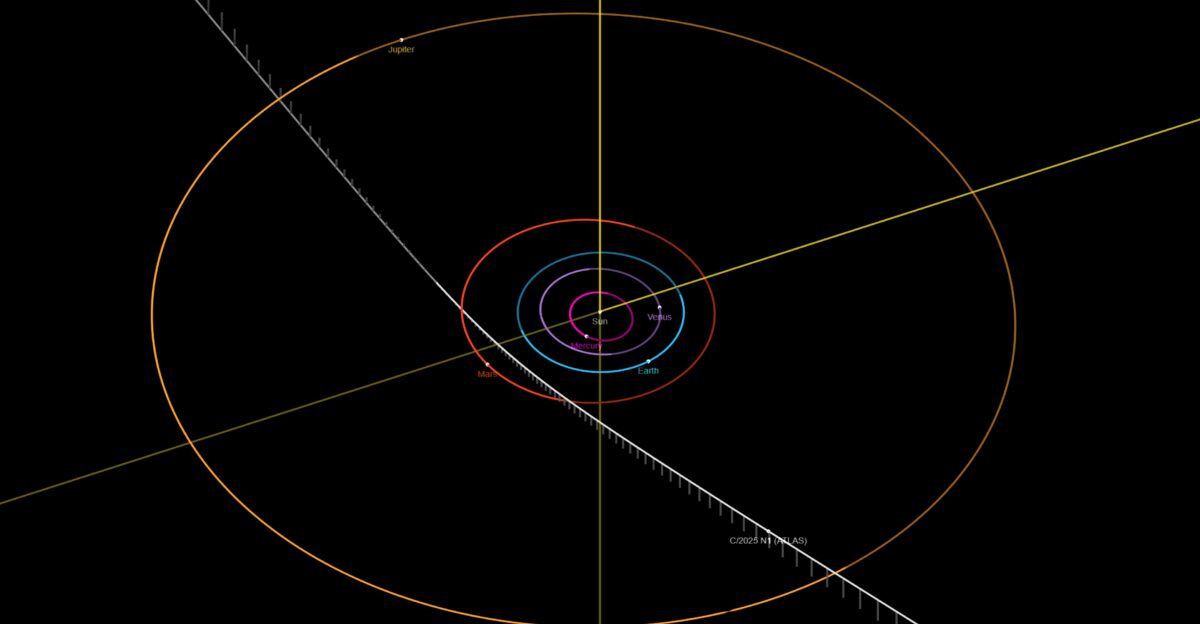
Water outgassing confirmed 3I/ATLAS was genuinely a comet—a frozen world sublimating as solar heat stripped away its ancient ices. Its 16.8-hour rotation period matched models of natural rotation, not the steady orientation of an artificial spacecraft.
Spectroscopic analysis showed significant dust and gas ejection consistent with active cometary processes. This was geology, not engineering.
The First Interstellar Hunt With Modern Tools
Humanity had conducted technosignature searches before, but never with such power aimed at an interstellar visitor. Earlier alien-hunting campaigns searched nearby stars and the galactic center.
This time, scientists aimed their finest equipment at a confirmed object transiting our cosmic neighborhood. The sensitivity was unprecedented. The result was definitive.
Why This Silence Matters Profoundly
The absence of a signal speaks volumes. Any civilization advanced enough to transmit radio waves and build a probe sophisticated enough to reach our solar system—either chose not to signal, or does not exist.
The cosmos is vast, but the silence from 3I/ATLAS deepens an ancient mystery: Are we truly alone?
An Unusual Trajectory From An Unusual Origin
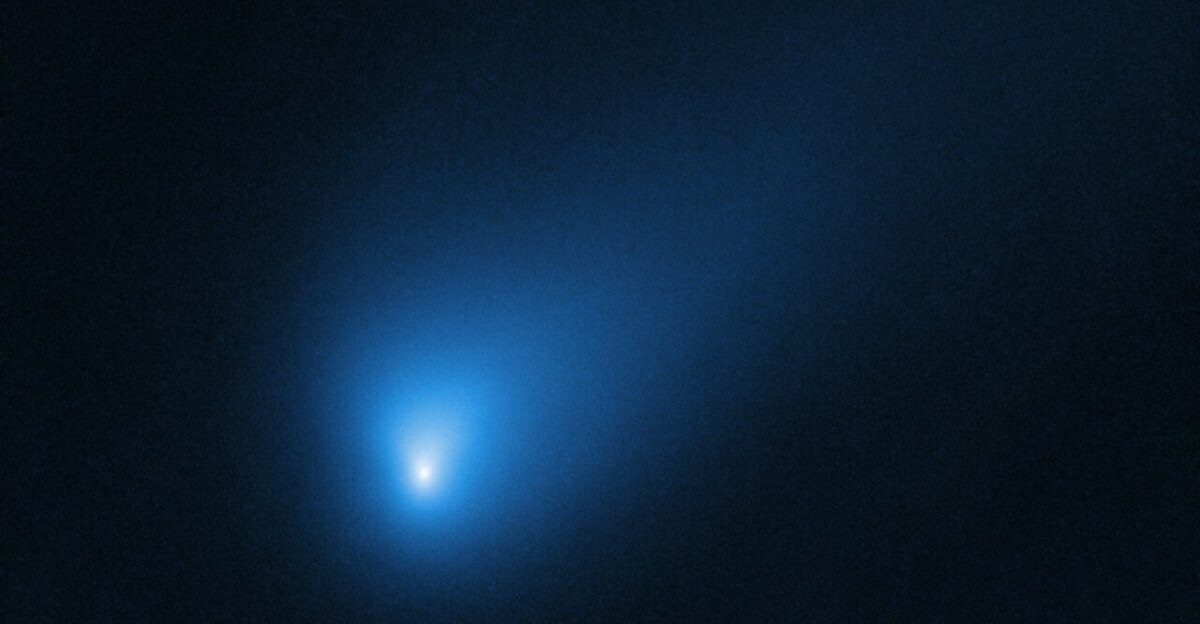
3I/ATLAS orbits on a hyperbolic path with extreme eccentricity—6.1371—far more dramatic than ‘Oumuamua or 2I/Borisov. It fell from interstellar space into our system, reached perihelion on October 29, 2025, and is now climbing back outward.
Its speed and trajectory suggest it was ejected violently from another star’s planetary system, not launched intentionally.
The Window Closes
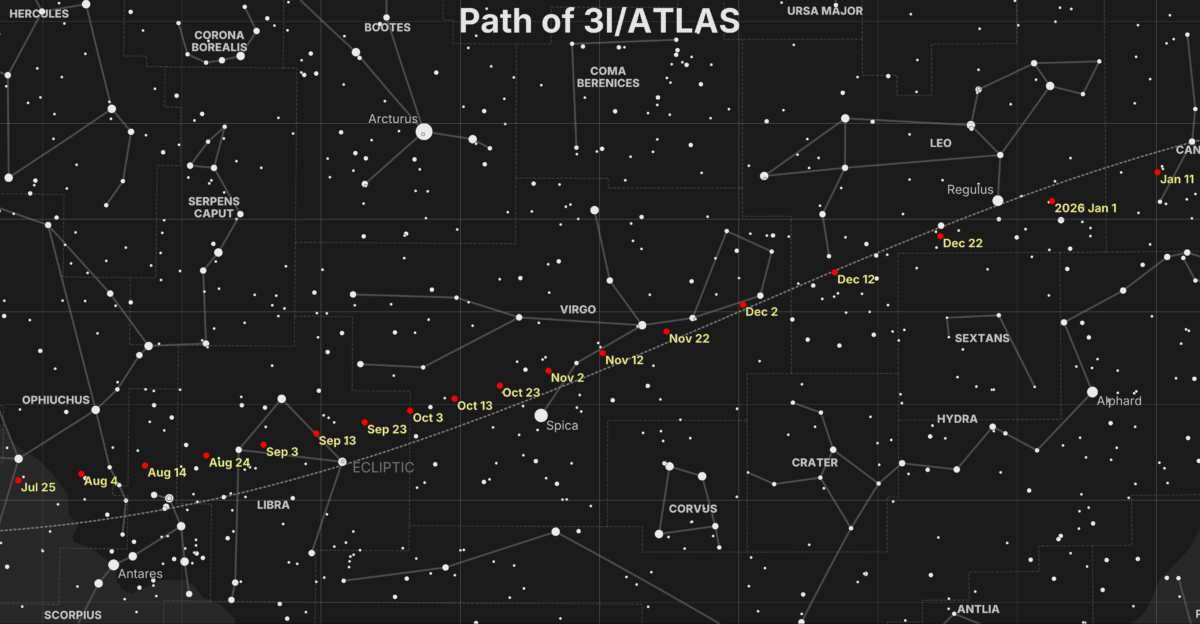
3I/ATLAS is pulling away from Earth now, climbing to distances where observation becomes exponentially harder. The opportunity to study this visitor with maximum sensitivity lasted months, not years.
This campaign represented humanity’s last realistic chance to search for artificial signals from an interstellar object. Next time, another comet will arrive. But this visitor is leaving.
Global Coordination Proves Crucial
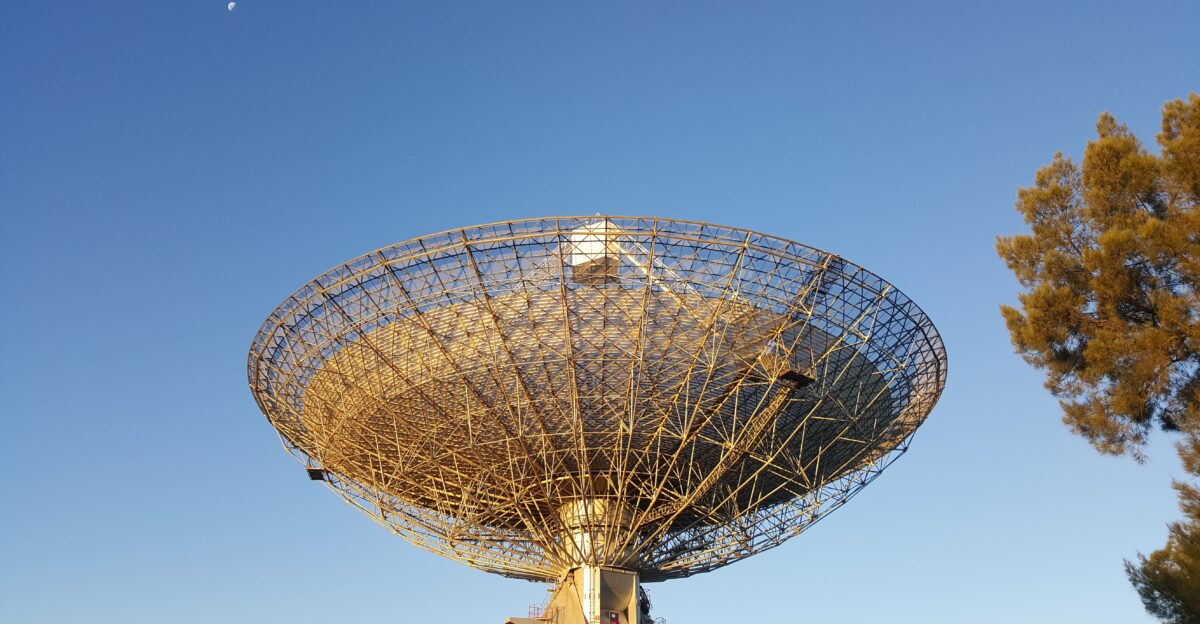
The ATA, Green Bank, MeerKAT, and Parkes Observatory coordinated seamlessly. Each telescope contributed unique perspectives and sensitivities. Each independently validated the others’ findings.
No geographic region detected signals that conflicted with the global consensus: 3I/ATLAS carried no discoverable artificial broadcast.
Three Visitors, Zero Answers
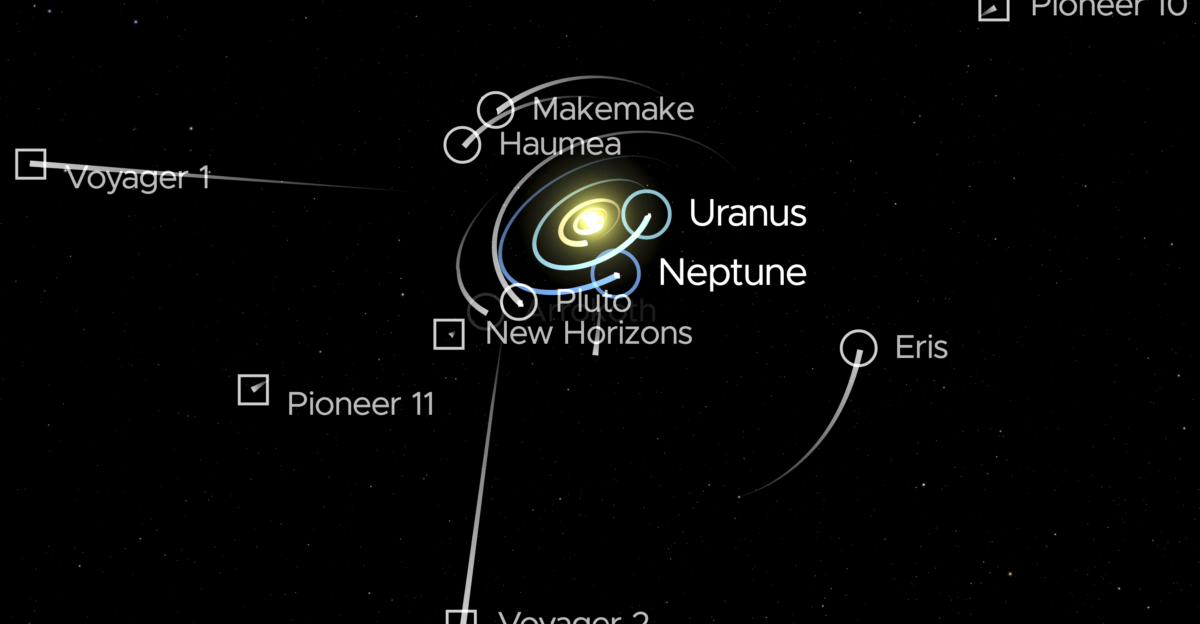
‘Oumuamua in 2017. 2I/Borisov in 2019. 3I/ATLAS in 2025. Humanity has now encountered three confirmed interstellar objects. All three have yielded to scientific analysis. All three are natural. None has revealed signs of artificial technology or intentional communication.
The pattern accumulates: the universe, at least locally, remains profoundly silent.
Negative Results Shape Future Searches
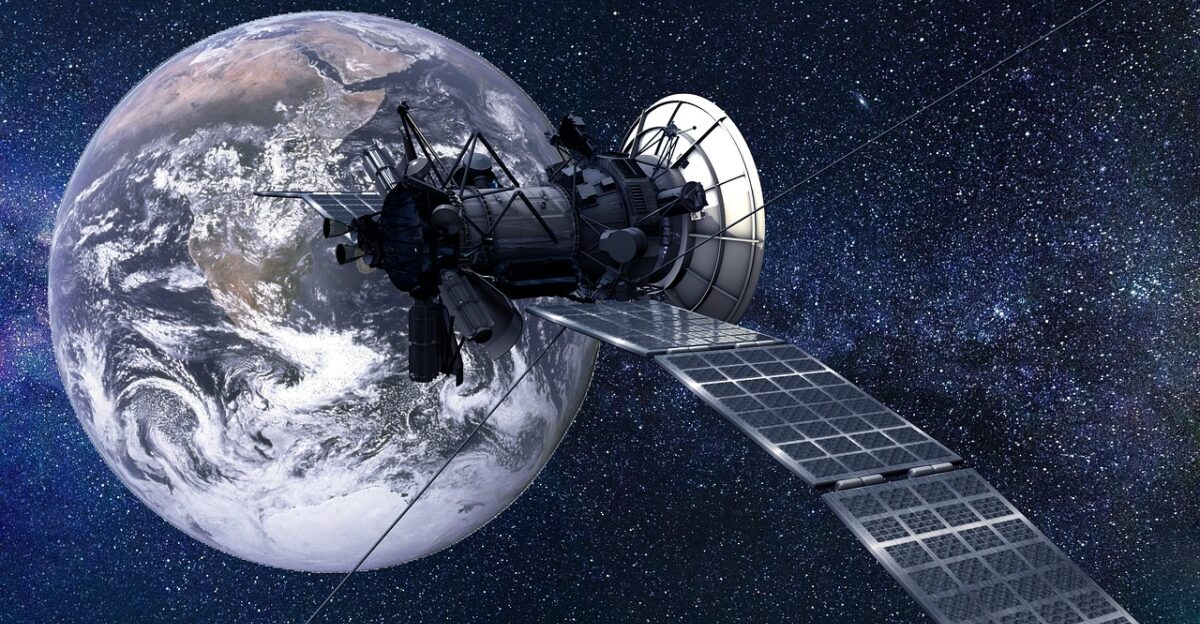
Science advances through both discovery and exclusion. These null detections are invaluable—they constrain the types of civilizations that might exist, the communication strategies they might employ, and the technological signatures we should expect.
Each silent comet teaches SETI researchers where not to look next and how to refine their instruments.
The Antonio Upgrade Vindicated
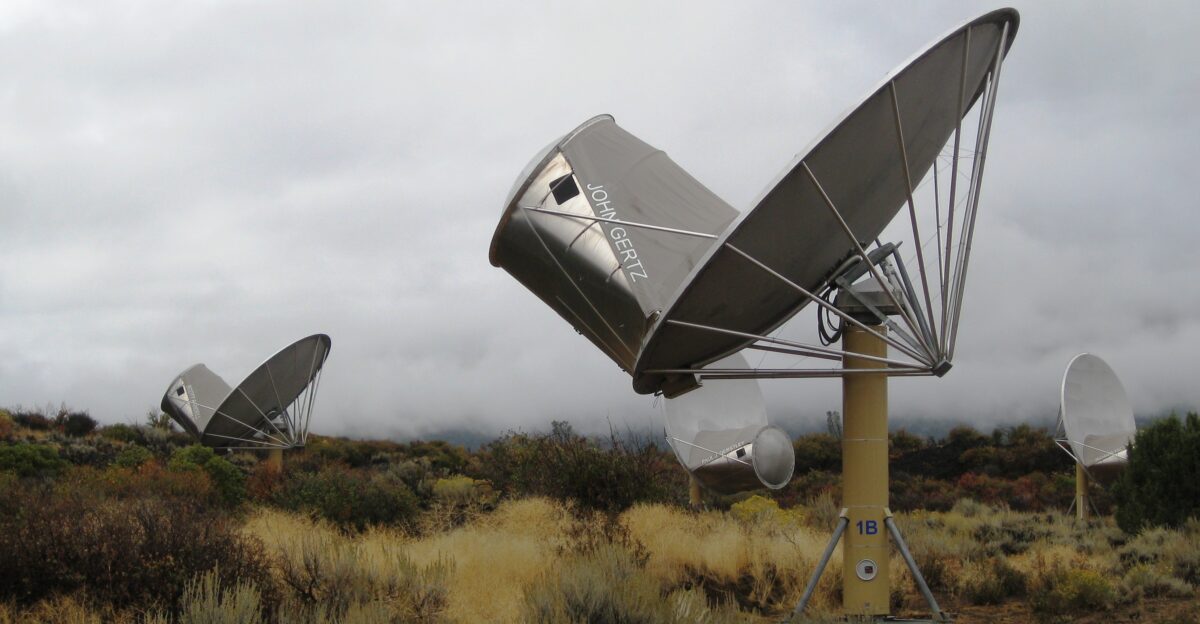
The cryogenic feed upgrade to the Allen Telescope Array, funded through international collaboration, proved its worth on this very mission. The sensitivity enabled by Franklin Antonio’s legacy in technology allowed humanity to exclude artificial transmitters with confidence.
Future interstellar searches will build on this achievement, further lowering detection thresholds.
The Next Visitor Awaits
Astronomers estimate another interstellar comet will enter our solar system within the next decade. When it does, Earth’s telescopes will be sharper. Detection capabilities will exceed what was possible in 2025.
The question that echoes from 3I/ATLAS—”Is anyone transmitting?”—will be asked again. Perhaps next time, the answer will differ.
The Cosmos Keeps Its Secrets
For now, 3I/ATLAS has taught us one thing: even with unprecedented technological power, the universe yields its mysteries reluctantly. The search continues, the listening posts remain active, and humanity’s question persists across the light-years.
Somewhere in that vast darkness, an answer may yet emerge. But not today.
Sources:
Sheikh, S.Z., et al. “A Search for Radio Technosignatures from Interstellar Object 3I/ATLAS with the Allen Telescope Array” arXiv:2512.18142, December 2025
Breakthrough Listen Observations of 3I/ATLAS with the Green Bank Telescope at 1-12 GHz, Berkeley SETI Institute, December 2025
South African Radio Astronomy Observatory (SARAO) MeerKAT Observations of 3I/ATLAS, University of Cape Town & SARAO, December 2025
Water Detection in the Interstellar Object 3I/ATLAS, arXiv:2508.04675, July 2025
3I/ATLAS Orbital and Spectroscopic Analysis, arXiv:2510.26308, October 2025
Breakthrough Listen Observations of Interstellar Object 3I/ATLAS with the Parkes Observatory, Berkeley SETI Institute, October 2025