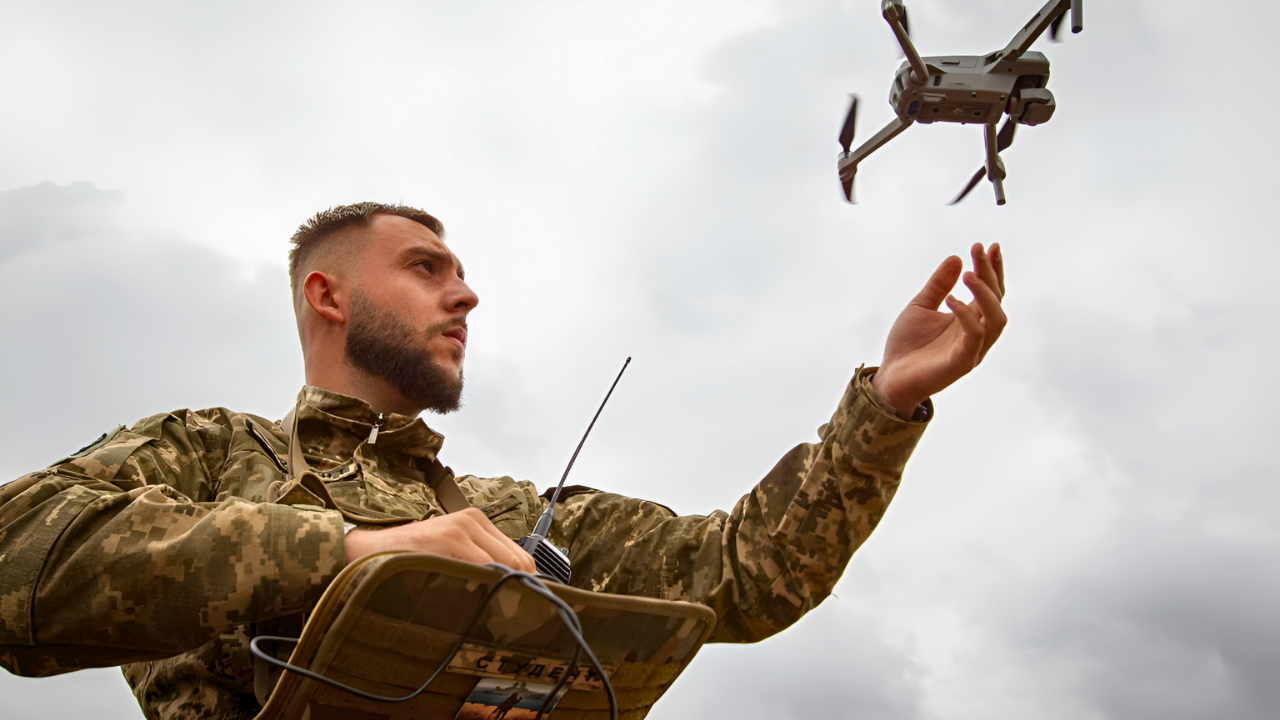
Ukraine’s military has transformed rapidly, shifting from artillery-dominated combat to drone-led warfare. Today, drones account for roughly 70 to 80 percent of combat casualties in the Russo-Ukraine conflict, according to the Modern War Institute at West Point and reporting by the New York Times in March 2025. Some Ukrainian officials even claim drones are responsible for up to 80 percent of casualties in localized battles.
This pivot was born from necessity rather than strategy. As ammunition shortages intensified in 2023, conventional artillery became unsustainable. “NATO and U.S. officials admitted to being unprepared for prolonged land warfare,” prompting Ukraine to innovate quickly. Engineers began exploring alternative weapons systems, laying the foundation for a drone-dominated battlefield. Here’s what’s happening next…
The Urgent Push for Innovation
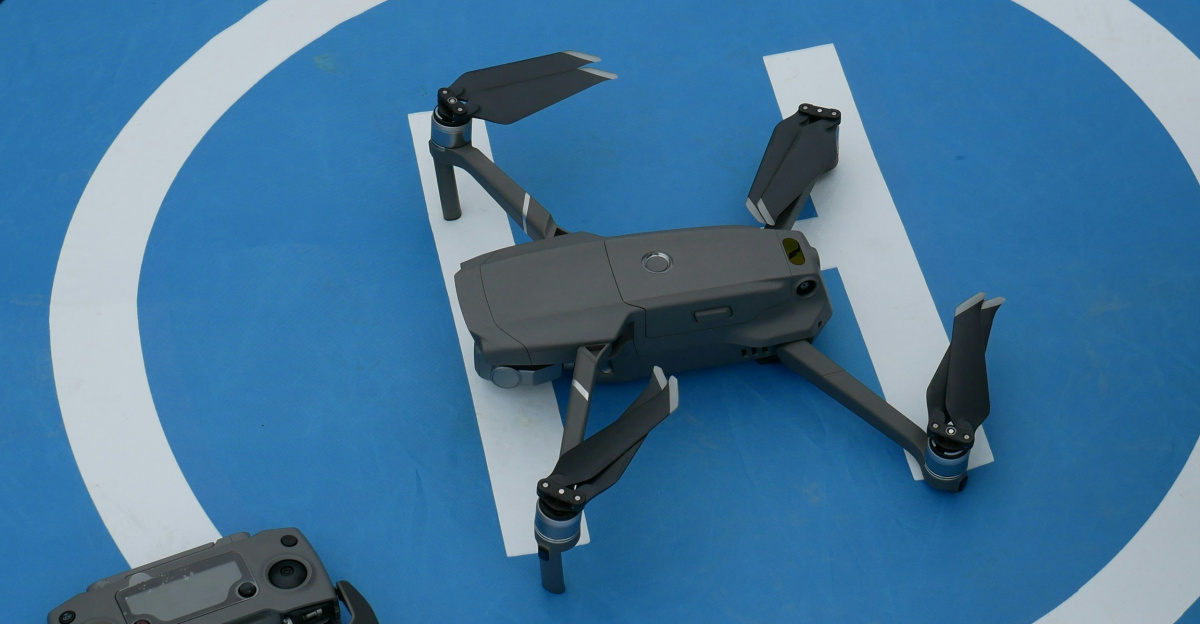
The 2023 ammunition shortage coincided with Russia’s intensified offensive, forcing Ukraine to confront critical supply gaps. U.S. military aid and European manufacturers were unable to meet the demand, prompting Ukrainian planners to reassess their combat strategies. Drones emerged as a practical solution: precise, cost-effective, and less logistically burdensome than artillery.
By late 2024, analysts confirmed drones had overtaken artillery as the most lethal weapon. Officers adapted from coordinating conventional strikes to managing swarms of unmanned systems, guided by real-time video feeds.
Yet, a significant limitation emerged: battery technology. Ukrainian drones struggled with short flight times and ranges of only 5–15 kilometers, significantly behind Russian fiber-optic guided drones, which are capable of 50 kilometers. Addressing this gap became an urgent priority.
Breakthrough in Western Ukraine

This month, the Kyiv Post reported rare access to a secret facility in western Ukraine producing advanced drone batteries. Engineers and entrepreneurs developed a design combining solid-state technology with high-current lithium-ion cells. The batteries boast 120,000 to 180,000 milliampere-hours while weighing around two kilograms.
Testing showed that the new batteries could power drones over 170 kilometers, with one test reaching a distance of 179 kilometers. The development pivoted from civilian 3D-printing operations, uniting retired military engineers, aircraft mechanics, and programmers to create a fundamentally new architecture. This innovation effectively extended the operational reach of drones, allowing strikes far beyond Russian defensive zones.
Elite Units Lead the Way
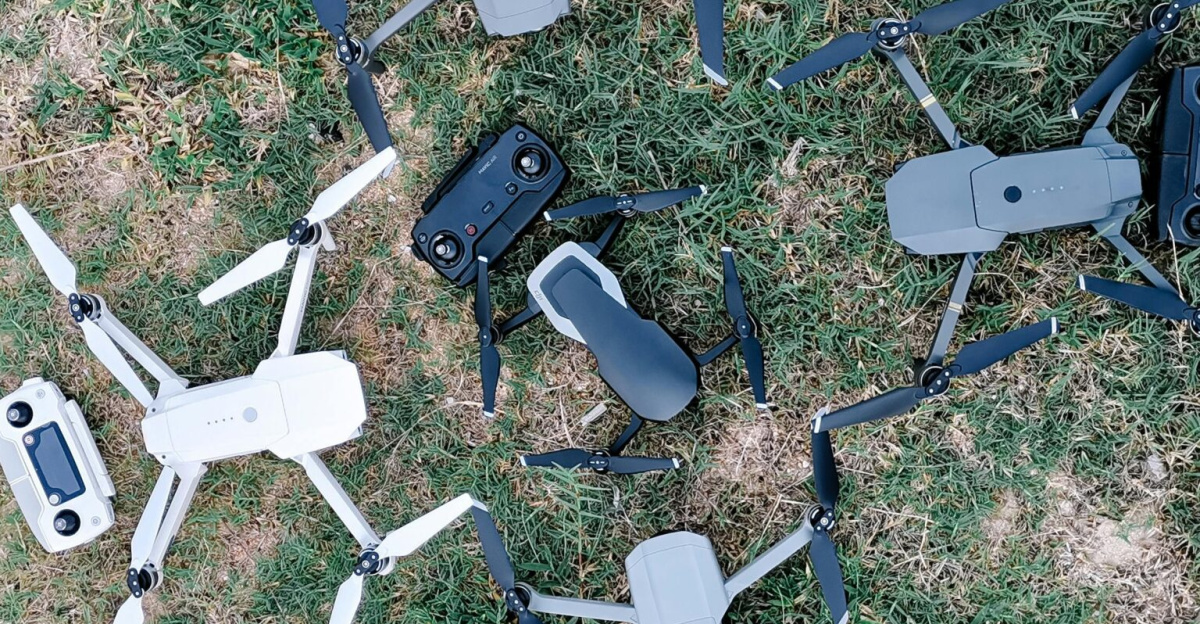
Ukraine’s 14th Unmanned Systems Forces, now the 1st Center of the Unmanned Systems Forces, has become the nation’s elite long-range drone unit. By March this year, it carried out 30 to 40 percent of Ukraine’s deepest strikes into Russian territory, according to the Institute for the Study of War. The new batteries directly increased their range and effectiveness, forcing Russian high-value assets to reposition.
Personnel at the factory described their work as crucial to national defense. Retired Ukrainian Air Force technicians expressed personal satisfaction in contributing to battery production. Frontline soldiers reported specific needs—batteries functioning in extreme cold and marshy terrain—and engineers iterated rapidly to meet these requirements, compressing development cycles to wartime speed.
Production and Scaling Challenges

Despite technological breakthroughs, meeting Ukraine’s demand for drone batteries remains a challenge. The facility produces batteries daily, but precise figures remain classified. With 5,000 to 10,000 active drones along a 1,000-kilometer front, scaling output is critical. Plans are underway to expand production with secondary sites across western Ukraine, but specialized equipment and international export controls create supply chain vulnerabilities.
The Kyiv Post notes that international defense manufacturers are closely monitoring the operation, recognizing its strategic importance. While advanced batteries give Ukraine an edge, analysts caution that Russia’s industrial capacity, counter-drone systems, and electronic warfare capabilities could limit the long-term impact of incremental innovations.
Strategic Impact and Uncertain Future
Ukraine’s battery innovation represents a genuine leap forward; however, its ultimate influence depends on scaling production and battlefield conditions. The winter 2025–2026 period raises pressing questions: Can output keep pace with operational needs? Will Russian countermeasures blunt the advantage?
The facility’s success will not be measured by headlines, but by its sustained operational capability. If the batteries continue powering Ukraine’s drones across extended missions, they could redefine modern conflict dynamics. At stake is not only battlefield effectiveness but the ability to maintain a drone-centered strategy in a war whose endpoint remains uncertain.
Sources:
New York Times – “Drones Now Rule the Battlefield in the Ukraine-Russia War” (March 2025) – casualty statistics
Modern War Institute at West Point – Drone casualty analysis (October 2025)
Kyiv Post – “Kyiv Post Visits Secret Factory Manufacturing New, High-Capacity Drone Batteries” (November 23, 2025) – factory details, Pawell Power operations, battery specifications, worker quotes
Institute for the Study of War – “1st Center of the Unmanned Systems Forces” and “14th Regiment Assessment” (October-November 2025) – military unit analysis
Business Insider – “Russia’s unjammable drones are now long-range” (November 2025) – Russian fiber-optic drone specifications
Wikipedia – “1st Center of the Unmanned Systems Forces (Ukraine)” – 14th Regiment strike statistics