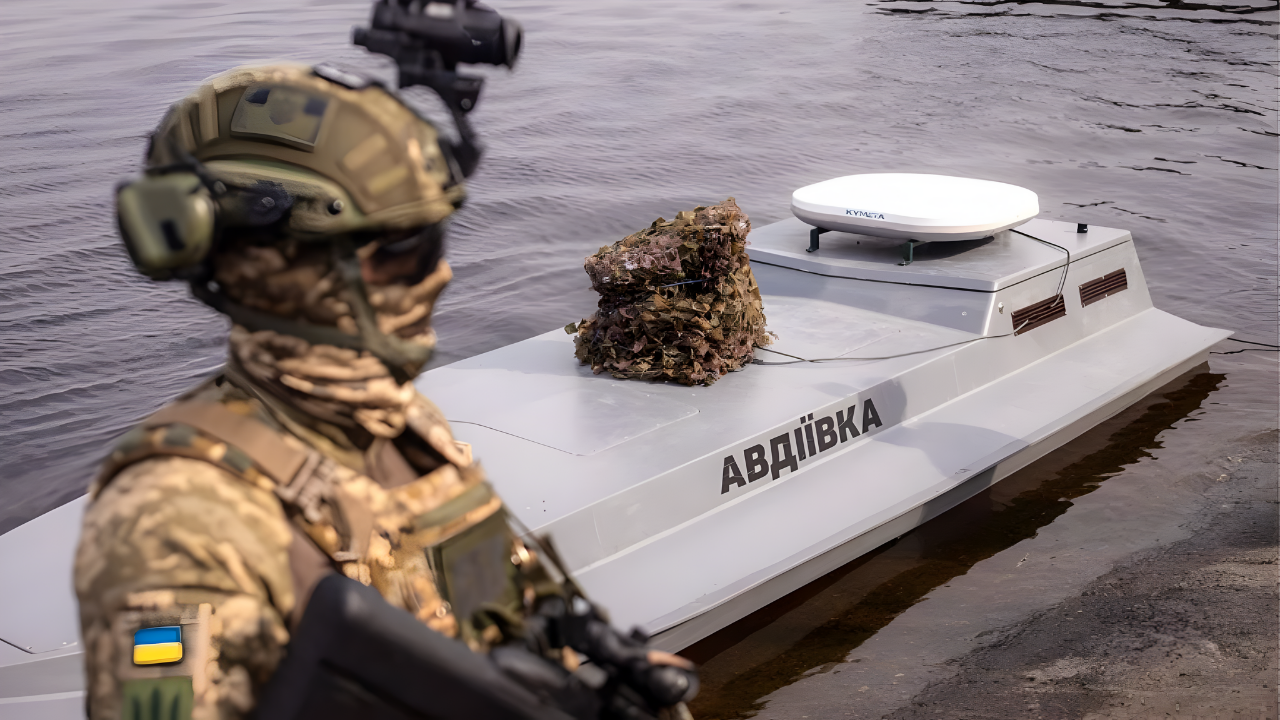
Ukrainian sea drones operated by Group 13, the military intelligence maritime unit, have forced Russia’s Black Sea Fleet to drastically restrict movements. Major vessels now rarely venture beyond 25 miles (40 km) from home ports, retreating quickly after missile launches.
Ukrainian commanders describe Russian ships as “constantly hiding,” marking a historic decline in operational freedom. Western analysts confirm the fleet’s inability to project power far from shore, reflecting a strategic shift in the Black Sea.
Magura Drones Force Russian Retreat
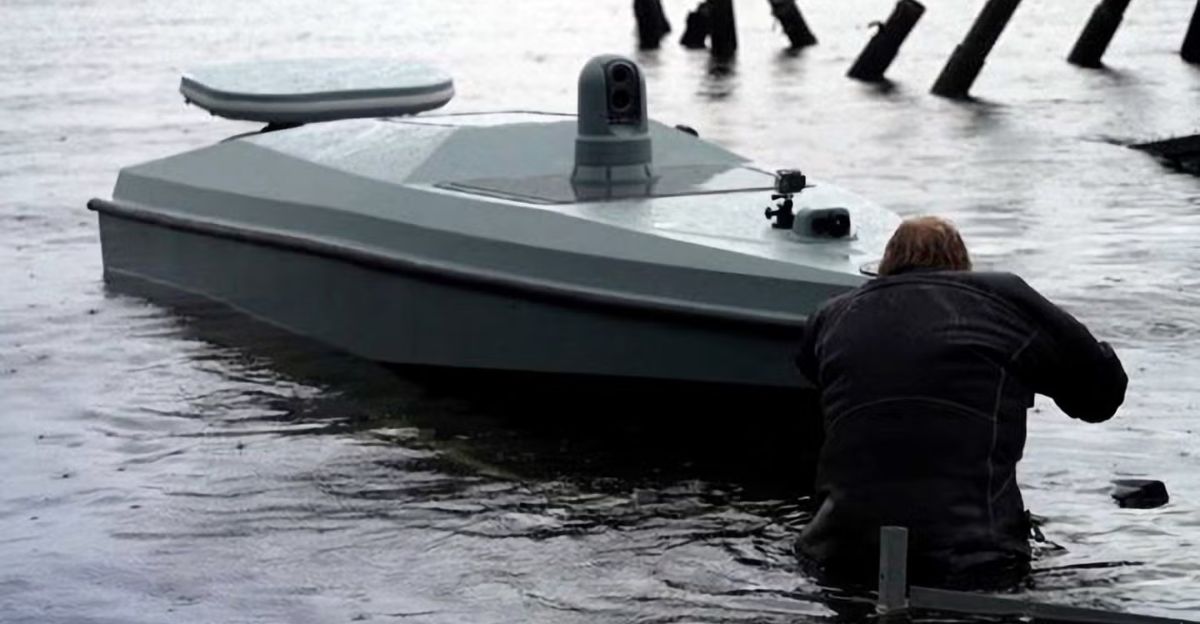
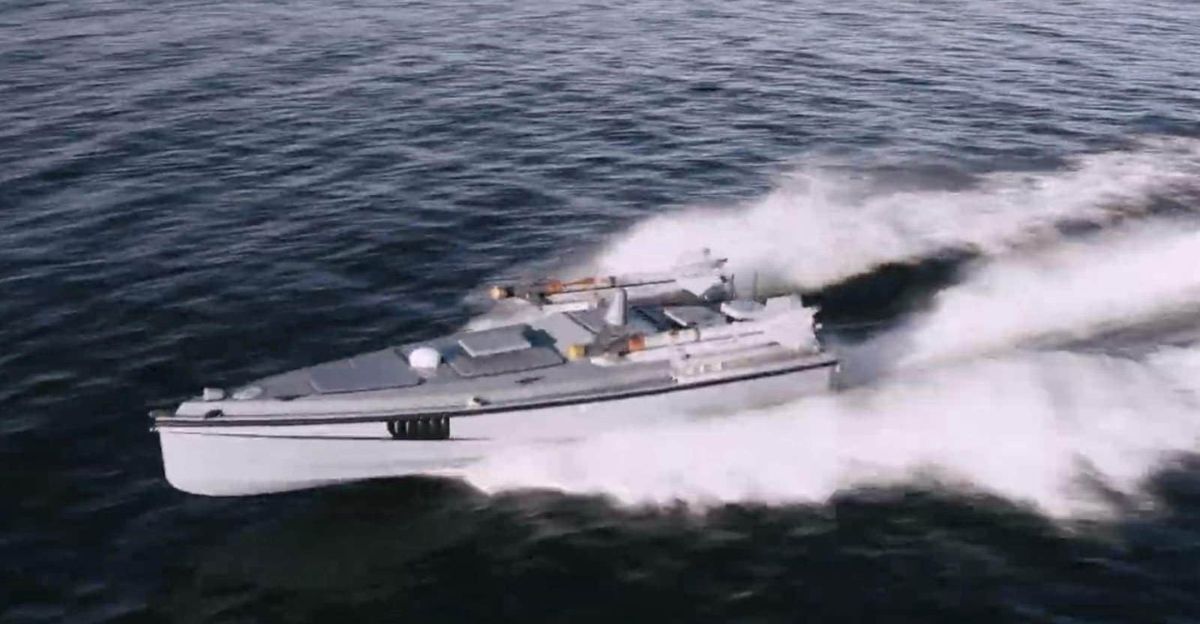
The Magura family of unmanned surface vessels, including explosive ramming variants (V5) and missile-armed platforms (V7), has repeatedly struck Russian ships since 2022. These drones, low-cost and difficult to detect, make open-sea operations perilous.
Ukrainian officials say Russian warships now operate near the coast, firing missiles only briefly before returning to port. These tactics effectively neutralize Russia’s previous dominance in the Black Sea.
Insurance and Shipping Risks Rise
The drone threat has raised war-risk premiums for vessels transiting the Black Sea, particularly tankers. Shipowners face potential destruction of cargo and hulls by unmanned attacks. Insurers reassess risk daily, and some operators reroute shipments to avoid drone-active zones.
These precautions increase transport costs, which ripple into energy and commodity markets, ultimately affecting consumers in Europe, Turkey, and the Caucasus.
Targeting Russia’s Shadow Fleet
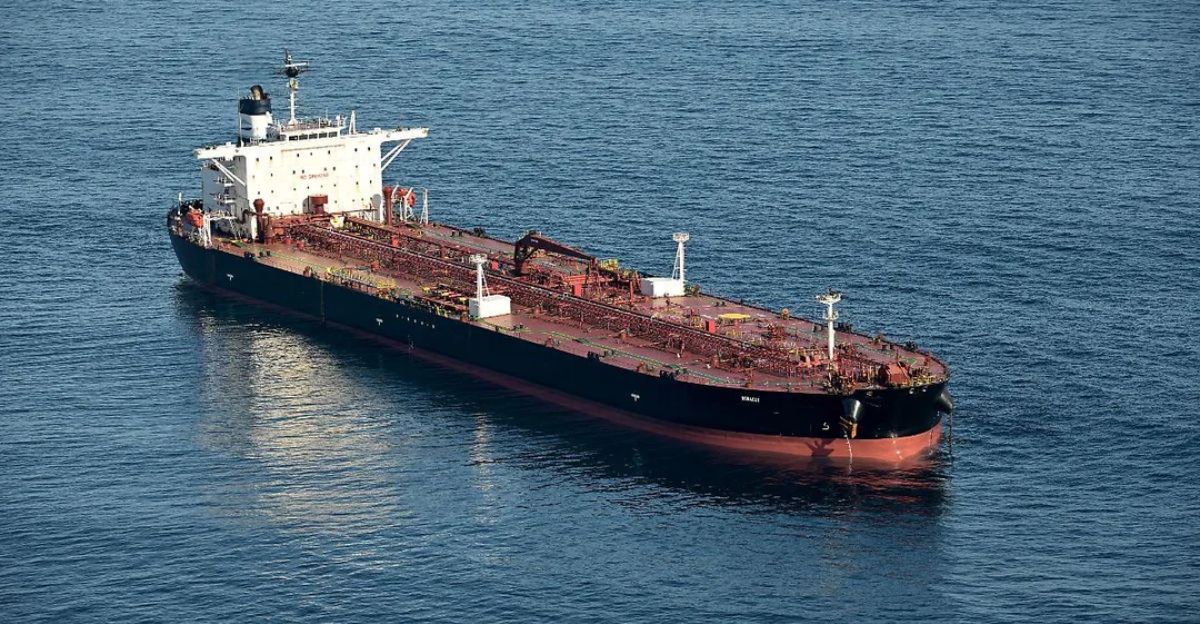
Ukraine has also focused on Russia’s sanctions-evading tanker fleet. Recent strikes, including on the Comoros-flagged Dashan and earlier on Kairos and Virat, highlight the financial risks of transporting Russian oil.
Kyiv aims to make these operations “too risky” for operators, limiting Moscow’s revenue streams. These actions complement G7 and EU sanctions enforcement without introducing formal new measures.
Alternative Routes and Fuel Impacts

Maritime disruptions prompt shippers to use overland pipelines, non-Russian suppliers, or longer sea routes. These detours raise transport costs, tighten regional fuel supply, and may push up heating and gasoline prices in peak-demand seasons.
Ukrainian drone activity has effectively transformed parts of the Black Sea into a contested zone, forcing long-term changes in global energy logistics.
Sanctions Enforcement via Drones
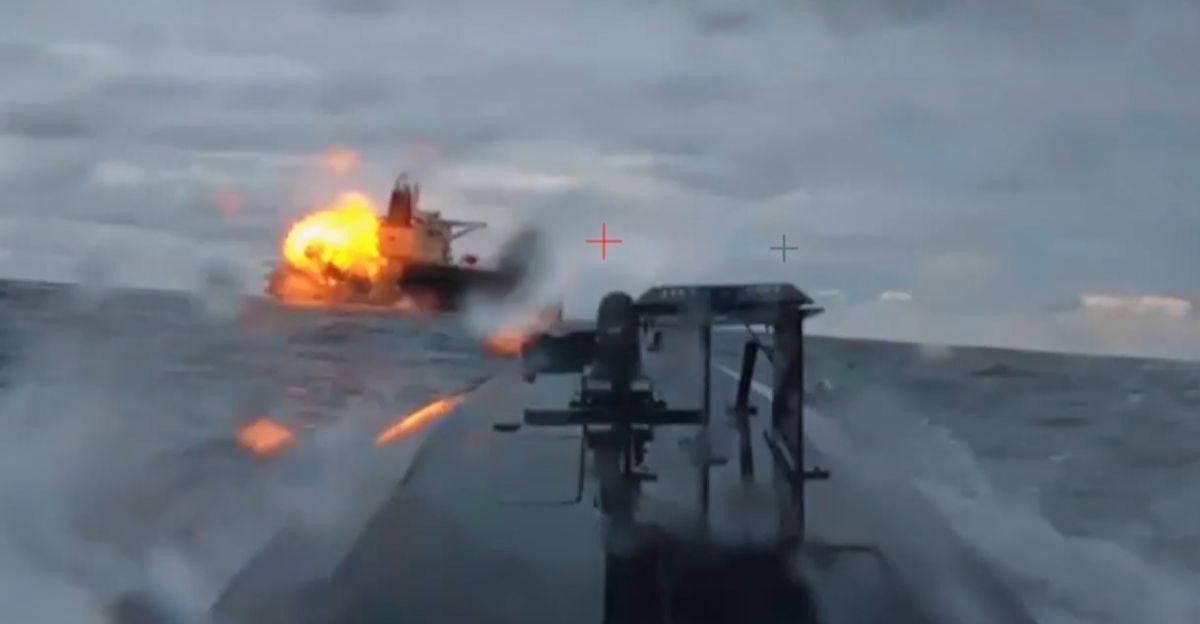
Drone strikes on tankers and Russian terminals at Novorossiysk and Tuapse disrupt crude export operations, indirectly tightening sanctions.
Kyiv’s operations add friction to global oil flows, reducing Moscow’s ability to circumvent price caps. Western officials view these maritime attacks as a force multiplier for sanctions enforcement, highlighting Ukraine’s ability to leverage asymmetric technology to impose economic pressure.
Inside Group 13
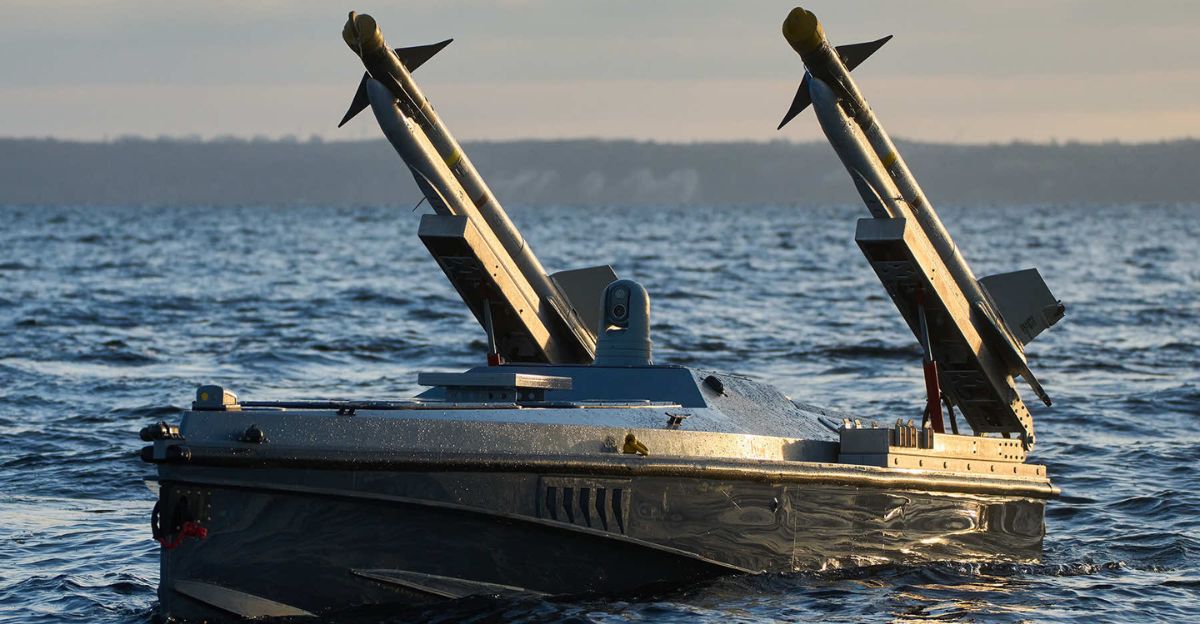
Operators work from suitcase-sized consoles with joysticks, screens, and safety switches. The commander, call sign “13th,” describes constant adaptation and a high mission tempo. The unit has compiled a massive archive of video and sensor data from missions, now feeding AI systems for new drone generations.
This operational knowledge strengthens Ukraine’s tactical edge while enabling autonomous targeting development for future operations.
Moscow’s Response
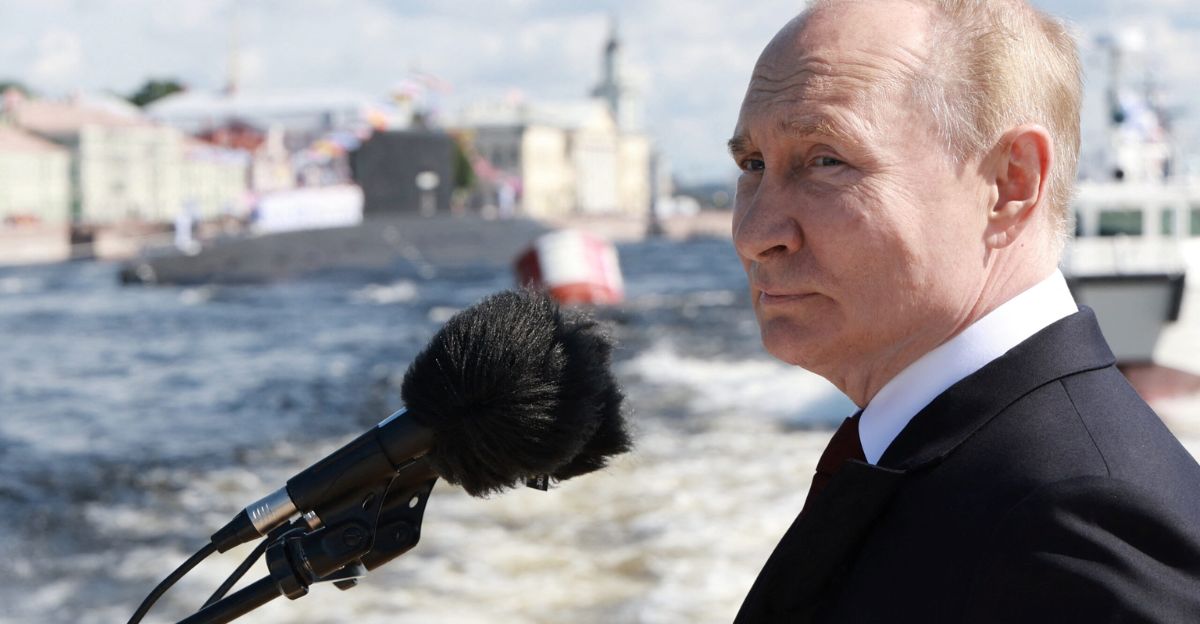
Russia condemns drone strikes on tankers as “piracy.” President Putin threatened to limit Ukraine’s access to the Black Sea and has strengthened port defenses in Crimea and along the Caucasus coast.
Despite these measures, most Russian warships remain close to port, signaling a major limitation in operational freedom. The fleet’s retreat highlights the effectiveness of Ukraine’s unmanned maritime campaign.
Economic Pressure on Russia
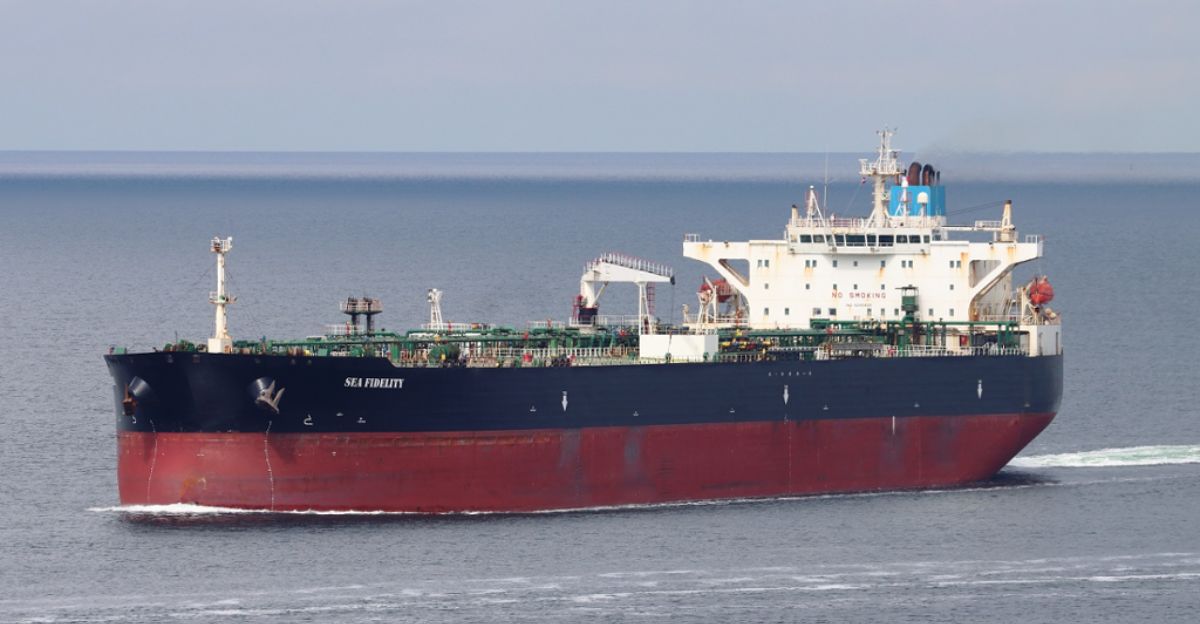
Targeting shadow-fleet tankers reduces Moscow’s oil revenues, which finance the war effort. Each disabled vessel represents tens of millions of dollars in ship and cargo value.
Coupled with rising insurance costs and operational disruptions, these attacks erode Russia’s net export income over time, constraining its fiscal flexibility and war budget.
Safety and Seafarer Stress
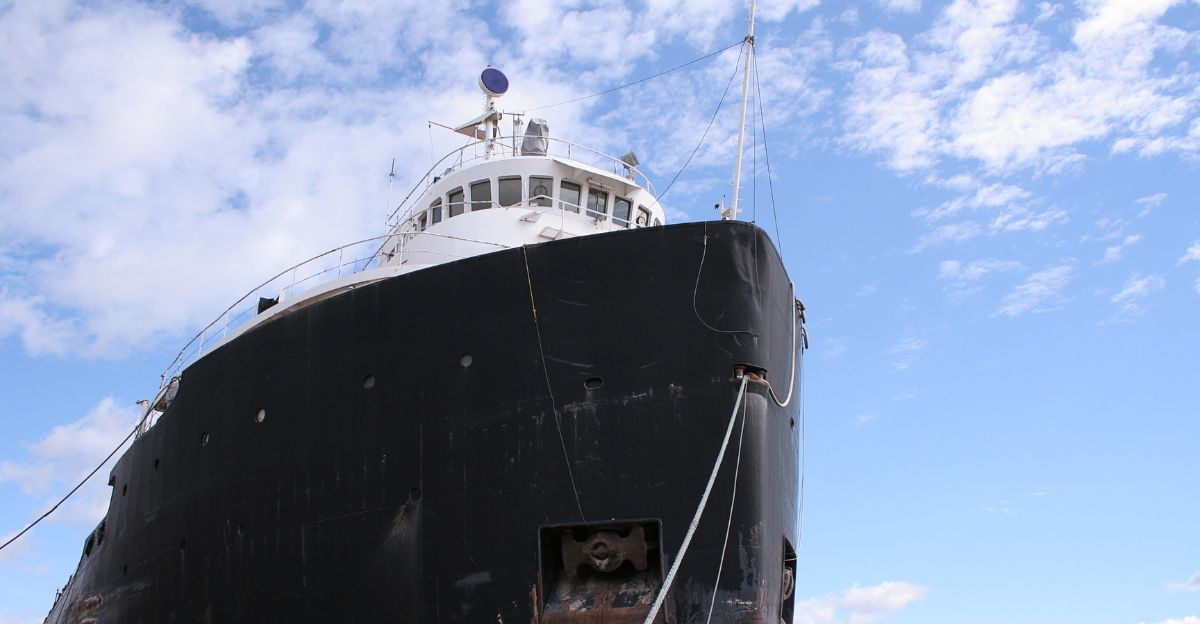
Mariners face elevated danger near Ukraine or Russian ports due to explosive drones. Reports indicate ships travel at full speed with transponders off to avoid detection, increasing collision risks.
Crews must navigate traditional hazards alongside drone threats, adding stress and complicating voyage planning in a tense and congested maritime theater.
Environmental Considerations

Drone strikes raise concerns over oil spills. While no major pollution events have occurred, repeated attacks on tankers in narrow corridors could threaten fisheries, coastal tourism, and marine ecosystems in Ukraine, Russia, Turkey, and the wider Black Sea region.
Authorities monitor each incident closely to mitigate potential environmental consequences.
Changing Naval Warfare
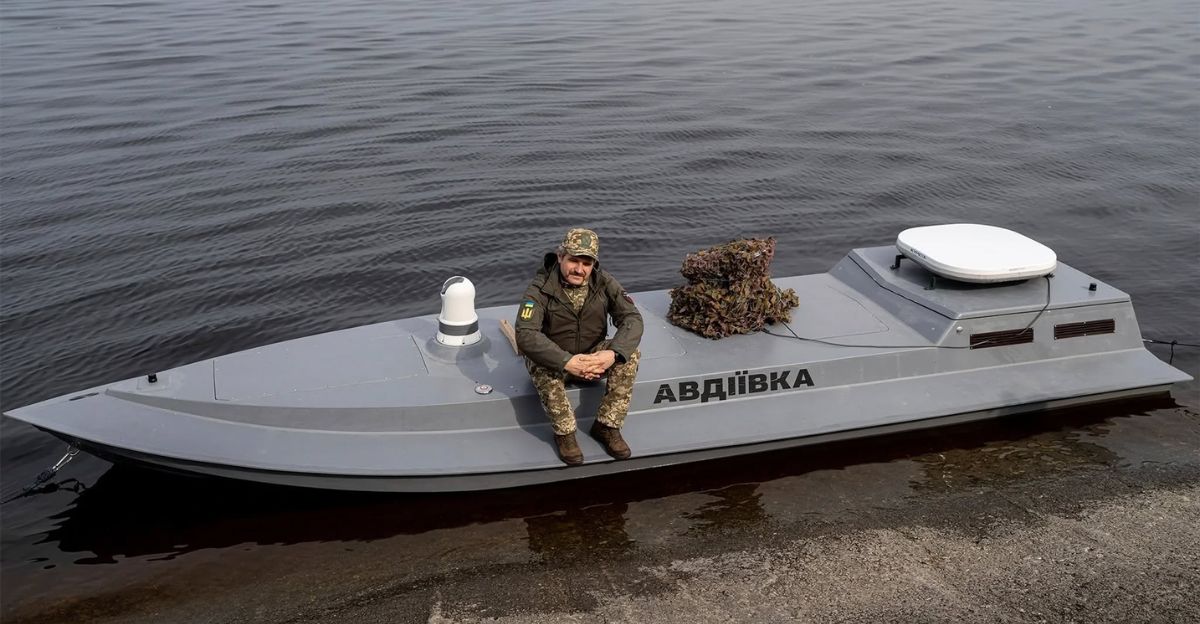
Ukraine’s use of drones illustrates how inexpensive unmanned systems can limit a conventional fleet. Analysts note the Black Sea has become a case study for asymmetric naval warfare.
Countries and defense industries are observing closely, exploring similar capabilities to counter larger navies. Ukraine’s operations highlight a shift toward technology-driven deterrence strategies.
Defense Industry Impacts
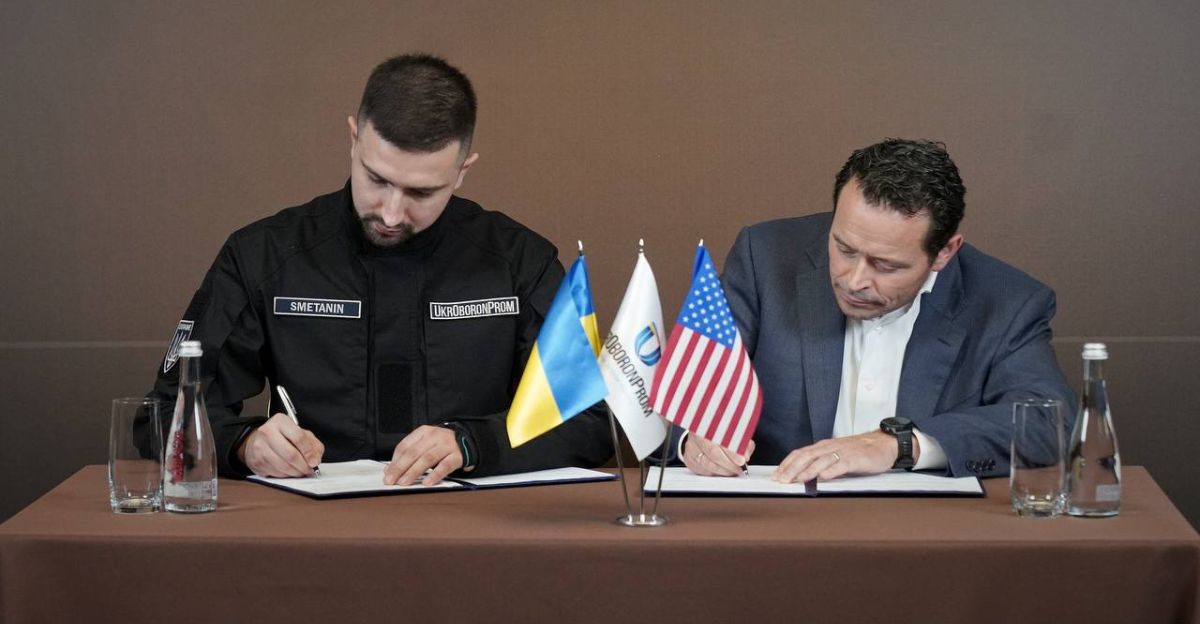
Ukraine’s state-owned Ukroboronprom and partners such as U.S.-based LeVanta Tech benefit from the growing demand for maritime drones. Cooperation with Greece includes joint UAV development, training, and intelligence-sharing.
Ukraine also seeks NATO co-production, expanding the market for AI-enabled sea drones and surveillance technologies, positioning the country as a regional innovator in unmanned naval warfare.
Future Operations
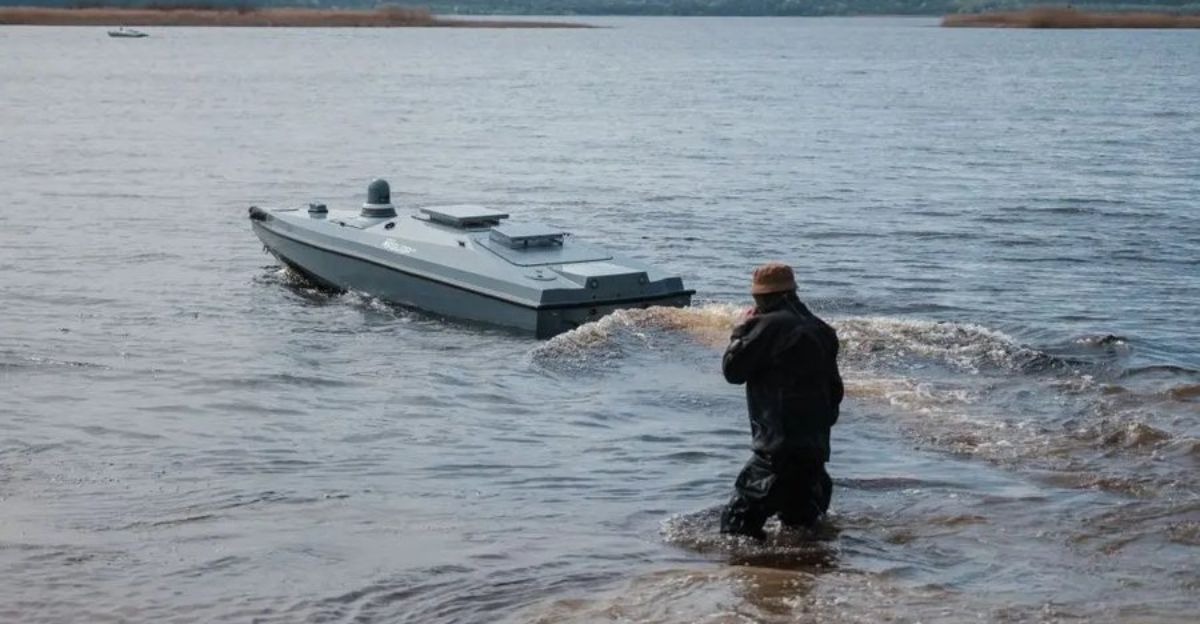
Ukraine plans more complex 2026 missions with longer-range, AI-assisted Magura and Sea Baby drones, including possible submersible variants. AI will enhance target identification and autonomy while differentiating civilian from military vessels.
NATO partnerships will support production and training. Russian adaptation will test Ukraine’s evolving strategies, positioning the Black Sea as a proving ground for next-generation maritime warfare.
Breakthroughs and Strategic Impact
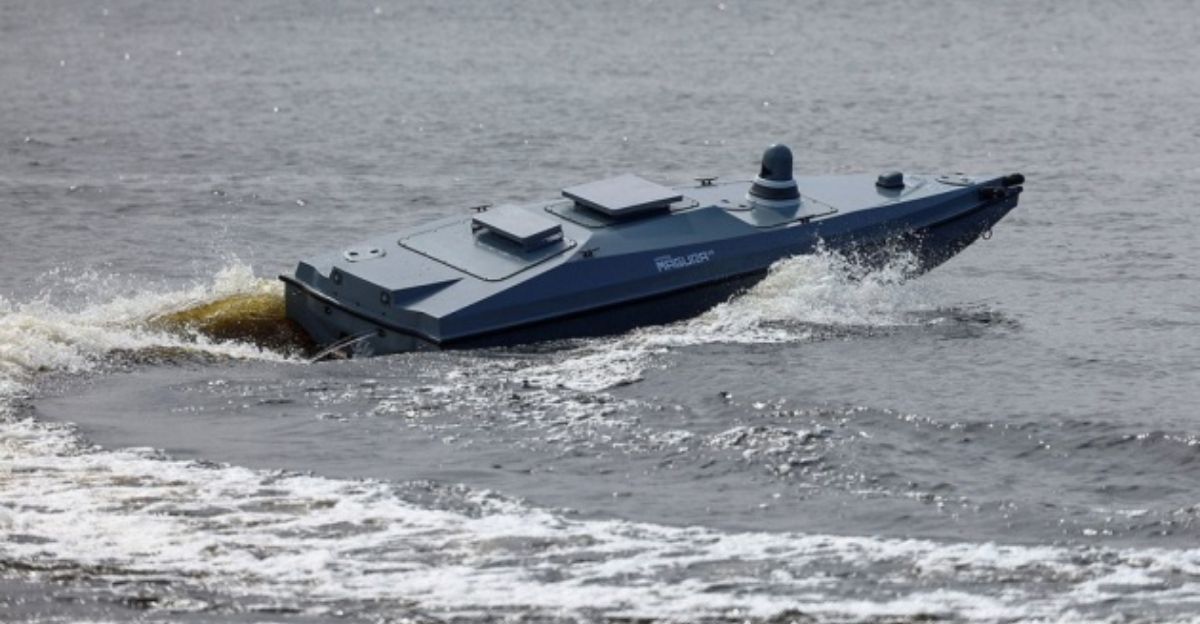
In May 2025, a Magura drone reportedly shot down a Russian fighter jet, marking the first known maritime-to-air engagement by an unmanned system.
This underscores the operational versatility of Ukraine’s drone program. Russian naval retreat, financial strain from targeted tankers, and the integration of AI-enabled systems indicate a new era of asymmetric naval warfare, with small drones redefining strategic balance in the Black Sea.
Sources:
Dawn (via Reuters) – multiple Reuters wire pieces rehosted by Dawn on:
- Black Sea shipping risks and war-risk insurance
- Attacks on Russia’s “shadow fleet” and terminals at Novorossiysk and Tuapse
- Kremlin reaction and “piracy” accusations
(Each is a Reuters news report; your text does not give the exact headlines.)
- Kyiv Independent – several investigative and news articles on:
- Economic pressure on Russia’s oil revenues
- Ukraine’s campaign against Russia’s “shadow fleet” (Dashan, Kairos, Virat)