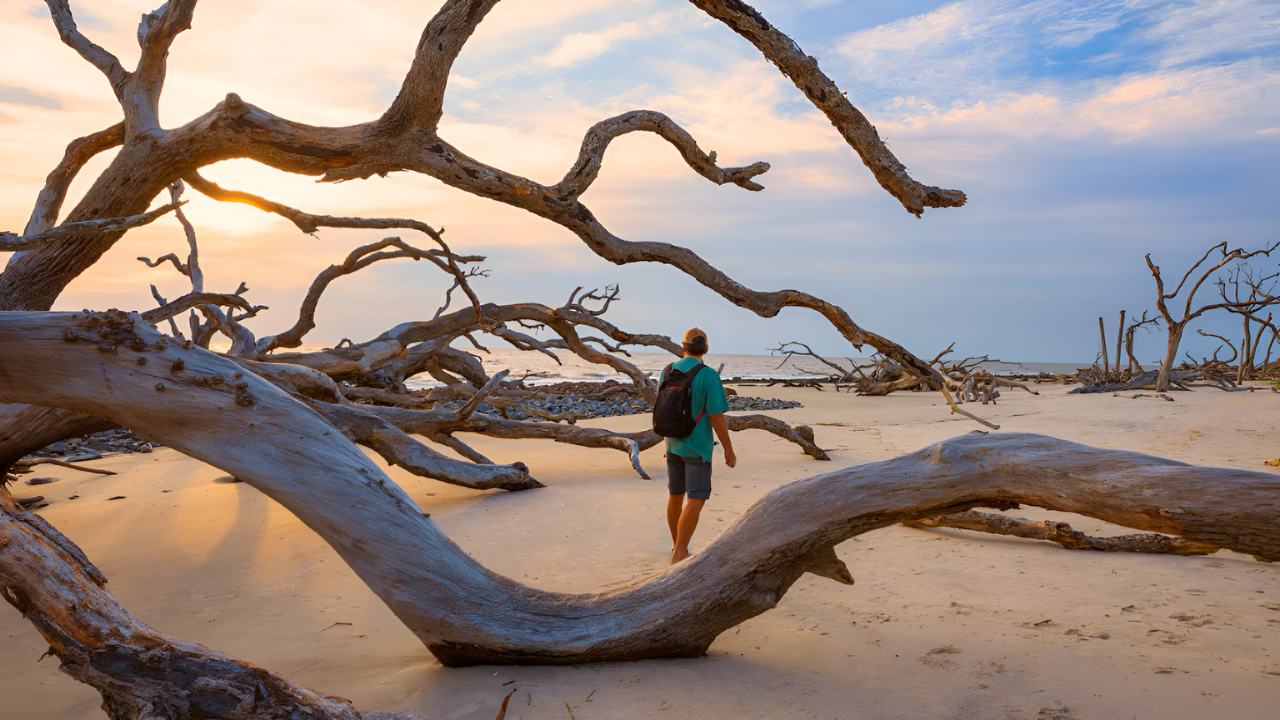
By 2100, over half of America’s sandy beaches could vanish, with dire consequences for the nation’s coastline. From California’s Pacific shores to Florida’s Atlantic beaches, the Surfrider Foundation’s new research reveals the scale of this looming crisis.
Experts are sounding the alarm on how climate-induced sea-level rise, stronger storms, and coastal erosion are transforming the American landscape.
With nearly 40% of the U.S. population living in coastal areas, millions could soon face the loss of not just their beloved beaches but also property value and vital natural storm defenses. The situation calls for immediate action—before it’s too late. What can be done to slow this alarming trend?
The Acceleration Factor
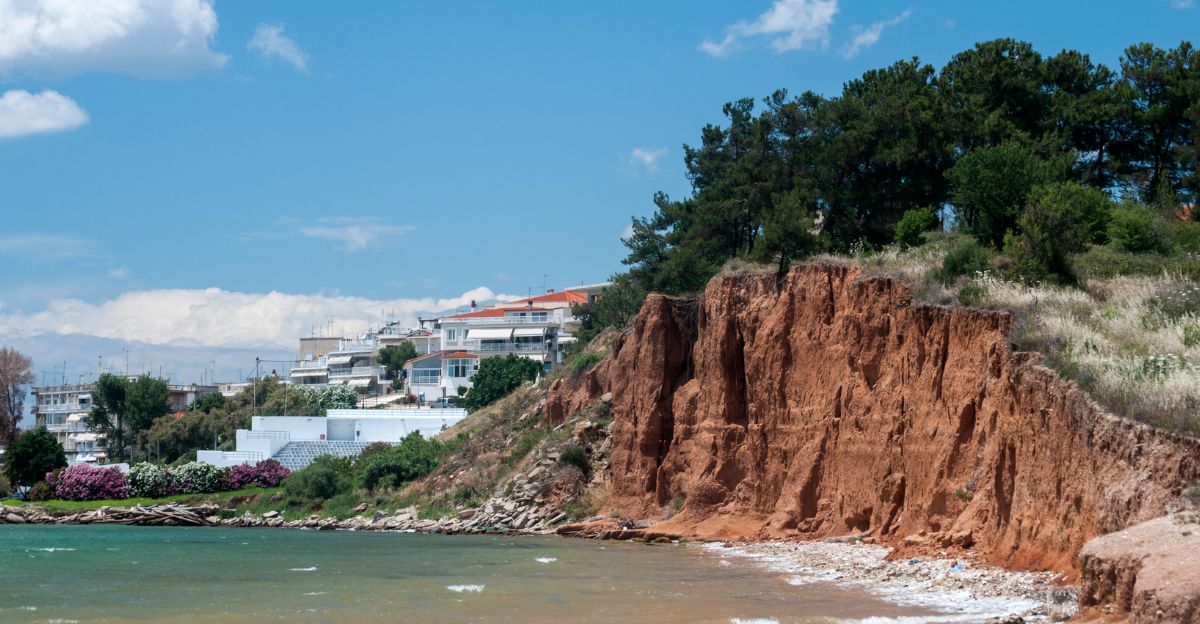
Erosion of sandy beaches is a natural coastal process, but climate change has dramatically intensified its pace. Sea levels are rising faster than historical records show, with projections suggesting the U.S. coastline could experience significant inundation by 2100.
Extreme weather events are becoming more frequent and severe, driving greater storm surge and wave action against the 95,000 miles of U.S. coastline.
Simultaneously, private coastal development continues to encroach on eroding beaches, creating what experts call “coastal squeeze”—a phenomenon that traps communities between rising waters and built infrastructure.
Regional Hotspots Emerge
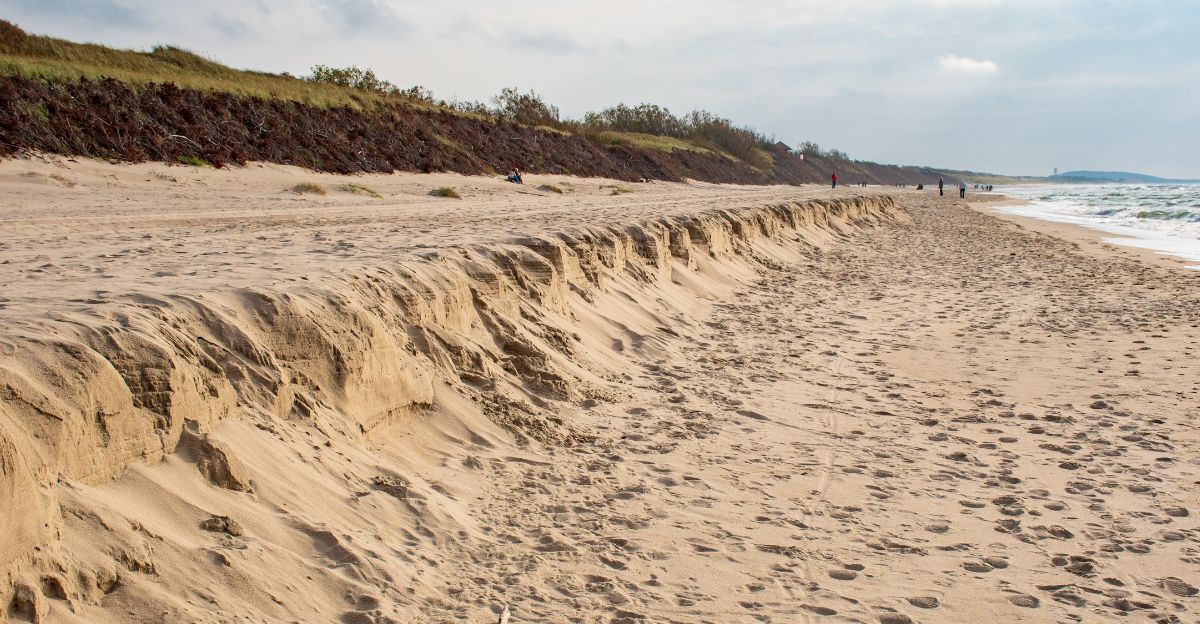
California stands at the epicenter of America’s beach crisis. The state is projected to lose up to 70 percent of its sandy coastline by 2100—far exceeding the national average.
Hawaii’s North Shore has already become a crisis zone, with nearly one-third of all residential properties now sitting within 20 feet of the ocean.
This proximity has led state officials to classify entire neighborhoods as “imminently threatened.” Florida, Louisiana, and other Gulf Coast states face compounding threats from sea level rise, subsiding land, and intensifying hurricanes. No coastal region remains untouched by this accelerating crisis.
The Toxic Complication
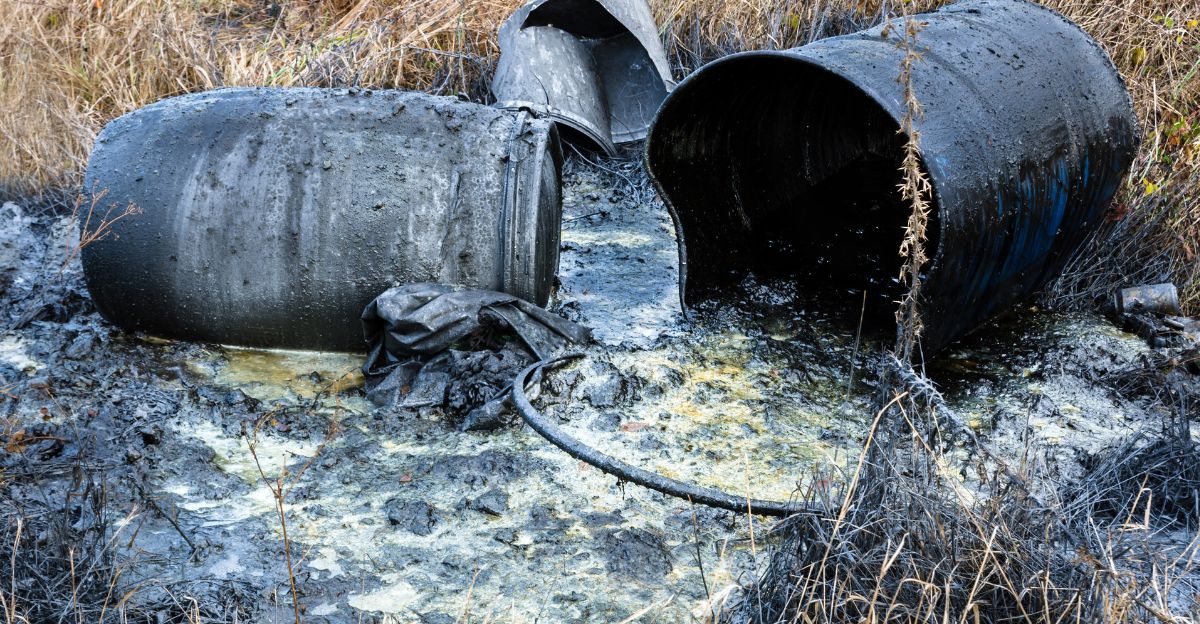
Beyond beaches, coastal erosion and sea level rise pose a hidden catastrophe: flooding at toxic industrial sites. A 2024 study published in Nature found that more than 5,500 hazardous facilities across the U.S.—including oil refineries, sewage treatment plants, and chemical storage sites—will face a 1-in-100-year flood risk by 2100.
At least 3,800 of these sites are projected to flood by 2050. Seven states account for nearly 80 percent of at-risk hazardous sites: Florida, New Jersey, California, Louisiana, New York, Massachusetts, and Texas.
Low-income communities and communities of color are disproportionately exposed to these compounding environmental hazards.
The Central Crisis: Half of America’s Beaches Disappearing
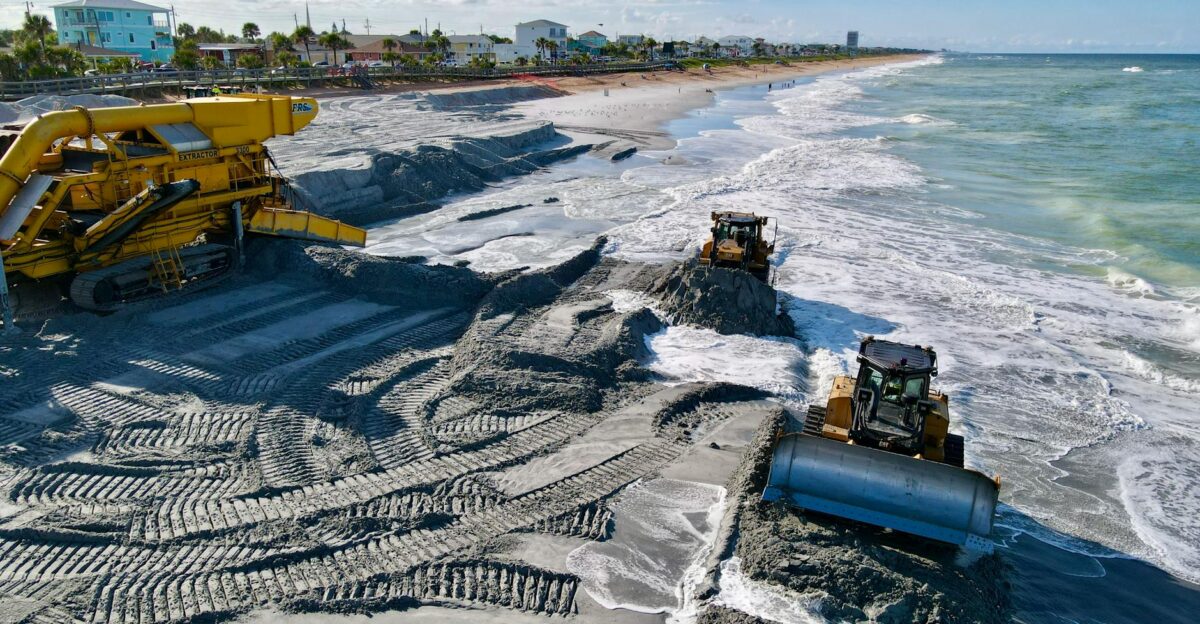
The core finding is stark and unambiguous: more than 50% of America’s sandy beaches will be completely lost by 2100 due to sea level rise driven by climate change alone. This projection represents one of the most severe beach disappearance crises globally.
The Surfrider Foundation’s 2025 State of the Beach Report synthesizes decades of coastal research to deliver this urgent warning.
Specific beaches already rank among the most threatened—Driftwood Beach in Georgia ranks ninth on the list of most at-risk U.S. beaches, with over 100 meters of coastline projected to disappear by 2100.
Hawaii’s Imminent Crisis
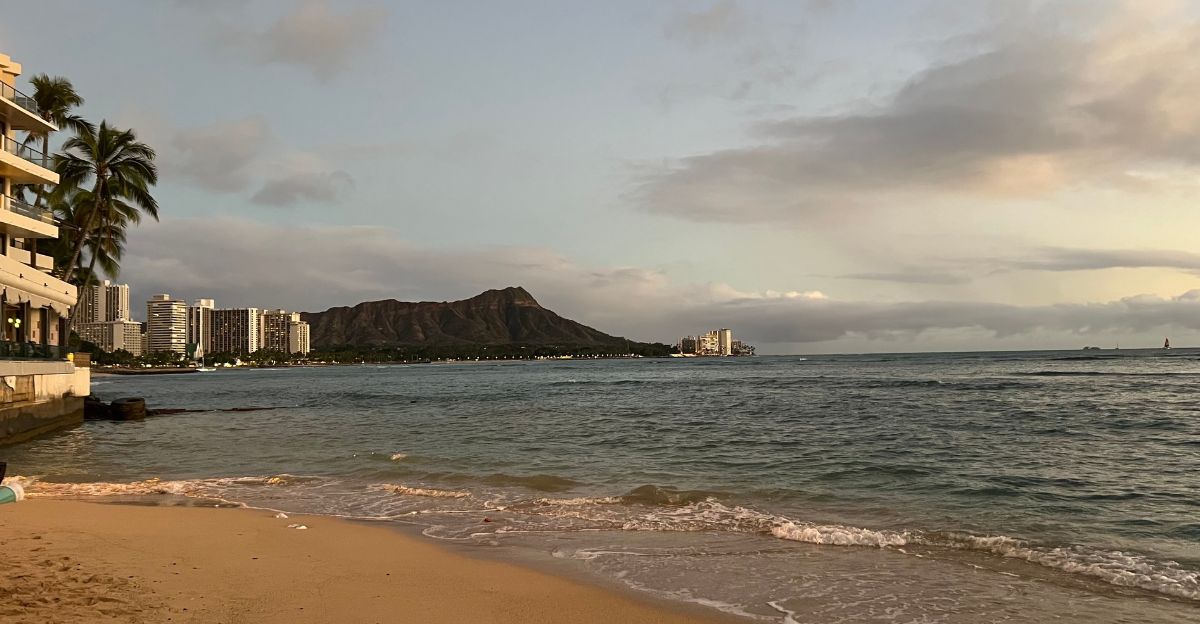
Hawaii faces the nation’s most acute beach crisis. Research from the University of Hawaii’s Coastal Research Collaborative projects that 81% of O’ahu’s coastline could experience erosion by 2100. Multiple residential properties have already collapsed onto public beaches in recent years.
The state has officially classified approximately one-third of North Shore beachfront properties—potentially hundreds of homes—as “imminently threatened,” with structures sitting just 20 feet or less from the shoreline.
Residents report witnessing their neighbors’ homes literally fall into the ocean as erosion accelerates, a preview of what experts fear will become a common sight on the mainland.
California’s Unraveling Coastline
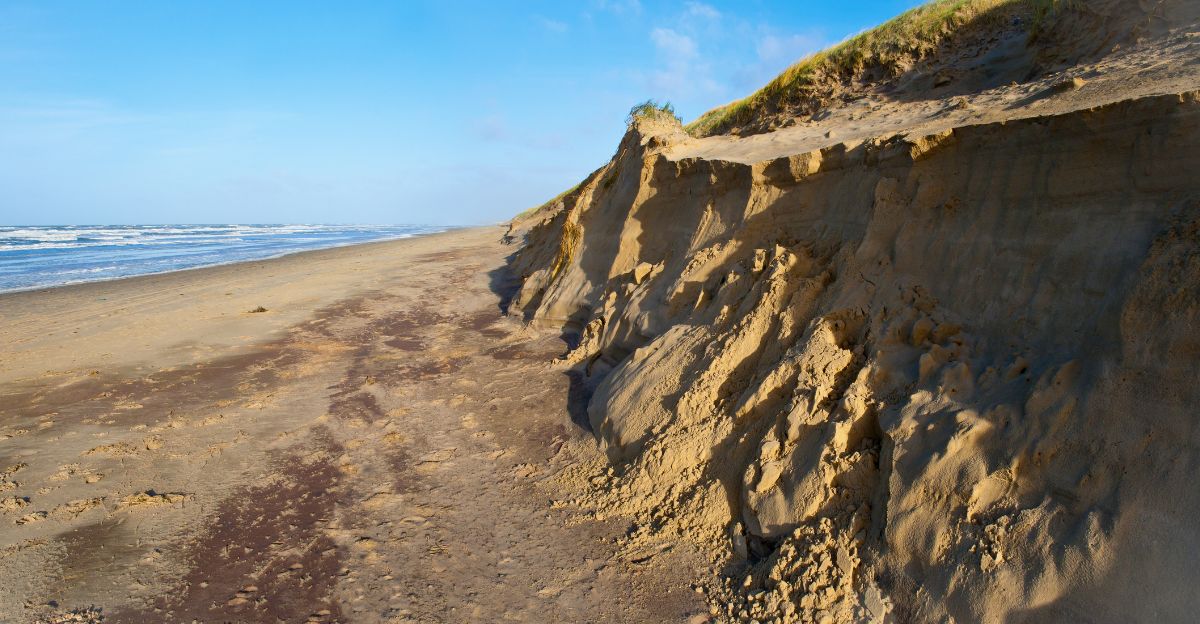
California’s 70% projected beach loss represents the most severe state-level crisis in the nation. If unchecked, nearly 600 miles of the state’s iconic coastline could effectively vanish. Beaches like Malibu and Huntington Beach are experiencing chronic erosion that threatens both public access and private property.
Surfrider’s Climate Action Program has documented erosion rates that exceed historical averages, driven by intensified winter storms and persistent sea level rise.
The economic implications are staggering: billions of dollars in property value, tourism revenue, and coastal infrastructure are at stake. Communities from the Bay Area to San Diego are beginning to implement managed retreat strategies to relocate vulnerable structures.
The Regulatory Response Falters

Despite the scale of the crisis, federal leadership on coastal resilience has been inconsistent. Proposed offshore drilling plans threaten to accelerate climate change and worsen coastal hazards. At the same time, federal funding for beach restoration and erosion control projects has often failed to keep pace with the “epochal shift” occurring along the coasts.
States like Oregon have implemented comprehensive policy changes to protect iconic beaches, while Hawaii and California are pioneering managed retreat frameworks.
However, no unified national strategy exists to coordinate adaptation across state lines or to support the estimated 65 million Americans living in coastal zones who face potential displacement.
Nature-Based Solutions Gain Ground
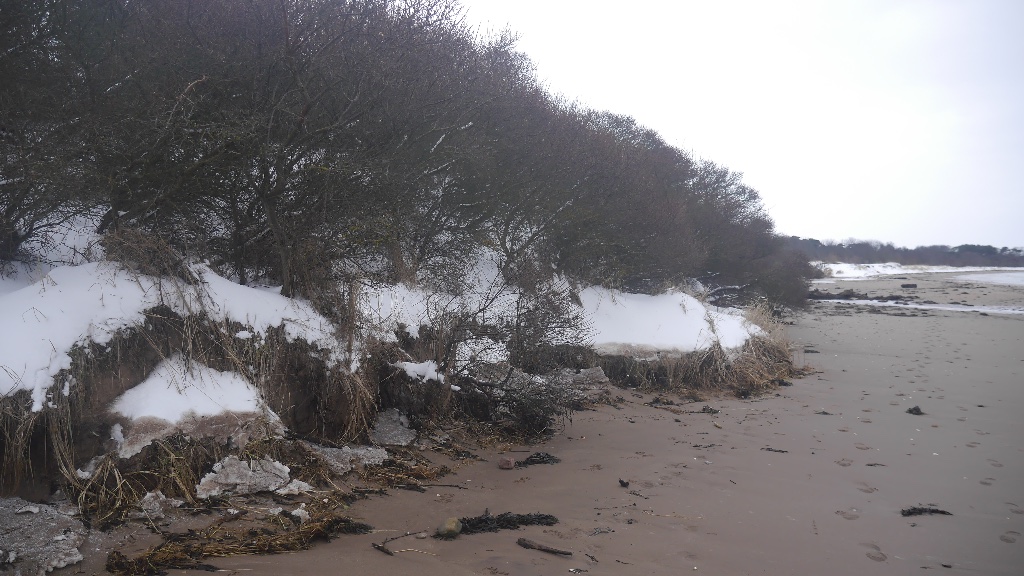
In the absence of robust federal action, coastal communities are pioneering innovative, nature-based solutions. Surfrider’s Climate Action Program has mobilized over 2,000 volunteers in its first year, planting more than 55,000 native plants, removing 10,000 pounds of invasive species, and restoring 20 acres of coastal habitat.
Projects like the Ecola Creek erosion mitigation initiative in Cannon Beach, Oregon, demonstrate that driftwood installations and living shorelines are often more cost-effective and effective than concrete seawalls.
These localized efforts prove that resilience is achievable—but only with sustained community engagement and funding.
The Equity Crisis: Marginalized Communities Bear the Burden
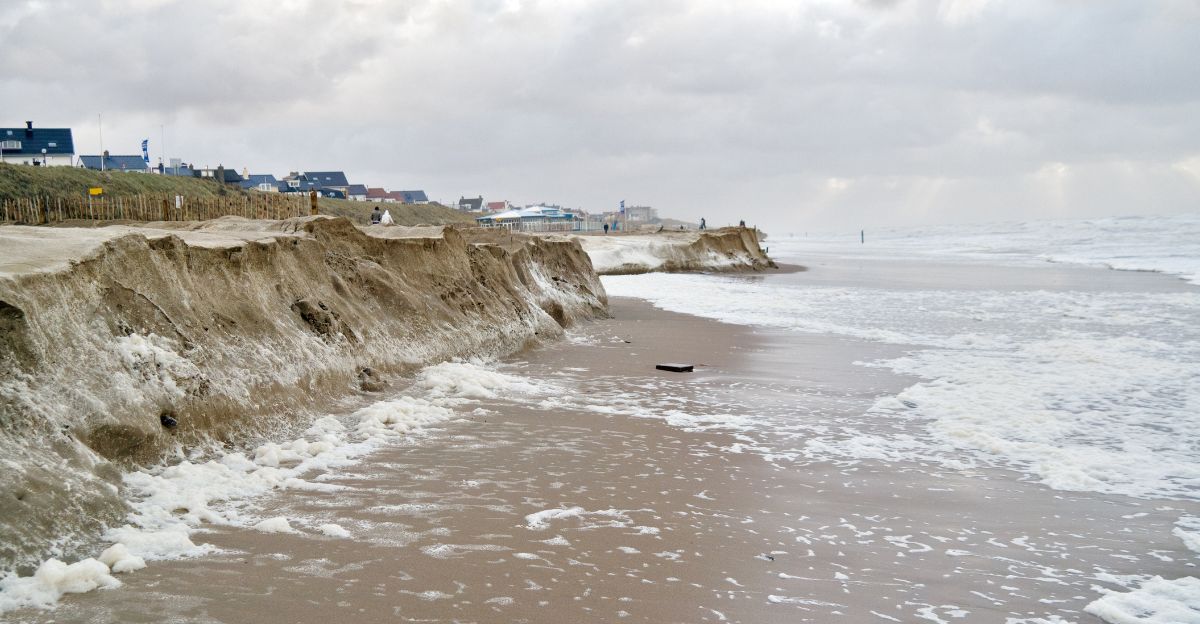
A critical secondary consequence of America’s beach crisis is environmental injustice. Research shows that low-income neighborhoods and communities of color are significantly more likely to live near at-risk coastal hazards.
In the Gulf Coast region—particularly Louisiana and Texas—petrochemical industries concentrate in low-lying areas inhabited by marginalized communities, creating a “double squeeze” of erosion and toxic contamination.
By 2050, the Gulf Coast is expected to face significant sea level rise projections. These communities often lack resources for managed retreat, property buyouts, or relocation assistance. The beach crisis is fundamentally a crisis of inequality.
Managed Retreat: The Difficult Conversation
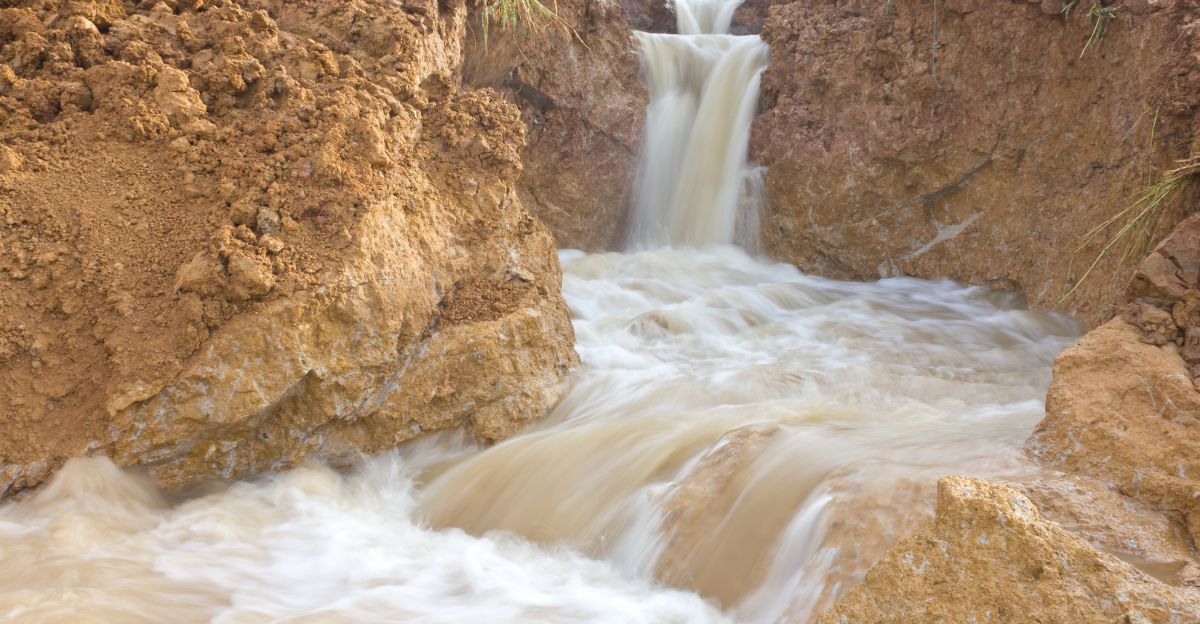
Coastal communities face an uncomfortable reality: some beaches and properties cannot be saved. Managed retreat—the deliberate relocation of vulnerable structures and populations away from eroding shorelines—is emerging as the most realistic long-term strategy for addressing coastal erosion.
Surfrider’s flagship managed retreat project at Surfers’ Point in Ventura, California, has become a national model. However, implementation remains fraught with political and financial obstacles. Property owners resist abandoning homes and land, despite the risk of total value loss.
Hawaii’s state government has acknowledged the need for retreat but struggles to develop mechanisms that fairly compensate affected residents while protecting public trust resources.
Community Resistance and Stakeholder Conflict
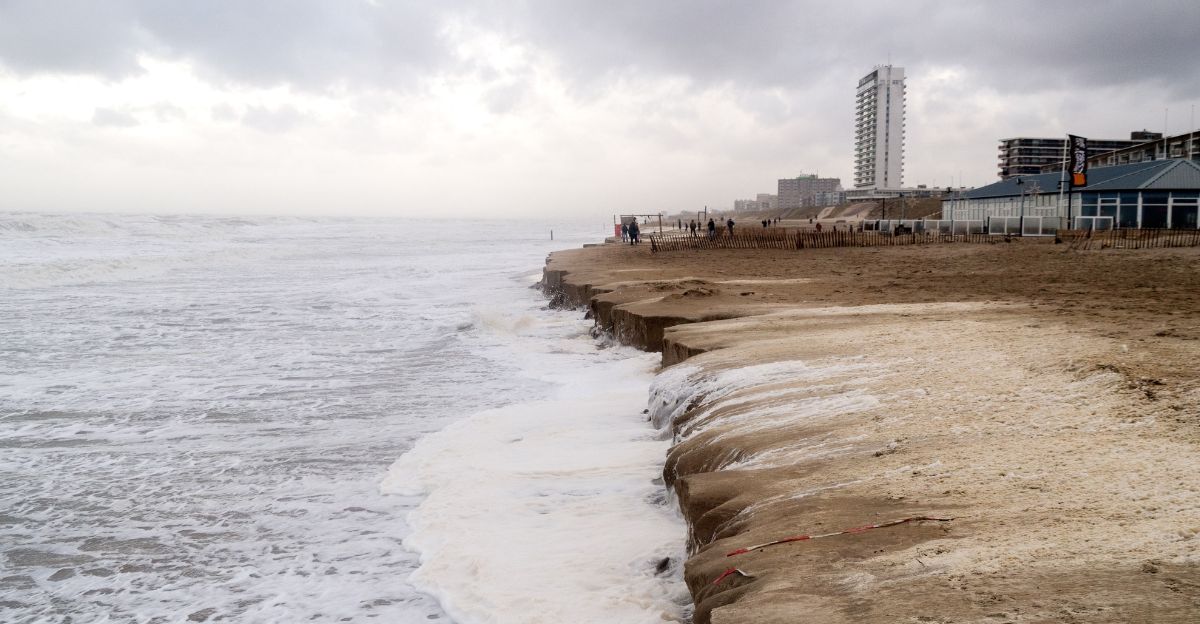
Implementing managed retreat has sparked fierce community resistance. Property owners argue that retreat policies unfairly penalize them for climate risks created by global emissions.
Homeowners on Hawaii’s North Shore and California’s coast report feeling abandoned by the government and frustrated by the prospect of losing multi-million-dollar properties. Local governments face pressure from both sides: residents demanding protection and scientists warning that protection is futile.
The tension between individual property rights and collective coastal resilience remains unresolved, delaying critical adaptation efforts.
Adaptation Pathways and Policy Innovation
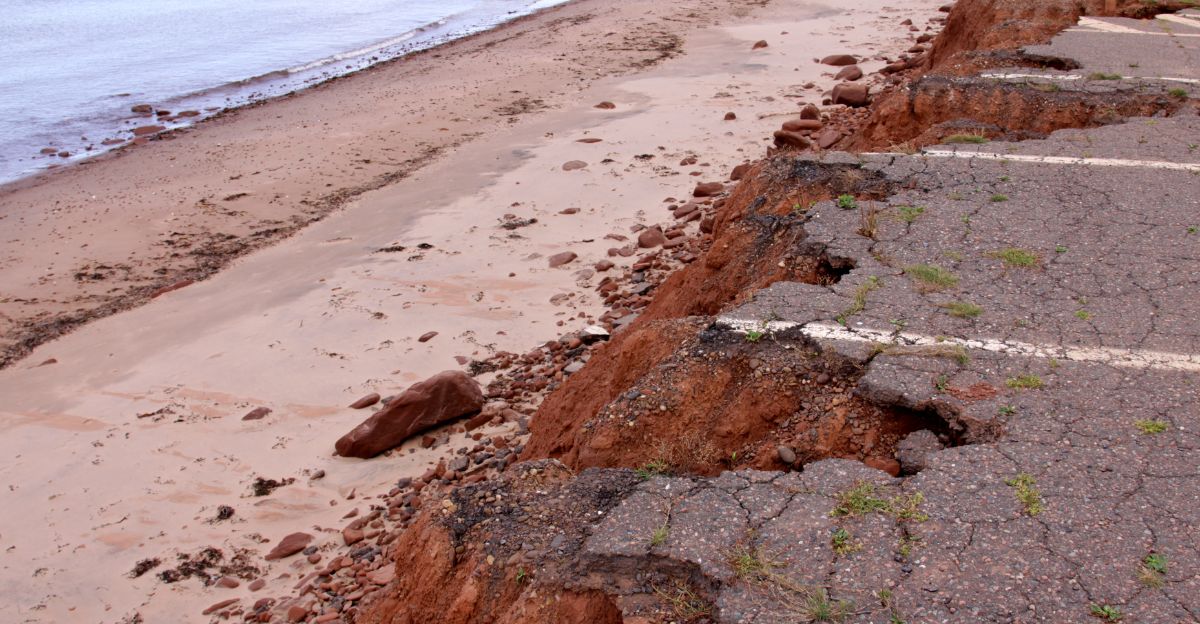
Leading coastal states are transitioning from reactive crisis management to proactive adaptation planning. Hawaii’s Climate Change Mitigation Commission and Office of Conservation and Coastal Lands are collaborating with researchers to develop “trigger-based adaptation pathways”—predetermined decision points that activate retreat, restoration, or protection strategies based on erosion rates and sea level rise milestones.
Oregon has implemented comprehensive policy reforms protecting iconic beaches while facilitating managed retreat in vulnerable areas. These frameworks recognize that no single solution works everywhere, but coordination across state lines remains inadequate.
Expert Skepticism and Funding Gaps
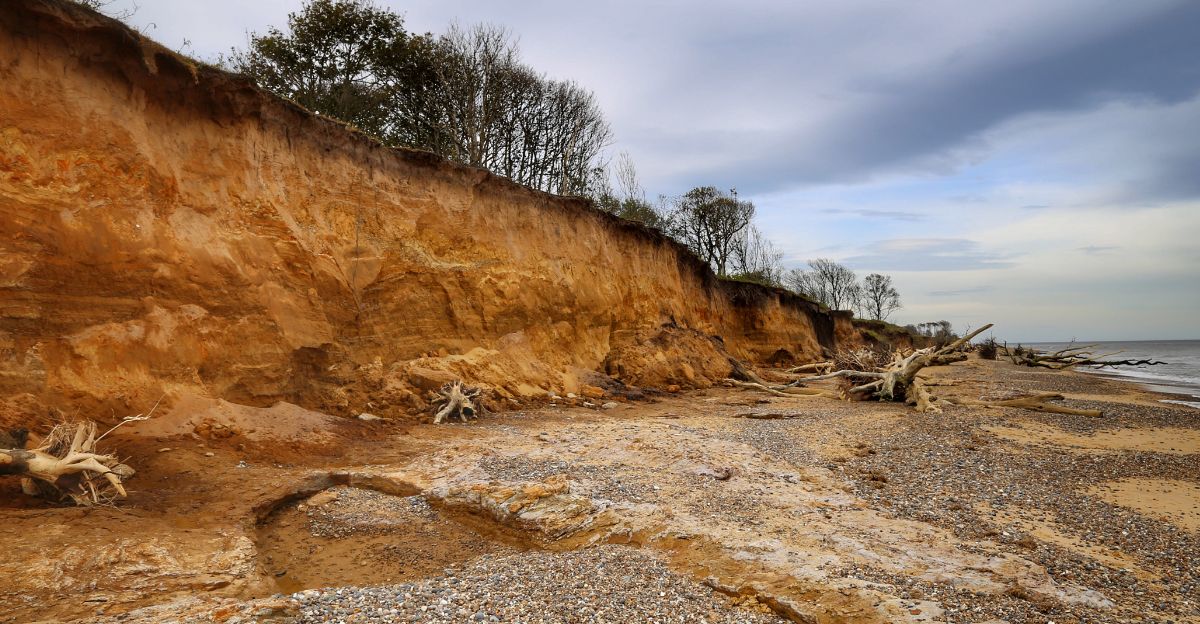
Despite growing awareness, coastal adaptation remains severely underfunded. Researchers at the University of Hawaii note that erosion projections have worsened—their latest models show projections for erosion increasing by 44% compared to previous estimates.
Surfrider Foundation leadership emphasizes that federal support is declining precisely when it’s most needed.
Experts express skepticism that communities can adapt quickly enough without massive federal investment. The gap between the scale of the crisis and the response continues to widen, threatening to displace millions.
The Question Before Us
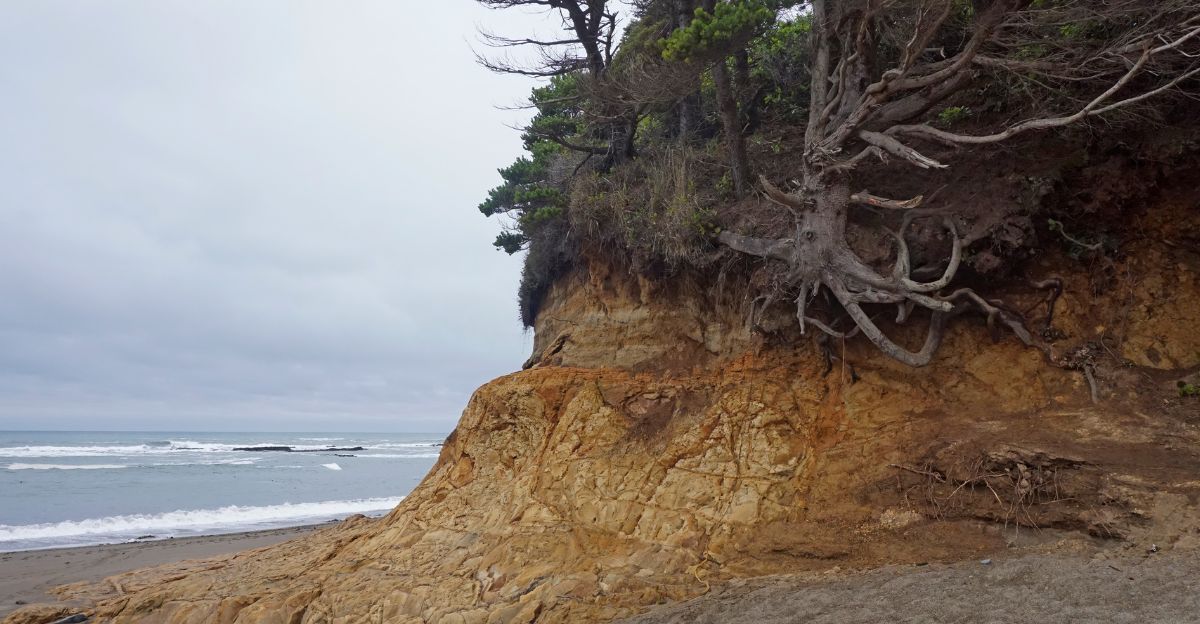
The science is unambiguous: more than half of America’s sandy beaches will disappear by 2100 unless emissions are dramatically reduced and adaptation accelerates. The question is no longer whether beaches will be lost, but how quickly, and whether communities will shape that transition or be overwhelmed by it.
Will federal leadership emerge to fund managed retreat and support displaced residents? Or will America’s iconic shorelines vanish while policymakers debate? The Surfrider Foundation’s 2025 State of the Beach Report offers a glimmer of hope: local communities are already leading, restoring habitats, and pioneering resilience strategies.
But as Emma Haydocy warns, the issue is “urgent and imminent.” The next decade will determine whether America’s beaches survive in recognizable form.
Sources:
Surfrider Foundation 2025 State of the Beach Report
ABC News December 2025 coverage
Federal Fifth National Climate Assessment
Surfrider Foundation North Shore O’ahu Campaign
UCLA/Nature Dec 2024 hazardous sites study
University of Hawaii Scientific Reports April 2025