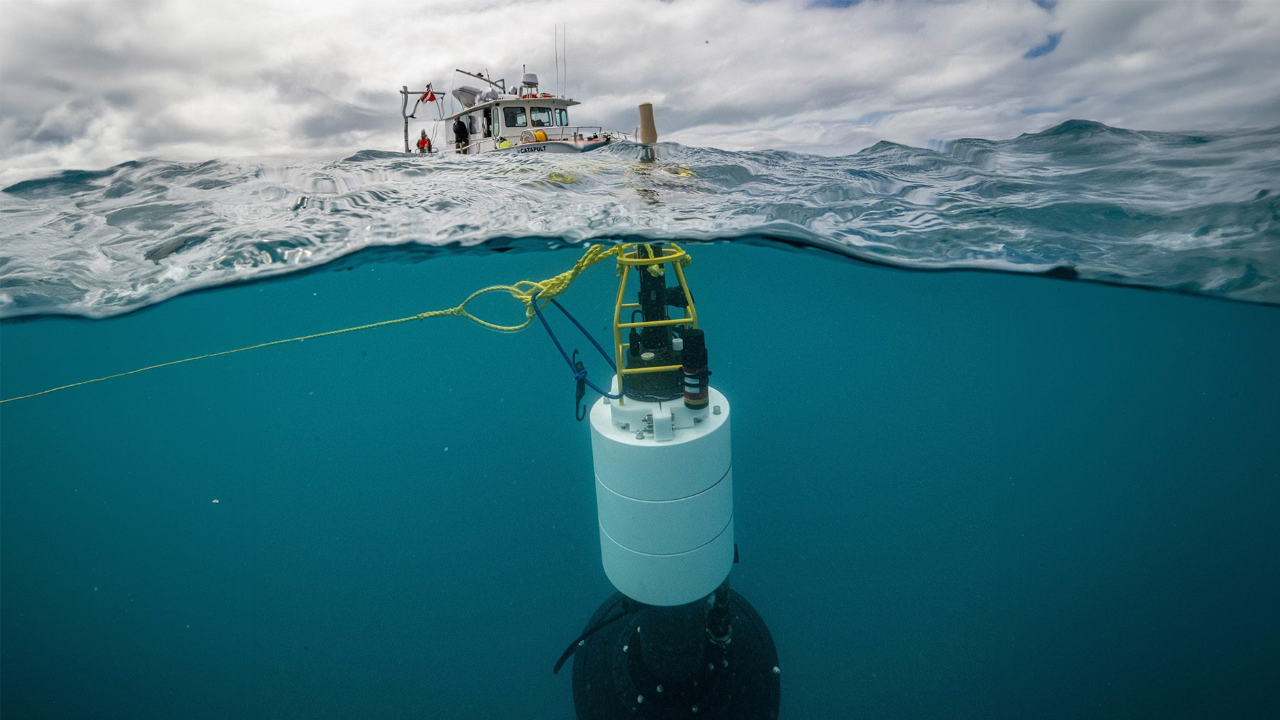
Beneath the surface of our oceans lies a vast ecosystem so poorly understood that scientists estimate thousands of species remain undiscovered. The mesopelagic twilight zone—occupying roughly 60 percent of Earth’s ocean surface and comprising approximately 20 percent of total ocean volume—faces an unprecedented convergence of threats that could fundamentally reshape marine life and global climate systems.
Recent fossil evidence has revealed a sobering historical precedent. Lanternfish, small bioluminescent deep-sea organisms that may represent the most abundant vertebrates on Earth by weight with an estimated global biomass of 600 million tons, virtually disappeared during past periods of extreme oxygen depletion. These fish only reappeared in large numbers approximately 6,000 years ago when oxygen levels recovered. This ancient history demonstrates the extreme vulnerability of mesopelagic ecosystems to oxygen loss and serves as a warning for what could unfold today.
The Twilight Zone’s Invisible Climate Engine
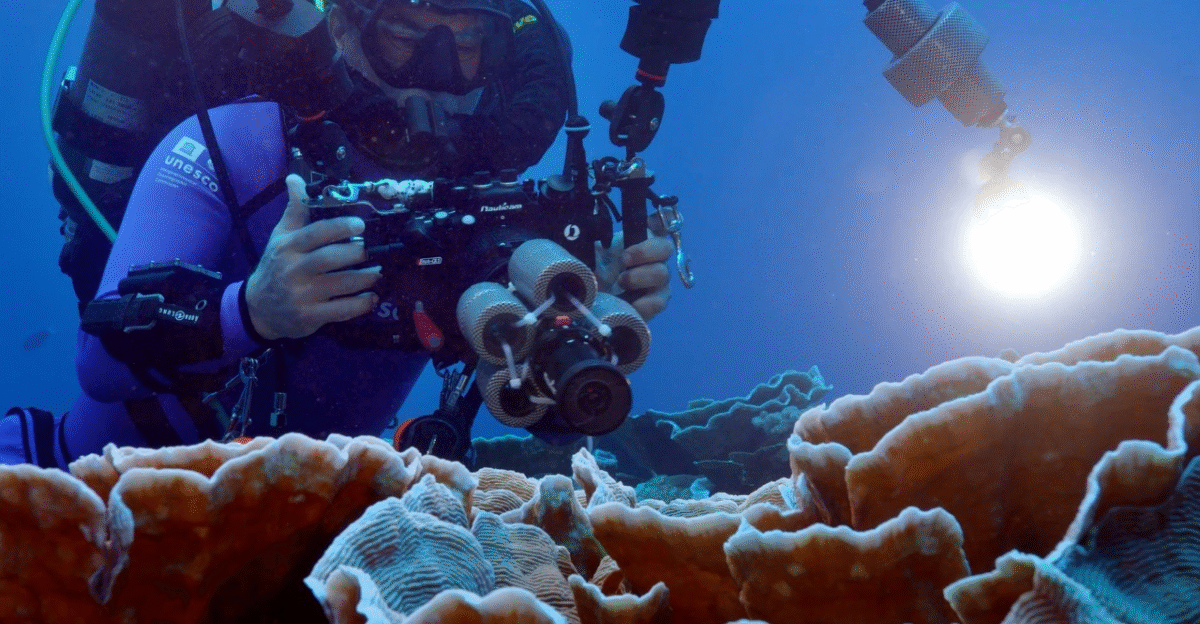
Every night, millions of organisms from the twilight zone migrate toward the surface to feed, creating one of the largest animal migrations on Earth. This daily vertical movement plays a crucial role in climate regulation and marine food webs through a process called biological carbon sequestration. The twilight zone transports between 2 and 6 billion metric tons of carbon annually from the surface ocean into the deep sea—a service valued at approximately 300 to 900 billion dollars annually. Without this carbon transport function, atmospheric carbon dioxide levels could be 200 parts per million higher than they are today.
Oxygen Depletion Accelerates
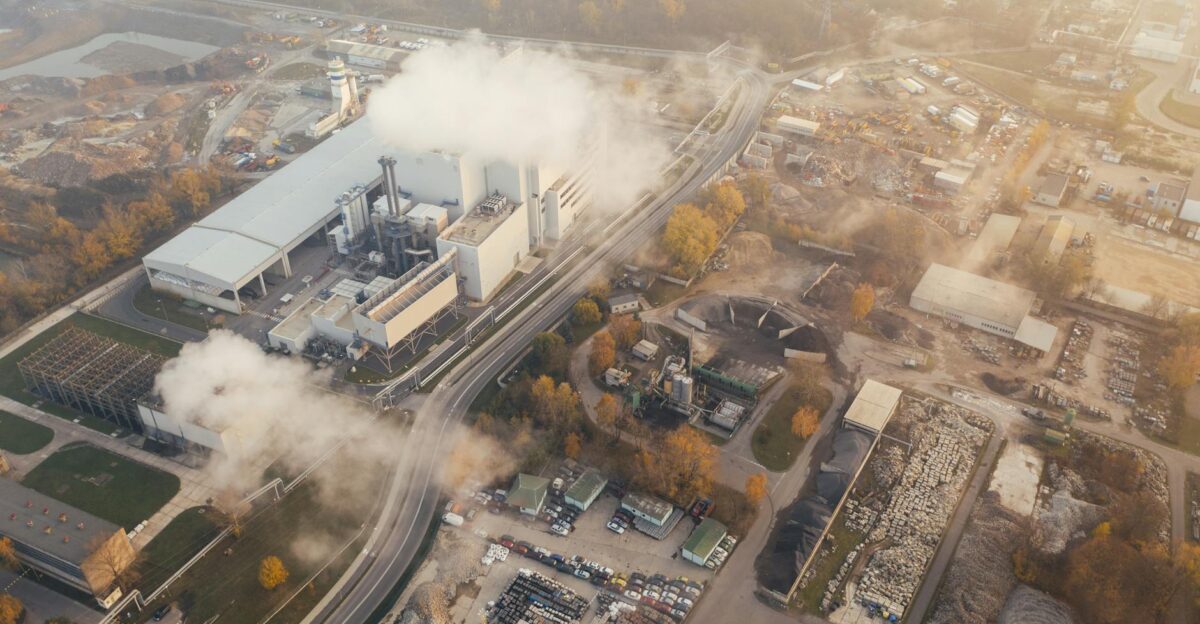
Global ocean oxygen levels have declined by approximately 2 percent since the 1960s, with the rate of decline accelerating in recent decades. Scientists project oxygen levels could drop another 3 to 4 percent by 2100 if greenhouse gas emissions continue at current rates. Climate change intensifies oxygen loss through two mechanisms: warming reduces water’s oxygen-holding capacity, while increased stratification prevents oxygen-rich surface waters from mixing with deeper layers, creating deadly oxygen-minimum zones throughout the mesopelagic region.
Research from the California Current ecosystem documents a 63 percent decline in mesopelagic fish abundance during periods of low midwater oxygen compared to high-oxygen periods. During the 2015-2016 marine heatwave, mesopelagic fish deepened their daytime distribution by 42 to 112 meters compared to pre-heatwave conditions. Fish respond to warming by moving into cooler, deeper water where oxygen concentrations remain adequate for survival, forcing species into narrower, less favorable habitat bands and disrupting feeding relationships with surface predators.
Deep-Sea Mining Emerges as New Threat

A groundbreaking November 2024 study published in Nature Communications identifies deep-sea mining as a major emerging threat to twilight zone ecosystems. The Clarion-Clipperton Zone, a 6-million-square-kilometer area in the central Pacific Ocean between Mexico and Hawaii, contains approximately 1.5 million square kilometers of active mining licenses. Mining companies extract polymetallic nodules containing critical minerals such as cobalt, nickel, copper, and manganese, which are used in electric vehicle batteries and electronics.
University of Hawai’i research discovered that mining discharge plumes create water as murky as the mud-filled Mississippi River, disrupting fundamental food webs. The disruption extends far beyond zooplankton directly affected by mining waste. Small shrimp, fish, and other swimming animals feed on zooplankton, and many migrate daily between depths and near-surface waters where they are consumed by fish, seabirds, and marine mammals. This cascading effect has the potential to disrupt entire food webs spanning from microscopic organisms to whales and humans.
Research conducted from 2023 to 2024 revisited a deep-sea mining test site in the Clarion-Clipperton Zone where mining had occurred in 1979. Forty-four years after this initial experiment, biodiversity at the disturbed site remains significantly lower than that in nearby untouched regions. The study demonstrates that deep-sea mining impacts last for decades, likely centuries. With commercial-scale mining potentially operating continuously, ecosystem recovery appears impossible.
International Action and Remaining Gaps

In October 2025, delegates at the IUCN World Conservation Congress in Abu Dhabi adopted Motion 035, calling for precautionary measures to protect mesopelagic ecosystems. The nonbinding motion passed with 713 votes in favor and only 46 against. The recently ratified Biodiversity Beyond National Jurisdiction treaty provides new mechanisms for protecting mesopelagic areas, including environmental impact assessments and area-based protections that could restrict mining and fishing activities.
Yet critical knowledge gaps remain. Current scientific understanding of the mesopelagic zone remains severely incomplete, with thousands of species awaiting discovery. Essential information about ecosystem structure, function, and connectivity remains unknown. Under high-emission scenarios, mesopelagic ecosystems are projected to experience reductions of 20 to 40 percent in biomass by the end of the century, with some models suggesting severe depletion within 150 years. Scientists emphasize that twilight zone protection requires immediate action because ecosystem recovery, if possible, would take centuries to millennia. Every delay in implementing climate mitigation and ecosystem protection accelerates irreversible changes. The international consensus increasingly recognizes the twilight zone as too important for climate regulation, biodiversity, and food security to risk large-scale exploitation.