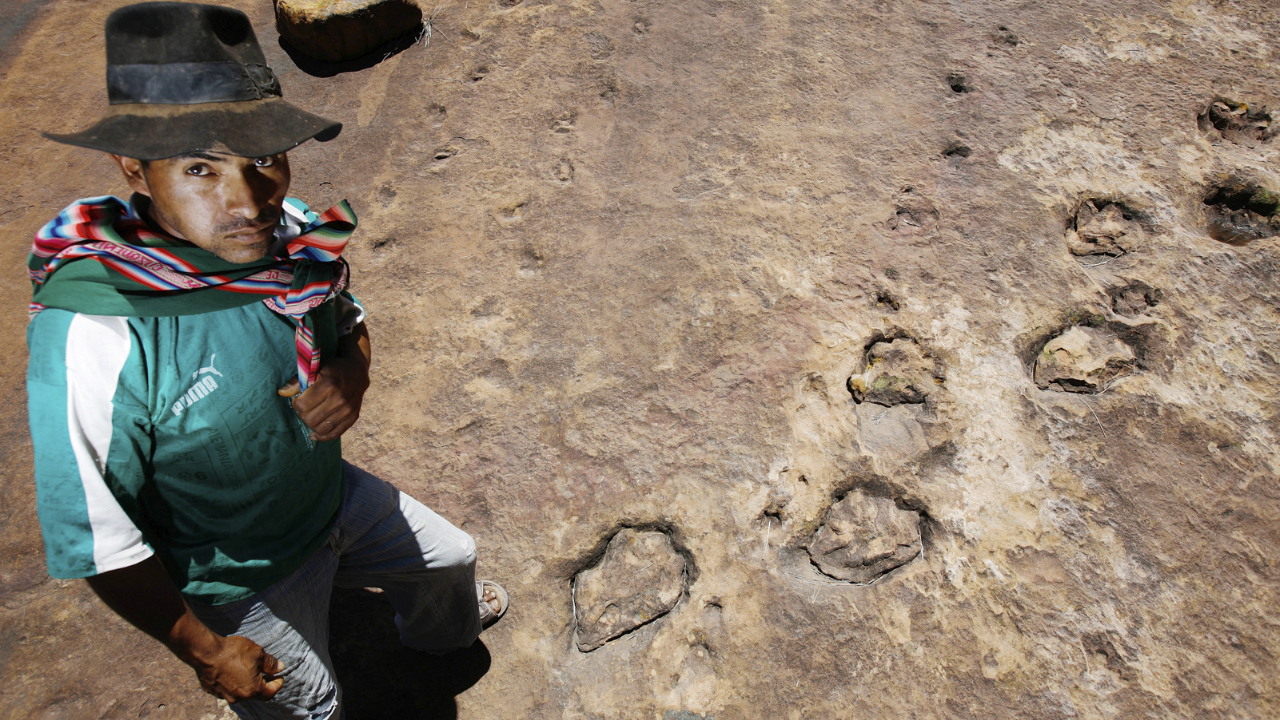
Scientists have documented nearly 18,000 dinosaur footprints at the Carreras Pampa tracksite in Bolivia’s Torotoro National Park, making it the largest dinosaur tracksite ever recorded. The tracks date to roughly 70 million years ago during the Late Cretaceous. Remarkably, the site preserves only footprints—no bones—capturing repeated dinosaur activity across ancient mudflats.
The discovery provides rare behavioral evidence, revealing how dinosaurs moved, congregated, and returned to the same landscape over long periods of time.
Discovery Timeline
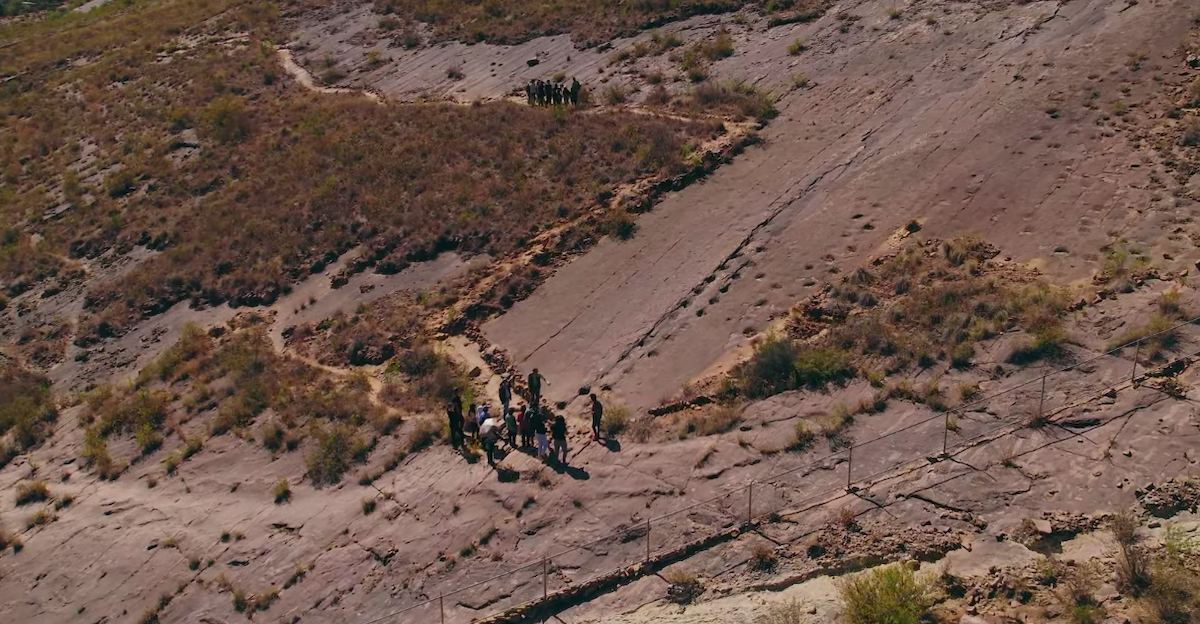
Carreras Pampa had been known locally for years, but comprehensive scientific documentation occurred only recently through systematic mapping and excavation. Researchers cleared sediment layers to expose thousands of overlapping footprints and trackways.
Detailed analysis revealed repeated use of the site rather than a single event. The resulting study represents the first major peer-reviewed scientific documentation of this tracksite, elevating it from a local curiosity to a globally significant paleontological discovery.
Scale of the Tracksite
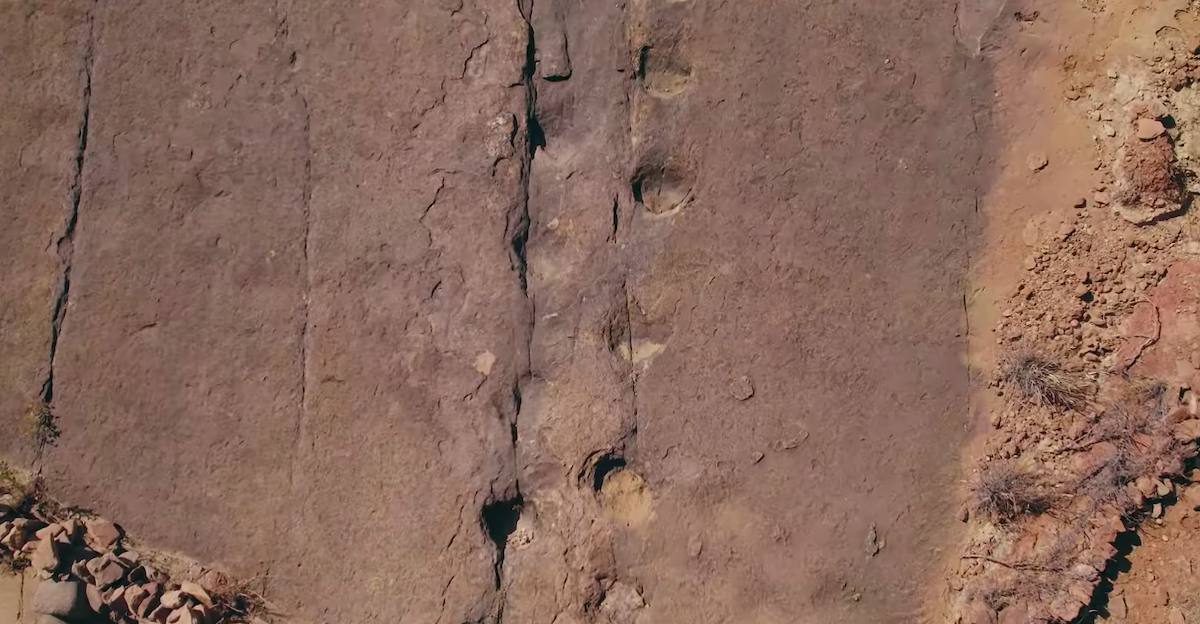
The site contains more than 16,600 three-toed dinosaur footprints along with hundreds of additional traces, including tail drag marks and swim impressions. In total, scientists identified 1,321 distinct trackways. No other known tracksite approaches this scale.
The density and continuity of the tracks indicate the area was revisited many times, transforming Carreras Pampa into a natural archive of dinosaur movement rather than a snapshot of a single moment.
Ancient Environment Reconstructed
When these tracks were made, the region was lush, humid, and periodically waterlogged—dramatically different from today’s arid landscape. Dinosaurs walked across soft mud that later hardened and was buried by sediment, preserving fine details like claw marks.
Ripple patterns and track deformation indicate shallow water and saturated ground, suggesting dinosaurs traversed floodplains, wetlands, or coastal lowlands that were periodically submerged and exposed.
Track Types Identified
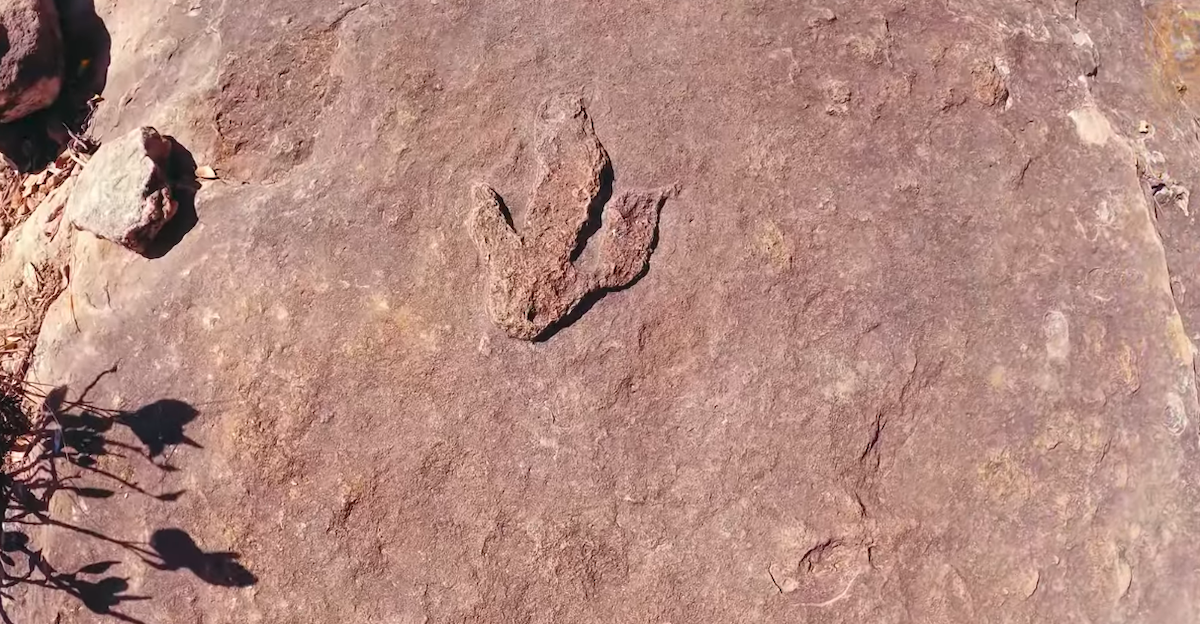
Most footprints are three-toed and bipedal, consistent with theropod dinosaurs. Many lack clear heel impressions but preserve evenly spaced claw marks, creating so-called “ghost tracks.” Additional traces include tail drag marks and swim impressions, where claws scraped the substrate while bodies were partially buoyant.
Possible avian tracks also appear. Together, these traces capture a wide range of dinosaur behaviors rarely preserved together at a single site.
No Bones, Only Footprints
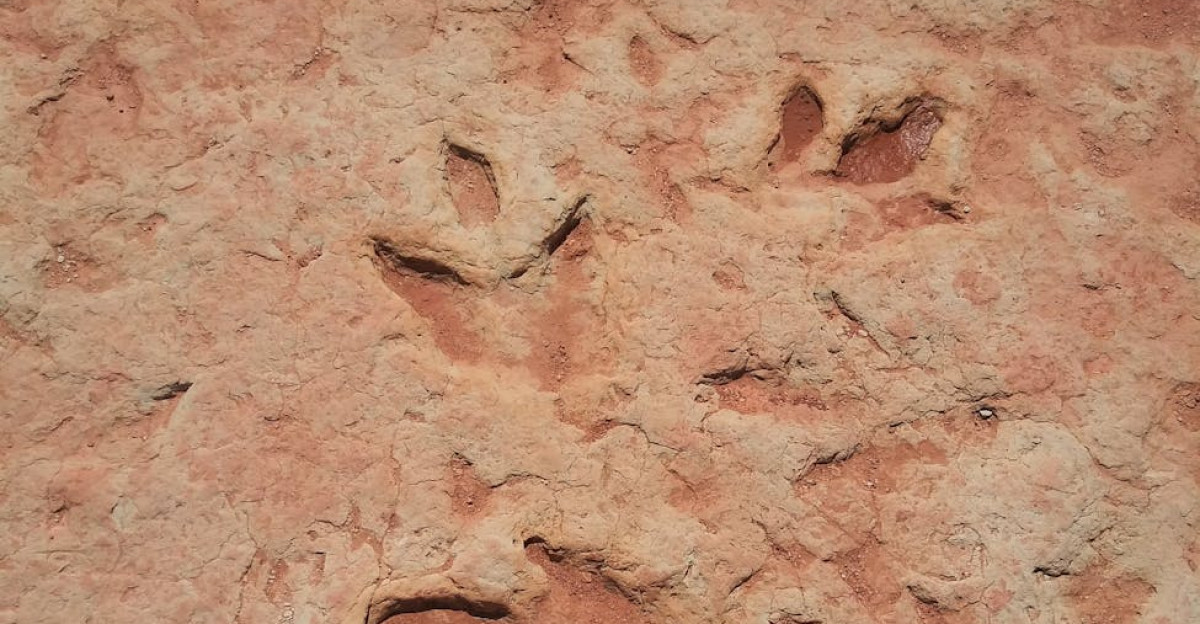
Despite the enormous number of tracks, no fossilized dinosaur bones have been found at Carreras Pampa. This absence highlights how fossilization favors hard parts only under specific conditions, while footprints can preserve activity without preserving bodies.
The site demonstrates that dinosaur behavior, movement, and social patterns can be reconstructed even when skeletal remains are completely missing, challenging bone-centered views of the fossil record.
Repeated Use Over Time
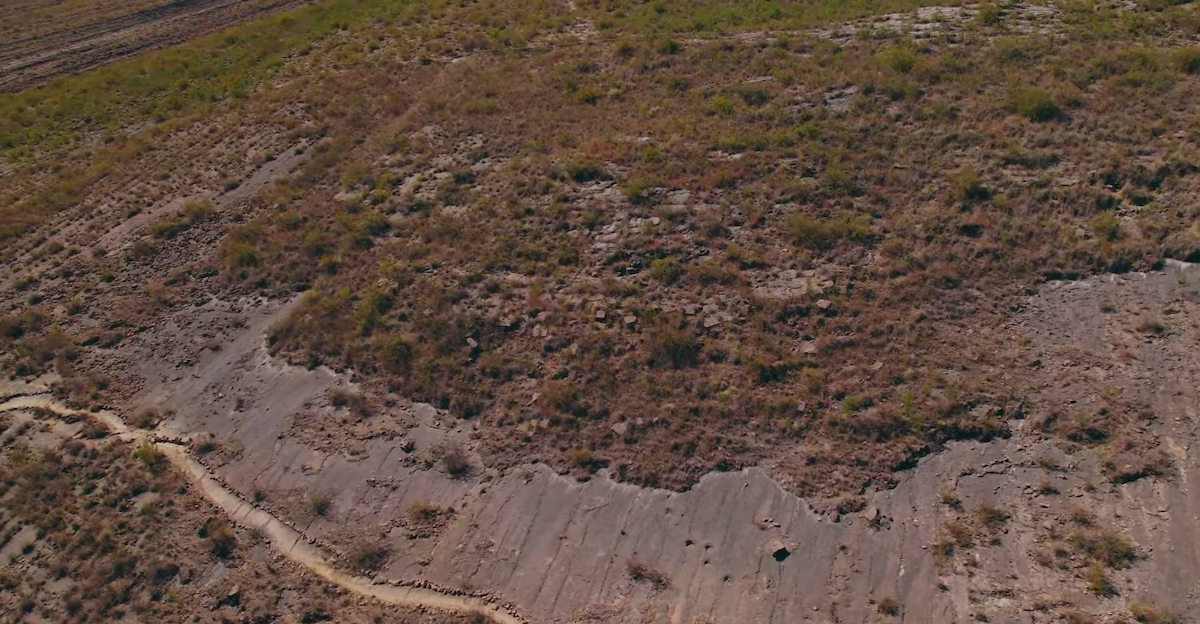
Track overprinting and varying preservation states indicate the site was used repeatedly over long timescales, likely spanning hundreds or thousands of years.
Dinosaurs returned again and again to the same terrain, suggesting it offered consistent resources such as water, food, or migration routes. This repeated visitation transforms Carreras Pampa from a simple tracksite into evidence of long-term ecological importance during the Late Cretaceous.
Implications for Dinosaur Populations
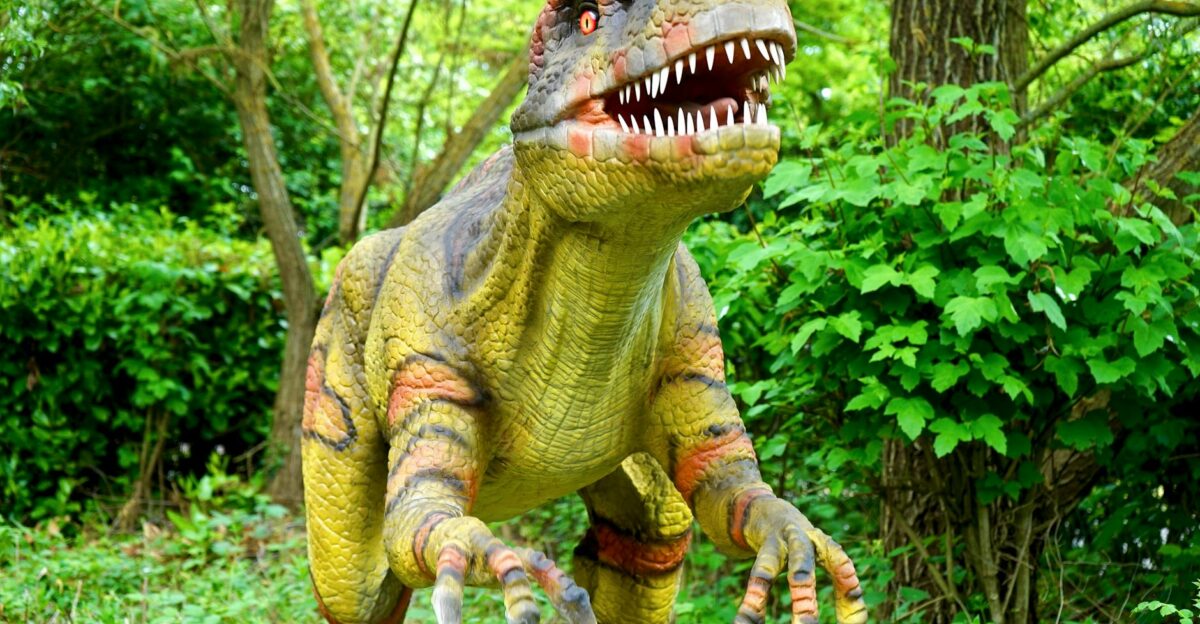
The sheer number of tracks challenges older assumptions that dinosaur populations were sparse. While tracks do not represent 18,000 individual animals, the 1,321 trackways imply dozens to hundreds of individuals passed through over time.
This supports the idea that certain regions hosted sustained dinosaur activity and relatively dense populations, at least seasonally, reshaping how scientists model dinosaur abundance and ecosystem structure.
Behavioral Evidence Preserved
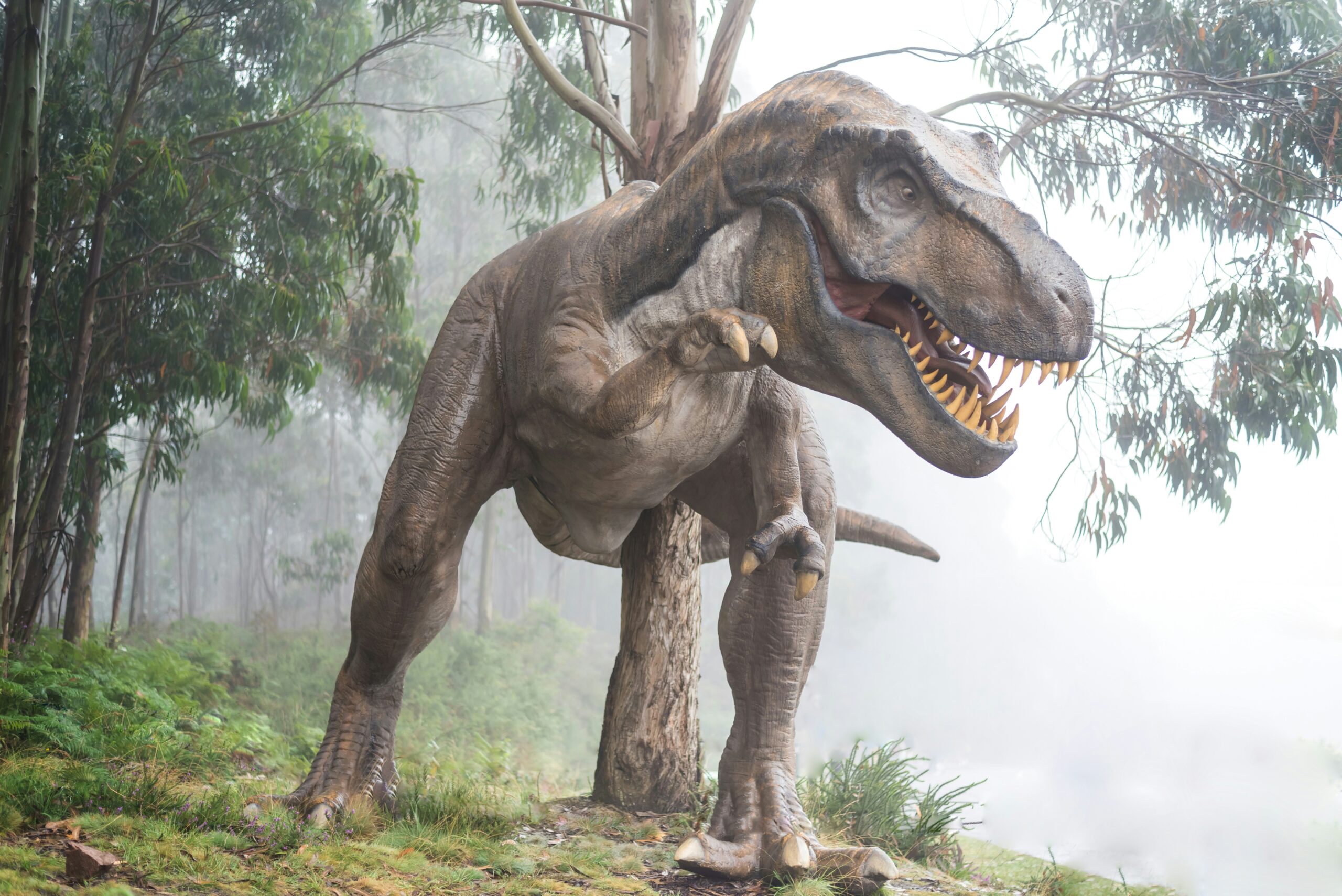
Parallel trackways and consistent movement directions suggest coordinated travel rather than random wandering. Differences in footprint size imply a mix of juveniles and adults using the same routes. Swim traces further reveal behavioral flexibility, showing that large predatory dinosaurs could move through shallow water.
These footprints capture behaviors that bones alone cannot reveal, offering a rare glimpse into daily dinosaur life.
Theropod Identity Clues

Without bones, scientists rely on footprint shape and size to infer trackmakers. The three-toed prints are consistent with theropod dinosaurs common in Gondwana during the Late Cretaceous, possibly including abelisaurid or noasaurid relatives.
Track sizes vary significantly, suggesting multiple species or age groups. However, exact species identification remains impossible, preserving an element of mystery at the heart of the discovery.
Swim Traces Explained
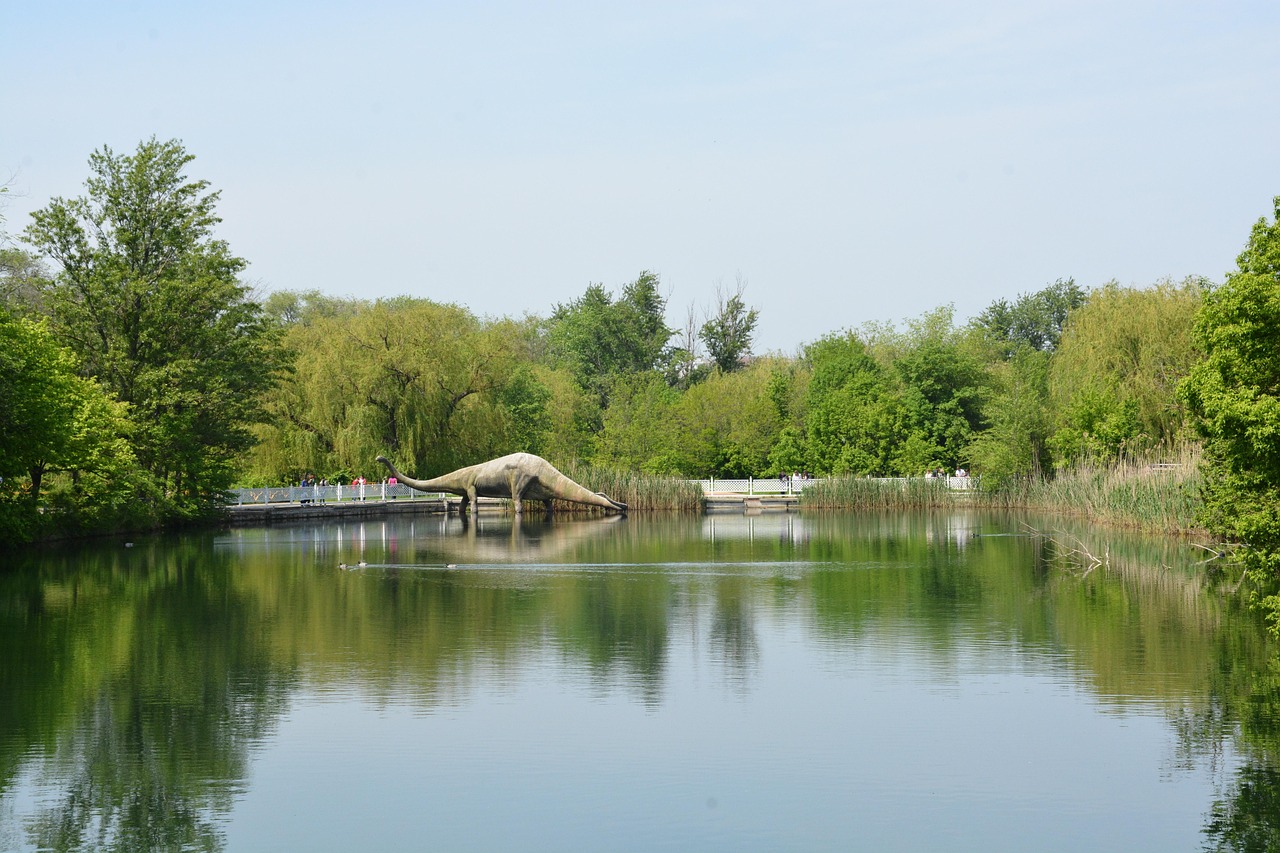
Some trackways consist mainly of claw marks without full foot impressions, interpreted as swim traces. These formed when dinosaurs were partially buoyant, touching the substrate intermittently with their feet or claws. Such traces indicate shallow water conditions rather than deep swimming.
Their presence in large numbers shows that dinosaurs regularly moved through flooded environments, expanding understanding of their locomotion and environmental tolerance.
Why Preservation Was Possible

The tracks formed in soft mud that later dried and hardened before being buried by additional sediment. This rapid sequence protected the footprints from erosion.
Over millions of years, geological uplift and erosion eventually re-exposed the hardened track layers. The result is exceptional preservation, with fine details visible despite the tracks being approximately 70 million years old.
Scientific Classification
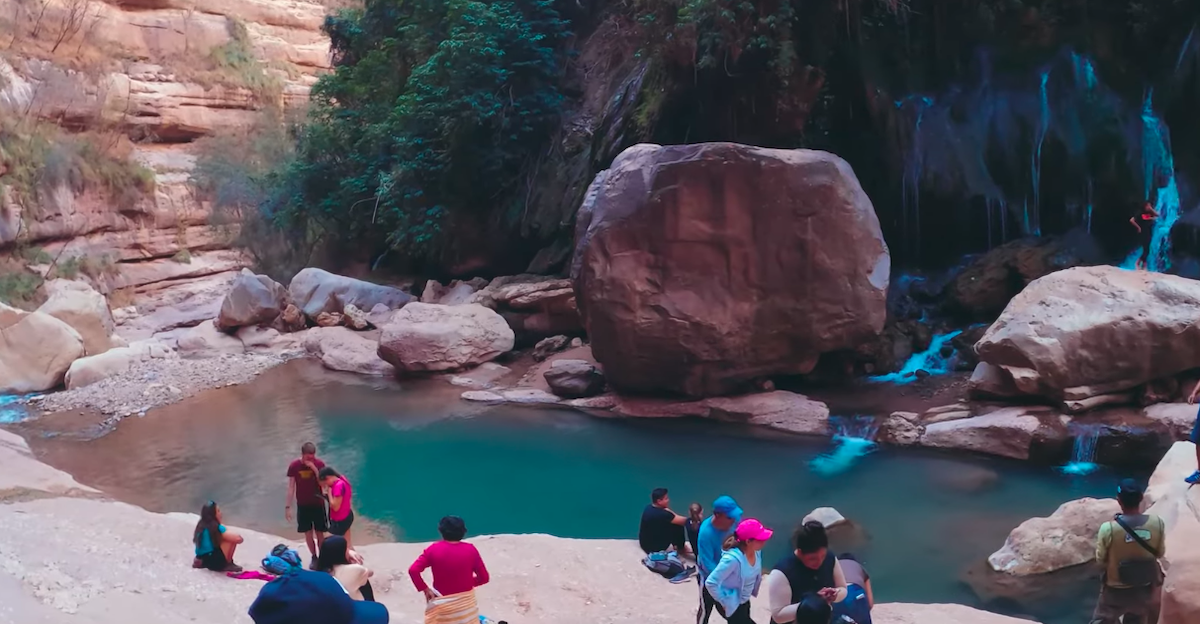
Researchers classify Carreras Pampa as an “ichnologic concentration and conservation Lagerstätte,” meaning it preserves an unusually dense and well-preserved collection of trace fossils.
Such sites are rare and scientifically valuable because they retain behavioral information at a scale rarely seen. This designation places Carreras Pampa among the most important trace fossil localities ever documented.
Bolivia’s Broader Dinosaur Record
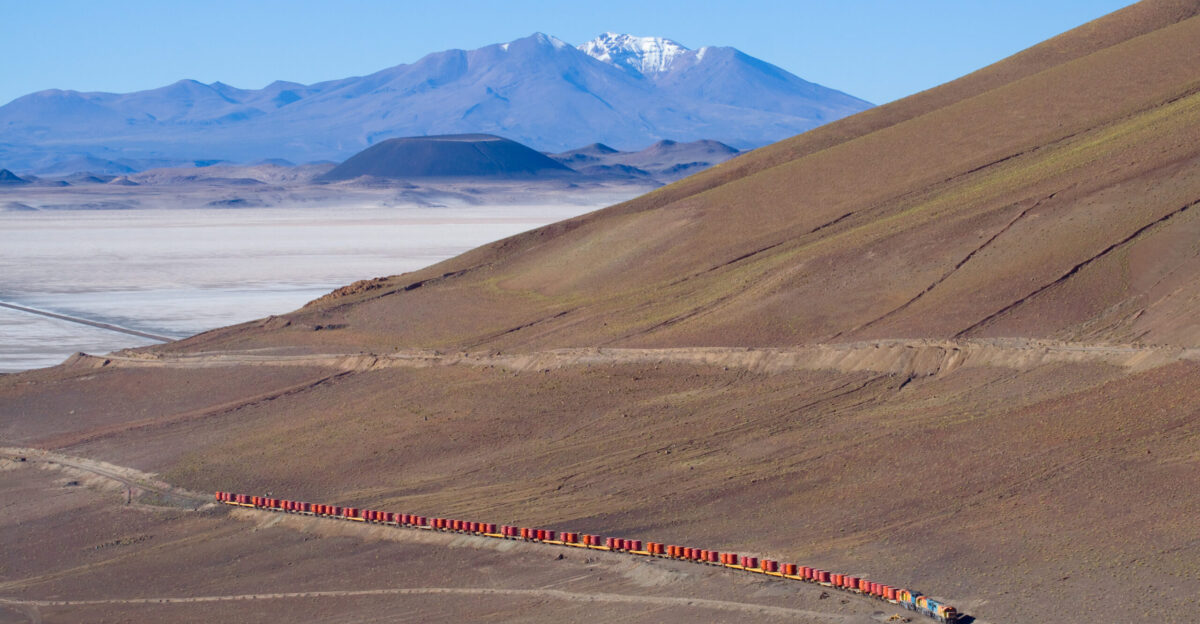
Bolivia holds one of the world’s most extensive and diverse records of dinosaur tracksites, spanning the Triassic, Jurassic, and Cretaceous periods.
Carreras Pampa strengthens this reputation, demonstrating that the country’s geological record preserves long-term dinosaur activity even where skeletal fossils are scarce. The discovery underscores South America’s importance in understanding dinosaur evolution and behavior.
Modern Mapping Techniques
Researchers combined traditional field methods with modern digital tools to document the site. High-resolution photography and photogrammetry allowed precise mapping of thousands of tracks and trackways.
These digital records preserve the site virtually, enabling future analysis while reducing the need for constant physical exposure, which can accelerate erosion and damage.
Conservation Challenges
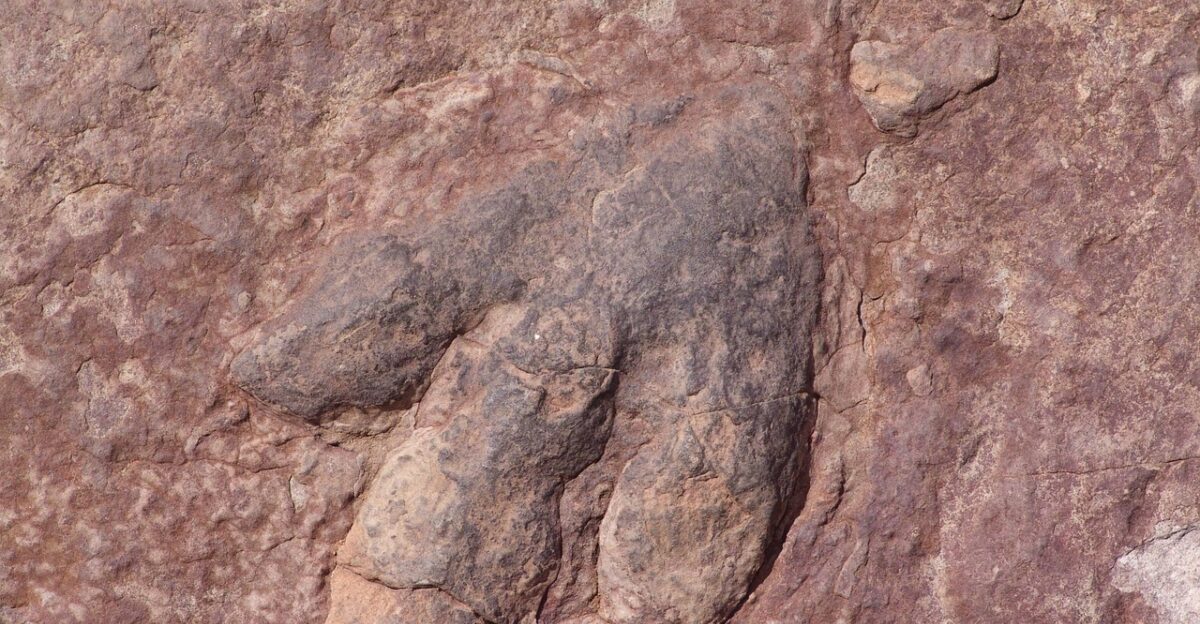
Once exposed, fossil footprints are vulnerable to weathering, erosion, and human impact. While Torotoro National Park provides legal protection, the sheer scale of Carreras Pampa makes preservation challenging.
Scientists emphasize the importance of careful site management and digital documentation to ensure that this irreplaceable record of dinosaur behavior is preserved for future generations.
Climate Insights from Footprints
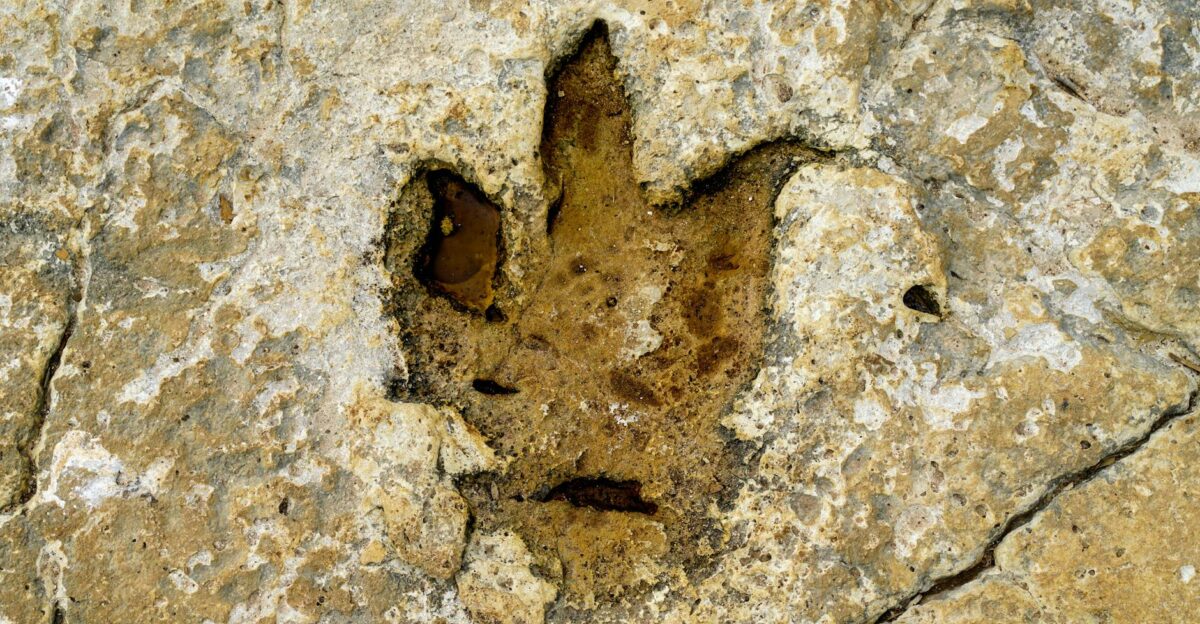
Track depth, spacing, and associated sediment features provide indirect clues about ancient climate conditions.
Evidence points to humid, seasonally wet environments capable of sustaining repeated dinosaur activity. These trace fossils act as climate proxies, helping reconstruct Late Cretaceous environments and showing how dinosaurs interacted with changing water levels and soft-ground conditions.
Ecological Significance
The dominance of theropod tracks suggests the area was particularly important for predatory dinosaurs. The presence of multiple size classes indicates a complex ecological structure rather than isolated individuals.
Carreras Pampa likely functioned as a key corridor or resource zone within the broader ecosystem, repeatedly drawing dinosaurs back across generations.
Future Research Directions
Large portions of the surrounding landscape remain unexplored. Subsurface imaging and continued fieldwork may reveal additional buried track layers, potentially increasing the total footprint count.
The discovery has already prompted renewed interest in Bolivia’s tracksites, encouraging international collaboration and further study of similar environments across Gondwana.
Transformative Legacy

Carreras Pampa fundamentally shifts how scientists view dinosaur evidence. With nearly 18,000 footprints and no bones, it proves that behavior, movement, and social patterns can be reconstructed without skeletal remains.
This extraordinary site stands as a reminder that dinosaurs left more than bones behind—they left stories written in stone, waiting millions of years to be read.
Sources:
PubMed”Carreras Pampa (Upper Cretaceous), Torotoro National Park, Bolivia”
Discover Wildlif”16000 dinosaur footprints discovered in Bolivia. It’s the …”
Popular Mechanics
“Archaeologists Discovered the Origins of 18000 Ancient ‘ …”ABC New
“Tens of thousands of dinosaur footprints and swim tracks …”UPI (United Press International)
“World’s largest dinosaur footprint site identified in Bolivia – UPI”EurekAlert”Scores of dinosaurs walked and swam along a Bolivian …”Smithsonian Magazine
“This Site in Bolivia Boasts 16600 Exposed Dinosaur …”ScienceAlert