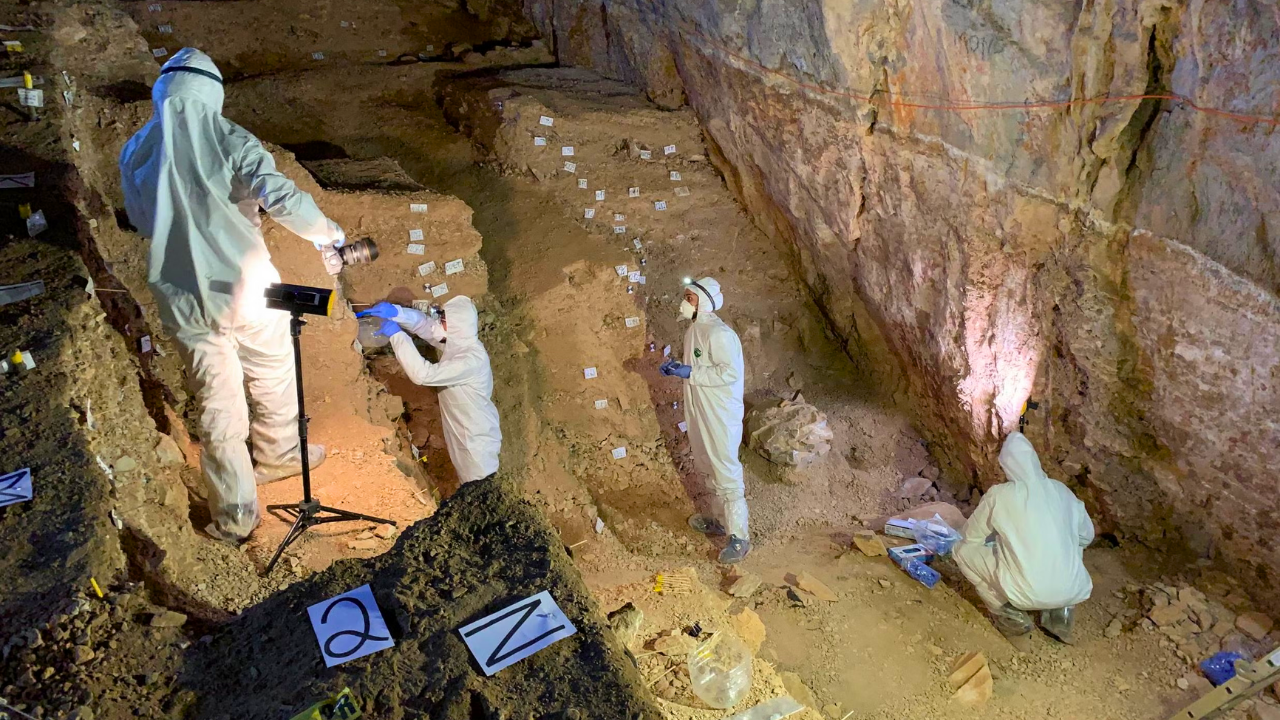
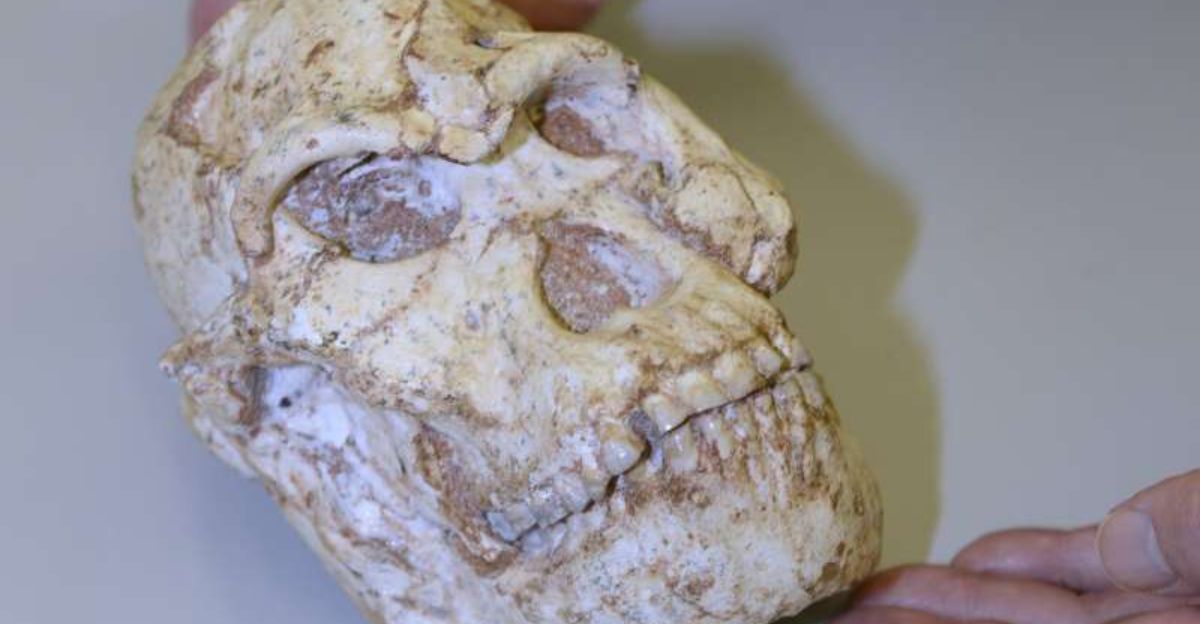
A remarkable fossil rests in South Africa’s Sterkfontein caves—one that might rewrite human history. Scientists called Little Foot an Australopithecus variant for years.
Now, a major new study challenges this assumption. Researchers suggest the 3.67-million-year-old skeleton could belong to an entirely separate, unknown human ancestor species.
This discovery raises critical questions: How many different species walked on the African continent millions of years ago? Which ones became our ancestors?
The Excavation Timeline
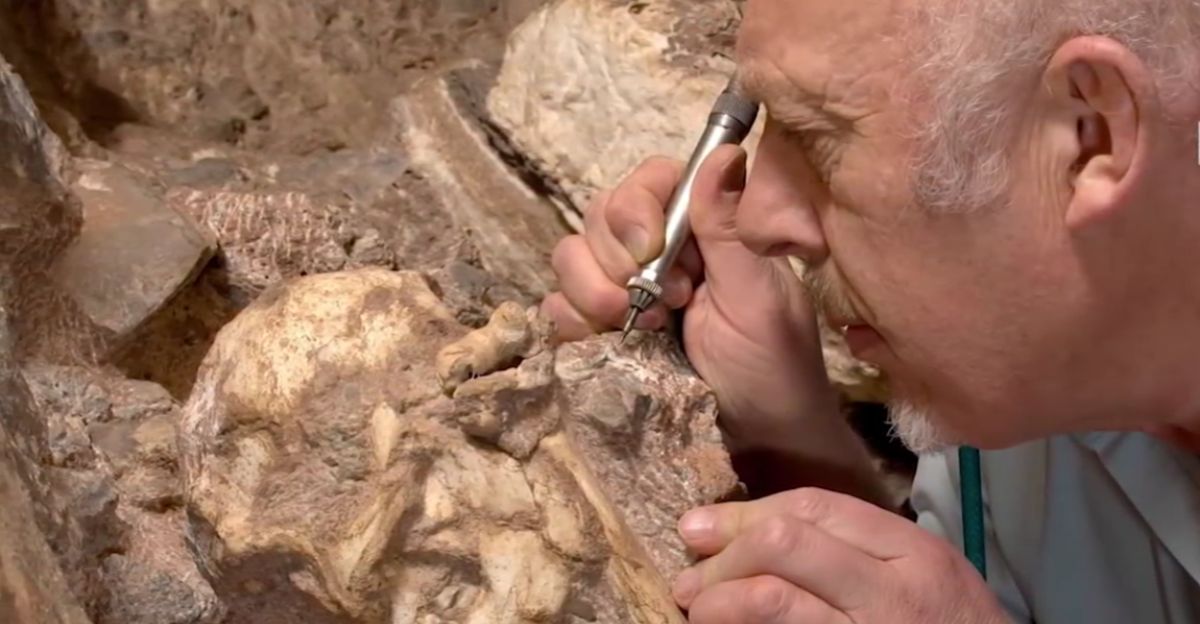
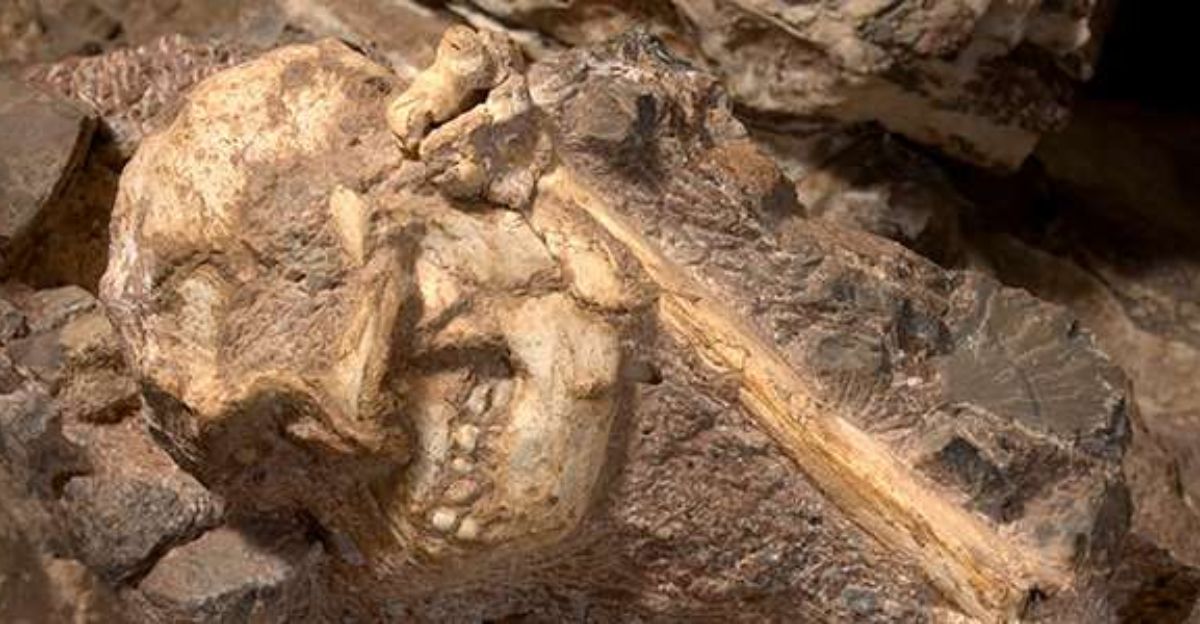
Little Foot’s story spans thirty years of careful archaeological work. In 1994, Professor Ronald Clarke discovered the first foot bones at Sterkfontein—that’s why scientists nicknamed this fossil “Little Foot.”
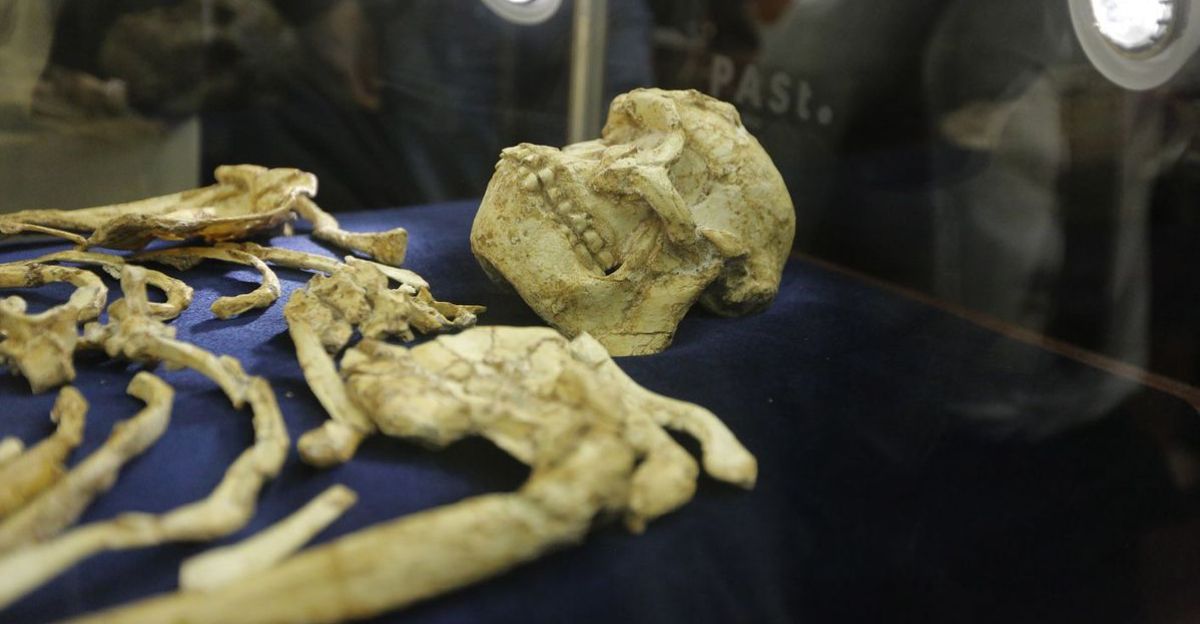
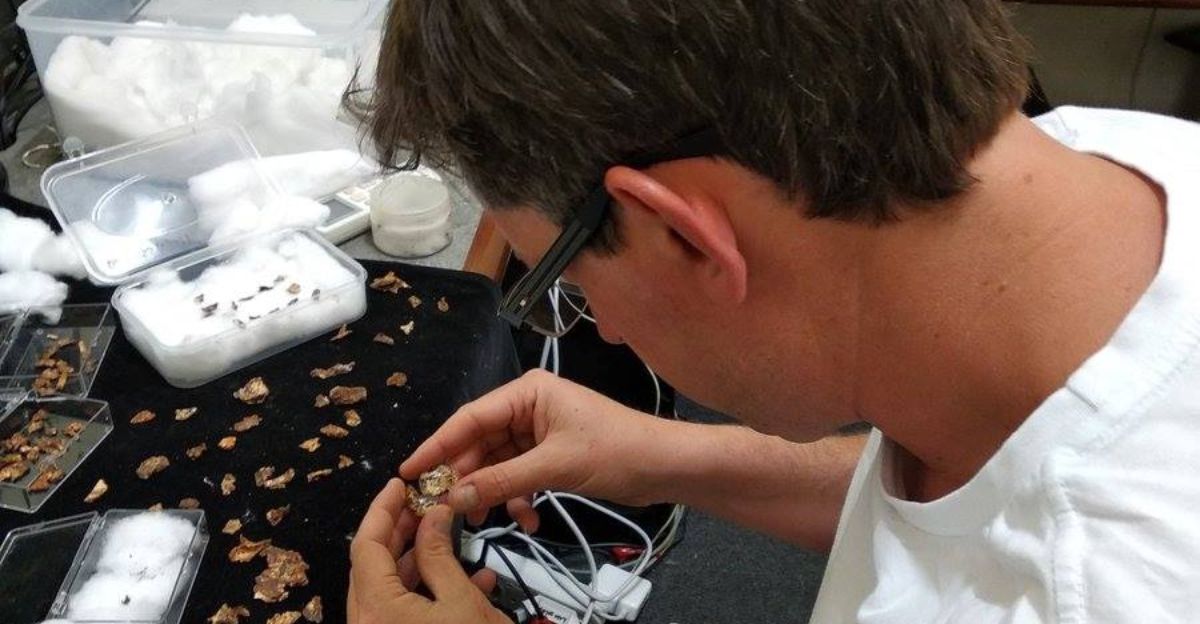
Clarke’s team spent twenty years carefully excavating the skeleton from limestone. They finished in 2017 when they publicly revealed the fossil. The skeleton retained about 90 per cent of its bones, making it extraordinarily complete.
This completeness makes Little Foot invaluable for understanding early human evolution.
Classification Challenge
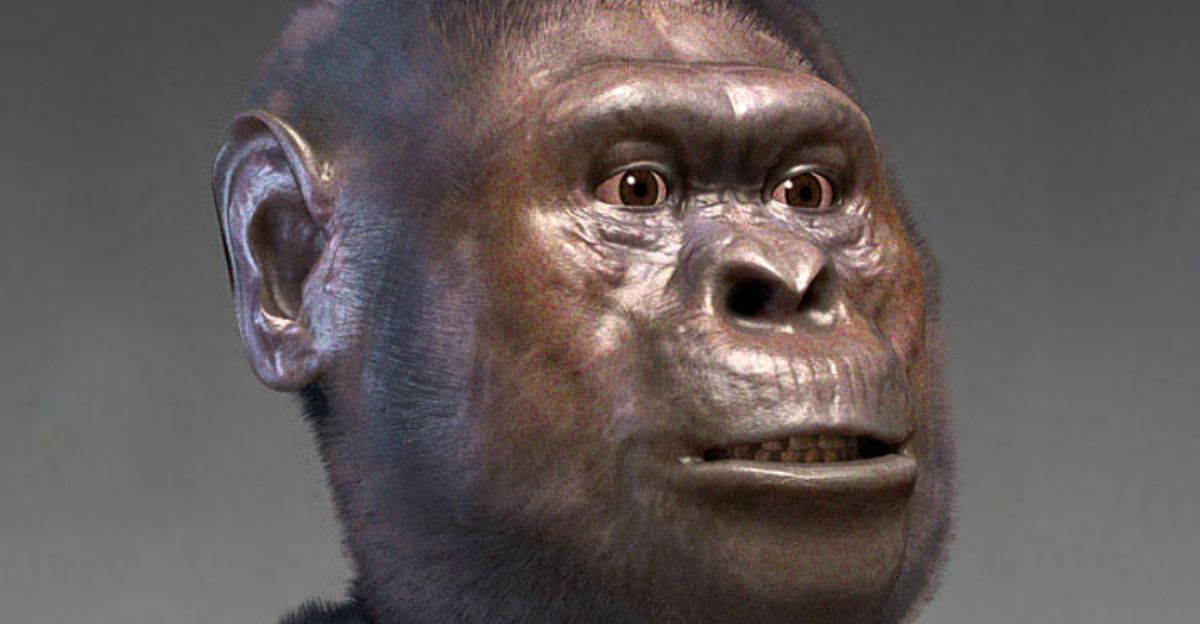
Scientists had classified Little Foot as Australopithecus prometheus, one of two major australopithecine species in South Africa. The other species, Australopithecus africanus, appeared in 1925 when Raymond Dart announced the “Taung child”—a juvenile skull that revolutionised African human origins studies.
Both species lived in southern Africa between roughly 3 million and 2 million years ago for nearly a century. Scientists still debate their exact relationship to each other and to our genus, Homo.
Building the Case
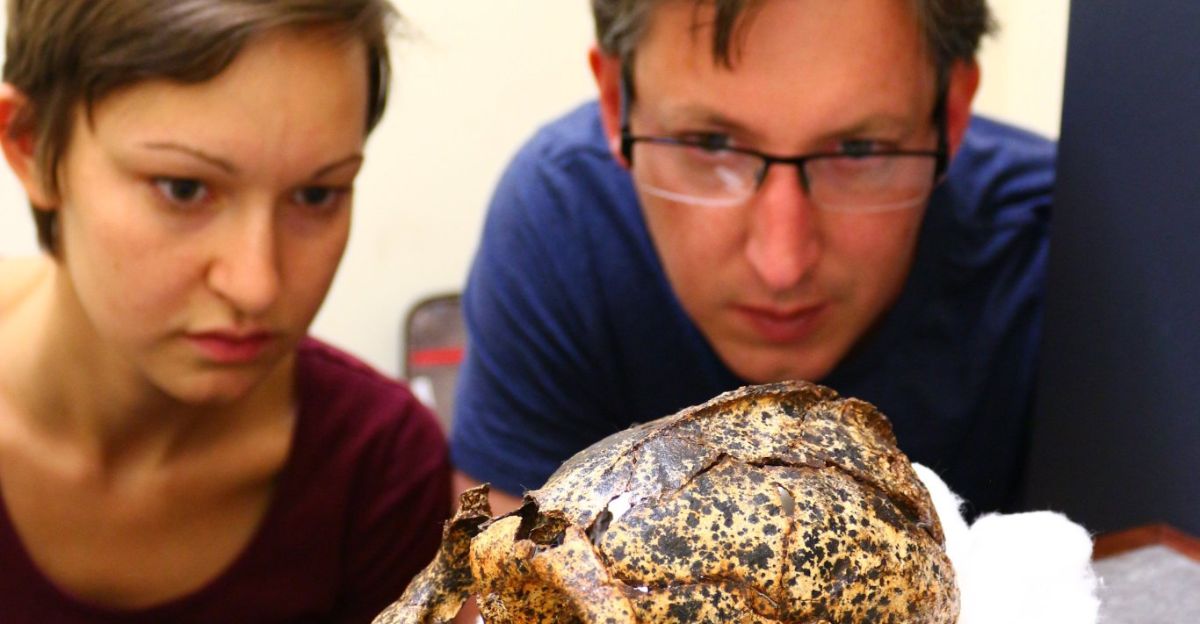
In December 2025, Dr Jesse Martin from La Trobe University and Cambridge led an international research team. They published a startling conclusion in the American Journal of Biological Anthropology.
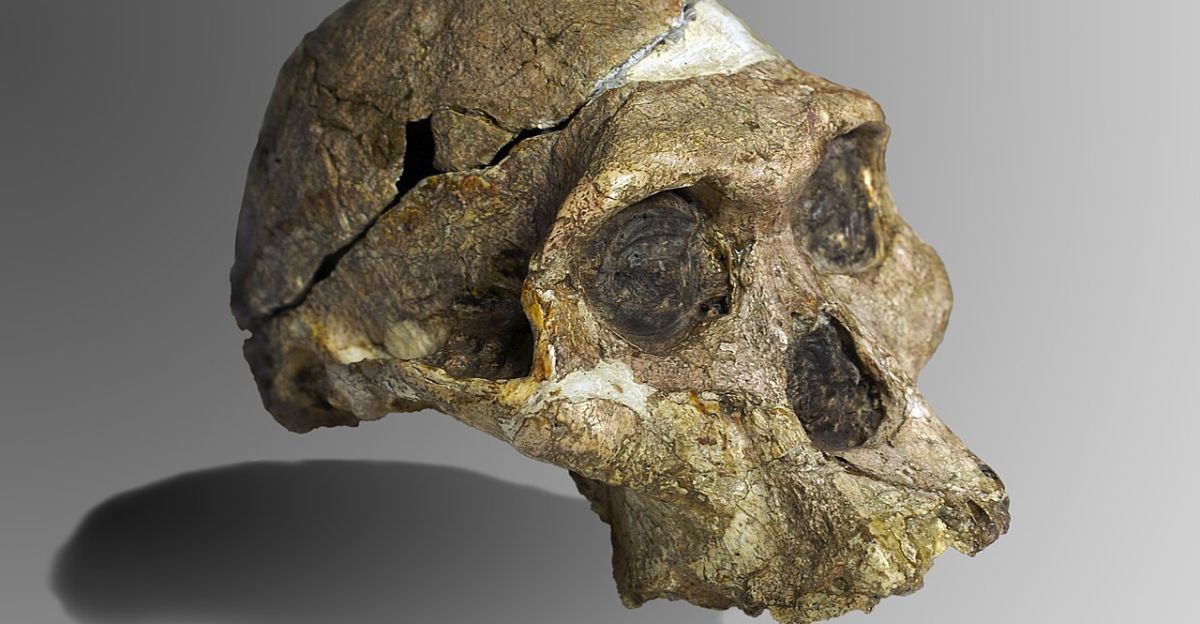
Their study analysed Little Foot’s skull structure—especially the base where the spine connects—and compared it carefully with both known Australopithecus species. Researchers found that Little Foot shared no unique traits with either of the two species.
This suggests Little Foot belongs to an entirely unrecognised branch of the human family tree.
The Cranial Base Mystery
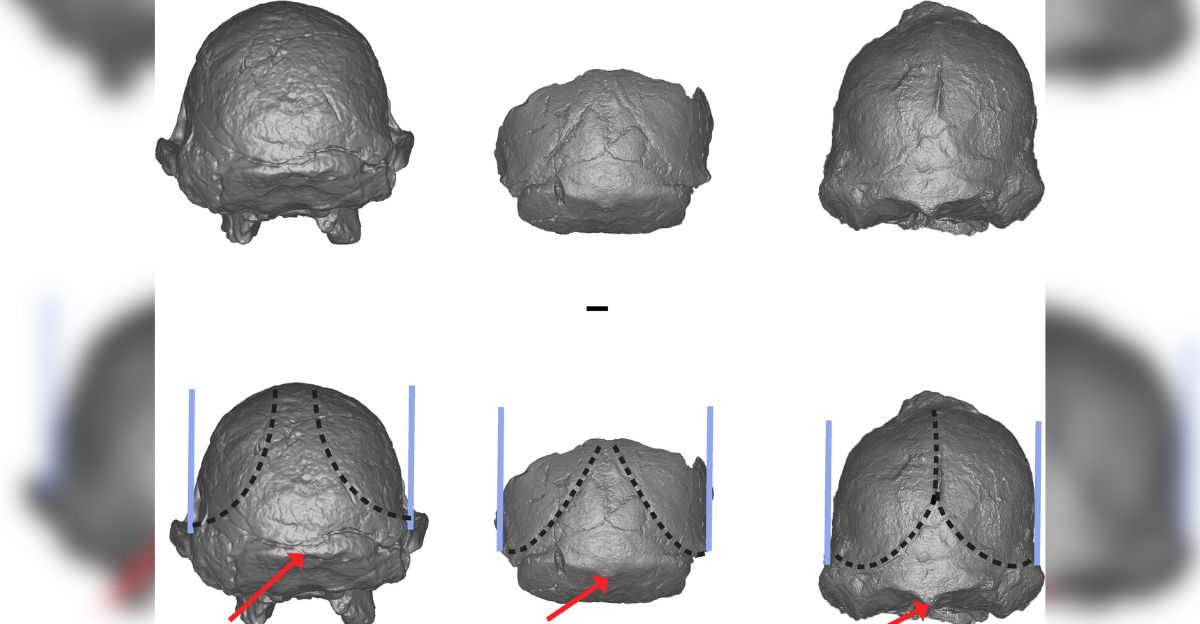
Martin’s team identified a key anatomical feature: the nuchal plane—the area of the skull base where neck muscles attach and neural pathways pass through. Little Foot possesses an unusually long nuchal plane compared with both known Australopithecus species, plus other subtle skull differences.
This region evolves slowly, making it valuable for distinguishing between species. These anatomical differences suggest that Little Foot belonged to a lineage that split from the ancestors of A. africanus and A. prometheus millions of years earlier. The evidence points to a “formerly unknown, unsampled species.”
A Voice from the Research
Dr Martin explained: “This fossil remains one of the most important discoveries in the hominin record, and its true identity is key to understanding our evolutionary past.” His team emphasised that Little Foot’s discovery challenges the assumption that scientists have already identified all major hominin species from a given time and location.
The research involved collaboration across institutions in the United Kingdom, Australia, South Africa, and the United States. The research team stopped short of formally naming a new species, instead deferring that honour to Professor Ronald Clarke’s group.
The Broader Evolutionary Context

Little Foot lived approximately 3.67 million years ago—though some researchers propose ages ranging from 2.8 to 3.67 million years. At that time, southern Africa was home to many early human ancestors living in savanna environments near present-day Johannesburg.
The Sterkfontein caves served as a natural trap, where animals fell and were preserved in limestone. If Little Foot represents a distinct species, multiple australopithecine lineages coexisted and competed in the same region. This challenges the simple linear evolution model and suggests a more complex, bushy pattern of hominin evolution.
The Sterkfontein Fossil Record
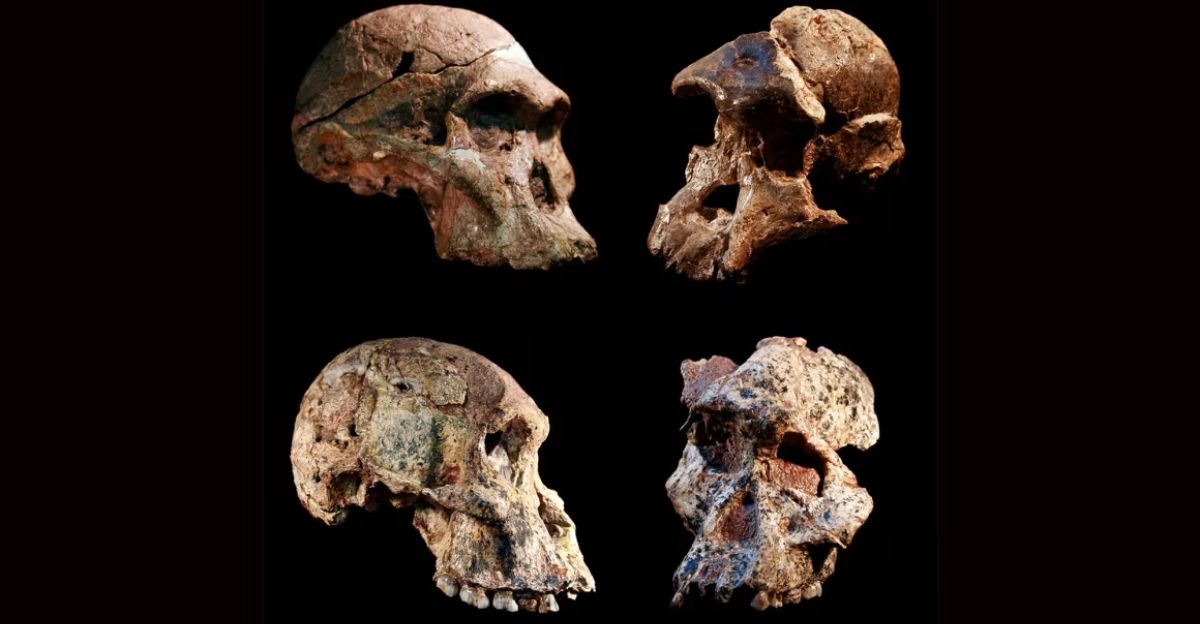
The Sterkfontein caves rank among the world’s richest sources of ancient hominin fossils. The site has yielded specimens from both Australopithecus africanus and A. prometheus, as well as evidence for early Homo members. This fossil concentration in one area provides a window into ancient community composition, which scientists refer to as “faunal assemblages.”
Professor Andy Herries from La Trobe University noted that Little Foot’s distinction from other contemporary fossils “clearly shows the need for defining it as its own unique species.” Understanding Sterkfontein requires recognising the diversity of hominin species that inhabited the region.
Brain Size and Evolution
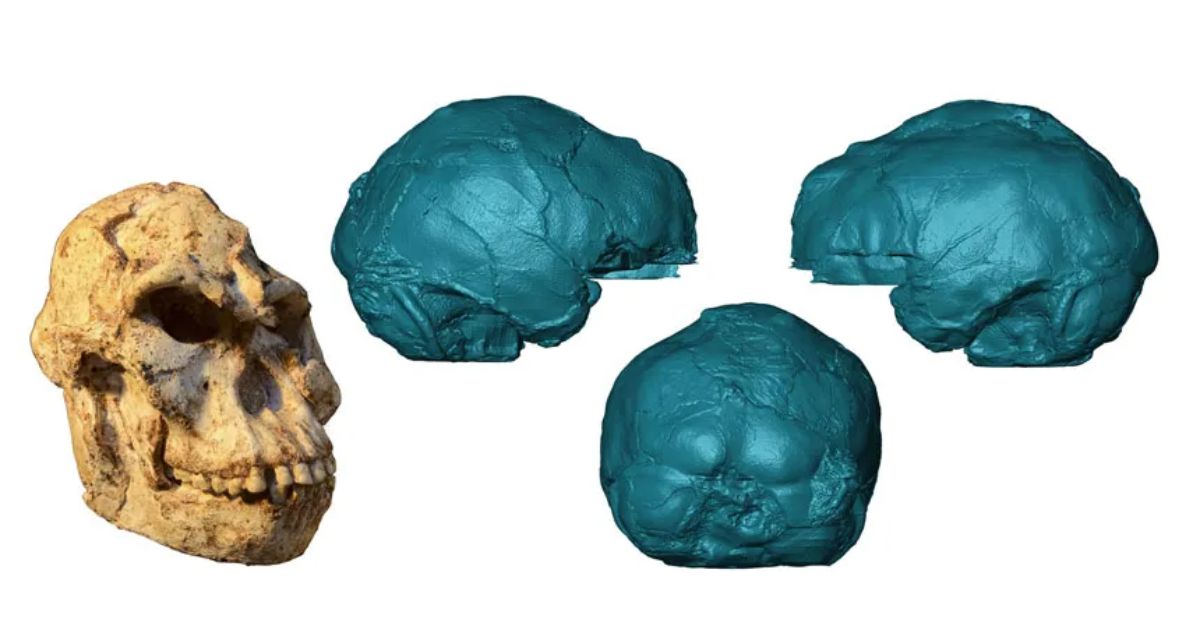
Little Foot’s brain was remarkably small—approximately the same size as a chimpanzee’s brain, or roughly 300 to 350 cubic centimetres. This small cranial capacity, combined with evidence of upright walking, illustrates an evolutionary sequence: bipedalism emerged in our ancestors millions of years before significant brain expansion occurred.
Recent high-resolution X-ray imaging at the UK’s Diamond Light Source synchrotron has revealed blood vessel traces in the inner skull, similar to those found in modern humans. These vessels regulate brain temperature in humans, raising questions about the evolution of thermoregulation in early hominins.
The Footprints of History
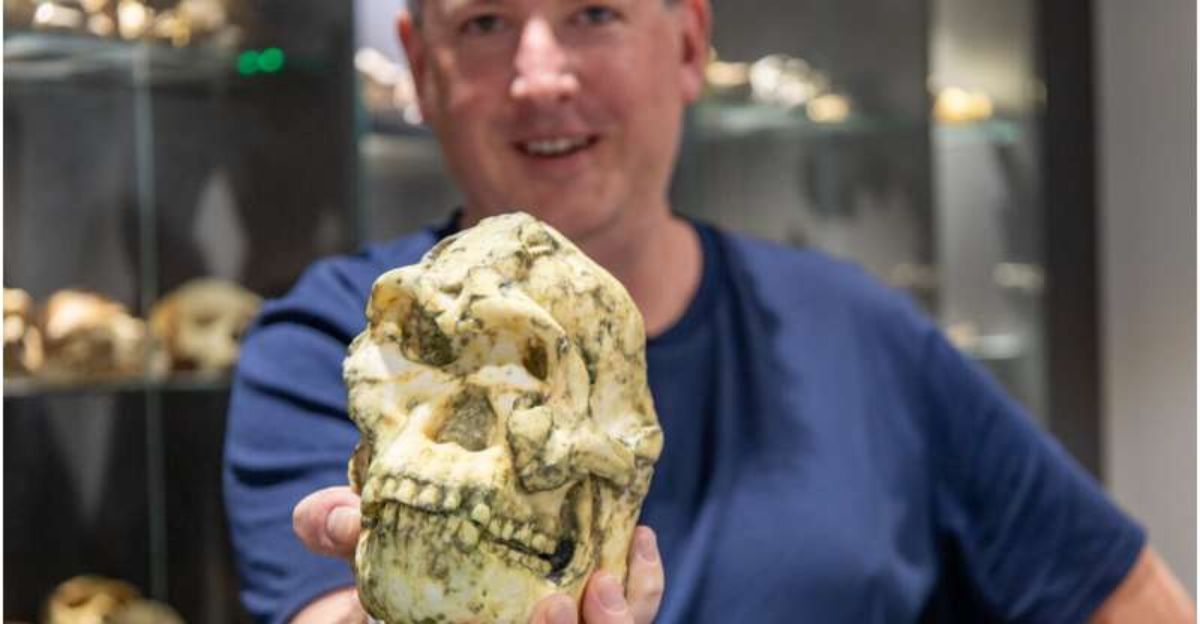
If Little Foot represents a new species, it adds another layer to early African hominin diversity. The fossil’s nickname comes from its distinctive anatomy—well-preserved foot bones that reveal details of its walking pattern. Analysis of Little Foot’s foot structure confirms bipedalism, although not with the efficiency of modern humans.
The skeletal evidence suggests this ancestor could walk upright across the African savanna, a crucial evolutionary innovation that freed the hands for tool use and carrying. Bipedalism provided energetic efficiency and survival advantages in open grassland environments.
The Name Deferred
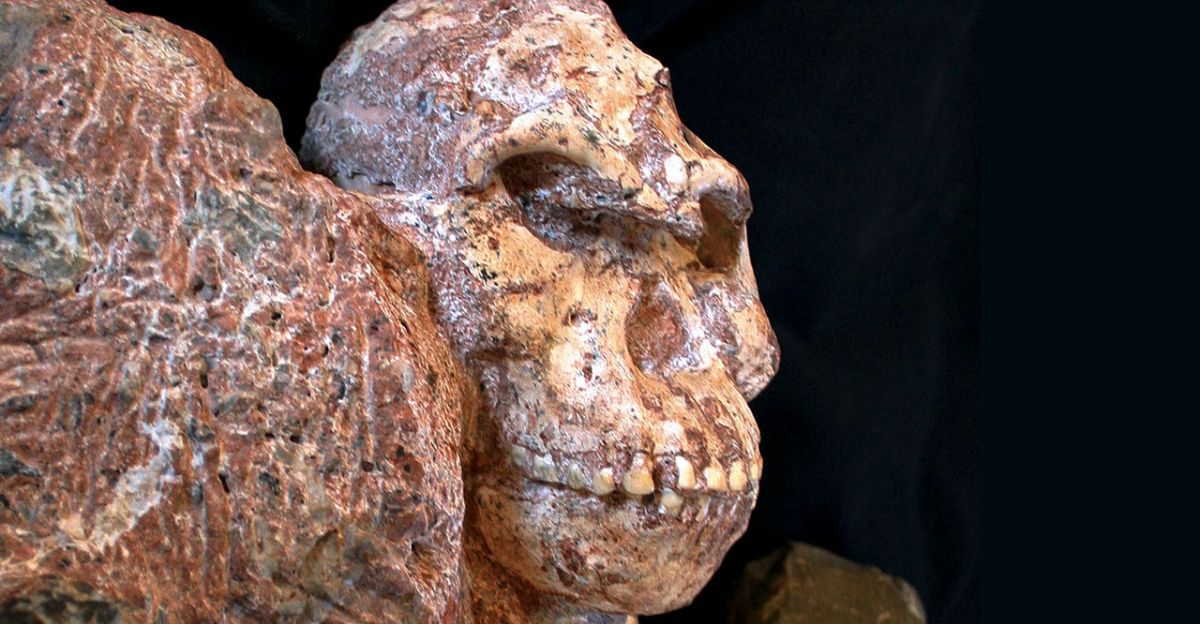
Martin’s team made an unusual choice: they refused to formally propose a new species name. Formally naming a species requires submitting a detailed description following strict International Commission on Zoological Nomenclature standards, designating a “type specimen,” and establishing diagnostic features.
By deferring this responsibility to Clarke’s group, the 2025 research effectively challenges the original discoverers. This move reflects both scientific etiquette and practical wisdom, as Clarke’s team possesses decades of fossil knowledge and excavation context. This deference sets the stage for the formal taxonomic decision that will likely follow.
The Species Question
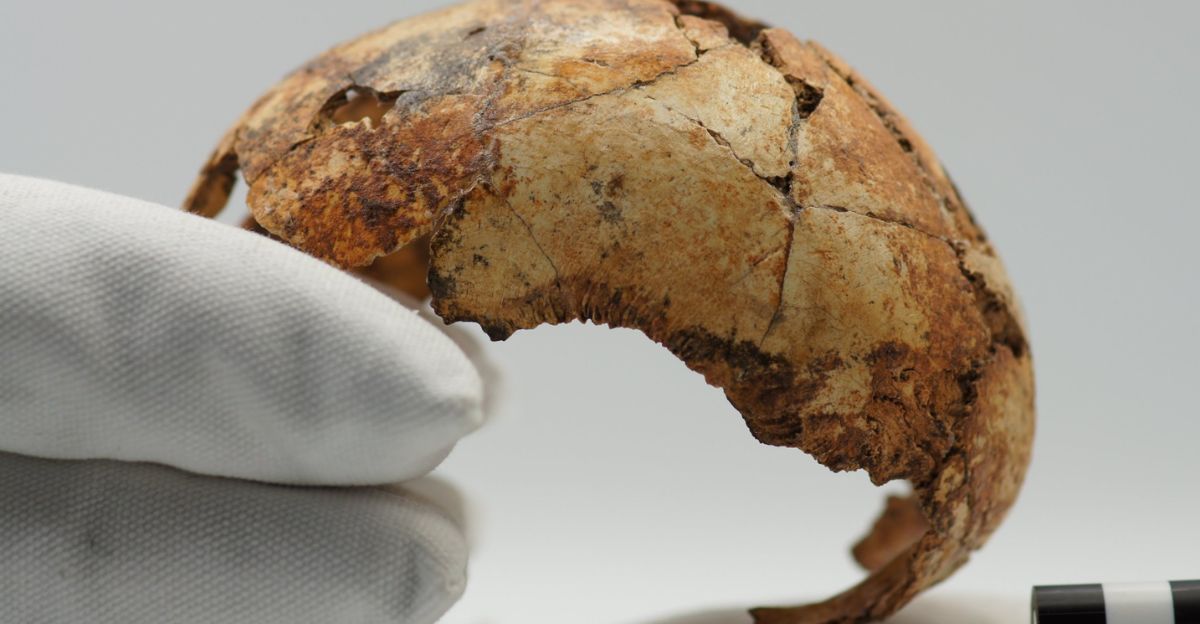
What makes one hominin species distinct from another? Taxonomists rely on morphological features—anatomical traits that distinguish one form from others in the fossil record. For Australopithecus, key differentiating traits involve skull shape, tooth size, jaw structure, limb proportions, and postcranial anatomy. Incomplete fossils introduce uncertainty when comparing specimens.
Little Foot’s near-completeness proves tremendously valuable: researchers examine skull features and the entire skeleton, providing multiple independent evidence lines. Martin’s team identified enough distinctive cranium and cranial base characteristics to conclude this represented a separate lineage.
The Prometheus Legacy
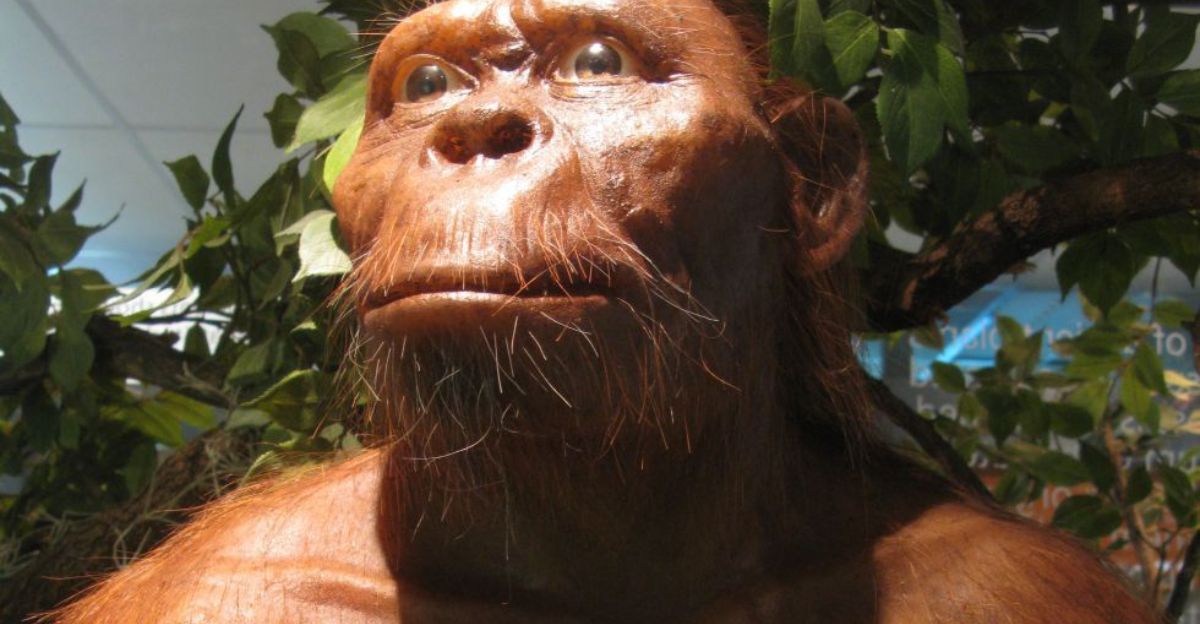
Australopithecus prometheus has an interesting history. Early researchers named it after the Greek titan who stole fire for humanity—they believed these hominins were responsible for making fire. However, later research showed that A. prometheus never used fire; the original identification was wrong. Despite this embarrassing etymological mistake, A. prometheus remained a recognised species.
Professor Herries noted that the species’ name was defined on the idea that these early humans made fire, which we now know they didn’t.” Species classifications sometimes persist even when original reasoning requires revision. This case suggests paleontologists should remain open to reclassification when new evidence warrants changes.
The Timeline to Homo
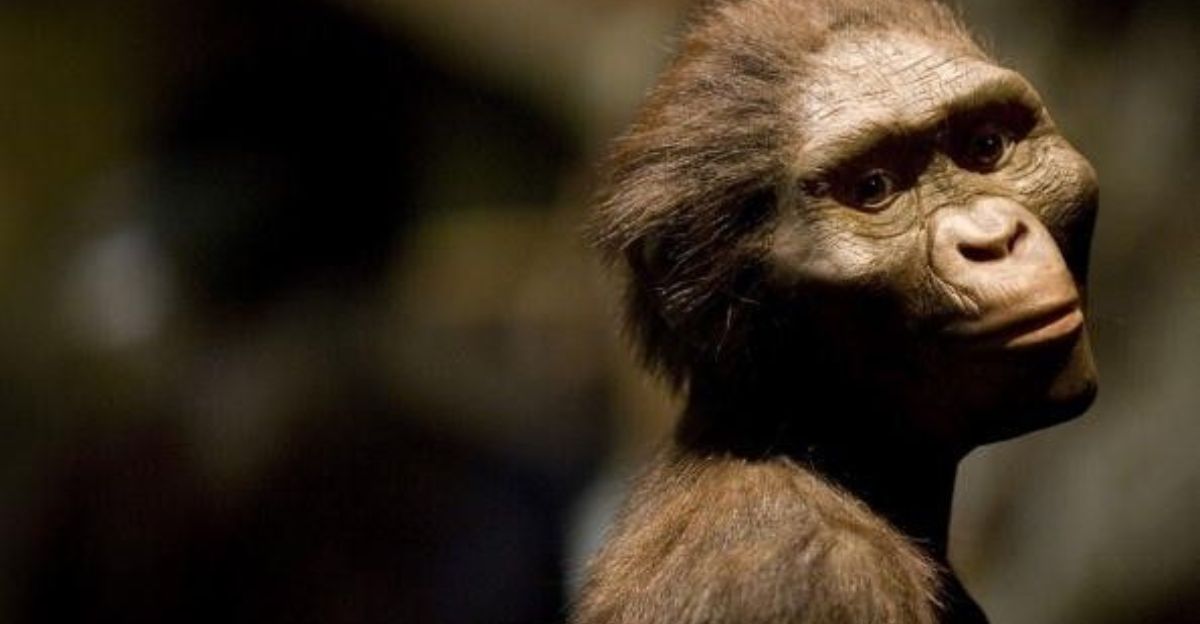
Little Foot lived approximately 3.67 million years ago—over 800,000 years before the earliest recognised Homo genus members appeared in the African fossil record. Homo habilis, traditionally considered the earliest Homo species, appeared around 2.4 to 2.3 million years ago. However, recent discoveries of even earlier Homo specimens, dating back to 2.8 million years ago, suggest the genus’s origins extend even further back.
The gap between Little Foot and early Homo represents a crucial evolutionary transition: the shift from the australopithecine body plan toward the more human-like morphology characteristic of our own genus. Whether Little Foot’s proposed species descended from A. africanus, A. prometheus, or another australopithecine lineage remains an open question.
Living Alongside Giants
Three australopithecine species potentially coexisted around 3 million years ago—a discovery raising questions about niche partitioning and dietary specialisation. Australopithecus africanus, A. prometheus, and possibly this newly proposed Little Foot species would have shared the Sterkfontein region, yet apparently persisted.
This suggests they occupied slightly different ecological niches—perhaps foraging in different habitats, preferring different food sources, or operating at different times. Evidence from tooth wear patterns and jaw structure indicates that different Australopithecus species had varying dietary preferences, with some omnivorous and others specialised for tough plant material. The coexistence challenges simple linear progression models.
Future Dating Investigations
Refining Little Foot’s age estimate represents an important area for future investigation. The 3.67-million-year dating is based on cosmogenic nuclide dating—a method that measures the accumulation of radioactive isotopes, such as beryllium-10 and aluminium-26, produced by cosmic rays in exposed rock.
However, alternative biochronological approaches comparing fauna in deposits surrounding Little Foot suggest ages ranging from 2 to 3 million years or around 2.8 million years. Resolving this discrepancy matters greatly for understanding Little Foot’s place in hominin history and its relationship to other species. New techniques may soon provide greater precision.
Implications for Human Origins Research
If Martin’s findings withstand peer review, they would significantly reshape current models of early human evolution taught in universities and museums worldwide. Scientists would recognise the Sterkfontein fauna as far more diverse than previously acknowledged. Researchers must revise textbooks and exhibits.
More broadly, the study highlights how incomplete fossil records obscure true diversity. Every major fossil discovery risks overturning consensus classifications, reminding scientists to remain humble about their understanding of deep time. The research underscores the value of funding long-term excavation projects, such as Clarke’s decades-long work in extracting Little Foot.
Public Engagement and Misinformation

The announcement of a “new human ancestor” generates public excitement but also risks fueling misinformation. Some popular media outlets portrayed the finding as definitive proof that Little Foot represents a new species, when the research proposes this as a hypothesis requiring formal taxonomic description.
Others sensationalised the story by suggesting that Little Foot represents a direct modern human ancestor, although researchers have not made such a claim. Responsible science communication requires distinguishing between what researchers actually concluded versus speculative extrapolations. The Martin team’s careful language reflects appropriate scientific caution.
Echoes of Past Reclassifications
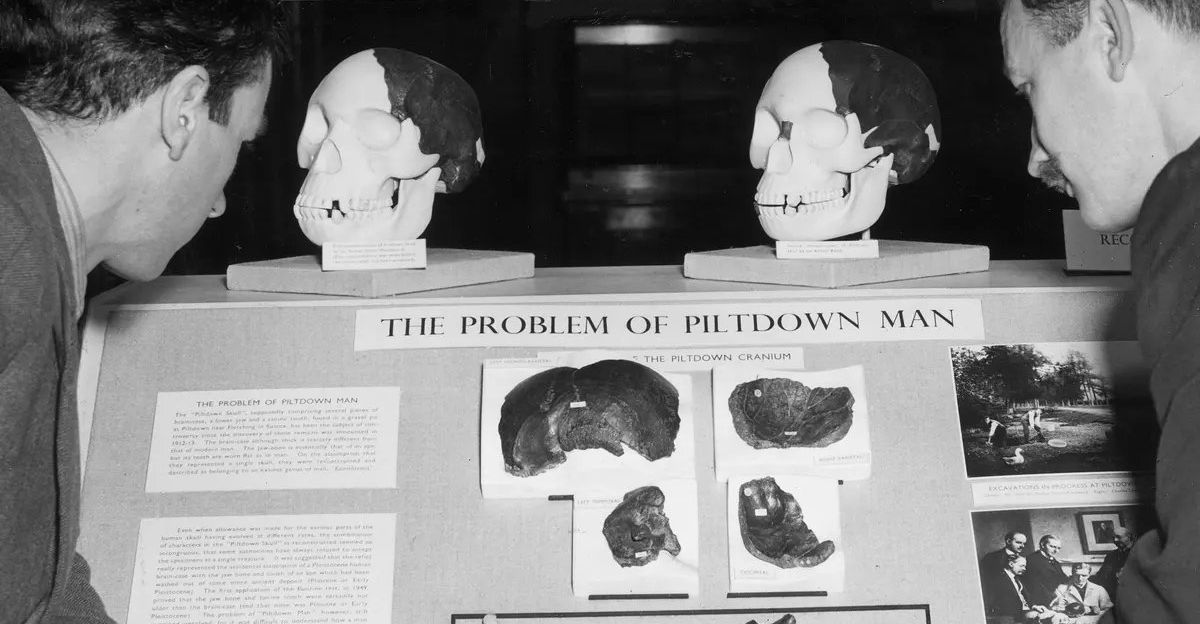
Little Foot represents not the first fossil to undergo dramatic reclassification. The famous “Piltdown Man,” discovered in Sussex, England, in 1912, was exposed as an elaborate hoax in 1953 when fluorine dating revealed that the skull and jaw pieces came from different species.
More recently, Australopithecus sediba, discovered in South Africa in 2008, sparked intense debate about reclassification as an early Homo member. These precedents remind researchers that fossil classification remains subject to revision as methodology improves and new evidence accumulates. Each reclassification teaches important lessons about species boundary criteria and the understanding of deep time.
The Bottom Line
The Little Foot research represents a moment of scientific humility: despite a century of fossil discoveries and sophisticated analytical methods, the hominin record still holds surprises. The proposal that this 3.67-million-year-old skeleton belongs to a previously unrecognised species deepens the mystery. African hominin evolution emerges as more diverse and complex than previously appreciated.
This research redirects scientific attention to South African fossil sites, such as Sterkfontein, which may contain additional unidentified species. Future formal taxonomy, additional dating studies, and broader comparative analyses will determine whether Little Foot deserves new species recognition. The skeleton testifies to the patient’s archaeological work’s power.
Sources:
Phys.org, Iconic ‘Little Foot’ fossil may be new type of human ancestor, December 15, 2025
American Journal of Biological Anthropology, Little Foot Study, December 2025
Discover Magazine, The Mysterious Little Foot Fossil May Rewrite Hominin History, December 15, 2025
University of the Witwatersrand, Little Foot takes a bow, December 2017
Science Alert, ‘Little Foot’ May Be a Whole New Member of Our Family Tree After All, December 16, 2025
AA.com.tr, Little Foot fossil may represent previously unknown human ancestor species, December 14, 2025