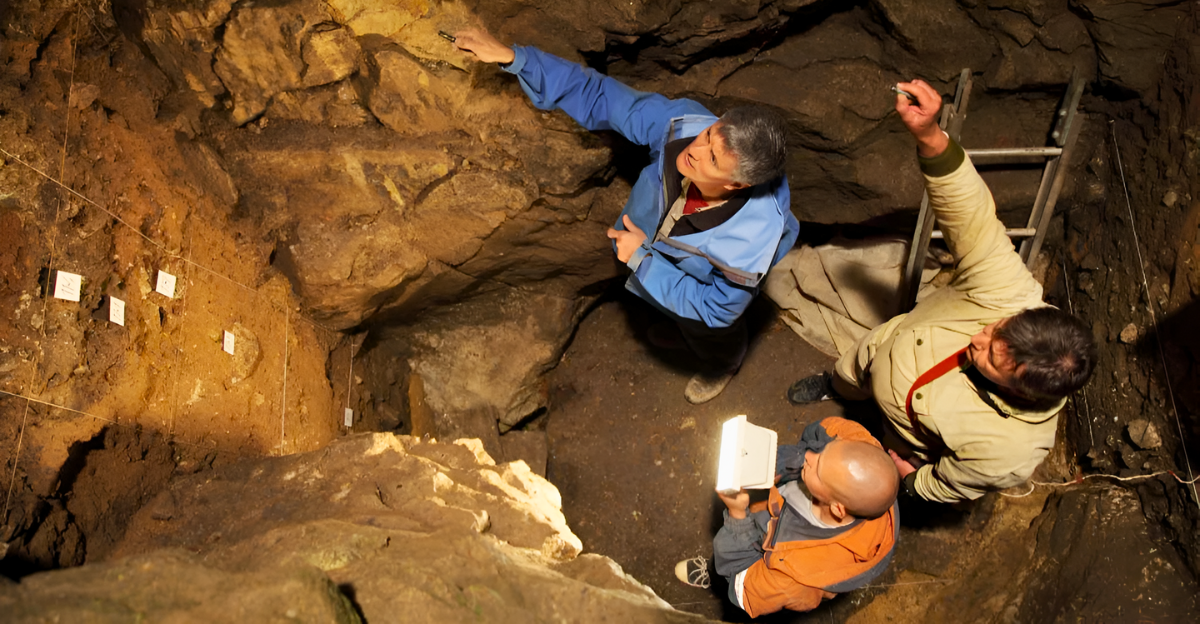
In what is now Shandong, eastern China, researchers have discovered one of the oldest matrilineal societies known to science, which dates back more than 4,500 years. This Neolithic society, which farmed millet and reared animals, traced their ancestry back at least ten generations via females.
This matrilineal structure was validated by ancient DNA analysis from 60 individuals, dispelling earlier theories that prehistoric societies were primarily patrilineal. By demonstrating that stable matrilineal kinship systems could endure in the absence of wealth accumulation mechanisms, this discovery challenges conventional theories of social evolution. It creates a new starting point for comprehending the functions of women in prehistoric kinship and inheritance systems as well as early human social structures.
Historical Context of Matrilineality
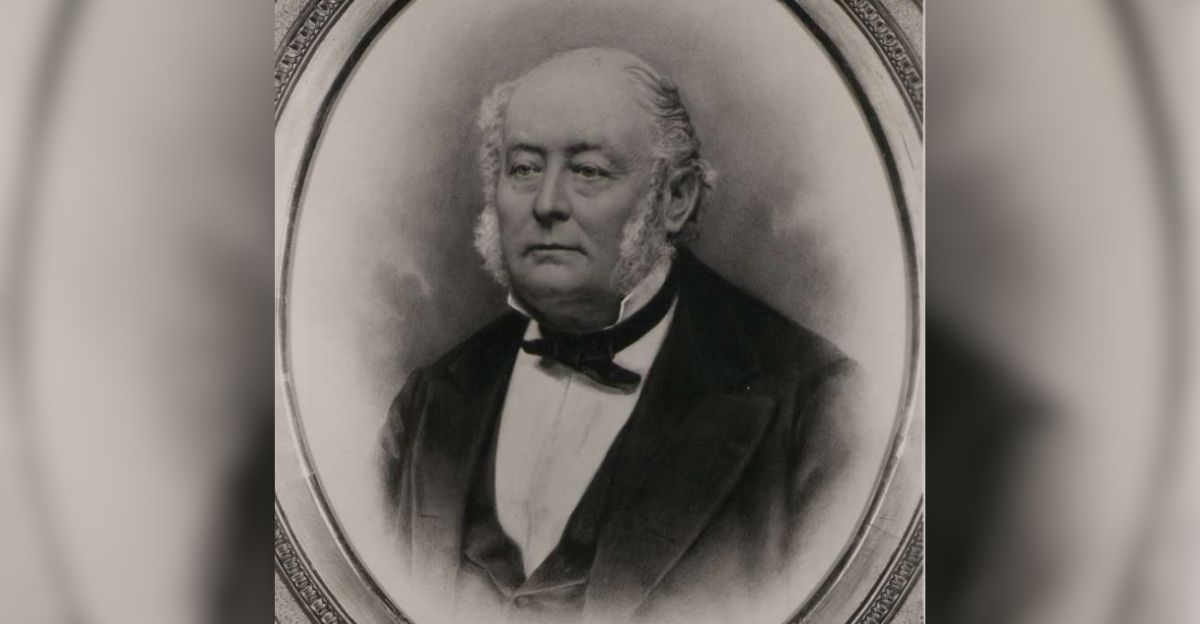
Anthropologists have traditionally viewed matrilineal societies, those that trace their ancestry through mothers, as uncommon and unstable, frequently associating societal advancement with patrilineal, male-dominated systems. Early academics like Bachofen and Morgan, influenced by the social Darwinism of the 19th century, presented matriliny as a primitive stage that was replaced by patriliny.
Nonetheless, evidence from around the world shows that matrilineal systems with complex kinship roles existed in a variety of cultures and eras, where male dominance did not always equate to female dominance. The persistence of matriliny necessitates a reexamination of gender relations and social evolution throughout human history. Matrilineal organization was historically significant in a number of prehistoric contexts, as evidenced by recent genetic and archaeological research that has started to validate some of these early theories.
The discovery of the Shandong Archaeological Site
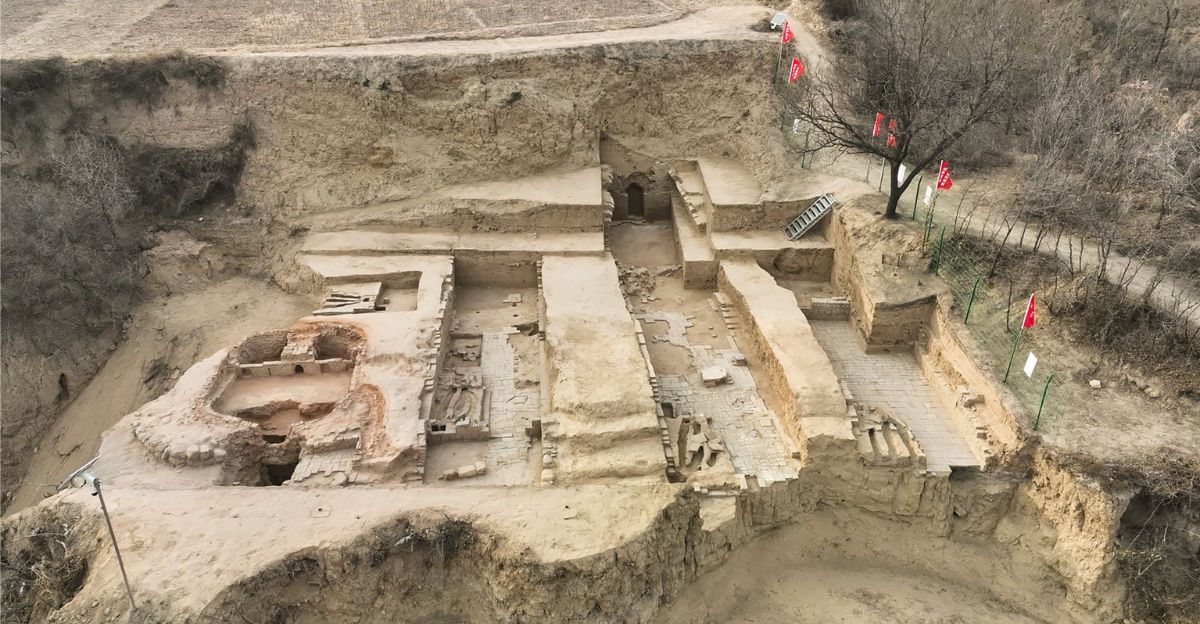
Between 2750 and 2500 BC, 60 well-preserved ancient skeletons were found at the Fujia site in Shandong province. According to genetic sequencing, these individuals belonged to the oldest matrilineal society ever verified by DNA, which lasted for more than 250 years and ten generations.
This Neolithic farming community maintained lineage through women, indicating a stable social structure structured around female ancestry, in contrast to the majority of prehistoric findings that show patrilineal descent. This disproves the idea that early societies were exclusively male-centered and creates new opportunities for researching prehistoric social structures. A diet centered on millet and potentially marine resources was also disclosed by stable isotope analyses, suggesting a geographically stable community with little social inequality.
Patrilineal and Matrilineal Systems in Contrast

Patrilineal systems, which are common throughout the world, place a strong emphasis on male inheritance and descent and are typically linked to male authority and property consolidation. On the other hand, matrilineal systems use female lines to arrange kinship, giving maternal uncles more importance and creating distinct social roles and inheritance patterns.
Matriliny does not equate to female dominance; rather, it places women at the center of lineage continuity, redistributing resources and power in ways that patrilineal-centric models ignore. Reframing stories of early human social complexity requires an understanding of this contrast. Across cultures and eras, these opposing structures have varying effects on social cohesion, marriage customs, and housing patterns.
Matrilineal Organization’s Socioeconomic Effects
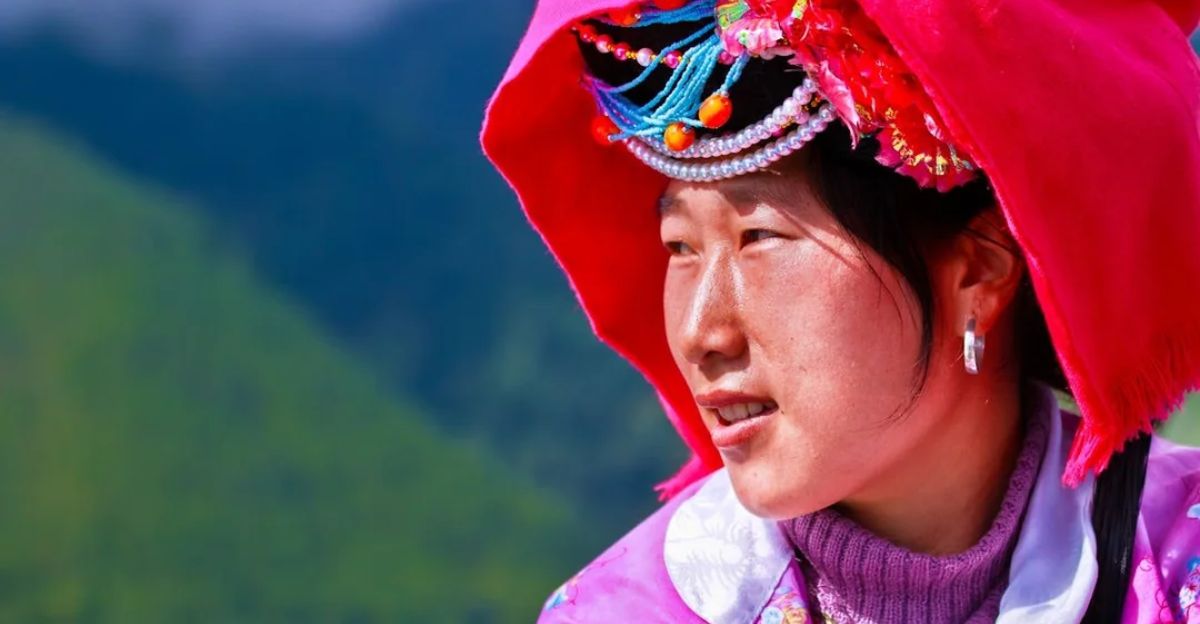
Without significant hierarchical control or wealth accumulation, the Shandong matrilineal society prospered, suggesting alternative social and economic strategies centered on kinship and group collaboration. This contradicts theories that associate elite accumulation and property centralization with social complexity.
Rather, matrilineality here implies that female lineage continuity and shared resource management were essential for social cohesiveness and survival. This realization highlights the diversity of prehistoric community structures and expands anthropological and economic frameworks for what early social organizations could resemble. It clarifies how maternal-ties-based social networks promoted stability over the long run without requiring hierarchical resource control.
Evolutionary and Psychological Views

Matrilineality presents an evolutionary conundrum because men prefer to spend money on their sister’s offspring over their own, which goes against the notion of inclusive fitness. Since paternity uncertainty is an empirically inadequate explanation, more recent models take social cooperation and cultural evolution into account as drivers.
The persistence of matriliny suggests adaptive kin investment strategies beyond genetic calculations alone, as men continue to be associated with their own maternal kin group. This demonstrates the intricacy of human social evolution, where kinship systems are shaped by both biology and cultural norms. These viewpoints introduce adaptable social strategies into human ancestral behaviors, challenging oversimplified evolutionary narratives.
Comparing This Ancient Matrilineal Society to Others
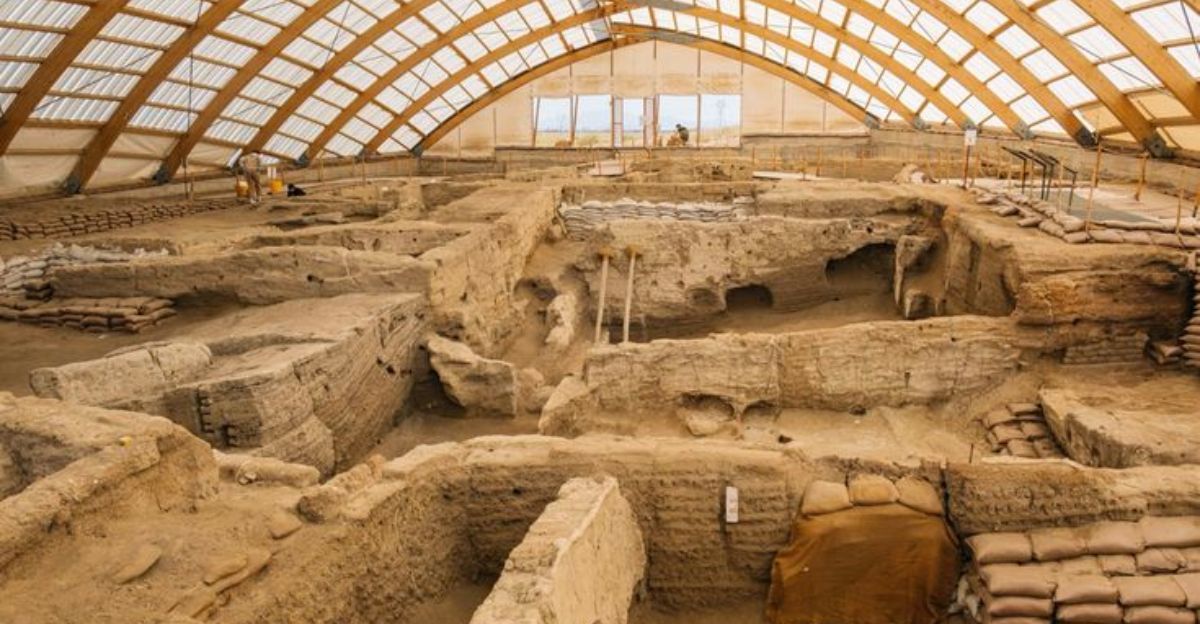
In addition to Shandong, other ancient matrilineal societies include the proto-city of Çatalhöyük in Turkey (7000 BCE) and the Chaco Canyon dynasty in the Southwestern United States (800–1130 CE). In these societies, female-centered kinship and leadership roles are supported by genetic and archaeological evidence.
The idea that patriliny is universal or exclusive in early complex societies is refuted by these cases, which span continents and millennia and highlight matriliny’s deep historical roots and adaptability. Every society exhibits distinct cultural adjustments to the environment, social organization, and subsistence economy.
The More Comprehensive Anthropological Discussion

Patriarchal Western presumptions of universal male dominance are challenged by matrilineal societies. Matriliny was frequently disregarded in historical anthropology as an aberrant or subpar stage. Current studies support the acceptance of cultural diversity by demonstrating the historically contingent and complex nature of kinship systems.
When matrilineal societies are acknowledged, the conversation about gender, power, and social order changes, and nuanced, context-driven social sciences are emphasized instead of skewed evolutionary hierarchies. It enhances existing anthropological frameworks by providing opportunities for the sensitive and accurate revisitation of ancient social models.
Archaeogenomics’ Difficulties
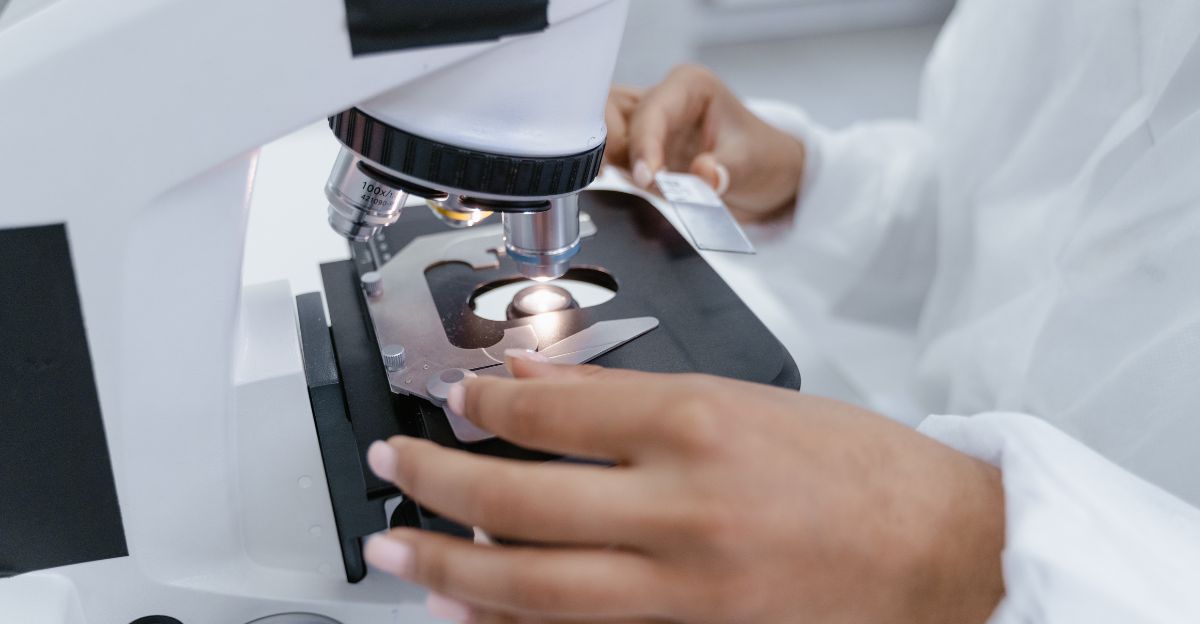
Cultural burial variability and inadequate DNA preservation make it challenging to document prehistoric matrilineal societies. Matrilineal evidence can be archaeologically subtle, in contrast to patrilineal systems that have more obvious male lineage markers.
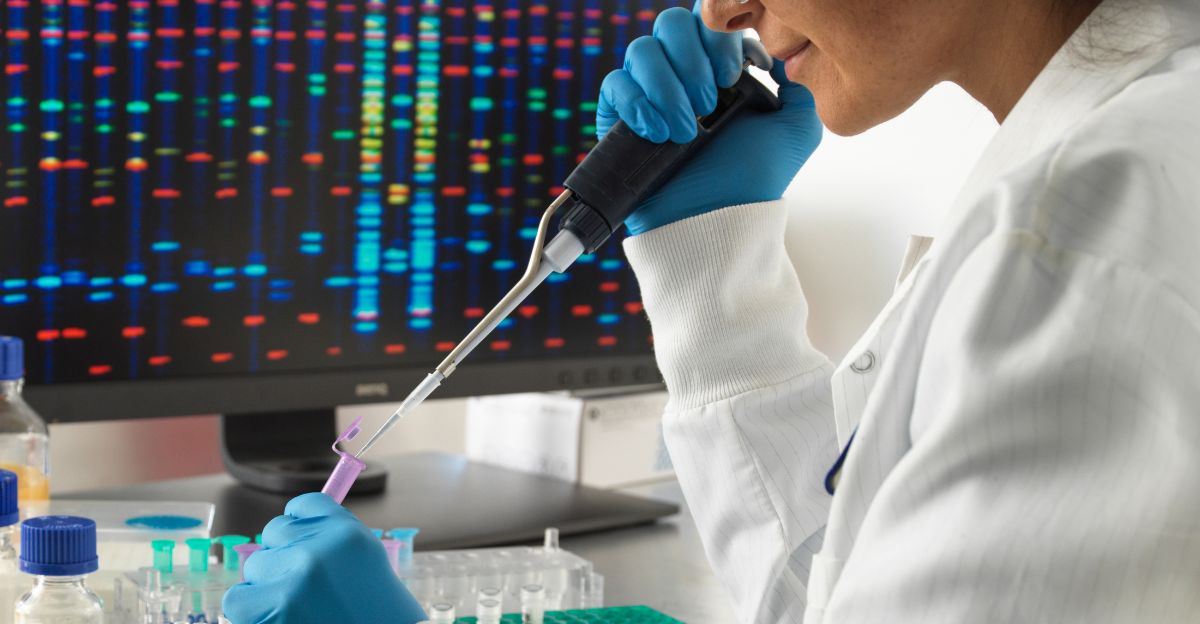
Thus, by combining comprehensive genome-wide analysis with archaeological context, the Shandong discovery represents a methodological breakthrough that demonstrates the ability of contemporary science to shed light on prehistoric social orders that were previously hidden from the record. In order to restore lost kinship systems, this promotes interdisciplinary approaches that combine genetics, archaeology, and isotope chemistry.
Relevance to Contemporary Gender Studies
Discussions about gender, hierarchy, and power are rekindled by the Shandong evidence, which gives arguments opposing the inevitable nature of patriarchy a strong historical foundation. It supports feminist and gender theories that challenge universal male dominance by demonstrating the age-old, complex, and functional nature of matrilineal social organization.
This long-term viewpoint adds depth to discussions about equality and social roles by encouraging a reexamination of the ways in which culture has shaped gender throughout history. These results empower marginalized identities and support current calls for more inclusive narratives on human social diversity.
Impact on Modern-Day Cultural Identity and Kinship
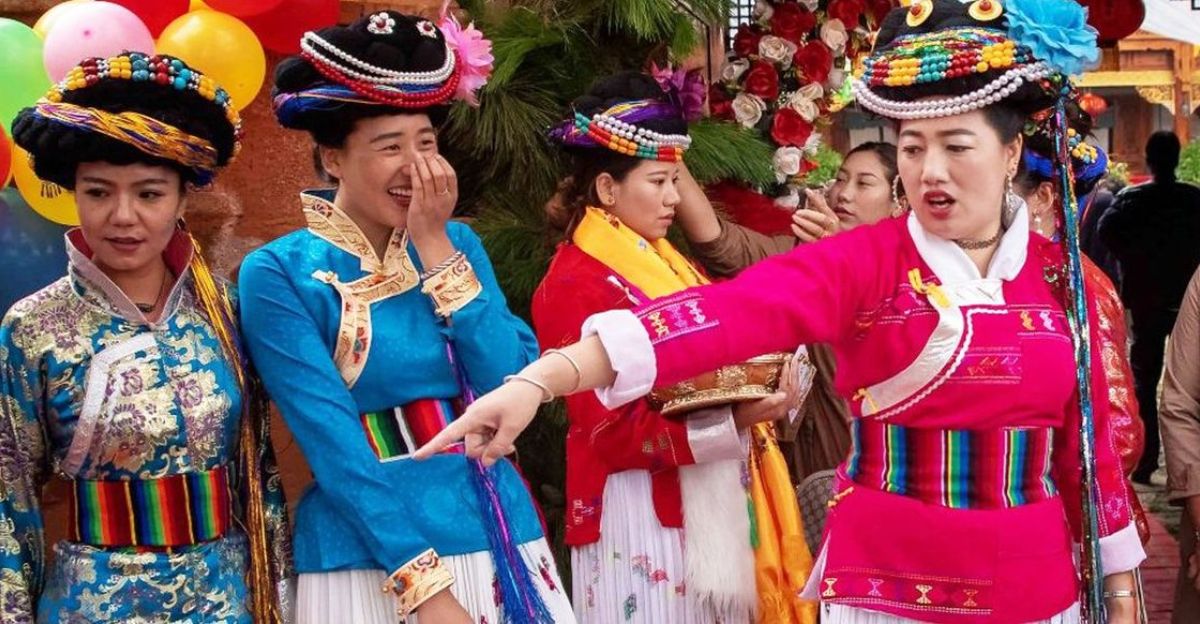
In the face of colonial and patriarchal narratives that deny their legitimacy, modern matrilineal societies find validation in discoveries such as Shandong’s, which affirm heritage.
The importance of maintaining various kinship traditions that are endangered by globalization and homogenizing social trends is emphasized by this scientific validation, which also promotes cultural pride. It draws attention to how flexible and resilient matrilineal systems have been throughout history. Such affirmation can strengthen pluralistic social models by influencing policy regarding indigenous rights and cultural preservation.
The Financial Aspects of Matriliny

In terms of economics, matrilineal societies frequently prioritize communal well-being and resource sharing over the accumulation of personal wealth. Farming and animal husbandry in Shandong society most likely followed communal values that were more in line with familial responsibilities than with hierarchical property ownership.
This model questions prevailing economic narratives and may serve as an inspiration for alternative modern frameworks that prioritize cooperation and equity. Knowledge of these systems may also influence current debates about social safety nets and sustainable economies.
Adaptations to the Environment

Cooperative farming and fishing methods that were adaptable to changing resource conditions were necessary for the Neolithic Shandong society. In challenging ecological contexts, matrilineal kinship may have optimized labor and resource management by fostering social flexibility and resilience.
This implies that in prehistoric times, social organization was influenced by the environment and means of subsistence just as much as by ideology. These revelations add to more general conversations about adaptive cultural evolution and human-environment interaction.
Roles of Gender and Social Structure

Although matrilineal descent emphasizes the importance of women in inheritance and lineage, it does not diminish the significance of men, particularly maternal uncles.
By highlighting the various ways societies have structured gendered responsibilities throughout history, this produces a balanced gender role framework that is different from patriarchal dominance and enhances our understanding of human social diversity. The fact that these roles have remained constant over centuries at the Fujia site is evidence of persistent social norms that shape identity.
Religion/Mythology and Matrilineality
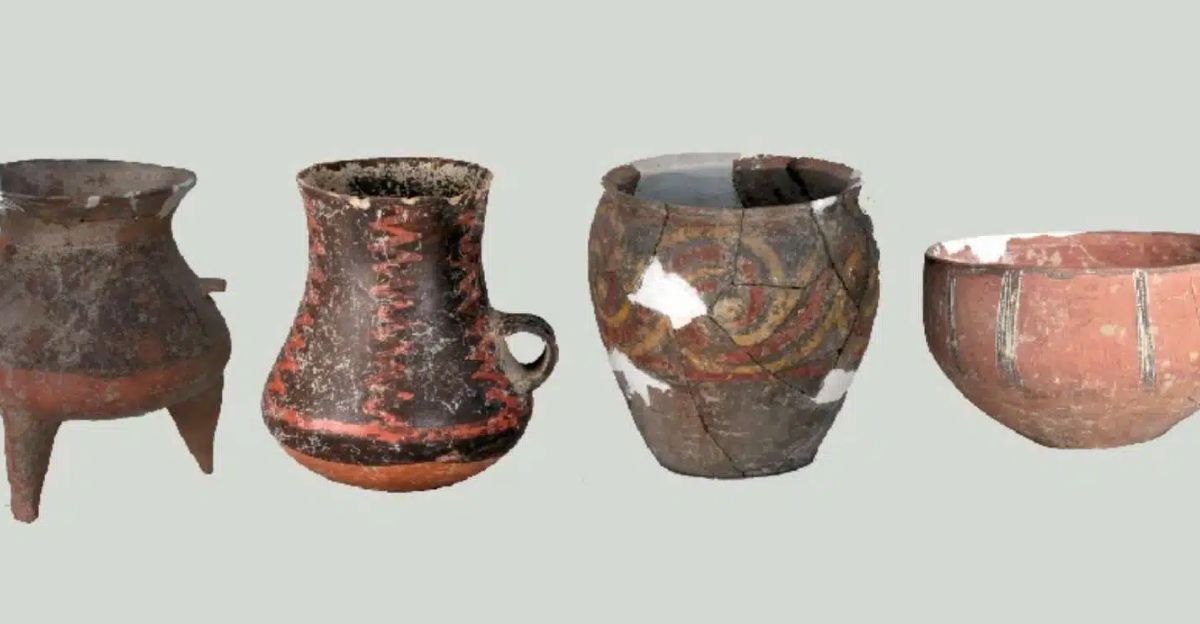
As evidenced by figurines and symbolic burials, artifacts and burial practices at Shandong and related locations point to a spiritual respect for motherhood and female ancestors.
The way that kinship and religious practice are intertwined highlights the cultural importance of women beyond kinship, which helped early societies form their identities and maintain social cohesiveness. Archaeological symbolism like this sheds light on ritual and worldview, as well as the broader cultural meanings of matriliny that go beyond descent.
Contemporary Scientific Methods in Kinship Studies
By using radiocarbon dating and sophisticated genomic sequencing, this discovery made it possible to reconstruct social structures and family trees from fragmentary remains.
By offering empirical evidence that reveals the intricacies of prehistoric kinship and challenges presumptions based solely on sparse artifacts, such technologies transform archaeology. Understanding ancient societies through interdisciplinary innovation is best demonstrated by the integration of genome-wide data with isotope and material culture studies.
Possible Effects at the Second and Third Orders

Anthropology, gender theory, and discussions of social policy are all altered when ancient matrilineal societies are acknowledged. It challenges the idea that patriarchy is unavoidable, impacting inheritance laws and governance structures while expanding the scope of education to represent the diversity of human society better.
Deeper societal reflection on equity and historical narratives may result from these changes. Such data may eventually influence social justice and gender equality policies around the world.
Contrarian Opinions and Debates

Some academics caution against romanticizing materialism as intrinsically superior or egalitarian. Matrilineal stability may rely on particular ecological and economic circumstances that are not always reproducible, and there are complex gender dynamics at play.
A balanced perspective acknowledges the advantages and disadvantages of matriliny and favors complex interpretations over crude reversals of patriarchy. This viewpoint warns against romanticized interpretations that disregard the complexity of history.
The Elite Matriline of Chaco Canyon
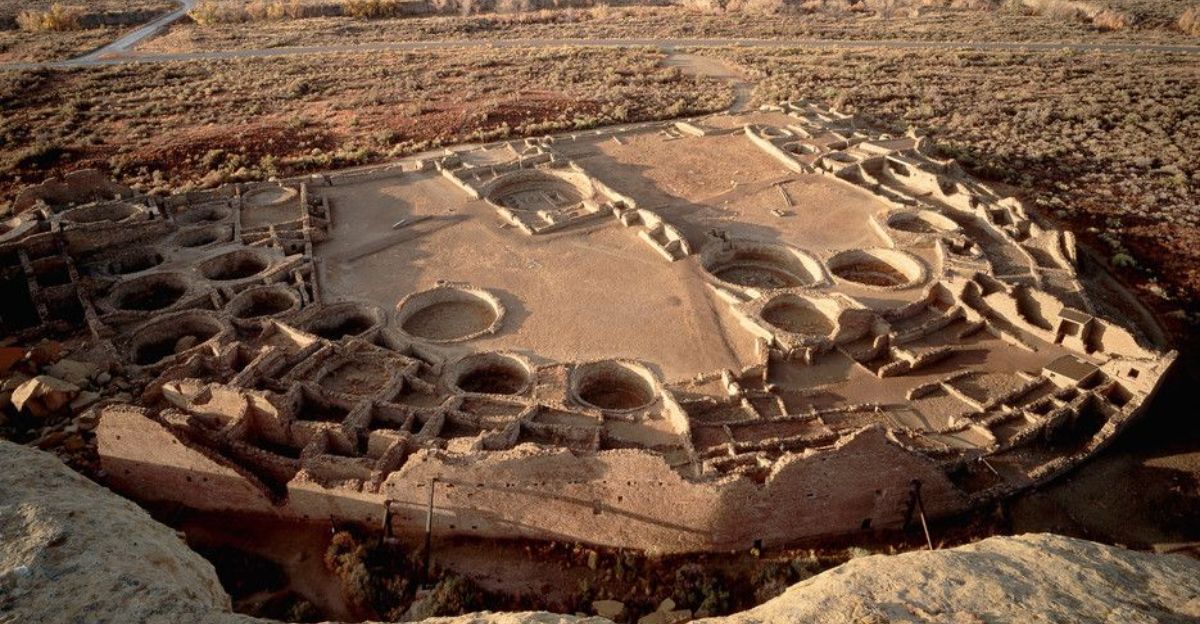
According to archeogenomic research conducted in Chaco Canyon, an elite matriline that paralleled Shandong’s oldest matrilineal society lasted for more than three centuries.
This disproves the notion that elite power always followed patrilineal lines by showing that matrilineal inheritance patterns were politically significant and sustainable across time and continents. These instances highlight how adaptable matriliny is across ecosystems and social scales.
Conclusion
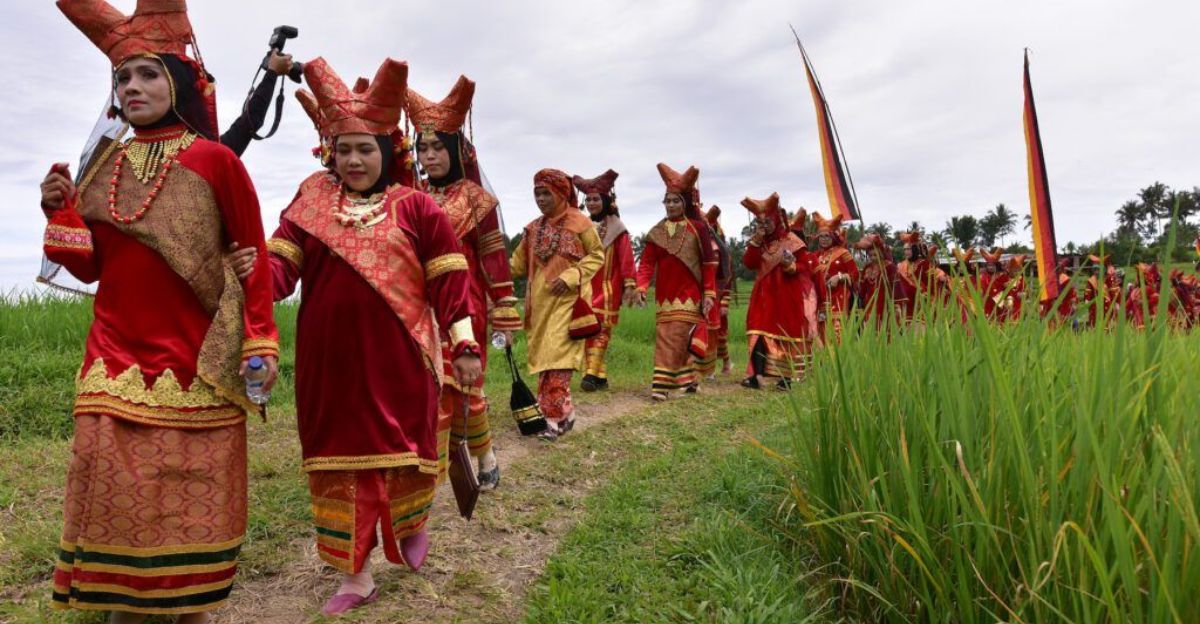
Previous theories regarding the social evolution and gender dynamics of prehistoric times are fundamentally challenged by the discovery of one of humanity’s oldest matrilineal societies. It draws attention to various social structures influenced by ecology, culture, and collaboration.
This discovery enhances historical narratives and stimulates new thinking about gender, power, and social complexity in the present by shedding light on female-centered kinship at ancient scales. More examples might be found in future studies, which would change how we perceive humanity’s social history and motivate more inclusive futures.