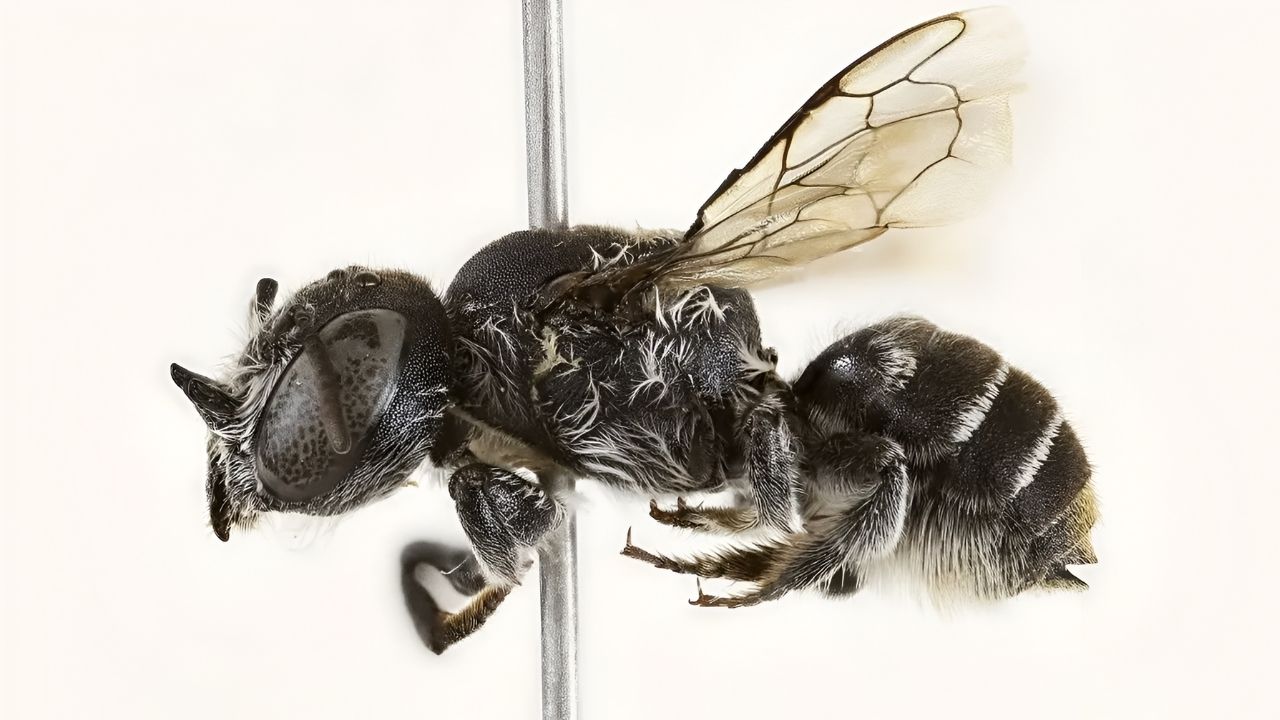
In the far reaches of Western Australia’s mining lands, scientists have uncovered a bee unlike any seen before, a small but fierce insect named Megachile lucifer, or the Lucifer bee. What makes this find so special isn’t just its horns or mysterious look, it’s the first new bee species discovered in Australia in over 20 years.
Researchers were floored to realize that such a unique creature had gone unnoticed in one of the harshest and remotest habitats on Earth. The Lucifer bee is proof that extraordinary life can flourish quietly underfoot, until someone looks closely enough to find it.
Discovered in the Wild Goldfields
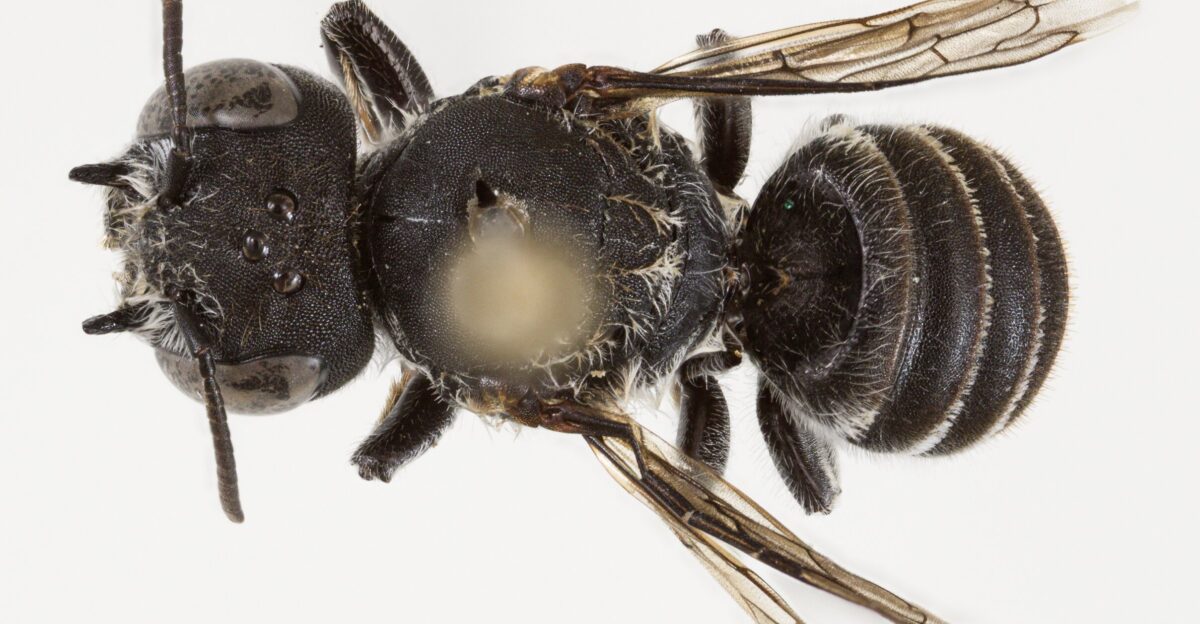
The bee was found in the Bremer Ranges, a rugged, mineral-rich region located approximately 470 kilometers east of Perth. This isn’t an easy place to explore, temperatures soar, the terrain is rough, and the land is largely untouched except by miners. Researchers discovered Megachile lucifer while studying a rare wildflower that blooms only in this isolated patch of wilderness.
That connection between the plant and the bee wasn’t a coincidence; it hinted at an intricate ecological bond. The Bremer Ranges, once seen mainly as a mining frontier, have now revealed themselves as a biological treasure trove. And this small, horned bee is the latest gem in its crown.
Meet the Horned Females
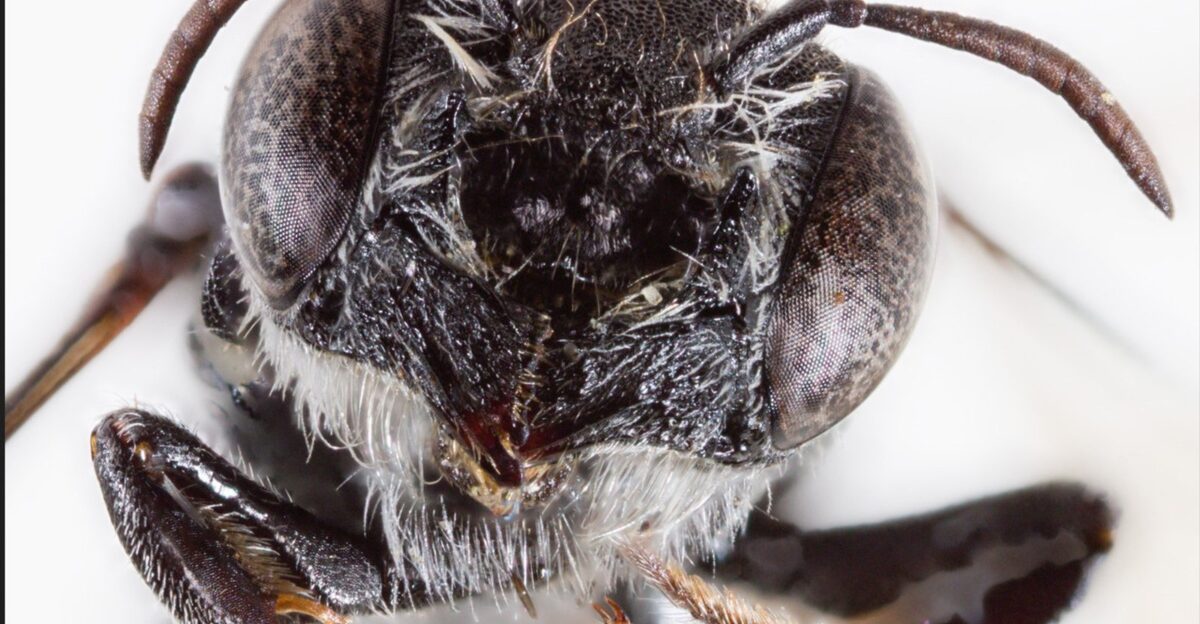
The Lucifer bee’s most striking trait lies in its females. Unlike any other known Australian bee, female Megachile lucifer sports small horn-like projections sticking out from just above its mandibles (jaws). These tiny horns give them an almost mythical appearance, something between an ancient guardian and a creature from folklore.
Scientists are still trying to determine the purpose of the horns. They might help with gathering pollen or resin, fighting off rivals, or simply be a form of sexual dimorphism, a common feature in insects where the two sexes look different.
A Name Born by Chance
The name Lucifer came about in the most unexpected way. As Dr. Prendergast described the new species, she happened to be watching the popular TV show Lucifer. The word carries several meanings in Latin, it means light-bringer, while in mythology, it refers to the fallen angel cast from Heaven.
That dual meaning, both light and darkness, fits the bee perfectly. It shines new light on biodiversity but also looks a bit devilish. In a press interview, Dr. Prendergast mentioned, “Science doesn’t always have to be dry, sometimes a name can capture imagination as well as accuracy.”
Breaking a 20-Year Silence
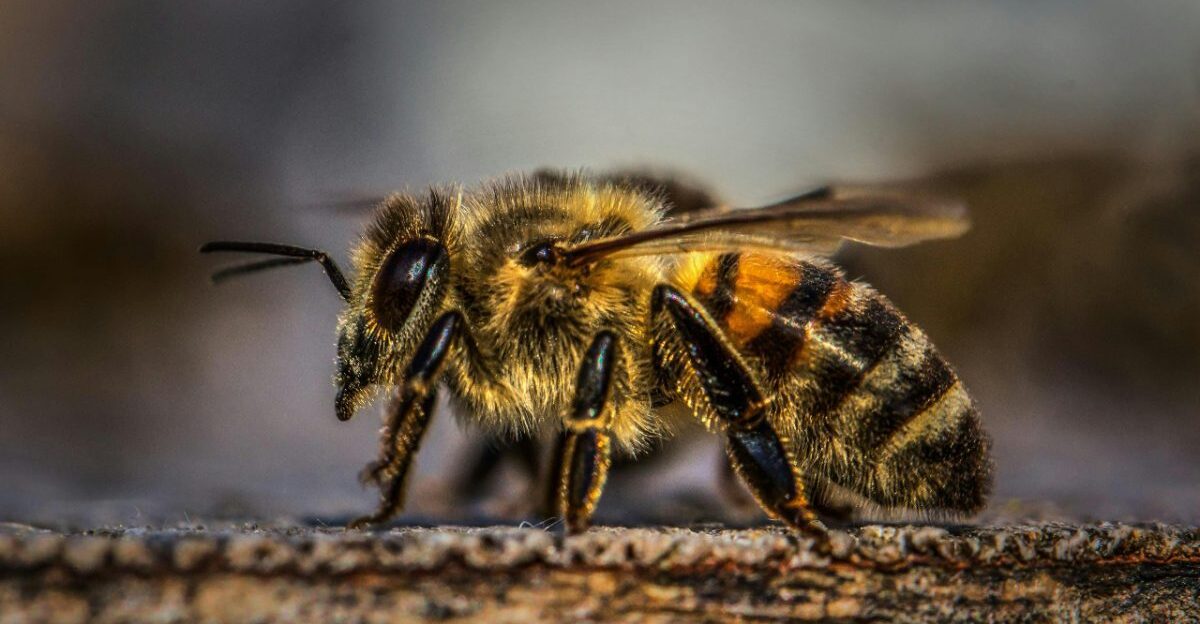
Before Megachile lucifer, no new species in its group had been identified in two decades. That’s like adding a missing chapter to a very long book. Leafcutter bees like these are crucial pollinators, known for cutting bits of leaves to build their nests.
A 20-year gap hints at how little research is funded for native bee studies, even though these insects play a vital role in ecosystems and food supply. The finding is especially encouraging for entomologists who have spent years studying declining bee populations and habitat loss.
The Mystery of the Horns
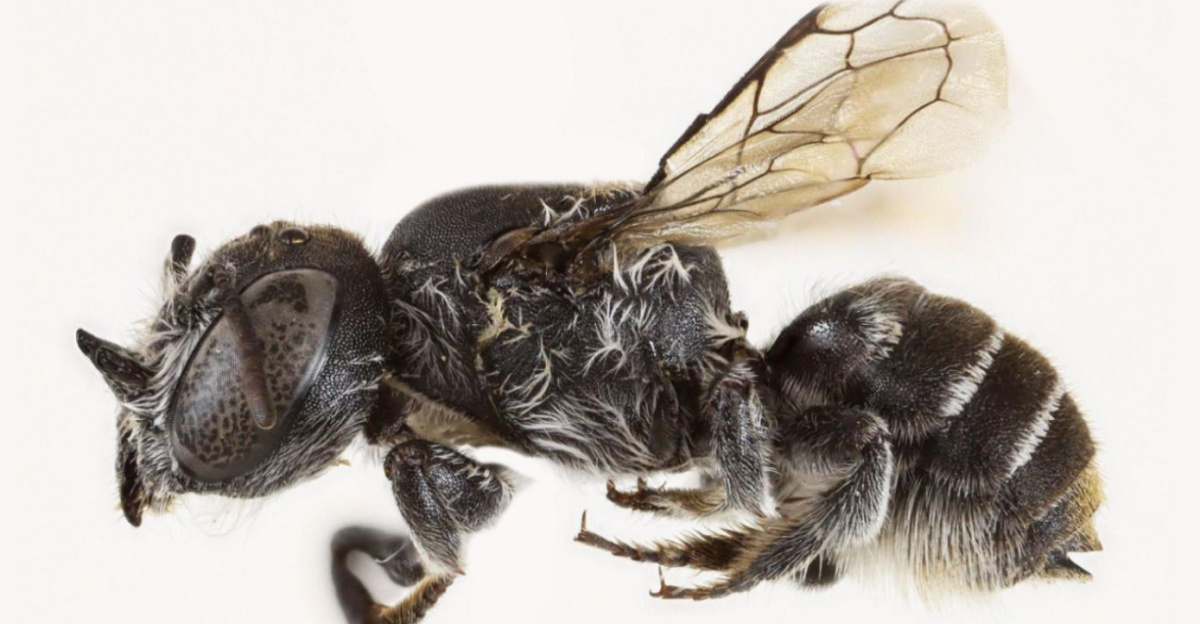
No one really knows why the female Lucifer bees have their distinctive horns. They could be used for collecting pollen, defending nests from intruders, or even attracting mates. Each theory opens a tiny window into how these bees might have evolved to fit their environment.
The horns could also help them navigate tight spaces when building their nests or scraping resin from plants. Scientists say such specialized traits often evolve over thousands of generations. These bees show how nature develops odd but useful features in response to life’s challenges.
Hidden Among Wildflowers
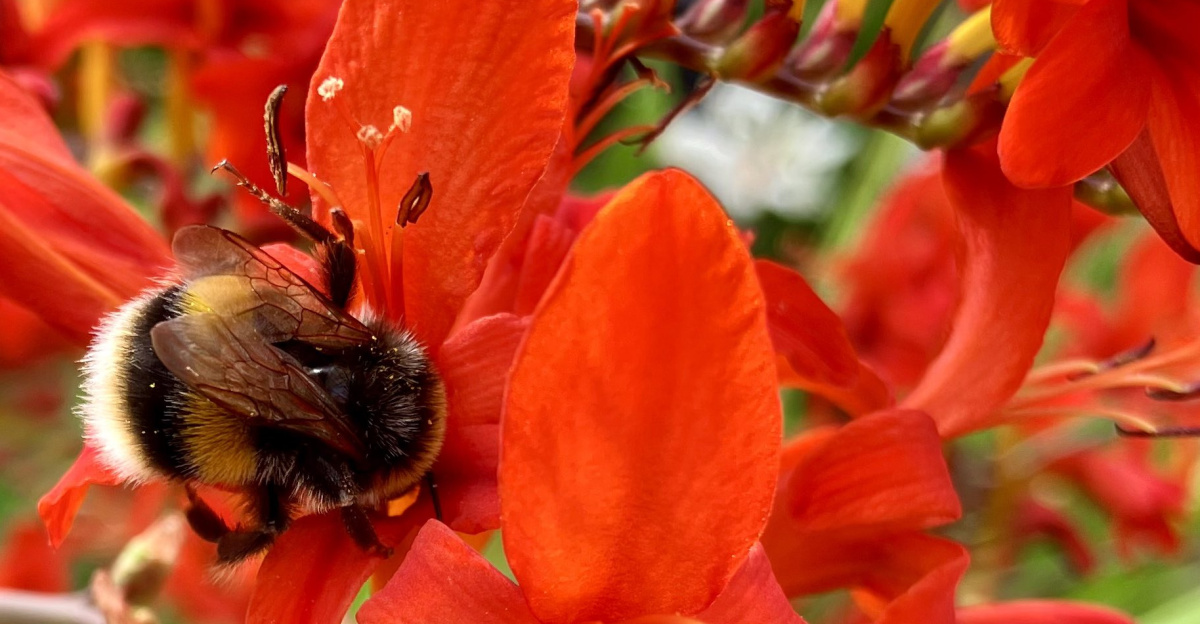
The Lucifer bee wasn’t found flying in a typical meadow, it was discovered around a rare wildflower that only exists in the same area. Scientists believe the bee and the flower depend on one another to survive. The flower provides pollen and nectar, while the bee helps it reproduce through pollination.
This kind of mutual dependence is called coevolution. It’s like a long friendship between species, shaped by time and necessity. When researchers watched the bees at work, they saw how carefully each insect landed, collected food, and spread pollen before moving to another plant.
Mining’s Silent Shadow

Western Australia’s Goldfields region has more than a hundred active mining sites, each carving its way across ancient landscapes. Mining drives much of the region’s economy, but it can reshape fragile ecosystems beyond repair. When scientists discover new species like the Lucifer bee in mining areas, it raises serious environmental concerns.
According to the Australian Conservation Foundation, many insects vanish before they’re even described by science. The Lucifer bee’s discovery shines a light on what could already be disappearing under bulldozers and machinery. Each overlooked insect or plant may hold genetic solutions for agriculture or climate resilience.
A Double Extinction Risk
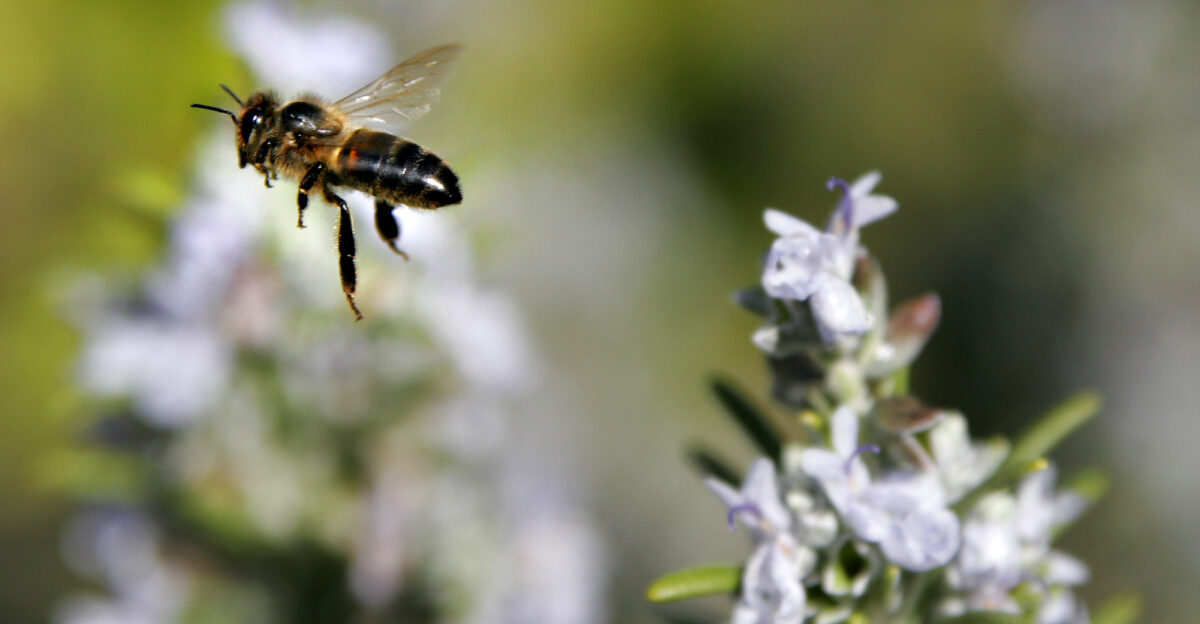
The Lucifer bee and its host flower share the same narrow slice of habitat, meaning both could disappear if that land is disturbed. This creates what scientists call a co-extinction risk. When one species dies out, any that depend on it often follow.
If mining or climate change alters their small ecosystem, the consequences could ripple far beyond the region. The case serves as a stark reminder of how connected life is. Protecting one species often safeguards many others.
The Scientist Behind the Discovery

Dr. Kit Prendergast, based at Curtin University, has spent years studying Australia’s native bees, documenting their diversity and behavior. Her research focuses on the insects most people overlook, the ones not kept in hives or used for commercial pollination.
Her work goes beyond cataloging species; it redefines how people understand the importance of pollinators in wild ecosystems. Dr. Prendergast’s curiosity and persistence led to the discovery of Megachile lucifer, a find that’s drawn attention far beyond scientific circles. Through social media and public education, she continues to inspire citizen scientists across Australia to document and protect native bees.
A Breakthrough in Print

The discovery of Megachile lucifer became official when Dr. Prendergast’s research was published in the Journal of Hymenoptera Research. Peer-reviewed publications like this ensure that a finding meets strict scientific standards before it’s recognized worldwide.
Before the paper came out, the bee had already sparked curiosity online when early photos appeared on social media. Environmental groups, science pages, and even pop-culture blogs shared the story of the devil bee with fascination. This global attention helped raise awareness not just about the species itself, but also about the broader need for conservation.
Why the Goldfields Matter

The Goldfields region has long been known for minerals, not ecosystems. Yet beneath its red soil and dry scrub lies one of Australia’s most overlooked ecological frontiers. Many areas here have never been thoroughly explored for wildlife.
The region’s harsh conditions hide species that depend on small, specialized habitats. Ecologists often describe the Goldfields as a natural library, full of stories still unread. Protecting the Goldfields means preserving Earth’s oldest living systems, where endurance and adaptation have shaped life for millions of years.
When Netflix Meets Nature

Part of what made the Lucifer bee story go viral was its unexpected connection to pop culture. Naming a species after a TV character seems humorous at first, but it highlights how science and storytelling often intersect. The TV show Lucifer follows a fallen angel who tries to understand humanity and morality, an interesting parallel to a fierce-looking bee that helps sustain life through pollination.
Dr. Prendergast’s honest explanation for the name showed how discovery doesn’t always follow formal paths, sometimes inspiration strikes in everyday moments.
The Devil That Protects
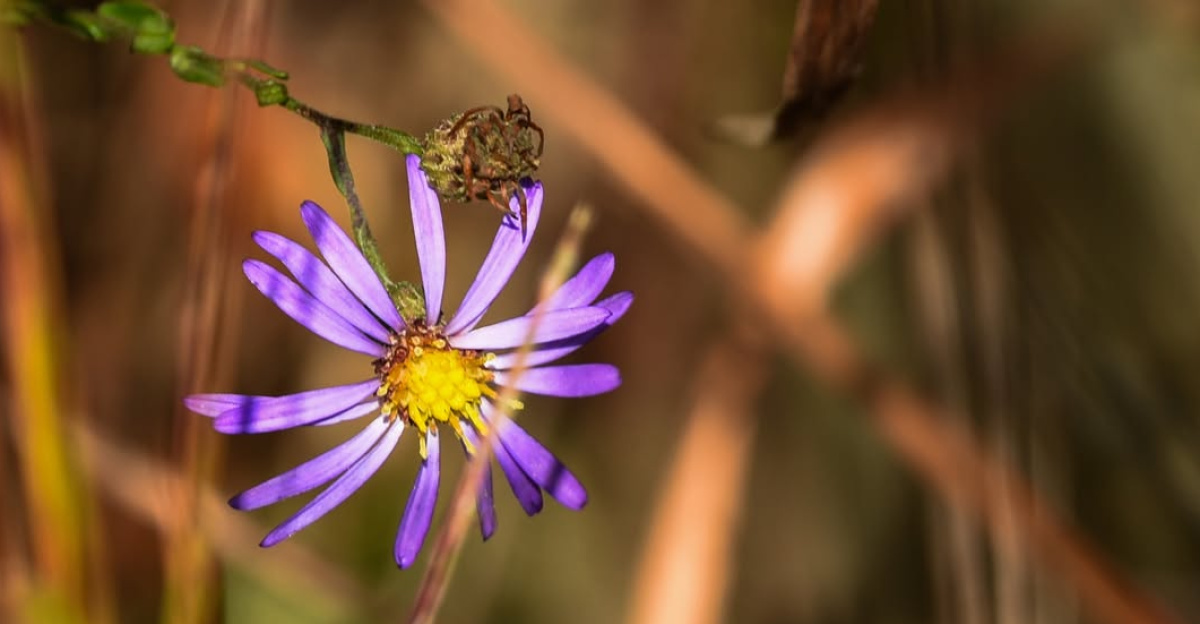
Despite its ominous name, the Lucifer bee may play the role of a quiet protector. Pollinating endangered wildflowers helps sustain the fragile network of life in the Goldfields. Every visit to a blossom spreads a vital trace of pollen that keeps the plant species alive.
In turn, these plants support other insects and small animals. Losing even one can cause entire food webs to weaken. The irony is that a bee named after the devil might actually function as nature’s guardian angel.
Lessons in Lost Biodiversity
Australia is a land of incredible diversity, but much of that richness is vanishing before scientists can study it. For every new species discovered, dozens quietly disappear due to habitat loss, pollution, or changing climates. The Lucifer bee’s discovery highlights both hope and urgency.
A 2020 CSIRO report warned that up to one-third of Australia’s insect species remain undescribed, meaning they could vanish without anyone even knowing they existed. Dr. Prendergast and her team hope this story motivates governments and citizens to invest more in field research.
The Hidden Cost of Mining

Modern technology depends on materials mined from the earth like lithium, nickel, copper, and gold all power the devices people use daily. But mining also leaves a heavy mark on land and wildlife. The same energy driving sustainable industries can destroy the very ecosystems that sustain life. In the Goldfields, the discovery of the Lucifer bee underscores this uneasy trade-off.
Mining changes soil composition, poisons water sources, and fragments habitats where rare species survive. Scientists and policymakers now face a challenge, finding ways to protect biodiversity while meeting growing global demands.
Racing Against Time
Climate change adds an extra layer of urgency to discoveries like the Lucifer bee. Increasing heat, drought, and erratic rainfall threaten delicate species that rely on stable environments. Western Australia is already feeling these effects, with altered flowering times and shrinking habitats changing how pollinators survive.
The bees’ small population could vanish before conservationists even understand its needs. Scientists emphasize that studying these creatures quickly is only half the job, the other half is protecting the places they live in.
A Glimpse into Evolution
The Lucifer bee also offers researchers a chance to study evolution up close. The fact that only female bees have horns raises fascinating questions about how species develop unique traits. These features might be the result of natural selection, helping females better defend their nests or collect materials.
They could also stem from sexual selection, where physical traits evolve to attract mates or establish dominance. Understanding these differences helps scientists trace how species adapt to changing landscapes over time.
What One Bee Reveals
If a previously unknown bee and a rare flower coexist in such a tiny, isolated patch of land, imagine what else could be waiting across Australia’s vast wilderness. Scientists estimate that hundreds of native pollinators remain unrecorded in similar hidden pockets.
Instead of assuming we understand nature completely, this finding humbles science. It encourages renewed curiosity about the countless species that live quietly out of sight, continuing the ancient drama of life amid changing landscapes.
Lighting Up the Unknown

As Dr. Prendergast said, “Without knowing which native bees exist and what plants they depend on, we risk losing both before we even realise they’re there.” That sentiment captures the heart of the Lucifer bee’s story.
Its devilish horns and dramatic name hide a gentler mission, to shed light on what remains unseen in nature. It shows how science can illuminate darkness, how every new piece of knowledge can inspire action and awareness.